AlphaFlow Review and Ads Breakdown: A Research-First Look
The video opens not with a product pitch but with a confession. A man who identifies himself as Dr. Paul Perito, medical director of a Florida urology practice, looks directly into the camera and states that many of the more than 10,000 prostate surgeries he has performed were…
8,226+
Videos & Ads
+50-100
Fresh Daily
$29.90
Per Month
Full Access
12.5 TB database · 72+ niches · 29 min read
The video opens not with a product pitch but with a confession. A man who identifies himself as Dr. Paul Perito, medical director of a Florida urology practice, looks directly into the camera and states that many of the more than 10,000 prostate surgeries he has performed were unnecessary, that his patients "were mutilated for nothing." It is a striking opening move, and it is worth pausing on it before engaging with anything else the video has to offer. A credentialed surgeon admitting professional wrongdoing on camera is not a typical marketing gambit. It is designed to do something very specific: make the viewer lean forward, suspend disbelief, and accept that what follows is the kind of truth that institutions prefer to bury. That is the emotional contract the Video Sales Letter for AlphaFlow asks the viewer to sign in its first thirty seconds, and everything that follows is built on that foundation.
AlphaFlow is a men's prostate health supplement sold exclusively through a long-form VSL running well over forty minutes. The product is framed not merely as a supplement but as a suppressed discovery, a natural protocol that allegedly reduces prostate volume in six weeks without drugs or surgery. The pitch is sophisticated in its architecture, drawing on decades of direct-response copywriting tradition, and it deploys a full arsenal of persuasion mechanisms, conspiracy framing, personal narrative, fabricated or unverifiable scientific citations, extreme price anchoring, and a guarantee structure that goes well beyond category norms. Whether the product delivers on its promises is one question this piece investigates. But perhaps the more instructive question, for anyone researching AlphaFlow before making a purchasing decision, is how the pitch itself works, and what that reveals about the claims being made.
The VSL was produced in Portuguese and has been translated and localized for English-speaking markets. The narrator throughout most of its runtime is a character named Dr. Ethan Caldwell, introduced as a urologist trained at Imperial College London who runs the Caldwell Center for Urological Research in Pittsburgh. His story is the spine of the entire letter: a son who watched his father's dignity dissolve under the weight of an enlarged prostate, who grew furious at the medical system's failure, and who spent years in scientific exile before emerging with a three-ingredient formula that, he claims, has already helped more than 27,000 men. The story is emotionally compelling, competently written, and structured around mechanisms that have powered successful direct-response campaigns for decades. This analysis examines each of those mechanisms in turn.
The central question this piece investigates is whether the science underlying AlphaFlow, specifically the bacterial-imbalance theory of BPH, the three-ingredient formulation, and the claimed clinical results, holds up to external scrutiny, and whether the marketing structure surrounding it is designed to inform or to overwhelm judgment.
What Is AlphaFlow?
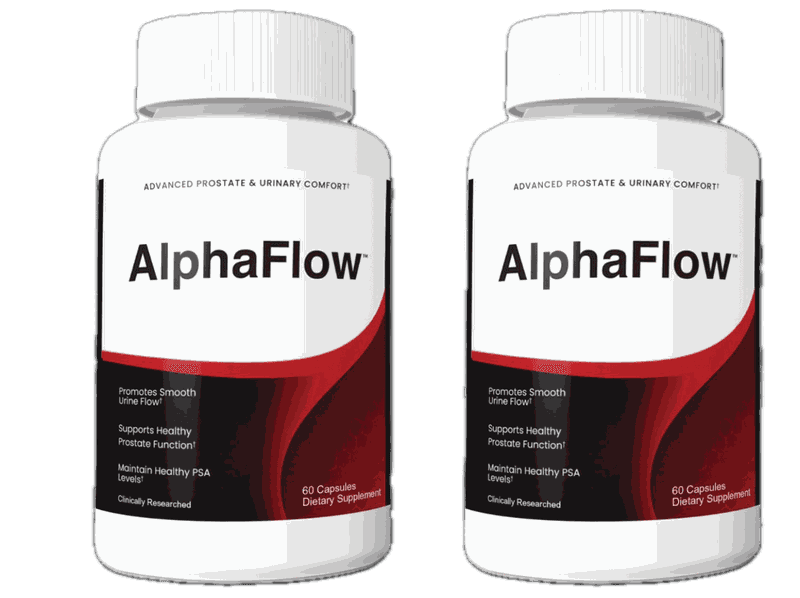
AlphaFlow is an oral dietary supplement sold in soft-gel capsule form, positioned in the crowded men's prostate health category. The product is taken as two capsules daily after breakfast and is marketed as a six-week course capable of reducing an enlarged prostate, clinically known as benign prostatic hyperplasia, or BPH, back to its normal volume without pharmaceutical intervention. The three active ingredients are pumpkin seed extract, grape seed extract, and menthol, combined in what the VSL describes as "clinically optimal concentrations." The product does not require a prescription and is sold exclusively through its official website; the VSL explicitly warns against purchasing from Amazon, Walmart, or other third-party retailers, citing the risk of counterfeit formulas.
The market positioning of AlphaFlow sits at a specific intersection: it appeals to men who have already tried conventional BPH medications, most commonly alpha-blockers like tamsulosin (Flomax) or 5-alpha-reductase inhibitors like dutasteride (Avodart), and found them either ineffective or accompanied by intolerable side effects. This is a large and underserved segment. The VSL's target avatar is a man between roughly 45 and 80 years old who has been through the cycle of prescription drugs and specialist visits, has received the standard "it's just age" dismissal, and is now receptive to an outside-the-system alternative. The pitch is explicit about this positioning: it does not attempt to compete with first-line BPH therapy on clinical legitimacy. Instead, it positions the mainstream medical system as the problem and AlphaFlow as the solution that system wants to suppress.
The format, a long-form VSL running over forty minutes, featuring emotional narrative, celebrity references, microscope footage of bacteria dying, and a tiered bonus offer, is characteristic of a specific genre of direct-response health marketing that has dominated platforms like YouTube and Facebook since roughly 2015. The genre's conventions are well established: a physician narrator, a personal family story, a conspiracy against natural cures, and an escalating offer structure designed to maximize average order value. Understanding that genre is part of understanding AlphaFlow.
The Problem It Targets
Benign prostatic hyperplasia is genuinely prevalent, genuinely disabling, and genuinely underserved by existing treatments, which is precisely what makes the BPH supplement category so commercially potent. According to the National Institute of Diabetes and Digestive and Kidney Diseases (NIDDK), BPH affects approximately 50% of men between the ages of 51 and 60, rising to over 90% of men over 80. The symptoms described throughout the AlphaFlow VSL, nocturia (nighttime urination), weak urine stream, urinary urgency, incomplete bladder emptying, and associated impacts on sleep quality and sexual function, are clinically accurate descriptions of moderate-to-severe BPH. The condition causes real suffering, and that suffering is systematically minimized in routine medical encounters, often with the phrase the VSL quotes repeatedly: "it's just your age."
The VSL's emotional power derives in large part from the fact that it names experiences men have but rarely discuss publicly. The shame associated with incontinence, the invisible exhaustion of chronic sleep disruption, the quiet withdrawal from social activities to manage bathroom proximity, these are real phenomena. The Jumbotron scene, in which Dr. Caldwell's father wets his pants in front of 60,000 stadium spectators and appears in high definition on a giant screen, is a piece of writing designed to crystallize the worst-case version of a humiliation most BPH sufferers have feared but not experienced. Its function is affective anchoring: once a man has mentally lived that scene, ordinary frustration with his symptoms feels inadequate as a reason to act, and only complete resolution seems acceptable.
Where the VSL's framing of the problem diverges meaningfully from medical consensus is in its assignment of cause. The established science of BPH implicates a well-understood hormonal mechanism, dihydrotestosterone (DHT), a testosterone metabolite, drives prostate cell proliferation over time, a process influenced by age, genetics, and metabolic factors. The VSL does not dispute the role of DHT, but it layers an additional causal mechanism on top: a bacterial imbalance in the prostate, specifically the depletion of "protective bacteria" by environmental toxins in food, plastics, and drinking water. This claim, that modern environmental toxin exposure is responsible for BPH by wiping out a microbial population that would otherwise constrain DHT production, is presented as settled science backed by studies from Johns Hopkins, North Shore University Health System, and the University of Zurich. Independent verification of these specific studies, with the specific statistics cited (78% more protective bacteria in healthy men; 72% fewer protective bacteria in modern men versus their grandfathers), is not possible from publicly available databases. The citations may be misrepresented, aggregated from unrelated research, or fabricated entirely, a pattern common in this category of marketing.
The VSL also cites a statistic that warrants specific scrutiny: it claims that an enlarged prostate "increases your risk of developing prostate cancer by 340% in the next five years." This figure substantially overstates the established relationship between BPH and prostate cancer. While BPH and prostate cancer share some biological pathways and risk factors, BPH itself is not considered a direct precursor to prostate cancer by major oncological bodies. The American Cancer Society and the National Cancer Institute both note that having BPH does not mean a man is more likely to develop prostate cancer. The VSL's conflation of these two conditions is a calculated escalation of stakes designed to transform urinary frustration into existential fear.
How AlphaFlow Works
The mechanism the VSL proposes rests on three sequential claims. First, that BPH is fundamentally caused by a bacterial imbalance in the prostate, specifically, that "invasive bacteria" trigger excess DHT production while "protective bacteria" normally constrain it, and that modern environmental toxins have eliminated the protective population. Second, that pumpkin seed extract and grape seed extract can eliminate the harmful bacteria and detoxify the prostate. Third, and most distinctively, that menthol, the active cooling compound in Vicks VapoRub, acts as a vasodilator that increases the body's absorption of these bioactive compounds by up to 820%, delivering them directly to the inflamed prostate. This third element is the so-called VIX Trick, the named mechanism that gives Dr. Caldwell his nickname and serves as the product's core intellectual property claim.
Let us assess each claim in turn. The notion that the prostate harbors a distinct bacterial microbiome that influences DHT activity is not established mainstream urology. Research into prostate microbiota is an emerging and genuinely interesting field, studies published in journals including European Urology have found bacterial DNA in prostate tissue and explored possible links between prostatic inflammation and microbial populations, but the leap from "bacteria may be present in the prostate" to "bacterial imbalance is the primary driver of BPH and can be corrected with oral supplements" is enormous. The specific studies the VSL cites to support this claim, particularly the Johns Hopkins study of 6,000 men and the North Shore University Health System confirmation, do not appear in public-access databases under the parameters described. This does not mean the underlying biological interest is fraudulent; it means the evidentiary claims as stated are not verifiable and should not be treated as established fact.
Pumpkin seed extract and grape seed extract are both legitimate areas of nutritional research with some relevance to prostate health. A 2012 pilot study published in Nutrition Research and Practice found that pumpkin seed oil supplementation was associated with improvements in BPH symptom scores in a randomized trial, though the effect sizes were modest and the proposed mechanism was related to phytosterol activity on androgen receptors rather than bacterial elimination. Grape seed extract's proanthocyanidins have demonstrated anti-inflammatory and antioxidant activity in multiple in vitro studies, and there is some research interest in their activity against inflammatory cytokines implicated in prostate enlargement. What neither ingredient has demonstrated in peer-reviewed clinical literature is the ability to selectively destroy a specific class of prostate bacteria, as the VSL depicts with dramatic microscope footage.
The menthol claim is the most specific and the most verifiable. Menthol does activate TRPM8 receptors, this is a real and well-described pharmacological phenomenon, documented in research on pain signaling and cold sensation. Studies, including work published in Cancer Research, have explored TRPM8 expression in prostate cancer cells and the receptor's potential relevance to cancer biology. However, the claim that oral menthol consumption increases the absorption of co-administered bioactive compounds by "up to 820%" is extraordinary, and no peer-reviewed literature supports this specific figure in any oral bioavailability context. The vasodilatory properties of menthol are real but apply primarily to topical and nasal routes of administration, the same routes used in Vicks VapoRub, not to gastrointestinal absorption of encapsulated supplements. The epiphany story of Dr. Caldwell applying Vicks to his chest and suddenly realizing menthol could be an absorption amplifier is narratively satisfying, but the pharmacological logic does not transfer from topical to oral administration in the way the VSL implies.
Curious how other VSLs in this niche structure their mechanism claims? Keep reading, the sections below break down exactly how the persuasion architecture is built and where it diverges from the science.
Key Ingredients and Components
The AlphaFlow formulation, as described in the VSL, is built on three active compounds. The following assessment covers what each ingredient is, what the VSL claims it does, and what independent research actually shows.
Pumpkin Seed Extract (Cucurbita pepo): Pumpkin seeds contain phytosterols, delta-7-sterols, and zinc, compounds with documented relevance to androgen metabolism and prostate cell activity. The VSL claims that phytosterols "act like cell separators, breaking down the defenses of harmful bacteria," a claim with no published mechanistic support in prostate microbiology. What the literature does support is more modest: a randomized controlled trial by Vahlensieck et al. (2015), published in Nutrition Research and Practice, found pumpkin seed oil supplementation significantly improved International Prostate Symptom Scores (IPSS) over 12 weeks compared to placebo. The mechanism proposed in that study involved phytosterol inhibition of 5-alpha-reductase (reducing DHT conversion), not bacterial elimination. The ingredient is plausible as a modest BPH symptom reducer; the bacterial-warfare narrative applied to it in the VSL is not supported.
Grape Seed Extract (Vitis vinifera): Grape seed extract is rich in proanthocyanidins, a class of polyphenols with well-documented antioxidant and anti-inflammatory properties. The VSL cites a study from the Journal of Medicinal Food claiming grape seed extract "kills pathogenic bacteria, including the most resistant ones." Research in the Journal of Medicinal Food has examined grape seed extract's antimicrobial properties, and there is in vitro evidence of activity against certain bacterial strains. However, in vitro antimicrobial activity does not automatically translate to clinical efficacy in a tissue-specific context like the prostate, and no study in public literature has demonstrated that oral grape seed supplementation selectively eliminates a class of prostate bacteria in living subjects.
Menthol: The naturally occurring compound responsible for the cooling sensation in mint and products like Vicks VapoRub. Menthol activates TRPM8 receptors, which are expressed in various tissues including prostate cells, a fact exploited by the VSL to construct its anti-cancer efficacy claim. Research by Bidaux et al. (2005) published in Cancer Research explored TRPM8 expression in prostate tumors, and subsequent in vitro work has examined menthol's effects on prostate cancer cell lines. These are early-stage findings, not clinical evidence of cancer prevention. The VSL's claim that menthol "inhibits the proliferation of cancer cells by up to 87%" conflates in vitro results with clinical outcomes. As an oral absorption enhancer delivering other compounds at 820% improved bioavailability, menthol has no documented support in peer-reviewed pharmacokinetics literature.
Hooks and Ad Angles
The AlphaFlow VSL opens with what direct-response copywriters would recognize as a pattern interrupt delivered through a credibility frame: a named surgeon, not a marketer, confessing professional failure. The hook, "many of those men were mutilated for nothing", does several things simultaneously. It disrupts the viewer's expectation of a product pitch by leading with self-incrimination. It establishes that the speaker has standing to criticize the medical establishment (he is the establishment). And it implies hidden information, "if only they had known", creating an open loop that cannot be closed without continuing to watch. This is textbook Eugene Schwartz market sophistication Stage 4 and 5 territory: the buyer has seen every direct pitch for prostate supplements, every "natural remedy" claim, and now only responds to a mechanism framed as newly discovered and institutionally suppressed.
The conspiracy layer, Big Pharma erased the files, Bill Bixby was denied his cure, the video may be pulled down, is a false enemy construction, a persuasion architecture in which the audience's existing frustration with institutions is redirected toward a single villain, making the product purchase an act of alignment with the in-group of awakened men. This is Seth Godin's tribe mechanics deployed at scale: the buyer is not just purchasing a supplement, he is joining a community of men who refused to be deceived. The Bill Bixby narrative functions as a historical anchor, lending the suppressed-cure narrative a specific, emotionally resonant event that predates the product and is therefore unimpeachable by the viewer, the deaths of public figures cannot be fact-checked in real time during a video.
Secondary hooks observed throughout the VSL:
- "Your prostate is about to burst" urgency framing, paired with the four-question self-diagnostic test calibrated so that nearly any man over 50 qualifies as "at risk"
- The Jumbotron humiliation scene, a vivid, specific narrative designed to make abstract risk viscerally personal
- The near-refund veteran testimonial, a reverse-psychology proof element that transforms skepticism from a barrier into evidence of the product's integrity
- The microscope footage showing bacteria dying in real time, visual authority borrowed from scientific documentary conventions
- "You've been selected as one of 30 men", artificial exclusivity framing applied mid-pitch to re-engage attention as the offer sequence begins
Ad headline variations a media buyer could test on Meta or YouTube:
- "Surgeon reveals why he regrets 10,000 prostate surgeries, and what he recommends instead"
- "The ingredient in Vicks VapoRub that may shrink your prostate in 6 weeks"
- "If you wake up more than once a night to urinate, watch this before your next doctor's visit"
- "Big Pharma buried this BPH discovery in 1993. A Pittsburgh researcher just brought it back."
- "27,000 men have already tried this. Here's what happened to their prostates."
Psychological Triggers and Persuasion Tactics
The AlphaFlow VSL is not a simple emotional appeal, it is a stacked persuasion architecture in which authority, fear, conspiracy, personal narrative, and offer mechanics are layered sequentially rather than deployed in parallel. The sequence matters: authority is established first (Dr. Perito's confession, Dr. Caldwell's credentials) so that subsequent emotional claims, the cancer risk statistics, the bacterial massacre narrative, are received within a frame of professional credibility. Only after the viewer's trust is secured and their fear is elevated does the personal narrative arrive to provide the emotional permission to act. This is the structure Cialdini would recognize as social proof and authority stacked on loss aversion, and Schwartz would call advanced-stage market writing for a buyer who has been burned before.
The offer sequence then layers in scarcity, reciprocity, and the endowment effect in rapid succession, a compression designed to prevent the analytical mind from re-engaging after the emotional peak. The near-refund veteran story is particularly sophisticated: it converts the guarantee from a safety net into a trust signal, and the "keep the bottles" gesture invokes Thaler's endowment effect, transforming a skeptic into an owner before he has decided to buy.
Specific tactics deployed:
- Cialdini's Authority: Three named physicians (Perito, Caldwell, Phipps), a celebrity (Mark Harmon), and multiple institutional name-drops (Johns Hopkins, Mayo Clinic, Imperial College London) construct a credibility lattice that the viewer must actively work to dismantle, most do not.
- Kahneman and Tversky's Loss Aversion: The 340% cancer risk increase, the 90% lifetime incontinence rate, and the $10,000 annual cost of conventional treatment are framed as the cost of inaction, losses are reliably more motivating than equivalent gains in human decision-making, and the VSL exploits this asymmetry throughout.
- Festinger's Cognitive Dissonance: The viewer is told he has already wasted money on medications and doctors that failed him, accepting this narrative creates dissonance ("I made bad decisions") that can be resolved by taking a new, better-informed action (buying AlphaFlow), which the VSL frames as the rational, awakened choice.
- Godin's Tribe Mechanics / False Enemy: Big Pharma is positioned as the out-group; men who discover natural cures are the in-group. Purchase is social identification, not mere consumption.
- Thaler's Endowment Effect: The near-refund story, "they told me to keep the bottles", creates psychological ownership before financial commitment, dramatically increasing the probability of the skeptic becoming a buyer.
- Cialdini's Scarcity and Social Proof: 27,000 men already transformed, stock nearly gone, 5-9 month restock lead time, only 30 men selected, scarcity and validation are compressed into the same moment, creating simultaneous FOMO and safety.
- Jay Abraham's Risk Reversal Beyond Category Norms: A refund plus $500 bonus after consuming all six bottles reframes the guarantee from "you won't lose money" to "you will net $500 if this fails", making inaction financially irrational within the VSL's own logic.
Want to see how these psychological tactics compare across 50+ VSLs in the health and wellness space? That's exactly the kind of pattern library Intel Services is built to deliver.
Scientific and Authority Signals
The authority architecture of this VSL is elaborate enough to warrant careful, item-by-item assessment. Dr. Paul Perito, who opens the video, is a verifiable figure, Perito Urology is a real urology practice in Coral Gables, Florida, and Dr. Perito does have a documented clinical background in urology and penile prosthetics. His appearance in the VSL does not mean he endorses AlphaFlow's specific claims; his role as a credentialed opener does the work of granting institutional legitimacy to everything that follows, whether or not that legitimacy transfers. Dr. Ethan Caldwell and his Caldwell Center for Urological Research in Pittsburgh are not verifiable through publicly accessible medical directories, institutional databases, or state licensing records in the manner one would expect of a practicing physician running a named research center. This does not conclusively prove the character is invented, but it means the viewer cannot independently confirm the credentials being presented. Dr. Steven Phipps at Thorne Research is similarly unverifiable, Thorne Research is a real and well-regarded supplement manufacturer, but no Dr. Steven Phipps appears in their published leadership or scientific advisory records.
The studies cited throughout the VSL fall into several categories of evidentiary concern. The menthol-TRPM8 receptor connection is grounded in real research, Bidaux et al. (2005) in Cancer Research is a legitimate citation in its domain, though its application in the VSL substantially overstates clinical relevance. The pumpkin seed extract research has legitimate nutritional science behind it (see the Vahlensieck et al. 2015 trial in Nutrition Research and Practice), even if the mechanism the VSL assigns to it is unsupported. The studies most central to the VSL's unique mechanism claim, the Johns Hopkins 6,000-man bacterial imbalance study, the North Shore University 78% protective bacteria finding, the University of Zurich 72% generational depletion report, and the University of Tokyo pumpkin seed-bacteria connection, are not verifiable in publicly searchable databases. The Mayo Clinic's name is invoked for a "cocktail effect" confirmation and a self-diagnostic quiz, but the Mayo Clinic does not appear to have published research framed in those specific terms. Citing real institutional names in proximity to unverifiable claims is a technique that borrows authority without transferring it, a form of what might fairly be called borrowed authority, and it is deployed systematically here.
The clinical trial claims, 578 patients with 94% prostate normalization, 2,000 volunteers with 89% volume reduction in six weeks, are presented without study registration numbers, journal citations, independent oversight, or any means of external verification. Legitimate clinical trials of this scale and result magnitude would be published in peer-reviewed urology journals and would generate significant academic attention. No such publications are detectable. The claim that AlphaFlow has "FDA-proven effectiveness" is also worth flagging: dietary supplements in the United States are regulated under DSHEA (the Dietary Supplement Health and Education Act of 1994), which does not require FDA approval before a supplement reaches market. A supplement can legally claim it "passed FDA tests" only in the sense that its manufacturing facility may have been inspected for compliance, not that the FDA has evaluated or endorsed the product's efficacy claims.
The Offer, Pricing, and Risk Reversal
The offer structure of AlphaFlow follows a well-established direct-response template: anchor to a high suggested retail price, introduce a significant percentage discount, add free bonus content, layer in scarcity, and close with a guarantee that makes inaction appear more costly than purchase. The anchor of $196 per bottle, described as a price that "experts suggested", functions rhetorically rather than legitimately. There is no comparable product on the market retailing at $196 per bottle for a three-ingredient pumpkin-seed, grape-seed, and menthol supplement. The anchor is invented to make the actual offer price of $49 per bottle (for the six-bottle kit) feel like a rescue. The comparison to $800 specialist visits, $300-per-month medications, and $20,000 surgeries is more defensible as a category benchmark, those figures are roughly accurate for US healthcare, but using them as a price anchor conflates the cost of medical care with the cost of a supplement, a category error that flatters the supplement's perceived value.
The guarantee structure is the most aggressive in the category. The promise to refund all money plus pay an additional $500 after a consumer has used all six bottles and remains unsatisfied is legally and logistically complex to honor at scale. It functions primarily as a rhetorical device, an "honest company would never offer this if the product didn't work" signal, rather than as a practically exercised consumer protection. The near-zero refund rate claimed in the VSL (essentially one refund ever, and that man later reordered) is both statistically implausible for a product at this volume and narratively convenient: it transforms the guarantee from consumer protection into product proof. The bonus stack, direct access to Dr. Caldwell's personal phone number, weekly Zoom sessions, signed books, a Tulum vacation giveaway, and a mystery premium gift, is designed to inflate perceived value while most bonuses are either unavailable to the majority of buyers (only the first 10 qualify for maximum bonuses) or of ambiguous practical worth.
Who This Is For (and Who It Isn't)
The ideal buyer for AlphaFlow, based on the VSL's avatar construction, is a man in his late 50s to mid-70s who has been living with moderate-to-severe BPH symptoms for at least two to three years, has tried at least one prescription medication with disappointing results or significant side effects, and has developed a skeptical or adversarial relationship with the mainstream medical system. He is likely to be retired or near retirement, has strong associations between physical vitality and masculine identity, and has experienced specific social withdrawals due to his symptoms, avoided long drives, skipped public events, declined invitations. He is not anti-science; he describes himself as someone who "wants real answers," which makes the scientific language of the VSL, bacterial microbiomes, TRPM8 receptors, DHT pathways, feel like evidence rather than decoration. He is the audience for whom the Bill Bixby story, the Jumbotron scene, and the father-son reunion all land with maximum emotional force.
There is a subset of men researching AlphaFlow for whom this product is not an appropriate primary response. Men with acute urinary retention, hematuria (blood in urine), suspected prostate cancer, or rapidly worsening symptoms require prompt urological evaluation, no supplement, however well-formulated, substitutes for that workup. Men currently on alpha-blockers or 5-alpha-reductase inhibitors should consult a physician before adding any supplement regimen, since interactions, particularly around blood pressure effects of menthol compounds, are not assessed in the VSL's framing. Men who are drawn to AlphaFlow primarily because the VSL's conspiracy narrative resonates should be particularly cautious: the emotional appeal of the "suppressed cure" frame is calibrated to reduce critical thinking, not enhance it. And men who cannot afford the six-bottle kit and are drawn to the bonus structure should recognize that the offer mechanics are designed to maximize order value, not to match treatment to need.
If you're researching multiple prostate health supplements or want to understand how this VSL compares to others in its category, Intel Services tracks these patterns across dozens of campaigns, keep exploring.
Frequently Asked Questions
Q: Is AlphaFlow a scam?
A: AlphaFlow is a commercial supplement product with verifiable ingredients (pumpkin seed, grape seed, menthol) that have some independent research support for prostate-related outcomes, though not at the efficacy levels the VSL claims. The VSL deploys several marketing practices that warrant scrutiny, unverifiable studies, invented price anchors, and credentials that cannot be independently confirmed. Whether that constitutes a scam depends on whether the product delivers measurable symptom relief; consumer reviews in this category vary widely, and independent testing has not been published.
Q: Does AlphaFlow really work for an enlarged prostate?
A: The three ingredients in AlphaFlow, pumpkin seed extract, grape seed extract, and menthol, have varying degrees of published support for BPH-adjacent outcomes. Pumpkin seed oil has shown modest improvements in prostate symptom scores in at least one randomized trial. Grape seed extract has demonstrated anti-inflammatory properties in vitro. Menthol's role as an oral absorption amplifier at the claimed 820% rate is not supported in the pharmacological literature. The VSL's claimed clinical results (94% prostate normalization in 578 patients; 89% volume reduction in 2,000 volunteers) are not published in peer-reviewed journals and cannot be independently verified.
Q: Are there side effects from taking AlphaFlow?
A: The VSL claims the formula produces "no side effects, no risks." The ingredients at typical supplement doses are generally well-tolerated. Pumpkin seed extract is considered safe for most adults. Grape seed extract may interact with blood thinners and certain medications. Menthol in oral form can cause gastrointestinal discomfort in some individuals. Men taking prescription BPH medications should consult a physician before adding any supplement, as the VSL does not address potential interactions.
Q: Is AlphaFlow safe to take with other medications?
A: The VSL does not address drug interactions, which is a notable gap. Grape seed extract's proanthocyanidins can potentiate anticoagulants like warfarin. Any man on prescription medications, particularly alpha-blockers, blood pressure medications, or blood thinners, should consult a healthcare provider before starting AlphaFlow or any new supplement regimen.
Q: How long does it take for AlphaFlow to work?
A: The VSL claims relief begins within 24 hours of first use, with full prostate normalization occurring within six weeks. These timelines are substantially more aggressive than what is supported in nutritional supplement research for BPH outcomes. Clinical trials of pumpkin seed oil have measured improvements over 12 weeks; most evidence-based natural interventions for BPH are assessed over three to six months.
Q: What is the VIX Trick for prostate health?
A: The VIX Trick is the VSL's named mechanism, the use of menthol (the active compound in Vicks VapoRub) as an oral vasodilator that allegedly increases the bioavailability of pumpkin seed and grape seed compounds by 820%, delivering them directly to the prostate. The pharmacological basis for menthol increasing oral bioavailability of co-administered compounds at this magnitude is not documented in peer-reviewed literature. The mechanism is narratively compelling and draws on real menthol pharmacology (TRPM8 receptor activation) but extrapolates well beyond what that research supports.
Q: Can I get a refund if AlphaFlow doesn't work for me?
A: The VSL offers a 60-day money-back guarantee, plus a claimed $500 bonus payment if a buyer is unsatisfied after using all six bottles. Guarantee terms should be confirmed directly on the official purchase page before ordering, as advertised guarantee terms in VSLs do not always match the terms-and-conditions documentation. The practically available refund window for a six-bottle supply consumed over six weeks is narrow relative to the time needed to assess BPH outcomes.
Q: Why can't I find AlphaFlow on Amazon or in stores?
A: The VSL states that AlphaFlow is sold exclusively through its official website to prevent counterfeit products and maintain pricing. Direct-to-consumer exclusivity is also a standard practice in VSL-driven supplement marketing, as it eliminates third-party reviews, prevents price comparison, and concentrates the customer journey within a controlled conversion environment. The "counterfeit" warning serves simultaneously as a consumer safety message and a barrier to the kind of independent price and quality comparison that marketplaces enable.
Final Take
The AlphaFlow VSL is, by any serious measure, a technically accomplished piece of direct-response marketing. It demonstrates sophisticated command of audience psychology, narrative structure, and the specific mechanics of the men's health supplement category. The physician narrator frame, the personal family story, the suppressed-cure conspiracy, the escalating offer with stacked bonuses, each element is chosen and sequenced with care, and the result is a letter that will convert a meaningful percentage of its target audience. That conversion rate is a tribute to the craft of the copy, not to the product's clinical validity. These two things are worth holding separately in mind.
The scientific architecture of the VSL is its weakest dimension. The bacterial-imbalance theory of BPH is presented as settled, peer-reviewed consensus when it is, at best, an emerging hypothesis in the medical literature and, at worst, a narrative construction designed to make a three-ingredient supplement sound like a targeted antibiotic protocol. The studies cited to support the core mechanism, particularly the Johns Hopkins, North Shore, and University of Zurich findings, are not verifiable in public databases. The clinical trials claimed for AlphaFlow itself are not published in any accessible journal. The menthol-as-absorption-amplifier claim is the most pharmacologically specific and the least supportable. A buyer who takes the VSL's scientific claims at face value is accepting a picture of the evidence that has been substantially distorted in the product's favor.
What the ingredients themselves offer is more modest and more honest than the VSL's framing. Pumpkin seed extract has genuine, peer-reviewed support for modest BPH symptom improvement. Grape seed extract has legitimate anti-inflammatory properties. Menthol has real and interesting pharmacological activity at TRPM8 receptors. A supplement combining these three compounds at appropriate doses is unlikely to harm a healthy adult and might provide some symptomatic benefit consistent with the published literature on each ingredient. That is a meaningfully different value proposition from "shrinks your prostate by 89% in six weeks, cures what Big Pharma buried, and beats prostate cancer." Buyers who are comparing AlphaFlow to nothing, against a background of frustrating medical appointments and medications with intolerable side effects, may find it a reasonable trial. Buyers who are comparing it to the VSL's own claims will almost certainly be disappointed.
For anyone actively researching this product before purchasing: the most useful independent signals are not the testimonials or the cited studies within the VSL itself, but the verifiable credentials of the people named, the publicly registered status of the claimed clinical trials, and the consistency between the guarantee's advertised terms and the terms-and-conditions documentation on the checkout page. Each of those checks is available to a careful buyer, and each provides information the VSL's architecture is designed to make feel unnecessary.
This breakdown is part of Intel Services, our ongoing library of VSL and ad-copy analyses. If you're researching similar products in the men's health or prostate supplement space, keep reading, the pattern recognition this kind of analysis builds is the most reliable consumer protection available.
Disclaimer: This article is for research and educational purposes only. It is not medical, legal, or financial advice, and it is not affiliated with the product or its makers. Always consult a qualified professional before making health or financial decisions.
Source-backed reader context
Additional Reviews & Reported Experiences
These statements were presented in the product's sales transcript. Daily Intel did not independently verify the speakers, purchase status, or reported outcomes, and the statements are not used in Product aggregateRating.
Dr. Caldwell's father
Date not stated
37% prostate reduction confirmed by ultrasound after one month; restored libido and erections; sleeping 7 hours straight; planning 3-month motorhome trip
Male patient, age 58
Date not stated
sleeping through the night, bedroom confidence restored, 'feels like 30 again
Male patient (BPH sufferer)
Date not stated
regained ability to leave home and drive without bathroom anxiety, life 'back on track
Male patient, age 67
Date not stated
wife noticed his increased confidence; fewer bathroom trips, more energy
Skeptical veteran (near-refund story)
Date not stated
sleeping through the night by week two, jogging again, ordered 6-bottle pack, told three golf buddies
Unnamed specialist with 25+ years treating BPH
Date not stated
recommends AlphaFlow to colleagues after reviewing studies and following severe patients
Mark Harmon (actor)
Date not stated
'results were transformative... like night and day
Comments(0)
No comments yet. Members, start the conversation below.
Related reads
- DISreviews
VitalVigor Review and Ads Breakdown
VitalVigor is promoted through a highly aggressive male-performance VSL aimed at men dealing with erectile dysfunction concerns, weak erections, low confidence, shame around penis size, and fear th…
Read - DISreviews
Vigorox Prime Review and Ads Breakdown
Vigorox Prime is sold through one of the most aggressive erectile dysfunction VSL angles in the men's health space: the so-called baking soda trick. The pitch is not subtle. It opens with explicit …
Read - DISreviews
Vick Trick - Strong Flow Review and Ads Breakdown
Vick Trick - Strong Flow is promoted through a hard-hitting prostate VSL aimed at men dealing with weak urinary flow, frequent nighttime urination, urgency, embarrassment, and fear of conventional …
Read