BioSlimCleanse Review: Marketing Analysis of Memory Claims
Two brain scans appear first: one “completely healthy,” the other allegedly “devoured and hollowed out” by invisible toxins. bioslimcleanse enters through that image, not as a supplement pitch but as a rescue narrative for people frightened by memory lapses, missed names, and…
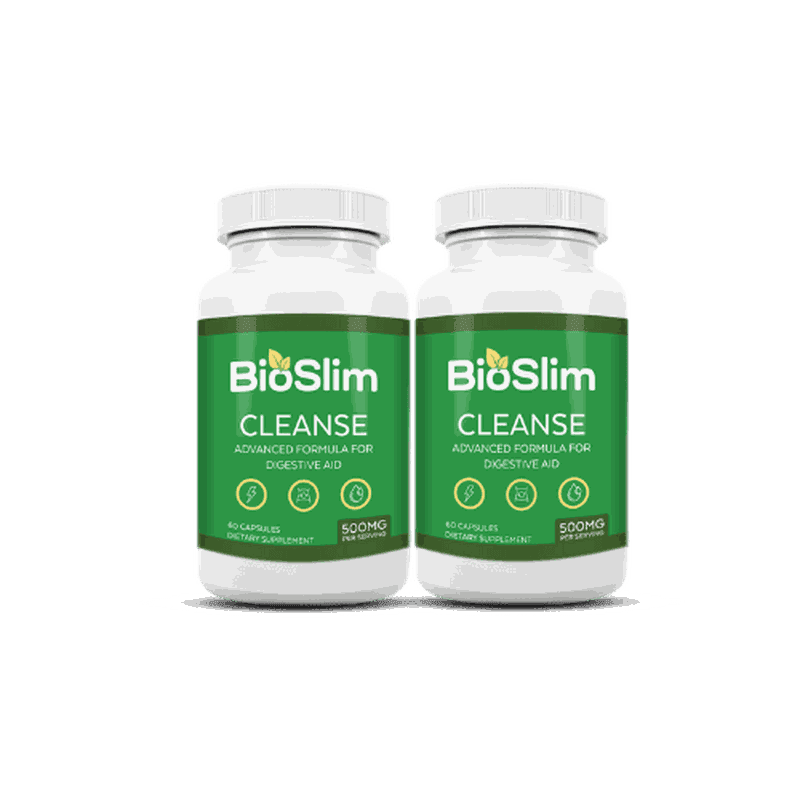
8,226+
Videos & Ads
+50-100
Fresh Daily
$29.90
Per Month
Full Access
12.5 TB database · 72+ niches · 29 min read
Two brain scans appear first: one “completely healthy,” the other allegedly “devoured and hollowed out” by invisible toxins. bioslimcleanse enters through that image, not as a supplement pitch but as a rescue narrative for people frightened by memory lapses, missed names, and family disconnection. This bioslimcleanse review treats the VSL as a piece of persuasion architecture rather than a medical argument. Its opening claim is stark: Alzheimer’s and dementia are caused by “parasitic toxins,” and the answer is to “flush them out.” The narration is carried by Dr. Stephanie Watson, positioned as a Boston anti-aging expert, daughter, clinician, and witness. The effect is immediate. Fear becomes diagnostic.
The promise is not modest cognitive support. The VSL claims the viewer can regain “memory as sharp” as someone half their age, preserve independence, and avoid the nursing-home future that the script repeatedly invokes. Its sales logic follows PAS with unusual intensity: problem as terrifying decline, agitation through family loss, solution as a “seven-second memory fix.” The authority layer is equally deliberate. Harvard, Oxford, Yale, Tokyo University, and medical centers are stacked beside Watson’s claimed decades of practice, creating what Cialdini would recognize as authority compounding. The script also borrows from Kennedy’s education-first selling, offering tests, scans, toxins, plastic bottles, and fish warnings before the product frame fully hardens.
The emotional core is the father story, an epiphany bridge in Brunson’s sense: denial, failed protocol, shattering moment, discovery, redemption. Watson recalls the line “pick you up from high school,” turning cognitive decline from abstraction into domestic horror. Kahneman’s loss aversion is doing much of the work here, because the VSL does not merely sell sharper recall; it sells protection against losing children, grandchildren, names, stories, and personhood. Schwartz’s paradox of choice also hovers behind the attack on fish oil, nootropics, and drugs: too many failed options make the single hidden mechanism feel clarifying. The false enemy is Big Pharma, failed medications, and misunderstood aging. The hidden villain is toxins.
This analysis is for marketers, affiliates, compliance reviewers, and skeptical buyers who need to understand how the presentation creates belief before it asks for action. It will read the VSL’s AIDA sequence, its open loops around 3,544 brain scans, its claim that 98% of memory drugs fail, and its use of testimonial compression as social proof in Festinger’s cognitive-dissonance frame. The question is not whether the story is emotionally effective; it plainly is. The harder question is whether the sales architecture earns the level of belief it demands from an anxious viewer. What, exactly, is bioslimcleanse selling: a credible cognitive-health intervention, or a fear-shaped narrative built to make doubt feel dangerous?
What Is bioslimcleanse?
bioslimcleanse is positioned as a Health & Wellness offer in the memory and cognitive-decline category, though the VSL leaves its exact commercial format partly unspecified. Its practical use is framed as a simple at-home ritual: a “seven-second memory fix” built around a yellowish “Brain Defender formula,” described as one teaspoon containing “the power of 30 days” of a coffee-related loophole. The category logic is clear. This is not presented as a general nootropic, but as a rescue product for people frightened by forgetting names, missing appointments, blanking mid-conversation, or losing independence. The VSL uses PAS aggressively, opening with “parasitic toxins” and “dark voids” before offering toxin removal as the answer. In Schwartz’s terms, it speaks to a highly sophisticated market that has already heard promises from fish oil, nootropics, and memory drugs, so it must dramatize a new mechanism.
The implied buyer is older, often in the 55-plus range, though the deeper target may be an adult child watching a parent decline. Gender is not overtly narrowed, but the emotional center is family preservation: sons, grandchildren, loved partners, and the terror of “being trapped in a nursing home.” Psychographically, the prospect is medically anxious, skeptical of failed prescriptions, and still susceptible to authoritative reassurance when it arrives through a doctor figure. The VSL’s false enemy is Big Pharma and conventional memory medication, sharpened by the claim that 98% of memory drugs fail in clinical trials. Cialdini’s authority principle is visible in the stacking of Harvard, Oxford, Yale, Tokyo University, and “Ivy League scientists,” while Kahneman’s loss aversion appears in the threat that memory loss could erase loved ones from the mind. The implication is that the product is sold less as supplementation than as identity protection.
The named authority is Dr. Stephanie Watson, presented as a brain health and anti-aging researcher with “over 20 years” of experience, later expanded to 31 years and “over 15,000 patients” in a private Boston practice. Her father’s decline supplies the epiphany bridge, in Brunson’s sense: failed standard care leads to a discovery that reframes the whole problem. Kennedy’s education-based marketing is also present, with open loops around 3,544 brain scans, a “two-minute test,” plastic bottles, and mercury in fish. Festinger would recognize the cognitive dissonance being managed: viewers who tried conventional approaches are told those failures were not their fault. The ingredient story is brief but suggestive: huperzine A, regular ground coffee, a yellowish powder, the “coffee loophole,” and the Brain Defender formula. The format remains vague, but the positioning is unmistakable: a fear-led memory VSL built around mechanism novelty, authority, and family-loss prevention.
The Problem It Targets
bioslimcleanse targets memory loss not as a nuisance of aging but as an existential threat to identity. The VSL opens with the stark visual grammar of medical imaging, contrasting a “completely healthy” brain with one “slowly devoured and hollowed out,” then moves quickly from forgotten appointments to lost family recognition. This is classic PAS: the problem is forgetfulness, the agitation is nursing-home fear and family erasure, and the solution is framed as toxin removal. The underlying fear is not cognitive inefficiency. It is disappearance. That fear has real cultural weight: WHO estimates more than 55 million people worldwide live with dementia, while CDC has projected U.S. Alzheimer’s cases among older adults could reach 14 million by 2060. The VSL’s commercial opportunity sits inside that demographic anxiety.
The deeper diagnostic claim is where the sales argument becomes more aggressive. Rather than treating memory decline as multifactorial, the VSL names a hidden culprit: “parasitic toxins” creating “dark voids” in the brain. This is problem reframing, in Kahneman’s sense, because the same symptoms are reorganized around a new causal model. It also functions as Brunson’s false enemy: age, genetics, and ordinary medical uncertainty are displaced by toxins, Big Pharma, failed drugs, and contaminated modern life. The maneuver exonerates the viewer. If memory lapses are not moral weakness, laziness, or irreversible decline, then the buyer has not failed; he or she has been misled, exposed, and left untreated. Schwartz would recognize the move as desire intensification through a newly named mechanism.
The VSL borrows from legitimate science while extending it into a much less substantiated terrain. Cognitive decline is associated with measurable brain changes, environmental exposures, vascular risk, sleep, inflammation, genetics, and neurodegenerative pathology; the transcript selectively echoes that scientific atmosphere through “brain scans,” “Oxford University,” and “Alzheimer’s Research and Therapy.” But the leap from real dementia research to a single purgeable cause is the commercial bridge. The phrase “flush them out” is an epiphany bridge in miniature: complicated disease becomes a mechanical obstruction. Cialdini’s authority principle is doing visible work here, especially when Harvard, Oxford, Yale, Tokyo University, and a Boston doctor are stacked in rapid succession. Kennedy’s education-based marketing also appears, but the education is arranged to create compliance, not balance.
Commercially, the angle is well timed. Aging populations, distrust of pharmaceutical institutions, caregiver burnout, and the wellness market’s appetite for root-cause explanations create unusually fertile ground for a memory-loss offer. The VSL turns cognitive decline into an AIDA sequence: attention through brain scans, interest through “3,544 brain scans,” desire through restored independence, and action through the promise of a “seven-second memory fix.” It also exploits Festinger’s cognitive dissonance: viewers who have tried fish oil, nootropics, or prescriptions without satisfaction are invited to resolve disappointment by accepting a new explanation. The risk is proportional to the appeal. The message borrows enough from real science to feel plausible, then extrapolates beyond evidence into a simplified toxin narrative built for conversion.
How bioslimcleanse Works
bioslimcleanse is framed less as a general nootropic than as a cleanup protocol for the brain: memory loss begins when “parasitic toxins” create “dark voids” that interfere with recall, language, and recognition. The VSL’s PAS structure is explicit. It agitates ordinary lapses, escalates them into dementia imagery, then offers “flushing away these parasitic toxins” as the solution. In biochemical terms, the script gestures toward acetylcholine, huperzine A, coffee, and toxin reduction, but its central mechanism is not a recognized clinical model of Alzheimer’s disease. Established science does support modest roles for cholinergic signaling, vascular health, sleep, inflammation, metabolic function, and toxin exposure in cognition. It does not support the claim that unnamed parasites hollow out brains and can be flushed away by a teaspoon protocol.
The sales logic depends on a false enemy: conventional memory drugs, fish oil, nootropics, and Big Pharma become the obstacle, while the hidden cause becomes “the real culprits.” That is classic Kennedy-style education marketing, with Cialdini’s authority principle stacked through Harvard, Oxford, Yale, Tokyo University, and a doctor narrator. The VSL claims 98% of memory medications fail in trials, then uses that number to imply the opposite approach must be more valid. But drug-trial failure rates do not prove an alternative mechanism; they only show that neurodegenerative disease is difficult to treat. Kahneman would see the framing problem immediately: a frightening loss frame makes weak causal evidence feel urgent. The plausible kernel is narrow. Some compounds, including huperzine A, have been studied for cholinesterase inhibition, but that is not the same as reversing dementia by removing brain parasites.
The numerical claims invite scrutiny because they are large, precise, and emotionally sequenced. “3,544 brain scans” sounds empirical, yet the VSL converts scan differences into a causal story without giving study design, imaging method, diagnostic criteria, or whether “dark voids” means atrophy, lesions, artifact, or metaphor. The “200 million Americans” plastic-bottle claim is similarly broad: exposure to endocrine disruptors or microplastics is a real research concern, but the leap from bottle use to Alzheimer’s reversal is speculative. The “89% accuracy” Oxford test claim also needs context, because screening accuracy depends on base rates, false positives, population age, and whether it predicts diagnosis or merely risk. Schwartz’s work on choice helps explain why these numbers work: precision reduces uncertainty for anxious buyers. The math creates confidence before the evidence earns it.
The VSL’s epiphany bridge is the father story, where failed prescriptions lead to a discovery that restores a “sharp mind” and rescues independence. Brunson would recognize the sequence: personal crisis, rejected belief, hidden mechanism, simple ritual, social proof. Festinger would add that viewers who fear cognitive decline may resolve discomfort by accepting the new explanation, especially when testimonials claim 97% memory improvement after eight weeks. A fair reading is that the offer borrows fragments from real cognitive science while making its strongest promises at a speculative scale. Nutrition, sleep, exercise, medication review, hearing correction, vascular risk control, and clinically supervised cognitive assessment can matter. The VSL compresses that messy, modest science into one dramatic causal chain. That is persuasive copy, not settled medicine.
Curious how other VSLs in this niche structure their pitch? Keep reading - the psychological triggers section breaks down the architecture behind every claim above.
Key Ingredients and Components
bioslimcleanse presents its formulation less as a supplement label than as a rescue technology assembled after an investigative journey. The VSL’s PAS sequence begins with memory erasure, reframes the culprit as “parasitic toxins in your brain,” and then offers a concentrated spoonful as the plot resolution. That is classic Kennedy-style education marketing, but with Brunson’s epiphany bridge grafted onto it: a doctor cannot save her father through conventional care, then discovers the hidden mechanism. Cialdini’s authority principle appears through Harvard, Oxford, Yale, Tokyo University, and “dozens of studies,” while Kahneman’s loss aversion supplies the emotional voltage. The ingredient story is therefore not biochemical first. It is narrative first.
The formulation process is framed through compression and purification: an ancestral “coffee loophole” is supposedly identified, strengthened, and converted into a “Brain Defender formula.” The VSL claims “one teaspoon contained the power” of a month’s intake, a phrase that creates an open loop around concentration without disclosing standardization, dosage, or full composition. This is where Schwartz’s sophistication problem appears: a skeptical market needs a new mechanism, not another generic nootropic. The “dark voids” and plastic-bottle warnings act as pattern interrupts, while Big Pharma functions as the false enemy. Festinger would recognize the cognitive dissonance being managed: viewers may trust medicine, yet the VSL asks them to believe “98% of memory medications” fail and that the real answer has been elsewhere.
Huperzine A (Huperzia serrata) - This is a plant-derived acetylcholinesterase inhibitor, pharmacologically adjacent to the prescription memory-drug category the VSL attacks. The claim is that it can “boosts acetylcholine levels” and help restore youthful recall. Independent research is mixed: PLOS ONE found signals for cognitive benefit in Alzheimer’s trials, but warned that most trials had poor methodology; the Cochrane Database of Systematic Reviews has also treated the evidence cautiously. Judgment: modest evidence, not proof of reversal.
Regular ground coffee (Coffea spp.) - Coffee is used as the familiar anchor for the “coffee loophole,” making the intervention feel domestic rather than clinical. The VSL implies a memory-protective ritual, with one teaspoon equaling “30 days of the coffee loophole.” Independent research is plausible but narrower: observational work reported in JAMA associates moderate caffeinated coffee with lower dementia risk, while The Journal of Nutrition, Health & Aging found earlier evidence inconclusive. Judgment: ambiguous evidence, because association is not causation.
Yellowish powder (unidentified compound) - The VSL’s “yellowish powder” is presented as the visible proof-object, the small material token that turns the story from theory into formula. Its claim is functional rather than chemical: it supposedly helps “flush them out” and collapse the toxin theory into a daily action. Independent databases cannot validate an unnamed powder; without identity, dose, extraction method, or certificate of analysis, journal comparison is impossible. No credible journal can assess “yellowish powder” as an ingredient class. Judgment: unverifiable.
Brain Defender formula (proprietary blend; scientific name not disclosed) - This is the branded mechanism container, not a transparent ingredient. The VSL assigns it broad roles: toxin removal, acetylcholine support, purity, bioavailability, and non-habit-forming daily use. Yet no independent research appears to test “Brain Defender formula” as named, and the transcript provides no Supplement Facts panel. Journals can support individual compounds such as huperzine A or caffeine, but not an undisclosed blend presented through AIDA dramatization. Judgment: unverifiable as a complete formulation.
Hooks and Ad Angles
bioslimcleanse opens with a high-velocity claim: “Alzheimer and dementia are caused” by what “two brain scans are exposing.” As a hook, it compresses the entire curiosity gap into one visual promise: one healthy brain, one damaged brain, and a hidden culprit called “parasitic toxins.” Loewenstein’s information-gap theory is visible here; the viewer is made to feel that a dangerous explanation exists just outside current knowledge. The pattern interrupt is equally important, because memory loss is normally framed through aging, genetics, plaques, or pharmaceutical treatment, not a parasitic invasion “slowly devoured and hollowed out” inside the brain. That grotesque image turns cognitive decline from an abstract fear into an inspectable enemy. The implication is commercial: before the product must be believed, the old explanatory model must be made emotionally insufficient.
The hook also performs several jobs at once. It supplies fear, mechanism, authority, and forward motion before the viewer has time to question the premise. Cialdini’s authority principle appears in phrases like “Ivy League scientists,” “Harvard, Oxford, and Yale,” and later 3,544 brain scans, which lend institutional weight to an otherwise extraordinary claim. Schwartz’s breakthrough-advertising logic is present too: the market already knows memory pills, fish oil, and nootropics, so the VSL needs a new mechanism, not merely a stronger promise. “Flush them out” becomes the salesable action phrase. It is simple. It is visual. It gives the viewer a buying criterion: if the problem is toxins, then the winning product is the one that claims to remove them.
The social proof layer arrives almost immediately through testimonial fragments: “Dr. Watson saved my mother’s memory,” “all blank moments,” and “confusion is gone.” This is not placed after the science; it precedes the detailed argument, creating what Festinger would recognize as a pressure toward consistency. If other people are already rescued, the skeptical viewer risks becoming the outlier. In AIDA terms, the brain-scan hook captures attention, the toxin story builds interest, the family-loss narrative intensifies desire, and the promised “seven-second memory fix” points toward action. The false enemy is Big Pharma, failed drugs, and conventional explanations; the epiphany bridge is Dr. Watson’s father. The hook therefore functions less as a headline than as a portable belief system.
“Brain scans reveal the hidden toxins linked to memory loss” (strong visual proof cue; ideal for cold traffic)
“A seven-second memory fix” (speed claim creates an open loop without explaining the mechanism)
“Why common memory pills fail” (PAS structure; agitates frustration with familiar solutions)
“Plastic bottles may be poisoning your brain” (everyday behavior becomes the threat)
“Oxford’s two-minute Alzheimer’s test” (authority plus self-diagnosis curiosity)
“Two Brain Scans Exposed a Hidden Memory-Loss Trigger”
“The ‘Parasitic Toxin’ Theory Behind This Memory VSL”
“Why Fish Oil and Memory Pills Keep Failing Seniors”
“This Boston Doctor Says Memory Loss Starts Earlier Than You Think”
“The 7-Second Ritual Framed as a Brain-Cleansing Fix”
Psychological Triggers and Persuasion Tactics
bioslimcleanse is built as a compounding persuasion system, where each claim raises the emotional stakes before the mechanism is fully explained. The load-bearing frame is an epiphany bridge nested inside a medical hero’s journey: Dr. Watson moves from professional authority to helpless daughter, then to rescuer after discovering “parasitic toxins” and the “seven-second memory fix.” The VSL begins with a pattern interrupt, not a supplement pitch, but two brain scans and the assertion that dementia is caused by something “slowly devoured and hollowed out.” That opening creates an open loop around the scans, then delays resolution through father-story pathos, institutional citations, and promised later revelations. In AIDA terms, attention is seized by fear, interest is sustained by mystery, desire is attached to restored identity, and action is framed as self-protection.
The script’s psychological force comes from shifting cognitive decline out of the realm of aging and into the realm of invasion, negligence, and rescue. That is classic PAS: memory lapses are named, amplified into nursing-home dread, then solved through toxin removal. Kahneman’s loss aversion is central because the VSL keeps converting ordinary forgetfulness into catastrophic identity loss: names, grandchildren, independence, and “every cherished memory.” Schwartz’s choice theory also appears in reverse; the viewer is told the familiar menu of fish oil, nootropics, and drugs is not merely confusing but actively misleading. Brunson’s false-belief structure then clears the field for the new mechanism, while Kennedy-style education marketing gives the pitch the texture of a briefing. The implication is direct: the buyer is not evaluating a pill, but a narrative of recovered agency.
Fault Transfer (Festinger, A Theory of Cognitive Dissonance, 1957): The VSL relocates blame from the viewer’s body, habits, or age to “parasitic toxins” hiding in the brain. This reduces shame while preserving urgency, allowing the prospect to accept a frightening diagnosis without feeling personally responsible.
False Enemy (Brunson, Expert Secrets, 2017): The script attacks “Omega-3, fish oil, nootropics” and branded memory drugs before introducing its own answer. By saying 98% of medications fail, it makes conventional care the obstacle, not merely an alternative.
Authority Borrowing (Cialdini, Influence, 1984): Harvard, Oxford, Yale, Tokyo University, and medical journals function as credibility scaffolding around an otherwise extraordinary claim. The phrase “real rock-solid science” compresses that borrowed authority into a simple trust cue.
Loss Aversion (Kahneman and Tversky, Prospect Theory, 1979): The VSL sells prevention by dramatizing irreversible loss. “Erase your sons, grandchildren” is not informational language; it is a fear anchor designed to make inaction feel more dangerous than purchase.
Specificity As Credibility (Kennedy, No B.S. Marketing, 2006): Claims like 3,544 brain scans, 89% accuracy, and 43% dementia risk give the presentation a documentary cadence. The numbers are less about scientific completeness than perceived precision.
Scarcity Stacking (Cialdini, Influence, 1984): Even without explicit inventory scarcity, the VSL stacks time scarcity, cognitive scarcity, and relational scarcity. “Right now, today” implies the window for protecting identity is already closing.
Endowment Effect (Kahneman, Knetsch, and Thaler, 1990): The script makes the viewer mentally possess the outcome before buying: sharper conversations, remembered stories, travel, hobbies, and independence. Once imagined, that restored self becomes something the buyer does not want to lose.
Want to see how these tactics compare across 50+ VSLs? That is exactly what Daily Intel Service is built to show you.
Scientific and Authority Signals
bioslimcleanse builds its scientific posture around Dr. Stephanie Watson, a figure presented as both clinician and rescuer, but the VSL gives no verifiable trail beyond self-description. She is said to have “over 20 years” in brain health, then “31 years” as an anti-aging expert, treating “over 15,000 patients.” That inconsistency matters. In Cialdini’s terms, this is authority laundering: credentials are asserted, then amplified through institutional proximity rather than documented publication, licensure, or named clinical work. The PAS structure is blunt: memory loss is the pain, “parasitic toxins” are the agitating cause, and flushing them is the solution. Kahneman would note how loss aversion does the heavy lifting, especially when the threat becomes erased family recognition. The implication is not that the authority figure is necessarily fictive, but that the authority signal is commercially stronger than it is evidentiary.
The institutional citations follow the same pattern. Harvard, Oxford, Yale, Tokyo University, Munich University, and the Milton S. Hershey Medical Center are invoked through fragments like “dozens of studies from institutions like Harvard,” but the VSL supplies no authors, dates, journal titles, endpoints, or PubMed-identifiable abstracts. The claim that “3,544 brain scans from Tokyo University” revealed “dark voids” appears plausibly borrowed from real neuroimaging rhetoric, since Alzheimer’s research does use MRI, PET, atrophy, amyloid, and tau biomarkers. But the causal label is not legitimate. “What Ivy League scientists call parasitic toxins” does not map to a recognized Alzheimer’s mechanism in mainstream PubMed-indexed literature. This is Brunson’s false belief reversal and Kennedy’s education-based marketing fused together: the viewer is taught to distrust plaques, aging, fish oil, and drugs before being handed a proprietary explanation. Festinger’s cognitive dissonance is then resolved by accepting the new villain.
Each major scientific claim falls into a different credibility tier. The statement that “98% of memory loss medications fail” is ambiguous and likely borrowed from the well-known high attrition rate in Alzheimer’s drug development, but it is not the same as proving approved medications “don’t slow down, prevent, or even minimize memory loss.” The Oxford “two-minute test” with “89% accuracy” is also ambiguous without a named instrument; cognitive screens exist, but the VSL turns screening into prophecy. The Harvard fish claim, with dementia risk raised by “43%”, is likewise unattributed and context-free, especially because mercury, fish intake, cardiovascular risk, and cognition have mixed epidemiological relationships. The AIDA sequence keeps attention through a pattern interrupt, opens a loop with scans and tests, builds desire through restored family memory, and closes by making the product feel like the only non-pharmaceutical escape. Overall, the science reads as plausibly borrowed at the edges, fabricated in the mechanism, and strategically arranged to make uncertainty feel like proof.
The Offer, Pricing, and Risk Reversal
bioslimcleanse builds its offer economics around a phantom price anchor rather than a disclosed sticker price. The most visible anchor is the sunk-cost contrast of “$18,000 spent on medications,” paired against failed options such as “Omega-3, fish oil, nootropics” and Aricept-style prescriptions. This is classic PAS: the problem is memory loss, the agitation is institutional failure and family disappearance, and the solution is a “seven-second memory fix.” Kennedy would recognize the move as information-first selling, while Kahneman explains why the comparison works: buyers judge value relative to a painful reference point, not in isolation. The implied target SKU is therefore not a trial bottle but a continuity-friendly core formula, framed as “one teaspoon” with “30 days” of concentrated benefit. The product is being priced psychologically before it is priced numerically.
The risk-reversal layer is weaker in the available VSL evidence because no explicit money-back guarantee appears in the extracted offer data. Instead, the script substitutes reputational collateral for formal refund mechanics: Dr. Watson says she is “staking my entire medical reputation,” and the formula is described as made in a “GMP certified facility.” That functions as authority stacking, in Cialdini’s sense, but it is not the same as a clear guarantee window, refund condition, or return protocol. Schwartz would call this a market-sophistication problem: as the claim escalates toward reversing decline, the buyer’s need for concrete proof rises with it. The bonus structure is also mostly implicit, not itemized; the VSL stacks “Oxford’s two-minute test,” plastic-bottle warnings, mercury claims, and brain-scan education as informational premiums. Brunson’s open loop keeps these assets pending, while Festinger’s dissonance pressure makes inaction feel harder once the viewer accepts the toxin frame.
Who This Is For (and Who It Isn't)
bioslimcleanse is aimed at older adults, roughly late 50s through 80s, who interpret ordinary forgetfulness through the darker lens of Alzheimer’s risk. The VSL’s ideal buyer is often female, health-anxious, family-centered, and financially able to spend on supplements after conventional care has felt cold or incomplete. Its PAS sequence begins with “forget names, dates, and important appointments,” then escalates toward nursing homes, lost independence, and not recognizing loved ones. Cialdini’s authority principle appears in the doctor persona and the stack of “Harvard, Oxford, and Yale,” while Kahneman’s loss aversion supplies the emotional pressure. The implication is clear: this is not selling cognitive performance to biohackers. It is selling relief to frightened families.
A secondary audience is the adult child watching a parent change: the daughter who notices unpaid bills, repeated stories, blank pauses, and social withdrawal. The script’s epiphany bridge turns Dr. Watson’s father into the proxy for that buyer, especially when she says, “We were losing him right now.” Brunson would recognize the open loop: scans, plastic bottles, mercury fish, and an Oxford test are promised before the solution is fully disclosed. Schwartz would note the sophistication level here; the prospect has tried “Omega-3, fish oil, nootropics” and needs a new mechanism. The VSL provides one through a false enemy: “parasitic toxins.” That makes the buyer feel newly informed, not merely desperate.
You should not buy this if you expect a proven treatment for Alzheimer’s, dementia, or mild cognitive impairment. The VSL makes 98%, 3,544 brain scans, and 89% accuracy sound decisive, but the product story still depends on marketing interpretation rather than medical diagnosis. Anyone taking donepezil, rivastigmine, galantamine, memantine, anticholinergic drugs, beta blockers, heart-rhythm medication, or seizure medication should speak with a physician or pharmacist first, especially because huperzine A acts like a cholinesterase inhibitor. Pregnant or nursing buyers, people with slow heart rate, ulcers, asthma/COPD, epilepsy, or scheduled surgery should be particularly cautious. Kennedy’s direct-response logic may move attention, but Festinger’s cognitive dissonance explains the risk: after fearing decline, buyers may accept certainty where only clinical evaluation belongs.
This analysis is part of Daily Intel Service, our ongoing library of VSL and ad-copy breakdowns. If you are researching similar products in this niche, keep reading.
Frequently Asked Questions
Q: Does bioslimcleanse really work for memory loss?
A: bioslimcleanse is presented as a memory-support answer, but the VSL’s proof rests on claims rather than verifiable clinical evidence for the product itself. Its strongest promise is that users can regain “sharp memory” by removing “parasitic toxins,” a PAS frame that turns forgetfulness into an urgent biological threat.
Q: Is bioslimcleanse a scam or legit?
A: The VSL uses classic direct-response architecture: fear, authority, testimonials, and a proprietary mechanism. That does not automatically make it a scam, but Kennedy would note that education-based selling can blur into persuasion theater when named institutions are invoked without study details. The viewer should separate the emotional claim from the evidentiary claim.
Q: What are the bioslimcleanse ingredients?
A: The transcript references huperzine A, regular ground coffee, a “yellowish powder,” the “coffee loophole,” and a “Brain Defender formula.” It does not provide a complete Supplement Facts panel, dosage table, or ingredient standardization. That omission matters because Schwartz’s sophistication principle depends on specificity, not only novelty.
Q: What are bioslimcleanse side effects?
A: The VSL says the formula is “free of toxins, hormones and stimulants,” “non habit forming,” and suitable for long-term use. Yet it gives little adverse-event data for the finished product, which makes the safety claim rhetorically cleaner than it is clinically settled. Buyers on medication, especially cognitive or cardiovascular drugs, should ask a clinician first.
Q: How does bioslimcleanse claim to work?
A: The mechanism is the removal of “parasitic toxins” that allegedly create “dark voids” in the brain. This is a false enemy strategy in Brunson’s sense: conventional causes and drugs are displaced by a hidden villain. The epiphany bridge then makes the discovery feel personal, urgent, and rescuing.
Q: Is bioslimcleanse safe for seniors?
A: The VSL implies senior suitability by centering Alzheimer’s fears, nursing-home anxiety, and older testimonial figures. But safety for seniors cannot be inferred from lines such as “hundreds of people” or “15,000 patients.” Cialdini’s authority effect is doing heavy work here, especially when credentials substitute for product-specific trial data.
Q: How much does bioslimcleanse cost?
A: The transcript does not clearly disclose a price in the analyzed portion. Instead, it anchors value against “$18,000” in failed medications and the cost of cognitive decline. Kahneman would recognize this as loss aversion: the offer feels cheaper because the imagined alternative is catastrophic.
Q: Who is Dr. Stephanie Watson in the bioslimcleanse VSL?
A: Dr. Stephanie Watson is framed as a brain health and anti-aging authority with “31 years” of experience and “over 15,000 patients.” Festinger’s cognitive dissonance theory helps explain the role: if viewers distrust standard memory drugs, a doctor criticizing those drugs while offering hope resolves the tension neatly.
Final Take
bioslimcleanse is best understood as a fear-to-rescue VSL built around cognitive loss, not as a conventional supplement presentation. Its strongest marketing move is PAS: it names forgetfulness, escalates it into “confusion, loneliness, and despair,” then offers toxin removal as the simple bridge back to identity. The script borrows from Cialdini’s authority principle through Harvard, Oxford, Yale, Tokyo University, and a physician narrator, while Kahneman’s loss aversion appears in the threat of losing “sons, grandchildren, and love partners.” The emotional architecture is coherent. It is also aggressive. By making memory decline feel immediate and personal, the VSL turns a complex medical fear into a single buying tension: act now, or risk irreversible disappearance.
The scientific architecture is more fragile than the emotional one. The VSL cites 3,544 brain scans, 98% drug failure, 89% prediction accuracy, and a 43% dementia-risk claim, but the transcript does not supply enough study detail for a reader to assess methods, populations, endpoints, or relevance to bioslimcleanse itself. Its key false enemy is Big Pharma and failed memory drugs; its key mechanism is “flushing away these parasitic toxins.” That phrasing is rhetorically efficient, but it asks the viewer to accept a sweeping causal model of Alzheimer’s, dementia, and everyday forgetfulness. Schwartz would recognize the sharpened market position: one enemy, one mechanism, one promised transformation. Festinger would recognize the cognitive dissonance created when familiar solutions are dismissed and the new explanation feels both alarming and clarifying.
What is credible is the VSL’s understanding of buyer psychology. Memory anxiety is real, the burden of caregiving is real, and many older adults are dissatisfied with vague advice, expensive protocols, and limited treatment options. The script’s AIDA sequence is disciplined: brain scans seize attention, family decline builds interest, institutional claims create desire, and the promised “seven-second memory fix” points toward action. Brunson’s epiphany bridge is also clear in the father story, where personal crisis leads to discovery, then to public mission. Kennedy’s education-first style appears in the promised lessons on bottles, fish, tests, and brain scans. The problem is not that the VSL lacks structure; the problem is that its structure may feel more complete than its evidence.
For a buying decision, the reader should separate persuasion quality from medical proof. A polished open loop, a compelling doctor narrator, and repeated phrases like “real rock-solid science” do not establish clinical efficacy. Before purchasing, one should look for the full ingredient label, dosage, contraindications, third-party testing, refund terms, and human evidence tied specifically to the finished product, not merely adjacent research. The VSL is skilled marketing with a high emotional load and a debatable explanatory model. For readers comparing offers in this category, Daily Intel Service, our ongoing library of VSL analyses, can help place bioslimcleanse beside similar brain and memory campaigns without treating the sales story as the science.
Disclaimer: This article is for research and educational purposes only. It is not medical, legal, or financial advice, and it is not affiliated with the product or its makers. Always consult a qualified professional before making health or financial decisions.
Source-backed reader context
Additional Reviews & Reported Experiences
These statements were presented in the product's sales transcript. Daily Intel did not independently verify the speakers, purchase status, or reported outcomes, and the statements are not used in Product aggregateRating.
Hiroshi Tanaka
Date not stated
78 year old from Shiga won the 2024 Japanese memory championship and his brain scan was described as having zero toxin accumulation.
Dr. Watson's father
Date not stated
after a few months, he said he scored higher than people in their 30s with zero memory problems.
Church friend's husband
Date not stated
after two months, his wife said he was back, sharp, energetic and like his youthful self.
Unnamed 86 year old man
Date not stated
after using it, he said he directed and starred in a new film and became the oldest man in the world to win an Oscar.
Unnamed mother
Date not stated
said she was feeling younger, sharper, happier and had not felt that good in decades.
Unnamed person
Date not stated
after 50 days, said their memory felt sharper.
Comments(0)
No comments yet. Members, start the conversation below.
Related reads
 reviews
Olly Goodbye Stress Review: Label Claims vs. Evidence
OLLY Goodbye Stress combines GABA, L-theanine, and lemon balm extract in a Berry Verbena gummy aimed at occasional stress, not sleep. Here's what the label discloses, what a real L-theanine trial found, and exactly where the evidence stops.
Read reviews
Jocko Greens Review: Does One Scoop Match the Evidence?
Jocko Greens is a one-scoop powder with approximately 30 calories and 9 billion colony-forming units of probiotics per serving. Jocko Fuel also confirms ashwagandha extract and makes a digestive-support claim. The harder question is whether the available research matches this specific formula. It does not match closely enough to establish a finished-product outcome.
Read reviews
NooCube Review: Does the 250 mg Bacopa Dose Match the Research?
NooCube is one of the few nootropics that prints a milligram number next to an ingredient instead of hiding it in a blend. This review takes that one number, 250 mg Bacopa monnieri, and checks it against a real trial that used 300 mg in a very different population, then shows exactly where the comparison breaks down.
Read