BluRenu Review and Ads Breakdown: A Research-First Look
The video opens with Elon Musk on stage at what is described as a MAHA conference, endorsing a doctor named Barbara O'Neill and declaring that her discovery could "make America diabetes-free by nex…
8,226+
Videos & Ads
+50-100
Fresh Daily
$29.90
Per Month
Full Access
12.5 TB database · 72+ niches · 25 min read
The video opens with Elon Musk on stage at what is described as a MAHA conference, endorsing a doctor named Barbara O'Neill and declaring that her discovery could "make America diabetes-free by next Monday." Within the first thirty seconds, the viewer has been told that the world's most famous entrepreneur has donated $64 million to back a suppressed diabetes cure, and that the mainstream medical system has been deliberately hiding the truth for decades. This is not a subtle sales pitch. It is an aggressive, maximalist persuasion structure built on fabricated celebrity authority, conspiratorial framing, and a compressed urgency sequence that gives the viewer a purported ten minutes to act before 355 bottles vanish. The product at the center of it all is BluRenu, a dietary supplement claiming to permanently reverse type 2 diabetes in 17 days through a combination of guava pulp extract, spirulina algae, and twelve undisclosed natural components.
What makes this VSL worth studying closely is not that it is unusual, it is, in fact, an almost textbook example of a high-pressure health supplement sales letter targeting a desperate and medically underserved audience. What makes it instructive is how many distinct persuasion mechanisms it deploys simultaneously, how it handles (or mishandles) scientific authority, and what it reveals about the current state of the diabetes supplement market. For any reader who has encountered this video and is weighing whether to purchase BluRenu, this analysis will serve as a structured, evidence-grounded reading of every major claim and tactic the letter uses. For anyone researching diabetes supplement marketing more broadly, it functions as a case study in how fear, false authority, and a novel mechanism claim combine into a commercially potent, if ethically compromised, pitch.
The central question this piece investigates is simple: does BluRenu's VSL reflect a genuinely differentiated product backed by credible science, or does it represent a pattern of claims that cannot survive contact with publicly available evidence? The answer, as the sections below will show, is far more damning on the second count than the first.
What Is BluRenu?
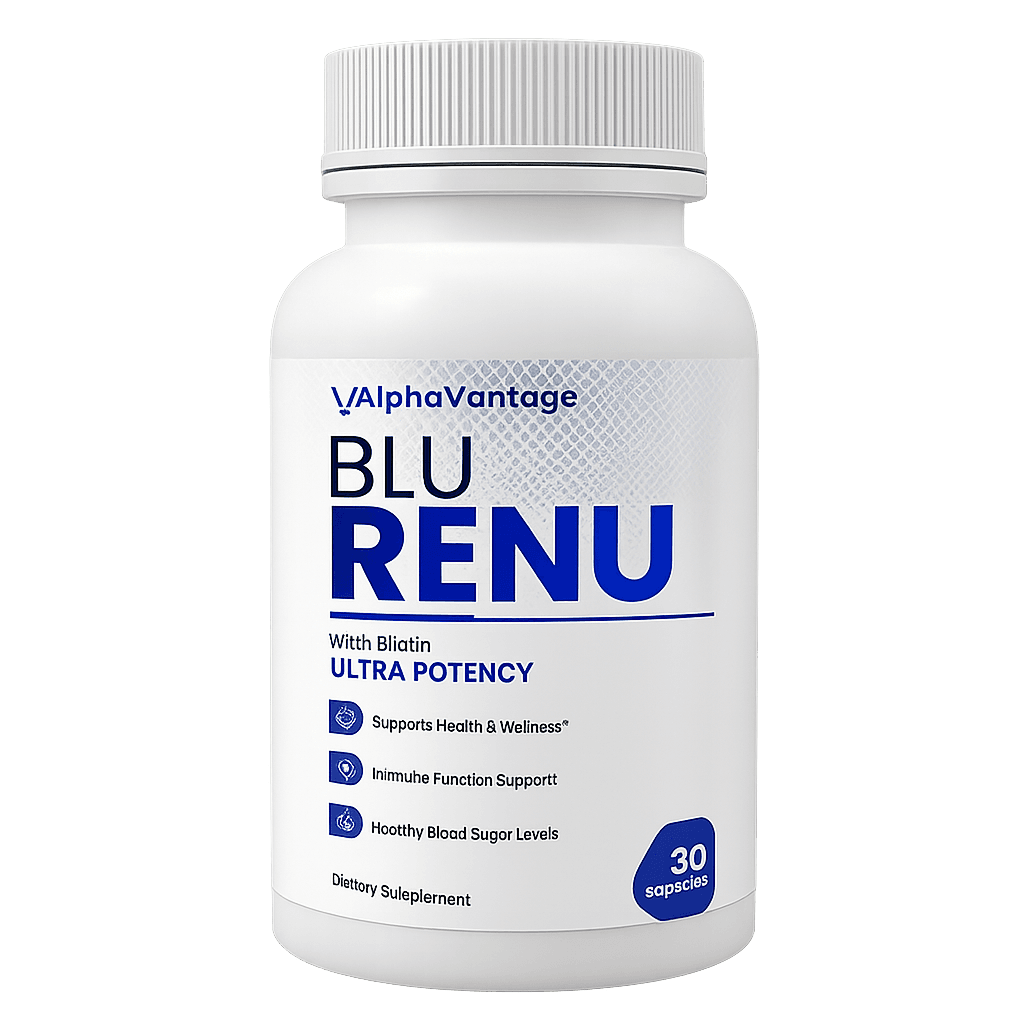
BluRenu is presented as an oral dietary supplement, sold in bottles containing a multi-week supply, formulated to address what the VSL calls "the real cause of diabetes": a systemic potassium deficiency that, in the letter's framing, destroys pancreatic function and renders conventional treatments not just ineffective but actively harmful. The product is positioned squarely in the blood sugar management subcategory of the health supplement market, a space that the Global Wellness Institute estimates was worth over $50 billion globally in 2023 and continues to grow as type 2 diabetes prevalence rises in wealthy countries. BluRenu's stated target user is an American adult with type 2 diabetes who has tried metformin or other standard medications, experienced disappointing results or side effects, and arrived at a state of distrust toward the conventional medical system. A profile that describes tens of millions of people.
The product's central formula, branded internally as "the Guava Method," relies on two named active ingredients. Guava pulp extract and spirulina algae; combined with twelve additional components that the VSL declines to name. The letter positions BluRenu not as a supplement to complement existing treatment but as a replacement for all of it: no metformin, no insulin injections, no dietary restrictions, no doctor visits. This positioning is clinically aggressive and, in most regulatory jurisdictions, would raise immediate questions under FDA rules prohibiting supplements from claiming to diagnose, cure, treat, or prevent disease. The pitch does not hedge. It promises permanent, complete reversal of type 2 diabetes within seventeen days, a claim with no credible scientific parallel in the peer-reviewed literature.
The Problem It Targets
The problem BluRenu targets is one of the most consequential chronic disease burdens in the United States. According to the Centers for Disease Control and Prevention (CDC), approximately 37.3 million Americans, roughly 11% of the population, have diabetes, with type 2 accounting for 90-95% of cases. The American Diabetes Association estimated the total economic cost of diagnosed diabetes in the U.S. at $327 billion in 2017, a figure that has continued rising. These are not invented problems. The financial and physical burden of managing type 2 diabetes is real, the side-effect profile of long-term metformin use is a documented area of medical debate (though far from the catastrophic "pancreas destruction" narrative the VSL presents), and patient dissatisfaction with the slow, management-focused standard of care is widely reported in the clinical literature.
What the VSL does with this genuine suffering is amplify it to the edge of plausibility and then well beyond. The claim that "every second you take metformin, seven diabetics die" is not a statistic, it is a rhetorical device designed to generate immediate visceral panic. The suggestion that metformin "chips away at your pancreas" and shaves "three to seven years off your pancreas's life" has no credible scientific support; metformin is in fact one of the most studied oral hypoglycemic agents in medical history, and the current evidence base, including a 2012 long-term outcomes study published in The Lancet tracking the UK Prospective Diabetes Study cohort, supports its cardiovascular and metabolic benefits over decades of use. The VSL's framing of metformin as a deliberate poison is a false enemy construction, a rhetorical move that manufactures a villain (the medication) to make the hero (the supplement) feel necessary and urgent.
The commercial opportunity the VSL is exploiting is real and significant. A substantial portion of the diabetic population is frustrated with their treatment, anxious about long-term complications, and actively searching for alternatives online, a search behavior that makes them highly reachable through paid video ads. The WHO's 2023 Global Diabetes Report notes that access to diabetes care remains uneven even in high-income countries, and that patient adherence to medication regimens is persistently low, often because of side effects or cost. BluRenu's pitch is calibrated precisely for the point at which a patient has stopped trusting conventional medicine but has not yet found an alternative they believe in. That calibration is commercially sophisticated even when the product claims underlying it are not.
How BluRenu Works
The mechanism the VSL proposes is built on a three-part logical chain: (1) the real cause of diabetes is not insulin resistance or beta-cell dysfunction but a systemic deficiency of potassium; (2) potassium deficiency destroys the pancreas, causing it to produce progressively less insulin; and (3) restoring potassium, through the precise combination of guava pulp extract and spirulina algae. Reboots the pancreas and permanently reverses the disease. Each link in this chain deserves examination on its own terms before assessing the whole.
Potassium does play a role in insulin secretion. Research published in Diabetes Care has established that hypokalemia (low serum potassium) is associated with impaired insulin secretion and glucose intolerance, and that diuretic-induced potassium depletion can worsen glycemic control in patients with type 2 diabetes. This is legitimate science and represents the kernel of truth around which the VSL constructs its much larger, unsupported claim. The problem is the extrapolation: the established literature shows that potassium deficiency is one contributing factor in glycemic dysregulation. It does not establish that it is the singular root cause of type 2 diabetes, nor that correcting it cures the disease permanently. Type 2 diabetes is a multifactorial metabolic condition involving insulin resistance at the cellular level, beta-cell exhaustion, hepatic glucose overproduction, gut microbiome disruption, and genetic predisposition, among other interacting mechanisms.
The claim that guava pulp extract "reboots the pancreas" is where the mechanism tips from plausible extrapolation into speculative marketing language. Guava (Psidium guajava) does have a documented ethnobotanical history in diabetes management, and some in-vitro and small animal studies suggest that guava leaf extract may modulate alpha-glucosidase activity (slowing sugar absorption). However, the leap from these modest preliminary findings to "your pancreas fully recovered" and "blood sugar drops to 92 mg/dL in 17 days" is not supported by any peer-reviewed clinical trial. Similarly, spirulina (Arthrospira platensis) has been studied as a potential adjunct in metabolic conditions; a 2013 study in Journal of the Science of Food and Agriculture found modest antioxidant and lipid-lowering effects, but the claim that it "flushes out toxic chemical buildup from metformin" describes no known biological mechanism and has no published research support. The mechanism is, in scientific terms, plausible at its roots and fabricated in its conclusions.
Curious how other VSLs in this niche structure their pitch? Keep reading, the Psychological Triggers section breaks down the architecture behind every claim above.
Key Ingredients and Components
The VSL names two primary ingredients and gestures at twelve others without disclosure. This is itself a significant product transparency concern, since any meaningful evaluation of safety or efficacy requires knowing the full formulation. What can be assessed is limited to the named components.
Guava Pulp Extract, Derived from Psidium guajava, the common guava fruit. The VSL claims it "reboots the pancreas and kickstarts potassium production," restoring insulin capacity and stabilizing blood sugar. In independent research, guava leaf (rather than pulp) extract has shown hypoglycemic effects in rodent models and small human trials, primarily by inhibiting alpha-glucosidase and reducing postprandial glucose spikes. A 2010 study published in Nutrition & Metabolism found modest fasting glucose reductions in a small cohort using guava leaf tea. These findings are preliminary and do not support claims of pancreatic regeneration or permanent diabetes reversal. The "potassium production" claim has no mechanistic basis in the literature, potassium is a dietary mineral regulated by renal function, not produced by plant extracts in the pancreas.
Spirulina Algae (Arthrospira platensis), A blue-green cyanobacterium widely sold as a nutritional supplement. The VSL claims it "flushes out toxic chemical buildup from years of metformin," clearing the bloodstream for potassium absorption. Research does show spirulina has antioxidant, anti-inflammatory, and lipid-modulating properties. A 2018 systematic review in Nutrients (Dinicolantonio et al.) summarized evidence that spirulina supplementation may reduce fasting blood glucose and HbA1c modestly in type 2 diabetics. These are real, if limited, findings. The specific claim that it detoxifies metformin residue describes no known pharmacological process, metformin is cleared primarily by the kidneys, not through any mechanism spirulina could plausibly affect.
Twelve additional undisclosed natural components, The VSL's refusal to name these ingredients makes independent safety and efficacy assessment impossible. For any reader taking prescription medications for diabetes, introducing an unknown multi-ingredient supplement without physician review carries real clinical risk, including interactions that could cause hypoglycemia or interfere with medication metabolism.
Hooks and Ad Angles
The VSL opens with what is arguably the most audacious hook in the contemporary health supplement space: "Elon Musk has donated $64 million to the MAHA movement, backing a discovery that could make America diabetes-free by next Monday." This is a pattern interrupt of the highest order. A disruption of expected cognitive flow (Cialdini, 2006) that overloads the viewer's skepticism with simultaneously processing the celebrity name, the dollar figure, the government-adjacent acronym, the health claim, and the impossible timeline. No single element of the hook is verifiable; the combined effect is to produce a moment of suspended disbelief during which the viewer's attention is fully captured and forward momentum established. The fake Musk endorsement represents a Eugene Schwartz Stage 5 market sophistication move: the audience has seen every diabetes supplement pitch imaginable, so the VSL bypasses product claims entirely and leads with a macro-political-celebrity frame that feels categorically different from anything that came before.
What follows the hook is an equally sophisticated open loop. The promise that in "just eight minutes you'll learn exactly how to escape diabetes"; which exploits Zeigarnik's well-documented finding that unresolved cognitive tension keeps attention engaged far more effectively than resolved information. The viewer cannot close the loop without watching the full letter. This is textbook long-form VSL architecture.
Secondary hooks observed in the VSL:
- "Every second you take metformin, seven diabetics die"
- "The real cause of diabetes has nothing to do with insulin production"
- "February 13th, 2017, my husband lay in a hospital bed, drowning in machines"
- "1,571 out of 1,571 were cured permanently"
- "Big Pharma will do whatever it takes to silence me, watch before they shut it down"
Ad headline variations a media buyer could test on Meta or YouTube:
- "She almost lost her husband to amputation. Then she found this 2-ingredient method."
- "Stop blaming sugar. The real cause of your diabetes (and doctors won't mention it)"
- "Blood sugar: 417 to 92 in 17 days. Here's the method that did it."
- "This video is being removed. Watch the diabetes reversal method before it's gone."
- "Elon Musk's $64M bet on a tiny natural formula, and what it means for diabetics"
Psychological Triggers and Persuasion Tactics
The persuasive architecture of the BluRenu VSL is a stacked sequential structure rather than a parallel one, meaning each psychological mechanism is layered on top of the last rather than deployed simultaneously, so that by the time the offer is presented, the viewer has moved through approximately seven distinct emotional and cognitive states: shock (the Musk hook), fear (metformin killing the pancreas), empathy (the husband's near-amputation story), betrayal (Big Pharma conspiracy), hope (the Guava Method revelation), social validation (six testimonials with precise numbers), and urgency (355 bottles, ten minutes). Each state primes the next. A viewer who has traveled that emotional arc is not in a neutral decision-making state when they reach the order button. This is not accidental, it is the deliberate application of what persuasion researchers call emotional momentum, a phenomenon in which sequential affective states compound rather than cancel each other.
The letter also operates on what Leon Festinger would recognize as cognitive dissonance reduction: by telling the viewer that everything they knew about diabetes was a lie, the VSL relieves the discomfort of treatment failure ("it wasn't your fault, the system failed you") and simultaneously positions the new product as the resolution. Viewers who have spent years frustrated with their management regimen are primed to receive this absolution.
Specific tactics deployed:
False Authority (Cialdini's Authority principle): Elon Musk's fabricated endorsement and the false MIT research claim both borrow the credibility of real, widely respected institutions without any legitimate connection to them. Harvard, Stanford, and Johns Hopkins are named as validating the breakthrough with no citation, study name, or author, a classic instance of borrowed authority.
Loss Aversion (Kahneman & Tversky's Prospect Theory): The binary choice at the close. Option 1 (amputation, blindness, death) vs. Option 2 (health and freedom). Is architecturally designed around the finding that the psychological pain of loss is approximately twice as powerful as the pleasure of gain. The viewer is not choosing between bad and good; they are choosing between catastrophic loss and survival.
Social Proof with False Precision (Cialdini): Six testimonials with specific blood glucose readings (417→92, 300+→92, 271→94) exploit the cognitive shortcut that specific numbers feel more credible than general claims. The precision creates an illusion of clinical measurement that the VSL never actually provides.
Conspiracy Framing / False Enemy (Godin's Tribes): Pharma, doctors, and the FDA-adjacent "system" are cast as a unified enemy deliberately keeping diabetics sick. This activates in-group identity formation; the viewer becomes part of the tribe that "knows the truth", which increases commitment to the product that embodies that truth.
Epiphany Bridge (Russell Brunson's storytelling framework): Dr. O'Neill's personal story mirrors the viewer's own situation (failed standard treatment, desperate fear) then pivots to discovery (the potassium insight), giving the viewer a surrogate experience of the breakthrough before they have spent a dollar.
Artificial Scarcity and Countdown Urgency (Cialdini's Scarcity): 355 bottles, a 10-minute decision window, and a 5-minute pricing tier are stacked urgency signals designed to suppress deliberative reasoning. When time is short and supply is scarce, the brain defaults to fast, heuristic decision-making, exactly the cognitive state in which a $39 impulse purchase feels safe relative to the alternative (imminent blindness).
Inoculation Against Skepticism: The VSL preemptively names other failed treatments ("magic diabetes pills, phony doctor advice, healing crystals, snake oil") and positions BluRenu as categorically different, defusing the viewer's most likely objection before it fully forms.
Want to see how these tactics compare across 50+ VSLs? That's exactly what Intel Services is built to show you.
Scientific and Authority Signals
The BluRenu VSL's relationship with scientific authority is one of its most important features for the researcher evaluating the product. At the foundational level, the letter names the Massachusetts Institute of Technology as the site of a February 20th, 2017 research discovery, a claim with no verifiable public record. No published paper, press release, or researcher profile connects Dr. Barbara O'Neill, guava pulp extract, potassium deficiency, and MIT. Harvard Medical School, Stanford, and Johns Hopkins are cited as having "validated this breakthrough," but no study title, author, publication, or year is given. In the vocabulary of the analytical framework this piece is using, this is fabricated authority borrowing, the names of real, highly credible institutions are attached to claims without any actual institutional connection.
The character of Dr. Barbara O'Neill herself represents a layered authority construction. The name, notably, shares its identity with a real Australian naturopath of the same name who has faced regulatory censure in Australia for making unsupported medical claims, though whether the VSL's Dr. O'Neill is intended to evoke that real person, is the same person, or is an invented persona cannot be confirmed from the transcript alone. In any case, the narrative presents her as both a medical doctor ("M.D." implied but not stated) and a personal patient advocate, combining clinical and emotional authority in a way that precludes simple fact-checking. The credential is asserted through storytelling, not documentation.
The Elon Musk endorsement is perhaps the most straightforwardly verifiable element of the VSL, and the most clearly fabricated. There is no public record of Musk donating $64 million to a MAHA movement health initiative, speaking at a conference with Dr. O'Neill, or endorsing any diabetes supplement. Using a real, living public figure to endorse a health product without consent is not merely ethically problematic; it is an area the FTC has specifically addressed in its endorsement guidelines. The statistical claims, 2 million American diabetes deaths in 2024, seven deaths per second on metformin. Also have no credible epidemiological source. The CDC's most recent mortality data shows approximately 100,000 Americans per year with diabetes listed as a primary or contributing cause of death, a figure tragically large but nowhere near 2 million.
The Offer, Pricing, and Risk Reversal
The BluRenu offer is built on a classic price anchor cascade: the VSL states that the ingredients cost $2,000 to produce per bottle, establishes a retail price of $95, drops to a standard price of $50, and then. For a five-minute window only; offers the product at $39. The $2,000 production cost claim functions as a fabricated anchor: it is not a real market comparator but an invented figure designed to make $39 feel like a near-gift. The $95 retail anchor is more conventionally structured but still unverifiable, since there is no evidence the product sells at that price through any other channel. In total, the viewer is led to believe they are saving approximately $1,961 per bottle, an anchor-to-offer ratio so extreme it signals rhetorical rather than commercial pricing.
Notably absent from the offer structure is any money-back guarantee, a feature that has become nearly standard in the direct-response supplement space precisely because it reduces purchase anxiety and increases conversion. Its absence here is unusual and worth flagging for the prospective buyer: the product that promises complete diabetes reversal in seventeen days does not appear to offer any recourse if those results do not materialize. The urgency and scarcity mechanisms, 355 bottles, ten-minute countdown, are also almost certainly artificial; supply scarcity of this kind is a common conversion tactic in VSL funnels and rarely reflects actual inventory constraints. These elements function to compress the buyer's decision window to below the threshold at which rational due diligence would occur.
Who This Is For (and Who It Isn't)
The reader most likely to find value in researching BluRenu, rather than purchasing it impulsively, is someone who fits a specific profile: an adult over 50 managing type 2 diabetes, currently on metformin or a similar agent, experiencing genuine side effects or inadequate glycemic control, and frustrated enough with the conventional system to be searching for alternatives online. This person's underlying need is real. The frustration with a system that manages rather than resolves a chronic condition is legitimate. The appeal of a simple, natural, inexpensive intervention that promises complete freedom is psychologically predictable and emotionally understandable. If you are researching BluRenu from this position, the most important thing this analysis can offer is a clear-eyed read of the evidence gap between what the VSL promises and what the available science supports.
For this buyer, the more productive path than a $39 purchase on a ten-minute countdown involves a conversation with an endocrinologist or a certified diabetes care and education specialist about integrative approaches, some of which, including dietary pattern changes (Mediterranean and low-glycemic-index diets have strong clinical evidence), weight management, and specific supplements like berberine (which has a genuinely substantial human trial record in glycemic management), represent real, evidence-supported options that the VSL dismisses in its rush to establish the Guava Method as the only solution. There are also legitimate potassium management interventions, if hypokalemia is a documented clinical issue, that a physician can supervise safely.
Who should definitively pass: anyone considering replacing prescribed diabetes medication with BluRenu without medical supervision. Type 2 diabetes managed through medication is not primarily a pharmaceutical conspiracy, it is a clinical management of a condition that, uncontrolled, causes the very amputations, kidney failure, and blindness the VSL vividly describes. The VSL's instruction to abandon metformin in favor of this supplement, absent any physician guidance, represents the most substantively dangerous element of the pitch.
Want to see how these tactics compare across 50+ VSLs? That's exactly what Intel Services is built to show you.
Frequently Asked Questions
Q: Is BluRenu a scam?
A: Based on analysis of the VSL, BluRenu makes several claims that have no verifiable scientific support. Including a 100% cure rate across 1,571 patients, fabricated MIT research, and a fabricated Elon Musk endorsement. The core ingredients (guava extract and spirulina) have limited but real preliminary research behind them, though nothing that supports permanent diabetes reversal. Prospective buyers should treat the product's marketing claims with significant skepticism and consult a physician before use.
Q: Does BluRenu really reverse diabetes in 17 days?
A: No peer-reviewed clinical evidence supports the reversal of type 2 diabetes in 17 days through any supplement regimen, including the ingredients named in BluRenu. The testimonials presented in the VSL are unverifiable, and the claimed blood glucose drops (from 417 to 92 mg/dL in 17 days) are not consistent with the known pharmacology of guava or spirulina. Legitimate glycemic improvement through lifestyle and nutritional intervention typically occurs over months, not days.
Q: What are the ingredients in BluRenu?
A: The VSL names guava pulp extract and spirulina algae as the two primary active ingredients, plus "12 other natural components" that are not disclosed. The lack of a full ingredient list makes independent safety and interaction evaluation impossible before purchase.
Q: Is BluRenu safe to take with metformin?
A: The VSL does not address drug-supplement interactions. Because the full ingredient list is not disclosed, there is no way to confirm safety when taken alongside metformin or any other diabetes medication. Any reader considering adding a supplement to an existing medication regimen should discuss it with a prescribing physician or pharmacist first. Especially given that some supplements can affect blood glucose in ways that could cause dangerous hypoglycemia when combined with oral hypoglycemics.
Q: Does Elon Musk really endorse BluRenu?
A: There is no public record of Elon Musk endorsing BluRenu, donating $64 million to a diabetes initiative featuring this product, or appearing at any conference with Dr. Barbara O'Neill. The Musk endorsement in the VSL is, to the best of available public knowledge, fabricated; a common tactic in high-pressure health supplement marketing that the FTC has explicitly warned against.
Q: Are there side effects from taking BluRenu?
A: The VSL explicitly states there are no side effects. This claim cannot be verified without knowledge of the full ingredient list and proper clinical testing. Both guava extract and spirulina are generally considered safe for most adults in food quantities, but spirulina can cause adverse effects in people with certain autoimmune conditions or phenylketonuria, and any supplement can interact with medications. The absence of a disclosed formula makes independent safety assessment impossible.
Q: What is the Guava Method for diabetes?
A: The "Guava Method" is the proprietary name BluRenu's VSL gives to its claimed mechanism: guava pulp extract restores potassium levels to reboot the pancreas, while spirulina clears the body of medication-related toxins to enable absorption. The potassium-diabetes connection is loosely grounded in real science; the specific mechanism described, particularly the "pancreas reboot" and spirulina detoxification claims, is not supported by published clinical research.
Q: How much does BluRenu cost and is there a money-back guarantee?
A: The VSL advertises a price of $39 during a limited-time window (reduced from a stated retail of $95). No money-back guarantee is mentioned in the transcript, an unusual omission for a supplement making claims of this scale, and one that meaningfully increases the financial risk for the buyer.
Final Take
The BluRenu VSL is a technically accomplished piece of direct-response copywriting built on an ethically indefensible foundation. Its structural sophistication is genuine: the hook-to-epiphany-to-mechanism-to-offer arc is executed with professional fluency, the emotional sequencing is deliberate and effective, and the use of specific numeric testimony creates exactly the illusion of credibility it is designed to create. The letter correctly identifies a real unmet need, the frustration of the undertreated, medication-fatigued type 2 diabetic population, and constructs a pitch that meets that need at the level of emotional resonance even when it fails entirely at the level of scientific honesty. That gap between emotional intelligence and scientific integrity is the defining feature of this category of health supplement marketing.
The fabricated Elon Musk endorsement, the nonexistent MIT research, and the 1,571/1,571 cure rate are not minor embellishments, they are load-bearing structural elements of the pitch. Remove them and the product is a two-ingredient supplement with modest preliminary research behind each component and an unsubstantiated potassium-deficiency mechanism. What the fabrications do is transform that modest reality into a suppressed medical miracle, which is a categorically different, and categorically more dangerous. Product identity. The specific instruction to stop taking metformin in favor of an undisclosed-formula supplement, without physician supervision, represents a real harm vector for the audience this VSL most effectively reaches.
For the supplement industry observer, BluRenu's VSL also illustrates a broader market dynamic: as consumer sophistication about standard benefit claims has risen ("supports healthy blood sugar levels" no longer converts), the frontier of persuasion has moved to mechanism and conspiracy. The Schwartz Stage 5 buyer, who has seen every pitch, now responds primarily to a new explanatory frame. "the real cause is X, and the system has been hiding it"; rather than to benefit claims or ingredient lists. This structural shift in what moves health-supplement buyers is visible across the category, and BluRenu represents a particularly aggressive instantiation of it.
If you are actively researching BluRenu before a purchase decision, the practical takeaway is straightforward: the ingredients are not harmful in isolation, the price point is low enough to feel low-risk, but the claims are systematically unverifiable and the absence of a refund guarantee removes your primary financial safety net. The diabetes management decisions you make carry real clinical consequences that a $39 supplement with a fabricated celebrity endorsement is not positioned to navigate responsibly. Seek a qualified clinician's guidance before making any changes to an existing treatment regimen. This breakdown is part of Intel Services, our ongoing library of VSL and ad-copy analyses. If you're researching similar products in the blood sugar supplement space, keep reading.
Disclaimer: This article is for research and educational purposes only. It is not medical, legal, or financial advice, and it is not affiliated with the product or its makers. Always consult a qualified professional before making health or financial decisions.
Source-backed reader context
Additional Reviews & Reported Experiences
These statements were presented in the product's sales transcript. Daily Intel did not independently verify the speakers, purchase status, or reported outcomes, and the statements are not used in Product aggregateRating.
Grandfather
Date not stated
blood sugar from 417 to 92 mg/dL in 17 days; now bakes cookies and chases grandkids
34-year-old newlywed
Date not stated
blood sugar from 300+ to 92 mg/dL in 17 days; resumed running; saved marriage
Veteran
Date not stated
blood sugar from 271 to 94 mg/dL in 17 days; back at gym; joined hiking group
Caregiver
Date not stated
blood sugar stabilized at 90 mg/dL in 17 days; pain-free; caring for elderly parents
Young mother
Date not stated
headaches, muscle spasms, dark leg patches, and vision loss all resolved in 17 days
Grandfather (second)
Date not stated
numbness gone by day 9; fully diabetes-free by day 17; plays with grandkids
Comments(0)
No comments yet. Members, start the conversation below.
Related reads
 reviews
Jocko Greens Review: Does One Scoop Match the Evidence?
Jocko Greens is a one-scoop powder with approximately 30 calories and 9 billion colony-forming units of probiotics per serving. Jocko Fuel also confirms ashwagandha extract and makes a digestive-support claim. The harder question is whether the available research matches this specific formula. It does not match closely enough to establish a finished-product outcome.
Read reviews
NooCube Review: Does the 250 mg Bacopa Dose Match the Research?
NooCube is one of the few nootropics that prints a milligram number next to an ingredient instead of hiding it in a blend. This review takes that one number, 250 mg Bacopa monnieri, and checks it against a real trial that used 300 mg in a very different population, then shows exactly where the comparison breaks down.
Read reviews
Olly Goodbye Stress Review: Label Claims vs. Evidence
OLLY Goodbye Stress combines GABA, L-theanine, and lemon balm extract in a Berry Verbena gummy aimed at occasional stress, not sleep. Here's what the label discloses, what a real L-theanine trial found, and exactly where the evidence stops.
Read