Boostaro VSL and Ads Analysis
The video opens not with a product, not with a statistic, and not with a spokesperson behind a desk. It opens in a bedroom, mid-argument, with a woman's voice cutting through the dark: "Other men y…
8,226+
Videos & Ads
+50-100
Fresh Daily
$29.90
Per Month
Full Access
12.5 TB database · 72+ niches · 29 min read
The video opens not with a product, not with a statistic, and not with a spokesperson behind a desk. It opens in a bedroom, mid-argument, with a woman's voice cutting through the dark: "Other men your age can get it up. What's wrong with you?" Within ninety seconds, the script has established a failing marriage, a humiliated husband, and a threat of abandonment. All before a single ingredient is named. This is not accidental. It is a calculated deployment of what direct-response copywriters call a pattern interrupt: a sudden, emotionally dissonant opening designed to arrest attention by breaking the viewer's anticipated experience of an advertisement. For a man quietly researching solutions to erectile dysfunction in a browser tab he'd rather not explain, that opening does not feel like a sales pitch. It feels like a mirror.
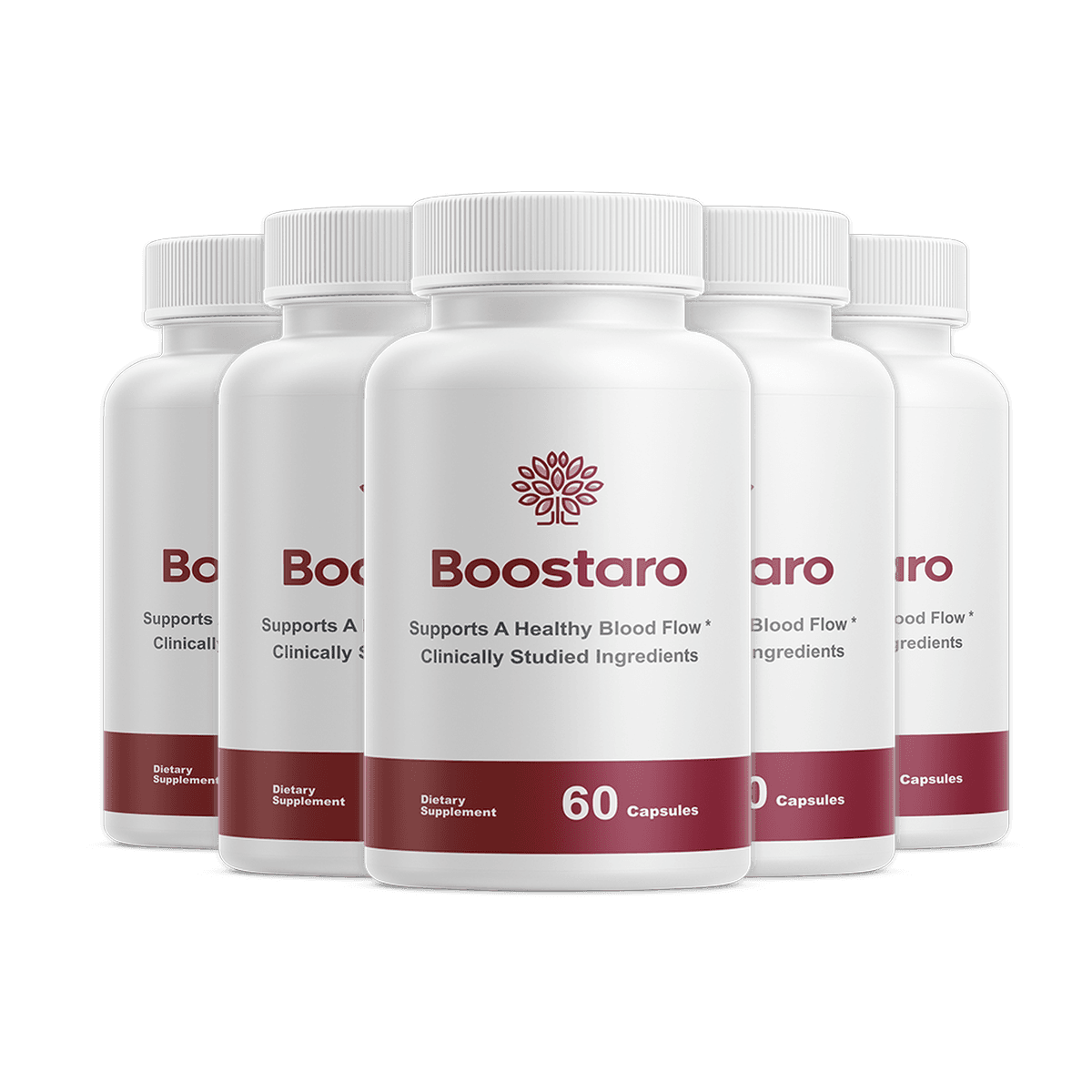
The product being sold is Boostaro, a powdered dietary supplement marketed primarily to men aged 40 to 70 who are experiencing erectile dysfunction (ED). The sales letter. Delivered as a roughly thirty-minute Video Sales Letter, or VSL; is narrated by a character named Tom Bradford, who claims to be a former US Department of Health and Human Services employee who developed the formula after his own ED nearly destroyed his marriage. The letter is produced by a company called Nature's Formulas and positions Boostaro as a natural, science-backed alternative to pharmaceutical ED drugs like Viagra and Cialis. It is, by any technical measure, a sophisticated piece of long-form direct-response marketing, one that borrows the authority of two Nobel Prize winners, invokes a conspiracy narrative involving Pfizer, and builds to a price-anchored offer with a 60-day money-back guarantee.
This analysis is not a product testimonial, a condemnation, or a press release. It is an attempt to read the VSL the way a film critic reads a film: with attention to structure, intention, and effect. The ingredient science is evaluated against publicly available research. The persuasion tactics are named and sourced. The offer mechanics are examined for what they actually mean versus what they imply. The question animating this piece is straightforward: what does this VSL actually argue, and how does it argue it, and where does the evidence genuinely support the pitch, and where does rhetoric fill the gaps that science leaves open?
What Is Boostaro?
Boostaro is a daily dietary supplement formulated to support erectile function and cardiovascular circulation in men. It is delivered in powdered form, a deliberate format choice the VSL emphasizes, noting that powder allows for a 3-gram serving versus the roughly 800-milligram ceiling of a standard capsule, and citing research suggesting superior bioavailability. The product is manufactured in the United States in an FDA-registered facility following Good Manufacturing Practice (GMP) guidelines and claims third-party laboratory testing to verify label accuracy. It contains seven active ingredients, L-citrulline, French maritime pine bark extract (Pinus pinaster), vitamin C, L-lysine, magnesium, vitamin K2, and nattokinase, all positioned as natural proxies for the nitric oxide-boosting mechanism that pharmaceutical ED drugs exploit synthetically.
The product sits in the broadly crowded men's sexual health supplement category, a market that the Global Industry Analysts consortium has valued at several billion dollars annually and which is growing as the population of men over 50 expands. Boostaro differentiates itself not primarily on its ingredient list, several of these compounds appear individually in competing products, but on the narrative frame around them: the claim that these seven ingredients together address not just the symptom of ED (insufficient blood flow) but the underlying cause (arterial plaque buildup and nitric oxide pathway suppression). That distinction between symptomatic treatment and root-cause treatment is the product's core commercial argument, and it is reinforced at every structural point in the VSL.
The stated target user is a married or partnered man in his forties, fifties, or sixties who has experienced the onset of ED, has tried or considered pharmaceutical options, and is looking for a solution that feels both scientifically grounded and free of the side-effect profile he associates with Viagra or Cialis. The VSL also addresses, less explicitly, a psychographic rather than a purely demographic audience: men for whom sexual performance is tightly bound to identity, marital security, and self-worth. Men for whom ED is not merely a physical inconvenience but an existential threat.
The Problem It Targets
Erectile dysfunction is genuinely widespread, and the VSL's choice to anchor in that reality is not manufactured. The Massachusetts Male Aging Study, one of the most cited epidemiological surveys on the subject, found that approximately 52% of men between the ages of 40 and 70 experience some degree of ED, with complete ED affecting roughly 10% of that group and rising sharply with age. The NIH estimates that ED affects approximately 30 million men in the United States alone. These are not marginal numbers. They describe an experience that is statistically normal among middle-aged and older men, even if the social stigma around it makes it feel isolating and exceptional. The market exists because the problem is real, pervasive, and underserved by treatments that carry either significant cost (branded pharmaceuticals), meaningful side-effect risk, or the psychological awkwardness of planned, medically supervised sex.
What the VSL does with this real epidemiological backdrop is amplify its emotional weight to the maximum possible register. The script does not describe ED as a medical condition that many men manage with varying degrees of success. It describes it as a marriage-ending, identity-destroying, potentially life-threatening crisis; one in which the narrator's wife begins fantasizing about another man, the narrator picks up a gun, and the firearm discharges on the bedroom floor. This is the agitation phase of the classic Problem-Agitate-Solution (PAS) copywriting structure, taken to an extreme that few VSLs attempt. The clinical reality, that ED is common, treatable, and rarely causes the acute domestic catastrophe depicted, is not the emotional reality the script constructs.
The VSL's framing of the problem is also shaped by a deliberate false-enemy narrative: the argument that mainstream medicine and pharmaceutical companies have conspired to keep natural solutions hidden, ensuring men remain dependent on expensive, side-effect-laden drugs. This narrative is emotionally satisfying and commercially useful, but it requires scrutiny. The core science around nitric oxide and erections is not hidden, Dr. Louis Ignarro's Nobel Prize-winning research is publicly available, widely cited, and has been the basis of dozens of openly published studies. The idea that Pfizer's patent strategy constitutes a suppression conspiracy overstates what is, in reality, a standard pharmaceutical business model: taking a naturally occurring mechanism, synthesizing a patentable analog, and commercializing it. Problematic? Debatable. Secret? No.
The VSL also cites the statistic that 93% of men who experienced major cardiac events had ED first, using this to argue that ED and heart disease share a root cause and that fixing one fixes the other. The association between ED and cardiovascular disease is real and well-documented in the medical literature, the Journal of the American College of Cardiology and multiple European Heart Journal studies have confirmed that ED is an independent predictor of cardiovascular events, likely because both conditions share the mechanism of endothelial dysfunction. The VSL's causal extrapolation, that supplementing with these seven ingredients will simultaneously reverse ED and prevent heart disease, goes considerably further than that association alone can support.
Curious how other VSLs in this niche structure their pitch? Keep reading, the section below breaks down the psychology behind every claim above.
How Boostaro Works
The mechanism argument at the center of the VSL is built around nitric oxide (NO) biology, and on this point the script is more grounded in legitimate science than many supplements in its category. The core claim is accurate: erections depend on blood flow into penile tissue, blood flow depends on vasodilation, and vasodilation in blood vessels is significantly regulated by nitric oxide. A signaling molecule that causes smooth muscle in vessel walls to relax, allowing vessels to expand. Dr. Ignarro's 1998 Nobel Prize was awarded precisely for demonstrating this mechanism. Viagra (sildenafil) works by inhibiting the enzyme PDE5, which breaks down the chemical cascade that nitric oxide initiates. In other words, it extends the duration of the nitric oxide signal rather than increasing NO production itself. The VSL's claim that natural compounds can boost nitric oxide production directly is therefore scientifically coherent at the level of mechanism, even if the translation from mechanism to clinical outcome is more complicated.
The second layer of the mechanism argument; that arterial plaque, driven by a cholesterol compound called lipoprotein(a) or Lp(a), physically restricts blood flow to the penis, is also consistent with established cardiovascular science. Lp(a) is a real, genetically determined cardiovascular risk factor; the relationship between its accumulation and arterial narrowing is documented. Dr. Linus Pauling's theory that vitamin C deficiency allows arterial micro-tears to form, which the body then patches with Lp(a), is a genuine if contested scientific hypothesis. Pauling published this work, it received peer attention, and subsequent research on vitamin C and vascular health has produced mixed but not dismissive findings. It is more accurate to describe it as a plausible, minority-position hypothesis than as either proven fact or fringe quackery, though the VSL presents it with the certainty of settled science.
Where the mechanism argument becomes speculative is in the leap from "these compounds have individually shown effects on nitric oxide or vascular health in controlled studies" to "this specific combination, in this specific powdered format, will reverse your ED." Combination supplement research is methodologically difficult; the interaction effects between seven compounds are not well characterized in the literature, and the doses used in the referenced studies are not always confirmed to match what Boostaro delivers per serving. The VSL cites a 2010 study showing that pine bark extract combined with L-citrulline produced normal erections in 92.5% of subjects, a striking figure. That study exists (it is associated with research by Stanislavov and Nikolova, published in Phytotherapy Research), but it involved a specific patented pine bark extract (Pycnogenol) at defined doses, in a clinical trial context, not as a component of a seven-ingredient commercial powder. The gap between the cited study and the product being sold is real and worth noting.
The honest characterization of Boostaro's mechanism is this: the individual ingredients have plausible, partially research-supported pathways relevant to vascular health and erectile function. The combination is not validated as a unit. The product is unlikely to be inert, and it is unlikely to be a guaranteed cure. It occupies the wide and murky territory between those two poles, a territory that is common to nearly all dietary supplements and that the VSL, by design, makes to look far narrower than it is.
Key Ingredients and Components
The formula's seven ingredients are presented in the VSL as a deliberate, research-assembled stack, each targeting a distinct aspect of the ED-cardiovascular nexus. Two introductory points are worth establishing before the ingredient-level review. First, all seven compounds are legal, widely available dietary supplement ingredients with established safety profiles at standard doses, none are novel or uncharacterized. Second, the VSL's claim that these are difficult to source individually or that their combination is proprietary overstates the case; most are available in single-ingredient or combination products from multiple manufacturers. What Boostaro offers is a specific formulation, format, and quality-assurance claim, not exclusive ingredient access.
L-Citrulline: A non-essential amino acid found naturally in watermelon, L-citrulline is converted by the kidneys into L-arginine, which is then used by the body to produce nitric oxide. The VSL correctly notes its mechanism parallels Viagra's vasodilatory effect but via upstream NO production rather than PDE5 inhibition. Research published in Urology (Cormio et al., 2011) found that L-citrulline supplementation at 1.5g/day significantly improved erection hardness scores in men with mild ED. It is one of the better-studied natural compounds for this indication.
Pinus Pinaster (French Maritime Pine Bark Extract): The active component, Pycnogenol, has been studied in combination with L-citrulline or L-arginine in several small trials. The Stanislavov and Nikolova (2003, Phytomedicine) and later studies showed meaningful improvements in erectile function scores. It is an antioxidant and NO-enhancing compound with a reasonable evidence base, though most trials are small and industry-adjacent.
Vitamin C: Pauling's cardiovascular hypothesis aside, vitamin C's role as an antioxidant that protects NO from oxidative degradation is well-documented. Some research, including work published in Circulation, suggests that vitamin C supplementation can modestly improve endothelial function in patients with cardiovascular risk factors. The evidence for ED-specific benefits is indirect.
L-Lysine: An essential amino acid; Pauling's theory about its role in blocking Lp(a) adhesion to arterial walls has some mechanistic support but limited large-scale clinical validation. It is safe and well-tolerated at supplemental doses.
Magnesium: The VSL's claim that most men with ED are magnesium-deficient is broadly consistent with epidemiological data, magnesium insufficiency is common in Western populations, and magnesium plays a role in vascular smooth muscle relaxation and NO signaling. A study in PLOS ONE (Guerrero-Romero et al., 2016) noted associations between magnesium levels and metabolic and vascular health markers. Direct ED-specific evidence is limited.
Vitamin K2: The Rotterdam Study, cited in the VSL, did find that dietary vitamin K2 intake was associated with reduced arterial calcification and cardiovascular mortality. This is real research (Geleijnse et al., 2004, Journal of Nutrition). K2's mechanism. Activating matrix Gla protein to prevent calcium deposition in vessel walls. Is well-characterized. Its specific role in ED has not been independently studied at scale, though the vascular pathway is plausible.
Nattokinase: An enzyme derived from fermented soybeans (natto), nattokinase has demonstrated fibrinolytic (clot-dissolving) activity in several studies, including research published in Scientific Reports and Biomarker Insights. The 2018 Biomarker Insights study the VSL references is a real publication. Evidence for its cardiovascular benefits is promising but still preliminary; evidence for ED-specific benefits is extrapolated from cardiovascular endpoints.
Hooks and Ad Angles
The VSL's opening hook; delivered in the voice of a distressed wife before the narrator even identifies himself, operates on several levels simultaneously. The line "other men your age can get it up, what's wrong with you?" functions as what Eugene Schwartz would classify as a market sophistication stage 4 opening: the target audience has already seen every direct pitch ("natural Viagra," "harder erections in days"), and the copy sidesteps that exhausted frame entirely, entering instead through pure emotional identification. The viewer does not feel he is watching an advertisement; he feels he is watching a scene from his own life, or his worst fear about his life. That identity threat, the suggestion that his sexual failure makes him less than a man, is the hook's real mechanism, and it is deployed before a single product claim appears on screen.
The secondary opening hook, introduced within the first two minutes, is the "15-second blood flow fix so classified you've never seen it before", a curiosity gap hook, in the tradition popularized by Jonah Berger's research on information gaps. The specific phrase "so classified" imports the language of government secrecy into a supplement pitch, a move that serves the VSL's broader conspiracy narrative while simultaneously promising privileged access. The combination of the two hooks, identity threat followed by curiosity gap, creates a compound attention-holding structure that addresses both the emotional ("this is about me") and intellectual ("what is this secret?") registers at once.
Secondary hooks observed across the VSL:
- The gun-discharge scene: a narrative escalation designed to mark the emotional nadir and make the product's subsequent discovery feel like a literal lifesaving intervention
- "Harvard, Stanford, and Johns Hopkins validated the natural Viagra switch". Institutional name-dropping deployed as a credibility shortcut without linking to a specific published study
- "92.5% of men experienced normal erections". A precise numerical claim that functions as a social proof anchor, giving skeptical viewers a quantified outcome to hold onto
- The "Big Pharma has 1,000 melanoma lawsuits" claim; a fear appeal that makes pharmaceutical alternatives feel actively dangerous rather than merely imperfect
- "This report may be taken down", a manufactured-scarcity hook designed to compress the decision timeline
Ad headline variations a media buyer could test on Meta or YouTube:
- "The Nobel Prize discovery Pfizer spent millions to bury, and what it does for erections"
- "92.5% of men had no ED after 30 days on just two natural ingredients. Here's what they are."
- "At 54, I was harder than I was at 22. No pills. No pumps. Here's the 15-second fix."
- "Your doctor won't mention this, but a Nobel Prize winner proved it works for ED"
- "She almost left me. Then I found what was clogging my arteries."
Psychological Triggers and Persuasion Tactics
The VSL's persuasive architecture is unusually sophisticated for its category because it does not deploy its emotional and rational appeals in parallel, it stacks them sequentially, building a cumulative case in which each new element depends on the emotional foundation the previous one established. The opening domestic crisis creates loss aversion before any solution is offered. The conspiracy narrative gives that loss aversion an external villain, transforming shame ("I failed") into anger ("I was lied to"), which is a dramatically more motivating emotional state for action. The Nobel Prize authority signals then reframe the anger as righteous and the purchase as informed rebellion. By the time the price is revealed, the viewer has already emotionally committed; the price section is a formality, not the primary conversion moment.
This sequential stacking, what Cialdini would recognize as a pre-suasion architecture, establishing the interpretive frame before the argument is made, is more common in political persuasion and high-commitment sales than in supplement marketing. Its presence here reflects a copy team that understands their audience's sophistication level and has calibrated accordingly.
Specific persuasion tactics deployed:
- Identity threat and masculine shame (Erving Goffman's stigma theory): The repeated equation of ED with not being a "real man" targets a deeply held identity schema in the target demographic, making the purchase a restoration of self rather than a transaction for a product.
- False enemy / tribal framing (Seth Godin's tribes; Robert Cialdini's unity principle): By casting Big Pharma as the villain and Boostaro users as a resistance movement, the VSL converts a commercial purchase into an act of group membership and values alignment.
- Borrowed authority from legitimate scientists (Cialdini's authority principle): Ignarro and Pauling are real Nobel laureates, and their real research is cited. But in a way that implies their endorsement of Boostaro specifically, which does not exist and has never been given.
- Loss aversion compounding (Kahneman and Tversky's Prospect Theory): Every "do nothing" scenario ends in abandonment, infidelity, or death. The potential losses are enumerated and vivid; the potential gains are framed as merely restoring what the viewer already deserves to have.
- Epiphany bridge narrative (Russell Brunson's Expert Secrets framework): Tom Bradford's hero's journey follows the precise arc. Ordinary man, devastating problem, accidental discovery, transformation, now sharing the shortcut; that Brunson identifies as the most conversion-efficient narrative structure in digital marketing.
- Price anchoring via invented retail price (Thaler and Sunstein's anchoring heuristic): The "board of directors recommended $249" anchor is not a market price, it is a rhetorical device. No competitive landscape data supports a $249 per bottle benchmark for this ingredient category, making the "you pay only $69" offer feel like a gift rather than a standard market transaction.
- Manufactured scarcity (Cialdini's scarcity principle): The three-month batch production timeline and pharmaceutical-lawyer-shutdown threat are unverifiable claims that exist solely to compress the viewer's decision window and reduce deliberate price comparison behavior.
Want to see how these tactics compare across 50+ VSLs in the health supplement space? That's exactly the kind of pattern Intel Services is built to document.
Scientific and Authority Signals
The VSL's authority architecture rests on two real Nobel laureates, one named research scientist, one contested institutional claim, and a narrator whose credentials are stated but unverifiable. It is worth separating these carefully, because they function very differently from an epistemic standpoint. Dr. Louis Ignarro's Nobel Prize in Physiology or Medicine (1998) is genuine, his research on nitric oxide and vascular biology is real and foundational, and his work did contribute to the scientific understanding that led to PDE5 inhibitors like Viagra. The VSL's characterization of him as the "father of Viagra" is a loose but not entirely inaccurate shorthand. What the VSL does not establish, and cannot, is that Ignarro endorses Boostaro, recommends its specific formulation, or has any relationship with Nature's Formulas. His research is used as a credibility halo without his consent or participation.
Dr. Linus Pauling's credentials are also genuine, he is one of the most celebrated scientists of the twentieth century, with Nobel Prizes in Chemistry (1954) and Peace (1962). His later-career interest in vitamin C and cardiovascular disease is documented, and his 1989 unified cardiovascular theory was a real publication. The scientific community's reception of that specific theory was, however, more genuinely mixed than the VSL acknowledges, Pauling's megadose vitamin C hypotheses have not achieved consensus validation, and mainstream medicine's skepticism of some of his later nutritional claims reflects scientific disagreement rather than pharmaceutical conspiracy. The VSL frames this disagreement as suppression; a more accurate framing is that the evidence for Pauling's cardiovascular vitamin C theory remains incomplete and contested, not hidden.
The institutional claim that "Harvard, Stanford, and Johns Hopkins" validated the "natural Viagra switch" is the weakest authority signal in the VSL. No specific study, researcher name, journal, or publication year is attached to this claim. It functions as borrowed institutional authority, the names of elite research universities invoked to imply endorsement without any specific citable basis. The Rotterdam Study (vitamin K2) and the 2018 Biomarker Insights nattokinase study are real publications with traceable citations, and the VSL's representation of their findings is broadly accurate, if selectively framed. The Stanislavov pine bark + citrulline study is also real, though its application to Boostaro specifically requires the inferential leap noted in the mechanism section. In aggregate, the VSL's scientific claims range from legitimately grounded (individual ingredient mechanisms) to rhetorically borrowed (institutional name-dropping) to speculative extrapolation (the combined formula as a root-cause ED cure).
The Offer, Pricing, and Risk Reversal
The offer structure follows a textbook direct-response stacking sequence. The anchor price, $249 per bottle, attributed to a "board of directors recommendation". Is introduced first, establishing a reference point against which every subsequent number feels like a discount. The claim that this price is "extremely fair" given ingredient acquisition costs is unverifiable; the supplement industry's cost-of-goods for this ingredient profile, at standard commercial quantities, is unlikely to support a $249 retail price as anything other than a rhetorical anchor. The actual offer prices. $69 per bottle for a single unit, falling to $49 per bottle for the six-bottle package; are competitive within the premium supplement category, where comparable multi-ingredient men's health formulas typically retail between $40 and $80 per bottle. The anchor's function is not to reflect genuine pricing history but to make the real price feel like a rescue.
The bonus stack, a digital e-book, VIP recipe and resource access, and free shipping on larger packages, is a standard direct-response value amplifier, designed to shift the perceived value-to-cost ratio without changing the cash outlay. The e-book, claimed to have helped 11,000 people, and the $297 VIP resource library are digital goods with near-zero marginal cost, making them effective psychological sweeteners without meaningful financial commitment from the seller. Free shipping on three- or six-bottle orders serves double duty: it incentivizes larger purchases (which reduce per-unit cost and increase lifetime customer value) while also providing a concrete, tangible added benefit that grounds the bonus stack in something the buyer can immediately quantify.
The 60-day, 100% money-back guarantee is the offer's most important conversion mechanism. Risk reversal is a well-established direct-response technique because it relocates the perceived risk of the transaction from the buyer to the seller, a shift that is psychologically significant even when, in practice, the return process involves friction that reduces actual redemption rates. The guarantee is genuine in structure (it is a standard e-commerce refund policy), meaningful in scope (two full months of use before a commitment is required), and theatrically framed ("you have nothing to lose") in a way that overstates how frictionless returns actually are. Whether it functions as a meaningful consumer protection or primarily as a sales conversion device depends on how the customer service team actually handles return requests, something the VSL cannot demonstrate and a potential buyer should research independently.
Who This Is For (and Who It Isn't)
The ideal Boostaro buyer, as constructed by this VSL, is a man in his late forties to late sixties who has been experiencing the onset of ED for at least several months, whose relationship is under strain as a result, who has either tried pharmaceutical options and disliked the side effects or cost, or who is ideologically resistant to prescription drug use. He is likely health-conscious in aspiration if not always in practice, responsive to scientific framing even in lay terms, and significantly motivated by relational and identity concerns rather than purely by the physical inconvenience of ED. He is looking for permission to believe that a natural solution exists, and the VSL is specifically engineered to grant that permission through the authority of Nobel laureates and the community of 110,000 men who allegedly came before him. If you are researching Boostaro and that profile describes your situation, the product's ingredient science is grounded enough that it warrants consideration, particularly given the guarantee structure.
There are, however, readers for whom this product is a less appropriate fit, and the VSL's enthusiasm does not create space to name them. Men with severe or anatomical ED, caused by prostate surgery, significant vascular disease, or neurological conditions, are unlikely to achieve the dramatic results the testimonials describe through nutritional supplementation alone, regardless of ingredient quality. Men taking anticoagulants or blood-thinning medications should consult a physician before adding nattokinase, which has fibrinolytic activity that may compound bleeding risk. Men whose ED is primarily psychological in origin. Performance anxiety, depression, relationship conflict unrelated to physical function. Are addressing a different root cause than the one this formula targets. And men who encounter the VSL's conspiracy framing as a substitute for medical evaluation should be aware that ED can be an early warning sign of cardiovascular disease that warrants clinical assessment, not only supplementation.
The VSL's binary choice framing; Boostaro or a lifetime of dangerous pharmaceutical dependency, is a false dilemma. The actual decision landscape includes lifestyle intervention (exercise and diet changes have strong evidence for ED improvement), psychological support, PDE5 inhibitors used responsibly under medical supervision, and combination approaches. Boostaro may belong in that landscape for some men. It should not be the only map consulted.
If this kind of ingredient-by-ingredient, claim-by-claim analysis is useful to you, Intel Services publishes ongoing breakdowns of health and wellness VSLs across categories. Keep reading.
Frequently Asked Questions
Q: Is Boostaro a scam?
A: Boostaro is a real product from a company called Nature's Formulas, sold with a stated 60-day money-back guarantee. Its ingredients are real, legal dietary supplement compounds with documented biological activity. The more nuanced concern is not whether the product exists but whether its marketing claims, particularly the dramatic testimonials, the "110,000 men" figure, and the conspiracy narrative around Big Pharma, accurately represent what a buyer should expect. The evidence for the individual ingredients is real but modest; the evidence for the specific combination as a guaranteed ED reversal is not established by the studies cited.
Q: Does Boostaro really work for erectile dysfunction?
A: Several of its individual ingredients, particularly L-citrulline and pine bark extract in combination, have small but genuine trial evidence supporting improvements in erectile function scores in men with mild to moderate ED. Magnesium and vitamin K2 have plausible vascular mechanisms. The product is unlikely to produce zero effect in all users. Whether it produces the dramatic, rapid results described in the testimonials for most buyers is not something the available evidence can confirm, and the 60-day guarantee exists precisely to manage the cases where it does not.
Q: Are there any side effects from taking Boostaro?
A: The ingredients in Boostaro are generally well-tolerated at standard supplemental doses. L-citrulline can cause mild gastrointestinal discomfort in some individuals. Nattokinase has blood-thinning properties and should be used cautiously by anyone on anticoagulant therapy or with a bleeding disorder. Men with kidney disease should be careful with amino acid supplementation. As with any supplement, consulting a physician before starting, particularly for men managing cardiovascular conditions, is the appropriate step, not an optional one.
Q: Is it safe to take Boostaro with Viagra or Cialis?
A: Combining nitric oxide-boosting supplements with PDE5 inhibitors (Viagra, Cialis, Levitra) can produce additive vasodilatory effects, potentially causing a significant drop in blood pressure. This combination should not be undertaken without medical supervision. The VSL does not address this interaction, and it is a clinically relevant concern for men who may be using both approaches during a transition period.
Q: How long does Boostaro take to work?
A: The VSL claims that L-citrulline can produce effects within 20 minutes and recommends at least 30 days of use for meaningful benefit, with 90 days as the recommended full course. This is broadly consistent with how the ingredients behave individually in research: some compounds (L-citrulline, pine bark) have relatively acute vasodilatory effects, while others (vitamin C, lysine for arterial plaque) require sustained supplementation over months to produce measurable cardiovascular changes.
Q: What is the refund policy for Boostaro?
A: The VSL states a 60-day, 100% money-back guarantee with no questions asked, processed by a US-based customer service team via phone or email. Standard advice for any supplement purchase with a guarantee: document your order date, keep shipping confirmation, and initiate any return request with enough time before the guarantee window closes to allow for processing delays.
Q: How does Boostaro compare to Viagra or Cialis?
A: Viagra and Cialis are pharmaceutical PDE5 inhibitors with robust clinical trial evidence for efficacy across a range of ED severities. They act quickly and predictably. Their limitations are real: cost, side-effect profile, the need for planning, and contraindications with nitrates. Boostaro targets the upstream nitric oxide production pathway using natural compounds and positions itself as a root-cause treatment rather than a symptomatic one. The honest comparison is that pharmaceuticals have stronger evidence of acute efficacy; Boostaro's ingredients have weaker but plausible evidence of longer-term vascular support with a better side-effect profile. They address the same biological mechanism via different points in the pathway.
Q: Is the "natural Viagra switch" mentioned in the VSL a real scientific concept?
A: The nitric oxide vasodilation pathway that the VSL calls the "natural Viagra switch" is a real and well-documented biological mechanism. It is the mechanism that Ignarro's Nobel Prize-winning research described. The branded phrase "natural Viagra switch" is copywriting, not a scientific term. The claim that this switch lies "inactive" in men with ED and can be simply "activated" by supplements is a simplified and somewhat misleading presentation of what is actually a complex, multifactorial physiological process.
Final Take
Boostaro's VSL is among the more technically accomplished sales letters in the men's health supplement category. Not because its claims are uniformly accurate, but because its persuasive architecture is carefully constructed around a target audience that the copy team clearly understands in depth. The sequential stacking of emotional crisis, conspiracy vindication, Nobel Prize authority, and risk-reversed pricing is not accidental; it is the product of a sophisticated understanding of how men in the target demographic process shame, seek information, evaluate alternatives, and ultimately make purchase decisions. The gun scene, in particular, is a calculated risk: it is dramatically extreme, and it will repel some viewers; but for the subset of men for whom the emotional stakes of ED feel genuinely existential, it lands as recognition rather than melodrama.
The ingredient science occupies a more defensible position than most supplements in this category. L-citrulline and pine bark extract in combination have genuine small-trial evidence; vitamin K2's cardiovascular data from the Rotterdam Study is real; nattokinase's fibrinolytic properties are documented. The product is not built on invented mechanisms. The gap between the VSL's certainty, "proven," "guaranteed," "forever", and the actual state of the evidence is wide, but the underlying biology is not fictional. A more honest version of this pitch would describe the ingredients as "promising, with early evidence suggesting vascular benefit" rather than a "one-two knockout punch eradicating ED forever." That more honest version would, of course, convert at a fraction of the rate.
The conspiracy narrative is the weakest element of the VSL, not because pharmaceutical companies are paragons of transparency, but because it does significant epistemic damage to the viewer's ability to evaluate the product rationally. When the VSL frames all mainstream medicine as Big Pharma-corrupted and positions Boostaro as the suppressed truth, it is not empowering the buyer, it is short-circuiting his critical faculties at the moment when they would be most useful. A buyer who is encouraged to distrust all contrary evidence is a buyer who cannot evaluate the supplement fairly. That is useful for conversion. It is not useful for the buyer.
For the reader who has arrived at this analysis because they are genuinely researching Boostaro before purchasing: the product is not obviously fraudulent, its core ingredients have partial evidence of vascular and erectile benefit, and the 60-day guarantee provides a meaningful risk mitigation. The appropriate frame is cautious trial, not credulous faith in the dramatic claims, and certainly not medical self-treatment in place of clinical evaluation for what may be a symptom of cardiovascular disease worth diagnosing properly. This breakdown is part of Intel Services, our ongoing library of VSL and ad-copy analyses. If you're researching similar products, keep reading.
Disclaimer: This article is for research and educational purposes only. It is not medical, legal, or financial advice, and it is not affiliated with the product or its makers. Always consult a qualified professional before making health or financial decisions.
Source-backed reader context
Additional Reviews & Reported Experiences
These statements were presented in the product's sales transcript. Daily Intel did not independently verify the speakers, purchase status, or reported outcomes, and the statements are not used in Product aggregateRating.
Thomas Curry of Denver, CO
Date not stated
morning erections returning, wife more satisfied, improved energy and sleep
Mark Engelman of Buffalo, NY
Date not stated
hadn't had sex in a year, wife on verge of leaving — Boostaro restored both his erection and his marriage
Robert T. of Fort Lauderdale, FL
Date not stated
erection returned bigger than ever, wife's reaction enthusiastic
Anonymous wife testimonial
Date not stated
husband given a new lease on life, best sex of their marriage
Comments(0)
No comments yet. Members, start the conversation below.
Related reads
- DISreviews
Vigorox Prime Review and Ads Breakdown
Vigorox Prime is sold through one of the most aggressive erectile dysfunction VSL angles in the men's health space: the so-called baking soda trick. The pitch is not subtle. It opens with explicit …
Read - DISreviews
Vegetal Porno Review and Ads Breakdown
Vegetal Porno is one of the more aggressive erectile dysfunction VSLs in the men's health space. The presentation is not subtle. It opens by asking whether men over 60 are having trouble performing…
Read - DISreviews
Truque do Touro - SupraBoost Review and Ads Breakdown
Truque do Touro - SupraBoost is a men’s sexual-performance offer built around one of the most aggressive erectile dysfunction narratives in the supplement VSL space: a hidden Brahman bull trick fro…
Read