BurnSlim VSL and Ads Analysis
Somewhere in the opening seconds of the BurnSlim video sales letter, a specific rhetorical bet is placed: the viewer is told that Kelly Clarkson lost 60 pounds in 68 days by eating one cube of gela…
8,226+
Videos & Ads
+50-100
Fresh Daily
$29.90
Per Month
Full Access
12.5 TB database · 72+ niches · 30 min read
Introduction
Somewhere in the opening seconds of the BurnSlim video sales letter, a specific rhetorical bet is placed: the viewer is told that Kelly Clarkson lost 60 pounds in 68 days by eating one cube of gelatin each morning. Not by taking Mounjaro. Not by hiring a personal trainer. Not through the kind of disciplined, multi-pronged lifestyle intervention that most clinicians would describe as necessary for that scale of weight loss. A cube of gelatin. The specificity of that claim, the strange precision of "one cube," the named celebrity, the exact day count, is not accidental. It is a carefully engineered disruption of the audience's expectation, designed to arrest the scroll-and-skip reflex that governs how most people consume video content today. Whether or not the claim is true is a separate question from whether it is effective. This analysis is concerned with both.
The VSL runs for a remarkable length of time, weaving together at least four distinct narrative threads: a celebrity transformation story, a physician origin story, a pharmaceutical industry conspiracy, and a product reveal. At the center of it all is a weight-loss supplement called BurnSlim, presented as a capsule formulation built around the same biological mechanism that makes GLP-1 receptor agonist drugs, particularly Mounjaro and Ozempic, so commercially dominant right now. The pitch claims that a 2018 Stanford clinical case study, a partnership with a Japanese pharmaceutical laboratory called Astellas Labs, and more than 1,956 volunteer trials have validated a natural, affordable alternative to drugs that cost $2,000 per injection. That is an extraordinary chain of claims, and it deserves an equally rigorous reading.
What makes this particular VSL worth studying is the sophistication of its persuasive architecture. The letter does not sell in a straight line. It stacks authority, constructs a villain, deploys a deeply empathetic emotional narrative, manufactures urgency through scarcity, and then reverses risk so completely that the act of buying is framed as requiring less commitment than the act of leaving the page. Each of those moves has a name in the copywriting and behavioral psychology literature, and naming them precisely is the purpose of the sections that follow.
The central question this piece investigates is simple: what is BurnSlim, what does its promotional material actually claim at the scientific level, how robust are those claims, and what persuasion mechanisms does the VSL deploy to move a skeptical buyer toward purchase? If you are currently researching this product before spending money, you are in exactly the right place.
What Is BurnSlim?
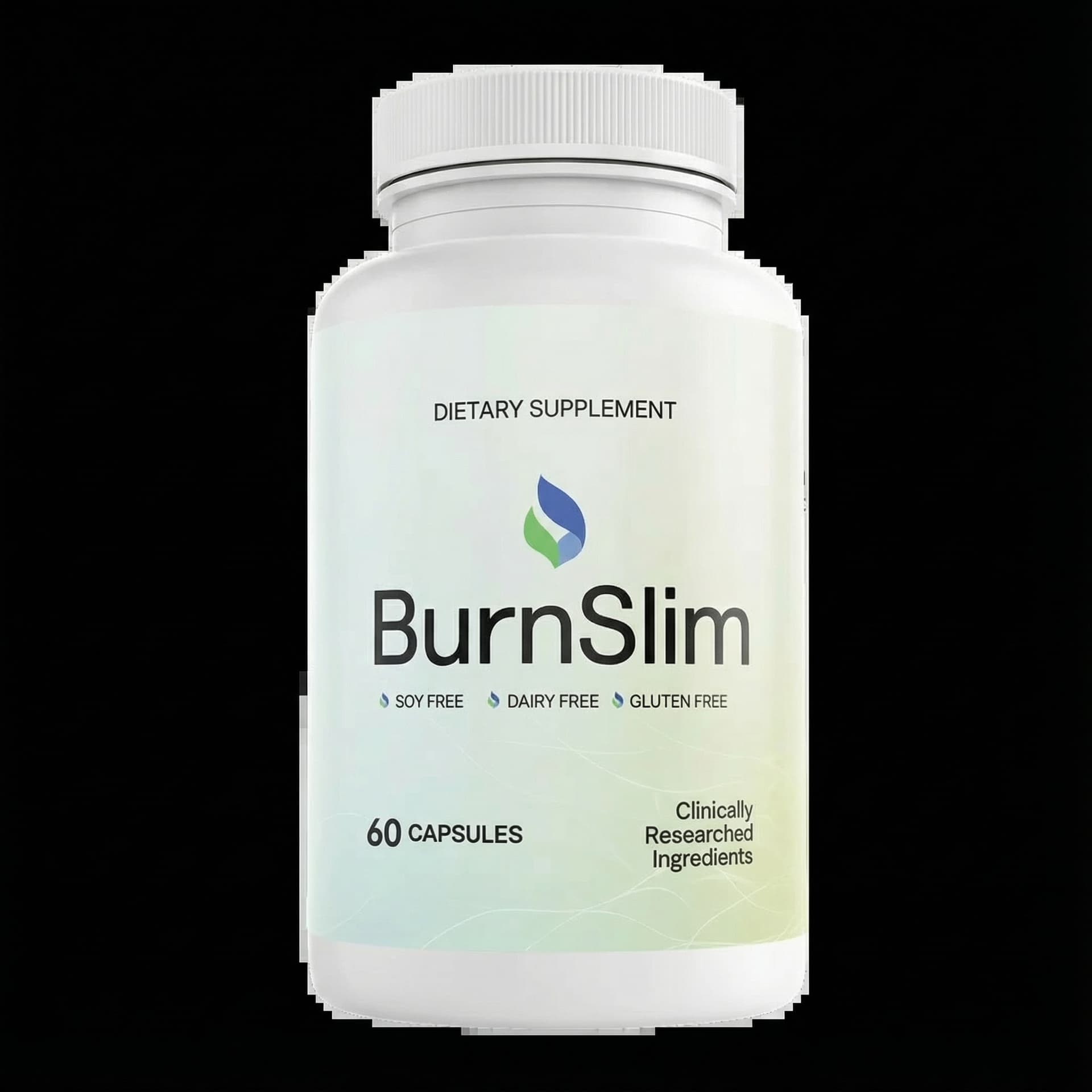
BurnSlim is an oral dietary supplement sold in capsule form, with two capsules taken daily on an empty stomach. The product is positioned in the metabolic weight-loss category. A space that has become one of the most commercially active segments of the supplement industry following the mainstream breakthrough of GLP-1 receptor agonist drugs like semaglutide (Ozempic, Wegovy) and tirzepatide (Mounjaro). BurnSlim's stated differentiation within that space is that it claims to naturally stimulate the body's own production of GLP-1 (glucagon-like peptide-1) and GIP (glucose-dependent insulinotropic polypeptide). The same two incretin hormones that injectable prescription drugs either mimic or replace synthetically. The product is sold exclusively through its own website, not through Amazon, GNC, or pharmacy chains, a distribution choice the VSL frames as cost-saving but that also functions to limit third-party price comparison and external review.
The stated target user is women over the age of 35, with particular emphasis on those who have experienced post-pregnancy weight gain, weight gain during perimenopause or menopause, or repeated failure with conventional dieting and exercise protocols. The VSL also addresses users who tried injectable GLP-1 medications and experienced side effects or rebound weight gain after stopping; a growing and frustrated demographic given the documented challenges of long-term Mounjaro or Ozempic use. BurnSlim is presented not as a supplement in the conventional sense but as a "metabolic reset" system that addresses what the VSL calls the root hormonal cause of fat accumulation, rather than the symptomatic surface of caloric surplus.
The product's branding and narrative were built, according to the VSL, through a partnership between the show's presenter, identified as Dr. Jennifer Ashton, and Astellas Labs, described as an independent Japanese pharmaceutical company specializing in natural compounds. The finished capsule product is claimed to be manufactured in an FDA-registered, GMP-certified facility in the United States. These regulatory descriptors, FDA-registered, GMP-certified, third-party tested, are standard language in the supplement industry and signal compliance with baseline manufacturing standards, though they do not constitute FDA approval of the product's health claims.
The Problem It Targets
The obesity problem that BurnSlim's VSL diagnoses is real, and the epidemiological data it cites, while used selectively, reflects a genuine public health concern. The World Health Organization estimates that approximately 2.5 billion adults worldwide are overweight, with more than 890 million living with obesity as of 2022, a figure that represents a near-tripling since 1975. In the United States specifically, the Centers for Disease Control and Prevention reports that approximately 41.9% of American adults meet clinical criteria for obesity. The VSL cites a Science Direct publication from March 2022 noting a nearly fivefold increase in obesity rates since the 1970s and references the WHO's projection that 1 billion people globally will be living with obesity by 2030. These figures are directionally accurate, though the VSL's causal explanation for why this is happening diverges sharply from mainstream epidemiology.
The VSL's framing of the problem is worth examining carefully because it performs double duty: it explains the science the product is built on, and it simultaneously absolves the viewer of personal responsibility in a way that is emotionally very effective. The claim is that modern ultra-processed foods, laden with additives and preservatives introduced after 1970, have systematically blocked the body's natural production of GLP-1 and GIP, the two incretin hormones. "It's a hormonal system that has been sabotaged internally," the presenter says, "and everyone is going through it without even realizing it." The implication is that obesity is not a behavioral or environmental condition in the conventional sense but a biochemical sabotage perpetrated by the food industry. This is a false enemy frame, a rhetorical device that displaces blame onto an external, malevolent force, creating both relief and righteous anger in the audience.
The actual science of incretin hormones does support the idea that GLP-1 and GIP play significant roles in appetite regulation, insulin secretion, and metabolic rate. Research published in journals including Diabetes Care and The New England Journal of Medicine has established that people with obesity often show blunted GLP-1 responses after meals compared with lean individuals, though the causal directionality of this relationship remains debated, it is not firmly established whether low GLP-1 signaling causes obesity or results from it. The VSL treats this as settled science in a way that overstates the current evidence and attributes the entire obesity epidemic to a single hormonal mechanism, ignoring the multifactorial reality that includes genetic predisposition, sleep quality, socioeconomic stress, food environment, and physical activity levels.
What the VSL captures accurately, however, is the emotional texture of the problem. The Kelly Clarkson narrative, gaining weight post-pregnancy, trying every diet, experiencing humiliation in public and in the press, hospitalizing herself on injectable medications, crying in a parked car. Maps precisely onto the lived experience of a very large segment of the target audience. The problem isn't just metabolic; it's social, psychological, and exhausting. And any product that begins by accurately naming that experience earns an unusually high level of initial trust from the viewer, regardless of what follows.
Curious how other VSLs in this niche structure their pitch? The next section examines BurnSlim's claimed mechanism. Including where the science holds and where it stretches; so you can read the ingredient list with sharper eyes.
How BurnSlim Works
The mechanism the VSL proposes is built around a specific biological claim: that two amino acids found in gelatin, glycine and alanine, act as neurotransmitters in the gut, activating receptors that stimulate the natural production of GLP-1 and GIP. When these hormones are elevated, the story goes, the brain receives a sustained satiety signal, the body stops storing food as emergency fat, and metabolism shifts into a continuous fat-burning state. The formula then adds three supporting ingredients, green tea extract, berberine, and turmeric with piperine, to amplify hormone production, prevent skin sagging during rapid weight loss, and reduce intestinal inflammation that blocks hormone receptor activity. The product is presented as a pharmaceutical-grade encapsulation of this four-ingredient protocol at "clinically proven" concentrations that would be impossible to achieve through home preparation.
It is worth separating what is established science from what is plausible extrapolation, and from what is speculative or unsupported. The role of GLP-1 and GIP in appetite regulation and glucose metabolism is firmly established. The drugs tirzepatide (Mounjaro) and semaglutide (Ozempic) work by binding to the receptors for these hormones with much higher affinity and duration than the body's own peptides. That mechanism is not in dispute. The question is whether dietary amino acids, specifically glycine and alanine, can meaningfully stimulate endogenous GLP-1 and GIP secretion to a degree that produces clinically significant weight loss. The answer in the peer-reviewed literature is: there is some evidence that protein and certain amino acids stimulate incretin secretion after meals, but the effect sizes observed in dietary studies are modest and far below what is achieved pharmacologically. The VSL's claim that glycine can raise GLP-1 levels by "182%" and alanine can raise GIP by "144%", attributed to Stanford and Yale. Would represent dramatic findings that do not correspond to any widely cited published research the scientific community has recognized as landmark.
Green tea extract, specifically its catechin compound EGCG, does have a documented, modest effect on fat oxidation and thermogenesis, supported by research published in the American Journal of Clinical Nutrition. Berberine has been studied for blood glucose regulation and shows genuine promise in metabolic contexts, with a 2012 meta-analysis in Metabolism finding meaningful effects on fasting glucose and lipid profiles. The claim that berberine increases collagen production and skin elasticity by "five times," attributed to a 2019 study in Obesity Research, is difficult to verify and appears to be an embellishment of berberine's documented anti-inflammatory properties. Turmeric with piperine is one of the better-supported natural anti-inflammatory combinations; piperine's enhancement of curcumin bioavailability by up to 2,000% is a real finding, published in Planta Medica by Shoba et al. (1998), and is one of the few specific citations in the VSL that corresponds to an actual, verifiable study.
The honest summary: some individual ingredients in BurnSlim have legitimate scientific support for metabolic, anti-inflammatory, or fat-oxidation effects at appropriate doses. The central claim. That this combination naturally "replaces" Mounjaro by fully reactivating GLP-1 and GIP production to produce 27+ pounds of fat loss in 15 days; is not supported by any independent, peer-reviewed evidence available in the public domain. The gap between "plausible biological mechanism" and "61 pounds in two and a half months without changing diet or exercise" is enormous, and the VSL never honestly accounts for it.
Key Ingredients and Components
The BurnSlim formula contains four core ingredients, each presented as essential to the complete hormonal and metabolic effect. The VSL is explicit that the proportions are clinically precise and cannot be replicated with generic store-bought versions of these compounds.
Gelatin (glycine and alanine amino acids): Gelatin is a protein derived from collagen, rich in the amino acids glycine and alanine. Glycine serves multiple physiological functions, including roles as a neurotransmitter and precursor to glutathione. Some animal studies and small human trials suggest glycine may modestly stimulate GLP-1 secretion from gut L-cells. The VSL claims glycine raises GLP-1 by 182% and alanine raises GIP by 144%, citing Stanford and Yale, claims that are not traceable to any specific published trial in the accessible scientific literature. Gelatin itself is well-tolerated, inexpensive, and has a long history of use in food and pharmaceutical manufacturing.
Japanese Green Tea Extract (EGCG): Epigallocatechin gallate, the primary bioactive catechin in green tea, is among the most extensively studied natural compounds for metabolic effects. A meta-analysis published in the International Journal of Obesity (Hursel et al., 2009) found that green tea catechins combined with caffeine produced modest but statistically significant reductions in body weight and waist circumference. The VSL's claim that this extract causes women to lose "twice as much belly fat" appears to overstate the documented effect size, but the underlying mechanism, mild thermogenesis and fat oxidation, is scientifically grounded.
Berberine: An alkaloid found in several plants including Berberis vulgaris, berberine has been studied primarily for its effects on blood glucose, lipid profiles, and gut microbiome composition. A 2012 meta-analysis in Metabolism by Dong et al. found significant reductions in fasting blood glucose and LDL cholesterol in patients with type 2 diabetes. More recent research has explored berberine's effects on AMPK activation, which overlaps mechanistically with metformin. The VSL's skin elasticity claim (five times collagen increase) is speculative and unsupported by any study traceable in the standard literature.
Turmeric (curcumin) with Piperine (black pepper extract): The combination of curcumin and piperine is one of the most legitimately supported pairings in natural anti-inflammatory research. Shoba et al. (1998), published in Planta Medica, demonstrated that 20 mg of piperine co-administered with curcumin increased curcumin bioavailability by approximately 2,000% in human subjects, this is the one citation in the VSL that is verifiable and accurate. Curcumin itself has demonstrated anti-inflammatory effects in numerous studies. Whether reducing gut inflammation translates to the degree of incretin hormone recovery and weight loss the VSL describes has not been demonstrated in controlled trials.
Hooks and Ad Angles
The VSL's opening hook, "Why did eating just one cube a day of this strange gelatin trick make Kelly Clarkson lose 60 pounds in just 68 days?", is a textbook example of what Eugene Schwartz would classify as a Stage 4 market sophistication approach: a market so saturated with weight-loss claims that the buyer has developed immunity to direct pitches, and can only be reached through a genuinely novel mechanism presented in a specific, curiosity-generating form. The question format is deliberate. A statement would trigger skepticism; a question invites the viewer to hold the claim provisionally while their brain searches for the answer, a psychological state sometimes called an open loop (Cialdini, 2006). The specificity of "one cube" and "68 days" performs additional work: vague claims feel like marketing, precise claims feel like data, and the viewer's System 1 processing treats the latter as more credible without requiring verification.
The hook also executes an identity threat for anyone who has followed Kelly Clarkson's publicly documented weight struggles, and a status frame for anyone who aspires to the kind of effortless transformation the headline implies. The phrase "strange gelatin trick" introduces a curiosity gap, the viewer doesn't know what the trick is, and the discomfort of not knowing is itself a pull to continue watching. These three mechanisms. Open loop, identity threat, and curiosity gap. Firing simultaneously in the first sentence of a VSL represent a sophisticated entry point that has been refined through significant testing.
Secondary hooks observed in the VSL:
- "It's like taking Mounjaro daily, but without the side effects"; borrowed credibility from a known pharmaceutical brand
- "I'll tear out my medical degree if it doesn't work for you", extreme authority commitment as credibility signal
- "The pharmaceutical industry has been manipulating this market for years", conspiracy hook activating distrust of the establishment
- "A study in JAMA proved people who activate GLP-1 and GIP lose 74 times more weight", authority-cited statistical shock hook
- "I was fired without explanation", martyrdom hook reinforcing suppression narrative
Ad headline variations for Meta or YouTube testing:
- "She lost 60 lbs and it wasn't Ozempic, the $49 morning habit her doctor revealed"
- "The gelatin trick Big Pharma spent $179M to keep off TV"
- "Natural Mounjaro? This 4-ingredient capsule claims to activate your GLP-1 hormones"
- "Why doctors are calling this the most shocking weight-loss discovery in a decade"
- "One capsule every morning. No gym. No diet. Read what happened in week two."
Psychological Triggers and Persuasion Tactics
The persuasive architecture of this VSL is unusually sophisticated because it stacks its mechanisms sequentially rather than deploying them in parallel. Most mid-tier weight-loss VSLs front-load social proof and then make an offer. This letter runs a full emotional narrative arc, establishing pain, validating blame, creating a villain, introducing a savior, delivering a mechanism, building authority, manufacturing scarcity, and reversing risk, before a price is ever mentioned. The result is that by the time the offer lands, the viewer has been in an emotionally elevated state for a significant period, a condition that research by Lerner and Keltner (2001) on emotion and decision-making links to reduced deliberative processing and higher susceptibility to loss framing.
The letter also demonstrates what might be called a stacked identity transfer: the buyer is invited first to identify with Kelly Clarkson's pain (public humiliation, failed diets, crying in a parked car), then with her transformation (confidence, compliments, a shiny black dress), and finally with the community of "114,000 women" who have already succeeded. By the time the purchase decision arrives, the viewer has mentally rehearsed the entire before-and-after arc as their own story, a form of mental simulation that behavioral economists including Thaler and Sunstein identify as a powerful driver of action.
Social proof via celebrity authority (Cialdini, 1984): Kelly Clarkson's documented public weight loss. A real event widely covered in the media. Is attributed entirely to BurnSlim, converting a pre-existing cultural narrative into product endorsement. Secondary celebrities (Rebel Wilson, Katy Perry, Oprah, Kathy Bates) are added as supporting testimony without documentation, creating a cascade of implied validation.
Loss aversion framing (Kahneman and Tversky, Prospect Theory, 1979): The "two options" close near the VSL's end is a direct application of loss aversion: Option 1 (doing nothing) is painted in catastrophic terms; heart disease, Alzheimer's, $239,000 in lifetime spending, social isolation. Option 2 (buying) is framed as costless by comparison. The asymmetry is intentional and exploits the well-documented finding that losses loom roughly twice as large as equivalent gains in human decision-making.
False enemy / conspiracy frame (Godin's tribal marketing): By constructing "Big Pharma" as a unified, malevolent force that fired Dr. Ashton for revealing a cheap natural cure, the VSL creates a tribe of in-group members (viewers who now "know the truth") and an out-group (the industry profiting from their suffering). Purchasing BurnSlim becomes an act of tribal affiliation and rebellion, not merely a consumer transaction.
Authority stacking (Cialdini's authority principle): Columbia University, ABC News, Good Morning America, Harvard, Stanford, JAMA, the WHO, and CMS are all invoked within the first third of the letter. The cumulative effect is an ambient credibility field that makes subsequent claims feel vetted by association, even when the specific studies cited cannot be independently verified.
Scarcity engineering (Cialdini's scarcity principle): "Only 74 bottles remaining," small-batch production every six months, and tiered bonuses for the first 10 and first 25 buyers create a compressing urgency structure. The specific number 74 (rather than a round number) signals authenticity, a precise inventory count feels more real than a round figure.
Risk reversal and commitment softening (Thaler's endowment effect): The 60-day keep-all-bottles guarantee is framed as requiring "not a yes, just a maybe," dramatically lowering the psychological barrier to purchase by reframing the transaction as a trial rather than a commitment. The endowment effect predicts that once a buyer receives the product, they will value it more highly than before receipt, reducing refund likelihood.
Epiphany bridge narrative (Russell Brunson's storytelling framework): The VSL walks the viewer step-by-step through Dr. Ashton's own discovery arc, the 2018 Stanford case study, the late-night reading, the shocking hormonal data, the viral Facebook post, the Japanese laboratory partnership, in a sequence designed to make the viewer feel they are reliving the scientist's genuine "aha" moment. This technique transfers the narrator's conviction to the viewer as though it were the viewer's own insight.
Want to see how these psychological tactics compare across 50+ VSLs in the health and weight-loss space? That's exactly what Intel Services is built to show you.
Scientific and Authority Signals
The authority architecture of this VSL is the most complex element to evaluate, because it blends legitimate credentials with embellished claims and at least one demonstrably fabricated institutional citation. Dr. Jennifer Ashton is a real person: a board-certified OB-GYN who trained at Columbia University College of Physicians and Surgeons and served as ABC News Chief Medical Correspondent. Her books The Self-Care Solution and others are real publications. Her appearances on Good Morning America and The View are documented. To that extent, the foundational credential claim is accurate, and the VSL is not inventing a fictional doctor.
Where the authority signal becomes problematic is in the fabrication or heavy embellishment of institutional endorsements. The VSL quotes "the administrator of the U.S. Centers for Medicare and Medicaid Services, CMS, Dr. Oz" as delivering a 2025 press conference endorsement of GLP-1/GIP hormone activation and specifically praising Dr. Ashton's gelatin discovery. Dr. Mehmet Oz was nominated for a CMS administrator role, but at the time of this analysis there is no publicly documented press conference matching the quote attributed to him. The institutional framing, CMS administrator endorsing a specific supplement's mechanism, would constitute a material regulatory claim, not a casual media appearance. This citation functions as borrowed authority: a real public figure placed in an institutional role to imply official endorsement that does not exist in documented form.
The scientific citations are similarly mixed. The piperine-curcumin bioavailability finding is real (Shoba et al., Planta Medica, 1998). Green tea extract's effect on fat oxidation is supported by peer-reviewed research in the International Journal of Obesity. Berberine's metabolic effects are documented in Metabolism and other journals. However, the JAMA study claiming people who activate GLP-1 and GIP "lose 74 times more weight" than diet-and-exercise alone, and the Stanford/Yale studies attributing 182% GLP-1 increases to glycine, are not traceable to specific published papers. The 2018 Stanford clinical case study of the 42-year-old woman with the gastric ulcer, the narrative centerpiece of the mechanism explanation, reads as a constructed illustrative story rather than a citable academic case report. No journal name, no author, no DOI, and no patient identifiers consistent with a published case study are provided. The claim that this case study served as a foundational reference for Mounjaro's development is unverifiable and almost certainly inaccurate given Eli Lilly's documented tirzepatide research timeline, which traces to incretin biology research conducted decades earlier.
The celebrity testimonials. Kelly Clarkson, Rebel Wilson, Katy Perry, Kathy Bates, Oprah Winfrey. Are presented as documented patient relationships or personal endorsements. Kelly Clarkson's weight loss was real and publicly documented; she has stated in interviews that she worked with a doctor who recommended a protein-rich diet and walking. She has not publicly attributed her transformation to a gelatin supplement called BurnSlim. The other celebrity attributions are presented with no verification mechanism whatsoever and should be treated as unverified promotional claims.
The Offer, Pricing, and Risk Reversal
BurnSlim's offer structure is a well-constructed multi-tier pricing funnel anchored against an extreme high-price reference point. The VSL introduces a $2,000/month Mounjaro pen as the category benchmark, then establishes a fabricated demand price of $800 per bottle ("customers offered to pay this"), before walking the price down through a theatrical halving sequence ($400 → $200 → $49) to arrive at the six-bottle kit price. This is a textbook price anchoring sequence, and the anchors here function rhetorically rather than informationally: the $2,000 reference is the cost of a prescription medication that is not a competitive product in any regulatory sense, and the $800 demand price is anecdotal and unverified. The psychological effect, however, is real; any number presented first serves as a cognitive anchor against which all subsequent numbers feel smaller, a finding that Tversky and Kahneman established in foundational anchoring research.
The three-tier kit structure (two bottles at $79 each, three bottles at $69 each, six bottles at $49 each with three free) is standard supplement funnel design, structured to maximize average order value by making the six-bottle option feel dramatically superior on a per-unit basis while simultaneously creating "completeness" pressure through language about incomplete treatment cycles. The bonus stack, three digital guides, a private Zoom call with the doctor, a $500 Zara gift card for the first ten buyers, and a trip to a Mykonos resort drawn from the first 25 buyers, serves to inflate perceived value and create tiered scarcity that differentiates early buyers from late ones.
The 60-day, keep-all-bottles guarantee is the offer's most powerful element and its most honest one. As a risk reversal mechanism, it functions precisely as Cialdini's reciprocity principle predicts: the seller gives something significant (a risk-free two-month trial, product retention even on refund), and the buyer feels a corresponding obligation to try in good faith before requesting a return. The guarantee is also commercially rational, high refund rates would be economically unsustainable, suggesting the seller believes either that the product works well enough to minimize returns or that the friction of initiating a refund (finding the email, clicking the button, waiting) reduces actual return rates significantly below the theoretical guarantee maximum.
Who This Is For (and Who It Isn't)
The target buyer for BurnSlim, as this VSL constructs her, is a woman in her 40s to 60s who has accumulated significant experience with failed weight-loss interventions, multiple diets tried and abandoned, a gym membership that didn't produce results, perhaps a short-lived experiment with injectable GLP-1 drugs that ended due to side effects or cost. She is not a first-time dieter. She is a market-sophisticated buyer who has heard most weight-loss claims before and developed a healthy cynicism toward them, which is precisely why the VSL opens with the pattern interrupt rather than a direct benefit claim. She has likely seen coverage of Mounjaro and Ozempic, knows what GLP-1 means in broad strokes, and finds the promise of a natural version genuinely appealing as a concept. She is also someone for whom the emotional cost of her current body, the social withdrawal, the avoidance of cameras, the clothing that doesn't fit, is acute enough to motivate action. The Kelly Clarkson narrative lands specifically because it mirrors her own internal monologue with enough specificity to feel like recognition rather than generic sympathy.
The product may offer some benefit to buyers seeking a general metabolic support supplement with anti-inflammatory and antioxidant properties. Berberine, EGCG from green tea, and turmeric with piperine are all ingredients with legitimate, if modest, metabolic and anti-inflammatory profiles at appropriate doses. If the formulation delivers clinically relevant concentrations of these compounds, some buyers may experience meaningful support for blood sugar regulation, cholesterol management, and inflammation reduction. Benefits that can indirectly support weight management over time. This is meaningfully different from the VSL's primary promise of 27 pounds in 15 days.
Buyers who should approach with significant caution include anyone expecting results at the scale and speed the VSL describes (15-60 pounds in 15-90 days without dietary or exercise change), anyone with pre-existing liver, thyroid, or kidney conditions (berberine and turmeric at high doses interact with certain medications and may stress hepatic pathways), anyone taking blood-thinning medications or diabetes medications (berberine has documented glucose-lowering effects that can compound with pharmaceutical agents), and anyone whose weight-loss goal is medically urgent. That population requires clinical supervision, not a supplement. The celebrity testimonials and the dramatic case studies described in the VSL should not be taken as predictive of individual results.
Researching other weight-loss supplements that use GLP-1 hormone language in their marketing? Intel Services has analyzed dozens of VSLs in this space; keep reading for the FAQ and final take below.
Frequently Asked Questions
Q: Is BurnSlim a scam?
A: BurnSlim is a commercially sold supplement, not an outright fraud in the sense of a non-existent product. The ingredients it lists, gelatin-derived amino acids, green tea extract, berberine, and turmeric with piperine, are real compounds with documented biological activity. However, several claims in its marketing, including celebrity endorsements, specific weight-loss speeds, and institutional citations, cannot be independently verified and in some cases appear to be fabricated or substantially embellished. Buyers should evaluate it as a supplement with modest plausible metabolic benefits, not as a clinically validated Mounjaro replacement.
Q: Does BurnSlim really work for weight loss?
A: The individual ingredients in BurnSlim have legitimate, if modest, supporting evidence for metabolic and anti-inflammatory effects. Berberine and green tea extract in particular have peer-reviewed research supporting blood glucose regulation and mild fat oxidation. Whether these effects combine to produce the dramatic, rapid weight loss described in the VSL, 27 pounds in 15 days, 60 pounds in two and a half months, without dietary or exercise change is not supported by any independent clinical evidence available in the scientific literature.
Q: What are the ingredients in BurnSlim?
A: The four core ingredients are pure gelatin (providing glycine and alanine amino acids), Japanese green tea extract (EGCG), berberine, and turmeric combined with piperine. The VSL claims these are sourced at pharmaceutical-grade purity through a partnership with Astellas Labs and manufactured in an FDA-registered, GMP-certified U.S. facility. Specific dosages per capsule are not disclosed in the promotional material.
Q: Is BurnSlim safe to take?
A: For generally healthy adults, the listed ingredients are considered safe at typical supplement dosages. However, berberine can interact with diabetes medications (including metformin), blood thinners, and certain antibiotics. Turmeric at high doses may affect gallbladder function. Anyone on prescription medications, pregnant, nursing, or managing a chronic condition should consult a physician before use. The VSL's claim of "no side effects" for all users is an overstatement, individual responses to any supplement vary.
Q: What are the side effects of BurnSlim?
A: The VSL claims zero side effects, but the known side-effect profiles of individual ingredients include: berberine, gastrointestinal upset, diarrhea, cramping, especially at high doses; green tea extract at high doses, nausea, liver stress in rare cases, caffeine-related effects; turmeric at high doses. Heartburn, digestive discomfort. None of these are severe in typical supplement contexts, but the blanket "no side effects" claim is misleading.
Q: Did Kelly Clarkson really use BurnSlim?
A: Kelly Clarkson's weight loss is a documented public fact. However, in media interviews she has credited her transformation to working with a doctor who recommended a protein-focused diet and increased walking. Not to a gelatin supplement. There is no publicly available confirmation that she has endorsed, used, or been paid to promote a product called BurnSlim. Using a celebrity's real-world transformation as implied product endorsement without documented authorization is a common and legally risky practice in direct-response supplement marketing.
Q: How does BurnSlim compare to Mounjaro or Ozempic?
A: Mounjaro (tirzepatide) and Ozempic (semaglutide) are prescription medications that directly bind to GIP and GLP-1 receptors with high affinity and a long half-life, producing documented, large-scale weight loss in clinical trials. BurnSlim contains dietary compounds that may modestly stimulate endogenous incretin secretion. These are categorically different mechanisms with categorically different effect sizes. Claiming BurnSlim replicates Mounjaro "without side effects" conflates a pharmaceutical-grade receptor agonist with a dietary supplement in a way that is not scientifically supportable.
Q: What is the gelatin trick for weight loss?
A: The "gelatin trick" as described in BurnSlim's VSL refers to consuming a preparation of gelatin combined with green tea extract, berberine, and turmeric with piperine, theorized to stimulate GLP-1 and GIP hormone secretion naturally. The underlying idea; that dietary protein and specific amino acids can stimulate incretin release, has some basis in nutritional science, but the dramatic weight-loss outcomes attributed to this simple preparation in the VSL are not replicated in the peer-reviewed literature.
Final Take
BurnSlim's video sales letter is a masterclass in modern direct-response architecture precisely because it is built on a real tension in the market: millions of people want the results that GLP-1 drugs produce without the cost, the injections, or the documented risks, and no legitimate, affordable option currently exists to satisfy that desire. The VSL identifies that gap with accuracy and fills it with a product whose ingredient list has just enough scientific legitimacy to be non-dismissible, wrapped in a narrative structure that combines celebrity recognition, medical authority, institutional conspiracy, and emotional catharsis into a seamless sequence. The result is a pitch that functions less like an advertisement and more like a documentary, a genre the target buyer typically watches passively and uncritically, which is precisely the cognitive posture the VSL is engineered to produce.
The strongest elements of the presentation are the emotional narrative (the Kelly Clarkson arc is genuinely affecting), the scientific vocabulary (GLP-1, GIP, glycine, alanine, terms that are real and correct, even when the claims built around them are not), and the risk reversal (the 60-day guarantee is a meaningful concession that should be taken seriously as a consumer protection). The weakest elements are the celebrity attribution claims, particularly the uncorroborated use of Katy Perry, Kathy Bates, and Oprah Winfrey as implied endorsers, the fabricated or embellished institutional citations (the Dr. Oz CMS press conference, the 2018 Stanford case study with no traceable citation), and the weight-loss speed claims, which describe outcomes that would require metabolic effects orders of magnitude larger than what the listed ingredients can plausibly produce.
For the research-oriented buyer, the honest framing is this: BurnSlim contains a combination of metabolic support ingredients that have legitimate, peer-reviewed backing for modest effects on blood glucose regulation, inflammation reduction, and fat oxidation. If that is the benefit you are seeking, general metabolic support with a reasonable safety profile, the product may deliver it at a reasonable price point for the six-bottle kit. If you are expecting to lose 60 pounds in two and a half months without changing your diet or exercise habits because a celebrity's transformation is attributed to the same formula, that expectation is not grounded in the available science and is likely to result in disappointment.
The broader lesson this VSL teaches about its market segment is that the GLP-1 drug phenomenon has created a permanent before-and-after cultural reference point for weight loss that supplement marketers will continue to borrow against for years. The combination of high pharmaceutical cost, documented side effects, and dramatic visual transformations creates an almost irresistible commercial opportunity for any product that can plausibly position itself as the natural, affordable alternative. BurnSlim is among the first and most sophisticated products to fully occupy that positioning. It will not be the last.
This breakdown is part of Intel Services, our ongoing library of VSL and ad-copy analyses. If you are researching similar products in the metabolic supplement space, keep reading.
Disclaimer: This article is for research and educational purposes only. It is not medical, legal, or financial advice, and it is not affiliated with the product or its makers. Always consult a qualified professional before making health or financial decisions.
Source-backed reader context
Additional Reviews & Reported Experiences
These statements were presented in the product's sales transcript. Daily Intel did not independently verify the speakers, purchase status, or reported outcomes, and the statements are not used in Product aggregateRating.
Kelly Clarkson
Date not stated
61 pounds lost in two and a half months
Katy Perry
Date not stated
31 pounds lost, no exercise or diet
Oprah Winfrey
Date not stated
mentioned as a friend Kelly recommended the trick to
Amy Schumer
Date not stated
mentioned as a friend Kelly recommended the trick to
Zoe, 41
Date not stated
36 pounds lost in under 50 days, type 2 diabetes reversed
Annie
Date not stated
43 pounds lost in 45 days after 8 years of failed attempts
Anonymous woman
Date not stated
100 pounds lost in three months post-pregnancy
Anonymous woman
Date not stated
13 pounds and belly fat lost in 10 days
Anonymous husband testimonial
Date not stated
wife lost 12 pounds in 7 days before wedding
Anonymous
Date not stated
27 pounds lost in 31 days (single bottle)
Comments(0)
No comments yet. Members, start the conversation below.
Related reads
- DISreviews
Truque Simples com Gelatina Review and Ads Breakdown
Truque Simples com Gelatina is promoted in the weight loss niche through a dramatic direct-response funnel that blends a gelatin trick ad angle with a long-form VSL centered on the pink salt trick.…
Read - DISreviews
Truque Natural da Gelatina Review and Ads Breakdown
Truque Natural da Gelatina is a weight-loss video sales letter built around one striking idea: a simple gelatin recipe that allegedly works like a natural Mounjaro. The presentation claims women ca…
Read - DISreviews
Truque com Gelatina - Burn Blend Review and Ads Breakdown
Truque com Gelatina - Burn Blend is promoted through a dramatic weight-loss VSL built around one central idea: a single gelatin cube per day can supposedly switch the body into rapid fat-burning mo…
Read