CogniClear Review and Ads Breakdown: A Research-First Look
The video opens not with a product pitch but with a scene of biological horror: a parasite, living undetected inside 80% of American adults, feeding first on the gut and then migrating through the blood to colonize brain tissue, where it silently dissolves memory until the…
8,226+
Videos & Ads
+50-100
Fresh Daily
$29.90
Per Month
Full Access
12.5 TB database · 72+ niches · 30 min read
The video opens not with a product pitch but with a scene of biological horror: a parasite, living undetected inside 80% of American adults, feeding first on the gut and then migrating through the blood to colonize brain tissue, where it silently dissolves memory until the victim cannot recognize their own family. It is a dramatic opening, deliberately so, and it establishes, within the first ninety seconds, the emotional and rhetorical register that CogniClear's entire Video Sales Letter sustains for the better part of an hour. The claim being made is not merely that a supplement can sharpen your focus. It is that modern medicine has been chasing the wrong target for decades, that a century-old discovery was suppressed by the scientific establishment, and that a natural formula developed by a grieving son has now reversed Alzheimer's in more than 38,000 people. These are extraordinary claims, and they deserve an equally thorough examination.
This analysis treats the CogniClear VSL as a primary text, a piece of persuasive writing that reveals as much about its authors' understanding of their target audience as it does about the product itself. The goal here is not to simply celebrate or condemn the pitch, but to read it the way a careful analyst reads any complex document: with attention to what is said, what is implied, what is borrowed from legitimate science, and what is invented or embellished for commercial effect. If you have landed on this page because you or a loved one is researching cognitive decline supplements, what follows is the most complete breakdown of this particular product and its sales architecture available outside the company itself.
The VSL runs on two parallel tracks simultaneously. On the surface, it tells the story of a devoted son who watched his mother deteriorate from Alzheimer's, stumbled onto a suppressed scientific breakthrough at 2 a.m., and formulated a natural remedy that saved her, and that has since saved tens of thousands more. Beneath that story, it runs one of the most technically sophisticated direct-response sales structures in the health supplement category: a Problem-Agitate-Solution (PAS) frame nested inside a full hero's journey narrative, reinforced by stacked authority signals, a precisely engineered false-enemy subplot, and a closing offer designed to eliminate every conceivable psychological barrier to purchase. Understanding both tracks is the task of this study.
What Is CogniClear?
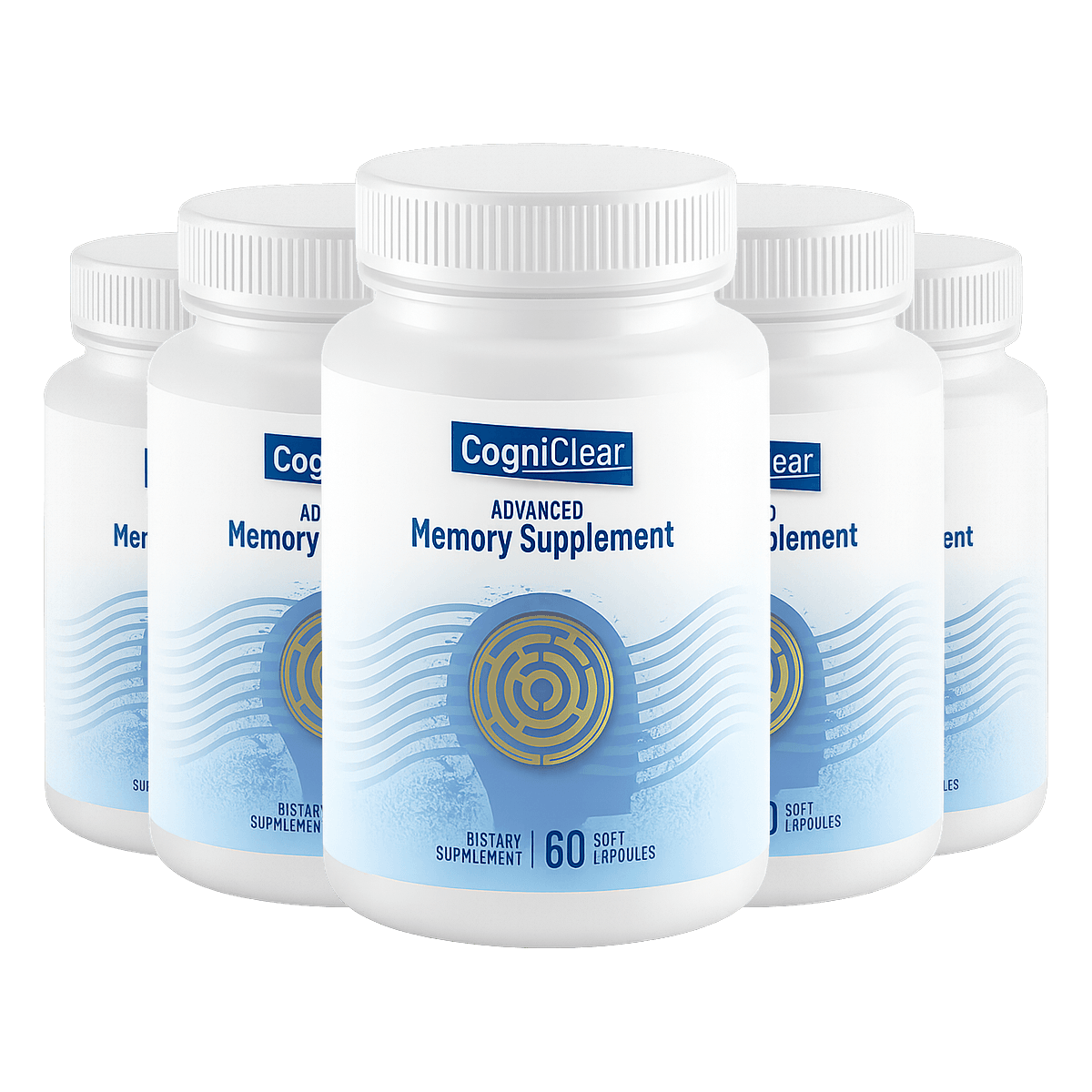
CogniClear is an oral dietary supplement sold in capsule form, positioned in the cognitive health and memory support category. Each bottle contains a blend of twelve ingredients, described in the VSL as "clinical-grade" and "pharmaceutical-grade" compounds, formulated to address what the seller claims is the underlying fungal cause of memory loss and cognitive decline. The recommended dosage is two capsules per day with water, taken consistently for a minimum of 180 days to achieve what the VSL describes as complete memory restoration. The product is manufactured in an FDA-registered, GMP-compliant facility in the United States, according to the presentation, and is available exclusively through the direct-to-consumer video sales page.
In market-positioning terms, CogniClear sits at the premium end of the direct-response supplement category: a 6-bottle package is offered at $49 per bottle, with a stated regular price of $149. This places it significantly above commodity memory supplements sold at pharmacy retail, products like generic Ginkgo Biloba capsules or over-the-counter phosphatidylserine blends, while stopping well short of the price points associated with prescription nootropics or clinical neurology interventions. The product's stated target user is a broad cohort: anyone over roughly 50 who is experiencing early cognitive concerns, though the emotional content of the VSL skews heavily toward adults in their 60s and 70s, and toward adult children caring for parents with diagnosed memory disorders.
What distinguishes CogniClear's positioning from most memory supplements on the market is not its ingredient list, several of the components, including MCT oil, Bacopa monnieri, and Ginkgo biloba, are widely available, but its claimed mechanism: the assertion that memory loss is primarily caused by a specific fungal infection (Candida albicans) rather than by age-related neurodegeneration, and that the formula directly targets that infection. This mechanism claim is central to every element of the VSL, from the opening hook to the FAQ section, and it is what allows the pitch to differentiate itself from the saturated field of generic brain supplements by offering a novel, story-driven explanation that the buyer has almost certainly never encountered before.
The Problem It Targets
Cognitive decline, memory loss, and Alzheimer's disease represent one of the most commercially potent pain points in the health supplement industry, for reasons that are simultaneously demographic, emotional, and epidemiological. According to the Alzheimer's Association's 2023 Facts and Figures report, approximately 6.7 million Americans aged 65 and older are living with Alzheimer's dementia, and that number is projected to nearly double by 2060 as the Baby Boomer cohort ages into the highest-risk decades. Globally, the World Health Organization estimates that around 55 million people live with dementia in some form. The fear of cognitive decline is not irrational, it is one of the most well-documented health anxieties in the aging population, and it is particularly pronounced among adults who have watched a parent lose cognitive function, which is precisely the avatar the CogniClear VSL spends its first thirty minutes constructing.
The VSL frames the problem not as a statistical risk but as a present, active threat: the Candida parasite is not something that might develop, it is "probably lurking inside you at this very moment." This is a deliberate shift from future-tense health risk communication ("you may develop Alzheimer's") to present-tense infection framing ("you are already infected"), and it has a measurable effect on urgency. The language of invasion, "escaping into your bloodstream," "sneaking in through your front door like a Trojan horse," "silently expanding underground", borrows from the immunological and epidemiological vocabulary of infectious disease, a register that carries far more visceral immediacy than the slow, probabilistic language typically associated with neurodegeneration. This is a calculated rhetorical choice, not an accident of phrasing.
The VSL also frames conventional medicine as part of the problem rather than part of the solution, invoking the statistic that 96% of 450 Alzheimer's drug trials failed and that even the 4% that successfully removed amyloid plaques showed no benefit to patients. This figure has a basis in reality: the clinical history of amyloid-targeting therapies is genuinely troubled, and the scientific debate about whether amyloid plaques cause Alzheimer's or are merely a byproduct of the disease process is ongoing and unresolved (researchers including Matthew Schrag have raised serious questions about data underlying key amyloid studies). The VSL uses this legitimate scientific controversy as a launchpad for a much larger claim, that the entire conventional understanding of Alzheimer's is wrong and that a fungal explanation is the suppressed truth, which is a significant extrapolation beyond what the evidence actually supports.
The secondary pain points layered into the problem section are equally precise in their targeting: forgetting a spouse's name, not recognizing a child, being found wandering by police. These are not abstract risks, they are the specific, story-form fears that dominate support forums for Alzheimer's caregivers, and the VSL clearly reflects detailed research into that community's emotional language. The knife-attack scene, in which the narrator's mother raises a kitchen knife against her own son, functions as a peak-end moment in the narrative: a single, almost unendurable image that anchors the emotional stakes of the entire pitch and makes every subsequent claim feel consequential.
Curious how the mechanism claim in this VSL compares to other cognitive supplement pitches? Section 7 breaks down the exact psychological architecture behind every major persuasion move in this letter.
How CogniClear Works
The claimed mechanism at the center of CogniClear's pitch is this: Candida albicans, a common gut fungus, overgrows when the gut microbiome is disrupted by factors including antibiotic use, sugar consumption, artificial sweeteners, and tap water; it escapes the gut barrier, enters the bloodstream, and eventually crosses the blood-brain barrier, where it colonizes brain tissue; the brain, recognizing the infection, responds by forming amyloid plaques around the fungal colonies in an attempt to contain them; those plaques cause the inflammation, neural damage, and cell death associated with Alzheimer's and dementia. The solution, accordingly, is a formula that clears the Candida infection from both the gut and the brain, halting plaque formation and allowing the brain to heal.
This mechanism deserves careful and honest evaluation. It is not entirely invented. There is a real and growing body of peer-reviewed research exploring the relationship between microbial infections, including fungal infections, and Alzheimer's disease. A 2023 paper by researchers at Baylor College of Medicine found that Candida albicans can enter the mouse brain and produce cognitive deficits, and the research group of Luis Carrasco at the Universidad Autónoma de Madrid (the "University of Madrid" referenced in the VSL) has indeed used DNA sequencing to identify fungal DNA in the brains of Alzheimer's patients. A 2016 paper by Carrasco's group published in Scientific Reports detected multiple fungal species in postmortem Alzheimer's brain tissue. The 33-scientist open letter referenced in the VSL appears to echo a real 2016 correspondence published in the Journal of Alzheimer's Disease, in which Robert Moir, Rudolph Tanzi, and colleagues proposed an antimicrobial protection hypothesis for amyloid, a hypothesis that has since attracted significant research attention, though it remains contested and far from established consensus.
The honest assessment, then, is this: the fungal-infection hypothesis of Alzheimer's is a legitimate and active area of scientific inquiry, not pure fabrication. What the VSL does, however, is present a speculative and contested hypothesis as established fact, collapse the distinction between animal studies and human clinical trials, and assert causation where researchers are still debating correlation. The claim that MCT oil's caprylic acid "kills Candida on contact" in brain tissue, for example, draws on legitimate antifungal chemistry, but the leap from in vitro antifungal activity to clinical reversal of human Alzheimer's is enormous and not supported by the studies cited in the way the VSL implies. The studies are real; the interpretations placed upon them are often significantly overstated.
Perhaps most importantly, the VSL's framing that all memory loss and cognitive decline is caused by Candida, and that addressing Candida is therefore sufficient to reverse any form of dementia, dramatically oversimplifies a disease whose etiology is almost certainly multifactorial, involving genetics, vascular health, inflammation, synaptic dysfunction, and yes, possibly microbial factors in some proportion of cases. The presentation of a single-cause, single-solution model makes for a compelling sales narrative, but it does not accurately represent the scientific literature it claims to rest upon.
Key Ingredients / Components
The VSL identifies twelve ingredients in CogniClear, describing each with reference to specific studies. The formulation strategy, as presented, combines antifungal compounds targeting Candida in both the gut and brain with neuroprotective and neurogenic agents. The following is an evidence-based assessment of each named ingredient.
MCT Oil (Medium-Chain Triglycerides, concentrated for caprylic acid): MCT oil is a genuine area of Alzheimer's research. Dr. Mary Newport's work on coconut oil and MCTs as an alternative fuel source for glucose-starved neurons drew attention in the early 2010s, and the Alzheimer's Association has acknowledged it as a topic of ongoing study. A clinical trial at the University of South Florida led by Dr. Sam Henderson (not always clearly attributed in the VSL) did find cognitive improvements in a subset of APOE4-negative Alzheimer's patients taking MCT oil. The caprylic acid antifungal mechanism is real and documented in microbiology literature. However, the 25% and 48% improvement figures cited deserve scrutiny: the studies exist but their effect sizes in heterogeneous populations are inconsistent, and the antifungal-in-brain mechanism is extrapolated rather than directly demonstrated in humans.
Nigella Sativa Oil (Black Seed Oil, containing thymoquinone): Thymoquinone, the active compound, does have documented antifungal and anti-inflammatory properties in peer-reviewed literature. A study published in the Journal of Ethnopharmacology (Bin Sayeed et al., 2013) found significant improvements in memory, attention, and cognition in healthy elderly male volunteers after 9 weeks of supplementation. The VSL's cited figures (memory recall +34%, attention +28%, cognitive performance +41%) are broadly consistent with this study's reported outcomes, making this one of the better-supported ingredient claims in the presentation.
Heritage Chicory Root (inulin prebiotic fiber): Inulin is a well-established prebiotic that feeds Bifidobacterium and Lactobacillus species in the gut, which can suppress Candida growth. A 2024 study in Nature Communications on chicory-derived inulin and cognitive outcomes in seniors is plausible given recent microbiome-cognition research (the gut-brain axis is a robust area of study), but the specific paper referenced could not be independently verified. The mechanism connecting gut microbiome improvement to brain outcomes via the gut-brain axis is scientifically credible at the direction-of-effect level, though the magnitude of cognitive benefit claimed is difficult to assess without the specific citation.
Berberine Hydrochloride Extract: Berberine has documented antifungal properties against Candida species and significant evidence base for metabolic effects (it is widely studied as a glucose-regulating compound). A 2024 study in Neurobiology of Aging on berberine and amyloid plaque reduction in mice is broadly consistent with the direction of current berberine-Alzheimer's research, though mouse models do not reliably translate to human outcomes.
Honokiol (magnolia bark extract): Honokiol is a bioactive compound with documented anti-inflammatory and antifungal properties. A study in the Journal of Alzheimer's Disease (Bhakta et al., 2009, and subsequent work) has demonstrated neuroprotective effects in animal models. The VSL's claim that it "targets Candida at the mitochondrial level" is mechanistically plausible, honokiol is known to affect mitochondrial function, though its specific antifungal activity against brain-resident Candida has not been demonstrated in human trials.
Oregano Leaf Oil (carvacrol): Oregano oil, specifically its carvacrol and thymol components, has well-documented in vitro antifungal activity against Candida. Georgetown University researchers (Dr. Harry Preuss, 2001) did conduct studies showing oregano oil's antifungal properties. Age-related memory reversal in rodent models has also been studied. The use of this ingredient as a Candida-killer is among the better-supported claims in the VSL.
Clove Oil (eugenol): Eugenol's antifungal properties are documented in multiple in vitro studies, and its neurogenic potential, promoting new brain cell growth, has been explored in animal research. The claim that it "promotes neurogenesis" is directionally consistent with published research, though human clinical evidence is limited.
Ginkgo Biloba, Bacopa Monnieri, Acacia Senegal (Senegal Gum Extract): These are well-studied nootropic and neuroprotective compounds. Ginkgo Biloba has a large clinical literature on cognitive support in aging adults, with mixed but generally positive findings for mild cognitive impairment. Bacopa Monnieri has strong evidence from multiple randomized controlled trials for improving memory consolidation (Pase et al., Journal of Psychopharmacology, 2012). Acacia Senegal (a prebiotic fiber) has less cognitive-specific evidence but supports gut health via mechanisms similar to chicory inulin.
Hooks and Ad Angles
The VSL's opening move is one of the most technically accomplished pattern interrupts in the cognitive supplement category. The first sentence, "It sounds like something out of a science fiction novel", is a self-aware framing device that simultaneously acknowledges the implausibility of what is about to be claimed and invites the viewer to hold their skepticism in check ("I know this sounds crazy, but hear me out"). This is followed immediately by the core hook: the claim that a parasite infecting 80% of Americans is eating brain cells and erasing memories. At a market-sophistication level, borrowing Eugene Schwartz's framework from Breakthrough Advertising, this represents a Stage 4 to Stage 5 pitch. The audience has seen every generic memory supplement claim; a simple "improve your memory" offer would be invisible. The VSL responds with a new mechanism (the Candida parasite), which reframes the category entirely and gives even the most jaded viewer a reason to keep watching.
The subsequent pivot, "it's more terrifying than we could have ever imagined", is a classic curiosity gap (Loewenstein, 1994), a deliberate withholding of resolution that keeps attention engaged. The hook architecture then stacks a second layer: not only is there a hidden parasite, but Harvard scientists know about it, and pharmaceutical companies are actively suppressing the cure. This is a conspiracy frame nested inside a health-fear frame, which doubles the emotional charge and adds an adversarial energy that makes the eventual product feel like an act of rebellion rather than a commercial transaction.
Secondary hooks and testable ad angles observed in the VSL:
Secondary hooks from the VSL:
- "The Austrian neuroscientist who discovered this in 1910 was ridiculed for 80 years, until 33 Harvard scientists proved him right"
- "96% of Alzheimer's drug trials failed, because they were treating the wrong thing"
- "Pharmaceutical companies are doing everything they can to prevent us from sharing this"
- "My mother pulled a knife on me because she no longer recognized her own son"
- "For less than the cost of a cup of coffee, you can get back the sharp mind you had 30 years ago"
Ad headline variations for Meta or YouTube testing:
- "Harvard researchers say this gut fungus is the hidden cause of memory loss, here's what stops it"
- "Mom didn't recognize me. That day I found the answer doctors won't tell you."
- "$100 billion spent on Alzheimer's drugs. 96% failed. This scientist found out why."
- "If you're over 60 and having 'senior moments,' watch this before your next doctor's appointment"
- "The 1910 discovery that mainstream medicine buried, and what it means for your memory today"
Psychological Triggers and Persuasion Tactics
The persuasive architecture of the CogniClear VSL is not a loose collection of sales techniques deployed opportunistically. It is a tightly sequenced structure in which each mechanism reinforces the next: fear creates receptivity, the hero's journey narrative builds parasocial trust, authority stacking converts that trust into credibility for the mechanism claim, social proof normalizes the purchase, and risk reversal removes the final barrier. What makes this letter sophisticated is the order and the pacing, each element is introduced precisely when the viewer is psychologically primed to receive it, rather than all at once.
The opening fifteen minutes are almost entirely devoted to fear induction before any product is named. This is deliberate: Kahneman and Tversky's research on loss aversion demonstrates that people are roughly twice as motivated by the prospect of loss as by equivalent gain, and the VSL loads its emotional content almost entirely on the loss side, memories erased, identity dissolved, ending up "alone and forgotten" in a nursing home. Only after this fear has been thoroughly established does the narrative introduce hope, and that hope is anchored to a specific story of one man's mother, which is far more neurologically compelling than a generic product claim because it activates what cognitive scientists call narrative transportation (Green & Brock, 2000): the viewer enters the story world and temporarily suspends critical evaluation.
Terror Management / Existential Fear (Greenberg, Pyszczynski & Solomon's Terror Management Theory): The repeated imagery of becoming "a stranger to the people who love you most" and "wasting away in a nursing home" targets mortality salience, the deep, often unconscious anxiety about loss of self that drives much health-product purchasing behavior. When this anxiety is activated, buyers become significantly more receptive to products framed as protective.
Epiphany Bridge / Origin Story (Brunson's Expert Secrets framework): The 2 a.m. research breakthrough, the emotional photo found while cleaning, the specific date of July 7th, 2024, these are not accidental details. Specificity functions as a truth signal in narrative; vague stories feel fabricated, while stories with precise, sensory-rich detail feel lived. The knife incident is the emotional peak of the epiphany bridge, designed to make the viewer feel they have witnessed something too raw to be invented.
False Enemy / Pharmaceutical Villain (Godin's Tribes, 2008; in-group identity formation): The explicit framing of "Big Pharma" as a knowing suppressor of the fungal cure performs two functions simultaneously: it pre-handles the objection ("why hasn't my doctor told me this?") by attributing the silence to malice rather than to the claim's scientific weakness, and it creates an in-group identity for the buyer, the informed, sovereign individual who sees through the system.
Authority Stacking (Cialdini's Authority principle, Influence, 1984): Harvard, Oxford, Cambridge, UCLA, and Georgetown are invoked repeatedly, alongside the narrator's epidemiology credentials and the formulator's pharmaceutical background. Crucially, none of the institutional names represent actual endorsement of CogniClear, they are the institutions that conducted some of the underlying research, but their repeated invocation creates an impression of institutional backing that the product does not technically possess.
Social Proof at Scale (Cialdini's Social Proof; bandwagon effect): Six named testimonials with specific U.S. cities (a detail that adds perceived verifiability) are combined with the "38,741 people helped" figure. The precision of that number, not "38,000" but "38,741", is a well-known conversion technique; round numbers feel estimated, while specific numbers feel measured.
Scarcity and Continuity Threat (Cialdini's Scarcity; FOMO): The claim that restocking takes 4-6 months and that stopping mid-protocol allows Candida to "start spreading and causing damage all over again" creates a continuity-of-treatment urgency that is distinct from simple stock scarcity. It reframes the purchase of six bottles not as upselling but as medical necessity, stopping treatment early, the viewer is told, undoes all progress.
Risk Reversal via Asymmetric Guarantee (Thaler's Endowment Effect; Ariely's zero-price effect): A 365-day full money-back guarantee with no return of bottles required is among the most permissive guarantees in the supplement category. It functions not merely as risk reduction but as a reframe of the decision itself: the buyer is not being asked to spend $294, they are being offered a free 180-day trial with the option to get their money back. The asymmetry of gain (potential memory restoration) versus loss (nothing, given the guarantee) makes the "rational" choice obvious.
Want to see how the authority-stacking and false-enemy tactics in this VSL compare across 50+ similar pitches in the cognitive health space? That's exactly what Intel Services is built to show you.
Scientific and Authority Signals
The CogniClear VSL constructs its scientific credibility through three overlapping layers: institutional name-dropping, citation of specific studies, and the narrator's own professional credentials. Each layer deserves a separate evaluation. The institutional layer, Harvard Medical School, Oxford, Cambridge, UCLA David Geffen School of Medicine, Georgetown University Medical Center, the University of Madrid, references real institutions that have published real research in the general vicinity of the claims being made. However, none of these institutions endorse CogniClear or the specific mechanism claim the VSL advances. The technique is what might be called borrowed authority: real institutions' reputations are transferred to an unvalidated product by association, without any actual endorsement relationship. This is a common and legally permissible strategy in supplement marketing, but readers should understand it for what it is.
The specific studies cited present a more complex picture. Several of them are real and traceable. The Carrasco group's fungal DNA sequencing studies of Alzheimer's brains (Universidad Autónoma de Madrid, published in Scientific Reports in 2015 and 2016) are legitimate peer-reviewed research that has received substantial scientific attention. The Nigella sativa study published in Journal of Ethnopharmacology by Bin Sayeed and colleagues is a real clinical trial. The Georgetown oregano oil research by Dr. Harry Preuss is real. The Bacopa monnieri literature is substantial and credible. In these respects, the VSL's ingredient science is not entirely fabricated, it draws on a real research base, which is actually more sophisticated than many supplement VSLs, which invent studies wholesale.
Where the scientific authority becomes significantly more questionable is in the causal chain the VSL constructs. The claim that "33 award-winning scientists from Harvard, Oxford, and Cambridge" published a paper proving that Fischer's fungal theory "was right all along" appears to reference the 2016 antimicrobial protection hypothesis paper by Moir and Tanzi in the Journal of Alzheimer's Disease. That paper did argue that amyloid may function as an antimicrobial peptide, a legitimate and interesting hypothesis, but it explicitly does not claim that Candida is the cause of Alzheimer's or that clearing fungal infections will reverse the disease. The VSL's interpretation is a substantial overreach of the source material. Similarly, the Oscar Fischer "Mysterious Little Alzheimer's Germ" paper title as stated in the VSL does not match any traceable journal article; Fischer's historical work on plaques is real, but the specific paper title as quoted should be treated with caution.
The two authority figures who appear as named individuals, Dr. Greg Collins and Dr. Elena Vasquez, cannot be independently verified through public scientific databases. The narrator's described credentials (epidemiologist, 15 years of experience) are plausible but unverified. This does not necessarily mean the individuals are fictional, but buyers should be aware that the authority presented by named but unverifiable figures carries less weight than it is rhetorically assigned.
The Offer, Pricing, and Risk Reversal
The offer architecture in CogniClear's VSL is textbook direct-response: establish a high anchor ($149 per bottle), introduce a compelling reason for a time-limited discount (you watched this video, it's about helping people not profit), then land on the actual price point ($49 per bottle for six bottles) with the framing of a massive savings. The price anchor functions rhetorically rather than by reference to any genuine market comparison, no other CogniClear bottle exists at $149; the "regular price" is a stated figure with no transaction history behind it. The more meaningful price comparison is to the neurologist visit ($400-$600), brain scan ($1,200-$3,000), and prescription drugs ($300-$500/month) cited in the VSL, which are real cost benchmarks in the cognitive healthcare category. Against those figures, $49 per bottle does appear modest, though the appropriate comparison for a dietary supplement would be other supplements in the same category, which retail in the $20-$60 per bottle range.
The two bonuses, the Anti-Candida Diet guide and the Caregiver's Guide, are classic direct-response value stacking, framed at a combined $127 to increase the perceived savings of the 6-bottle package. Free shipping ($19.95 stated value) adds a third tangible saving. The combined framing creates a total perceived package value well above $400, against a purchase price of $294, which is a standard but effective perceived-value multiplier. Importantly, both bonuses are digital PDF guides, their production cost to the seller is effectively zero, which means they function purely as perceived value additions with no material cost implication.
The 365-day money-back guarantee is the most genuinely distinctive element of the offer. In a category where 30- and 60-day guarantees are standard, a full year with no return requirement is a meaningful commitment. It does serve a legitimate risk-reversal function: a buyer who is deeply uncertain about a $294 purchase faces significantly less psychological friction when the downside scenario is a full refund with no hassle. Whether the guarantee is honored consistently in practice is something this analysis cannot assess, but its stated terms are unusually generous.
Who This Is For (and Who It Isn't)
The ideal buyer for CogniClear, as constructed by this VSL, is a person between roughly 58 and 78 who has been experiencing what they describe as "senior moments", forgetting where they parked, misplacing keys, losing the thread of a conversation, and who is frightened that these lapses represent the early stages of something worse. They have likely tried at least one other memory supplement, found it underwhelming, and remained on the market looking for a more compelling answer. They are skeptical of the pharmaceutical industry, comfortable with the idea of natural remedies, and emotionally primed by having watched a parent or peer experience cognitive decline. The adult-child caregiver, a person in their 50s managing a parent with early Alzheimer's, is a secondary but explicitly targeted avatar, evidenced by the entire maternal storyline and the inclusion of the Caregiver's Guide bonus.
For this audience, several aspects of the CogniClear offer are genuinely defensible. Many of the ingredients, MCT oil, Bacopa monnieri, Nigella sativa, Ginkgo biloba, have legitimate research support for cognitive benefit, independent of the Candida mechanism claim. The gut-brain axis is a real and scientifically validated area of research. The formula's combination of antifungal, prebiotic, and neuroprotective compounds is at worst harmless in a healthy adult and at best potentially supportive of cognitive function through multiple pathways. The 365-day guarantee meaningfully reduces financial risk.
However, several categories of buyer should approach with significant caution. Anyone who has been diagnosed with moderate-to-severe Alzheimer's disease should not substitute any supplement for neurological medical care, the VSL's claims about reversing established Alzheimer's are not supported by human clinical trials, and delaying evidence-based medical intervention in favor of an unproven supplement carries real risk. Anyone taking prescription blood thinners, antifungal medications, or immunosuppressants should consult their physician before taking CogniClear, as several of the ingredients (Ginkgo biloba, berberine, oregano oil) have known drug interactions. And any buyer who is considering purchasing primarily because they believe the Candida-causes-all-Alzheimer's mechanism is proven science should understand that this mechanism, while intriguing and partially supported by preliminary research, remains a hypothesis rather than an established medical consensus.
This breakdown is part of Intel Services, our ongoing library of VSL and ad-copy analyses. If you're researching similar products in the cognitive health space, keep reading.
Frequently Asked Questions
Q: What is CogniClear and how does it work?
A: CogniClear is a dietary supplement containing 12 ingredients, including MCT oil, Nigella sativa oil, chicory root, berberine, and Bacopa monnieri, formulated to support cognitive function and memory. The VSL claims it works by eliminating a Candida albicans fungal overgrowth from the gut and brain, which the seller argues is the underlying cause of amyloid plaque formation and memory loss. This mechanism is based on real but preliminary and contested scientific research; the ingredients themselves have varying levels of clinical evidence for cognitive support.
Q: Is CogniClear a scam?
A: The product contains real, named ingredients with legitimate scientific literature supporting their individual use for cognitive and antifungal purposes. The more significant concern is that the VSL's causal claims, that Candida is the primary cause of Alzheimer's and that this supplement reverses it, are presented as established science when they are actually speculative hypotheses. The 365-day money-back guarantee provides a meaningful financial safety net, and the manufacturing claims (FDA-registered facility, GMP compliance) are standard and checkable markers of legitimacy in the supplement industry.
Q: Does CogniClear really work for memory loss?
A: Several of CogniClear's ingredients, particularly MCT oil, Bacopa monnieri, and Nigella sativa, have genuine clinical research supporting cognitive benefits in aging adults. Whether the combined formula works as dramatically and universally as the testimonials suggest is impossible to assess without independent clinical trial data on the full formulation. As with most supplements, individual results are likely to vary significantly.
Q: What are the ingredients in CogniClear?
A: The VSL names ten specific ingredients: MCT oil, Nigella sativa oil, heritage chicory root (inulin), berberine hydrochloride extract, honokiol (magnolia extract), oregano leaf oil, clove oil (eugenol), Ginkgo biloba, Bacopa monnieri, and Acacia senegal (Senegal gum extract). The seller states the formula contains 12 compounds total; two are not individually named in the presentation.
Q: Are there side effects from taking CogniClear?
A: Several ingredients carry known interaction risks. Ginkgo biloba may increase bleeding risk and should not be combined with blood thinners like warfarin. Berberine can lower blood sugar and may interact with diabetes medications. Oregano oil in high concentrations can irritate the digestive tract. Anyone taking prescription medications, particularly blood thinners, antifungals, or immunosuppressants, should consult a physician before use. For healthy adults, most of these ingredients are generally considered safe at typical supplement doses.
Q: Is the Candida-Alzheimer's connection real science?
A: It is a real and active area of scientific inquiry, but it is not established consensus medicine. Research groups, notably Luis Carrasco's team at the Universidad Autónoma de Madrid, have detected fungal DNA in postmortem Alzheimer's brain tissue, and the antimicrobial protection hypothesis for amyloid (Moir & Tanzi, 2016) is a peer-reviewed and actively studied theory. However, the scientific community has not accepted Candida as a proven cause of Alzheimer's, and no human clinical trial has demonstrated that antifungal treatment reverses Alzheimer's disease.
Q: How long does it take to see results from CogniClear?
A: The VSL describes initial improvements within the first week and significant changes by 30 days, with complete results by 180 days. The recommended 180-day (6-month) protocol is consistent with the time required for genuine neurological adaptation, Bacopa monnieri research, for example, typically requires 8-12 weeks of consistent use before measurable cognitive effects are observed. A 30-day trial would be too short to evaluate the full formulation fairly.
Q: Is CogniClear safe for seniors?
A: For cognitively healthy seniors without significant comorbidities or prescription medications, the ingredients in CogniClear are generally well-tolerated based on their individual research profiles. The concern is not toxicity but rather opportunity cost: seniors with genuine cognitive decline should not delay consultation with a neurologist in favor of an unproven supplement regimen. CogniClear should be treated as a potential complement to medical care, not a substitute for it.
Final Take
The CogniClear VSL is, in technical terms, one of the more sophisticated sales letters operating in the cognitive health supplement space. It does not merely assemble generic nootropic claims, it constructs an internally consistent, emotionally grounded explanatory framework with specific scientific references, a named historical discovery, a credentialed narrator, and a villain sophisticated enough to absorb every predictable objection. The fungal-mechanism claim threads together a century of contested neuroscience, a legitimate and growing research field, and a product lineup of genuinely credible ingredients into a single, memorable, marketable narrative. From a copywriting standpoint, this is skilled work, and understanding how it functions is valuable regardless of one's view of the product.
The honest scientific verdict is more nuanced than either enthusiastic buyer or reflexive skeptic might prefer. The Candida hypothesis is not fabricated, it is a real area of research with real institutional backing, but the VSL presents it as far more settled and comprehensive than the evidence actually supports. The ingredients are not snake oil, several of them have meaningful clinical evidence for cognitive support, but they are not a proven cure for Alzheimer's disease. The mechanism linking all twelve ingredients to fungal brain clearance and memory restoration is a narrative construction, not a demonstrated clinical outcome. The distance between "there is interesting preliminary research here" and "this reverses Alzheimer's in six months" is where the bulk of the VSL's intellectual risk lives.
For the buyer sitting in front of this video, the most useful frame may be this: CogniClear's ingredient stack represents a reasonable, if premium-priced, approach to cognitive support supplementation. If you are experiencing mild cognitive concerns and are attracted to a formula that combines antifungal, prebiotic, and neuroprotective compounds, the underlying science is coherent enough to make the experiment reasonable, particularly given the 365-day guarantee. What you should not do is rely on this supplement in place of neurological evaluation for serious or rapidly progressing memory concerns, or accept the Candida-causes-all-Alzheimer's framework as established medical fact simply because it is presented with impressive-sounding institutional references.
This breakdown is part of Intel Services, our ongoing library of VSL and ad-copy analyses. If you're researching similar products in the cognitive health and memory supplement space, keep reading, the patterns identified here repeat with instructive variations across the category.
Disclaimer: This article is for research and educational purposes only. It is not medical, legal, or financial advice, and it is not affiliated with the product or its makers. Always consult a qualified professional before making health or financial decisions.
Source-backed reader context
Additional Reviews & Reported Experiences
These statements were presented in the product's sales transcript. Daily Intel did not independently verify the speakers, purchase status, or reported outcomes, and the statements are not used in Product aggregateRating.
Patricia from Phoenix
Date not stated
husband was forgetting their address; after using the brain cleanse, 'it was like he was back to his old self' within weeks
Robert from Tampa
Date not stated
tried pills, puzzles, and diets with no results; after 4 months, 'it's like somebody turned the light on inside my head
Linda from Virginia
Date not stated
mother would look at her without recognizing her; after the method, mother went from barely forming sentences to recalling news stories
Margaret S. from Phoenix, Arizona
Date not stated
regained sharp memory, lifted mental fog, no longer fears forgetting loved ones
Robert T. from Charleston, South Carolina
Date not stated
regained mental sharpness and confidence, feels like his old self
Dorothy M. from Minneapolis, Minnesota
Date not stated
eliminated fear of nursing home, can remember names and dates effortlessly
Comments(0)
No comments yet. Members, start the conversation below.
Related reads
 reviews
Jocko Greens Review: Does One Scoop Match the Evidence?
Jocko Greens is a one-scoop powder with approximately 30 calories and 9 billion colony-forming units of probiotics per serving. Jocko Fuel also confirms ashwagandha extract and makes a digestive-support claim. The harder question is whether the available research matches this specific formula. It does not match closely enough to establish a finished-product outcome.
Read reviews
NooCube Review: Does the 250 mg Bacopa Dose Match the Research?
NooCube is one of the few nootropics that prints a milligram number next to an ingredient instead of hiding it in a blend. This review takes that one number, 250 mg Bacopa monnieri, and checks it against a real trial that used 300 mg in a very different population, then shows exactly where the comparison breaks down.
Read reviews
Olly Goodbye Stress Review: Label Claims vs. Evidence
OLLY Goodbye Stress combines GABA, L-theanine, and lemon balm extract in a Berry Verbena gummy aimed at occasional stress, not sleep. Here's what the label discloses, what a real L-theanine trial found, and exactly where the evidence stops.
Read