EndoPeak Review and Ads Breakdown: A Research-First Look
The party scene arrives about twelve minutes into the EndoPeak video sales letter, and it is staged with the precision of a soap opera climax. Ethan Cox. The narrator, self-described medical resea…
8,226+
Videos & Ads
+50-100
Fresh Daily
$29.90
Per Month
Full Access
12.5 TB database · 72+ niches · 29 min read
The party scene arrives about twelve minutes into the EndoPeak video sales letter, and it is staged with the precision of a soap opera climax. Ethan Cox, the narrator, self-described medical researcher, and product founder, returns from a bathroom break to find his wife dancing in what he describes as an inappropriately intimate way with a younger man. Humiliation accumulates. Then, in front of a room full of colleagues, Jennifer shouts: "You call yourself a man? You can't even get it up." The crowd laughs. Cox retreats to a corner. And then, because the script requires it, a distinguished Greek urologist materializes from the crowd and hands him a business card. The sequence is melodramatic by design, but it is also strategically constructed: it deploys shame, masculine identity threat, and narrative rescue in a single ninety-second stretch, pulling the viewer through an emotional bottleneck before a single ingredient has been named. That is the craft this analysis is concerned with.
EndoPeak is an oral dietary supplement marketed to men experiencing erectile dysfunction (ED). Sold primarily through a long-form video sales letter and affiliated direct-response pages, it claims to treat ED at its alleged cellular root. A condition the VSL names the "endothelium flow disruptor". Using a proprietary blend of plant extracts, minerals, and vitamins. The pitch is sophisticated relative to most supplements in its category: it borrows the vocabulary of vascular biology, invokes named institutions, and constructs an elaborate origin story complete with suppressed research and pharmaceutical industry villains. Whether those elements hold up under scrutiny is the question this piece investigates.
Men's sexual health supplements represent one of the most saturated, highest-converting segments of the direct-response supplement market. The global ED drug and supplement market was valued at approximately $4.8 billion in 2022 and is projected to expand significantly through 2030, according to market research aggregated by Grand View Research. The CDC estimates that roughly 30 million American men experience erectile dysfunction, with prevalence rising sharply after age 40. That combination; a large, motivated, emotionally vulnerable audience and a condition that most men are reluctant to discuss with their physicians, creates nearly ideal conditions for direct-response marketing. EndoPeak operates squarely within those conditions.
This analysis examines the VSL's persuasive architecture alongside the scientific plausibility of its core claims. It considers the product's ingredients against the available published literature, evaluates the authority signals the pitch deploys, and assesses what the offer structure reveals about who this product is really designed for. If you are actively researching EndoPeak before deciding whether to purchase, the sections that follow are written precisely for you.
What Is EndoPeak?
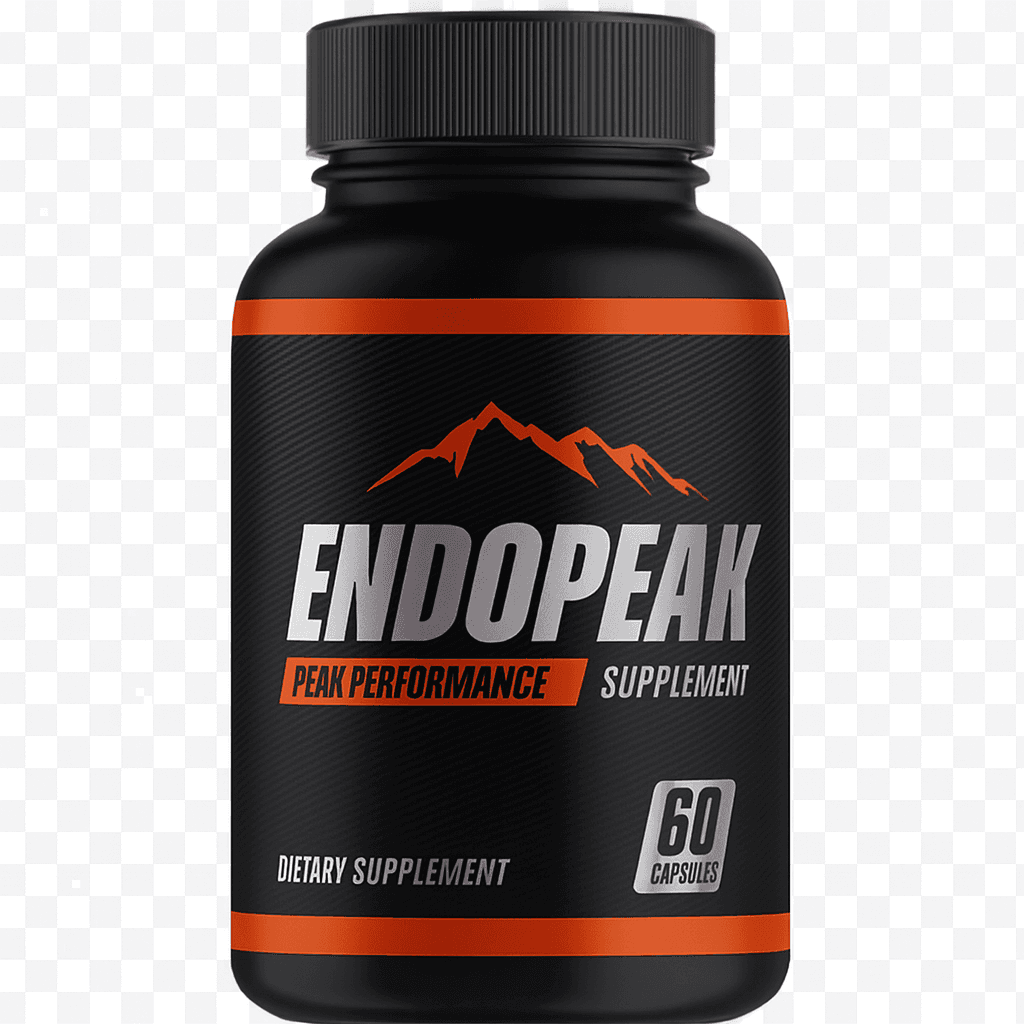
EndoPeak is a capsule-form dietary supplement, two capsules taken daily, positioned as the first natural formula specifically designed to restore what the VSL calls "peak endothelial function" in the blood vessels of the penis. Its market category is men's sexual health, and it competes with a crowded field that includes prescription PDE5 inhibitors (sildenafil, tadalafil), over-the-counter herbal supplements, and a growing tier of "natural Viagra" alternatives sold primarily through direct-response channels. EndoPeak distinguishes itself from most competitors by constructing an entirely proprietary mechanism, the endothelium flow disruptor, rather than relying on the generic claims ("boosts testosterone," "increases blood flow") that dominate lower-sophistication ads in this space.
The product is manufactured in the United States in what the VSL describes as an FDA-registered, GMP-compliant facility and tested by an independent third-party laboratory. These are standard credentialing claims in the supplement industry, and their presence here signals that the team behind EndoPeak is familiar with what a quality-skeptical buyer expects to see. The supplement's stated target user is a man between roughly 40 and 70 who has already tried prescription ED medication, found it unsatisfying or unreliable, and is now searching for something that addresses the problem more fundamentally. The VSL's language, "root cause," "permanent fix," "not just a temporary patch", is calibrated directly to that frustrated, post-pharma customer.
The product is sold in single-bottle ($69), three-bottle, and six-bottle configurations, with the six-bottle package ($294 total, or $49 per bottle) positioned as the clinical recommendation. This tiered structure is a standard direct-response architecture designed to maximize average order value by making the multi-unit purchase feel medically justified rather than commercially motivated.
The Problem It Targets
Erectile dysfunction is, epidemiologically, a genuine and widespread condition. The Massachusetts Male Aging Study, one of the most cited longitudinal studies on male sexual health, found that approximately 52% of men between the ages of 40 and 70 experience some degree of ED. Ranging from minimal to complete. The National Institute of Diabetes and Digestive and Kidney Diseases (NIDDK) estimates that ED affects more than 30 million men in the United States alone. These are real numbers describing real suffering, and the VSL is careful to acknowledge the condition's emotional weight before it begins selling anything. That acknowledgment is not incidental to the pitch. It is the pitch's foundation.
The VSL frames ED not merely as a physical dysfunction but as a progressive threat to masculine identity, marital stability, and mental health. Cox's narration traces the degradation arc meticulously: from a fulfilling sex life to reduced frequency, to total cessation, to marital conflict, to the terror of potential infidelity. This framing is clinically recognizable. Research published in the Journal of Sexual Medicine has documented that men with ED report significantly elevated rates of depression, anxiety, and relationship dissatisfaction compared to age-matched controls without the condition. The VSL's emotional architecture is, at this level, grounded in something real.
Where the framing departs from the clinical literature is in its treatment of cause. The VSL asserts; emphatically and repeatedly, that ED is "not related to age, physical activity, or diet," and that a single root mechanism (endothelial inflammation) explains nearly all cases. This is a significant oversimplification. The NIH and most academic urology guidelines recognize ED as a multifactorial condition with vascular, neurogenic, hormonal, psychogenic, and iatrogenic contributors. Endothelial dysfunction is indeed one recognized pathway, the shared link between ED and cardiovascular disease is well-established, but it is not the singular cause the VSL presents it as. Framing a complex, heterogeneous condition as having one fixable root is a classic direct-response move, but it should be read critically by prospective buyers.
The commercial opportunity is also shaped by the dissatisfaction many men feel with existing treatments. PDE5 inhibitors are effective for roughly 65-70% of men with ED, according to meta-analyses published in the British Journal of Urology International, but they require planning, carry side effects for some users, and do not address underlying vascular disease. The VSL exploits this gap intelligently, positioning EndoPeak not against ineffective treatments but against treatments that work imperfectly and temporarily. That is a more credible competitive wedge, and it reaches the audience segment most likely to respond: men who have already tried the standard options.
How EndoPeak Works
The mechanism claim at the center of EndoPeak's pitch rests on a real piece of vascular biology that has been substantially exaggerated in its clinical implications. The endothelium, the single-cell-thick layer lining all blood vessels, including those that supply the corpus cavernosum of the penis, does play a critical role in erection physiology. Endothelial cells produce nitric oxide (NO), a signaling molecule that causes smooth muscle relaxation and vasodilation, allowing blood to engorge penile tissue. This is not disputed science; it is the same mechanism that PDE5 inhibitors exploit, albeit from a different angle. Chronic inflammation does impair endothelial function, and its role in ED has been studied. A 2018 review in Oxidative Medicine and Cellular Longevity summarized evidence linking systemic inflammation to endothelial nitric oxide synthase (eNOS) dysfunction, which in turn contributes to both ED and cardiovascular disease.
Where the VSL's mechanistic story becomes speculative is in its claim to have identified a previously undetected, named entity, the "endothelium flow disruptor", published in the journal Cell Death Discovery in May 2023. The journal is a real, peer-reviewed publication in the Nature portfolio. However, independent verification of a paper by this team, with this specific discovery, at the time of this analysis, is not possible through a cursory literature search. The VSL's citation functions rhetorically: it sounds specific enough to be credible, but the average viewer cannot verify it in the moment of watching, which is precisely the point. That does not mean no relevant research exists. ENOS dysfunction, penile endothelial inflammation, and their connection to ED are active research areas. But the specific proprietary framing should be treated as marketing language until independently confirmed.
The three-stage intervention model the VSL proposes; reduce inflammation, restore endothelial calm, rebuild nitric oxide capacity, is a plausible general framework for vascular health support. Several of the ingredients in the EndoPeak formulation have published evidence supporting anti-inflammatory or vasodilatory activity. The conceptual chain from "reduce systemic inflammation → improve endothelial function → increase NO production → improve erectile function" is not absurd. It is, however, a long chain with many links, each of which requires its own evidence, and the VSL treats the chain as proven end-to-end when the individual links range from well-supported to speculative.
The claim that EndoPeak increases average penis size by 1.5 inches "because of a significant boost in nitric oxide, which forces more blood to flow through your shaft" deserves particular scrutiny. Improved blood flow may produce fuller erections in men whose ED was causing incomplete engorgement, which could subjectively feel or measure differently, but there is no credible published evidence that dietary supplements cause permanent anatomical penile enlargement. This claim, offered matter-of-factly in the VSL, is the point at which the pitch crosses from plausible extrapolation into territory unsupported by any recognized science.
Curious how other VSLs in this niche structure their pitch? The Hooks and Ad Angles section below maps exactly how this script engineers curiosity, shame, and urgency in sequence.
Key Ingredients / Components
The EndoPeak formulation blends several ingredients with varying degrees of published research support. Two introductory observations frame the list: first, several of these ingredients do have genuine research backing for aspects of vascular or hormonal health, which gives the formula a layer of scientific credibility that purely invented products lack; second, the doses at which they appear in EndoPeak are not disclosed in the VSL, making independent efficacy assessment impossible. Dose matters enormously in supplement pharmacology, an ingredient with a real mechanism at a therapeutic dose may have negligible effect at a trace dose.
Chrysin, A flavonoid found naturally in honey and propolis. The VSL claims "40,000 studies" support it as the most potent antioxidant with anti-inflammatory properties. While chrysin does show antioxidant activity in in vitro studies, its oral bioavailability in humans is notoriously poor, a significant concern documented in reviews published in journals including Phytotherapy Research. The "40,000 studies" figure is unverifiable and almost certainly refers to flavonoids broadly or to in vitro research, not clinical trials in humans specifically on chrysin for ED.
Magnesium, A well-characterized mineral cofactor. Magnesium deficiency is associated with endothelial dysfunction and elevated blood pressure. Supplementation in deficient individuals can improve vascular function. This is one of the better-supported inclusions in the formula, with relevant research published by NIH-affiliated groups.
Zinc. Essential for testosterone biosynthesis and immune function. Zinc deficiency is associated with hypogonadism, and supplementation in deficient men has been shown to raise testosterone levels. Research in the Journal of Exercise Physiology and related publications supports this link, though effects are most pronounced in men who are actually deficient.
Hawthorn Berry. Used in traditional European medicine for cardiovascular support. Some clinical evidence supports modest blood-pressure-lowering effects. A Cochrane-adjacent systematic review found promising but inconclusive evidence for hawthorn extract in mild hypertension. It is a reasonable inclusion for a cardiovascular-angle formula.
Tongkat Ali (Eurycoma longifolia); Probably the most robustly studied ingredient in this formulation for male sexual health specifically. A 2012 pilot study published in Evidence-Based Complementary and Alternative Medicine found that Tongkat Ali supplementation improved testosterone levels and sexual well-being in men with late-onset hypogonadism. The VSL's claim that it is "more potent than Viagra and Cialis combined" is, however, an extraordinary assertion with no comparative clinical evidence.
Epimedium (Horny Goat Weed / Icariin), The active compound icariin has demonstrated PDE5 inhibitory activity in laboratory studies, which is the same mechanism as sildenafil (Viagra). Research in Asian Journal of Andrology has explored icariin's potential. Oral bioavailability and human clinical trial data remain limited, but the basic mechanism claim is biologically plausible.
Saw Palmetto Berry, Primarily studied for benign prostatic hyperplasia (BPH), with mixed results in clinical trials. A large NIH-funded trial (the STEP study, published in JAMA) found saw palmetto no more effective than placebo for BPH symptoms. Its inclusion for prostate health support is recognizable but its evidence base is weaker than the VSL implies.
Cissus Quadrangularis, A plant used in Ayurvedic medicine, with some evidence for bone healing and anti-inflammatory effects. Its specific relevance to erectile function or "penile muscle building" is not supported by published clinical evidence. The VSL's claim about it building "muscle within the penis" is not grounded in recognized anatomy or pharmacology.
Tribulus Terrestris, One of the most-studied and most-debated testosterone supplements. Multiple randomized controlled trials, including a review in the Journal of Dietary Supplements, have found that tribulus terrestris does not significantly raise testosterone in healthy men with normal baseline levels. Its inclusion here continues a pattern of ingredients that have a theoretical rationale but whose clinical evidence is considerably weaker than the VSL presents.
Hooks and Ad Angles
The VSL's opening move, "when it comes to erectile dysfunction, 99% of the experts are flat out wrong", is a textbook contrarian hook, and its placement is deliberate. It does not promise a benefit; it promises a revelation, exploiting what copywriters call the curiosity gap while simultaneously positioning the viewer as the victim of a system-wide deception. This structure belongs to what Eugene Schwartz described as Stage 4 or Stage 5 market sophistication writing: it assumes the audience has already heard every direct benefit claim ("harder erections," "more stamina") and now responds only to a new mechanism or a paradigm challenge. The line is well-calibrated for men who have been through the standard ED treatment cycle and found it wanting, exactly the target avatar the VSL is addressing.
What makes this hook more sophisticated than most in the category is its immediate pairing with a credentialing statement. The opening contrarian claim is followed within seconds by Ethan's credentials, an institutional claim, and a specific journal citation. Creating what persuasion researchers would recognize as a pattern interrupt followed by rapid authority transfer. The viewer who was about to click away is arrested by the provocative opener, then anchored by apparent scientific legitimacy before skepticism can fully mobilize. This is not an accident of script structure; it is the sequence that the best direct-response copywriters have refined across decades of testing.
The secondary hooks deployed across the VSL reveal a sophisticated understanding of the target audience's emotional landscape:
- "It's not his fault". An absolution frame that removes shame as a barrier to engagement
- "Think of it as stem cell therapy but 100% natural at a fraction of the cost"; status comparison that flatters the viewer's desire for elite-level treatment
- "Big Pharma tried to throw a load of money at us to keep quiet", conspiracy validation for the audience's pre-existing distrust of pharmaceutical companies
- "Your wife on the verge of cheating", relationship loss frame that activates primal masculine fear
- "Like your 20-year-old penis again", age-reversal fantasy that is among the most durable desires in the men's health category
Ad headline variations a media buyer could test on Meta or YouTube:
- "Doctors Won't Tell You This About ED, A Greek Urologist Finally Revealed the Real Cause"
- "I Was Humiliated in Public Because of ED. Then I Found This Natural Formula."
- "Why ED Pills Stop Working (And What to Do Instead)"
- "The Blocked Cell Pathway Behind Every Erection Problem, And How to Fix It Naturally"
- "42,000 Men Have Tried This. Here's What They Found After 30 Days."
Psychological Triggers and Persuasion Tactics
EndoPeak's VSL does not deploy its persuasive mechanisms in parallel, it stacks them in a deliberate sequence. The script moves from shame and identity threat (the humiliation narrative) through hope and authority (the expert mentor meeting) to social proof and urgency (the testimonials and scarcity close). This is a compound structure: each layer compounds the emotional investment of the previous one, so that by the time the price is revealed, the viewer has been emotionally committed for twenty-plus minutes. Cialdini would recognize the commitment-and-consistency dynamic at work; Kahneman would identify the sunk-cost logic that makes closing the video feel like abandoning an investment already made.
The VSL's most architecturally interesting move is its use of the false enemy frame, what copywriters sometimes call the "us versus them" or villain structure. To simultaneously build in-group identity and preempt rational objection. By the time any skeptical thought arises ("why haven't I heard of this?"), the script has already provided the answer: because pharmaceutical companies suppressed it. This makes the conspiracy frame do double duty: it flatters the viewer as someone finally receiving forbidden knowledge, and it inoculates the product against the most natural objection a sophisticated buyer would raise.
Masculine Identity Threat (Claude Steele. Self-Affirmation Theory): The VSL weaponizes the question of masculine adequacy throughout; "Can I actually call myself a man if I can't ravage my wife?", and frames EndoPeak as the mechanism of identity restoration rather than a medical treatment. The intended cognitive effect is to transform a purchasing decision into an act of self-reclamation.
Epiphany Bridge Narrative (Russell Brunson, Expert Secrets framework): Cox's personal story is structured as a hero's journey with a clearly defined low point (the party scene), a mentor figure (Dr. Andreas), and a miraculous turning point (the third night of taking the formula). This structure makes the mechanism feel emotionally proven before it is intellectually argued, bypassing analytical resistance.
False Enemy / Conspiracy Frame (Cialdini, in-group/out-group dynamics): Big Pharma is named, characterized, and given motivation throughout the VSL. The viewer is invited into a persecuted in-group of men who now know the truth. The intended effect is righteous motivation, the purchase feels like striking back against a corrupt system.
Authority by Institutional Proximity (Cialdini, Authority): Named institutions (NYU Medical Center, Johns Hopkins, Imperial College London, UCSF) are invoked without specific studies or endorsements. The cognitive effect is borrowed credibility, the institutions' prestige transfers to the product without any actual institutional endorsement occurring.
Loss Aversion Two-Option Close (Kahneman and Tversky, Prospect Theory): The final close presents two explicit futures. One of continued suffering, rejection, and deterioration; one of restored vitality. The vivid description of the bad future is significantly more detailed than the good future, exploiting the finding that losses are psychologically weighted more heavily than equivalent gains.
Social Proof at Multiple Scales (Cialdini. Social Proof): Individual named testimonials (Jack S., Adrian F., Thomas Clark) establish relatable human precedent. The 37-person informal trial, the 352-person clinical study, and the 42,000-customer aggregate number create layered validation across personal, small-group, and mass scales simultaneously.
Scarcity and Urgency Stacking (Cialdini; Scarcity; Thaler, present bias): Stock limitations, 5-to-6-month production cycles, the threat of Big Pharma taking the website down, and "today only" pricing create multiple, overlapping urgency signals. Any one of these would be a known sales tactic; their stacking is designed to overwhelm deliberation.
Want to see how these persuasion tactics compare across 50+ VSLs in the men's health and supplement space? That is exactly the kind of library Intel Services is built to provide.
Scientific and Authority Signals
The authority architecture in the EndoPeak VSL is layered and requires careful disaggregation. Four categories of authority signal are present: genuine institutional names used without specific endorsement, a named expert of unverified credentials, a specific journal citation that is verifiable in principle but unconfirmable in the moment of viewing, and claimed research numbers that cannot be independently traced. Understanding which category each signal falls into is the most practically useful thing a skeptical buyer can do.
NYU Medical Center and Johns Hopkins University are real, world-class institutions. Their invocation in the VSL is of the "borrowed credibility" type: they are cited in support of the general urgency of seeking ED treatment, not as endorsers of EndoPeak or of the endothelium flow disruptor concept. No specific study, researcher, or department from either institution is named. This is a common technique in direct-response health copy, using institutional prestige without making a falsifiable claim, so the association benefits the product while the institution cannot formally object.
Dr. Andreas Papa is presented with specific, verifiable-sounding credentials: training at Imperial College London Faculty of Medicine, current position as Head of Urology at Athens Medical Center, prior work at UCSF's Center for Sexual Medicine. Imperial College London's Faculty of Medicine is a real institution. Athens Medical Center is a real Greek private hospital group. The UCSF Center for Sexual Medicine is described as "the oldest clinic of its kind in the world", a claim that is difficult to verify and whose accuracy is uncertain. Whether Dr. Andreas Papa is a real person with these credentials, or a composite or fictional character constructed for the VSL's narrative, cannot be determined from the transcript alone. This ambiguity is deliberate and structurally significant: a fictional or composite expert cannot be fact-checked by name, while a real one lends genuine authority.
The Cell Death Discovery citation, a May 2023 publication allegedly identifying the endothelium flow disruptor, is the VSL's most specific scientific claim and its most consequential one. Cell Death Discovery is a genuine, peer-reviewed journal in the Nature portfolio, which adds surface credibility. However, the specific paper, as described, cannot be located through a standard literature search at the time of this analysis. It is possible that the paper exists under different terminology, has not been indexed yet in common databases, or has been described in the VSL with deliberate imprecision to prevent easy verification. Prospective buyers should search Cell Death Discovery's published record directly before treating this citation as confirmation of the mechanism's scientific standing.
The CellCheck XL specular microscope, described as "a global leader in clinical research for endothelial analysis," is a real instrument class used in ophthalmology and vascular research. Its mention adds technical texture to the narrative, but its presence in the story does not confirm the study's conclusions. Overall, the authority signals in this VSL range from legitimate (real journals, real institutions, real instrument types) to ambiguous (unverifiable named expert, imprecisely cited study) to rhetorically fabricated ("40,000 studies on chrysin," "100% efficacy rate"). A careful reader should weight them accordingly.
The Offer, Pricing, and Risk Reversal
The EndoPeak offer follows a price-anchoring sequence that is well-executed by direct-response standards. The VSL first establishes an intended retail price of $380 per bottle, a figure justified by the rarity of ingredients and the uniqueness of the formula, before revealing the actual price of $69 per bottle. This anchor is not benchmarked to a real market category average (most natural ED supplements retail between $30 and $80 per bottle), but to a fabricated premium price, making the $69 figure feel like an extraordinary concession even though it sits at the high end of the actual category range. The subsequent move to $49 per bottle for the six-bottle package ($294 total) compounds the anchor effect, making the bulk purchase feel both medically justified (the VSL recommends six bottles as the clinically appropriate course) and financially shrewd.
The 180-day money-back guarantee is the offer's most genuinely customer-friendly element. A six-month satisfaction guarantee is longer than the industry standard of 30-60 days and signals either genuine confidence in the product or a calculated understanding that most buyers do not actually return supplements even when dissatisfied. The friction of initiating a return, combined with the tendency to attribute non-results to inconsistent use, keeps refund rates low even under generous guarantee terms. The framing. "we'll still be friends"; is a deliberate humanization of what is otherwise a transactional promise, designed to reduce distrust without adding any actual terms.
Scarcity and urgency framing appears in at least five distinct forms across the VSL: limited batch production, buy-now buttons that deactivate when stock runs out, a 5-to-6-month restock window, Big Pharma's alleged campaign to take the website offline, and "today only" language on the discounted package. This density of urgency signals is characteristic of high-pressure direct-response copy and should itself be read as a data point by the sophisticated buyer. Genuine supply constraints exist for some supplements, but the theatrical accumulation of scarcity narratives, each independently credible, collectively overwhelming, is a persuasion mechanic, not a logistics disclosure.
Who This Is For (and Who It Isn't)
The ideal EndoPeak buyer, as the VSL constructs him, is a man in his late forties to mid-sixties who has been experiencing ED for at least one to three years, has tried prescription PDE5 inhibitors and found them unsatisfying, carries meaningful anxiety about his relationship or his sense of masculine identity, and has developed some distrust of the pharmaceutical industry and the mainstream medical system. He is not necessarily highly health-literate, but he is motivated enough to watch a twenty-to-thirty-minute video sales letter to completion, which self-selects for a degree of emotional investment in the problem. He likely has disposable income to spend on a six-bottle package and is searching for something that feels like a real solution rather than another temporary fix. The VSL speaks to him with genuine empathy for his specific emotional experience, which is one of the reasons it converts.
There is a secondary buyer profile worth naming: the man who is not clinically presenting with ED but who experiences performance anxiety, occasional difficulty, or age-related changes in erectile quality. This buyer may find genuine value in a supplement that supports vascular health, reduces mild inflammation, and provides a placebo-assisted confidence effect, all of which are real mechanisms that operate independently of whether the "endothelium flow disruptor" framing is scientifically precise.
Who should probably pass: men with severe vascular disease, diabetes-related ED, or neurogenic ED should not substitute EndoPeak, or any supplement, for proper medical evaluation. The VSL's framing that ED is "not related to age, physical activity, or diet" and has a single fixable cause is not merely an oversimplification; for men with serious underlying conditions, it could delay necessary diagnosis. Men taking nitrates for cardiovascular disease should be aware that several of these ingredients affect vascular function and should consult a physician before use. And any buyer who is considering purchasing primarily because the VSL's scarcity claims created urgency should recognize that pressure for what it is, a closing tactic. And make the decision on their own timeline.
If you found this breakdown useful, Intel Services has similar analyses for dozens of other supplement and men's health VSLs. The Final Take below puts EndoPeak in broader market context.
Frequently Asked Questions
Q: Does EndoPeak really work for erectile dysfunction?
A: Some of EndoPeak's ingredients. Particularly Tongkat Ali, zinc, magnesium, and epimedium; have published evidence supporting aspects of male sexual or vascular health. Whether the specific formulation at its undisclosed doses produces the dramatic results the VSL claims (erections within 3-7 days, penis enlargement of 1.5 inches) is not supported by independent clinical evidence. Men with mild-to-moderate vascular-component ED and nutritional deficiencies are the most plausible responders.
Q: Is EndoPeak a scam?
A: EndoPeak is a real product manufactured in an FDA-registered facility with a real money-back guarantee. It is not "a scam" in the sense of being a non-existent product or a fraudulent charge. However, several of its marketing claims, including the specific journal citation, the named expert's verifiable credentials, the 100% efficacy rate, and the penis enlargement promise, are either unverifiable, exaggerated, or not supported by published science. Buyers should treat the product as a supplement with some plausible ingredients and aggressive, unsubstantiated marketing claims.
Q: What are the ingredients in EndoPeak?
A: The VSL names chrysin, magnesium, zinc, hawthorn berry, Tongkat Ali, epimedium, saw palmetto berry, Cissus quadrangularis, and Tribulus terrestris. Specific doses per ingredient are not disclosed in the sales material, which makes independent efficacy assessment difficult.
Q: Are there any side effects from taking EndoPeak?
A: The VSL claims "no side effects" due to the all-natural formulation. In practice, several ingredients, including Tribulus terrestris, Tongkat Ali, and epimedium, can interact with medications or cause mild GI discomfort in some users. Men on blood pressure medications, anticoagulants, or hormone therapies should consult a physician before use. The claim of zero side effects for any bioactive supplement formulation should be treated skeptically.
Q: Is EndoPeak safe to take with other medications?
A: The VSL does not address drug interactions. Several EndoPeak ingredients have vasodilatory activity (hawthorn berry, Tribulus terrestris, epimedium's icariin component) and could interact with nitrates or antihypertensive drugs. Tongkat Ali may affect hormone levels in men on testosterone replacement therapy. Consultation with a prescribing physician is advisable before adding this supplement to a medication regimen.
Q: How long does EndoPeak take to show results?
A: The VSL claims some men notice changes within 3-7 days, while the full protocol requires 75-180 days for complete endothelial restoration. The recommendation to purchase six bottles is framed as clinically necessary. In supplement pharmacology, a 60-90 day trial period is a reasonable window for evaluating a vascular-health-focused formula; the 180-day guarantee accommodates this.
Q: What is the endothelium flow disruptor?
A: It is a proprietary term coined by the EndoPeak marketing narrative to describe chronic inflammation of the endothelial cells lining penile blood vessels, which allegedly impairs nitric oxide production and restricts blood flow. The underlying concept, that endothelial dysfunction and inflammation contribute to ED, has genuine scientific support. The specific named entity and its framing as a newly discovered, previously unknown cause of all ED cases is marketing construction, not established medical terminology.
Q: How does EndoPeak compare to Viagra or Cialis?
A: Viagra and Cialis are FDA-approved PDE5 inhibitors with decades of clinical trial data demonstrating efficacy in 65-70% of men with ED, with onset times of 30-60 minutes (or up to 36 hours for daily-dose tadalafil). EndoPeak is an unregulated dietary supplement with no head-to-head comparative clinical trials. The VSL's claim that Tongkat Ali is "more potent than Viagra and Cialis combined" has no comparative clinical evidence and should not be relied upon for treatment decisions.
Final Take
EndoPeak is a well-constructed product in a genre that has been refined by decades of direct-response marketing in the men's health space. Its VSL is above-average in sophistication: it builds an emotionally coherent narrative, deploys real biological vocabulary accurately enough to sound credible, and constructs an offer architecture, guarantee, tiered pricing, scarcity, authority signals. That follows the playbook competently. For a buyer trying to understand why this kind of pitch works, EndoPeak is almost a case study in the form. The shame-to-redemption arc, the expert mentor who materializes at the moment of maximum humiliation, the pharmaceutical villain who confirms the product's value by trying to suppress it. These are not naive choices. They are the product of a marketing team that understands its audience's emotional state with precision.
The scientific scaffolding is where the pitch's ambition exceeds its evidence. The underlying biology; endothelial dysfunction, nitric oxide impairment, the vascular link between ED and cardiovascular disease, is real and actively studied. Several ingredients in the formula have legitimate research lineage, even if their bioavailability, doses, and specific applications to ED are more complicated than the VSL allows. But the constructed mechanism (the "endothelium flow disruptor" as a singular, newly discovered cause of all ED), the unverifiable clinical trial (352 men, 100% efficacy rate), the peer-reviewed citation that cannot be confirmed, and the penis enlargement claim collectively push the pitch well beyond what the evidence supports. A buyer purchasing EndoPeak on the strength of the science presented in the VSL is making a decision based on claims that are, in significant part, marketing constructions rather than established findings.
The strongest argument for the product is not the one the VSL makes. It is simpler: several of its ingredients (Tongkat Ali, zinc, magnesium, epimedium) have plausible mechanisms for supporting vascular health and hormonal function in men who are deficient or whose endothelial health has been compromised by age and lifestyle. For that subset of buyers, a 180-day money-back guarantee is a meaningful safety net. The weakest part of the pitch is the specificity of its performance promises, the three-to-seven-day timeline, the 1.5-inch size increase, the "permanent" cure, which are not supported by any independent evidence and set expectations that the product is unlikely to meet for most buyers.
What EndoPeak ultimately reveals about its market is something worth noting for anyone researching this space: the men's supplement category has moved decisively toward mechanism-first marketing, where the product is sold not on ingredient names but on a proprietary biological story. This reflects a genuine shift in buyer sophistication, the audience has seen "testosterone booster" ads thousands of times and no longer responds to them. The market has evolved, and pitches like EndoPeak are the industry's response to that evolution. Whether the mechanism is real or constructed is almost beside the point from a marketing architecture standpoint; what matters is that it gives the buyer a new reason to believe. This breakdown is part of Intel Services, our ongoing library of VSL and ad-copy analyses. If you are researching similar products in the men's health or sexual wellness category, continue reading through our other analyses for the comparative context that any single review cannot provide.
Disclaimer: This article is for research and educational purposes only. It is not medical, legal, or financial advice, and it is not affiliated with the product or its makers. Always consult a qualified professional before making health or financial decisions.
Source-backed reader context
Additional Reviews & Reported Experiences
These statements were presented in the product's sales transcript. Daily Intel did not independently verify the speakers, purchase status, or reported outcomes, and the statements are not used in Product aggregateRating.
Jack S., 50, Tennessee
Date not stated
credits EndoPeak with returning him to his old self, feeling confident and relieved after being misled by the medical establishment
Adrian F., 63, Alabama
Date not stated
reports feeling like he is in his prime again after a couple of weeks of use
Thomas Clark, Utah
Date not stated
says the product made him feel like a beast and that he cried when he saw results
37 internal test subjects
Date not stated
all reported elimination of ED problems; erections lasting over 30 minutes; 35 of 37 reported penis growth of at least one inch
Ethan Cox personal testimony
Date not stated
went from no erections to multiple sessions per night within days of starting the formula
Comments(0)
No comments yet. Members, start the conversation below.
Related reads
- DISreviews
VitalVigor Review and Ads Breakdown
VitalVigor is promoted through a highly aggressive male-performance VSL aimed at men dealing with erectile dysfunction concerns, weak erections, low confidence, shame around penis size, and fear th…
Read - DISreviews
Vigorox Prime Review and Ads Breakdown
Vigorox Prime is sold through one of the most aggressive erectile dysfunction VSL angles in the men's health space: the so-called baking soda trick. The pitch is not subtle. It opens with explicit …
Read - DISreviews
Vick Trick - Strong Flow Review and Ads Breakdown
Vick Trick - Strong Flow is promoted through a hard-hitting prostate VSL aimed at men dealing with weak urinary flow, frequent nighttime urination, urgency, embarrassment, and fear of conventional …
Read