FreeSugar Pro Review and Ads Breakdown
The video opens with a familiar voice, or at least the claim of one. Within the first thirty seconds, the narrator announces he is Tom Hanks and that Type 2 diabetes nearly destroyed his life befo…
8,226+
Videos & Ads
+50-100
Fresh Daily
$29.90
Per Month
Full Access
12.5 TB database · 72+ niches · 28 min read
Introduction
The video opens with a familiar voice, or at least the claim of one. Within the first thirty seconds, the narrator announces he is Tom Hanks and that Type 2 diabetes nearly destroyed his life before a "three-ingredient glucose reset ritual" reversed his condition entirely. It is a striking opening move: borrow the most trusted face in American cinema, attach it to a desperate medical claim, and give the audience no time to question the attribution before the emotional current of the pitch takes over. Whether or not the celebrity connection is genuine (and there is no credible public record that Tom Hanks endorses any supplement product), the rhetorical work of that opening is already done. By the time a second narrator, introduced as Dr. Robert Stevens, a Johns Hopkins endocrinologist and Nobel Prize nominee, takes over, the listener has already been primed to receive the scientific argument as confirmation of something a beloved public figure supposedly experienced firsthand.
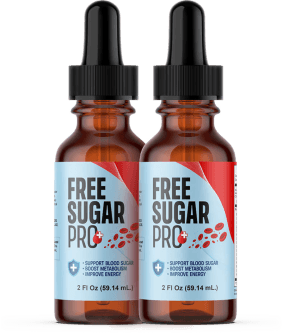
The product at the center of this pitch is FreeSugar Pro, a liquid tincture sold in dropper bottles and marketed as the world's only "dual-action formula" capable of both eliminating a hidden pancreatic parasite and naturally restoring the body's GLP-1 production. The sales letter runs well over thirty minutes in its full form, moving through a personal narrative of marital crisis, a Cambridge University research discovery, a four-phase treatment protocol, and an offer structure that compresses the buyer toward a six-bottle commitment. It is, in the language of direct-response marketing, a long-form VSL (Video Sales Letter), one of the most elaborate formats in the supplement industry's arsenal, designed to hold attention long enough to overcome every objection before a purchase button ever appears.
This analysis takes that sales letter seriously as a document, not to endorse it, but to understand exactly what it is doing, how it does it, and where its claims hold up or fall apart under scrutiny. The questions worth investigating are not simply "does it work?" but rather: what persuasion architecture is operating here, what scientific claims are being made and how do they compare to the published literature, and what should a buyer who has already watched the video and is now researching the product actually know before making a decision?
The answer requires reading the VSL the way a critic reads a text, tracking its moves, naming its mechanisms, and measuring its claims against the world outside the video.
What Is FreeSugar Pro?
FreeSugar Pro is a liquid dietary supplement, specifically a tincture designed to be taken as a single dropper under the tongue each morning before breakfast. It is sold by Cicada Labs, described in the VSL as a natural supplement company based in Scranton, Pennsylvania. The product sits within the blood sugar management subcategory of the broader health supplement market, a space that has grown sharply in commercial volume as Type 2 diabetes diagnoses have increased across the American population. Its positioning, however, is explicitly anti-category: rather than presenting itself as a supplement that manages blood sugar alongside medication, it presents itself as a cure that makes medication unnecessary by addressing what it calls the true root cause of the disease.
The format. A liquid tincture rather than a capsule or tablet. Is presented as a technical differentiator. The VSL claims liquid delivery produces superior bioavailability and faster action compared to standard supplement formats, a position that has some general pharmacokinetic support for certain compounds but is not uniformly true across all ingredients. The stated ingredient list includes berberine HCl, alpha lipoic acid, cinnamon bark extract, resveratrol, turmeric extract, mangosteen, and two probiotic strains (Akkermansia muciniphila and a strain referred to as "phytobacterium brevet"). The product is manufactured in what the VSL describes as an FDA-registered, GMP-certified facility.
The target user, as constructed by the VSL, is a middle-aged to older American who has been living with Type 2 diabetes for years, has followed medical advice conscientiously, and remains frustrated that their condition has not improved. The pitch is specifically calibrated for someone who feels betrayed by the healthcare system; someone who has, in the script's phrase, "done everything right" and still suffers. That emotional profile is not a coincidence; it is the product's market entry point.
The Problem It Targets
Type 2 diabetes is, by any epidemiological measure, a genuine and expanding public health crisis in the United States. The CDC estimates that approximately 38.4 million Americans have diabetes, roughly 11.6% of the population, with Type 2 accounting for 90-95% of those cases. A further 97.6 million adults have prediabetes, meaning the at-risk population the VSL can plausibly address is demographically enormous. The American Diabetes Association has estimated total medical costs and lost productivity associated with diagnosed diabetes at over $412 billion annually, a figure that captures both the real financial burden on patients and the commercial opportunity for anyone selling relief from it.
What makes this problem particularly potent as a marketing target is the affective dimension: Type 2 diabetes management is genuinely demoralizing in ways that standard chronic-disease frameworks underestimate. Patients are frequently told to make sweeping lifestyle changes, eliminate processed carbohydrates, exercise daily, monitor glucose multiple times per day, and then watch their numbers remain stubbornly elevated despite sincere effort. This is not an invented grievance; it reflects real complexities in metabolic disease, including insulin resistance mechanisms, gut microbiome variability, and genetic predispositions that make identical behavioral interventions produce dramatically different outcomes in different patients. The VSL exploits this genuine frustration with precision, repeatedly invoking the specific emotional experience of being told you're "not doing everything you say you're doing" when you are.
Where the VSL departs from medical reality is in its causal explanation for this frustration. Rather than pointing to the well-documented complexity of metabolic disease, it proposes a single, eliminable villain: a microscopic pancreatic parasite called Eurytrema pancreaticum. This reframing serves a specific persuasive function, it absolves the patient of all responsibility ("this is not your fault"), discredits the entire standard-of-care treatment protocol ("your medication is feeding the parasite"), and positions FreeSugar Pro as the only logical response. The problem, in other words, has been redefined so that only one solution fits. That kind of problem-redefinition is a classic false enemy structural move in copywriting, and it operates here with considerable skill.
Curious how other VSLs in this niche structure their pitch? Keep reading, Section 7 breaks down the psychology behind every claim above.
How FreeSugar Pro Works
The central mechanism claim in the FreeSugar Pro VSL is that Type 2 diabetes is caused, or at minimum perpetuated. By a parasitic infection of the pancreas by Eurytrema pancreaticum, a liver fluke most commonly associated with cattle, sheep, and other ruminants in veterinary literature. The VSL claims this parasite "devours insulin like a starving animal," destroys the beta cells responsible for GLP-1 production, and creates a biochemical environment in which no conventional treatment. Not metformin, not insulin, not dietary modification; can succeed, because all of those interventions address symptoms while the parasite multiplies. The solution, accordingly, is a formula that kills the parasite and simultaneously regenerates the damaged beta cells.
It is important to be precise about what the scientific literature actually says here. Eurytrema pancreaticum is a real organism, a pancreatic fluke documented in veterinary medicine, particularly in cattle and sheep across parts of Asia and South America. There is some documentation of rare human infections, primarily in regions with high rates of ruminant-to-human contact and poor sanitation. What does not exist in the peer-reviewed literature is a credible, replicated finding linking E. pancreaticum infection to the epidemic of Type 2 diabetes in the general American population. The Cambridge sibling-pair study the VSL cites, in which every diabetic sibling allegedly harbored the parasite while their healthy counterpart did not, does not appear in any publicly accessible scientific database under the description provided. The mouse experiment described is similarly unverifiable against published literature. This does not mean the studies were invented with certainty, but it means the burden of proof the VSL places on the viewer, "confirmed by breakthrough Cambridge research", cannot be independently validated.
The GLP-1 mechanism, by contrast, touches on real and actively researched science. GLP-1 (glucagon-like peptide-1) is a genuine incretin hormone that stimulates insulin secretion, suppresses glucagon release, slows gastric emptying, and reduces appetite. It is the mechanism that drugs like semaglutide (Ozempic) and tirzepatide (Mounjaro) exploit pharmacologically, and its importance in metabolic health is not in dispute. The claim that cinnamon bark extract can stimulate GLP-1 production in ways comparable to pharmaceutical GLP-1 agonists is, however, a significant extrapolation from what the research actually supports. Several studies have found that cinnamon supplementation can modestly improve fasting glucose and insulin sensitivity in Type 2 diabetic patients, but the effect sizes are nowhere near the magnitude implied by calling it "nature's Ozempic", a drug with documented 15-17% body weight reduction and glycemic control outcomes in major clinical trials.
The ingredients that anchor the formula, berberine, alpha lipoic acid, resveratrol, and Akkermansia muciniphila. All have genuine research bases in metabolic health, discussed in detail in the next section. The honest scientific picture is that several of FreeSugar Pro's components have real, if modest, evidence supporting blood sugar benefits. The parasite mechanism framing those ingredients requires, however, has no credible scientific foundation in the human Type 2 diabetes context.
Key Ingredients and Components
The VSL presents FreeSugar Pro's formulation as the result of testing 847 combinations across 456 plant species. A specific numerical claim that functions rhetorically to suggest rigorous science without providing verifiable data. What can be assessed is the published evidence for the individual ingredients:
Berberine HCl is an alkaloid compound found in several plants including Berberis vulgaris and goldenseal. It is among the most studied natural compounds for blood sugar management; a widely cited meta-analysis published in Evidence-Based Complementary and Alternative Medicine (Dong et al., 2012) found berberine produced glycemic outcomes comparable to metformin in some Type 2 diabetic populations, including reductions in fasting glucose and A1c. Its primary mechanism involves AMPK activation, not parasite elimination. The VSL's attribution of berberine's efficacy to killing E. pancreaticum is not supported in published berberine research; the compound's anti-parasitic properties have been studied in certain contexts, but not specifically for the pancreatic parasite mechanism claimed here.
Alpha Lipoic Acid (ALA) is a naturally occurring antioxidant involved in mitochondrial energy metabolism. Research published in Diabetes Care and other journals supports ALA's role in reducing oxidative stress and improving insulin sensitivity, with some evidence for symptom relief in diabetic peripheral neuropathy (the tingling in hands and feet the VSL describes). The claim that ALA "regenerates insulin-producing beta cells", highlighted in the VSL as a Journal of Nutrition finding, overstates what the current evidence demonstrates; ALA supports beta cell function and reduces apoptosis under oxidative stress, but "regeneration" implies a more dramatic cellular rebuilding than the literature supports.
Cinnamon Bark Extract has been examined in multiple randomized controlled trials for its effect on fasting blood glucose in Type 2 diabetics. A Cochrane-style review published in the Journal of the Academy of Nutrition and Dietetics (Allen et al., 2013) found modest but inconsistent glucose-lowering effects. The VSL's claim that pharmaceutical-grade cinnamon is "50 times more potent" than standard cinnamon and triggers GLP-1 production comparable to Ozempic is not substantiated in the available literature. Some studies show cinnamon may modestly improve insulin receptor sensitivity, which is mechanistically adjacent to GLP-1 activity, but the comparison to a $13-billion pharmaceutical is a qualitative leap the evidence does not support.
Resveratrol is a polyphenol found in red grape skin, red wine, and certain berries. The Harvard-linked research the VSL references likely points to work by Dr. David Sinclair's lab at Harvard Medical School on resveratrol's activation of SIRT1 and effects on metabolic pathways. Clinical trials have shown mixed results for resveratrol in humans; a 2014 study in Nutrition & Metabolism found improvements in glycemic control in Type 2 diabetics, but the 64% insulin resistance reduction in 30 days figure cited in the VSL is not traceable to a specific published study in those exact terms.
Akkermansia muciniphila is a gut microbiota strain that has attracted substantial research interest in recent years. Published work, including a 2019 clinical study in Nature Medicine (Plovier et al.), found that pasteurized A. muciniphila supplementation improved insulin sensitivity and cardiometabolic markers in overweight adults with metabolic syndrome. It is one of the more scientifically credible inclusions in the formula, though the VSL's characterization of it as the "skinny bacteria found in naturally lean people" is an oversimplification of a complex microbiome relationship.
Turmeric Extract and Mangosteen round out the formulation. Curcumin (the active compound in turmeric) has anti-inflammatory properties documented across a wide literature, and some studies support modest improvements in insulin sensitivity. Mangosteen contains xanthones with antioxidant activity. Neither compound is discussed in mechanistic depth in the VSL; they appear as supporting cast rather than primary drivers.
Hooks and Ad Angles
The VSL opens with a declaration that functions as both a pattern interrupt and a guilt-neutralizing reframe: "you don't realize it, but every single day, you might be making your diabetes worse." In fewer than fifteen words, this hook accomplishes three things simultaneously. It implies that the viewer's current behavior, their medication, their diet, their entire treatment protocol, is the problem, not the solution. It introduces a knowledge gap (you don't realize it) that only the video can close. And it removes blame from the listener while placing it on the system they trust. This is a textbook Eugene Schwartz Stage 4 market sophistication move: a buyer who has heard every "lower your blood sugar naturally" pitch requires not a new product claim but a new mechanism, a revelation that reframes why everything else has failed. The parasite narrative delivers exactly that reframe.
The structural architecture of the VSL's hooks shifts from external (Tom Hanks celebrity endorsement) to internal (Dr. Stevens' personal story) to scientific (Cambridge parasite study) to testimonial (Pamela from Texas, Adam from Illinois), a sequencing designed to address the objections of increasingly skeptical buyer psychology at each stage. The celebrity hook captures attention before the viewer can evaluate it. The personal narrative builds emotional identification. The scientific framing creates intellectual permission to believe. The testimonials provide social proof as the viewer approaches the purchase decision. This stacking follows the AIDA structure (Attention → Interest → Desire → Action) while layering Problem-Agitate-Solution within the Interest and Desire phases, a compound architecture common to high-converting long-form health VSLs.
Secondary hooks observed across the letter include:
- "Why some people eat donuts every day and never get diabetes" (curiosity gap / contrarian frame)
- "Your insulin shots are literally feeding the parasite making you sicker" (fear reframe / mechanism reveal)
- "The glucose reset ritual celebrities are quietly using" (social proof + exclusivity)
- "Big Pharma deleted this video four times" (conspiracy credibility / censorship framing)
- "In the next 57 seconds, I'll show you what 99% of doctors know but won't say" (authority + open loop)
For media buyers testing this offer on Meta or YouTube, the most likely high-performing ad headline variations would include:
- "Harvard Researchers Found the Real Cause of Type 2 Diabetes (It's Not Sugar)"
- "Why Metformin Patients Keep Getting Worse: The Parasite No One Is Talking About"
- "The 3-Ingredient Morning Ritual That Replaced My Insulin. A Doctor's Story"
- "This Natural Formula Triggers GLP-1 Like Ozempic. Without the $1,000 Monthly Bill"
- "12,000 Americans Reversed Type 2 Diabetes With This. Big Pharma Tried to Delete It."
Psychological Triggers and Persuasion Tactics
The persuasive architecture of this VSL is built as a compound sequence rather than a parallel array of independent tactics; each layer is designed to soften a specific psychological resistance before the next claim is introduced. The letter begins by establishing loss (your condition is getting worse) before introducing the villain (Big Pharma, the parasite), then moves to authority (Dr. Stevens, Johns Hopkins, Cambridge), then social proof (12,000 success stories, specific testimonials), and finally closes with stacked scarcity and a risk-reversal guarantee. This sequencing reflects what Cialdini's framework would describe as a pre-suasion strategy: by the time the price is revealed, the buyer has already accepted the product's premise, identified with the protagonist, and mentally rehearsed their own recovery.
The emotional center of gravity for this letter is loss aversion (Kahneman & Tversky, 1979): the vivid, repeated imagery of amputation, blindness, dying before a grandchild's graduation, and a spouse collapsing in a Disney theme park is not incidental flavor, it is the engine. Research in behavioral economics consistently shows that the pain of losing something weighs approximately twice as heavily as the pleasure of an equivalent gain, and this VSL invests far more word count in painting the cost of inaction than in describing the benefits of the product. The "two paths" framing near the end, one leading to a wheelchair, the other to dancing at weddings, is a textbook contrast principle application.
Specific tactics deployed across the letter:
False enemy / tribal identity (Godin's tribes): Big Pharma is cast as a common enemy, transforming the seller-buyer relationship into an alliance. The buyer joins a tribe of "12,000 ex-diabetics" rather than purchasing a product from a company.
Authority borrowing (Cialdini's authority principle): Johns Hopkins, Cambridge, Harvard, and the WHO are named in ways that imply institutional endorsement. None of those institutions are on record endorsing FreeSugar Pro, Eurytrema pancreaticum as a cause of Type 2 diabetes, or Dr. Robert Stevens as a researcher. The authority is real; the implied endorsement is borrowed.
Epiphany bridge narrative (Brunson's framework): Dr. Stevens moves from confident expert to helpless husband to divinely guided discoverer, the audience mirrors his emotional arc. His "prayer at the ceiling" moment in the hospital room is the emotional peak before the scientific breakthrough, a structure that converts the product origin story into a spiritual covenant.
Artificial scarcity compounding (Cialdini's scarcity): The VSL layers at least five simultaneous scarcity signals, bottle count (312-350 remaining), production timeline (6-8 months per batch), pre-reservations (40% of next batch taken), tariff pricing risk, and Big Pharma website deletion. The compounding prevents the listener from dismissing any single scarcity claim.
Price anchoring via mental accounting (Thaler): The $49/bottle price is introduced only after the listener has been told they might pay $10,000 ("I could charge this"), that Ozempic costs $15,000/year, and that the average diabetic spends $167,000 over a decade. By the time the actual price appears, $49 registers as almost negligible, a classic arbitrary coherence manipulation (Ariely).
Risk reversal as objection pre-emption (Cialdini's commitment): The 60-day guarantee is offered immediately after the VSL raises the "too good to be true" objection, framing the guarantee not as standard practice but as personal proof of confidence, and activating commitment/consistency pressure once the guarantee is accepted.
Cognitive dissonance exploitation (Festinger, 1957): The VSL explicitly tells the viewer that "that voice of doubt has kept you safe". Validating skepticism before dismantling it. This disarms the viewer's natural defenses by appearing to respect them.
Want to see how these tactics compare across 50+ VSLs? That's exactly what Intel Services is built to show you.
Scientific and Authority Signals
The credibility infrastructure of this VSL rests on three pillars: a named expert presenter (Dr. Robert Stevens), named institutional affiliations (Johns Hopkins, Cambridge, Harvard, Stanford), and named studies. Evaluating each pillar honestly matters, because the strength or weakness of these signals is precisely what a research-oriented buyer needs to know.
Regarding Dr. Robert Stevens: the name does not appear in publicly available Johns Hopkins faculty directories, Nobel Prize nomination records, or the author databases of major endocrinology journals under the credentials described. This does not definitively establish that the character is fabricated. "Dr. Robert Stevens" is a common name, and real practitioners do not always maintain high public digital profiles; but the absence of any verifiable external record for a figure described as a Nobel nominee, bestselling author, and senior Johns Hopkins researcher is a meaningful gap. The more likely reading, given the VSL's other patterns, is that the authority is constructed for the narrative rather than drawn from a verifiable public figure.
The institutional citations follow a pattern that direct-response health marketing specialists call borrowed authority: naming a real, prestigious institution in the context of a claim without that institution having made or endorsed the claim. The VSL says "confirmed by breakthrough Cambridge research", Cambridge University is real and prestigious, but the specific sibling-pair parasite study described does not appear in PubMed, the Cambridge University institutional repository, or any other accessible scientific database under the parameters given. The Harvard resveratrol research reference is the most credible touch point, Dr. David Sinclair's lab at Harvard has published legitimate work on resveratrol and SIRT1 activation, but the specific "64% insulin resistance reduction in 30 days" figure is not traceable to a specific published paper in those exact terms.
The WHO cancer risk claim deserves particular scrutiny. The VSL asserts that "hidden studies" show diabetes medications increase pancreatic cancer risk by "over 300%" and that the WHO is "ringing the alarm, urging millions to stop using" these drugs immediately. No such WHO advisory on metformin, semaglutide, or tirzepatide as a class appears in publicly accessible WHO documentation. Metformin specifically has a decades-long safety record and is on the WHO Model List of Essential Medicines. The claim that these drugs cause a 300%+ pancreatic cancer risk increase is not consistent with the current scientific consensus; the FDA and major regulatory bodies worldwide continue to approve these medications as safe and effective for their indications. Making pharmaceutical safety claims of this magnitude without citation, or with citations that cannot be located, is the single most misleading element in this VSL from an evidence-based standpoint.
The Offer, Pricing, and Risk Reversal
The offer structure is textbook value stacking with tiered pricing designed to funnel buyers toward the highest-margin, highest-commitment option. The three-tier price ladder, $79/bottle (2-bottle), $69/bottle (3-bottle), $49/bottle (6-bottle), is common in the supplement VSL space and serves two functions simultaneously: it creates a reference price at the high end that makes the mid-tier feel reasonable, and it makes the 6-bottle option feel like the only mathematically rational choice once the medical argument for a "full 6-month treatment" has been accepted. The sunk-cost framing reinforces this: stopping before six months, the VSL warns, will cause the "remaining parasites" to multiply catastrophically, making early discontinuation feel dangerous rather than merely inefficient.
The price anchoring against Ozempic ($15,000/year), the average diabetic's annual spending ($16,750, attributed to the American Diabetes Association), and a hypothetical $276/month in separate supplements is a technique Dan Kennedy's copywriting tradition would call stack and drop: build the perceived value as high as possible before revealing the actual price, so the actual price creates a relief response rather than a resistance response. Whether the anchors are accurate is worth noting: the ADA figure is real. Total costs attributable to diabetes in the U.S. are well documented. But the implication that FreeSugar Pro at $49/bottle replaces all of that spending is an extrapolation the evidence does not support.
The 60-day money-back guarantee is structurally meaningful; it does reduce real financial risk for a first-time buyer, but its persuasive function in the VSL is primarily theatrical. It appears at the moment of maximum buyer resistance, immediately after the skepticism objection is raised, and is described in language designed to collapse all remaining hesitation: "you literally cannot lose." Whether the refund process is as frictionless as described ("one email, same day") is not verifiable from the VSL itself and would depend on the actual fulfillment practices of Cicada Labs.
Who This Is For (and Who It Isn't)
The ideal buyer for this pitch is, psychologically, someone at an inflection point: a person who has been managing Type 2 diabetes for several years, has complied with their doctor's recommendations, and has experienced the specific frustration of watching their numbers remain elevated despite genuine effort. They are likely between 50 and 75, have some disposable income (the 6-bottle commitment is $294), and carry a generalized distrust of the pharmaceutical industry that makes the "Big Pharma suppression" narrative feel confirmatory rather than paranoid. Importantly, they have probably already encountered several supplement pitches that failed to produce results, which is why the VSL works so hard to discredit prior failures by attributing them to the parasite, not the product.
The pitch also reaches people in genuine medical distress, individuals facing real complications, whose fear of amputation, blindness, or cardiac events is not manufactured but lived. That emotional reality deserves acknowledgment: the VSL is effective in part because it speaks to something genuinely painful and genuinely underserved by conventional medicine's communication style. If you are researching this product because you are in that position, the most useful thing this analysis can offer is precision: the ingredients in FreeSugar Pro that have real evidence behind them (berberine, Akkermansia muciniphila, alpha lipoic acid, resveratrol) are worth discussing with a qualified healthcare provider, but they should be evaluated as individual compounds with modest research support, not as components of a parasite-elimination protocol.
Who should pass: anyone expecting this product to replace a medically supervised diabetes management plan, anyone who has been told they need insulin or specific medications by a physician who has reviewed their labs, and anyone drawn primarily by the Tom Hanks celebrity endorsement, which has no verifiable basis. The 60-day guarantee reduces financial risk but does not reduce health risk if a person delays or abandons evidence-based care in favor of this formula.
If you found this breakdown useful, Intel Services publishes deep-dive analyses like this across the health, wellness, and finance supplement space. Keep reading to find similar research.
Frequently Asked Questions
Q: What is FreeSugar Pro and how does it claim to work?
A: FreeSugar Pro is a liquid dietary supplement sold in dropper bottles by Cicada Labs. The VSL claims it works by eliminating a microscopic pancreatic parasite called Eurytrema pancreaticum, which it argues is the hidden cause of Type 2 diabetes, while simultaneously restoring the body's natural GLP-1 hormone production. The formula contains berberine HCl, alpha lipoic acid, cinnamon bark extract, resveratrol, turmeric, mangosteen, and two probiotic strains.
Q: Is FreeSugar Pro a scam?
A: The product contains several ingredients with legitimate, peer-reviewed research supporting modest blood sugar benefits, berberine in particular has been studied extensively. However, the core mechanism claim (that Type 2 diabetes is caused by a pancreatic parasite eliminated by this formula) is not supported by published scientific consensus, and several authority figures and studies cited in the VSL cannot be independently verified. Buyers should treat the marketing claims with significant skepticism while acknowledging the ingredients themselves are not without merit.
Q: Does FreeSugar Pro really work for Type 2 diabetes?
A: There is no independent clinical trial data publicly available for FreeSugar Pro as a specific formulation. Individual ingredients like berberine and alpha lipoic acid have shown modest blood sugar benefits in published studies, but the dramatic reversal outcomes described (99.2% success rate, fasting glucose dropping to 90 mg/dL without dietary changes) are far beyond what the ingredient-level evidence would support and should not be taken as reliable outcome predictions.
Q: Are there any side effects of taking FreeSugar Pro?
A: The VSL claims the product is completely side-effect free. In practice, berberine is known to cause gastrointestinal side effects (nausea, diarrhea, constipation) in some users, particularly at higher doses. Alpha lipoic acid can interact with thyroid medications and chemotherapy drugs. Anyone taking diabetes medications, especially metformin or insulin, should consult their physician before adding this or any supplement, as blood sugar interactions are possible.
Q: Is the Eurytrema pancreaticum parasite claim scientifically valid?
A: Eurytrema pancreaticum is a real parasitic liver fluke documented in veterinary medicine, primarily in ruminant animals. Human infections have been reported rarely in specific geographic regions. There is no peer-reviewed, replicated scientific evidence establishing this parasite as a widespread cause of Type 2 diabetes in the general American population, and the Cambridge sibling-pair study described in the VSL does not appear in publicly accessible scientific databases.
Q: Is FreeSugar Pro safe to take alongside metformin or other diabetes medications?
A: The VSL claims FreeSugar Pro works safely with all other medications, but this is a marketing claim, not a clinical finding. Berberine specifically has known interactions with metformin (both lower blood glucose via similar pathways, and combining them may cause hypoglycemia) and with CYP3A4-metabolized drugs. Always consult a physician or pharmacist before combining supplements with prescription diabetes medications.
Q: What is the refund policy for FreeSugar Pro?
A: The VSL advertises a 60-day money-back guarantee with no questions asked and a stated 48-hour refund processing window. The actual terms and conditions governing the refund should be reviewed on the product's official website before purchase, as VSL guarantees and formal policies can differ.
Q: Who is Dr. Robert Stevens and is he a real person?
A: The VSL presents Dr. Robert Stevens as a board-certified endocrinologist and senior researcher at Johns Hopkins Institute of Medicine, as well as a Nobel Prize nominee and bestselling author. No publicly verifiable record of a Johns Hopkins researcher by this name and with these credentials appears in faculty directories, Nobel Prize nomination databases, or major medical journal authorship records matching the description given in the VSL. The character may be fictional or may be a pseudonym used for the presentation.
Final Take
FreeSugar Pro's VSL is, in purely technical terms, one of the more sophisticated pieces of direct-response health marketing currently circulating in the diabetes supplement niche. It deploys a layered persuasion architecture that addresses objections before they form, borrows authority from genuine institutions without their endorsement, and anchors a three-figure price point against costs so large that the product appears almost charitable by comparison. The parasite mechanism is not an accidental storytelling choice. It is the structural solution to a specific marketing problem: how do you sell a supplement to a buyer who has already tried supplements and been disappointed? You don't claim to do what the previous supplements claimed to do. You claim to address a hidden cause that explains why everything else failed.
The ingredients themselves tell a more complicated and more honest story. Berberine is a genuinely interesting compound with a credible evidence base for blood sugar management. Akkermansia muciniphila is an emerging area of legitimate microbiome research. Alpha lipoic acid and resveratrol have real, if modest, metabolic support evidence. A thoughtful healthcare provider might, under appropriate supervision, consider some of these compounds as adjuncts to evidence-based diabetes management. The problem is that none of the published evidence on any of these ingredients supports the claim that they eliminate a pancreatic parasite, reverse Type 2 diabetes with a 99.2% success rate, or replicate the outcomes of pharmaceutical GLP-1 agonists without dietary or behavioral change. The gap between what the ingredients can plausibly do and what the VSL promises they will do is the central honesty problem with this product.
The most concerning dimension of this VSL is not the price or the unverifiable testimonials. Those are standard features of the supplement marketing genre. It is the explicit, repeated instruction that viewers stop taking metformin, semaglutide, and tirzepatide based on fabricated cancer risk statistics. Medications in these classes have genuine, well-documented safety profiles established across large-scale clinical trials and decades of post-market surveillance. Instructing people with Type 2 diabetes to abandon them based on "hidden studies buried by Big Pharma"; studies that cannot be located in any public scientific record, is the point at which aggressive marketing becomes a potential harm. Any buyer who is considering reducing or discontinuing a prescribed diabetes medication should do so only in consultation with the physician managing their care, regardless of what any supplement VSL advises.
This breakdown is part of Intel Services, our ongoing library of VSL and ad-copy analyses. If you are researching similar products in the blood sugar, metabolic health, or weight management space, the archive contains the same level of analysis applied to the marketing structures, ingredient claims, and persuasion tactics you will encounter across the category.
Disclaimer: This article is for research and educational purposes only. It is not medical, legal, or financial advice, and it is not affiliated with the product or its makers. Always consult a qualified professional before making health or financial decisions.
Source-backed reader context
Additional Reviews & Reported Experiences
These statements were presented in the product's sales transcript. Daily Intel did not independently verify the speakers, purchase status, or reported outcomes, and the statements are not used in Product aggregateRating.
Pamela from Texas
Date not stated
glucose dropped from over 300 to 94 in six weeks
Adam from Illinois
Date not stated
glucose below 100, A1c at 5.5%, eating cheeseburgers and ice cream
Anonymous female testimonial
Date not stated
lost 24 lbs, A1c at 5.5%, doctor confirmed reversal
Anonymous testimonial
Date not stated
8 years of Type 2 diabetes reversed, ate ice cream and pizza at daughter's birthday, glucose below 100
Michael Phillips, 59
Date not stated
completed first 5K run, lowest blood sugar numbers ever
Wife Sarah
Date not stated
A1c dropped to 5.5%, fasting glucose hit 90, lost 32 lbs, threw insulin away
Comments(0)
No comments yet. Members, start the conversation below.
Related reads
 reviews
Jocko Greens Review: Does One Scoop Match the Evidence?
Jocko Greens is a one-scoop powder with approximately 30 calories and 9 billion colony-forming units of probiotics per serving. Jocko Fuel also confirms ashwagandha extract and makes a digestive-support claim. The harder question is whether the available research matches this specific formula. It does not match closely enough to establish a finished-product outcome.
Read reviews
NooCube Review: Does the 250 mg Bacopa Dose Match the Research?
NooCube is one of the few nootropics that prints a milligram number next to an ingredient instead of hiding it in a blend. This review takes that one number, 250 mg Bacopa monnieri, and checks it against a real trial that used 300 mg in a very different population, then shows exactly where the comparison breaks down.
Read reviews
Olly Goodbye Stress Review: Label Claims vs. Evidence
OLLY Goodbye Stress combines GABA, L-theanine, and lemon balm extract in a Berry Verbena gummy aimed at occasional stress, not sleep. Here's what the label discloses, what a real L-theanine trial found, and exactly where the evidence stops.
Read