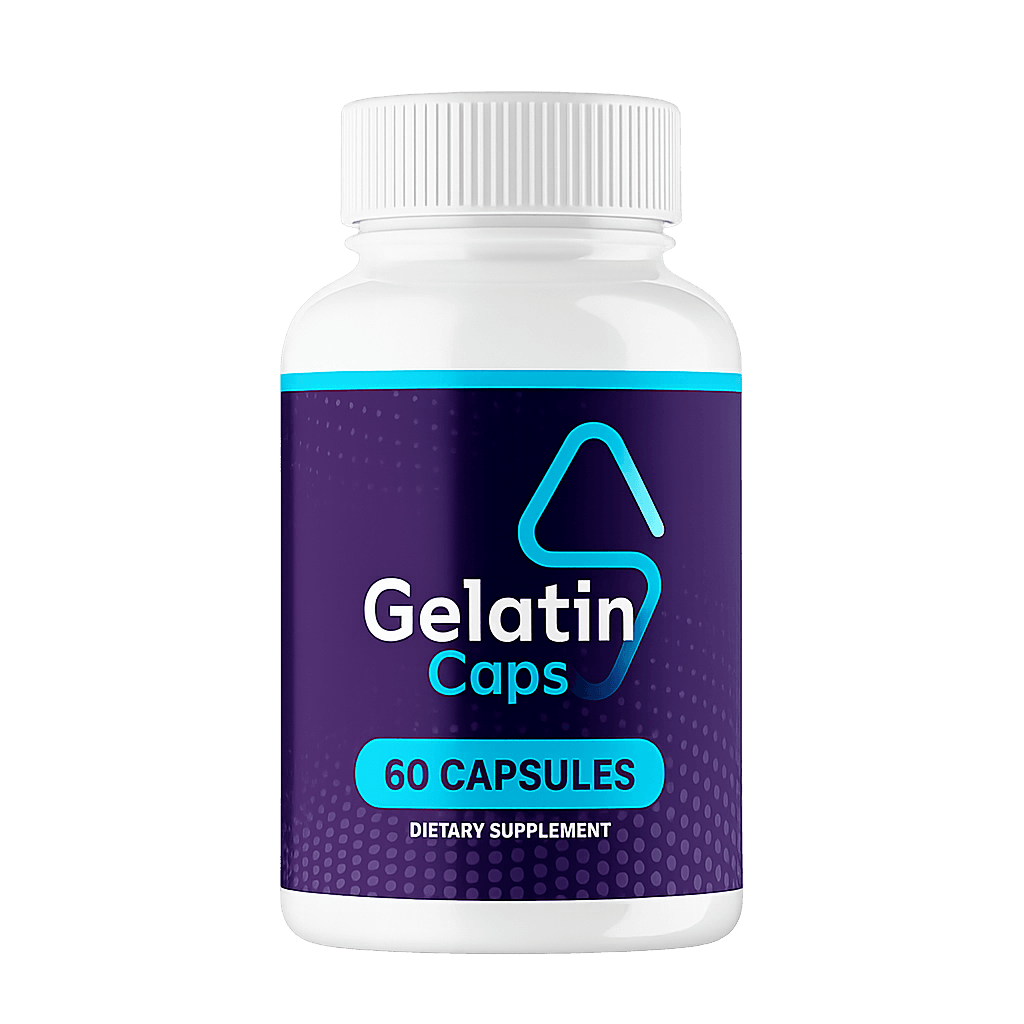
GelatinCaps VSL and Ads Analysis
The video opens with a grievance that cuts directly into one of the most emotionally loaded experiences a person can carry: decades of living with type 2 diabetes, followed by the accusation embedd…
8,226+
Videos & Ads
+50-100
Fresh Daily
$29.90
Per Month
Full Access
12.5 TB database · 72+ niches · 26 min read
Introduction
The video opens with a grievance that cuts directly into one of the most emotionally loaded experiences a person can carry: decades of living with type 2 diabetes, followed by the accusation embedded in a question, "why didn't anyone teach me this?" Before a product name appears, before a mechanism is explained, the VSL has already done something sophisticated: it has redirected the viewer's accumulated frustration, at doctors, at diets, at medications that never quite worked, into the frame of a revelation withheld. This is not an accident. It is the opening move of a carefully engineered persuasion sequence, and understanding how it operates is what this analysis is for.
GelatinCaps is a blood sugar support supplement marketed through a short-form Video Sales Letter (VSL) that targets adults living with type 2 diabetes. The pitch is built around the claim that conventional medicine has misidentified the cause of the disease, and that a German university's 2023 research has uncovered the "real" biological culprit, sticky protein-filled cells blocking the pancreas, which a simple 10-second bedtime ritual can dissolve, restoring glucose levels permanently without drugs, diets, or exercise. The supplement itself is never fully described in the transcript; the VSL functions as a gateway to a longer presentation where the actual product is presumably sold.
What makes this transcript worth studying carefully is not its uniqueness, the diabetes supplement category is saturated with pitches that follow similar templates. But rather how precisely it executes the conventions of that template while deploying one additional layer: the conspiracy frame. The $90 billion diabetes industry is actively fighting to ban this video, the VSL insists, having already removed it twice. This move transforms the viewer's very ability to see the pitch into a form of stolen privilege, which is a powerful reframe of the standard sales encounter. The reader who arrived skeptical finds their skepticism preemptively weaponized against them.
The question this piece investigates is straightforward: what does the GelatinCaps VSL actually claim, how do those claims hold up against what is publicly known about blood sugar biology, and what does the persuasion architecture of the pitch reveal about both the product's likely audience and the broader market it inhabits?
What Is GelatinCaps?
GelatinCaps, as presented in the VSL, is positioned as a natural supplement in capsule form designed to address the root biological cause of type 2 diabetes. The VSL does not disclose the formulation during the pitch. Specific ingredients are withheld to draw the viewer into a subsequent "free special video"; but the product is categorized within the blood sugar support supplement space, a niche that has grown substantially alongside rising global diabetes rates. The format (capsules, a named branded product, a VSL funnel leading to a secondary presentation) is characteristic of direct-response supplement marketing.
In terms of market positioning, GelatinCaps places itself explicitly against both pharmaceutical diabetes treatment and lifestyle-based interventions. It is not asking the buyer to take yet another medication alongside their metformin, nor to adopt a ketogenic diet or an exercise regimen. The positioning is total replacement: the product promises to do the work that all prior interventions have failed to do, addressing a mechanism that conventional medicine, per the pitch, has not even acknowledged exists. This is a positioning strategy sometimes called category creation, the product does not compete within the existing solution set; it claims the existing solution set is solving the wrong problem.
The stated target user is a person who has been living with type 2 diabetes for an extended period, has tried the conventional routes, and feels exhausted by them. The VSL's language, "decades with type 2," "finger pricks," "unexplained weight gain", is calibrated to someone who is not newly diagnosed but has instead accumulated years of management fatigue. This is a psychographically specific audience, and the pitch knows it.
The Problem It Targets
Type 2 diabetes is one of the most prevalent chronic conditions in the world, and the numbers underlying the commercial opportunity are not exaggerated by the VSL. According to the International Diabetes Federation, approximately 537 million adults lived with diabetes globally as of 2021, with type 2 accounting for roughly 90 to 95 percent of cases. In the United States alone, the CDC estimates that more than 38 million Americans have diabetes, with another 98 million in the prediabetes range. These are not niche figures, they represent a vast population for whom the condition is a daily, life-shaping reality.
What the VSL targets with particular sharpness is not just the disease itself but the emotional experience of managing it long-term. The chronic fatigue, the dietary restriction, the anxiety about complications, the financial burden of ongoing medication, the psychological weight of monitoring a disease that never fully resolves, these constitute what researchers sometimes describe as "diabetes distress," a recognized clinical phenomenon distinct from depression but significantly correlated with it, documented in studies published in Diabetes Care (Fisher et al., 2007). The VSL does not use clinical language, but it maps this distress with precision: "no more finger pricks," "feeling tired all the time," "living without the fear of kidney disease or heart issues." Each phrase is calibrated to a specific entry point of suffering.
The framing the VSL applies to this problem, that the suffering is unnecessary because the real cause has been hidden, is the move that distinguishes this pitch from a basic supplement ad. By locating the problem not in the disease itself but in institutional concealment of its solution, the VSL converts the viewer's history of failed management into evidence of wrongdoing rather than medical complexity. This is a rhetorically powerful and ethically fraught move. It offers a coherent narrative. You failed because you were never told the truth. That is far more emotionally satisfying than the actual scientific picture, which involves a genuinely complex, multifactorial condition that resists simple single-mechanism solutions.
The commercial opportunity the VSL exploits is real even if its framing is distorted. People with type 2 diabetes who feel underserved by conventional treatment are a motivated, searching audience, and supplement marketers in this category have learned that the most effective angle is not "here is something that might help" but "here is the thing that actually explains what you've been through." That is a fundamentally different psychological register, and it carries correspondingly different responsibilities.
Curious about how the VSL's persuasion architecture compares to other pitches in the diabetes supplement space? The psychological triggers section below breaks down each specific tactic and the theory behind it.
How GelatinCaps Works
The VSL's central mechanistic claim is that type 2 diabetes is caused primarily by "sticky protein-filled cells" that accumulate in and clog the portion of the pancreas responsible for producing insulin, specifically the beta cells in the islets of Langerhans. As a result of this blockage, glucose that should be processed instead builds up, is filtered into the kidneys, and is then "forced back into the bloodstream," driving blood sugar levels persistently higher. The GelatinCaps ritual, per the pitch, dissolves or clears these cells, restoring the pancreas's insulin output and normalizing glucose levels.
The honest assessment of this mechanism requires separating what is grounded in science from what is invented. It is true and well-established that pancreatic beta cell dysfunction is central to type 2 diabetes; the disease involves both insulin resistance in peripheral tissues and progressive impairment of beta cell secretory capacity. There is also legitimate ongoing research into the role of protein aggregates (most notably islet amyloid polypeptide, or IAPP) in beta cell damage, with studies published in journals including Nature and Diabetes examining how these deposits may contribute to cell death in long-standing type 2 diabetes. This is real science. The VSL's description of "sticky protein-filled cells" is a loose, non-technical gesture toward this area of research.
However, the VSL substantially misrepresents the mechanism and its implications. The claim that sugar is filtered into the kidneys and "forced back into the bloodstream" is a garbled description of renal glucose handling that conflates normal physiology (the kidneys do reabsorb glucose under normal conditions) with pathological hyperglycemia in a way that does not accurately describe how blood sugar rises in type 2. More critically, the claim that a 10-second bedtime ritual can "dissolve" protein aggregates in pancreatic tissue and produce permanent glucose normalization has no credible scientific support. Even the most promising pharmaceutical research targeting beta cell preservation does not propose that rapid, complete restoration of beta cell function is achievable through a behavioral ritual or a single supplement.
The study attributed to "the University of Dorf in Germany" does not correspond to any identifiable German research institution. Germany has no university by that name, and no November 2023 study matching the described findings appears in any indexed scientific database. This is a fabricated citation, one that mimics the form of academic authority (institution, country, date) without any of its substance. This distinction matters enormously for anyone considering the product, and it will be examined further in the Scientific and Authority Signals section.
Key Ingredients / Components
The VSL transcript does not disclose the specific ingredients or active components of GelatinCaps, deferring that information to a subsequent presentation. This is a deliberate structural choice common in two-step VSL funnels: the first video creates emotional and intellectual buy-in for the mechanism; the second reveals the product and closes the sale. Nevertheless, the product name, GelatinCaps, offers one potential signal. Gelatin, derived from collagen hydrolysate, is not a traditional blood sugar management ingredient, though some limited research has examined glycine (an amino acid abundant in gelatin) for its potential role in insulin secretion and glucose metabolism. A 2016 study in Amino Acids (Gannon et al.) noted modest effects of glycine supplementation on glucose control in specific populations, but the effect sizes were small and the evidence is far from conclusive.
Based on the VSL's claims and the supplement category conventions, the formulation likely includes one or more of the following commonly used ingredients in blood sugar support products:
- Berberine, A plant alkaloid with reasonably well-studied effects on glucose metabolism, primarily through AMPK pathway activation. Several meta-analyses, including one published in Evidence-Based Complementary and Alternative Medicine (Dong et al., 2013), found berberine comparable to metformin in reducing HbA1c in some populations, though study quality varies widely.
- Cinnamon extract (Cinnamomum cassia or verum), Frequently included in blood sugar formulas; evidence for glucose-lowering effects is mixed. A Cochrane review found insufficient evidence to recommend it for diabetes management as of its most recent analysis.
- Chromium picolinate, A mineral cofactor for insulin signaling, included in many glucose support supplements. Evidence for clinically meaningful blood sugar reduction in non-deficient individuals is limited.
- Alpha-lipoic acid, An antioxidant with some evidence for reducing insulin resistance and neuropathy symptoms in diabetic patients, with studies published in Diabetes Care and Experimental and Clinical Endocrinology & Diabetes.
- Gymnema sylvestre. An Ayurvedic herb with some preliminary evidence for reducing sugar absorption and supporting insulin function; human trials are limited in size and quality.
- Magnesium. Low magnesium levels are consistently associated with insulin resistance in observational studies; supplementation evidence in people already sufficient in magnesium is modest.
Without access to the full formulation and dosing information, it is not possible to evaluate GelatinCaps specifically. What can be said is that the ingredient category the product likely inhabits contains some compounds with plausible mechanisms and modest evidence, none of which supports the level of efficacy; permanent glucose normalization from a 10-second ritual, the VSL claims.
Hooks and Ad Angles
The main opening hook, "Decades with type 2 diabetes, why didn't anyone teach me this?", functions simultaneously as a pattern interrupt and an identity grievance. The pattern interrupt operates by subverting the expected opener of a diabetes supplement pitch, which would typically begin with a product claim or a transformation story. Instead, the VSL opens with a pointed accusation of institutional failure, spoken in the voice of the buyer rather than the seller. This is a sophisticated move because it collapses the distance between pitch and confessor: the listener is not being sold to, they are being recognized. The rhetorical structure mirrors what Eugene Schwartz identified as stage-four market sophistication writing, where a buyer who has been exposed to dozens of prior solutions, and rejected them all, can only be engaged by a pitch that begins by demonstrating it understands their skepticism before proposing anything new.
The hook's secondary function is the open loop: "why didn't anyone teach me this" implies that something specific, learnable, and actionable exists, and that the VSL is about to deliver it. This creates cognitive tension that the viewer is motivated to resolve by continuing to watch. The loop is not closed in the short ad itself; it remains open, driving the click to the longer presentation. This is a textbook bridge hook structure, where the short-form ad exists not to persuade but to create enough unresolved curiosity that the viewer is willing to invest another ten to twenty minutes in the full VSL.
The conspiracy angle introduced mid-copy, the billion-dollar industry "fighting to ban this video". Serves as a second, reinforcing hook, one that functions even for viewers who felt the initial mechanism claim was too good to be true. If a viewer's skepticism begins to activate, the conspiracy frame reinterprets that skepticism as proof of suppression rather than as a rational response to an implausible claim. This is an unusually durable piece of rhetorical architecture: the more you doubt, the more the frame tells you your doubt is manufactured by the enemy.
Secondary hooks observed in the VSL:
- "The biological reason why people struggle with type 2 has nothing to do with carbs or sugars"
- "More than 124,000 people of all ages are already using this"
- "This ritual targets the root cause of type 2, so once your sugar levels are stable, they are there to stay"
- "They've already removed this special presentation from the internet twice before"
- "Tap the blue Learn More button before it's too late"
Ad headline variations for Meta or YouTube testing:
- "German scientists found the real reason your blood sugar won't stabilize. And it has nothing to do with carbs"
- "124,000 people are using this 10-second bedtime ritual. Why haven't you heard about it?"
- "The diabetes industry removed this video twice. Watch before it disappears again."
- "Forget everything your doctor told you about type 2. A 2023 study just changed everything."
- "No diet. No injections. No drugs. This bedtime ritual is doing what nothing else could."
Psychological Triggers and Persuasion Tactics
The GelatinCaps VSL is not a simple product pitch layered with a few emotional appeals; it is a sequentially stacked persuasion architecture that deploys authority, enemy framing, social proof, loss aversion, and identity transformation in a precise order. The sequence matters as much as the individual elements: the VSL establishes a new mechanism (authority), identifies who is hiding it (enemy), shows that others have already benefited (social proof), catalogs what the viewer risks by ignoring this (loss aversion), and then invites the viewer to imagine life after the problem is solved (identity transformation). This is a compression of the full Problem-Agitate-Solution structure into a format short enough to function as an ad, which requires each element to carry more weight than it would in a long-form letter.
The use of the conspiracy frame is the architectural element that holds the sequence together. Without it, a skeptical viewer who dismisses the mechanism claim simply leaves. With it, that same viewer is given a reason to stay, the implausibility of the claim is reframed as evidence that powerful forces don't want them to believe it. This is what makes the conspiracy frame so effective in markets populated by people who have genuine cause to distrust establishment medicine: it exploits legitimate grievance to smuggle illegitimate claims past the viewer's critical faculties.
Specific persuasion tactics deployed:
- Pattern interrupt via contrarian mechanism claim, Grounded in Eugene Schwartz's framework of market sophistication stages (Breakthrough Advertising, 1966). The claim that diabetes has "nothing to do with carbs or sugars" directly contradicts the medical consensus the audience has been told for years, forcibly re-engaging a viewer whose attention would otherwise slide past a conventional opener.
- False enemy / narrative villain, A technique formalized in Russell Brunson's direct-response copywriting framework and visible across the supplement space. The "$90 billion diabetes treating industry" is positioned as an active antagonist, giving the viewer's frustration a concrete target and converting the purchase into an act of rebellion rather than consumption.
- Cialdini's Scarcity principle (Influence, 1984), The claim that the video has been removed twice and may disappear again deploys scarcity not of a product but of information, which is a more credible form of urgency than "only 50 bottles left."
- Social proof at scale (Cialdini, 1984), The figure of 124,000 users is deployed at the moment when the viewer might be asking "but does it work?" The number is specific enough to feel researched without being verifiable, a deliberate precision.
- Kahneman & Tversky's loss aversion (Prospect Theory, 1979), The litany of feared outcomes (kidney disease, heart issues, lifelong medication, finger pricks, social isolation from food) is presented before the solution. Losses loom larger than gains; the VSL front-loads loss language to make the promise of relief feel proportionally enormous.
- NLP future pacing / identity-shift aspiration. "Just imagine no more finger pricks… enjoying your favorite foods with your loved ones again" invites the viewer to mentally inhabit the post-purchase state, which generates a felt sense of loss when they consider not clicking. Essentially creating anticipatory regret.
- Borrowed institutional authority (Cialdini's Authority principle); Citing a named German university with a specific date mimics the cognitive signature of a legitimate academic reference, triggering the automatic deference most people feel toward institutional science, despite the citation being unverifiable.
Want to see how the persuasion tactics above compare across fifty or more VSLs in the health supplement space? That's precisely what Intel Services is built to show you.
Scientific and Authority Signals
The sole named authority in the GelatinCaps VSL is the "University of Dorf in Germany," credited with a November 2023 study identifying sticky protein-filled cells as the root cause of type 2 diabetes. This citation deserves direct scrutiny. Germany has no university named "Dorf", the word is German for "village," and no institution by that name appears in any academic or governmental registry of German universities (the German Rectors' Conference, known as the Hochschulrektorenkonferenz, maintains a publicly available list). The citation is, in all probability, fabricated. It carries the form of an academic reference, institution, country, month, year, without any verifiable substance, and no matching study appears in PubMed, Google Scholar, or any major indexed database as of this writing.
This matters beyond the immediate question of product credibility. The borrowed authority tactic (Cialdini, 1984) works precisely because most viewers do not verify citations in real time. The cognitive response to "a November 2023 study from a German university found" is the automatic credence afforded to institutional science, even when the institution does not exist. For a viewer already primed by the conspiratorial frame to distrust mainstream sources, the invented citation is essentially unchallengeable: if they can't find it, that's presumably because it has been suppressed.
It is worth acknowledging what real science exists in the vicinity of the VSL's claims, so that legitimate research is not conflated with the fabricated citation. There is genuine ongoing investigation into the role of islet amyloid polypeptide (IAPP) protein aggregates in beta cell dysfunction in type 2 diabetes, research published in journals such as Nature Structural & Molecular Biology, Diabetes, and Cell Metabolism has examined how IAPP fibrils may contribute to beta cell death over time. This is a real and active area of inquiry. The VSL appears to be gesturing toward this science in a highly distorted way, borrowing the shape of a real scientific narrative (protein aggregates, pancreatic dysfunction) while discarding the actual findings, timelines, and treatment implications.
The absence of any named physician, nutritionist, or researcher as a spokesperson in the VSL is also notable. Most long-form health supplement VSLs deploy at minimum a named (if sometimes invented) doctor or researcher as a presenter. The GelatinCaps short-form ad skips this, relying instead on the institutional citation alone. Whether the longer follow-up presentation introduces a named authority figure is unknown from this transcript, but the short ad's reliance on an unverifiable institution rather than a human expert is a meaningful signal about the evidence base supporting the product's claims.
The Offer, Pricing, and Risk Reversal
The VSL transcript examined here does not disclose a price point, list specific bonuses, or state a guarantee, all of which are typically withheld in the first-stage ad of a two-step funnel and revealed only in the longer presentation the click-through leads to. This is structurally deliberate: price resistance is a conversion killer in paid traffic, and delaying the price conversation until after the viewer has invested twenty or more minutes in a full VSL is a well-documented funnel optimization. By the time the buyer reaches the offer page, they have been walked through a complete emotional and intellectual journey, and price objections are addressed within a framework where the product's value has already been constructed.
What the short-form VSL does present, in place of a formal offer, is an urgency frame, the suggestion that the presentation has been taken down twice before and could disappear at any time. This functions as scarcity without inventory, a particularly effective structure for digital products and video-gated funnels because it is both unverifiable and unfalsifiable. The claim that a billion-dollar industry is actively removing the video cannot be checked in real time by the viewer, but neither can it be disproved. The urgency is therefore not theatrical in the conventional sense ("only ten bottles left"). It is existential: the opportunity itself may cease to exist.
The implicit risk reversal embedded in the conspiracy frame is also worth noting. Traditional guarantee structures (60-day money-back, for example) exist to lower the perceived risk of purchase. The GelatinCaps VSL offers a different form of psychological risk reversal: by framing inaction as the risk ("getting sicker and sicker, staying as a customer for life" to pharmaceutical companies), the pitch makes clicking feel like the safe choice and not clicking feel like the dangerous one. This is a structural inversion of conventional risk framing, and it is more sophisticated than a standard guarantee because it operates before any price is mentioned.
Who This Is For (and Who It Isn't)
The buyer this VSL is designed to reach is demographically and psychographically specific. The language of "decades with type 2," combined with the emphasis on complications like kidney disease and heart issues, targets someone likely in their 50s or older. A person for whom diabetes is not a new diagnosis but a long, frustrating relationship. Psychographically, the pitch is aimed at individuals who have tried conventional interventions, feel they have not received adequate results, harbor some distrust of pharmaceutical companies or mainstream medical advice, and retain a belief that natural solutions exist if only they could find the right one. The conspiracy frame is not randomly chosen; it is calibrated to resonate with people whose own experience of chronic illness management has given them genuine reason to question institutional frameworks.
For this specific reader, if they are researching GelatinCaps before purchasing, the honest assessment is that the VSL's core scientific claims are not supported by verifiable evidence, and the authority citation it relies on does not correspond to a real institution. That does not mean that blood sugar support supplements as a category are without any merit; several individual compounds (berberine, alpha-lipoic acid, magnesium) have plausible mechanisms and some clinical evidence, as noted in the Key Ingredients / Components section, but it does mean that the specific, dramatic claims in this pitch (permanent glucose normalization, dissolution of pancreatic protein clogs, treatment-free resolution of type 2 diabetes) are not what the current evidence supports.
Who should probably pass: anyone who is currently on diabetes medication should not alter or discontinue their regimen based on supplement marketing without consulting their endocrinologist or primary care physician. Anyone seeking a replacement for, rather than a complement to, conventional management is operating on expectations the research does not support. And anyone drawn to the pitch primarily by its conspiracy framing should recognize that the conspiracy frame is a persuasion tactic, not evidence, the fact that an industry is large and profit-motivated does not mean every treatment it offers is worthless, nor that every alternative pitched against it is legitimate.
Researching other blood sugar support products or direct-response health VSLs? Intel Services maintains an ongoing library of these analyses, keep reading to find the breakdowns most relevant to your search.
Frequently Asked Questions
Q: Is GelatinCaps a scam?
A: The VSL for GelatinCaps contains several claims that are not supported by verifiable scientific evidence, including a citation to a university that does not appear to exist and a mechanism description that does not accurately represent the current scientific understanding of type 2 diabetes. Whether the supplement itself delivers meaningful results cannot be assessed from the VSL transcript alone, as the full formulation is not disclosed. Consumers should research the complete ingredient list and consult a healthcare provider before purchasing.
Q: What are the ingredients in GelatinCaps?
A: The VSL transcript does not disclose specific ingredients, directing viewers to a secondary presentation for that information. The product name suggests gelatin (collagen hydrolysate) may be a component. Blood sugar support supplements in this category commonly include berberine, cinnamon extract, chromium, alpha-lipoic acid, and gymnema sylvestre, but the actual GelatinCaps formulation would need to be confirmed from the product label or manufacturer.
Q: Does the 10-second bedtime ritual for blood sugar really work?
A: No credible clinical evidence supports the idea that a 10-second behavioral ritual can dissolve pancreatic protein aggregates or produce permanent normalization of blood sugar levels in people with type 2 diabetes. The claim is far beyond what current diabetes research, even the most advanced pharmaceutical trials, has demonstrated to be achievable through any single intervention.
Q: Are there any side effects from GelatinCaps?
A: Without a full disclosed ingredient list, it is not possible to assess side effect risk specifically. Generally, supplement ingredients common to blood sugar products (berberine, chromium, cinnamon) can interact with diabetes medications, potentially causing hypoglycemia. Anyone currently managing type 2 diabetes with medication should consult their physician before adding any blood sugar supplement to their regimen.
Q: Is the University of Dorf study on diabetes real?
A: No. Germany has no university called the "University of Dorf", the word "Dorf" means "village" in German, and no institution by this name appears in any recognized registry of German universities or in any indexed scientific database. The citation appears to be fabricated, a finding that substantially undermines the VSL's core mechanism claim.
Q: Can GelatinCaps replace diabetes medication?
A: No supplement should be used to replace prescribed diabetes medication without explicit guidance from a qualified physician. The VSL's claim that GelatinCaps works "without medications" is a marketing positioning statement, not a clinical recommendation. Discontinuing diabetes medication without medical supervision carries serious health risks.
Q: Who is GelatinCaps designed for?
A: Based on the VSL's language and emotional framing, the product is targeted at adults, likely in their 50s or older. Who have been living with type 2 diabetes for an extended period, feel dissatisfied with conventional management, and are open to natural supplement alternatives. The pitch specifically addresses people frustrated by dietary restrictions, medication dependence, and fear of long-term complications.
Q: Is it safe to take GelatinCaps without consulting a doctor?
A: For anyone currently managing type 2 diabetes, adding any supplement without medical consultation is inadvisable. Blood sugar management is a condition where interactions between supplements and medications can have significant physiological consequences. A consultation with an endocrinologist or primary care physician before starting any new supplement is strongly recommended.
Final Take
The GelatinCaps VSL is a technically competent piece of direct-response copywriting that deploys the standard conventions of the diabetes supplement category with one meaningful addition: a conspiracy frame robust enough to neutralize viewer skepticism before it can form into an exit decision. The opening hook, the fabricated German university citation, the false-enemy positioning of the pharmaceutical industry, and the manufactured urgency around a supposedly suppressed video all function as a cohesive system rather than as isolated rhetorical elements. Analyzed as a marketing artifact, the pitch is well-constructed for its audience. Which makes its scientific inaccuracies and unverifiable authority claims all the more consequential.
The broader market this VSL operates within is one where genuine unmet need and genuine vulnerability intersect. Type 2 diabetes is a real, widespread, and life-altering condition, and the number of people who feel inadequately served by existing treatment options is not trivially small. The frustration the VSL exploits is authentic; only the mechanism it proposes and the authority it invents are not. This is, ironically, what makes pitches like this one durable; they are parasitic on real suffering, and the emotional resonance they achieve is genuine even when the scientific claims are fabricated. A buyer who clicks through is not being irrational; they are responding to a persuasive structure specifically engineered to make the response feel rational.
For anyone researching GelatinCaps specifically: the absence of a verifiable institution behind the study, the undisclosed formulation, and the gap between the promised outcome (permanent glucose normalization through a bedtime ritual) and the actual state of diabetes science are significant enough that extraordinary caution is warranted. This is not a category-wide dismissal of blood sugar support supplements, some of which contain ingredients with legitimate if modest research support. It is a specific observation about the claims in this particular VSL, which exceed what any known science supports.
This breakdown is part of Intel Services, our ongoing library of VSL and ad-copy analyses across health, wellness, finance, and consumer product categories. If you are researching similar products or want to understand how direct-response supplement marketing operates more broadly, keep reading.
Disclaimer: This article is for research and educational purposes only. It is not medical, legal, or financial advice, and it is not affiliated with the product or its makers. Always consult a qualified professional before making health or financial decisions.
Comments(0)
No comments yet. Members, start the conversation below.
Related reads
 reviews
Mind Lab Pro Review: Does the 30-Day Study Match v4?
Mind Lab Pro v4 lists exact amounts for 11 ingredients and contains no caffeine or stimulants, according to its official page. A 30-day finished-product study reported favorable memory findings, but its abstract does not identify v4 or disclose the tested form or dose.
Read reviews
Life Extension Two-Per-Day Multivitamin Review: Evidence Limits
Life Extension Two-Per-Day is a 120-capsule multivitamin displayed as a 60-day supply. Its identity and dated prices are verified, but the supplied evidence does not reproduce the complete quantitative Supplement Facts panel or include a trial of the finished product. Research involving another multivitamin cannot prove that these capsules improve memory or deliver Life Extension’s broader health-support claims.
Read reviews
Ritual Essential for Women 50+ Review: Label, Study Fit, and Verdict
Ritual Essential for Women 50+ is an iron-free capsule multivitamin positioned by Ritual for women after menopause. Its verified label lists 100 micrograms of vitamin K2 as menaquinone-7. The supplied study did not test this finished product, and the packet provides no exact price.
Read