GLP Balance Review and Ads Breakdown: A Research-First Look
Somewhere in the middle of one of the most elaborate weight-loss sales letters circulating online in 2024 and 2025, a narrator claiming to be Dr. Steven Gundry, the real cardiologist and supplemen…
8,226+
Videos & Ads
+50-100
Fresh Daily
$29.90
Per Month
Full Access
12.5 TB database · 72+ niches · 29 min read
Somewhere in the middle of one of the most elaborate weight-loss sales letters circulating online in 2024 and 2025, a narrator claiming to be Dr. Steven Gundry, the real cardiologist and supplement entrepreneur behind GundryMD, describes the moment he was about to air a television segment on the Today Show and received a phone call from his producer: "Take that story out of the script. The legal department of a major pharmaceutical company had stepped in and banned it from airing." The anecdote is designed to land like a thunderclap, confirming everything the VSL has been quietly implying for the previous forty minutes: that a powerful industry is suppressing a simple, cheap, natural discovery that would end the obesity crisis. Whether or not you believe that story, it is worth pausing on how skillfully it functions. It transforms a supplement pitch into a whistleblower document, a commercial transaction into an act of resistance. That is the architecture this analysis is built to examine.
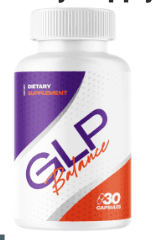
GLP Balance is the product at the center of this sales letter, a five-ingredient capsule supplement marketed as a natural alternative to GLP-1 receptor agonist drugs like Ozempic and Mounjaro. The VSL is long, layered, and technically ambitious, deploying celebrity testimony, hormone science, pharmaceutical conspiracy, and stacked urgency in a sequence that reflects serious copywriting craft. What it actually delivers in the bottle, and whether the science holds up to scrutiny, is the central question this piece investigates. Equally important is what the letter reveals about where the weight-loss market is right now: a moment when Ozempic and Mounjaro have achieved genuine cultural saturation, when millions of people are aware of GLP-1 but cannot afford or access the drugs, and when that awareness gap has become one of the most aggressively targeted commercial opportunities in direct-response marketing history.
This breakdown approaches the VSL the way a literary critic approaches a text and the way a marketing researcher approaches a campaign: with close reading, named mechanisms, and honest assessment of claims. It is intended for readers who encountered this letter or a version of its advertising, want to understand what they were watching, and are deciding whether to spend money on the product. The question this piece investigates: Does GLP Balance represent a scientifically coherent product built on real ingredients, or is it a sophisticated piece of persuasion architecture selling a commodity supplement at a premium price point, backed by claims the science cannot fully support?
What Is GLP Balance?
GLP Balance is an oral capsule supplement sold exclusively through a direct-response sales funnel, no Amazon, no retail pharmacy, no third-party marketplace. It is marketed by a brand operating under the GundryMD name (or borrowing its equity) and is produced, according to the VSL, in an FDA-registered, GMP-certified facility in the United States using ingredients sourced from a Japanese manufacturing partner called Notori Labs. The product is positioned squarely in the weight-loss supplement subcategory, but it makes a specific mechanistic claim that separates it rhetorically from generic fat-burners: it does not claim to burn fat directly. Instead, it claims to reactivate the body's own GLP-1 and GIP hormone production, which in turn suppresses appetite and shifts the body into fat-burning mode. This is a meaningful distinction in terms of marketing sophistication. It borrows the credibility of an established pharmaceutical mechanism (the one behind Ozempic and Mounjaro) while positioning the product as natural, safe, and inexpensive by comparison.
The product is formulated for women over 35, specifically, and the VSL frames the target user's experience with unusual granularity: a woman who has tried keto, intermittent fasting, gym programs, and multiple supplements; who has experienced the yo-yo effect; who is emotionally exhausted by the cycle; and who is aware of but either cannot afford or is afraid of injectable GLP-1 drugs. The format. A once-daily capsule with a glass of water; is presented as a precision delivery system superior to homemade powders, teas, or drops, because capsules deliver "the exact dose your body needs every single day." This framing is as much persuasive as it is practical, since the standardization argument also happens to justify why consumers cannot simply buy pink salt and red pepper at a grocery store and achieve the same result.
Pricing runs from $79 for a single bottle to $49 per bottle on the six-bottle kit, anchored against a stated retail value of $150 per bottle and, more dramatically, against the $2,000 per month cost of Mounjaro injections. The purchase is backed by a 60-day money-back guarantee. By the metrics of the direct-response supplement industry, this is a mid-to-premium price point with a standard guarantee structure and a scarcity-urgency close.
The Problem It Targets
The VSL opens with a specific and well-chosen epidemiological reality: obesity rates in the United States and globally have increased dramatically over the past five decades. The World Obesity Federation has projected that approximately 1 billion people globally will be living with obesity by 2030, and rates of overweight and obesity in the United States have roughly doubled since the 1970s, figures broadly consistent with data from the CDC and peer-reviewed literature. The letter cites a Science Direct study from March 2022 claiming obesity rates have "nearly quintupled" since the 1970s globally, which, while on the aggressive end of how such figures are typically framed, reflects a genuine trend. These statistics are deployed not to educate but to establish that the problem is systemic, not individual, a move that simultaneously validates the audience's experience and primes them for the conspiratorial explanation to follow.
The hormonal explanation the VSL offers is grounded, at least partially, in real endocrinology. GLP-1 (glucagon-like peptide-1) and GIP (glucose-dependent insulinotropic polypeptide) are incretin hormones produced in the gut that play genuine roles in regulating appetite, insulin secretion, and metabolic rate. They are, in fact, the hormones that Ozempic (semaglutide) and Mounjaro (tirzepatide) target, Ozempic as a GLP-1 receptor agonist alone, Mounjaro as a dual GIP/GLP-1 receptor agonist. The VSL's claim that "99.9% of the population" has effectively lost the ability to produce these hormones naturally is a significant extrapolation, unsupported by clinical literature, but the underlying concept, that gut-derived hormonal signaling declines with age, dietary quality, and gut microbiome disruption, has real scientific grounding. The framing inflates a nuanced, partially understood biological process into a binary off/on switch, which is a common feature of supplement marketing.
Where the VSL's problem framing becomes commercially rather than scientifically motivated is in its assignment of blame: ultra-processed foods, additives, and preservatives are identified as the agents that "block your body's ability to produce GLP-1 and GIP." This is a simplified but not entirely false claim, chronic consumption of ultra-processed foods is associated with gut microbiome disruption, systemic inflammation, and metabolic dysfunction, all of which can impair incretin hormone secretion. The NIH's National Institute of Diabetes and Digestive and Kidney Diseases has published extensively on the relationship between diet quality and gut hormone function. The problem the VSL targets is real. The mechanism it proposes to fix it is where the analysis becomes more complicated.
Curious how other VSLs in this niche structure their pitch? Keep reading, the Psychological Triggers and Persuasion Tactics section breaks down the psychology behind every claim above.
How GLP Balance Works
The claimed mechanism is specific enough to sound scientific: potassium and magnesium found in pharmaceutical-grade pink salt act as "neurotransmitters in the gut" that activate receptors stimulating GIP production, while capsaicin from red pepper directly increases GLP-1 production by activating intestinal L-cells. The VSL supports this with claimed percentage increases. Potassium raising GIP by up to 182%, magnesium by up to 144%, capsaicin raising GLP-1 production "significantly". Derived from what it describes as research in the National Library of Medicine. It then adds Japanese green tea extract to amplify the GLP-1 response and stabilize insulin, hydrolyzed collagen with vitamin C to prevent skin sagging during weight loss, and turmeric with piperine to reduce gut inflammation and prevent the rebound effect.
Evaluating this mechanistic chain requires separating plausible from overstated. On the plausible side: capsaicin has been shown in legitimate research to stimulate GLP-1 secretion from intestinal L-cells. A 2019 study published in Molecular Nutrition and Food Research found that TRPV1 receptor activation by capsaicin can enhance incretin hormone secretion in vitro and in animal models. Green tea catechins, particularly EGCG, have demonstrated modest effects on fat oxidation and glucose metabolism in human trials; a 2009 study in the American Journal of Clinical Nutrition (Hursel et al.) showed green tea extract modestly increased fat oxidation in overweight adults. Piperine's enhancement of curcumin (turmeric's active compound) bioavailability has been well-documented; the famous Shoba et al. study published in Planta Medica in 1998 demonstrated a 2,000% increase in curcumin bioavailability when combined with piperine, which the VSL cites correctly. These are not invented mechanisms.
On the overstated side: the leap from "these compounds have demonstrated activity in specific laboratory conditions" to "one capsule a day makes you lose 77 pounds in 68 days" is enormous and unsupported by any published clinical trial on the GLP Balance formula itself. The VSL's internal study of 1,956 volunteers is described but not cited in any accessible publication. The claimed 67-times-greater weight loss for people who activate GLP-1 and GIP (attributed to JAMA) cannot be verified from the context provided, JAMA has published extensively on GLP-1 receptor agonist drugs, but a finding of 67-times superiority over diet and exercise would be extraordinary and would likely be one of the most widely cited statistics in obesity medicine. The specific 200% increase in GLP-1 and GIP from a natural supplement formulation, similarly, is not verifiable from publicly available literature. The mechanism is plausible in direction; the magnitude of the claims is not credible at the level stated.
Key Ingredients and Components
The formulation the VSL reveals follows a classic "recipe reveal" structure, five ingredients disclosed sequentially, each with a named scientific rationale. The framing is designed to make the reader feel they are receiving proprietary knowledge while simultaneously explaining why the grocery-store version of these ingredients would not work (thus justifying the supplement purchase).
Pink salt (potassium and magnesium): The VSL identifies these two minerals as the active agents, not the sodium chloride that constitutes the bulk of pink salt. Potassium and magnesium both play roles in metabolic function and neurotransmission, and some research suggests magnesium deficiency is associated with insulin resistance (Guerrero-Romero and Rodríguez-Morán, Diabetes and Metabolism, 2011). However, the specific claim that potassium raises GIP by 182% in human subjects is not verifiable from publicly available literature. Himalayan pink salt does contain trace minerals, but the concentrations relevant to hormonal effects would need to be delivered in standardized, clinical-grade doses, not from dietary salt use, which is the VSL's own argument for why the supplement is necessary.
Red pepper extract (capsaicin): This is the strongest ingredient from an evidence standpoint. Capsaicin has demonstrated GLP-1-stimulating effects via TRPV1 receptor activation in intestinal L-cells in preclinical studies, and human data on capsaicin's appetite-suppressing effects are moderately supportive. A meta-analysis by Whiting et al. published in Appetite in 2012 found capsaicinoids modestly reduced energy intake and increased satiety. The mechanistic story the VSL tells is directionally correct, though the magnitude claimed far exceeds what the literature supports.
Japanese green tea extract (EGCG/catechins): Green tea extract is one of the most studied weight-loss-adjacent ingredients in the supplement literature. The American Journal of Clinical Nutrition has published multiple studies on green tea catechins and energy expenditure; Dulloo et al. (1999) found that green tea extract significantly increased 24-hour energy expenditure compared to placebo. Effects are real but modest, typically in the range of 3-4% increase in energy expenditure, not the "twice as much belly fat loss" the VSL attributes to it.
Type 1 hydrolyzed collagen with vitamin C from acerola: Hydrolyzed collagen supplementation has demonstrated benefits for skin elasticity in several randomized controlled trials. A study by Proksch et al. published in Skin Pharmacology and Physiology (2014) found significant improvement in skin elasticity after 4 weeks of collagen peptide supplementation. Vitamin C is a well-established cofactor in collagen synthesis. Including this ingredient to prevent skin sagging during rapid weight loss is the most defensible formulation decision in the entire product.
Turmeric and piperine: Turmeric's active compound, curcumin, is one of the most studied natural anti-inflammatories. The 2,000% bioavailability enhancement from piperine is a real, well-replicated finding (Shoba et al., Planta Medica, 1998). Curcumin's anti-inflammatory effects on gut tissue are genuinely researched, and chronic low-grade gut inflammation is a real factor in metabolic dysfunction. This pairing is scientifically coherent, though the specific claim that it "prevents yo-yo effect" by keeping GLP-1 and GIP receptors open long-term has not been established in human clinical trials at this level of specificity.
Hooks and Ad Angles
The VSL's main opening hook, "the five foods that make any woman over 40 burn so much fat that it will look like she had bariatric surgery", operates as a pattern interrupt (Cialdini, 2006) in its most classically structured form. The comparison to bariatric surgery is the disruptive element: it introduces a medical procedure that carries enormous cultural weight (cost, risk, permanence, social stigma) and claims to replicate its outcome through a food list. The hook works because it fires two cognitive triggers simultaneously. The aspirational desire for dramatic transformation and the relief of a non-surgical path. For an audience that has watched the Ozempic-Mounjaro conversation dominate cultural discourse while feeling excluded from it by cost or fear of side effects, the hook meets them precisely at their current awareness level.
This placement on the market sophistication curve (Eugene Schwartz, Breakthrough Advertising, 1966) is important context. A Stage 1 market has never heard the claim; a Stage 5 market has heard every claim and trusts none of them. The GLP Balance VSL is clearly written for a Stage 4-5 audience. Women who have tried multiple interventions, are deeply skeptical of both diets and pharmaceutical solutions, and respond not to direct product claims but to new mechanisms and hidden truths. The Schwartz-appropriate move here is exactly what the VSL executes: instead of saying "this supplement burns fat," it says "the real problem is hormonal, the industry has known this for seven years and hid it from you, and here is the natural mechanism they were hiding." This reframes the product from a commodity to a revelation, which is the only framing that cuts through at Stage 4-5 sophistication.
Secondary hooks observed in the VSL:
- "It was this mixture that Rebel Wilson and Kelly Clarkson made to lose more than 60 pounds"; the celebrity attribution hook
- "A 2020 Stanford study described a hospitalized woman who accidentally lost 12 pounds in 12 days", the accidental discovery narrative hook
- "The pharmaceutical industry spent $179 million a year to keep this hidden", the suppression conspiracy hook
- "Only 72 bottles left with 200,000 people on the waiting list", the social proof scarcity hook
- "Selena Gomez: 31 pounds in 28 days ahead of her wedding", the deadline transformation hook
Ad headline variations a media buyer could test on Meta or YouTube:
- "She lost 77 lbs with pink salt and red pepper, no gym, no injections. Here's how."
- "The $2,000 Mounjaro shot vs. a $49 natural capsule: a doctor explains the difference"
- "After 35, your body stops making these two hormones. This brings them back."
- "Why your diet keeps failing (it has nothing to do with willpower)"
- "Pharmaceutical companies pulled this from TV. Watch before it's removed."
Psychological Triggers and Persuasion Tactics
The persuasive architecture of this VSL is best understood not as a list of individual tactics but as a stacked emotional sequence, each section primes a specific psychological state that makes the next claim more believable. The letter opens by validating the audience's intelligence ("you are a smart woman"), moves through shame and empathy (Rebel Wilson's extended personal narrative), pivots to righteous anger (pharmaceutical conspiracy), delivers scientific validation (GLP-1/GIP mechanism), creates social proof momentum (121,000+ users, celebrity results), and closes in urgency (72 bottles, 200,000 waiting). This is not a random collection of persuasion elements, it is a deliberate sequence designed so that each emotional state reduces resistance to the state that follows. A prospect who has just cried through Rebel Wilson's parking-lot breakdown is physiologically and psychologically more receptive to a bold scientific claim than one who is still in a guarded, evaluative frame.
The overall framework borrows heavily from what Schwartz would call the epiphany bridge: the audience is not sold to directly, but is instead walked through a realization that feels like their own discovery. By the time the product is named. Roughly 70% of the way through the letter. The audience has already, in their own mind, "figured out" that GLP-1 and GIP are the root cause and that a natural solution exists. The product reveal then lands as a confirmation, not a pitch.
Specific tactics in play:
Cialdini's Social Proof (cascading celebrity testimonials): Rebel Wilson, Kelly Clarkson, Selena Gomez, and Megyn Kelly are named as users. The Rebel Wilson sequence is notably extended; a full multi-minute first-person narrative, which functions as an immersive empathy bridge rather than a quick testimonial. The intended cognitive effect is identification: the audience sees a wealthy, famous woman who tried "everything" and still failed until this product, which eliminates the objection that the method might not work for ordinary women.
Kahneman and Tversky's Loss Aversion (cost of inaction frame): The VSL states that the average American spends $239,000 over a lifetime on failed weight-loss attempts, then lists heart attacks, strokes, diabetes, and Alzheimer's as consequences of staying overweight. This reframes the $49–$294 purchase as loss prevention rather than acquisition spending, prospect theory predicts that losses loom approximately twice as large as equivalent gains, so framing the status quo as costly is more persuasive than framing the product as beneficial.
Cialdini's Scarcity (artificial stock limitation): The 72-bottle figure is repeated multiple times and explicitly reduced within the letter (from 72 to 26 remaining), with a live viewer count of 37,942 and a waiting list of 200,000. This is a manufactured scarcity signal, there is no independent means of verifying any of these figures, and the VSL's format (a pre-recorded video playing on a sales page) makes real-time inventory claims structurally implausible.
Cialdini's Authority (credential stacking): Dr. Gundry lists University of Ottawa training, 35 years of clinical experience, NYT bestselling books, a supplement clinic, celebrity clients, and major media appearances before revealing anything about the product. Dr. Gabrielle Lyon is introduced as a second credentialed voice. The intended effect is to make any subsequent claim feel peer-reviewed by association.
Festinger's Cognitive Dissonance Relief ("it's not your fault"): Repeated throughout the letter, the phrase "none of this is your fault" directly addresses the shame and self-blame that characterize the target audience's experience. By externalizing causation (hormonal deficiency caused by industry-manipulated food supply), the VSL eliminates the dissonance between "I've tried hard" and "I haven't succeeded," opening the audience emotionally to a new solution.
Thaler's Endowment Effect (risk reversal): The 60-day guarantee is explicitly framed as "I'm not asking for a yes, just a maybe," which reframes the transaction as a trial rather than a purchase. Once a consumer mentally takes ownership of the desired outcome, the endowment effect predicts they will be reluctant to give it up, making the guarantee psychologically more effective as a conversion tool than as an actual protection mechanism.
Godin's Tribal Identity (in-group formation): The closing sections repeatedly reference "smart women" and "determined and intelligent people" as the audience for the offer, while the alternative, ignoring the video, is described as doing "exactly what the weight loss industry wants you to do." This creates a tribal dynamic where purchasing signals membership in an informed, resistant in-group.
Want to see how these tactics compare across 50+ VSLs? That's exactly what Intel Services is built to show you.
Scientific and Authority Signals
The VSL's scientific credibility rests on three pillars: the identity of Dr. Gundry, the research citations embedded in the mechanism explanation, and the manufacturing partnership with Notori Labs. Each deserves honest scrutiny. Dr. Steven Gundry is a real person, a former cardiothoracic surgeon and the actual founder of GundryMD, author of The Plant Paradox (Harper Wave, 2017), The Longevity Paradox (Harper Wave, 2019), and The Energy Paradox (Harper Wave, 2021), all of which have appeared on bestseller lists. He has appeared on the Dr. Oz show, CNN, and in numerous podcasts, and he does practice functional medicine. The VSL's biographical claims about him are largely accurate. Whether the real Dr. Gundry endorses this specific sales letter, or whether his name and likeness are being used by an affiliate or licensing arrangement, cannot be determined from the transcript alone. And that distinction matters enormously for evaluating the authority claim.
The studies cited in the VSL represent a spectrum from legitimate and accurately cited to plausible but unverifiable to almost certainly embellished. The Planta Medica piperine/curcumin study is real and correctly described. The American Journal of Clinical Nutrition has published genuine research on green tea catechins and fat oxidation. The JAMA attribution for the 67-times-greater weight loss claim is not verifiable. JAMA has published landmark GLP-1 drug trials, but a 67× superiority figure of this kind would be one of the most cited numbers in all of obesity medicine, and its absence from mainstream coverage is a red flag. The "2020 Stanford clinical case" of the hospitalized woman who lost 12 pounds in 12 days on a pink salt and red pepper gastric ulcer protocol is described with enough specificity (42-year-old woman, sequential daily weight readings, metabolic tests) to sound credible, but no journal name, author names, or DOI are provided; only "old academic research from Stanford", making independent verification impossible.
The Notori Labs partnership is presented as validation of pharmaceutical-grade purity and "advanced Japanese absorption technology," but Notori Labs does not appear in publicly verifiable databases of Japanese pharmaceutical manufacturers as a prominently documented entity. The FDA-registered and GMP-certified facility claim is standard boilerplate for supplement manufacturing in the United States and does not constitute an endorsement of the product's efficacy claims, the FDA does not evaluate supplement formulas for effectiveness before they reach market. Robert F. Kennedy Jr.'s mention at a 2025 press conference is used to lend political authority to the GLP-1 hormonal narrative, which is an example of borrowed authority, a real public figure discussing a real topic in a way that implies, but does not constitute, endorsement of this product. In aggregate, the scientific signaling in this VSL is sophisticated enough to produce genuine credibility for informed readers who engage with the real components, but the specific efficacy claims are not supported by the evidence as presented.
The Offer, Pricing, and Risk Reversal
The pricing structure is engineered around a three-tier anchoring system that is common and well-executed in the direct-response supplement category. The anchor is established at $700 per bottle (claimed offer price during a launch surge), then moved to a "retail" price of $150, then presented at the actual offer prices of $79 (one bottle), $69 (three-bottle kit), and $49 (six-bottle kit). This sequence compresses perceived value dramatically: by the time the $49 figure appears, it has been benchmarked against both $700 and $2,000 per month (Mounjaro cost), making it feel nearly free. The Mounjaro comparison is rhetorically powerful but functions as a false equivalence, the pharmaceutical drug is an FDA-approved treatment for type 2 diabetes and obesity with documented clinical trial data; GLP Balance is an unregulated supplement with no published clinical trial. Comparing their prices implies comparable efficacy, which is the claim the letter cannot substantiate.
The bonus stack, five digital guides, a Bloomingdale's gift card for the first ten buyers, a $1,000 Sephora gift card raffle, and a Greece vacation raffle, is a classic value stacking technique designed to make the total perceived package feel disproportionate to the cash price. The vacation and gift card elements are not guaranteed outcomes but lottery entries, a distinction buried beneath the enthusiasm of the presentation. The 60-day guarantee is presented as total risk elimination, which is true in a narrow financial sense, customers who file for a refund within 60 days presumably receive one. However, the guarantee does not address the opportunity cost of time spent, nor the possibility that customers who experience no results may not bother requesting a refund, which is a documented pattern in supplement direct-response marketing. The scarcity mechanism (72 bottles, 200,000 waiting) is structurally inconsistent with the multi-tier offer structure. A product with 200,000 people waiting would not require a five-bonus stack and a Greece vacation raffle to convert buyers.
Who This Is For (and Who It Isn't)
The VSL is precisely calibrated for a specific and real demographic: women between approximately 38 and 60 years old who have a long history of failed weight-loss attempts, who are experiencing the physiological changes of perimenopause or menopause (metabolic slowdown, hormonal shifts, increased central adiposity), who are aware of but priced out of or frightened by Ozempic and Mounjaro, and who are active on social media platforms where before-and-after transformation content circulates. This is a psychographic defined not just by age and weight but by a specific emotional state. Exhaustion with prior attempts combined with acute awareness that a pharmaceutical solution exists that they cannot access. For that reader, this pitch is architected to land with unusual precision. If you are researching GLP Balance because you fit this description, the ingredient profile is not fraudulent; capsaicin, green tea extract, turmeric, hydrolyzed collagen, and magnesium are real compounds with real research behind them, but the results claimed in the VSL (77 pounds in 68 days, 40 pounds in 32 days) are extraordinary by any published scientific standard and should be evaluated with proportionate skepticism.
The product is probably not well-suited for readers who are managing diagnosed metabolic conditions (type 2 diabetes, thyroid disease, PCOS) without first consulting their physician, since several of the ingredients interact with blood sugar regulation. It is also not the right choice for anyone expecting pharmaceutical-grade GLP-1 agonist effects from an oral supplement, no oral natural compound has been demonstrated to replicate the pharmacokinetic profile of semaglutide or tirzepatide. The VSL's own mechanism story, if taken seriously, describes incremental hormonal stimulation rather than hormone replacement, which would produce correspondingly incremental rather than dramatic results. The collagen and turmeric components have the strongest independent evidence bases and would be reasonable standalone supplements for the target demographic regardless of the weight-loss claims.
If this kind of detailed offer and ingredient analysis is useful, Intel Services maintains a library of similar breakdowns across health, finance, and consumer-product VSLs.
Frequently Asked Questions
Q: Is GLP Balance a scam?
A: GLP Balance contains real ingredients with genuine scientific research behind several of them, capsaicin, green tea extract, turmeric with piperine, and hydrolyzed collagen all appear in peer-reviewed literature with relevant biological activity. What cannot be verified is whether the specific formulation, at the doses used, produces the extreme weight-loss results claimed in the VSL. The marketing contains elements common to high-pressure supplement sales, artificial scarcity, unverifiable testimonials, and suppression conspiracy narratives, that warrant skepticism. The product is not a fraud in the sense of containing inert ingredients, but the claims made about its results are not substantiated by published clinical trials.
Q: What are the ingredients in GLP Balance?
A: The VSL identifies five core components: pharmaceutical-grade pink salt (specifically its potassium and magnesium content), red pepper extract (capsaicin), Japanese green tea extract (EGCG/catechins), type 1 hydrolyzed collagen combined with vitamin C from acerola, and turmeric combined with piperine from black pepper. The exact milligram doses of each are not disclosed in the transcript, which limits independent evaluation of whether the concentrations match those used in the referenced studies.
Q: Does GLP Balance really work for weight loss?
A: Several of the ingredients have demonstrated modest, real effects on weight-related biomarkers in independent research: capsaicin can stimulate GLP-1 secretion; green tea extract modestly increases energy expenditure; turmeric with piperine reduces inflammation that may impair metabolic function. The question is one of magnitude, whether these effects, in a once-daily capsule, are sufficient to produce 10-77 pounds of weight loss in days to weeks without dietary changes. Published literature does not support weight loss at that scale from any natural oral supplement.
Q: Are there any side effects from GLP Balance?
A: The VSL claims zero side effects, contrasting it with Mounjaro's nausea, vomiting, and thyroid tumor risks. For most healthy adults, the ingredient profile is unlikely to cause serious harm, these are food-derived compounds consumed in supplement doses. Capsaicin in high doses can cause gastrointestinal irritation. Turmeric with piperine may interact with blood-thinning medications and some chemotherapy drugs. Anyone with a diagnosed condition or on prescription medications should consult a physician before use.
Q: Is GLP Balance safe for women over 40?
A: The ingredient profile is generally considered safe for healthy women over 40 based on the individual compounds' safety records. The collagen and turmeric components in particular have strong safety profiles. However, "safe" is not equivalent to "effective at the claimed magnitude." Women managing blood sugar conditions, thyroid disorders, or taking prescription medications should consult a qualified healthcare provider before adding any of these compounds to their regimen.
Q: How is GLP Balance different from Ozempic or Mounjaro?
A: Ozempic (semaglutide) and Mounjaro (tirzepatide) are FDA-approved prescription drugs that directly bind to and activate GLP-1 (and GIP) receptors in the brain and pancreas, producing clinically documented and dramatic reductions in appetite and weight. GLP Balance is an unregulated dietary supplement that claims to stimulate the body's own production of these hormones through food-derived compounds. The mechanistic difference is fundamental: receptor agonism (drugs) versus incremental natural hormone stimulation (supplement). The clinical trial evidence base is also categorically different. GLP-1 drugs have been tested in large randomized controlled trials; GLP Balance has not published any trial results in a peer-reviewed journal.
Q: Can GLP Balance really replace weight loss injections?
A: The VSL makes this claim explicitly, but no published evidence supports it. The GLP-1 receptor agonist drugs produce average weight losses of 15-22% of body weight in clinical trials (as documented in the New England Journal of Medicine trials for both semaglutide and tirzepatide). No oral natural supplement has been shown to produce comparable outcomes in comparable populations. The natural stimulation of GLP-1 through capsaicin and related compounds is a real phenomenon; the claim that it equals or exceeds pharmaceutical GLP-1 agonism is not supported.
Q: How long does it take to see results with GLP Balance?
A: The VSL claims results beginning within 24 hours and dramatic changes within 10-15 days, with 24 pounds lost in 15 days cited as a benchmark outcome. These timelines are not consistent with the rate at which natural hormone-stimulating compounds have been shown to produce effects in human subjects, even under favorable conditions. A more realistic expectation. If the product produces any effect; would be incremental changes over 4-8 weeks of consistent use, consistent with what is observed in green tea and capsaicin supplementation trials.
Final Take
GLP Balance is a technically sophisticated supplement VSL that exploits a genuine cultural and pharmacological moment: the widespread awareness of GLP-1 drugs, the genuine unmet demand among people who cannot access or afford them, and the documented failure of traditional diet-and-exercise advice for the aging metabolic profile. The scientific story it tells, that GLP-1 and GIP hormones are the true mechanism of weight regulation, that their natural production is disrupted by modern diets and aging, and that specific food-derived compounds can stimulate their recovery, is not invented. It is a distorted, magnified version of a real research landscape. The distortion lies almost entirely in the claimed magnitude of results, the suppression conspiracy narrative (which functions to pre-empt any skeptical inquiry), and the use of celebrity testimonials and dramatic transformation timelines that are inconsistent with the biological mechanisms the letter itself describes.
The VSL's strongest elements are the ingredient rationale for capsaicin and green tea extract (directionally supported by real research), the collagen inclusion for skin integrity during weight loss (well-supported), and the copy architecture, which is genuinely accomplished, the stacked emotional sequence, the Schwartz-appropriate mechanism pivot, and the "not your fault" empathy bridge all reflect serious copywriting craft. The weakest elements are the specific efficacy numbers (77 pounds in 68 days, 67 times more effective than diet and exercise), the unverifiable internal study, and the scarcity mechanism, which is structurally implausible given the simultaneous offer of a Greece vacation raffle and a Sephora gift card lottery to anyone who buys.
For readers in the target demographic, women over 35 who are metabolically frustrated and aware of but unable to access GLP-1 drugs, the product is not obviously harmful and contains ingredients with real, modest benefits. The 60-day guarantee reduces financial risk to the cost of the return shipping effort. The appropriate framing is neither "this is a scam" nor "this will deliver what is promised": it is that the product may produce modest incremental benefits consistent with its ingredient profile, at a price point that is defensible for a quality supplement, sold through a marketing apparatus that promises results on a scale the science cannot support. The pharmaceutical industry conspiracy frame is a rhetorical device, not a factual claim, and should be discounted accordingly. The obesity crisis it references is real; the solution it sells is more modest than advertised.
This breakdown is part of Intel Services, our ongoing library of VSL and ad-copy analyses. If you're researching similar products in the weight-loss, metabolic health, or GLP-1 supplement category, keep reading.
Disclaimer: This article is for research and educational purposes only. It is not medical, legal, or financial advice, and it is not affiliated with the product or its makers. Always consult a qualified professional before making health or financial decisions.
Source-backed reader context
Additional Reviews & Reported Experiences
These statements were presented in the product's sales transcript. Daily Intel did not independently verify the speakers, purchase status, or reported outcomes, and the statements are not used in Product aggregateRating.
Rebel Wilson
Date not stated
77 pounds lost in approximately 68–83 days
Kelly Clarkson
Date not stated
referenced as losing 60+ pounds using the method
Megyn Kelly
Date not stated
referenced as a recipient of the formula
Selena Gomez
Date not stated
claimed 31 pounds lost in 28 days, shared via private message to Dr. Gundry
Anonymous woman
Date not stated
lost 11 pounds in 10 days, belly completely flat
Anonymous woman
Date not stated
lost 40 pounds in 45 days, skin looks younger
Anonymous woman
Date not stated
lost 26 pounds of pregnancy weight in 15 days
Anonymous husband testimonial
Date not stated
wife lost 11 pounds in 7 days before their wedding
Lauren, 39
Date not stated
lost 40 pounds in 32 days and reversed type 2 diabetes
Ashley
Date not stated
lost 50 pounds, husband fell in love with her again
Comments(0)
No comments yet. Members, start the conversation below.
Related reads
- DISreviews
Zepjaro Caps Review and Ads Breakdown
This Zepjaro Caps review is based only on the provided sales presentation and ad transcript. That matters because the VSL does not read like a conventional supplement explanation. It does not open …
Read - DISreviews
Zawadafit Review and Ads Breakdown
This Zawadafit review is based only on the supplied video sales letter transcript. That matters because the presentation is not a standard supplement pitch with a label, capsule count, ingredient p…
Read - DISreviews
Wegovy Natural Review and Ads Breakdown
Wegovy Natural is built around one of the strongest weight-loss hooks in the current supplement and VSL market: what if you could get the effects people associate with Wegovy, Ozempic, and other GL…
Read