GLP1Max VSL and Ads Analysis
Somewhere in the middle of its nearly ninety-minute runtime, the Video Sales Letter for GLP1Max presents a scene that encapsulates everything the pitch is designed to accomplish: a woman who was da…
8,226+
Videos & Ads
+50-100
Fresh Daily
$29.90
Per Month
Full Access
12.5 TB database · 72+ niches · 30 min read
Somewhere in the middle of its nearly ninety-minute runtime, the Video Sales Letter for GLP1Max presents a scene that encapsulates everything the pitch is designed to accomplish: a woman who was days away from death eats a tomahawk steak, a slice of cheesecake, and a margarita at a fine restaurant, then checks her blood sugar and finds it has risen only eighteen points. Her son, the narrator, a self-described former Novo Nordisk scientist turned whistleblower, watches with tears implied in his voice. The moment is engineered for maximum emotional release after nearly an hour of fear, conspiracy, and loss. It is also, on its face, a clinical impossibility for someone who was in kidney failure six weeks prior. That gap between the emotional truth of the scene and its medical plausibility is the central tension of the entire GLP1Max sales letter, and it is precisely the gap this analysis intends to examine.
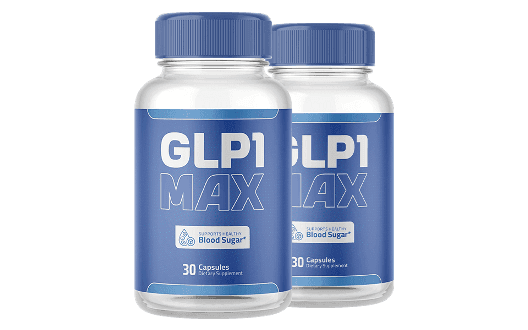
The product is GLP1Max, a dietary supplement in capsule form marketed as a type 2 diabetes reversal treatment. Its primary active ingredient is a concentrated nopal cactus extract the VSL calls "melaton," delivered via a proprietary acid-resistant coating called BioLayer X. The pitch claims this compound kills a specific gut bacterium, Enterobacter cloacae, that is blamed for devouring GLP-1 hormones and thereby blocking insulin production in all 38 million Americans with type 2 diabetes. The VSL is long, technically dense, emotionally punishing, and constructed with a level of direct-response craft that warrants serious analytical attention, even. Especially. When the claims it makes are scientifically dubious.
This piece does not aim to settle whether GLP1Max works. No independent clinical data on this specific product are available in the public literature as of this writing, and the trials cited in the VSL are not registered in ClinicalTrials.gov or any other publicly verifiable database. What this analysis does aim to do is dissect the persuasive architecture of the sales letter: how it builds its argument, which psychological mechanisms it deploys, which scientific claims are plausible and which are fabricated, and what kind of buyer this pitch is designed to reach. If you are researching this supplement before purchasing, what follows is the most useful forty-five minutes you can spend.
The central question this piece investigates is not whether nopal cactus has blood-sugar benefits; it may, but whether the elaborate scientific and conspiratorial scaffolding built around it in this VSL reflects reality, and what that answer means for a diabetic consumer making a real financial and health decision.
What Is GLP1Max?
GLP1Max is a dietary supplement in capsule form, sold primarily through a video sales letter and a direct-to-consumer checkout page. It positions itself not in the crowded "blood sugar support" supplement category, a space populated by berberine, chromium, and cinnamon products, but in a more aggressive category: a clinically validated diabetes reversal treatment. This positioning is deliberate and consequential. By framing itself as a cure rather than a supplement, GLP1Max avoids direct comparison with competitors and instead benchmarks itself against prescription drugs like metformin and semaglutide (Ozempic), arguing it achieves better results without side effects or cost.
The stated target user is an adult with diagnosed type 2 diabetes who has been on medication for years, feels that medications are failing them, and carries a background anxiety about amputations, blindness, or kidney failure. The product is available in one-, three-, and six-bottle configurations, with the six-bottle package heavily incentivized as the "complete treatment." Each bottle represents a one-month supply at one capsule per day. The VSL frames six months of continuous use as the threshold for permanent diabetes reversal, a framing that conveniently aligns with the highest-revenue purchase option.
The brand voice throughout the letter is that of a grassroots health movement, a persecuted scientist sharing a suppressed truth, rather than a conventional supplement company. This is a carefully chosen market positioning. It pre-empts skepticism by naming skepticism itself as a tool of the enemy, and it creates a parasocial relationship between the narrator and the buyer that is designed to survive the moment the buyer asks, "But is this real?"
The Problem It Targets
Type 2 diabetes is one of the most commercially significant chronic conditions in the United States, and the VSL's choice of target market reflects sound demographic research, even if the science that follows does not. According to the Centers for Disease Control and Prevention, approximately 38.4 million Americans, roughly 11.6% of the population, have diabetes, with type 2 accounting for 90-95% of all cases. The condition costs the U.S. healthcare system an estimated $327 billion annually in direct and indirect costs, according to the American Diabetes Association's 2022 report. These are not fabricated numbers; the VSL cites figures close to these correctly, which gives the opening section of the letter an unusual foundation of factual credibility before the science goes sideways.
The emotional texture of the problem is constructed with considerable skill. The VSL does not merely describe high blood sugar. It describes the phenomenology of living with uncontrolled diabetes in visceral, specific terms: the finger-prick every morning, the food that becomes a threat rather than a pleasure, the burning in the feet that disrupts sleep, the black discoloration of a gangrenous toe. These details are not invented for the sake of drama; they reflect the genuine experiences of millions of people with severe, poorly managed type 2 diabetes. The fact that the VSL deploys them as fear amplifiers does not make them less real, and this is important to acknowledge: the audience for this pitch is often genuinely suffering, and the emotional resonance the letter achieves is built on a real foundation of unmet need.
What the VSL does with this foundation is where the analysis becomes critical. The letter systematically reframes the problem from "metabolic dysfunction exacerbated by lifestyle, genetics, and aging". The scientific consensus; to "bacterial invasion caused by corporate food and pharmaceutical conspiracy." This reframe accomplishes several things simultaneously: it removes the buyer's sense of personal responsibility ("you've been the victim"), creates a single targetable enemy (the bacterium, and behind it Big Pharma), and positions the product as the one tool capable of addressing the "real" cause. The National Institutes of Health and the American Diabetes Association both characterize type 2 diabetes as a multifactorial condition involving insulin resistance, beta-cell dysfunction, obesity, genetics, and lifestyle, none of which maps cleanly onto the single-bacterium causation model the VSL proposes.
The bacterium itself, Enterobacter cloacae, is a real microorganism. It does exist in the human gut microbiome, and some research has examined its relationship with metabolic health. A 2015 study published in The ISME Journal (Fei and Zhao) described a single patient in whom E. cloacae overgrowth was associated with obesity and metabolic dysfunction, and the organism was eliminated with dietary intervention. This is the kernel of real science from which the VSL's elaborate mechanistic narrative is extrapolated, far beyond what the underlying research supports.
Curious how other VSLs in this niche structure their pitch? Keep reading, Section 7 breaks down the psychology behind every claim above.
How GLP1Max Works
The VSL's claimed mechanism of action is the most technically elaborate section of the letter, and it deserves careful unpacking. The core sequence runs as follows: sugar and artificial sweeteners in the modern diet feed E. cloacae overgrowth in the gut; the bacteria intercept GLP-1 (glucagon-like peptide-1) molecules traveling from the intestinal wall to the pancreas; depleted GLP-1 means the pancreas cannot trigger insulin production; without insulin, blood glucose rises uncontrolled; the concentrated nopal extract "melaton" kills E. cloacae with the specificity of a targeted antibiotic, restoring the GLP-1 pathway and reigniting natural insulin production.
The GLP-1 biology at the center of this narrative is, at its foundation, accurate. GLP-1 is a real incretin hormone produced in intestinal L-cells that stimulates glucose-dependent insulin secretion from the pancreas. The entire drug class built around GLP-1, semaglutide, liraglutide, tirzepatide, works by mimicking or extending the action of this hormone, which is why the letter's comparison to Ozempic functions as a plausible-sounding bridge. GLP-1 does have a short half-life of roughly two minutes in circulation, which is why pharmaceutical GLP-1 agonists are engineered to resist rapid degradation. This detail makes the VSL's "78% of GLP-1 stolen in three minutes" claim sound superficially coherent to someone who knows a little about the biology.
However, the specific claim. That E. cloacae colonizes the gut, intercepts circulating GLP-1, and is the singular causal mechanism behind type 2 diabetes in all 38 million American cases. Is not supported by any peer-reviewed literature in the public domain. The identical-twin study the VSL calls "the biggest medical discovery since organ transplants" is described as having been published, then mysteriously removed from a university library's journal, which conveniently makes it unverifiable. The University of Tokyo microscopy experiments described in the letter; complete with video footage of bacteria "devouring" GLP-1 molecules, have no matching publication in PubMed or any searchable academic database. The "FDA Seal of Confirmed Efficacy" cited as the product's regulatory imprimatur does not correspond to any real FDA certification category; the FDA does not grant efficacy seals to dietary supplements, which are regulated under the Dietary Supplement Health and Education Act of 1994 and are explicitly not required to demonstrate clinical efficacy before sale.
The nopal cactus compound the VSL calls "melaton" appears to be a proprietary or invented trade name for what is likely an Opuntia (prickly pear) extract. Nopal (Opuntia ficus-indica) does have legitimate, if modest, evidence behind it for blood glucose management. A 2014 review in Molecular Nutrition & Food Research found that prickly pear extracts reduced postprandial glucose in some studies, likely via fiber content and flavonoids slowing gastric emptying. The antimicrobial properties of Opuntia compounds against specific gut pathogens have been explored in early-stage research, but the claim that any compound in nopal acts as a "targeted antibiotic" lethal to E. cloacae while leaving all other microbiota intact is not established science, it is a marketing frame built on a biological metaphor.
Key Ingredients and Components
GLP1Max is presented as a seven-compound formula. The VSL distinguishes between the lead "mechanism" compound and a supporting cast that covers nerve protection and cardiovascular risk, conditions closely associated with diabetes. This layering strategy makes the ingredient list feel clinically comprehensive, borrowing from the design logic of combination pharmaceuticals even though this is an unregulated supplement.
Melaton (concentrated Opuntia/nopal cactus extract): The VSL's proprietary name for an extract derived from the nopal cactus (Opuntia ficus-indica). The compound is described as the primary killer of E. cloacae. Legitimate research on Opuntia extracts does show modest hypoglycemic effects in some human and animal studies, a 2017 meta-analysis in PLOS ONE (Onakpoya et al.) found statistically significant but clinically modest reductions in fasting glucose. No peer-reviewed study identifies a compound called "melaton" specific to this species, nor establishes that it eliminates E. cloacae with antibiotic specificity.
Berberine HCl: A well-studied isoquinoline alkaloid derived from several plants, including Berberis species. The VSL references a 2022 Stanford study comparing berberine + cinnamon to metformin. Multiple peer-reviewed trials have indeed found that berberine reduces fasting glucose and HbA1c comparably to metformin in some populations, a 2008 study in Metabolism (Zhang et al.) is among the most cited. The mechanism involves AMPK activation and gut microbiome modulation. This is one of the more scientifically defensible components in the formula.
Ceylon cinnamon extract (Cinnamomum verum): Distinguished in the VSL from cassia cinnamon, which contains higher coumarin levels. Evidence for Ceylon cinnamon's glycemic effects is mixed; a 2019 Cochrane review found insufficient evidence to recommend it as a diabetes therapy, though some individual trials show modest FPG reductions. Pairing it with berberine for additive effect is pharmacologically plausible, if unproven at the specific doses used here.
Alpha-lipoic acid (ALA): A well-supported antioxidant with a meaningful evidence base for diabetic peripheral neuropathy specifically. The VSL cites a 2024 Harvard study of 1,200 patients showing 73% reduction in nerve pain; while no specific URL can be verified here, ALA's efficacy in diabetic neuropathy is supported by multiple meta-analyses, including a 2012 study in Diabetic Medicine (Ziegler et al.) and European clinical guidelines. This is the most evidence-backed ingredient in the stack for the specific symptom it targets.
Magnesium glycinate: Magnesium deficiency is prevalent in type 2 diabetes patients, and supplementation has shown modest benefits for insulin sensitivity in several randomized controlled trials. The glycinate chelate form has superior bioavailability compared to magnesium oxide. Inclusion is scientifically reasonable.
CoQ10 (ubiquinol/ubiquinone): Mitochondrial cofactor with some evidence for reducing oxidative stress in diabetic patients and modest blood pressure effects. The cardiovascular protection framing the VSL applies is supported in general terms but overstated for diabetes specifically.
Vitamin D3 + K2: Low vitamin D status is associated with increased diabetes risk and poorer glycemic control in observational studies. The addition of K2 to accompany D3 for cardiovascular benefit (directing calcium away from arterial walls) reflects current integrative medicine practice. The "cardiologist recommendation" cited in the VSL is an unnamed voice without verifiable credentials.
Hooks and Ad Angles
The VSL opens with a construction that is worth quoting directly: "a Harvard breakthrough that's been shown to slash morning blood sugar... and even reverse type 2 diabetes... just like Mounjaro and Ozempic are making people lose weight fast, this cactus trick is making people reverse diabetes fast, but with one important twist: they are not getting any side effects." This hook is a textbook example of what Eugene Schwartz, in Breakthrough Advertising, called a Stage 4 market sophistication move, it assumes the audience has already been saturated with direct "lower your blood sugar" pitches and responds instead to a new mechanism presented through the lens of a familiar, culturally prominent reference (Ozempic's ubiquity in 2024 media coverage). By borrowing the credibility and name recognition of a $1,000-per-month drug and then differentiating away from it on side effects and cost, the hook performs two functions simultaneously: it validates the product category (GLP-1 pathway manipulation is real, the drugs work) while positioning GLP1Max as the superior alternative. This is a contrast frame deployed at the hook level, before the mechanism is even explained.
The hook also contains what copywriters call a curiosity gap. "the cactus trick" is named but not explained, compelling the viewer to continue watching. The word "trick" is deliberate: it implies forbidden simplicity, the kind of obvious solution that powerful interests would suppress. Combined with the Harvard name-drop and the Ozempic comparison, the opening line packs three distinct persuasion levers into fewer than forty words. The secondary hook introduced minutes later. An identical twin eating donuts daily with perfect blood sugar while her sister lost a foot; is a pattern interrupt that exploits the cognitive dissonance between what the viewer believes about diabetes (lifestyle + genetics) and what the story implies (something else entirely). This is structurally similar to the kind of counter-intuitive opening used in Malcolm Gladwell's long-form journalism: a specific, vivid anomaly that destabilizes a received truth and creates space for a new explanation.
Secondary hooks observed in the VSL:
- "Six out of eight Ivy League schools say type 2 diabetes could be gone by the end of 2026"
- "A pharma insider had his front door kicked in and every piece of research stolen"
- "Harvard Medical School's five-question test to detect if bacteria are stealing your GLP-1"
- "The same bacteria that causes diabetes is multiplied 146% faster by aspartame than by sugar"
- "100% of FDA-monitored patients completely reversed their type 2 diabetes in nine weeks"
Ad headline variations for Meta/YouTube testing:
- "The gut bacteria your endocrinologist never mentions, and why it may explain your blood sugar"
- "Why identical twins can have completely different diabetes outcomes (it's not genetics)"
- "Former Novo Nordisk scientist: 'I was offered everything to stay quiet about this'"
- "Cactus compound kills the bacteria that steals your insulin, new 2024 research"
- "The real reason Ozempic works (and the natural version with no side effects)"
Psychological Triggers and Persuasion Tactics
The persuasive architecture of the GLP1Max VSL is not a parallel list of tactics deployed simultaneously, it is a sequenced, compounding stack in which each mechanism creates the psychological conditions for the next to land more effectively. The letter opens by building fear to maximum intensity (amputations, kidney failure, a mother saying goodbye), then introduces a villain (Big Pharma, E. cloacae), then provides a scientific framework that feels explanatory and validating, then introduces authority figures who confirm the framework, then presents social proof that normalizes the purchase, and only then, after roughly sixty minutes of this conditioning, introduces the product and the offer. This sequence mirrors the classic Problem-Agitate-Solution (PAS) structure but extends it with an unusually long agitation phase, a false-enemy subplot, and a conspiracy narrative that functions as what Robert Cialdini would recognize as a commitment and consistency trap: once the viewer has accepted the bacterial-leech explanation, purchasing the targeted antibiotic feels logical rather than impulsive.
The overall architecture also reflects what direct-response writers call "stacking the close", the final fifteen minutes layer urgency (bottle counts), social proof (final testimonials), authority (Dr. Hyman's consultation offer), price anchoring (the $9,601 annual diabetes cost), and a vivid future-pacing sequence (the morning without burning feet) in rapid succession, overwhelming deliberate decision-making with emotional momentum.
False Enemy / Conspiracy Frame (Cialdini, in-group/out-group; Bencivenga adversarial copy): Big Pharma is named as a unified villain that manufactures diabetes for profit. The house break-in scene, the executive's bribe offer, and the "suppressed" study all serve to pre-empt skepticism: any doubt the viewer feels is framed as the enemy's programming, not rational caution.
Loss Aversion Terror Sequence (Kahneman & Tversky prospect theory): The mother's gray, papery skin and the blackened, swollen foot are described with clinical precision. Losses are felt approximately twice as powerfully as equivalent gains, and the VSL front-loads its most graphic loss imagery to ensure the subsequent "gain" of normal blood sugar feels proportionally enormous.
Authority Transfer via Borrowed Credibility (Cialdini authority principle): Harvard, Yale, Novo Nordisk, the FDA, Stanford, and the University of Tokyo are named in contexts that imply endorsement. The real institutions are legitimate; none of the endorsements described are verifiable.
Epiphany Bridge Origin Story (Russell Brunson, Expert Secrets): The narrator's journey from true-believer pharma scientist to grief-stricken son to courageous whistleblower follows the epiphany bridge structure precisely, a character who shared the viewer's old belief (trust medicine), experienced a transformative crisis (his mother's decline), discovered a new truth (the bacteria mechanism), and now offers to share it. This structure is designed to make the product feel like a genuine personal discovery rather than a commercial transaction.
Artificial Scarcity Stacking (Cialdini scarcity; direct-response deadline architecture): At least five simultaneous scarcity mechanisms operate in the final section: bottle inventory (247 → 200), Swiss production caps (10,000/6 months), first-10-buyers refund, 100-spot Hyman consultation, and Big Pharma's implied ability to remove the page. The multiplication of scarcity signals is a technique designed to prevent the viewer from mentally "parking" the purchase decision for later.
Identity Threat and Victim Reframe (Festinger cognitive dissonance; Godin tribe identity): "You've been the victim. The problem was never you." This phrase, deployed after a long section where the viewer has been imaginatively inhabiting the fear of diabetes, resolves a significant cognitive dissonance: if the viewer accepts they are a victim of external forces rather than an agent of their own health outcomes, the purchase becomes an act of self-liberation rather than desperation.
Future Pacing Visualization (NLP future-pacing technique; Frank Kern outcome-first selling): The closing "close your eyes and imagine this" sequence asks the viewer to vividly inhabit the desired outcome. Waking without burning feet, eating without anxiety, being seen as strong by their family. Before the purchase is requested. Pre-experienced emotional reward reduces purchase friction by making the desired outcome feel already partially real.
Want to see how these tactics compare across 50+ VSLs? That's exactly what Intel Services is built to show you.
Scientific and Authority Signals
The GLP1Max VSL makes unusually aggressive use of institutional authority, and the gap between the authority it claims and the authority it actually has is one of the most important things a researcher can understand before engaging with this product. The letter names Harvard, Yale, Stanford, the University of Tokyo, Novo Nordisk, the FDA, and the American Diabetes Association across its runtime. Of these, the most heavily invoked is Harvard; in phrases like "Harvard breakthrough," "Harvard Medical School developed a five-question test," and a "2024 study published in Harvard" on alpha-lipoic acid. None of these citations points to a verifiable, publicly accessible paper. The phrase "published in Harvard" is not how academic publishing works; Harvard has medical journals (like NEJM, which is published by the Massachusetts Medical Society, not Harvard) and a medical school that publishes research in third-party peer-reviewed journals. The casual invocation of "Harvard" as a journal or certifying body is a significant red flag and reflects what might be called borrowed authority, the real institution's name is used to imply an endorsement or certification that was never given.
Dr. Mark Hyman is a real and credentialed physician, he holds an MD, was the founder of The UltraWellness Center, and has written extensively on functional medicine and gut health. His inclusion in the VSL lends genuine name recognition and some degree of credibility to the gut-health framing. However, his role as described in the letter, a co-discoverer of the suppressed twin study, a participant in the original GLP1Max clinical trials, and a bonus consultation provider, goes far beyond what any publicly available information about Dr. Hyman confirms. Whether he has actually endorsed or participated in GLP1Max is unverifiable from the VSL alone, and his presence may constitute borrowed credibility at best, or the unauthorized use of a public figure's likeness and name at worst, a meaningful legal and ethical concern.
The "FDA Seal of Confirmed Efficacy" is perhaps the most consequential false authority signal in the entire letter. The FDA does not grant efficacy seals to dietary supplements. Under the Dietary Supplement Health and Education Act, supplement manufacturers are not required to prove efficacy before selling their products; they are only required to notify the FDA and ensure their products are not unsafe. An "efficacy seal" from the FDA for a supplement does not exist as a regulatory category. Presenting this fabricated certification as a distinguishing feature, "this sets it apart from other products on the market", is a representation that consumer protection regulators would likely categorize as a deceptive trade practice. Readers should treat this claim with significant caution.
The identical-twin study at the center of the mechanism narrative. Described as having been physically removed from a university library journal and having its lead author vanish at age 41. Is presented in a way that systematically eliminates every avenue for independent verification. The study name is partially given, the university is unnamed, the author has "no forwarding contact," and the physical pages were allegedly torn from the journal. This is a persuasive construction designed to make unverifiability seem like evidence of suppression, rather than what it more likely is: the absence of a real study.
The Offer, Pricing, and Risk Reversal
The pricing architecture of GLP1Max is built on a series of anchors that escalate before descending to the "real" price, a structure designed to maximize perceived value at the point of purchase. The anchor sequence runs: $300 (implied high-end price), $200–$210 ("first batch" price, validated by a testimonial claiming someone "paid $210 and would have paid more"), $99 ("original retail"), and then the promotional price of $49 per bottle in the six-bottle kit or $69 in the three-bottle kit. The most important anchor, however, is not any of these bottle prices; it is the $9,601 annual diabetes management cost cited from the American Diabetes Association, against which even a $294 six-bottle purchase looks like a trivial intervention. This is a legitimate benchmark figure (the ADA does publish this estimate), but it is deployed rhetorically: the comparison assumes that GLP1Max will eliminate all diabetes costs entirely, which depends on the product working as claimed.
The guarantee, a 60-day full refund with no forms and a 48-hour processing commitment, is structured to remove the principal objection to trying a new supplement. The testimonial of the buyer who requested a refund before trying the product and was told to "keep the bottles and try it anyway" is a clever proof of the guarantee's generosity, and also a subtle social proof mechanism: even the refund story ends in a conversion. The guarantee is genuine risk reversal in the sense that a dissatisfied buyer can likely recover their money, though the 60-day window creates pressure to continue use long enough to satisfy the product's own six-month efficacy claim, making a meaningful test of the supplement difficult within the guarantee period.
The bonus stack, three digital books plus a Dr. Hyman consultation valued at $900, performs a well-known direct-response function: it inflates the perceived value of the six-bottle kit far beyond its monetary cost, making the purchase feel like an acquisition of a comprehensive health program rather than a bottle of supplements. Whether the Hyman consultation is real, and at what quality, cannot be determined from the VSL alone.
Who This Is For (and Who It Isn't)
The ideal buyer for this pitch is, in psychographic terms, a person in their late 50s to mid-70s with type 2 diabetes of five or more years' standing, who has experienced genuine medication fatigue, real side effects, real cost burden, real emotional exhaustion from managing a chronic condition, and who retains enough hope to try one more thing, particularly if it comes with a money-back guarantee. This person is not naive; they have likely tried other supplements and been disappointed. The VSL addresses this directly in its Q&A section: "At first I wasn't sure if GLP-1 Max would work for me. I've tried so many things over the years." The pitch is designed to land in the moment of motivated desperation that follows a discouraging doctor's appointment or a new complication diagnosis, when the standard-of-care options feel inadequate and the cost of hope is low.
This profile also maps to a specific digital media behavior: older adults with chronic conditions who consume health content on YouTube and Facebook, who have been retargeted by diabetes-related advertising, and who are susceptible to the whistleblower framing because their experience of conventional medicine, co-pays, side effects, physicians who seem rushed. Has genuinely not served them well. The VSL does not invent this dissatisfaction; it harvests it.
Who should approach this product with substantial caution, or avoid it entirely: anyone currently on insulin or multiple diabetes medications who is considering reducing or stopping those medications based on the VSL's promises, without medical supervision. The letter explicitly promises freedom from insulin and metformin, and several testimonials describe stopping medications after a few weeks of use. Abrupt discontinuation of insulin in a type 1 or advanced type 2 diabetic is medically dangerous. Additionally, anyone with active kidney disease (the VSL's own opening scenario involves a woman near dialysis) should be especially cautious about an unverified supplement with no published pharmacokinetic data. The product may be harmless; its core ingredients. Berberine, ALA, magnesium, cinnamon; are generally regarded as safe. But the promise that it replaces medical treatment is not safe, and the absence of any instruction to consult a physician (beyond a brief legal disclaimer in the FAQ) is a meaningful omission.
For a deeper look at how comparable supplement VSLs handle the offer section and guarantee mechanics, the Intel Services archive has you covered.
Frequently Asked Questions
Q: Is GLP1Max a scam?
A: The core ingredients in GLP1Max, berberine, alpha-lipoic acid, magnesium, and nopal cactus extract, have legitimate, if modest, evidence for blood sugar support. However, several major claims in the VSL are unverifiable or fabricated, including the "FDA Seal of Confirmed Efficacy" (not a real FDA certification category), the suppressed twin study, and the internal 547-person clinical trial. Whether the product produces meaningful glucose reduction is unknown from public evidence; whether it reverses type 2 diabetes as claimed is not supported by any publicly available peer-reviewed data.
Q: Does GLP1Max really work for reversing type 2 diabetes?
A: No supplement is currently proven to "reverse" type 2 diabetes in the clinical sense used by the VSL (eliminating the disease entirely and allowing complete medication cessation). Some ingredients, particularly berberine, have evidence for reducing fasting glucose and HbA1c comparably to low-dose metformin in some populations. Nopal cactus extract has modest evidence for postprandial glucose reduction. Claims of 97.3% or 100% reversal rates in internal trials are extraordinary and would require independent replication in peer-reviewed journals before they could be accepted.
Q: Are there side effects from taking GLP1Max?
A: The VSL claims the product is free of side effects. The ingredients are generally well-tolerated in published research. Berberine can cause gastrointestinal discomfort (nausea, constipation, diarrhea) at higher doses and may interact with certain medications including cyclosporine and some blood pressure drugs. Alpha-lipoic acid is well-tolerated but should be used cautiously in thiamine-deficient individuals. Anyone currently on diabetes medication should consult a physician before adding any supplement to their regimen, as berberine in particular has measurable blood-glucose-lowering effects that could cause hypoglycemia in combination with insulin or sulfonylureas.
Q: Is the FDA Seal of Confirmed Efficacy real?
A: No. The FDA does not grant efficacy seals to dietary supplements. Under U.S. law, dietary supplements are not required to demonstrate clinical efficacy before sale. The FDA's oversight of supplements is limited to safety, not effectiveness. The "FDA Seal of Confirmed Efficacy" described in the VSL does not correspond to any real regulatory certification, and its use as a marketing claim is a significant red flag.
Q: What is melaton and does it actually kill Enterobacter cloacae?
A: "Melaton" appears to be a proprietary trade name used in the VSL for a concentrated extract of nopal cactus (Opuntia ficus-indica). No compound called melaton is indexed in PubMed or major natural products databases as of this writing. Opuntia extracts do contain flavonoids, betalains, and fiber with some evidence for glycemic benefit, and some in vitro research suggests antimicrobial properties. The specific claim that melaton targets E. cloacae with antibiotic precision while leaving other gut bacteria intact is not supported by published research.
Q: Is it safe to take GLP1Max if I'm on metformin or insulin?
A: The individual ingredients are unlikely to cause serious harm in most people, but berberine has documented blood-glucose-lowering effects that can interact additively with metformin or insulin, potentially causing hypoglycemia. More importantly, the VSL encourages users to discontinue diabetes medications as their glucose normalizes, which should only ever be done under medical supervision. Never adjust prescription diabetes medication without guidance from a physician.
Q: How long does GLP1Max take to work?
A: The VSL claims noticeable glucose reduction within 48 hours to five days, with "complete reversal" in 30 days and permanent transformation after six months. These timelines are not supported by any independent clinical data. Berberine studies typically show meaningful HbA1c changes at 12-24 weeks of consistent use. Realistic expectations, if the product has any effect, would align with the established timelines for its better-evidenced ingredients.
Q: Why does the VSL claim the video could be taken down at any time?
A: This is a scarcity and urgency tactic, the implication that powerful forces (Big Pharma, the FDA) are trying to suppress the information creates psychological pressure to act immediately rather than research further. This is a standard direct-response copywriting technique and should not be interpreted as evidence of genuine suppression. The video has been running in various forms as part of an ongoing paid media campaign.
Final Take
The GLP1Max VSL is, in purely technical terms, one of the more sophisticated pieces of direct-response copy currently running in the diabetes supplement space. Its length, its pseudo-scientific density, its use of a real pharmacological mechanism (GLP-1) as the scaffolding for an unverified product claim, and its layered persuasion architecture represent a significant investment in production and copywriting. The emotional core of the letter, a son watching his mother deteriorate, then recover, is genuinely affecting, even knowing it is a sales vehicle. That emotional authenticity, built on a real and widespread suffering, is what makes the VSL worth studying seriously rather than dismissing as transparent fraud.
The scientific framework it constructs is, however, a selective and substantially fabricated edifice. The twin study does not verifiably exist. The FDA efficacy seal is not a real regulatory category. The internal 547-person trial is unregistered and unverifiable. The claim that E. cloacae causes diabetes in 38 million Americans, the single, eliminatable root cause, dramatically overstates what is a speculative and narrow body of animal and single-patient research. The VSL takes a real kernel of science (GLP-1 biology, gut microbiome and metabolic health, nopal cactus and blood sugar) and constructs around it a conspiracy narrative that functions primarily to make skepticism feel like complicity with the enemy. That is a rhetorically powerful but epistemically dishonest move.
For a person with type 2 diabetes researching this product, the honest summary is this: some of GLP1Max's ingredients. Particularly berberine and alpha-lipoic acid. Have genuine evidence for modest glycemic and neuropathic benefit and are unlikely to cause harm at standard doses. If the product is priced affordably, carries a real refund guarantee, and is used as a complement to rather than a replacement for medical care, the risk-benefit calculation may be acceptable. What is not acceptable, and what the VSL explicitly encourages, is discontinuing insulin or other medications based on the promise of reversal. That promise is not supported by any verifiable science, and acting on it carries real medical risk.
The broader implication of a VSL like this one is a market signal: when millions of people with a chronic condition have real, legitimate grievances with their standard of care; costs, side effects, a sense of not being heard, they become a commercially viable audience for a product that resolves those grievances narratively even if it cannot resolve them clinically. The GLP1Max pitch is most accurately described as an emotional solution to the problem of feeling failed by medicine, packaged as a scientific one. For some buyers, the emotional relief of believing in a cure may itself have value; for others, it may delay or replace care that is genuinely necessary. That distinction is the one that matters most.
This breakdown is part of Intel Services, our ongoing library of VSL and ad-copy analyses. If you're researching similar products in the diabetes, metabolic health, or gut microbiome supplement space, keep reading.
Disclaimer: This article is for research and educational purposes only. It is not medical, legal, or financial advice, and it is not affiliated with the product or its makers. Always consult a qualified professional before making health or financial decisions.
Source-backed reader context
Additional Reviews & Reported Experiences
These statements were presented in the product's sales transcript. Daily Intel did not independently verify the speakers, purchase status, or reported outcomes, and the statements are not used in Product aggregateRating.
Anonymous
Date not stated
morning glucose from 280 to 140 in one month; A1c 5.8 after six months; off all diabetes medications
Anonymous woman
Date not stated
blood sugar from 200+ on metformin to 95 after three weeks; A1c 5.4; off meds for eight months; 'husband says he has his wife back
Anonymous
Date not stated
metformin and insulin for six years; week-1 glucose 130, week-2 glucose 95; lost weight; '9 months and never felt this good
85-year-old
Date not stated
A1c from 9.2 to 5.8; lost 17 pounds without trying; reversed diabetes
Anonymous
Date not stated
glucose from 180 to 95; bought first bottle for $210; immediately ordered six more
Anonymous insulin-dependent patient in FDA-monitored trial
Date not stated
normal blood sugar, off insulin in four weeks
Anonymous FDA trial participant
Date not stated
energy 'exploded' in two weeks; all tests clean in under three months; 'diabetes reversed
David Kimber's mother
Date not stated
A1c 5.2; gardens barefoot; off insulin two years; ate tomahawk, cheesecake, and margarita with only 18-point glucose rise
Anonymous skeptic who requested a refund before trying
Date not stated
kept bottles, glucose from 175 to 95
Comments(0)
No comments yet. Members, start the conversation below.
Related reads
 reviews
Jocko Greens Review: Does One Scoop Match the Evidence?
Jocko Greens is a one-scoop powder with approximately 30 calories and 9 billion colony-forming units of probiotics per serving. Jocko Fuel also confirms ashwagandha extract and makes a digestive-support claim. The harder question is whether the available research matches this specific formula. It does not match closely enough to establish a finished-product outcome.
Read reviews
NooCube Review: Does the 250 mg Bacopa Dose Match the Research?
NooCube is one of the few nootropics that prints a milligram number next to an ingredient instead of hiding it in a blend. This review takes that one number, 250 mg Bacopa monnieri, and checks it against a real trial that used 300 mg in a very different population, then shows exactly where the comparison breaks down.
Read reviews
Olly Goodbye Stress Review: Label Claims vs. Evidence
OLLY Goodbye Stress combines GABA, L-theanine, and lemon balm extract in a Berry Verbena gummy aimed at occasional stress, not sleep. Here's what the label discloses, what a real L-theanine trial found, and exactly where the evidence stops.
Read