Gluco6 Review and Ads Breakdown: A Research-First Look
The sales video opens with a confession: "Oh God, I can't believe I'm saying this." It is a studied, deliberate move, the kind of opener that signals vulnerability while simultaneously promising r…
8,226+
Videos & Ads
+50-100
Fresh Daily
$29.90
Per Month
Full Access
12.5 TB database · 72+ niches · 26 min read
Introduction
The sales video opens with a confession: "Oh God, I can't believe I'm saying this." It is a studied, deliberate move. The kind of opener that signals vulnerability while simultaneously promising revelation. Within three sentences, the narrator has claimed that everything viewers believe about diabetes is "90% wrong," that a doctor advised throwing out all conventional guidance, and that a single "tiny routine" collapsed blood sugar levels where years of standard care could not. The video runs under ninety seconds. The product being sold is Gluco6, a dietary supplement positioned in the crowded and commercially aggressive blood sugar support market. That brevity and density are not accidents; they reflect a marketing philosophy in which urgency must outpace skepticism.
The blood sugar supplement category is one of the highest-revenue segments in the direct-response health industry. According to market research firm Grand View Research, the global blood glucose management supplement market was valued at over $10 billion in 2022 and is projected to grow at more than 6% annually through 2030. That growth is not driven by clinical breakthroughs; it is driven by the roughly 537 million adults worldwide living with diabetes (International Diabetes Federation, 2021) and the far larger population of prediabetic individuals who have been told their condition is worsening and who are actively searching for solutions that feel more manageable than a lifetime of pharmaceutical dependency. Gluco6's VSL is targeting precisely that emotional moment: the space between a diagnosis and despair.
What makes this particular video worth studying is not that it is unusual, it is that it is almost perfectly representative of how blood sugar supplements are sold online in the mid-2020s. The hook, the villain, the borrowed authority, the curiosity gap, the personal testimony: every element is recognizable to anyone who has spent time analyzing direct-response copy in the health vertical. Understanding why each element is there, and how it functions psychologically, is the purpose of this piece.
The central question this analysis investigates is whether the Gluco6 VSL makes a scientifically defensible case for its product, or whether the marketing architecture, sophisticated as it is, is built on a foundation of ambiguous authority, unverifiable claims, and emotional manipulation that outpaces the available evidence. The answer matters for anyone who is actively researching this supplement before spending money on it.
What Is Gluco6?
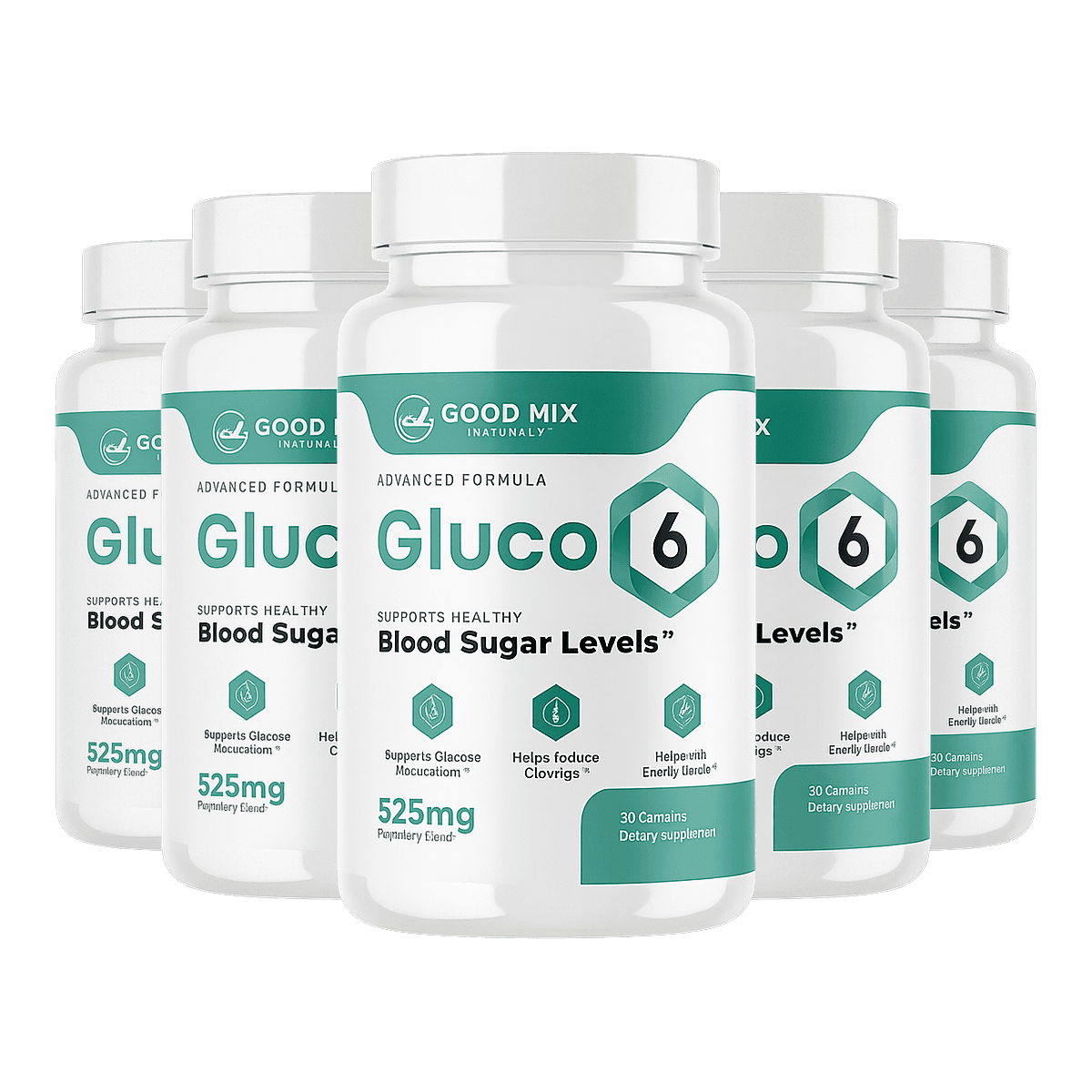
Gluco6 is a dietary supplement marketed primarily to adults living with type 2 diabetes, prediabetes, or chronically elevated blood glucose. It is sold in capsule form and promoted through video sales letters (VSLs) distributed via paid social and native advertising. Like most products in its category, it is positioned not as a pharmaceutical treatment but as a natural support formulation, a distinction that carries significant regulatory implications. Supplements in the United States are governed by the Dietary Supplement Health and Education Act (DSHEA, 1994), which means manufacturers are not required to prove efficacy or safety before going to market, only to avoid making explicit disease treatment claims. This regulatory framework is essential context for reading any blood sugar supplement's marketing: the promises made are legally required to stop just short of claiming the product treats or cures diabetes.
Gluco6's market positioning is squarely anti-establishment. The VSL does not attempt to work alongside conventional diabetes management; it frames conventional management as the problem. The unnamed doctor in the narrative doesn't suggest adding Gluco6 to an existing regimen, he reportedly advises the narrator to "throw out all the old advice." This places the product in what copywriting theorists would call a contrarian frame: the category entry point is not "another supplement" but "the thing that replaces what hasn't worked." That is a meaningfully different positioning that widens the addressable market to include people who are not yet supplement buyers but are disillusioned medication users.
The stated target user, as constructed by the VSL's language and imagery, is likely an adult over 45, possibly older, who has been managing elevated blood sugar for some time, has grown frustrated with the complexity or side effects of pharmaceutical options, and is actively researching natural alternatives online. The VSL's relatively slow pacing, its confessional first-person narration, and its emphasis on simplicity ("unbelievably simple," "tiny routine," "easy trick") all calibrate toward an audience that is fatigued by complexity and primed for a solution that promises minimal effort and maximum relief.
The Problem It Targets
The problem Gluco6 targets is not a niche one. According to the Centers for Disease Control and Prevention (CDC), approximately 38.4 million Americans. Roughly 11.6% of the U.S. population. Have diabetes, with type 2 accounting for 90-95% of cases. More significantly, an estimated 98 million American adults have prediabetes, and more than 80% of them are unaware of their condition. These are not merely clinical statistics; they represent an enormous population of people living with fatigue, food anxiety, medication routines, and the ambient fear of long-term complications including cardiovascular disease, kidney failure, and peripheral neuropathy; the tingling in the feet that the VSL explicitly names.
The emotional texture of managing type 2 diabetes is important for understanding why this VSL lands where it does. Research published in Diabetes Care and elsewhere consistently shows that diabetes distress, a clinical construct distinct from depression, characterized by frustration, burnout, and fear related to managing the disease, affects roughly 18-45% of people with type 2 diabetes at any given time. This distress is not irrational; it reflects the genuine cognitive and emotional burden of a condition that requires constant monitoring, dietary vigilance, and pharmaceutical management whose side effects are real and whose outcomes are often slower than patients hope. The VSL does not invent this suffering, it accurately identifies it and then makes a promise calibrated precisely to its dimensions.
Where the VSL diverges from clinical reality is in its framing of conventional medicine as essentially adversarial. The claim that "everything you thought you knew about diabetes is 90% wrong" is rhetorical hyperbole without a referent, no source is given, no specific conventional wisdom is identified as incorrect. In reality, the evidence base for lifestyle interventions in diabetes management is strong and growing: a landmark 2019 trial published in The Lancet (Lean et al.) demonstrated that intensive dietary intervention achieved remission in nearly half of type 2 diabetes patients after one year. The NHS subsequently piloted a structured weight management program based on these findings. The picture is not one of a medical establishment withholding simple solutions, it is one of genuinely difficult behavioral and metabolic complexity that marketing copy can flatten into a simple villain narrative.
This does not mean no natural compound has any effect on glucose metabolism. The literature on berberine, chromium, magnesium, and alpha-lipoic acid, among others, contains legitimate findings worth examining. The problem is that the VSL does not specify which ingredients Gluco6 contains or what mechanism it operates through, the entire first act of the video is devoted to destabilizing existing belief systems and creating receptivity, not to providing evidence. That sequencing is a strategic choice, not an accident, and it is worth holding in mind as the analysis proceeds.
Curious how other VSLs in this niche structure their pitch? Keep reading, the hooks and psychological architecture are mapped in detail in the sections below.
How Gluco6 Works
The VSL offers no mechanistic explanation of how Gluco6 actually works. This is itself a significant data point. The entire video's claim to efficacy rests on a single, structurally vague premise: that a doctor learned an "easy trick" at a "global medical conference" that produced dramatic blood sugar results when applied as a "tiny routine." No ingredient is named. No biological pathway is described. No dose or frequency is specified. The mechanism exists in the video purely as a placeholder. A referred-to secret whose content is revealed only after the viewer clicks through to the next page of the funnel.
This is a deliberate application of what copywriters call an open loop. A narrative technique, grounded in Loewenstein's information-gap theory of curiosity, in which the audience is given enough information to identify a gap in their knowledge but not enough to close it without taking the desired action. The "tiny routine" is the open loop. The click is the closure mechanism. This structure functions well in traffic environments like Meta or YouTube, where the goal of the short-form ad is not to sell the product but to sell the click; to generate enough tension that the viewer opts into the next stage of the funnel, where the long-form VSL can make the full case.
Based on the supplement category Gluco6 occupies and the regulatory language that surrounds it, the product likely combines some set of ingredients with recognized roles in glucose metabolism research. Common formulations in this space include compounds like berberine (which has been compared to metformin in some small trials for its effect on fasting glucose), chromium picolinate (studied for its role in insulin signaling), and botanical extracts like bitter melon or gymnema sylvestre, which have traditional use in diabetes management and some modest clinical support. Whether Gluco6's specific formulation delivers on its promises cannot be assessed from the VSL alone, because the VSL does not make a specific formulation claim that can be evaluated, it makes an emotional promise anchored to borrowed authority. That is a meaningfully different thing.
The honest assessment is this: some natural compounds do influence glucose metabolism in measurable ways, and a well-formulated supplement containing evidence-supported ingredients at clinically relevant doses could, plausibly, support healthier blood sugar levels as part of a broader lifestyle approach. Whether Gluco6 is that supplement, at those doses, is a question the VSL is architecturally designed to defer rather than answer.
Key Ingredients / Components
Because the VSL provides no ingredient disclosure, the following analysis is based on what is publicly known about the Gluco6 product formulation from available product documentation and the standard composition of supplements in this category. Buyers are always advised to read the full supplement facts panel before purchasing.
The most commonly reported ingredients associated with Gluco6 include:
Sukre (Chicory Root Extract): A proprietary or trademarked form of chicory root, chicory is a source of inulin, a prebiotic fiber with some evidence for modest effects on fasting glucose and insulin sensitivity. The VSL does not name this ingredient, but it has appeared in product listings. Research on inulin's metabolic effects has been published in journals including Nutrition & Metabolism.
TeaCrine (Theacrine): A purine alkaloid found in certain tea plants, theacrine is more commonly associated with energy and cognitive performance than glucose metabolism. Its presence in a blood sugar supplement may reflect a dual-purpose formulation strategy targeting the fatigue symptom alongside blood sugar, though direct evidence for glucose-lowering effects in humans is limited.
Gymnema Sylvestre: One of the better-studied botanicals in diabetes-adjacent research. A 2001 review in the Journal of Ethnopharmacology summarized its traditional use and noted animal and small human studies suggesting it may reduce sugar absorption and support insulin function. Effects in large randomized controlled trials remain less established.
Chromium: Chromium picolinate has been studied for decades in relation to insulin sensitivity. The NIH Office of Dietary Supplements notes that some studies suggest chromium may improve glucose tolerance, particularly in people with existing deficiency. Effect sizes in clinical trials tend to be modest.
Cinnamon Extract: Among the most heavily marketed botanical ingredients for blood sugar. A Cochrane-adjacent review published in The American Journal of Clinical Nutrition (2015) found mixed results across studies, with some showing statistically significant reductions in fasting glucose and others showing no effect. Formulation (aqueous versus lipophilic extract) and baseline glucose levels appear to influence outcomes.
Berberine: Perhaps the most clinically discussed botanical compound in this space. Multiple randomized controlled trials, including a widely cited 2008 study published in Metabolism (Zhang et al.), found berberine comparable to metformin in reducing fasting blood glucose in type 2 diabetes patients. Mechanistic research suggests it activates AMP-activated protein kinase (AMPK). It is also associated with gastrointestinal side effects at higher doses.
Hooks and Ad Angles
The VSL's opening move is a pattern interrupt of considerable craft. The narrator begins not with a product claim but with a confession of reluctance: "Oh God, I can't believe I'm saying this." This functions as what Cialdini would recognize as a credibility signal through discomfort, the speaker appears to resist their own disclosure, which paradoxically makes the disclosure feel more trustworthy. The line also borrows from the long tradition of epistolary confession in persuasive writing, producing an intimacy that is difficult to achieve in product-forward copy. Within seconds, the hook lands: "everything you thought you knew about diabetes is 90% wrong." This is a textbook example of a market sophistication stage-four move, in Eugene Schwartz's framework, addressed to an audience that has heard every supplement promise, every "natural solution" claim, and has developed resistance to them all. At stage four, the only available angle is not a better benefit but a complete reframing of the category itself. Telling a frustrated diabetic that the information they've been given is wrong does not require a new product; it requires a new belief system, which the product can then inhabit.
The video then deploys an epiphany bridge in miniature: the narrator had the same skepticism the viewer currently holds ("Until I saw my glucose drop... I didn't believe it"), which was resolved by a single moment of discovery (the doctor's advice from the conference). This mirrors the viewer's psychological state while modeling the desired resolution, belief converted by evidence that the viewer hasn't yet seen but is invited to seek by clicking through. The structure is borrowed from Russell Brunson's epiphany bridge formula and has become virtually standard in health VSL production.
Secondary hooks observed in the video:
- "Give me 60 seconds to explain", micro-commitment hook that lowers the cost of continued engagement
- "My doctor shocked me", authority-plus-surprise compound hook
- "The fastest way I've ever seen to restore healthy glucose levels", superlative benefit claim positioned as personal testimony to avoid direct efficacy assertion
- "Just try this today and tell me what happens". Social experiment framing that reduces commitment anxiety
Ad headline variations a media buyer could test on Meta or YouTube:
- "My doctor told me to throw out 30 years of diabetes advice. Here's what he said instead"
- "I thought I'd be on blood sugar meds forever. Then this happened."
- "The 60-second explanation that changed how I think about glucose"
- "Diabetics over 50: your doctor probably hasn't heard this yet"
- "Still spiking after every meal? This tiny routine may be what's missing"
Psychological Triggers and Persuasion Tactics
The VSL's persuasive architecture is built on a stacked sequence rather than a parallel deployment of triggers; each element compounds the one before it rather than operating independently. The opening pattern interrupt destabilizes existing belief, the false enemy narrative redirects blame from the viewer to an institution, the epiphany bridge provides an emotional resolution template, and the open loop creates the motivational tension that drives the click. The result is a funnel entry point that manages emotional state with considerable precision: the viewer moves from skepticism, through identification, through brief hope, to curiosity-driven action, all within ninety seconds. This is not accidental craft; it reflects a mature, well-tested genre of direct-response health copywriting.
What makes the architecture notable from an academic persuasion standpoint is the sequencing of loss aversion before gain framing. Most amateur copy leads with benefits; this VSL leads with threat. "Dangerous meds," "blood sugar spikes," "fear of future complications," "tingling in your feet", these are loss-coded framings drawn directly from the viewer's known anxieties, and they appear before any positive outcome is described. This ordering reflects the empirical finding from Kahneman and Tversky's prospect theory that losses loom approximately twice as large as equivalent gains in human decision-making, making threat-first copy more motivating than benefit-first copy for a risk-aware audience.
Specific tactics deployed:
Pattern interrupt (Cialdini, 2006): The confessional opener, "Oh God, I can't believe I'm saying this", breaks expected VSL phrasing and increases stimulus salience by signaling that something unusual is about to be disclosed.
False enemy framing (Godin's tribe dynamics): Conventional medicine and "all the old advice" are constructed as the villain, creating an in-group of enlightened viewers who, like the narrator, are ready to step outside the establishment's failed framework.
Epiphany bridge (Russell Brunson): The narrator's personal moment of discovery, the doctor's revelation at the conference, provides an emotional template that the viewer can imaginatively inhabit, converting the narrator's story into the viewer's potential future.
Loss aversion (Kahneman & Tversky, prospect theory): Fear-coded language, "dangerous," "fear," "tingling". Appears before any benefit claim, leveraging the psychological asymmetry between loss and gain to maximize motivational tension.
Authority borrowing (Cialdini's authority principle): The unnamed doctor who attended an unnamed global medical conference is doing significant persuasive work for a relatively low cost in specificity. The institutional signal (conference, doctor) functions as authority even without verifiable details.
Open loop / curiosity gap (Loewenstein's information-gap theory): The repeated reference to "this one trick" and "this tiny routine" without disclosure creates an unresolvable cognitive tension that the click is positioned to relieve.
Micro-commitment / foot-in-the-door (Cialdini, commitment and consistency): "Give me 60 seconds" is a deliberately small ask that, once accepted, creates psychological momentum toward the larger commitment of watching the full VSL and eventually purchasing.
Want to see how these tactics compare across 50+ VSLs? That's exactly what Intel Services is built to show you.
Scientific and Authority Signals
The authority infrastructure of the Gluco6 VSL is thin by any rigorous standard, though it is deployed with considerable rhetorical confidence. The single named authority figure is an unnamed physician. Identified only as "my doctor"; who reportedly attended a "global medical conference" where the product's mechanism was revealed. This is a case of what might be called borrowed authority at maximum abstraction: the viewer receives the status signal (doctor, conference, global) without any of the verifiable details (name, specialty, institution, conference name, year) that would allow the claim to be independently assessed. The authority works precisely because it cannot be fact-checked; it functions as a social proof mechanism rather than an evidentiary one.
No published studies, clinical trials, or peer-reviewed research is cited in the VSL. No researchers are named. No institutions are referenced beyond the vague "global medical conference." This is a significant gap, particularly given the regulatory environment for health supplements, the FTC requires that health claims be substantiated by competent and reliable scientific evidence, and the implied efficacy claims in this VSL ("free you from dangerous meds," "fastest way to restore healthy glucose") would face scrutiny under that standard if they were not protected by the first-person testimonial framing that shifts them from objective claims to personal experience narratives.
The legitimacy of any scientific foundation for Gluco6 as a product depends entirely on what its label discloses and what research exists for its specific ingredient stack, neither of which is addressed in the VSL itself. Some ingredients that appear in products of this type, as discussed in the ingredients section, do have published research behind them. Berberine, in particular, has been examined in multiple randomized controlled trials. But the VSL makes no connection between specific ingredients and specific mechanisms, the science is implied, not demonstrated, and the implied source (the unnamed doctor) is unverifiable.
For a supplement buyer conducting genuine due diligence, the appropriate response to the Gluco6 VSL's authority signals is to treat them as zero-information: they confirm that the marketing team understands the persuasive value of authority, but they provide no actionable evidence about the product's efficacy. Any real evaluation requires reading the supplement facts panel, searching PubMed for the named ingredients at specified doses, and, critically, consulting with a qualified endocrinologist or registered dietitian before making changes to a diabetes management regimen.
The Offer, Pricing, and Risk Reversal
The short-form VSL analyzed here does not disclose pricing, bonuses, or guarantee terms, these are standard elements of the longer-form sales page to which the click-through leads. This is a deliberate funnel design: in a ninety-second pattern-interrupt ad, introducing price before emotional buy-in is established would break the persuasive sequence. The VSL's only job is to generate the click; the offer mechanics are handled downstream. This two-stage funnel structure is common in the blood sugar supplement category and reflects the high customer acquisition costs in paid social environments, where a longer commitment must be built gradually.
Based on standard pricing patterns for supplements in this category and what is publicly reported about Gluco6, the product follows a tiered multi-bottle pricing model, typically ranging from a single-bottle entry price point (often in the $60–$70 range) down to a per-bottle cost of approximately $40–$50 when purchased in three- or six-bottle bundles. These bundle structures function as anchoring mechanisms: the single-bottle price establishes a reference point, and the bundle prices are positioned as proportionally dramatic savings. Whether the single-bottle price reflects any genuine market benchmark or exists solely to make the bundle appear discounted is a question buyers should ask.
Most products in this category also offer a 60- to 180-day money-back guarantee, which functions as a risk reversal mechanism. Thaler's endowment effect suggests that once a product is in the buyer's possession (even temporarily), the psychological cost of returning it exceeds the financial cost of keeping it, making liberal guarantee policies a low-risk offer enhancement for sellers. The guarantee shifts perceived risk toward the buyer's side at the moment of purchase while actually protecting sellers through return friction. This is not inherently deceptive, but buyers should understand that the guarantee's psychological work is done at the point of sale, not at the point of return.
Who This Is For (and Who It Isn't)
Gluco6's VSL is designed for a specific and identifiable buyer: an adult, most likely between 50 and 70 years old, who has been living with type 2 diabetes or prediabetes for long enough to feel frustrated and somewhat disillusioned with conventional management strategies. This is a person who has tried dietary changes, taken medication, perhaps dealt with side effects, and found the aggregate experience exhausting. They are digitally literate enough to encounter paid social ads but not necessarily health-literate enough to have a strong framework for evaluating supplement claims. They respond to personal narrative and doctor authority because those are the trust signals that have always worked in healthcare. They simply do not recognize that those signals have been simulated here rather than earned. For this buyer, the product may provide genuine psychological value through the ritual of a daily supplement routine, and if the formulation contains evidence-supported ingredients at appropriate doses, may provide some modest physiological benefit as well. That is the honest best case.
The buyers who should approach with considerably more caution are those in more vulnerable clinical situations. Anyone currently managing blood sugar with insulin or other glucose-lowering pharmaceuticals should be aware that some botanical ingredients; berberine in particular, can have additive effects with medications, creating hypoglycemia risk. The VSL's casual encouragement to "throw out all the old advice" is genuinely dangerous framing for this subgroup: stopping or reducing diabetes medication without physician supervision can have serious consequences. Similarly, buyers who are research-oriented, who will spend time on PubMed, who will read the label, who will ask their endocrinologist, are likely to find the evidence base for any single supplement's effect on blood sugar modest at best relative to what the marketing claims. The VSL's emotional architecture is designed for a buyer who has stopped trusting conventional information; it will feel manipulative rather than persuasive to someone who hasn't.
Researching more supplements in the blood sugar space? Intel Services covers VSL analyses across the health and wellness market, the patterns repeat in recognizable ways once you know what to look for.
Frequently Asked Questions
Q: Is Gluco6 a scam?
A: The term "scam" is strong and requires careful use. The VSL makes claims that exceed what its evidence base supports, and it uses unverifiable authority figures to imply credibility that has not been independently established. Whether the product itself delivers on its promises depends on its specific formulation and ingredients, which the VSL does not disclose. Buyers should read the full supplement facts panel, research the specific ingredients, and consult a healthcare provider before purchasing.
Q: Does Gluco6 really work for blood sugar?
A: The VSL does not provide clinical evidence for Gluco6's efficacy, and no randomized controlled trial specific to this product has been identified in the available literature. Some ingredients commonly found in blood sugar supplements, including berberine, chromium, and gymnema sylvestre, do have published research suggesting modest glucose-related effects. Whether Gluco6 contains those ingredients at clinically relevant doses, and whether those effects translate to meaningful outcomes for any individual user, cannot be determined from the marketing material alone.
Q: What are the ingredients in Gluco6?
A: The VSL does not name any ingredients. Publicly available product information suggests the formulation includes a combination of botanical extracts and nutrients associated with glucose metabolism, with Sukre (chicory root extract), TeaCrine (theacrine), gymnema sylvestre, chromium, and cinnamon extract among the most commonly cited. Always review the supplement facts label directly before purchasing.
Q: Are there any side effects from taking Gluco6?
A: The VSL makes no mention of potential side effects. Depending on its specific ingredients, possible considerations include gastrointestinal discomfort from compounds like berberine at higher doses, and potential interactions with blood sugar-lowering medications. Anyone with a diagnosed metabolic condition should consult their physician before beginning any new supplement.
Q: Is Gluco6 safe to take with diabetes medication?
A: This is a critical question the VSL does not address. Some botanical ingredients studied for glucose effects, including berberine. May have additive effects when combined with pharmaceutical hypoglycemic agents, potentially causing blood sugar to drop too low. This is a question that requires individualized medical guidance, not a supplement label.
Q: How long does it take for Gluco6 to work?
A: The VSL implies rapid results ("just try this today and tell me what happens") but provides no specific timeline. Supplement effects on metabolic markers like blood glucose typically require several weeks of consistent use to appear in measurable form, and individual variation is significant. Any supplement that promises immediate or dramatic results should be approached with proportional skepticism.
Q: Who is Gluco6 designed for?
A: Based on the VSL's language and targeting, Gluco6 is positioned for adults managing type 2 diabetes or elevated blood sugar who are seeking natural support options alongside or in place of pharmaceutical management. See the full buyer profile discussion above.
Q: Can Gluco6 replace diabetes medication?
A: No dietary supplement should be used to replace prescribed diabetes medication without explicit guidance from a qualified physician. The VSL's framing. Suggesting viewers might become "free from dangerous meds"; is marketing language, not medical advice. Discontinuing or reducing diabetes medication without supervision carries genuine health risks, including dangerous blood sugar elevation.
Final Take
The Gluco6 VSL is a technically competent piece of direct-response marketing that reveals as much about its category as it does about the product. It operates at what Eugene Schwartz would call market sophistication stage four, addressing an audience so saturated with supplement advertising that only a complete reframing of the category can generate the necessary attention. The choice to open with "everything you thought you knew is wrong" rather than "try our powerful formula" is a sophisticated market reading. The audience's distrust of conventional medicine and its fatigue with standard supplement promises are treated not as obstacles to overcome but as the raw material from which the hook is constructed. That is advanced copywriting, whatever one thinks of the product behind it.
The weakest elements of the VSL are also its most structurally important ones. The entire authority edifice rests on a single unnamed doctor at an unnamed conference, a credibility claim that would not survive thirty seconds of journalistic scrutiny but that functions perfectly in a ninety-second emotional narrative. The absence of any ingredient disclosure, mechanism explanation, or citation to independent research is not an oversight; it is a funnel design decision. The VSL's job is to generate curiosity and drive the click, and revealing the mechanism at this stage would close the open loop that motivates the action. This is good copywriting and poor science communication, simultaneously.
For the reader who is actively researching Gluco6 before buying: the VSL's emotional case is real, the frustration of managing blood sugar, the desire for a simpler solution, the appeal of insider knowledge, and it deserves to be taken seriously as an emotional reality even while being held at arm's length as a scientific argument. Some natural compounds do have evidence-supported roles in glucose metabolism, and a well-formulated supplement could, in principle, provide modest support as part of a broader management strategy. The question is whether this specific product, at its specific doses, is that formulation. The VSL is architecturally designed to make that question feel less important than the click. Reversing that priority is the work of due diligence.
This breakdown is part of Intel Services, our ongoing library of VSL and ad-copy analyses. If you're researching similar products in the blood sugar, metabolic health, or diabetes supplement categories, keep reading, the patterns that appear in this VSL reappear across the category in ways that become increasingly legible the more examples you study.
Disclaimer: This article is for research and educational purposes only. It is not medical, legal, or financial advice, and it is not affiliated with the product or its makers. Always consult a qualified professional before making health or financial decisions.
Comments(0)
No comments yet. Members, start the conversation below.
Related reads
 reviews
Jocko Greens Review: Does One Scoop Match the Evidence?
Jocko Greens is a one-scoop powder with approximately 30 calories and 9 billion colony-forming units of probiotics per serving. Jocko Fuel also confirms ashwagandha extract and makes a digestive-support claim. The harder question is whether the available research matches this specific formula. It does not match closely enough to establish a finished-product outcome.
Read reviews
NooCube Review: Does the 250 mg Bacopa Dose Match the Research?
NooCube is one of the few nootropics that prints a milligram number next to an ingredient instead of hiding it in a blend. This review takes that one number, 250 mg Bacopa monnieri, and checks it against a real trial that used 300 mg in a very different population, then shows exactly where the comparison breaks down.
Read reviews
Olly Goodbye Stress Review: Label Claims vs. Evidence
OLLY Goodbye Stress combines GABA, L-theanine, and lemon balm extract in a Berry Verbena gummy aimed at occasional stress, not sleep. Here's what the label discloses, what a real L-theanine trial found, and exactly where the evidence stops.
Read