Glucosense Review and Ads Breakdown: A Research-First Look
Somewhere between the fear of blindness and the promise of eating macaroni and cheese without consequence, a supplement called Glucosense makes one of the most expansive medical claims in direct-re…
8,226+
Videos & Ads
+50-100
Fresh Daily
$29.90
Per Month
Full Access
12.5 TB database · 72+ niches · 29 min read
Introduction
Somewhere between the fear of blindness and the promise of eating macaroni and cheese without consequence, a supplement called Glucosense makes one of the most expansive medical claims in direct-response marketing today: that type 2 diabetes. A condition affecting roughly 37 million Americans according to the CDC; is not only manageable but fully reversible in 60 to 180 days using two natural ingredients encapsulated in a daily pill. The sales letter promoting this product runs well over an hour in video form, deploying the production trappings of a live television news interview, the borrowed authority of recognizable public figures, and a narrative architecture that oscillates between visceral terror and transcendent hope. For a researcher studying how health supplements are marketed in the direct-response space, it is a remarkably dense specimen, nearly every known persuasion mechanism appears, layered and sequenced with evident craft.
The product is positioned not as a supplement in the ordinary sense but as the delivery vehicle for a "protocol" developed by Dr. Mehmet Oz, the former television personality and cardiothoracic surgeon. The VSL frames this protocol as a suppressed discovery, one that pharmaceutical companies have actively worked to conceal because its success would render billions of dollars in diabetes medication unnecessary. This conspiratorial framing is not incidental decoration; it is load-bearing architecture. Without the villain of Big Pharma, the story of Glucosense loses the tension that makes it compelling. Understanding how that tension is built, and what it asks the viewer to believe, is the central project of this analysis.
What follows is neither an endorsement nor a simple debunking. It is a structured examination of three distinct but interrelated questions: What does Glucosense actually claim to do, and how plausible are those claims given publicly available science? How is the sales letter constructed to persuade, and which specific psychological mechanisms does it deploy? And finally, who is the intended buyer, and what should that person know before making a purchase decision? The goal is to give any reader who has arrived here mid-research the clearest possible picture of what they are actually considering.
The VSL is sophisticated enough that a surface reading, "this sounds too good to be true", misses the real story. The real story is in the machinery: who is cited, how certainty is manufactured from ambiguity, what the offer structure reveals about the seller's actual intentions, and why a product making claims this large is sold exclusively through a single webpage rather than through the pharmacies and clinics that would normally validate a genuine medical breakthrough.
What Is Glucosense?
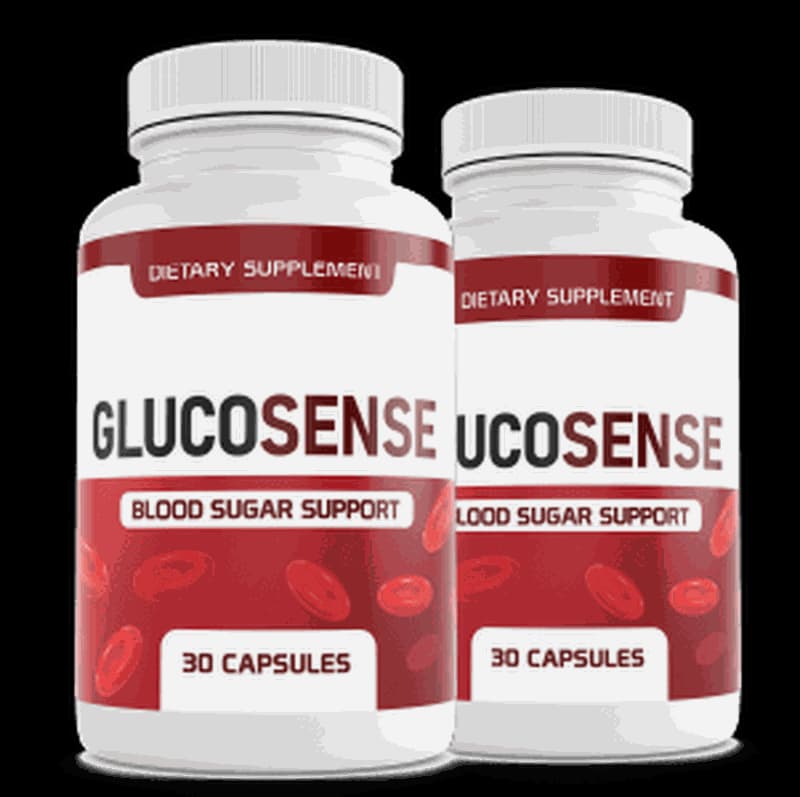
Glucosense is an oral dietary supplement sold in gel-capsule form, marketed specifically to adults living with type 2 diabetes. Its two stated active ingredients are a concentrated extract of Manuka honey, sourced, the VSL emphasizes, from New Zealand, and an extract of Gymnema sylvestre, a climbing shrub native to tropical regions of India, Africa, and Australia that has been used in Ayurvedic medicine for centuries. The product is manufactured, according to the VSL, by Takeda Labs in GMP-certified, FDA-registered facilities in the United States. The recommended dosage is two capsules per day, one in the morning, one at night. For a minimum of 60 days and ideally 180 days for what the seller calls "complete reversal."
In terms of market category, Glucosense occupies the blood sugar support supplement segment, a space that the market research firm Grand View Research estimated at over $1.5 billion globally and growing. What distinguishes Glucosense's positioning from most competitors in that segment is the directness and extremity of its core claim: not blood sugar support, not glucose management, but the reversal and elimination of type 2 diabetes itself. This is not a subtle distinction. The FDA prohibits dietary supplements from claiming to treat, cure, or reverse diseases; the VSL's repeated use of the word "reversal" in relation to a named disease places the marketing in legally contested territory. The product is available exclusively through its own sales page. Not on Amazon, not in pharmacies; a distribution choice the VSL frames as anti-corporate principle but which also happens to insulate the product from the comparative scrutiny that retail channels invite.
The target user, as constructed throughout the letter, is a person aged roughly 50 to 80 who has been living with type 2 diabetes for at least several years, who is currently taking metformin or insulin, who is experiencing side effects from those medications, and who has begun to fear the downstream complications, neuropathy, vision loss, amputation, kidney failure, that advanced diabetes brings. This is not an aspirational buyer; it is a frightened one. That fear is the raw material from which the entire persuasive structure is built.
The Problem It Targets
Type 2 diabetes is genuinely one of the most consequential chronic diseases in the United States. The CDC's National Diabetes Statistics Report places the total diagnosed and undiagnosed diabetic population at approximately 37 million Americans, with another 96 million adults classified as prediabetic. The disease is the eighth leading cause of death in the U.S., a primary driver of cardiovascular disease, the leading cause of kidney failure, and responsible for the majority of non-traumatic lower-limb amputations. These are not invented threats, the VSL's catalog of worst-case outcomes (blindness, amputation, kidney failure) maps closely onto what the medical literature actually describes as the long-term sequelae of poorly controlled type 2 diabetes.
The commercial opportunity this creates is enormous and, in a real sense, tragic. Because the condition is chronic and progressive, and because the standard-of-care medications, metformin, GLP-1 agonists, insulin, manage rather than cure the disease, patients remain in the market indefinitely. The average annual cost of managing type 2 diabetes, including medications, testing supplies, and specialist visits, runs between $9,000 and $16,000 per year according to the American Diabetes Association's 2022 economic report. The VSL cites a lifetime cost of "over $200,000", a number that is roughly consistent with projections when cardiovascular and renal complications are included. This financial reality is not fabricated; it is a genuine grievance that the VSL accurately identifies before offering a solution that, notably, costs a fraction of that amount.
Where the VSL departs from the scientific consensus is in its characterization of why type 2 diabetes is so hard to control. The mainstream understanding, as reflected in publications from the NIH and the American Diabetes Association, is that type 2 diabetes results from a combination of insulin resistance, cells becoming less responsive to insulin's signal. And progressive beta-cell dysfunction in the pancreas, driven by genetic predisposition, obesity, sedentary behavior, and chronic low-grade inflammation. The gut microbiome does play a role in this picture; research published in journals including Nature and Cell Metabolism has consistently shown correlations between gut dysbiosis and metabolic disease, including type 2 diabetes. But the jump from "gut bacteria influence metabolic health" to "a single specific bacterium called Copricoccus is the root cause of diabetes in 96% of patients" is a leap of extraordinary magnitude that no peer-reviewed literature currently supports.
The VSL's framing of the problem is strategically brilliant from a copywriting perspective and scientifically indefensible from a medical one. By locating the cause of diabetes in a specific, nameable external agent. A bacterium, a parasite, an invader; rather than in the complex systemic condition that medicine actually describes, the letter makes the problem feel both more threatening and more solvable. Parasites can be eliminated. Systemic metabolic disorders are harder to sell a pill against.
How Glucosense Works
The mechanism the VSL proposes rests on a three-part chain: (1) a specific gut bacterium called Copricoccus (abbreviated "CPR" in the transcript) colonizes the intestines of diabetics and physically blocks insulin receptors; (2) Manuka honey's active compound, methylglyoxal, kills this bacterium and rebalances the gut microbiome; and (3) Gymnema sylvestre simultaneously reduces sugar absorption, fights pancreatic inflammation, and helps restore the organ's insulin-producing function. Together, the argument goes, these two ingredients attack both the bacterial cause and the residual organ damage, achieving what no pharmaceutical has managed: complete disease reversal.
Let us evaluate each link in this chain honestly. On gut bacteria and diabetes: the connection is real and actively researched. A 2019 study published in Nature Medicine (Gurung et al.) found that gut microbial composition differs significantly between diabetic and non-diabetic individuals, and several bacterial genera, including Coprococcus species, have been associated with insulin sensitivity in observational studies. Crucially, however, this association runs in the beneficial direction in most research: Coprococcus species are generally associated with butyrate production and better metabolic health, not worse. The VSL inverts this relationship without citation, naming the bacterium the cause of diabetes rather than a potentially protective commensal disrupted by the disease. This is not a minor misreading; it is a reversal of the directional finding that existing science supports.
On Manuka honey and methylglyoxal: methylglyoxal (MGO) does have documented antibacterial properties, which is why Manuka honey has been researched as a topical wound treatment. A review published in Frontiers in Microbiology (2018) confirmed its activity against a range of pathogens including H. pylori. Whether orally ingested MGO survives digestion in concentrations sufficient to meaningfully alter gut bacterial populations is a separate and largely unresolved question, most bioactive compounds in food are degraded by gastric acid before they reach the large intestine where the microbiome is most dense. The VSL acknowledges that raw honey alone is insufficient and claims the extract has been "concentrated to the equivalent of six gallons", an assertion that cannot be verified from available product information.
On Gymnema sylvestre: this is the most scientifically credible component of the formula. Gymnema has been studied for its effects on blood sugar for decades. A study published in the Journal of Ethnopharmacology (Baskaran et al., 1990) found significant reductions in fasting blood glucose and HbA1c in type 2 diabetic patients supplementing with Gymnema extract over 18 to 20 months. The plant's active compounds, gymnemic acids, are believed to reduce intestinal glucose absorption and may stimulate insulin secretion from beta cells. This is real science. The leap the VSL makes, from "Gymnema may modestly improve glycemic parameters" to "Gymnema combined with Manuka honey reverses diabetes in 94% of patients", is not supported by any independent clinical evidence.
Curious how other VSLs in this niche structure their scientific claims? Keep reading, Section 7 breaks down the psychology behind every persuasive move made above.
Key Ingredients and Components
The Glucosense formula is built around two primary active ingredients, supplemented by three digital bonus protocols that are bundled with the purchase. The formulation philosophy, as articulated in the VSL, prioritizes bioavailability. Specifically, cold-process encapsulation to preserve heat-sensitive compounds. And dose precision, with each capsule described as delivering a "scientifically validated" ratio of the two actives. Independent verification of these dosing claims is not possible from the VSL alone, as no supplement facts panel is disclosed during the presentation.
Concentrated Manuka honey extract (methylglyoxal-rich): Manuka honey is produced by bees that pollinate Leptospermum scoparium in New Zealand and Australia. Its therapeutic distinction from conventional honey lies primarily in its MGO content, which gives it measurable antibacterial activity independent of hydrogen peroxide. Research on MGO's antibacterial properties in vitro is well-established (see Frontiers in Microbiology, 2018). The VSL claims the extract represents the equivalent of "six gallons of raw honey" condensed into capsule form; a concentration figure not independently verifiable. Importantly, oral MGO bioavailability is poorly characterized; most clinical research on Manuka honey's health effects involves topical or short-term oral use, not the kind of extended gut-microbiome rebalancing the VSL describes.
Gymnema sylvestre leaf extract: Sometimes called the "sugar destroyer" in Ayurvedic tradition, Gymnema contains gymnemic acids that temporarily blunt sweet taste perception and reduce intestinal glucose absorption. The clinical evidence base, while modest in scale, is more robust than for many herbal supplements. The 1990 Journal of Ethnopharmacology study by Baskaran et al. remains a frequently cited reference. A 2001 study in the same journal (Shanmugasundaram et al.) showed improvements in glycemic control in insulin-dependent diabetics. These are real findings, though the effect sizes observed in trials are improvements in management, not the reversal of disease that the VSL claims. Dosage matters significantly, the VSL does not disclose milligram quantities.
Hooks and Ad Angles
The VSL opens with a statement that functions as a textbook pattern interrupt: "This invisible bacteria that lives inside your intestine is the real cause of type 2 diabetes in 96% of people." In fewer than twenty words, this hook does three things simultaneously. It reframes a condition the viewer believes they already understand, introducing a new and frightening cause they have never heard of. It deploys a specific, authoritative-sounding statistic, 96%, that creates an illusion of precision. And it positions the viewer as a victim of ignorance rather than of their own biology, which is a subtle but important shift: ignorance can be corrected, biology cannot. This is what copywriting theorist Eugene Schwartz would recognize as a Stage 4 or Stage 5 market sophistication move, the audience has heard every direct pitch for diabetes supplements and no longer responds to simple benefit claims, so the letter must introduce an entirely new mechanism (the bacteria) to re-engage their attention.
The overall hook strategy of the VSL relies heavily on what is known in persuasion literature as the open loop, a narrative technique that withholds a promised revelation long enough to make closing the page feel like an act of self-harm. The opening minutes establish the existence of a hidden cause, a suppressed cure, and a risk of permanent harm if the viewer stops watching. Each of these is a loop that can only be closed by continued engagement. The news-interview format amplifies this by borrowing the structural conventions of journalism, the authoritative anchor, the expert guest, the building revelation, to make a sales presentation feel like a public-interest broadcast.
Secondary hooks observed in the VSL:
- "A secret the pharmaceutical industry has hidden from diabetics for decades"
- "Manuka honey: 11 times more potent than metformin"
- "Even Kathy Bates reversed her diabetes at 77. And lost 20 pounds without effort"
- "Your glucose could be below 100 within three days. Without changing what you eat"
- "The only thing standing between you and freedom from diabetes is this one decision"
Ad headline variations a media buyer could test on Meta or YouTube:
- "Harvard Found the Real Cause of Type 2 Diabetes; It's Not Sugar"
- "Kathy Bates Reversed Diabetes at 77. This Is What She Used."
- "Why Metformin Keeps You Sick (And the Two-Ingredient Fix That Doesn't)"
- "Blood Sugar Above 200 No Matter What You Do? Watch This Before Your Next Doctor Visit"
- "63-Year-Old Avoided Foot Amputation With This $1/Day Protocol"
Psychological Triggers and Persuasion Tactics
The persuasive architecture of this VSL is not a simple list of tactics applied in parallel, it is a stacked sequence, designed so that each mechanism builds on the emotional and cognitive state created by the one before it. The letter begins by installing fear (the bacteria, the complications), then immediately introduces authority figures who have already solved the problem (Dr. Oz, Trump, Kathy Bates), then validates that authority with social proof at scale (12,000 Americans), and only then introduces the product. By the time the offer appears, the viewer has been primed to experience it not as a sales pitch but as a logical conclusion to an emotional journey they have already completed. Cialdini would recognize this as a masterclass in pre-suasion, the work of shaping the context of a decision long before the decision point arrives.
What is particularly notable is the VSL's deployment of cognitive dissonance (Festinger, 1957) through the metformin vilification sequence. Viewers who are currently taking metformin are told that the drug they believed was helping them is in fact the primary source of their suffering, the nausea, the hypoglycemia fear, the sleepless nights are not symptoms of diabetes but symptoms of the "trap" the pharmaceutical industry has set. This creates an uncomfortable dissonance between the viewer's past behavior (trusting their doctor, taking the medication) and the new information being presented. The natural resolution of that dissonance is to accept the new framing and act on it, i.e., to buy Glucosense.
Pattern interrupt and curiosity gap (Loewenstein, 1994): The opening hook introduces a specific, unnamed bacterium as the "real cause" of diabetes, creating an informational gap the viewer cannot close without continuing to watch. The gap is deliberately widened throughout, the name "Copricoccus" is not revealed until well into the presentation.
Authority transfer via celebrity and institutional proxy (Cialdini's Authority principle; halo effect, Thorndike 1920): Dr. Oz's Columbia University professorship, his Emmy awards, his appointment by Donald Trump, each credential is layered to transfer trust. Kathy Bates and Dr. Phil add celebrity valence. Dr. Gundry's "endorsement" adds peer physician credibility. The viewer is not evaluating Glucosense in isolation; they are evaluating it through the accumulated trust of figures they already respect.
Loss aversion and fear appeal (Kahneman & Tversky's Prospect Theory, 1979): Specific, vivid descriptions of blindness, amputation, kidney failure, and the fear of "not waking up the next morning" are deployed repeatedly before the solution is introduced. Loss aversion research shows that the psychological weight of potential losses is approximately twice that of equivalent gains, the VSL maximizes this asymmetry by describing losses in granular, personal terms while describing gains in aspirational, general ones.
Epiphany bridge narrative (Russell Brunson, Expert Secrets): Dr. Oz narrates his own transformation from "agent of the pharmaceutical industry" to enlightened healer, a personal story arc that creates emotional identification and makes his endorsement feel morally earned rather than commercially transactional.
Social proof stacking (Cialdini's Social Proof): Testimonials are sequenced to cover every demographic objection. Age (40s to 80s), duration of disease (newly diagnosed to 30+ years), severity (neuropathy, amputation risk, near-blindness), and gender. The aggregate claim of 12,000 users adds numerical authority to the individual stories.
False scarcity and time compression (Ariely's predictable irrationality; urgency framing): Real-time stock countdowns ("only 89 bottles left," later "only 23 bottles") and bonuses available only to "the first 10 buyers" are classic scarcity triggers that compress decision-making time and prevent the kind of deliberate evaluation that might lead a viewer to search for independent reviews.
Risk reversal via reciprocity (Thaler's Endowment Effect, 1980; Cialdini's Reciprocity): The "keep the product even if you refund" guarantee is structurally brilliant: it removes the stated financial risk while simultaneously creating a reciprocity obligation (you have been given something) and an endowment effect (once you possess the bottles, returning them feels like losing something you already own).
Want to see how these tactics compare across 50+ VSLs in the health and wellness space? That's exactly what Intel Services is built to show you.
Scientific and Authority Signals
Any serious evaluation of this VSL must confront a fundamental question about its authority signals: are they legitimate, borrowed, or fabricated? The answer, upon examination, is a mixture of all three. And the proportion matters enormously for a buyer trying to assess the product's credibility.
The most significant authority claim in the entire letter is the repeated invocation of Dr. Mehmet Oz. Oz's credentials; Columbia University surgery professorship, cardiothoracic surgery practice, Emmy-winning television show, are real. His public profile is real. What is not established is that he has developed, endorsed, or is in any way associated with the specific product called Glucosense. Dr. Oz's public medical practice and media work are well documented; no credible reporting as of this writing connects him to a Manuka honey diabetes supplement sold through a direct-response funnel. The use of his name, likeness, and voice (or an actor performing as him) in a commercial sales context without documented authorization would constitute borrowed authority at best and trademark/identity misuse at worst. The same concern applies to the invocations of Margaret Brennan (a real CBS journalist), Kathy Bates, Dr. Phil, Donald Trump, and Dr. Gundry, each is a real public figure whose association with this product cannot be independently verified.
The research citations in the VSL follow a consistent pattern: real scientific territory is invoked (gut microbiome research, Gymnema sylvestre studies, methylglyoxal antibacterial properties), but specific studies that support the VSL's most extreme claims are either unnamed, attributed to the seller's own unpublished research, or described in terms that do not match any identifiable published trial. The "800-person study at the University of California" identifying Copricoccus as the cause of diabetes in 96% of patients does not correspond to any published, peer-reviewed research that can be located in PubMed or Google Scholar. The "700-patient trial" showing 94% complete reversal is similarly unverifiable. These are the critical evidentiary pillars of the entire argument, and they rest on no publicly available scientific foundation.
The FDA and GMP claims are more plausible in their general form, manufacturing in a GMP-certified, FDA-registered facility is a real and verifiable standard that many supplement manufacturers meet. It does not, however, mean that the FDA has reviewed or approved the product's efficacy claims. The VSL's phrasing that the formula received "FDA approval" misrepresents how supplement regulation works: the FDA does not pre-approve dietary supplements, and no supplement may legally claim disease treatment or reversal regardless of manufacturing standards. The distinction between "produced in an FDA-registered facility" and "FDA approved for diabetes reversal" is not a minor technicality, it is the difference between a legal product and an illegal medical claim.
The Offer, Pricing, and Risk Reversal
The offer structure of the Glucosense VSL is a textbook demonstration of price anchoring deployed in an unusually layered sequence. The letter establishes the first anchor at $380 per bottle, described as the team's initial cost calculation, before immediately conceding that "this wouldn't be right" and revealing the last batch price of $150 per bottle. The actual selling prices are then revealed: $79 per bottle for the two-bottle kit ($158 total), $69 per bottle for the three-bottle kit ($207 total), and $49 per bottle for the six-bottle kit ($294 total). Each step feels like a concession, creating the cognitive experience of receiving a bargain even though the consumer has no independent basis for evaluating whether $79 per bottle is reasonable for the actual contents. The anchor of $380, a price the seller claims to have calculated but never actually charged. Does real perceptual work here: it makes $79 feel like an 80% discount on something that was never actually sold at $380.
The bonus structure further illustrates the mechanics of perceived value stacking. Three digital protocol guides (GLP-1, Fatigue Antidote, Turmeric Trick), a Zoom consultation with Dr. Oz, a signed book, a $3,000 Carnival Cruise gift certificate, and a full refund on the purchase. All offered to "the first 10 buyers" of the two-bottle kit; create an offer that, taken at face value, would be worth several thousand dollars for a $158 outlay. The scarcity of "first 10 buyers" makes verification impossible for any individual viewer and ensures that the most extravagant claims about the bonus package never need to be honored at scale.
The guarantee is stated in two different ways across the VSL, at certain points it is described as a 60-day money-back guarantee, at others as a 180-day guarantee. The "keep the product" component of the guarantee is a meaningful consumer protection in one sense: the financial risk of trying the product is genuinely reduced. But it also serves a persuasive function, as noted in the psychological triggers section: possession creates an endowment effect that makes refunding feel like an active loss rather than a neutral reversal. Guarantees in this category of supplement marketing are typically honored, the reputational and payment-processor risk of not honoring them is significant, but the 180-day treatment window combined with a 60-day guarantee creates a structural misalignment worth noting.
Who This Is For (and Who It Isn't)
The buyer this VSL is most likely to convert is specific and worth describing precisely. They are most likely in their late 50s to mid-70s, have been living with type 2 diabetes for at least three to five years, and have a complicated relationship with their current medication, genuine side effects from metformin are common and well-documented, so the VSL's characterization of the drug resonates with real experience. They have probably already explored at least one or two "natural" remedies (the VSL explicitly name-drops cinnamon tea and apple cider vinegar as failed alternatives, meeting the audience exactly where their research history has taken them). They are likely to watch long-form video content, respond to authority figures from television, and make decisions that are emotionally driven, particularly around health fears. The financial ask, $158 for two bottles, is accessible to most Americans but not trivial, which means the buyer is willing to make a meaningful commitment to something that feels credible.
The buyer who should approach this product with significant caution is anyone who is currently managing diabetes with insulin or multiple medications and who might be tempted to reduce or discontinue those medications based on early results from the supplement. The VSL explicitly encourages this interpretation, multiple testimonials describe stopping metformin. But doing so without physician supervision creates genuine medical risk. Diabetic ketoacidosis, uncontrolled hyperglycemia, and cardiovascular events are real consequences of inadequately managed type 2 diabetes. The VSL's systematic vilification of metformin, while tapping into real and valid frustrations with the drug's side effects, also creates a false binary between "pharmaceutical poison" and "natural cure" that does not reflect the medical reality for most patients.
The buyer who should probably pass entirely is anyone seeking a substitute for medical care, anyone who interprets "FDA-registered facility" as evidence that the product's disease-reversal claims have been validated, or anyone whose diabetes management is complex enough that introducing an unvetted supplement without clinical oversight carries meaningful risk. If you are researching this product, sharing the available ingredient information. Gymnema sylvestre and Manuka honey extract, at whatever dosages; with a physician or endocrinologist before purchasing is a reasonable first step that the VSL conspicuously never recommends.
Want to understand the full risk profile of products in this category? Intel Services covers dozens of comparable supplement analyses, keep reading to find the ones most relevant to your research.
Frequently Asked Questions
Q: Is Glucosense a scam?
A: "Scam" is a strong word with a specific meaning. The product likely exists as a physical supplement and probably ships as described. What is genuinely problematic is that the most important authority claims in its marketing, Dr. Oz's involvement, the 700-patient clinical trial, the 94% reversal rate, cannot be independently verified, and several public figures appear to be used without documented authorization. Buyers should understand they are purchasing an herbal supplement, not a clinically validated pharmaceutical.
Q: Does Glucosense really reverse type 2 diabetes?
A: No independent clinical evidence supports the claim that any dietary supplement can reverse type 2 diabetes completely and permanently. Gymnema sylvestre, one of the two active ingredients, has peer-reviewed support for modest improvements in glycemic control, but the effect sizes in published studies are far smaller than the VSL claims. The 180-day, 94%-reversal trial described in the VSL does not correspond to any publicly available peer-reviewed publication.
Q: What are the ingredients in Glucosense?
A: The VSL identifies two active ingredients: a concentrated Manuka honey extract (standardized for methylglyoxal content) and Gymnema sylvestre leaf extract. Specific milligram dosages are not disclosed in the sales presentation. Three digital protocol guides are also bundled as bonuses, covering a "natural GLP-1" approach, a green tea catechin protocol, and a turmeric-based neuropathy protocol.
Q: Are there side effects from taking Glucosense?
A: Both Manuka honey extract and Gymnema sylvestre are generally considered safe at typical supplemental doses. Gymnema may potentiate the blood-sugar-lowering effect of diabetes medications, which could increase hypoglycemia risk in patients already on insulin or sulfonylureas, the precise opposite of the VSL's claim that it carries "no risk of hypoglycemia." Anyone currently medicated for diabetes should consult a physician before adding this or any blood-sugar-affecting supplement.
Q: Is Glucosense safe to take with metformin?
A: Gymnema sylvestre has known additive effects with blood glucose-lowering medications. Taking it alongside metformin without medical supervision could produce hypoglycemia. The VSL recommends replacing metformin with Glucosense, but stopping metformin without a physician's guidance is medically inadvisable. This is not a decision a supplement label or a sales video should be driving.
Q: How long does it take for Glucosense to work?
A: The VSL claims initial glucose improvements within 24 to 72 hours and complete diabetes reversal after 180 days of consistent use. Gymnema sylvestre research suggests that meaningful glycemic improvements, when they occur, typically require 8 to 20 weeks of supplementation. Claims of results within "the first day" are not consistent with the published pharmacology of either ingredient.
Q: Is the Dr. Oz diabetes protocol real?
A: Dr. Mehmet Oz is a real public figure with real medical credentials. No credible public reporting as of this writing documents his development of or endorsement of a Manuka honey and Gymnema sylvestre supplement sold under the Glucosense brand. The use of his identity in the VSL, including what appears to be scripted dialogue attributed to him, cannot be verified as authorized, and buyers should not assume his association with the product is genuine without independent confirmation.
Q: What is the Glucosense money-back guarantee?
A: The VSL describes a 60-day (in some passages, 180-day) money-back guarantee with the provision that buyers may keep the product even if they request a refund. At least one testimonial in the VSL confirms that a refund was processed quickly. The structural note worth making is that the recommended treatment duration is 180 days, while the confirmed guarantee window is 60 days, meaning a buyer following the full protocol cannot evaluate results before the most clearly stated guarantee expires.
Final Take
Glucosense is a case study in what happens when genuinely real problems. The inadequacy of symptom-management medications, the suffering caused by metformin's side effects, the financial burden of lifelong diabetes management, the absence of a definitive cure for a condition that ruins lives. Meet a marketing infrastructure designed to convert that suffering into revenue. The VSL does not fabricate the pain it targets. Type 2 diabetes is devastating, metformin does cause real side effects, and the gut microbiome does influence metabolic health in ways that mainstream medicine has only recently begun to take seriously. These are legitimate grievances, and the marketing machine that built this letter understood them with precision. That precision is what makes the product worth analyzing seriously rather than dismissing as obvious quackery.
The weakest elements of the VSL are also its most consequential ones. The central scientific claim; that a bacterium called Copricoccus is the root cause of diabetes in 96% of patients, and that concentrated Manuka honey eliminates it, inverts the directional finding of the microbiome research it borrows from, cites studies that do not appear to exist in the peer-reviewed literature, and attributes the findings to a clinical trial that cannot be independently verified. The authority architecture, Dr. Oz, Kathy Bates, Donald Trump, Margaret Brennan, is built on real public figures whose actual association with this product is unverifiable and in several cases appears implausible. When the foundational evidence of a supplement's efficacy cannot be checked, and when the spokespeople cannot be confirmed as genuine, the buyer's decision rests entirely on faith, which is exactly the emotional state the VSL's lengthy, immersive narrative is designed to create.
The strongest elements, counterintuitively, are the ingredients themselves. Gymnema sylvestre is one of the better-studied botanical interventions for blood sugar management, with a real if modest evidence base. Manuka honey's antibacterial properties are documented. If the product is formulated with meaningful doses of these ingredients, it is probably not harmful and may offer some degree of glycemic support to users who are not on medications that interact with Gymnema. The problem is not the ingredients, it is the claim that they reverse a chronic metabolic disease in 94% of patients within six months, a claim that no responsible reading of the evidence supports.
For a reader who has arrived here in the middle of their research: the appropriate frame for Glucosense is not "does this product exist and will it ship" but "does the evidence support what this product claims to do, and are the people vouching for it actually vouching for it." On both questions, the answers are substantially less certain than the VSL presents. The offer mechanics, particularly the 60-day guarantee against a 180-day recommended treatment, are worth understanding clearly before purchasing. And the advice to consult a physician before altering a diabetes management regimen, absent from the VSL entirely, is the single most important piece of guidance this analysis can offer.
This breakdown is part of Intel Services, our ongoing library of VSL and ad-copy analyses. If you're researching similar products in the blood sugar, metabolic health, or supplement space, keep reading.
Disclaimer: This article is for research and educational purposes only. It is not medical, legal, or financial advice, and it is not affiliated with the product or its makers. Always consult a qualified professional before making health or financial decisions.
Source-backed reader context
Additional Reviews & Reported Experiences
These statements were presented in the product's sales transcript. Daily Intel did not independently verify the speakers, purchase status, or reported outcomes, and the statements are not used in Product aggregateRating.
Linda Thompson, 63
Date not stated
avoided foot amputation and reversed diabetes
Kathy Bates, 77
Date not stated
reversed diabetes, lost 20+ pounds, vision restored
Dr. Phil, 75
Date not stated
reversed diabetes after 10+ years, lost 9 pounds
Emma, 57 (Dr. Phil audience member)
Date not stated
reversed diabetes after failing metformin and insulin
Dorothy from California
Date not stated
glucose stable at 110 after 2-month treatment
Richard from Ohio
Date not stated
doctor confirmed 100% diabetes reversal
Donna
Date not stated
glucose dropped from 180 to 140, close to reversal
Frank from Illinois
Date not stated
20-year genetic diabetes patient, positive results
William from North Carolina
Date not stated
completed treatment, won cruise giveaway
Comments(0)
No comments yet. Members, start the conversation below.
Related reads
 reviews
Mind Lab Pro Review: Does the 30-Day Study Match v4?
Mind Lab Pro v4 lists exact amounts for 11 ingredients and contains no caffeine or stimulants, according to its official page. A 30-day finished-product study reported favorable memory findings, but its abstract does not identify v4 or disclose the tested form or dose.
Read reviews
Life Extension Two-Per-Day Multivitamin Review: Evidence Limits
Life Extension Two-Per-Day is a 120-capsule multivitamin displayed as a 60-day supply. Its identity and dated prices are verified, but the supplied evidence does not reproduce the complete quantitative Supplement Facts panel or include a trial of the finished product. Research involving another multivitamin cannot prove that these capsules improve memory or deliver Life Extension’s broader health-support claims.
Read reviews
Ritual Essential for Women 50+ Review: Label, Study Fit, and Verdict
Ritual Essential for Women 50+ is an iron-free capsule multivitamin positioned by Ritual for women after menopause. Its verified label lists 100 micrograms of vitamin K2 as menaquinone-7. The supplied study did not test this finished product, and the packet provides no exact price.
Read