GlucotrustBites Review and Ads Breakdown
The video opens not with a spokesperson behind a desk but with a scene staged to feel like a live experiment: three people, Patricia, Carlos, and Bob, all described as clinically diagnosed type 2 …
8,226+
Videos & Ads
+50-100
Fresh Daily
$29.90
Per Month
Full Access
12.5 TB database · 72+ niches · 27 min read
Introduction
The video opens not with a spokesperson behind a desk but with a scene staged to feel like a live experiment: three people. Patricia, Carlos, and Bob, all described as clinically diagnosed type 2 diabetics. Are shown eating foods their doctors have forbidden, while glucose monitors are ostentatiously watched in real time. It is a theatrical cold open, and it works precisely because it violates the viewer's expectation of what a supplement advertisement looks like. By the time the narrator introduces himself as James Walker, a fifty-three-year-old high school science teacher from Ocean City, Maryland, the viewer has already been pulled into an information gap they feel compelled to close. That gap; how is this possible?, is the engine that drives the next forty-plus minutes of sales copy for GlucotrustBites, a chewable, candy-like blood sugar supplement that claims to normalize glucose levels, eliminate cravings, and dissolve stubborn fat through a mechanism its creators call the "triple-action sugar-fix process."
What follows in that VSL is one of the more elaborate persuasive architectures in the direct-response supplement space: a personal crisis narrative, a suppressed-research conspiracy, a named but conveniently unverifiable scientific authority, a biochemical villain called "resistin," and a Himalayan origin story for the star ingredient. The production touches every major lever of classic direct-response copywriting, authority, social proof, loss aversion, scarcity, and risk reversal, and it does so in a sequence that feels less like a sales pitch and more like a documentary confession. That craft deserves examination, both for what it reveals about the product and for what it reveals about the market it is targeting.
This analysis treats the GlucotrustBites VSL the way a serious reader treats a text: with attention to specific language choices, structural decisions, and the gap between what is claimed and what available evidence supports. The product may offer real value to some buyers; the marketing machinery around it deserves an honest reading regardless. The question this piece investigates is straightforward: when you strip away the narrative scaffolding, what is GlucotrustBites actually offering, and is the science it invokes real, plausible, or speculative?
What Is GlucotrustBites?
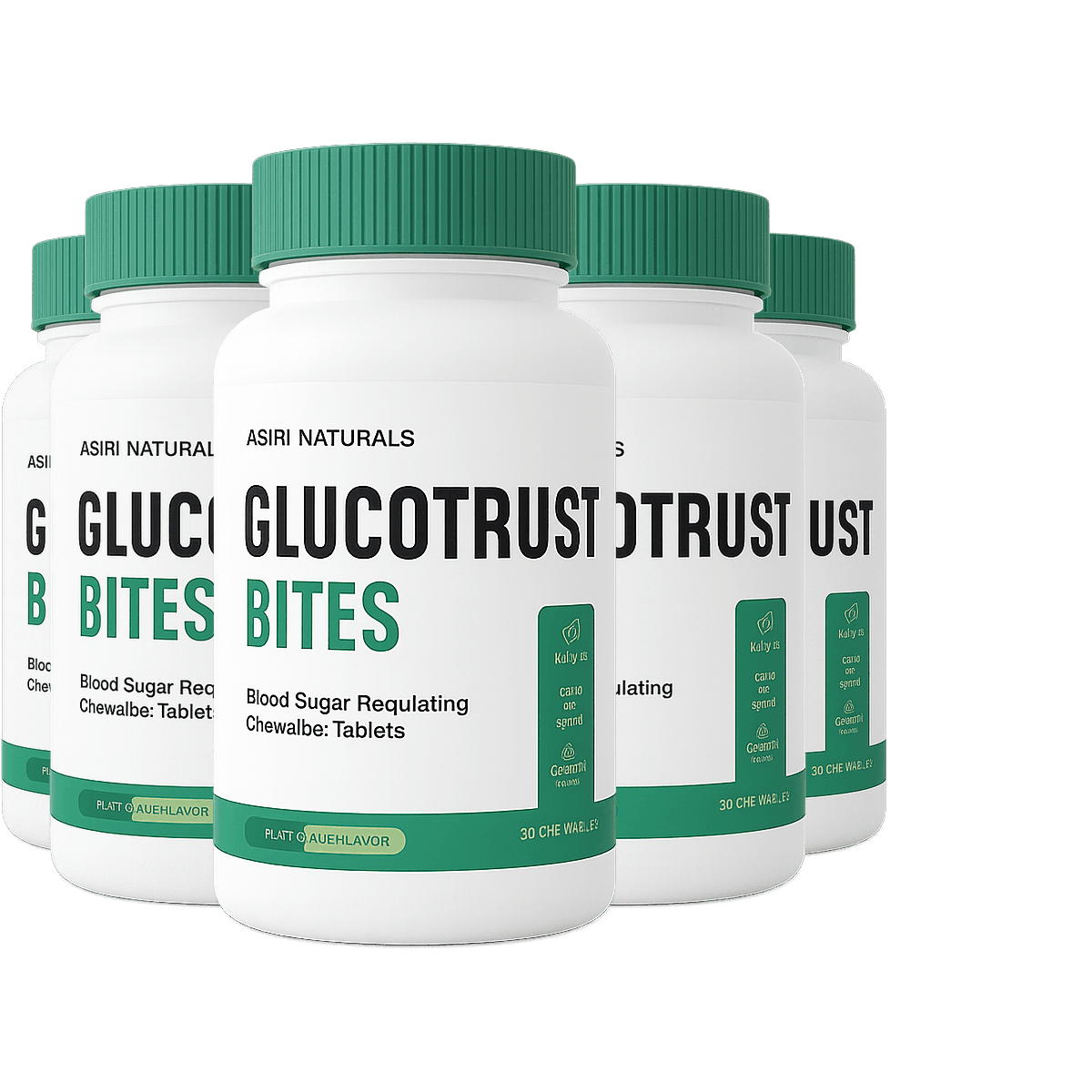
GlucotrustBites is a dietary supplement positioned in the blood sugar support and metabolic health category, sold in the form of a chewable, dissolvable tablet designed to be taken once daily without water. The VSL frames the format itself as a technological breakthrough: unlike traditional capsules or powders that must pass through the digestive tract, the dissolvable tablet is said to allow active compounds to enter the bloodstream directly through the oral mucosa, producing faster and more complete absorption. Whether this claim holds up pharmacologically depends on the molecular weight and lipophilicity of the specific compounds involved, a detail the VSL does not address, but the perception of a superior delivery system is a deliberate product differentiator, not an incidental one.
The product is positioned as the evolved successor to an existing line: the VSL notes that the GlucoTrust brand has already delivered "over 1 million bottles" to American customers, lending legacy credibility to a new formulation. GlucotrustBites is presented as the premium iteration, same foundational ingredient philosophy, upgraded bioavailability, improved taste profile. The target user is an adult between roughly 35 and 75 years old, either pre-diabetic or living with type 2 diabetes, who has tried and been disappointed by conventional medical management, prescription drugs, or previous supplement regimens. The emotional profile of that avatar is someone who feels trapped, by their body, by medical bills, by dietary restriction. And who is actively searching for an exit.
The product is sold exclusively through a direct-to-consumer sales page (no retail distribution, no Amazon listing), in single, three, or six-bottle configurations, with progressively deeper discounts on larger packages. This structure, standard in the direct-response supplement world, is designed to maximize average order value while creating a price-gap incentive that makes the six-bottle purchase feel rational rather than extravagant.
The Problem It Targets
Type 2 diabetes is among the most commercially significant chronic conditions in the United States. The CDC estimates that approximately 38 million Americans live with diabetes. Roughly 90-95% of them with type 2; and another 98 million are classified as pre-diabetic (CDC, National Diabetes Statistics Report, 2024). The economic burden is staggering: the American Diabetes Association estimated total costs of diagnosed diabetes at $412.9 billion in 2022, including direct medical costs and lost productivity. These numbers are not invented by the VSL; they represent a genuine and growing public health crisis, which is precisely what makes the category so commercially fertile for supplement marketers. Suffering at this scale creates a buyer pool of tens of millions who are, by definition, dissatisfied with their current treatment options and actively seeking alternatives.
The VSL frames the problem not as a general glucose management challenge but as the result of a specific biological mechanism, the hormone resistin, that mainstream medicine has allegedly overlooked or suppressed. Resistin is a real protein, first described in the early 2000s, that is secreted primarily by adipose (fat) tissue and is associated with insulin resistance and systemic inflammation in rodent models. However, the picture in humans is more complicated and less settled than the VSL implies. Human resistin is primarily secreted by macrophages rather than fat cells (unlike in mice), and while elevated resistin levels are associated with inflammatory conditions and metabolic syndrome in some human studies, the causal relationship between resistin and type 2 diabetes in humans remains a subject of ongoing research rather than established consensus. The VSL presents this as a clean, proven mechanism; the actual literature is considerably more nuanced.
The framing of resistin as "the missing link" that Big Pharma has deliberately suppressed is where the VSL moves from scientific simplification into a narrative that cannot be verified. The claim that a named pharmaceutical corporation pressured an unnamed university to bury a specific study is presented with enough contextual detail to feel credible (a folder handed across a table, a medical student's quiet warning, a professor retiring to India) but without a single verifiable proper noun that would allow independent confirmation. This is not an accident of storytelling, it is a structural choice that makes the conspiracy impossible to debunk without also being impossible to confirm, which is a rhetorically safe position for the seller to occupy.
Curious how other VSLs in this niche structure their pitch? Keep reading, Section 7 breaks down the psychology behind every claim above.
How GlucotrustBites Works
The VSL describes what it calls a "triple-action sugar-fix process" anchored to Cordyceps militaris, a parasitic fungus used for centuries in traditional Tibetan and Chinese medicine. Step one: cordycepin (a bioactive nucleoside in Cordyceps) activates an enzyme called AMPK (AMP-activated protein kinase), described as "the main power switch that controls your metabolism." Step two: activated AMPK blocks the transcription factor NF-kB, which is characterized as the inflammatory switch that resistin uses to disrupt insulin signaling. Step three: with NF-kB suppressed, inflammatory cytokines (TNF-alpha, IL-6) decrease, insulin sensitivity is restored, and a beneficial hormone called adiponectin increases, collectively normalizing blood sugar and enabling fat loss.
This mechanism is not invented from whole cloth. AMPK activation is a legitimate area of metabolic research; metformin, the most commonly prescribed type 2 diabetes medication, is itself believed to work partly through AMPK activation. NF-kB is a well-characterized inflammatory signaling pathway, and its role in insulin resistance is documented in peer-reviewed literature. Cordycepin does demonstrate AMPK-activating properties in cell culture and animal studies. The gap between laboratory evidence and the VSL's clinical claims, however, is substantial. Most cordycepin research has been conducted in vitro (in cell cultures) or in rodent models, and the translation to human blood sugar outcomes at the doses achievable through a once-daily supplement tablet is far from established. The VSL cites "a recent clinical study" in which patients who took Cordyceps for three months showed improved inflammatory markers and insulin uptake, but provides no authors, journal, year, or sample size, the minimal information needed to evaluate any clinical claim.
The supporting ingredients each add a layer of the proposed mechanism: Banaba leaf's corosolic acid inhibits NF-kB and improves insulin sensitivity; vanadium mimics insulin's action on cells; Gymnema sylvestre blocks intestinal glucose absorption and suppresses sweet taste receptors; chromium enhances insulin receptor sensitivity; Amla reduces TNF-alpha and IL-6. Individually, most of these ingredients have at least some peer-reviewed support for modest effects on glucose metabolism. The VSL's claim that they combine in "precise amounts" to produce a "synergistic effect" is plausible in theory but undemonstrated in the specific formula. The honest assessment: the ingredients are biologically active and not implausible as a support regimen for metabolic health; the claims about magnitude of effect (blood sugar normalized in weeks, 28+ pounds lost without diet or exercise) significantly outpace what published evidence would support.
Key Ingredients and Components
The VSL claims GlucotrustBites contains thirteen natural ingredients, described as a proprietary blend. The following is an assessment of the core components based on publicly available research:
Cordyceps militaris, A parasitic fungus long used in traditional Asian medicine. Its bioactive compound cordycepin activates AMPK in cell and animal studies, and AMPK activation does improve insulin sensitivity and reduce lipid accumulation. A 2021 randomized controlled trial published in Nutrients found modest improvements in fasting glucose and lipid profiles in type 2 diabetic patients supplementing with Cordyceps extract. The VSL's framing of it as a "resistin blocker" is a simplification; the mechanism is AMPK-mediated NF-kB suppression rather than direct resistin antagonism.
Banaba leaf extract (corosolic acid). Corosolic acid has been studied for blood glucose-lowering activity. Research published in the Journal of Ethnopharmacology (Miura et al., 2004) documented improved insulin sensitivity in short-term human trials. Dosage and formulation matter significantly; most positive studies used standardized extracts at specific milligram thresholds not disclosed in the VSL.
Vanadium. A trace mineral that has demonstrated insulin-mimetic effects in animal models and small human trials. The NIH Office of Dietary Supplements notes that while early research was promising, evidence for human benefit at safe doses remains insufficient to support clinical recommendations. High doses of vanadium compounds carry toxicity risks; a context the VSL does not acknowledge.
Gymnema sylvestre, One of the better-studied botanical glucose modulators. Gymnemic acids do suppress sweet taste perception transiently and have shown meaningful reductions in fasting blood sugar and A1c in several human clinical trials, including research reviewed in the Journal of Clinical Biochemistry and Nutrition (2007). This is one of the ingredients where the VSL's claims are most closely aligned with available evidence.
Chromium, Chromium picolinate is perhaps the most widely studied mineral for insulin sensitivity. Harvard Medical School researchers, including work associated with Dr. Walter Willett's nutritional epidemiology group, have noted that chromium deficiency impairs glucose tolerance, and supplementation may benefit those who are deficient. Effect sizes in people without deficiency tend to be small.
Amla (Indian gooseberry), Rich in vitamin C and polyphenols, Amla has demonstrated anti-inflammatory effects in human trials, including reductions in CRP, TNF-alpha, and IL-6. A study in the European Journal of Clinical Nutrition (2011) found significant improvements in lipid profiles. Its role as a direct blood sugar normalizer is less established than its anti-inflammatory properties.
Allulose, A rare sugar that provides sweetness without caloric impact and does not raise blood glucose. The FDA has confirmed allulose may be excluded from total and added sugar labeling given its distinct metabolic profile. Some research suggests it may modestly improve postprandial glucose response. Its primary role in this formula is functional (it makes the tablet taste like candy) rather than therapeutic.
Cinnamon extract, Magnesium, Zinc, Biotin, Vitamin C, Vitamin E, Calcium, Standard supporting micronutrients with documented roles in metabolic health. Magnesium deficiency is common in diabetic patients and supplementation has shown modest benefits for insulin sensitivity. Biotin is involved in glucose metabolism enzyme activity. These are well-tolerated at standard doses and add legitimate nutritional support value.
Hooks and Ad Angles
The VSL's opening hook, "What you're about to witness has never been done before", is a textbook pattern interrupt (Cialdini, 2006): a disruption of expected stimulus flow designed to force attention by signaling that something categorically different is about to happen. The phrase "never been done before" functions as both a novelty signal and an implicit authority claim, priming the viewer to grant the subsequent demonstration more credibility than a standard testimonial would receive. What follows. Three patients eating dessert while their monitors are watched. Operationalizes that promise visually, which is far more persuasive than any spoken claim could be. The hook situates itself squarely in what Eugene Schwartz would have called a market sophistication stage 4 or 5 environment: buyers who have seen every direct pitch, every before-and-after testimonial, and every "doctors hate this one weird trick" formulation. At this level of market sophistication, the only pitches that cut through are those that demonstrate a new mechanism rather than restating a familiar benefit; and GlucotrustBites leads with its mechanism (the glucose monitor demonstration) before it even names itself.
The secondary hook architecture is built around what copywriters call a false enemy frame: the buyer's suffering is not their fault, not their doctor's fault, but the fault of a specific, powerful, named-but-unnamed external force (Big Pharma) that has deliberately withheld the solution. This reframing serves two simultaneous functions. First, it removes the buyer's guilt and shame, powerful emotional barriers in the diabetes market, where patients frequently internalize failure as personal weakness, and replaces those feelings with righteous anger, which is a much more action-oriented emotional state. Second, it positions the product as an act of resistance and reclamation rather than a consumer purchase, which elevates the transaction's psychological meaning and reduces price sensitivity.
Secondary hooks observed in the VSL:
- "The rogue hormone resistin, named because its entire job is to resist insulin, is the missing link"
- "Big Pharma buried this researcher's discovery to protect a $50 billion empire"
- "A sweet morning treat discovered by a researcher at India's premier scientific institution"
- "Suppress the sugar-spiking hormone by up to 78% with one morning candy"
- "Three volunteers, real glucose monitors, eating what their doctors said was forbidden forever"
Ad headline variations for Meta or YouTube testing:
- "Doctors Said She'd Never Eat Dessert Again. Then She Found This 5-Second Morning Ritual."
- "The Hormone Your Blood Test Misses, And the Himalayan Mushroom That Blocks It"
- "Indian Researcher's Suppressed Study on Type 2 Diabetes Is Now Available to the Public"
- "Why 50,000 Diabetics Are Throwing Away Their Glucose Monitors (And What They're Taking Instead)"
- "She Lost 42 Pounds Without Changing Her Diet. Her Morning Secret Takes 5 Seconds."
Psychological Triggers and Persuasion Tactics
The persuasive architecture of this VSL is not a parallel stack of independent triggers but a carefully sequenced compound structure: authority is established first (Dr. Kumar, the suppressed study, the university setting), followed by mechanism explanation (resistin, AMPK, NF-kB) that makes the viewer feel intellectually equipped, followed by social proof that mirrors the viewer's demographic, followed by loss aversion through the "three paths" closing, and finally risk reversal that removes the last cognitive barrier to purchase. Each layer is designed to address the objection most likely to emerge at that specific moment in the viewer's decision journey. Cialdini would recognize the sequencing; Schwartz would identify it as advanced-stage market writing, designed not to persuade a skeptic but to validate and accelerate a purchase that the viewer already wants to make but needs permission to execute.
The most sophisticated move in the entire VSL is the narrator's explicit self-deprecation, "I'm not some celebrity doctor or wellness guru, I'm an ordinary guy". Deployed immediately before the most technically complex section of the pitch. This is a credibility judo move: by preemptively disavowing expert status, the narrator neutralizes the viewer's "who is this person to tell me about my health" objection, while the subsequent technical fluency with terms like AMPK, NF-kB, adiponectin, and cordycepin implicitly demonstrates that he is, in fact, more knowledgeable than the average layperson. The gap between the claimed identity (ordinary science teacher) and the demonstrated knowledge (endocrinology-level mechanism explanation) creates a parasocial intimacy. The viewer feels they are receiving insider information from a peer rather than a sales pitch from a professional.
Specific psychological tactics deployed:
Pattern interrupt + open loop (Cialdini, 2006): The cold-open glucose monitor demonstration creates an unresolved question the viewer cannot leave without answering. The loop is held open for forty-plus minutes.
Epiphany bridge narrative (Brunson, Expert Secrets framework): James Walker's arc; diagnosis, failure, discovery, transformation, mission, mirrors the buyer's inner journey so precisely that the viewer's "aha moment" about resistin feels personally experienced rather than externally sold.
False enemy / tribal framing (Godin, Tribes, 2008): Big Pharma is constructed as the out-group villain, positioning the buyer and seller in the same in-group of people who "deserve to know the truth", a tribal identity that makes the purchase feel like an act of solidarity.
Loss aversion via future-pacing (Kahneman & Tversky, Prospect Theory, 1979): The "three paths" closing section enumerates specific, vivid consequences of inaction (tingling in the hands, vision changes, becoming "a helpless shell," forcing family members to abandon their lives to provide care) before offering Path 3 as relief, exploiting the well-documented asymmetry in which losses feel twice as powerful as equivalent gains.
Social proof with demographic mirroring (Cialdini; Festinger's social comparison theory, 1954): Testimonial characters are assigned specific ages, professions, cities, and family situations so that viewers across the broad target demographic find an avatar whose success they can reasonably project onto themselves.
Endowment effect via "refundable deposit" reframe (Thaler, 1980): Renaming the purchase price a "refundable deposit" semantically removes it from the mental account of irreversible spending, dramatically reducing the psychological cost of the transaction.
Scarcity stacking (Cialdini; FOMO research, Przybylski et al., 2013): Four independent scarcity vectors are activated simultaneously, ingredient supply limits, viral demand, Big Pharma shutdown threat, and page-exit finality, each compounding the urgency of the others.
Want to see how these tactics compare across 50+ VSLs? That's exactly what Intel Services is built to show you.
Scientific and Authority Signals
The VSL deploys authority across four distinct channels, and they are not equally credible. The first channel is Dr. Kumar, the primary scientific architect of the resistin-Cordyceps thesis. He is described as "one of the world's foremost endocrinologists" at "India's premier scientific institution", a title and institution specific enough to sound verifiable but generic enough to be unverifiable. His study, "Resistin: The Missing Link in Understanding the Modern Diabetic Epidemic in America," is never given a journal citation, a year, a sample size, or a DOI. The narrator explains this by claiming the study was buried, but that explanation is self-sealing: the very absence of evidence is framed as evidence of suppression, which is a rhetorical structure that cannot be falsified. Dr. Kumar is, in the language of marketing analysis, a borrowed authority figure, real enough in narrative function to carry persuasive weight, unverifiable enough to carry no accountability.
The second authority channel is institutional citation: Molecular Medicine Reports, the Journal of Ethnopharmacology, the National Institutes of Health, Harvard Medical School, and the FDA are all referenced by name in the VSL. These are legitimate institutions and publications, and some of the citations are directionally accurate. Corosolic acid research has been published in ethnopharmacology journals, chromium and insulin sensitivity research does exist in the Harvard-affiliated literature, and the FDA has made statements about allulose's metabolic profile. The concern is not that the institutions are fabricated but that the citations are decontextualized: the VSL implies that these bodies endorse GlucotrustBites specifically, when in fact the cited research addresses individual compounds in conditions that may not translate to the proprietary formula at the doses used.
The third authority channel is manufacturing credibility: the product is made in an "FDA-approved, GMP-certified U.S. facility" using "state-of-the-art precision engineered machinery." It is worth noting that the FDA does not technically "approve" supplement manufacturing facilities. It inspects them for Good Manufacturing Practice compliance, which is a meaningful but more limited credential than the VSL's phrasing implies. GMP certification is a real and relevant quality marker that indicates the product is made under controlled, hygienic conditions, and is worth crediting as a genuine signal.
The fourth channel is testimonial authority; real people with names, ages, cities, and specific numerical results (A1c from 8.9 to 6.8, morning glucose from 240 to 118). These are presented as genuine user outcomes, and they may well be. They cannot be independently verified, and they are almost certainly drawn from the most dramatic results in the customer base rather than from the median experience, standard practice in direct-response marketing but worth naming clearly for the reader who is using them as a decision input.
The Offer, Pricing, and Risk Reversal
The GlucotrustBites offer is structured around a price anchor that works rhetorically even if its reference points are questionable. The VSL anchors to two numbers: $397 (described as the cost of sourcing the raw ingredients for a 30-day supply independently) and $1,000 (described as what six bottles "could easily" cost at full price). Neither figure is verifiable from the transcript, and the $397 ingredient-sourcing cost depends entirely on whether one is buying exotic Himalayan Cordyceps from retail overseas suppliers in small quantities, a scenario engineered to produce the highest possible anchor price rather than the most realistic one. The actual price is not spoken aloud in the VSL but is revealed on the sales page below the video, with the verbal pitch establishing only that it is dramatically less than $300 for the six-bottle package. This structure, anchor high, reveal low, is a standard direct-response technique that functions legitimately when the anchor is a real market comparison and theatrically when it is a constructed one.
The bonus structure adds three digital products (dessert recipe guides, glucose spike management techniques, and a seven-day smoothie detox plan) valued at "over $250" for three- and six-bottle orders. Digital bonuses cost the seller nothing to fulfill and serve two purposes: they increase the perceived value stack, and they provide the buyer with immediate gratification (downloadable upon purchase) that bridges the psychological gap before the physical product arrives. Free shipping on multi-bottle orders is a standard conversion lever that removes a tangible friction point from the checkout decision.
The 60-day money-back guarantee is genuine in structure, no questions asked, unused product returnable, no hidden subscriptions, and the reframe of the price as a "refundable deposit" is linguistically clever rather than deceptive. What is worth examining is the emotional scaffolding around it: the narrator says his marketing team wanted to limit the window to 30 days, but he personally insisted on 60 out of generosity and confidence. This is a authority-generosity frame that makes the guarantee feel like a personal gift from James Walker rather than a standard e-commerce return policy, which it effectively is. The guarantee is meaningful; the framing around it is theater.
Who This Is For (and Who It Isn't)
The ideal GlucotrustBites buyer is a person in their late forties to late sixties, living with pre-diabetes or type 2 diabetes that has been managed with medication but not resolved, who has accumulated significant emotional weight around their condition, fear of complications, shame about their body, anxiety about being a burden on family. And who is open to a natural supplement as an adjunct to (or eventual replacement for) pharmaceutical management. That buyer is almost certainly already taking metformin or another oral medication, possibly insulin, and has likely tried at least one previous supplement or dietary intervention without lasting success. The VSL speaks directly to the fatigue of that experience: "If you feel you've already tried everything, this can still work for you" is a promise calibrated precisely to the exhausted long-term sufferer rather than the newly diagnosed optimist.
The supplement's ingredient profile. Cordyceps, Banaba, Gymnema, Chromium, Magnesium, Zinc; represents a reasonable supporting regimen for metabolic health, and buyers looking for a convenient, palatable, once-daily format for a combination of these nutrients may find real value in GlucotrustBites as a complement to an existing care plan. The key word is complement: the VSL repeatedly (and appropriately, in its FAQ section) advises buyers to continue their current medications and to share the ingredients list with their doctor. Anyone treating this product as a replacement for prescribed medication, or expecting the dramatic forty-point glucose drops and thirty-pound weight losses described in the most prominent testimonials, is likely to be disappointed.
Readers who should approach with particular caution include those with advanced kidney disease (vanadium and some minerals require careful monitoring in renal impairment), those on blood-thinning medications (Cordyceps and cinnamon can affect platelet function), and anyone expecting the product to function as a cure for type 2 diabetes. The VSL's language around "reversing" and "normalizing" blood sugar is aggressive enough to create unrealistic expectations in vulnerable buyers, and that gap between promise and realistic outcome is the most substantive consumer protection concern this analysis can identify.
This breakdown is part of Intel Services, our ongoing library of VSL and ad-copy analyses. If you're researching similar products, keep reading.
Frequently Asked Questions
Q: Is GlucotrustBites a scam?
A: GlucotrustBites is a real supplement product manufactured in a GMP-certified U.S. facility, with a functional ingredient list that has some scientific support for metabolic health benefits. Whether it qualifies as a "scam" depends on the gap between its marketing claims and realistic outcomes: the ingredients are not fraudulent, but some claims, particularly around reversing diabetes or replacing medication, are not supported by clinical evidence at the level of confidence the VSL implies. The 60-day money-back guarantee provides a meaningful exit for dissatisfied buyers.
Q: Does GlucotrustBites really work for type 2 diabetes?
A: The core ingredients, particularly Gymnema sylvestre, Banaba leaf extract, chromium, and Cordyceps militaris, have demonstrated modest glucose-modulating effects in peer-reviewed research. Whether the specific proprietary formula at the doses in GlucotrustBites replicates those effects is unknown, as no independent clinical trial of the finished product has been cited or published. It is more accurate to describe it as a supportive supplement than a diabetes treatment.
Q: Are there any side effects from taking GlucotrustBites?
A: The individual ingredients at typical supplement doses are generally well-tolerated in healthy adults. Gymnema sylvestre can lower blood sugar significantly enough that people on insulin or sulfonylureas should monitor carefully to avoid hypoglycemia. Vanadium at high doses has documented toxicity. Cordyceps can interact with immunosuppressive medications. Anyone with a chronic condition or on prescription medication should review the ingredient list with a physician before starting.
Q: Is GlucotrustBites safe to take alongside diabetes medications like metformin or insulin?
A: The VSL itself advises buyers to continue their medications and consult their doctor before adding GlucotrustBites, which is the correct guidance. Several ingredients (Gymnema, Banaba, chromium) can lower blood sugar independently; combined with glucose-lowering medications, there is a real risk of hypoglycemia if doses are not monitored. This is not a reason to avoid the product, but it is a reason to involve a healthcare provider in the decision.
Q: What is resistin and does it actually cause diabetes?
A: Resistin is a real protein hormone, first described in academic literature in the early 2000s. In rodent models, it is clearly associated with insulin resistance. In humans, the picture is more complex: human resistin is produced primarily by immune cells rather than fat tissue (unlike in mice), and while elevated resistin levels are associated with inflammatory conditions and metabolic syndrome, its causal role in human type 2 diabetes is an area of ongoing research rather than settled science. The VSL presents resistin as the singular root cause of diabetes, a simplification that goes beyond current consensus.
Q: How long does it take for GlucotrustBites to work?
A: The VSL cites experiences ranging from improved energy within the first few days to significant glucose and weight changes at 30 days, with the most dramatic transformations described at 90 days. The FAQ recommends a minimum three-to-six-month trial. Realistic expectations for any metabolic supplement suggest that meaningful, measurable changes in fasting glucose or A1c would require at minimum eight to twelve weeks of consistent use alongside appropriate dietary habits.
Q: Can GlucotrustBites replace insulin or metformin?
A: No supplement should be used to replace prescribed medication without explicit guidance from a physician. The VSL expresses the hope that doctors may "safely decrease or even stop" medications as results improve. Which is a legitimate goal but one that requires medical supervision, not a self-directed decision to stop prescriptions. Abruptly discontinuing insulin is medically dangerous.
Q: What is the refund policy for GlucotrustBites?
A: The VSL describes a 60-day, no-questions-asked, 100% money-back guarantee with no auto-ship or subscription fees. Buyers who are dissatisfied can reportedly return unused product for a full refund by contacting customer support within 60 days of purchase. As with any direct-response supplement company, it is advisable to retain all order confirmation emails and to initiate any refund request well within the stated window.
Final Take
GlucotrustBites is a well-constructed supplement product wrapped inside an exceptionally sophisticated direct-response sales letter. The ingredients are real, the manufacturing credentials are credible, and several of the core compounds have genuine peer-reviewed support for modest metabolic benefits. What the VSL sells, however, is not the modest metabolic benefit the science supports. It sells liberation from diabetes, effortless fat loss, restored intimacy, and the emotional experience of having been personally wronged by a system that deliberately withheld this solution. That gap; between what the ingredients plausibly do and what the narrative promises, is the central tension any buyer should hold in mind.
The resistin mechanism is the most interesting aspect of the pitch from a marketing intelligence standpoint. It is not invented, resistin is real, NF-kB is real, AMPK is real, but it is assembled into a causal chain that the current human literature does not fully support, then credited to a single suppressed study from an unverifiable source. This is a Eugene Schwartz stage 5 mechanism play: in a market saturated with insulin sensitivity pitches, the seller has identified a plausible but obscure biological actor, constructed a new causal story around it, and claimed exclusive access to the solution. Whether the mechanism is precisely accurate matters less, commercially, than whether it feels like new information to a buyer who has heard everything else. It clearly does.
For the reader who is actively researching GlucotrustBites before purchasing: the honest read is that this is a multi-ingredient metabolic support supplement with a reasonable ingredient profile, an aggressive marketing narrative, and realistic modest benefits for people who take it consistently alongside a sensible diet and continued medical supervision. It is not a cure for type 2 diabetes. It may not produce the blood sugar changes described in the testimonials for most users. It does offer a 60-day refund window that meaningfully reduces the financial risk of trying it. Whether those parameters constitute a good decision for any individual buyer depends on their health profile, their current management plan, and their expectations, and those are questions best resolved in conversation with a physician rather than a sales video.
This breakdown is part of Intel Services, our ongoing library of VSL and ad-copy analyses. If you're researching similar products, keep reading.
Disclaimer: This article is for research and educational purposes only. It is not medical, legal, or financial advice, and it is not affiliated with the product or its makers. Always consult a qualified professional before making health or financial decisions.
Source-backed reader context
Additional Reviews & Reported Experiences
These statements were presented in the product's sales transcript. Daily Intel did not independently verify the speakers, purchase status, or reported outcomes, and the statements are not used in Product aggregateRating.
Carlos Luna (44, IT specialist, San Antonio)
Date not stated
morning glucose dropped from 210 to 118, lost 28 pounds, restored energy
Patricia Williams (51, mom, Atlanta)
Date not stated
A1c from 8.9 to 6.8, lost 22 pounds, first sense of hope in years; shared on Facebook diabetes group
Bob Thompson (62, retired construction worker, Phoenix)
Date not stated
blood sugar normalized, lost 31 pounds, doctor amazed
Anonymous female user
Date not stated
lost 35 pounds, no longer exhausted, enjoys date nights, actually craves taking her tablets
Anonymous male user
Date not stated
doctor said his blood work 'looks like someone half my age,' feels like 'having candy for breakfast
Anonymous female user
Date not stated
lost 24 pounds, stable blood sugar, now planning third international trip of the year
Anonymous female user
Date not stated
taking GlucotrustBites is a 'daily act of self-love
Anonymous
Date not stated
'I'm not surviving anymore, I'm thriving
VSL proof excerpt 9
Date not stated
Family member testimonial: 'My kids got their dad back
Spouse testimonial
Date not stated
'I was planning for widowhood instead of a joyful retirement together — now I've got my husband back
Comments(0)
No comments yet. Members, start the conversation below.
Related reads
 reviews
Mind Lab Pro Review: Does the 30-Day Study Match v4?
Mind Lab Pro v4 lists exact amounts for 11 ingredients and contains no caffeine or stimulants, according to its official page. A 30-day finished-product study reported favorable memory findings, but its abstract does not identify v4 or disclose the tested form or dose.
Read reviews
Life Extension Two-Per-Day Multivitamin Review: Evidence Limits
Life Extension Two-Per-Day is a 120-capsule multivitamin displayed as a 60-day supply. Its identity and dated prices are verified, but the supplied evidence does not reproduce the complete quantitative Supplement Facts panel or include a trial of the finished product. Research involving another multivitamin cannot prove that these capsules improve memory or deliver Life Extension’s broader health-support claims.
Read reviews
Ritual Essential for Women 50+ Review: Label, Study Fit, and Verdict
Ritual Essential for Women 50+ is an iron-free capsule multivitamin positioned by Ritual for women after menopause. Its verified label lists 100 micrograms of vitamin K2 as menaquinone-7. The supplied study did not test this finished product, and the packet provides no exact price.
Read