GlycoMax Review and Ads Breakdown
This GlycoMax review is based only on the provided ad transcript, so the analysis is intentionally narrow: what the promotion says, what it does not say, and how the VSL-style ad tries to persuade …
8,226+
Videos & Ads
+50-100
Fresh Daily
$29.90
Per Month
Full Access
12.5 TB database · 72+ niches · 17 min read
This GlycoMax review is based only on the provided ad transcript, so the analysis is intentionally narrow: what the promotion says, what it does not say, and how the VSL-style ad tries to persuade people in the diabetes and blood sugar support niche.
The ad does not begin with a bottle, ingredient panel, clinical explanation, or standard supplement pitch. It begins with a contrast: everyone talks about apple cider vinegar, but hardly anyone knows the right way to fix the real cause of unstable glucose levels. That is the central hook. The promotion positions ordinary remedies as incomplete and introduces a more unusual idea: a 10-second Thai toothbrush trick before bed.
Importantly, the transcript does not prove that GlycoMax lowers blood sugar. It does not provide clinical trial data, named researchers, a disclosed formula, dosage information, or a medical mechanism. What it does provide is a direct-response ad narrative built around frustration, secrecy, authority borrowing, and urgency. The speaker claims improved energy, more stable sugar levels, better sleep, and dropping readings, but those remain claims from the presentation, not verified outcomes.
For Daily Intel readers, the useful question is not whether the ad sounds exciting. It is what the ad is doing. The GlycoMax promotion uses a familiar health VSL structure: identify a common failed solution, introduce a hidden mechanism, borrow credibility from doctors and media names, present a personal transformation, then ask for a click before access disappears.
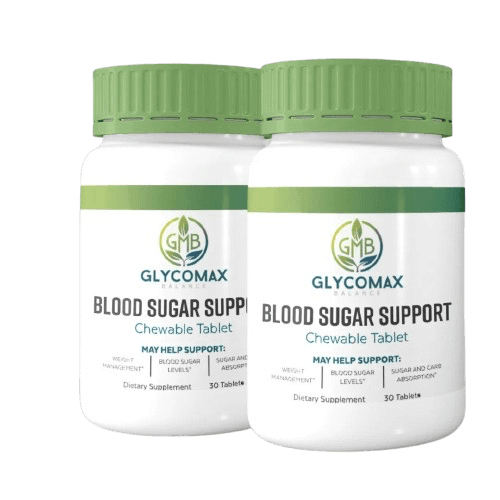
What Is GlycoMax
GlycoMax is presented here as a product or offer in the diabetes and blood sugar support niche. The transcript itself does not clearly disclose the product format. It does not say whether GlycoMax is a capsule, powder, liquid, digital protocol, physical kit, or another type of offer.
That absence matters. Many supplement ads eventually reveal a formula, serving size, bottle count, or monthly package. This transcript does not. It focuses almost entirely on a short video that allegedly reveals a simple toothbrush trick connected to blood sugar balance.
The ad says viewers can watch a full video showing exactly how to use the 10-second Thai toothbrush trick before bed. It claims the method helps restore normal blood sugar levels naturally, and it frames the discovery as something that does not require vinegar, medication, dieting, exercise, or giving up favorite foods.
From an editorial standpoint, that means GlycoMax is not well defined by the transcript. The offer is clear emotionally but vague materially. The emotional promise is relief from unstable glucose. The material product details are missing.
A careful GlycoMax review therefore has to separate the marketing positioning from the evidence. The positioning is strong: easy, hidden, natural, doctor-linked, and allegedly suppressed. The evidence inside the transcript is weak: no named study, no named doctor, no ingredient list, no price, and no guarantee.
The Problem It Targets
The GlycoMax ad targets people who feel stuck with unstable glucose levels. The phrase used in the transcript is not just high blood sugar. It is the real cause of unstable glucose levels, which suggests the ad is aiming at people who have tried surface-level fixes but believe something deeper is being missed.
The opening line uses apple cider vinegar as the foil. The ad says everyone talks about apple cider vinegar for lowering blood sugar, but hardly anyone knows the right way to address the real cause. This is a classic reframe. Instead of arguing directly against every mainstream or natural approach, the ad picks one familiar remedy and says, in effect, that the popular conversation is focused on the wrong thing.
The pain points are broad but recognizable: low energy, unstable sugar, poor sleep, and frustration after trying many options. The narrator says, My energy is back, my sugar levels are stable, and I'm finally sleeping peacefully through the night. That sentence implies the before-state: low energy, unstable sugar, and restless sleep.
The ad also targets people who are tired of sacrifice. It says the narrator did not have to drink vinegar, take medication, or give up favorite foods. Later, it adds without dieting, exercise, or medication. These phrases are not incidental. They are central to the persuasion. The promotion is not only selling blood sugar support. It is selling escape from the burden of difficult lifestyle change.
That kind of promise should be read carefully. Blood sugar concerns can be serious, and people using medication or managing diabetes should not change care based on an ad. The transcript does not provide medical guidance, clinical evidence, or safety information. It simply claims that the method is easier than the usual options.
How GlycoMax Works
According to the presentation, the key mechanism is a simple toothbrush trick discovered by a Thai doctor. The ad says this trick can help restore normal blood sugar levels naturally. It also says the trick takes 10 seconds and is used before bed.
The transcript does not explain how the toothbrush trick works. It does not identify whether the trick involves the gums, tongue, saliva, oral microbiome, brushing technique, pressure point, timing, or a substance applied to the toothbrush. It does not connect the claimed method to a biological pathway. It simply uses the phrase toothbrush trick as a curiosity hook.
That is important because the unique mechanism is the engine of the ad. In direct-response health marketing, a unique mechanism gives the audience a reason to believe this offer is different from everything else they have tried. The GlycoMax ad says the narrator tried every remedy, every supplement, and every so-called miracle solution, but nothing worked. Then the toothbrush trick allegedly changed the outcome.
The presentation claims the narrator's readings started dropping, they felt lighter, and they had energy all day long. It also says the narrator's doctor could not believe it and claimed the progress in a few months was greater than what most patients make in years. These are dramatic claims, but the transcript gives no underlying data.
So the honest summary is this: the manufacturer or presentation claims GlycoMax is connected to a 10-second Thai toothbrush trick that supports normal blood sugar, but the provided transcript does not disclose the actual mechanism or evidence. Readers should treat the mechanism as an advertising claim unless stronger documentation is available elsewhere.
Key Ingredients and Components
The provided transcript does not disclose a specific GlycoMax ingredient list.
That is one of the biggest limitations in this review. The ad mentions apple cider vinegar, but only as a popular remedy people talk about, not as a confirmed GlycoMax ingredient. It mentions a toothbrush trick, but not a supplement formula. It mentions a Thai doctor, but not a clinical formulation. It mentions blood sugar stability, but not chromium, cinnamon, berberine, gymnema, bitter melon, alpha-lipoic acid, magnesium, or any other category ingredient.
Because the transcript does not provide confirmed ingredients, this review should not imply that GlycoMax contains any particular nutrient or botanical. In the broader blood sugar support category, products often feature nutrients such as chromium, cinnamon extract, berberine, alpha-lipoic acid, bitter melon, gymnema sylvestre, or magnesium. But those are only typical category examples. They are not confirmed GlycoMax ingredients based on the transcript.
The same caution applies to components. The transcript does not mention capsules, serving size, bottle count, a supplement facts panel, third-party testing, allergens, manufacturing standards, or contraindications. It does not say whether the product is suitable for people taking diabetes medications. It does not provide a warning about hypoglycemia or doctor supervision.
For a blood sugar offer, that lack of detail is significant. Anyone evaluating GlycoMax ingredients would need the actual product label, supplement facts panel, or manufacturer disclosure. The ad transcript alone is not enough to judge formulation quality.
The VSL Hook and Story
The GlycoMax VSL hook is built around the phrase everyone talks about apple cider vinegar. That opening works because apple cider vinegar is familiar. The viewer does not need a scientific explanation to understand the reference. They have probably heard of vinegar as a home remedy, seen it discussed online, or tried it themselves.
The ad then says the real issue is not vinegar but the real cause of unstable glucose levels. This introduces a mystery. What is the real cause? Why do most people not know it? Why do some people finally balance blood sugar while others keep struggling?
Next, the narrator presents a transformation: energy is back, sugar levels are stable, and sleep is peaceful. The ad quickly removes common objections by saying the narrator did not need to drink vinegar, take medication, or give up favorite foods. That line lowers perceived effort.
The story then escalates into an authority-and-secrecy frame. The narrator says they found the discovery after watching a short video that was accidentally shown on major news networks like NBC, Fox, and Healthline. The ad says the video revealed a strange discovery made by a Thai doctor.
That is a powerful cluster of signals. Major news networks create familiarity. Healthline creates health-context credibility. A doctor creates authority. Thai adds exotic specificity, making the discovery feel unusual and culturally distinct. Accidentally shown implies the information slipped past gatekeepers.
Then the ad moves into personal doubt: the narrator first thought vinegar was the secret and tried many remedies, supplements, and miracle solutions. Nothing worked. At first, they did not tell anyone because they thought people would laugh. This makes the strange method feel socially risky but potentially worthwhile.
Finally, the results arrive: readings started dropping, the narrator felt lighter, and energy lasted all day. The doctor allegedly could not believe it. The video is said to threaten the billion-dollar pharmaceutical industry. The ad claims the video has been removed twice and urges viewers to click before it is taken down again.
This is not a standard product education ad. It is a forbidden discovery story. The product is secondary to the secret.
Ads Breakdown
The provided ad transcript uses several specific angles to drive traffic to the GlycoMax offer.
The first angle is the apple cider vinegar reversal. Rather than saying apple cider vinegar works, the ad says everyone talks about it but misses the real cause. This lets the promotion borrow attention from a popular remedy while positioning itself as more advanced.
The second angle is the real cause of unstable glucose levels. This is a common VSL structure in health marketing. The ad suggests that viewers have failed because they have been addressing the wrong target. That can be persuasive for people who feel they have tried everything.
The third angle is the 10-second Thai toothbrush trick. This is the strongest curiosity hook in the transcript. It is specific, short, unusual, and easy to visualize. A toothbrush is ordinary. A Thai doctor is specific. Blood sugar is serious. The combination is strange enough to demand an explanation.
The fourth angle is no sacrifice. The ad says the narrator did not need vinegar, medication, dieting, exercise, or giving up favorite foods. This is a major promise because the diabetes niche often involves difficult behavior change. The ad directly appeals to the desire for an easier path.
The fifth angle is mainstream media exposure. The claim that the video was accidentally shown on NBC, Fox, and Healthline is designed to make the secret feel validated without presenting a study. It gives the audience familiar names to hold onto.
The sixth angle is doctor validation. The Thai doctor supposedly discovered the method, and the narrator's personal doctor supposedly could not believe the progress. The transcript does not name either doctor, but the authority function is obvious.
The seventh angle is pharmaceutical suppression. The ad says the method threatens the billion-dollar pharmaceutical industry and that the video has been removed twice. This creates an enemy and increases urgency. If the viewer believes the secret is being suppressed, clicking becomes a way to access information before it disappears.
The final angle is watch before it is taken down. The call to action is not simply learn more. It is watch it before it's taken down again. That turns curiosity into a deadline.
Psychological Triggers and Persuasion Tactics
The GlycoMax ad leans heavily on curiosity. The viewer is told there is a toothbrush trick, but not what it is. They are told it is simple, takes 10 seconds, and happens before bed, but the operational detail is withheld. That gap is the click driver.
The ad also uses identity relief. It speaks to people who feel they have failed with vinegar, remedies, supplements, and miracle solutions. By saying the real cause has been hidden or misunderstood, it reduces personal blame. The viewer may feel, I did not fail because I lacked discipline; I failed because I did not know the right method.
Another tactic is authority borrowing. The ad references an unnamed Thai doctor, an unnamed personal doctor, NBC, Fox, and Healthline. None of these references are documented inside the transcript, but they function as credibility shortcuts.
The ad uses conspiracy framing through the pharmaceutical industry claim. This gives the story a villain. The alleged villain is not just wrong information; it is an industry with financial incentives to keep people dependent on expensive drugs. That framing can be emotionally powerful, especially for people frustrated with health costs.
The ad uses loss aversion with the claim that the video has been removed twice and may disappear again. The viewer is encouraged to act now to avoid losing access.
It also uses effort minimization. The repeated phrases without dieting, exercise, or medication and didn't have to drink vinegar, take medication, or give up my favorite foods make the method feel low-friction.
Finally, the ad uses before-and-after narration. The speaker moves from failed remedies and secrecy to dropping readings, energy, and doctor disbelief. This creates a compact transformation story without needing a long testimonial section.
Scientific and Authority Signals
The scientific signals in the transcript are limited. The ad refers to unstable glucose levels, blood sugar, and normal blood sugar levels, but it does not cite studies, biomarkers, clinical endpoints, sample sizes, peer-reviewed journals, or ingredient-specific research.
The strongest authority signal is the unnamed Thai doctor. The ad says this doctor made a strange discovery. However, the transcript does not provide the doctor's name, hospital, university, publication, specialty, or credentials.
The second authority signal is the narrator's unnamed doctor. The ad says the doctor could not believe the progress and allegedly said the narrator made more progress in a few months than most patients do in years. This is a persuasive quote-like claim, but it is not verifiable from the transcript.
The third authority signal is the mention of NBC, Fox, and Healthline. The wording says the short video was accidentally shown on major news networks like those brands. The transcript does not provide dates, program names, article links, anchors, screenshots, or confirmation.
So the scientific and authority profile is mostly rhetorical. The ad sounds authority-rich, but the provided transcript is evidence-light.
What Real Buyers Say
The transcript does not provide 10 to 15 separate named buyer testimonials. It provides one narrator-style testimonial with several first-person claims.
The strongest quote is: My energy is back, my sugar levels are stable, and I'm finally sleeping peacefully through the night. That sentence carries the core transformation: energy, glucose stability, and sleep.
The narrator also says: I didn't have to drink vinegar, take medication, or give up my favorite foods. This reinforces the ease promise.
Other testimonial-style lines include: I used to think vinegar was the secret, I tried every remedy, every supplement, every so-called miracle solution, but nothing worked, My readings started dropping, and I felt lighter, and I had energy all day long.
These statements are useful for understanding the ad's emotional appeal, but they are not the same as verified customer evidence. The transcript does not include customer names, photos, before-and-after lab values, dates, medical records, or independent verification.
For a research-first review, the proper conclusion is that the ad contains testimonial language, not robust social proof.
The Offer / Pricing / Risk Reversal
The provided transcript does not mention a GlycoMax price. There is no bottle price, trial price, subscription detail, shipping fee, bundle, discount, or checkout structure.
The ad does use price anchoring indirectly. It says the method could reduce dependence on expensive drugs and threatens the billion-dollar pharmaceutical industry. That frames the offer as an alternative to costly ongoing medication, but it does not state what the product itself costs.
There are also no bonuses mentioned. The transcript does not describe free guides, recipe plans, coaching, e-books, fast-action bonuses, or bundle extras.
No guarantee appears in the transcript. There is no 30-day, 60-day, 90-day, 180-day, or lifetime refund policy disclosed in the provided ad text.
The main risk reversal is psychological rather than transactional. The ad implies the method is easy, natural, fast, and does not require unpleasant sacrifices. But from a buyer-protection standpoint, the transcript does not provide enough offer detail to evaluate risk.
Who This Is For (and Who It Isn't)
The GlycoMax message is for people who are anxious about blood sugar and feel tired of failed attempts. It speaks most directly to someone who has tried apple cider vinegar, supplements, remedies, or miracle solutions and still feels stuck.
It is also aimed at people who want an easier answer. The transcript repeatedly removes friction: no vinegar, no medication, no giving up favorite foods, no dieting, no exercise. That positioning will naturally attract people who feel overwhelmed by conventional blood sugar management.
It is not a good fit for someone looking for a fully documented formula from the ad transcript. The transcript does not disclose GlycoMax ingredients, dosage, safety information, price, or clinical data.
It is also not something anyone should use as a reason to stop prescribed medication. The ad says the narrator did not have to take medication, but that is an advertising claim in a transcript, not medical advice. Anyone with diabetes, prediabetes, unstable glucose, or medication use should speak with a qualified clinician before changing their routine.
Frequently Asked Questions
What is GlycoMax?
Based on the transcript, GlycoMax is positioned as a blood sugar support offer in the diabetes niche. The ad does not disclose whether it is a supplement, protocol, or another product format.
Does the GlycoMax ad disclose the ingredients?
No. The transcript does not provide a confirmed ingredient list. Any mention of typical blood sugar nutrients would be category context, not confirmed GlycoMax formulation information.
What is the Thai toothbrush trick?
The ad describes it as a 10-second trick before bed discovered by a Thai doctor, but it does not explain the steps or the biological mechanism.
Does the transcript prove GlycoMax lowers blood sugar?
No. The transcript includes claims and testimonial-style language, but not clinical evidence.
What price is mentioned?
No price is mentioned in the provided transcript.
Is there a guarantee?
No guarantee is disclosed in the provided transcript.
What is the main CTA?
The ad tells viewers to click Learn More and watch the video before it is allegedly taken down again.
Final Take
The GlycoMax VSL is a strong direct-response ad, but the provided transcript is thin on product facts. Its main strength is not ingredient science or transparent offer detail. Its strength is the marketing story: apple cider vinegar is not enough, the real cause is hidden, a Thai doctor found a strange toothbrush trick, and the viewer must watch quickly before access disappears.
As an ad, it is built to trigger curiosity and urgency. As evidence, it leaves major gaps. There is no disclosed formula, no named doctor, no cited study, no price, no guarantee, and no independent customer proof in the transcript.
For Daily Intel's purposes, the most accurate conclusion is that GlycoMax is promoted through a high-curiosity blood sugar hook, but the provided ad transcript does not give enough information to verify the product's mechanism, ingredients, safety, or effectiveness.
Disclaimer: This article is for research and educational purposes only. It is not medical, legal, or financial advice, and it is not affiliated with the product or its makers. Always consult a qualified professional before making health or financial decisions.
Source-backed reader context
Additional Reviews & Reported Experiences
These statements were presented in the product's sales transcript. Daily Intel did not independently verify the speakers, purchase status, or reported outcomes, and the statements are not used in Product aggregateRating.
VSL proof excerpt 1
Date not stated
My energy is back, my sugar levels are stable, and I'm finally sleeping peacefully through the night.
VSL proof excerpt 2
Date not stated
I didn't have to drink vinegar, take medication, or give up my favorite foods.
VSL proof excerpt 3
Date not stated
I discovered this after watching a short video that was accidentally shown on major news networks like NBC, Fox, and Healthline.
VSL proof excerpt 4
Date not stated
I tried every remedy, every supplement, every so-called miracle solution, but nothing worked.
VSL proof excerpt 5
Date not stated
At first I didn't tell anyone because I thought they'd laugh.
VSL proof excerpt 6
Date not stated
I felt lighter, and I had energy all day long.
Comments(0)
No comments yet. Members, start the conversation below.
Related reads
- DISreviews
Truque Matinal de 30 Segundos Review and Ads Breakdown
This Truque Matinal de 30 Segundos review analyzes the offer exactly as it appears in the provided video sales letter and ad transcript. The pitch is a diabetes-focused direct-response presentation…
Read  reviews
Mind Lab Pro Review: Does the 30-Day Study Match v4?
Mind Lab Pro v4 lists exact amounts for 11 ingredients and contains no caffeine or stimulants, according to its official page. A 30-day finished-product study reported favorable memory findings, but its abstract does not identify v4 or disclose the tested form or dose.
Read reviews
Life Extension Two-Per-Day Multivitamin Review: Evidence Limits
Life Extension Two-Per-Day is a 120-capsule multivitamin displayed as a 60-day supply. Its identity and dated prices are verified, but the supplied evidence does not reproduce the complete quantitative Supplement Facts panel or include a trial of the finished product. Research involving another multivitamin cannot prove that these capsules improve memory or deliver Life Extension’s broader health-support claims.
Read