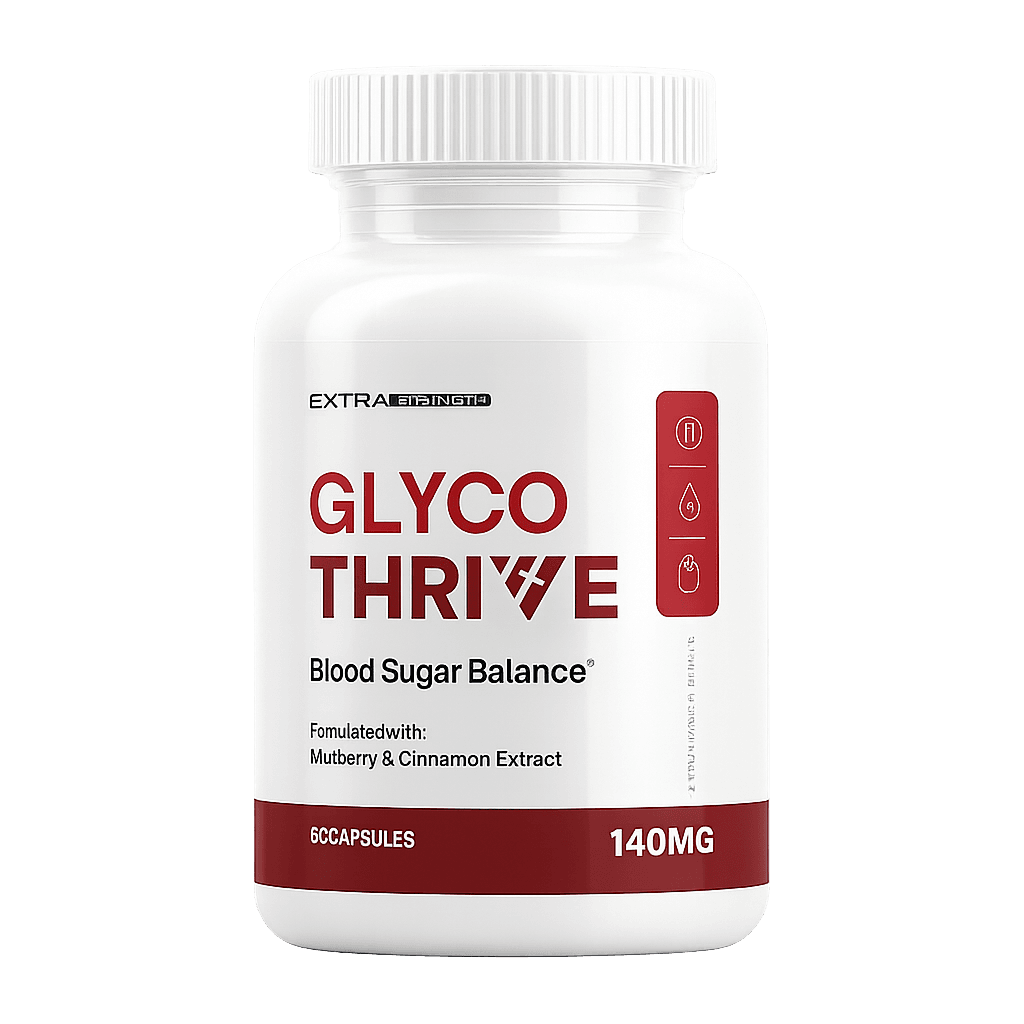
Glycothrive VSL and Ads Analysis
The video opens on what appears to be a live CNN broadcast. A well-known interviewer introduces Kathy Bates, Academy Award-winning actress, two-time cancer survivor, and one of Hollywood's most op…
8,226+
Videos & Ads
+50-100
Fresh Daily
$29.90
Per Month
Full Access
12.5 TB database · 72+ niches · 27 min read
The video opens on what appears to be a live CNN broadcast. A well-known interviewer introduces Kathy Bates, Academy Award-winning actress, two-time cancer survivor, and one of Hollywood's most openly health-conscious public figures, as a guest who has discovered a "breakthrough treatment" for obesity and Type 2 diabetes. The production design is deliberate: the graphics mimic cable news chyrons, the pacing mirrors a morning-show segment, and the conversational warmth between host and guest feels almost indistinguishable from the real thing. For a viewer stumbling on this as a Facebook pre-roll or a YouTube ad, the first twenty seconds offer virtually no signal that what they are watching is a paid advertisement for a $39 supplement called Glycothrive.
This is not an accident, and it is not unsophisticated. The Glycothrive VSL (Video Sales Letter) is a technically layered piece of direct-response copywriting that deploys a fake-news interview format, a celebrity persona borrowed without apparent consent, a fabricated scientific authority figure, and a cascade of descending price anchors, all in service of selling a daily supplement whose two named active ingredients are green tea extract and cinnamon. The gap between the production ambition and the product simplicity is itself the most revealing thing about the letter, and it is what this analysis sets out to examine in full.
The piece is structured around a classic Problem-Agitate-Solution (PAS) arc, but the execution borrows more from narrative fiction than from traditional direct-response copy. The celebrity narrator's story of failure with conventional medicine, the naturopathic retreat revelation, the scientist-hero who rejected a billion-dollar industry to sell her formula at cost, these are not incidental story elements. They are precisely chosen to meet a buyer who is, in Eugene Schwartz's taxonomy, at market sophistication stage four or five: someone who has seen every weight-loss claim imaginable, who is deeply skeptical of pharmaceutical advertising, and who can only be reached through a genuinely new mechanism framed within a story they already believe is true. The question this analysis investigates is whether the mechanism, the science, and the offer beneath that story hold up under scrutiny. And what the VSL's architecture reveals about the market it is targeting.
What Is Glycothrive?
Glycothrive is presented in the VSL as an oral dietary supplement taken once daily on an empty stomach. Its stated purpose is dual: promoting significant weight loss and normalizing blood sugar levels in people with obesity and Type 2 diabetes or pre-diabetes. The product is sold exclusively online, directly from the manufacturer, at an advertised price of $39 per course of treatment, with free shipping. No pharmacy distribution is offered. A point the VSL frames as a moral stance against corporate greed rather than a distribution limitation.
The supplement positions itself within the rapidly growing metabolic health category, which sits at the intersection of weight management and blood glucose regulation. This positioning is commercially shrewd: the global weight management market was valued at over $150 billion in 2023 (Grand View Research), while public awareness of GLP-1 drugs like Ozempic and Wegovy has created an enormous audience of consumers who are aware of the weight-loss-diabetes connection but either cannot afford prescription options, fear their side effects, or have been told they do not qualify. Glycothrive is explicitly designed to occupy that gap, marketing itself as a natural, affordable, side-effect-free alternative to pharmaceutical interventions.
The stated target user is an adult; the VSL implies ages 35 and older, who is significantly overweight, has received a diabetes or pre-diabetes diagnosis, has tried and failed with conventional medications and diets, and feels abandoned or exploited by the mainstream healthcare system. The product is framed not as a supplement in the ordinary consumer sense but as a complete "treatment course" that produces permanent results, language that carries significant regulatory implications and sets expectations well beyond what any dietary supplement is legally permitted to claim in the United States.
The Problem It Targets
Obesity and Type 2 diabetes represent one of the most commercially significant health crises of the modern era, and the VSL exploits the genuine suffering behind those statistics with considerable skill. According to the CDC, more than 40% of American adults meet the clinical criteria for obesity, and approximately 37 million Americans have diabetes, with Type 2 accounting for roughly 90-95% of all cases. A further 96 million adults are estimated to be pre-diabetic, the majority of whom are unaware of their status. These are not manufactured anxieties; they are real epidemiological facts, and the audience the VSL addresses is genuinely large.
What the VSL does with this reality, however, is selectively amplify the aspects most likely to produce fear and frustration while suppressing the nuance. The letter correctly identifies that many patients feel frustrated with medication management, a genuine and well-documented phenomenon. Research published in the journal Diabetes Care has consistently shown that medication adherence rates in Type 2 diabetes are low, often because patients experience side effects, see only modest results, or feel their underlying quality of life is not improving. The VSL converts this legitimate dissatisfaction into a conspiracy: the system is not imperfect, it is corrupt, and conventional medicine is actively suppressing a natural cure to maintain pharmaceutical dependency.
The specific claim about Ozempic (semaglutide) being carcinogenic warrants careful attention because it is the VSL's most alarming medical assertion and the one most likely to motivate a vulnerable viewer to abandon prescribed treatment. The concern about thyroid C-cell tumors associated with GLP-1 receptor agonists is real, it appears in FDA prescribing information as a black-box warning based on animal studies, but the clinical evidence in humans remains inconclusive and is actively studied. The VSL presents this as settled fact and extends it to "cause cancer" in general, a conflation that goes significantly beyond what the scientific record supports. The implicit message, stop your Ozempic and buy this instead, is medically irresponsible in a way that the entertaining production design tends to obscure.
The emotional architecture of the problem section is built around what copywriters call identity threat: the audience member is told, repeatedly and through the mouth of a beloved celebrity, that they are not failing because of personal weakness or lack of effort. They are failing because the system is broken and the real cause of their condition has been deliberately hidden from them. This is a powerful therapeutic reframe, and it is the section of the VSL that will land hardest with people who have genuinely tried and been disappointed by conventional care.
Curious how the mechanism claim holds up against established nutrition science? The next section examines the biology behind Glycothrive's core argument. And where the evidence actually leads.
How Glycothrive Works
The VSL's claimed mechanism centers on a single causal chain: obesity and Type 2 diabetes are caused by B-vitamin deficiency, which produces metabolic dysfunction, which prevents the body from absorbing nutrients properly, which leads to fat accumulation and blood sugar dysregulation. By restoring B-vitamin status and metabolic function through its proprietary two-ingredient formula, Glycothrive allegedly "reprograms" cells at the molecular level, restoring insulin sensitivity and pancreatic function, eliminating fat storage, and permanently normalizing weight and glucose. The scientist character summarizes this as "restructuring body functions at the cellular level."
There are grains of established science embedded in this mechanism, but they are extrapolated well beyond what the evidence supports. It is accurate that B vitamins. Particularly B1 (thiamine), B3 (niacin), B6, and B12; play important roles in metabolic enzyme function and glucose metabolism. Deficiencies in these vitamins have been associated with impaired carbohydrate metabolism and, in severe cases, neurological complications. Research published in Nutrients (2020) has examined the relationship between B-vitamin status and insulin resistance with some preliminary positive findings. However, describing B-vitamin deficiency as the singular root cause of obesity, overriding genetics, diet quality, physical activity, gut microbiome health, hormonal factors, and socioeconomic determinants, is not a fringe scientific position. It is a fabricated one, unsupported by any major nutrition or endocrinology body.
The claim that green tea extract and cinnamon together can "reset the entire metabolic system" and produce permanent weight normalization in three weeks sits in a similarly complex evidentiary space. Both ingredients have genuine research support for modest effects. Green tea extract, particularly its catechin EGCG, has shown thermogenic and modest glucose-regulating properties in multiple randomized controlled trials; a meta-analysis in the International Journal of Obesity (2009, Hursel et al.) found a small but significant effect on weight loss and weight maintenance. Cinnamon has demonstrated modest improvements in fasting blood glucose in some trials, with a systematic review in the Journal of the Academy of Nutrition and Dietetics (2016) noting clinically limited but statistically meaningful effects. Neither ingredient, individually or in combination, has been shown to produce the magnitude of effects claimed here, 50 pounds of weight loss in three weeks, permanent diabetes remission, complete elimination of insulin resistance, in any peer-reviewed literature available to this analysis.
The language of "cellular reprogramming" and "endocrine system reset" sounds like mechanistic precision but functions rhetorically as what marketers call pseudoscientific scaffolding, technical vocabulary deployed to give the impression of scientific depth without the substance that would make it verifiable. A reader who is not a biologist hears "cell reprogramming" and assumes something profound and validated is being described. A biologist hears it and recognizes that no peer-reviewed mechanism connecting cinnamon ingestion to cellular gene-expression reprogramming has been established in the peer-reviewed literature.
Key Ingredients and Components
The VSL names two primary active ingredients explicitly, with vague references to additional "natural elements, essential vitamins, and active supplements." The formulation, as described, is deliberately simple, two ingredients, one daily dose, which serves both the "simple but powerful" narrative and the low production cost profile typical of direct-response supplement offers.
Green Tea Extract (EGCG). Derived from Camellia sinensis, green tea extract is one of the most studied natural compounds in metabolic health research. Its primary bioactive constituent, epigallocatechin gallate (EGCG), has demonstrated thermogenic effects (modest caloric expenditure increase), antioxidant activity, and some glucose-regulatory properties in clinical studies. A meta-analysis published in Obesity Reviews (2011, Phung et al.) found statistically significant but modest reductions in body weight and fasting glucose in supplemented groups. The VSL implies a transformative fat-burning effect; the actual literature supports a supplementary role at best, with effects typically in the range of 1-3 kg over 12 weeks at standard doses.
Cinnamon (Cinnamomum verum or cassia). Cinnamon contains bioactive compounds, including cinnamaldehyde and type-A procyanidins, that have been studied for their potential to improve insulin sensitivity and lower fasting blood glucose. A meta-analysis in the Journal of the Academy of Nutrition and Dietetics (2016, Allen et al.) found that cinnamon supplementation produced a statistically significant reduction in fasting plasma glucose, though the clinical significance of the magnitude; typically 10-29 mg/dL, was described as modest. Long-term consumption of cassia cinnamon carries a risk of coumarin toxicity at high doses, a safety consideration the VSL does not mention.
B Vitamins (Referenced as the deficiency addressed), The VSL positions B-vitamin repletion as the foundational mechanism of the formula, though it is unclear whether discrete B vitamins are included as distinct ingredients or whether the formula simply relies on the background nutritional activity of the named botanicals. B12 deficiency is actually a known side effect of long-term metformin use (a detail the VSL does not acknowledge), and correcting genuine deficiencies in the B-vitamin family can improve energy metabolism and neurological function. The claim that restoring B vitamins alone resolves obesity is not supported by evidence at the level the VSL implies.
Additional "Natural Elements and Active Supplements", This placeholder language is characteristic of supplement marketing that protects proprietary formulations while suggesting greater complexity than is disclosed. Without a complete Supplement Facts panel, independent evaluation of the full formula is not possible.
Hooks and Ad Angles
The VSL's opening hook, "Could a simple mix of two natural ingredients really be the key to beating excess weight for good?", is a textbook curiosity gap construction, a technique popularized in digital advertising by BuzzFeed and theorized in academic literature by Loewenstein (1994) as a strategy that exploits the gap between what the audience knows and what it suddenly realizes it wants to know. The phrasing is careful: it does not make a direct claim (which would trigger FTC scrutiny) but instead poses a question that implies an affirmative answer is forthcoming. The subordinate clause "for good" does the heaviest rhetorical lifting, promising permanence without stating it as a fact.
What elevates this hook above a generic weight-loss teaser is the pairing with the fake-news format. By the time the curiosity gap question lands, the viewer is already inside what appears to be a CNN broadcast. The hook therefore functions simultaneously as a pattern interrupt (Cialdini, 2006), disrupting the viewer's expectation of a commercial, and as an open loop that can only be closed by continuing to watch. The decision to name "two natural ingredients" rather than simply "a natural remedy" is also calculated: specificity implies credibility, and the number two suggests achievable simplicity rather than complex pharmaceutical mysticism, which directly addresses the avatar's fatigue with complicated medication regimens.
The broader ad-angle strategy across the VSL reflects what Schwartz would classify as a Stage 5 market sophistication play. An audience that has heard every weight-loss claim, every "revolutionary" diet, and every "doctor-approved" supplement, and has grown cynical about all of them. The VSL does not attempt to out-claim the competition; it instead attacks the credibility of the entire category of conventional solutions, positioning itself as the meta-solution that explains why everything else failed. This is an advanced and effective structure when executed honestly. When built on fabricated authority, it is sophisticated fraud.
Secondary hooks observed in the VSL:
- "Obesity are indeed silent killers". Identity and fear activation through borrowed celebrity credibility
- "Every single participant overcame obesity and diabetes"; extreme social proof designed to neutralize skepticism
- "Pharmacy chains tried to price this at $5,000, I refused", rebel hero framing, converting price into a moral narrative
- "My blood sugar remained normal for 14 consecutive days, I completely stopped my medications", aspirational outcome anchored in a specific, believable detail
- "The next batch won't be available for three years", manufactured scarcity to accelerate the close
Ad headline variations for Meta or YouTube testing:
- "She Was on Insulin at 300 Lbs. Then She Found This Two-Ingredient Morning Remedy"
- "Why Your Doctor Has Never Mentioned the Real Cause of Your Weight Gain"
- "$39 vs. $5,000: The Natural Formula Big Pharma Tried to Suppress"
- "30,500 People Beat Obesity in 3 Weeks, Without Ozempic or Surgery"
- "If Metformin Isn't Working, It's Because It Was Never Meant To"
Psychological Triggers and Persuasion Tactics
The persuasive architecture of this VSL is not a simple checklist of triggers deployed in parallel, it is a sequenced stack in which each tactic creates the psychological conditions for the next one to land more powerfully. The letter opens by establishing false authority (the CNN frame), uses it to grant credibility to the celebrity's emotional story, uses that emotional story to validate the scientist's mechanism claim, uses the mechanism to reframe past failures as system corruption, and then converts that frustration into purchase urgency through scarcity. This is the sequence Cialdini would recognize as commitment-and-consistency escalation: by the time the price appears, the viewer has already emotionally committed to the narrative, making rejection of the offer feel like rejection of their own healing.
The VSL's most technically sophisticated moment is the "epiphany bridge" at the retreat scene, where the naturopathic doctor tells the celebrity character something she "had never heard from any doctor." This is a direct deployment of what Russell Brunson (Expert Secrets, 2017) calls the epiphany bridge. A narrative moment where the protagonist discovers a new belief that explains all prior failures. By locating the epiphany in a trusted character's mouth and framing it as suppressed knowledge, the VSL inoculates the viewer against their own skepticism: any doubt they feel is reframed as evidence of the same ignorance the celebrity once had.
False Authority (Cialdini, Authority principle): The fake CNN broadcast and the celebrity persona borrow institutional and personal credibility without consent. The viewer's trust in CNN and Kathy Bates is transferred to the product before any product claim is made.
Identity Reframing / Cognitive Dissonance Relief (Festinger, 1957): The VSL explicitly tells the viewer that their obesity is not their fault. It is a B-vitamin deficiency; resolving the painful dissonance between self-image and health status, and creating gratitude toward the message-giver.
Loss Aversion (Kahneman & Tversky, Prospect Theory, 1979): The repeated enumeration of complications, "vision loss, kidney problems, cardiovascular disease, cancer from Ozempic", frames inaction as catastrophic loss, making a $39 purchase feel like risk elimination rather than expenditure.
Villain Framing / False Enemy (Godin's Tribes, 2008): Big Pharma is constructed as an explicit enemy that profits from the audience's suffering. This creates powerful in-group identity ("people like us don't trust the system") and positions the product as an act of rebellion rather than a consumer purchase.
Extreme Social Proof (Cialdini, Social Proof principle): The claim of a 100% success rate across 30,500 clinical participants is designed to make any individual skepticism feel statistically unreasonable. If everyone was cured, the implied logic runs, then refusing to try is irrational.
Artificial Scarcity and Time Compression (Sugarman, Triggers, 1999): The 1,100-package limit, the three-year restock timeline, and the ten-minute order window compress the decision frame so tightly that rational deliberation becomes functionally impossible during the viewing experience.
Price Anchoring and Mental Accounting (Thaler & Sunstein, Nudge, 2008): The sequential presentation of $5,000, $3,000, $1,600, and $1,000 price points before revealing $39 exploits the anchoring heuristic so aggressively that the actual price feels not just affordable but almost absurdly generous, a perception that is entirely a construction of the presentation sequence.
Want to see how these psychological tactics compare across 50+ VSLs in the weight-loss and metabolic-health categories? That library is exactly what Intel Services is built to provide.
Scientific and Authority Signals
The authority structure of the Glycothrive VSL warrants particularly careful examination, because it is the element most likely to be decisive for a medically vulnerable viewer. The VSL deploys three layers of authority: an implicitly real celebrity (Kathy Bates), an institutional media brand (CNN), and a named scientist (Dr. Barbara O'Neill). Each layer is presented as independent confirmation of the product's legitimacy, when in fact all three are elements of the same paid commercial narrative.
The use of Kathy Bates's name and persona is not a licensed celebrity partnership, nothing in the VSL's language suggests any disclosure or consent, and the specificity of the health claims made in her name ("nearly 300 pounds," "Type 2 diabetes," "stopped taking medications") go well beyond anything the real actress has publicly stated about her health journey. This is a practice known in FTC enforcement as false endorsement, and it has been the subject of regulatory action against supplement marketers in the United States. The CNN branding and format mimicry similarly constitute what the FTC classifies as deceptive news advertorials, a category with a documented enforcement history.
Dr. Barbara O'Neill is a real person, an Australian naturopath who was, as of 2019, prohibited from providing health services in New South Wales following action by the Australian Health Practitioner Regulation Agency (AHPRA) over concerns about advice she gave on cancer, vaccination, and other medical conditions. Her inclusion in this VSL is therefore not borrowed authority from a credible scientific institution, it is the deliberate use of a figure whose real-world identity carries fringe-health associations, presented to an audience unlikely to conduct that background check. The claim that she conducted "three years of independent research involving over 2,100 tests at a cost exceeding one billion dollars" has no verifiable institutional or publication trail.
The statistical claims embedded in the VSL. "every single one of 30,500 participants overcame obesity and diabetes," "80% of patients on chemical drugs develop serious complications within five to seven years". Are presented without journal citations, institutional affiliations, or trial registration numbers. A genuine clinical trial of that scale would be registered with ClinicalTrials.gov and published in a peer-reviewed journal; a 100% success rate across such a heterogeneous population would represent the most significant medical finding of the 21st century and would not be announced first on a Facebook video ad. The absence of any verifiable citation trail for these figures is not an oversight; it is structurally necessary for the claim to function, because verification would immediately reveal its fabricated nature.
The Offer, Pricing, and Risk Reversal
The offer mechanics of the Glycothrive VSL represent some of the most aggressive anchoring in the direct-response supplement space. The price cascade, $5,000 (pharmacy offer), $3,000 (secondary anchor), $1,600 (initial offer), $1,000 (tertiary anchor), landing at $39, is not a negotiation; it is a psychological performance designed to make $39 feel almost surreally inexpensive by the time the buy-now button appears. The legitimacy of these anchors is entirely fictional: no pharmacy has offered $5,000 for this product, no government program has subsidized its production, and the framing of cost-price distribution is a common direct-response technique with no operational substance behind it.
The guarantee language, "100% guarantee of successful treatment, personally guaranteed by Dr. O'Neill", is structured to feel like meaningful risk reversal while remaining vague enough to be operationally unenforceable. No refund period is specified, no return address is provided during the VSL, and the guarantee is attached to a person (Dr. O'Neill) rather than a company or payment processor, which makes dispute resolution ambiguous. The reassurance that "all transactions are securely processed by the National Bank" is a non-specific claim that sounds regulatory but names no actual institution. Legitimate US payment processors are named entities, Stripe, PayPal, Square, not vague references to "the National Bank."
The bonus structure, free shipping, a consultation call, and a prescription for the genuine product. Functions as what Brunson and Kennedy call value stacking: adding elements to the offer that feel like incremental gifts but cost the seller little while psychologically increasing the perceived total value of the purchase. The consultation call, in particular, is a common continuity-enrollment mechanism in direct-response offers: it provides a touchpoint at which subscription upgrades, upsells, or auto-ship enrollment can be introduced after the initial purchase commitment has been secured.
Who This Is For (and Who It Isn't)
The Glycothrive VSL is precision-targeted at a very specific person, and that specificity is worth naming clearly. The ideal buyer, as constructed by the letter's targeting and narrative logic, is a woman or man between roughly 45 and 70 years old, significantly overweight, recently diagnosed with Type 2 diabetes or told they are pre-diabetic, currently taking or considering medications like metformin or Ozempic, and experiencing genuine frustration with the pace and side-effect profile of their treatment. This person has likely tried multiple diets and weight-loss supplements without lasting success, has a complicated or distrustful relationship with the healthcare system, and is anxious about long-term complications in a way that feels both realistic and overwhelming. The Kathy Bates persona is selected specifically because she embodies a demographic archetype. A beloved, plain-spoken older woman of a certain generation who "tells it like it is"; that resonates deeply with this audience.
If you are researching this supplement after seeing the ad, and that description fits your circumstances, there are two things worth sitting with before purchasing. First, the health claims in this VSL, particularly the instructions to stop prescribed medications after 14 days of supplement use, are medically dangerous advice if followed. Discontinuing diabetes medication without physician guidance can cause hyperglycemic crises; the supplement's active ingredients, while generally safe, have not been shown in controlled trials to replace pharmaceutical glucose management. Second, the regulatory and authority signals in this VSL are fabricated in ways that have been documented: the celebrity, the news network, the clinical trial, and the institutional affiliations are all constructed rather than real.
Readers who should approach this product with particular caution include anyone who is currently insulin-dependent, anyone who has been advised by a physician that their diabetes requires medication management, and anyone whose primary concern is the long-term complication risks of diabetes. For those readers, the appropriate resource is a certified diabetes educator or endocrinologist, not a $39 supplement marketed through a fake celebrity interview. The ingredients themselves, green tea extract and cinnamon, are available from reputable supplement brands at comparable or lower price points without the deceptive marketing scaffolding.
If you found this breakdown useful, Intel Services publishes similar analyses across the weight-loss, metabolic health, and financial-wellness VSL categories. The full library is available to subscribers.
Frequently Asked Questions
Q: Is Glycothrive a scam?
A: The product's marketing employs several tactics that regulators and consumer-protection agencies classify as deceptive: a fake celebrity endorsement, a fabricated news-broadcast format, unverifiable clinical trial claims, and false authority signals. Whether the supplement itself delivers any of its promised results is a separate question, its active ingredients (green tea extract and cinnamon) have modest evidence for metabolic support, but the claims made in the VSL far exceed what those ingredients can support. Buyers should exercise significant caution before purchasing.
Q: What are the ingredients in Glycothrive?
A: The VSL explicitly names green tea extract and cinnamon as the primary active ingredients, with vague references to "B vitamins, natural elements, and active supplements." A complete Supplement Facts panel was not disclosed in the marketing material reviewed for this analysis. Consumers should request full ingredient disclosure before purchasing any supplement.
Q: Does Glycothrive really work for weight loss and blood sugar?
A: Green tea extract and cinnamon both have peer-reviewed support for modest metabolic and glucose-regulatory effects. However, the magnitude of effects claimed in the VSL, 50 pounds of weight loss in three weeks, permanent diabetes remission for 100% of users. Is not supported by any published clinical literature for these or any other natural ingredients. Realistic expectations for these compounds are significantly more modest.
Q: Are there any side effects from taking Glycothrive?
A: Green tea extract is generally well tolerated but can cause liver toxicity at high doses and may cause insomnia, headaches, or digestive discomfort due to caffeine content. High-dose cassia cinnamon carries a coumarin-related hepatotoxicity risk. Neither ingredient is considered broadly dangerous at typical supplement doses, but neither has been evaluated in the specific proprietary formulation sold under this brand name.
Q: Is Glycothrive safe to take if I'm already on metformin or Ozempic?
A: This is a question that must be directed to a prescribing physician, not answered by a supplement advertisement or an independent analysis. The VSL's suggestion to stop prescribed medications after 14 days of supplement use is medically irresponsible advice. Anyone currently managing diabetes with prescription medications should not alter that regimen based on supplement marketing claims without consulting their doctor.
Q: How long does it take for Glycothrive to work?
A: The VSL claims visible results (looser clothing, stabilizing blood sugar) within one week and complete metabolic restoration within three weeks. These timelines are not consistent with the body of published research on green tea extract and cinnamon supplementation, which typically shows modest effects over 8-12 weeks at best.
Q: Is the Kathy Bates Glycothrive CNN interview real?
A: No. The actress Kathy Bates has not, to the knowledge of any publicly available record, endorsed Glycothrive or any similar supplement, given a CNN interview about obesity treatment, or made the health claims attributed to her in this VSL. The broadcast format is a simulated news segment, not an actual CNN broadcast. Using a real person's name and likeness to sell a product without consent is a recognized form of deceptive advertising under FTC guidelines.
Q: Where can I buy Glycothrive and how much does it cost?
A: The VSL states the product is sold exclusively online at $39 per treatment course, with free shipping, directly through the manufacturer's website. No pharmacy or third-party retail availability is offered. Consumers should verify the seller's refund policy, physical address, and customer service contact before completing any purchase, as these details were not disclosed in the VSL reviewed here.
Final Take
The Glycothrive VSL is a technically accomplished piece of direct-response advertising built on a foundation that does not survive scrutiny. Its production quality. The news-broadcast simulation, the emotionally layered celebrity narrative, the sequenced price anchoring; reflects genuine marketing skill and a sophisticated reading of its target audience's psychology. The person who made this VSL understands, precisely, what a 58-year-old woman who has been failed by her diabetes doctor for the third time needs to hear, and they have constructed a message that meets her at that exact emotional moment. That craft is worth acknowledging, because it explains why this type of marketing continues to convert at scale despite its factual deficiencies.
What the VSL cannot survive is a fact-check applied to its three central authority claims. The celebrity did not endorse this product. The news network did not broadcast this interview. The clinical trial, with its 30,500 participants and its 100% success rate, does not exist in any verifiable scientific record. These are not minor embellishments or aggressive but defensible marketing claims; they are fabrications that expose the buyer to meaningful financial risk and, more seriously, to the medical risk of abandoning effective treatment based on false information. The ingredient science is real but modest; the framework around it is constructed entirely from borrowed and invented credibility.
The broader market dynamic this VSL reflects is worth noting for anyone tracking the supplement and direct-response health space. The emergence of GLP-1 drugs like Ozempic as culturally prominent weight-loss tools has created a specific new audience segment: people who are aware these drugs exist, are frightened by their side-effect profiles (or their cost, or their inaccessibility), and are actively looking for a natural alternative that offers similar outcomes. This is a commercially enormous and emotionally motivated segment, and it is being targeted aggressively by supplement marketers who recognize the opportunity. The Glycothrive approach, position against Ozempic explicitly, offer a natural mechanism that sounds scientifically coherent, price it at a fraction of pharmaceutical alternatives, is a template that will appear many times in this category over the coming years. Understanding how that template works is the first step in evaluating any individual product that deploys it.
This breakdown is part of Intel Services, our ongoing library of VSL and ad-copy analyses covering health, wellness, finance, and consumer product categories. If you are researching similar products or studying the persuasion mechanics of this market, keep reading.
Disclaimer: This article is for research and educational purposes only. It is not medical, legal, or financial advice, and it is not affiliated with the product or its makers. Always consult a qualified professional before making health or financial decisions.
Source-backed reader context
Additional Reviews & Reported Experiences
These statements were presented in the product's sales transcript. Daily Intel did not independently verify the speakers, purchase status, or reported outcomes, and the statements are not used in Product aggregateRating.
Kathy Bates
Date not stated
lost significant weight from nearly 300 pounds, normalized blood sugar, stopped all prescribed medications, regained energy and confidence
30,500 clinical trial participants
Date not stated
all claimed to have overcome obesity and diabetes within three months
Comments(0)
No comments yet. Members, start the conversation below.
Related reads
 reviews
Jocko Greens Review: Does One Scoop Match the Evidence?
Jocko Greens is a one-scoop powder with approximately 30 calories and 9 billion colony-forming units of probiotics per serving. Jocko Fuel also confirms ashwagandha extract and makes a digestive-support claim. The harder question is whether the available research matches this specific formula. It does not match closely enough to establish a finished-product outcome.
Read reviews
NooCube Review: Does the 250 mg Bacopa Dose Match the Research?
NooCube is one of the few nootropics that prints a milligram number next to an ingredient instead of hiding it in a blend. This review takes that one number, 250 mg Bacopa monnieri, and checks it against a real trial that used 300 mg in a very different population, then shows exactly where the comparison breaks down.
Read reviews
Olly Goodbye Stress Review: Label Claims vs. Evidence
OLLY Goodbye Stress combines GABA, L-theanine, and lemon balm extract in a Berry Verbena gummy aimed at occasional stress, not sleep. Here's what the label discloses, what a real L-theanine trial found, and exactly where the evidence stops.
Read