Lipo Vive Review and Ads Breakdown: A Research-First Look
The video opens on what appears to be a warmly lit podcast set. Oprah Winfrey is interviewing Adele. The singer is effusive, grateful, and specific: she lost fifty-five pounds in two months, she says, doing a twenty-second morning ritual involving pink salt, no gym, no diet, no…
8,226+
Videos & Ads
+50-100
Fresh Daily
$29.90
Per Month
Full Access
12.5 TB database · 72+ niches · 29 min read
The video opens on what appears to be a warmly lit podcast set. Oprah Winfrey is interviewing Adele. The singer is effusive, grateful, and specific: she lost fifty-five pounds in two months, she says, doing a twenty-second morning ritual involving pink salt, no gym, no diet, no Ozempic. Rebel Wilson joins the conversation. She lost sixty-five pounds in sixty days. Then a Yale-credentialed endocrinologist appears to explain the hormone science. A lab researcher in a white coat pours a concentrated formula onto a sample of liposuctioned fat and the fat visibly liquefies on camera. By the time a price is mentioned, the viewer has sat through what feels like forty-five minutes of a prestige health documentary. The product, it turns out, is Lipo Vive, a four-ingredient dietary supplement built around Himalayan pink salt. The entire preceding spectacle was a Video Sales Letter.
This piece is a structured analysis of that VSL, its claims, its persuasion architecture, its ingredient science, and its offer mechanics. The central question it investigates is not simply whether Lipo Vive works, but how a piece of sales content this elaborately constructed operates on its audience, what it borrows from real science to build credibility, where it departs from that science, and what a prospective buyer should understand before making a decision. That question matters beyond this single product, because the VSL for Lipo Vive is a near-perfect specimen of a particular genre of health marketing, one that has become significantly more sophisticated as the market for GLP-1 drugs has expanded and as audiences have grown skeptical of older, cruder pitches.
The VSL runs under the brand umbrella of the "Own Your Health" campaign, which is presented as a philanthropic initiative personally funded by Oprah Winfrey to make Lipo Vive accessible to ordinary American women. This framing is not incidental. It is the load-bearing structure of the entire pitch. Without Oprah's name and face, without the borrowed authority of a Yale physician, a Stanford-trained biochemist, and a rotating cast of ordinary women losing extraordinary amounts of weight, Lipo Vive would be a four-ingredient supplement in a competitive and largely undifferentiated market. The VSL's genius, such as it is, lies in understanding this completely and building a narrative architecture around it that makes the authority feel earned rather than borrowed.
What follows is a close reading of that architecture: the mechanism it claims, the science it deploys, the psychological triggers it activates, and the offer structure it uses to convert that attention into a purchase. If you are researching this product before buying, this is the analysis you need to read first.
What Is Lipo Vive?
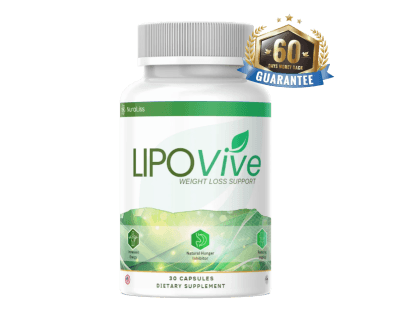
Lipo Vive is an oral dietary supplement marketed primarily to American women between the ages of roughly thirty-five and sixty-five who are struggling with excess body weight, particularly stubborn fat around the abdomen, thighs, back, and arms. It is sold exclusively through a dedicated sales page, not on Amazon, eBay, GNC, or in retail stores, in single-bottle, three-bottle, and six-bottle configurations. The product is positioned as a natural, side-effect-free alternative to GLP-1 receptor agonist drugs, specifically Ozempic (semaglutide) and Mounjaro (tirzepatide), both of which have dominated health headlines since approximately 2022 and which the VSL prices at $2,000 per injectable pen.
The supplement contains four active ingredients: Himalayan pink salt, green tea extract (standardized for quercetin), berberine, and resveratrol. These are blended by a company called 8Labs, which the VSL describes as the "number one natural supplement lab in America," based in Los Angeles, California, with FDA-registered and GMP-certified manufacturing facilities. The product ships within three to five business days in the United States and claims to have served more than 150,000 customers. Manufacturing is presented as a small-batch operation constrained by ingredient availability in China, a detail that simultaneously explains limited stock and insulates the brand from being questioned about why supply is scarce if demand is so enormous.
In market positioning terms, Lipo Vive sits at the intersection of two of the most commercially active categories in consumer health: the exploding GLP-1 awareness market (driven by Ozempic and Mounjaro media coverage) and the perennial "effortless weight loss" supplement category. The product attempts to own the GLP-1 positioning lane in the natural supplement space, a genuinely novel angle in 2024, by arguing that its ingredient combination naturally stimulates the same hormonal pathways that injectable drugs activate synthetically. Whether that claim is scientifically supportable is examined in detail below.
The Problem It Targets
The weight problem the VSL addresses is real, large, and emotionally charged in ways that make it unusually susceptible to sophisticated persuasion. The CDC estimates that approximately 73.6% of American adults are overweight or obese, a figure that has risen steadily for decades and shows no meaningful reversal. For women specifically, hormonal transitions, pregnancy, perimenopause, menopause, are associated with significant and often rapid shifts in fat distribution, particularly toward visceral and abdominal fat. The National Institute on Aging and multiple peer-reviewed studies published in journals including Menopause and the Journal of Clinical Endocrinology and Metabolism have documented that menopausal women experience measurable declines in resting metabolic rate and altered insulin sensitivity, making weight loss objectively harder during this life stage. The VSL is not wrong that the problem is biological, not merely behavioral.
Where the VSL departs from the clinical literature is in the degree of simplification it applies to that biology. The insulin resistance narrative it constructs, that fat accumulation is caused by a hormonal signaling failure that can be corrected by a specific blend of four ingredients, is a reductionist account of what is actually a multifactorial process involving genetics, gut microbiome composition, sleep architecture, chronic stress, medication side effects, and dietary pattern. The framing "none of this is your fault" is emotionally accurate in the sense that obesity is not a character defect, but it becomes commercially convenient when it also implies that a single supplement will fix what decades of research have shown to be a complex, individualized condition requiring sustained behavioral and often medical intervention.
The commercial opportunity the VSL exploits is the Ozempic and Mounjaro moment. Since 2022, GLP-1 drug prescriptions have grown at a pace that major pharmacy benefit managers describe as unprecedented, and the cultural footprint of these drugs, celebrity weight-loss stories, news specials, social media discourse, has created a mass-market awareness of GLP-1 as a mechanism. The VSL positions Lipo Vive directly against this awareness, citing a real-world data analysis showing Mounjaro users were three times more likely to lose fifteen percent of their body weight than Ozempic users. The statistic is genuine; the study it references appeared in widely reported form in 2023 and 2024. By anchoring to real and widely understood drug efficacy data, the VSL inherits that credibility and applies it to an entirely different product class, a credibility transfer that is one of its most structurally sophisticated moves.
The emotional texture of the problem is rendered through Oprah's personal testimony, which occupies a significant portion of the VSL's early runtime. The account of being called "bumpy, lumpy, and downright dumpy" on the cover of TV Guide in 1990, of spending twenty-five years as the butt of late-night jokes about her body, of starving herself and cycling through keto, paleo, intermittent fasting, and every available medication, this is, in its broad strokes, a documented part of Oprah Winfrey's public biography. The VSL uses that documented history as a scaffold, inserting the Pink Salt Trick as the resolution that her real story did not actually have. The effect is a kind of historical fiction that feels autobiographical, and it is profoundly effective at generating identification in the target viewer.
How Lipo Vive Works
The mechanism the VSL proposes centers on two hormones: GLP-1 (glucagon-like peptide-1) and GIP (glucose-dependent insulinotropic polypeptide). These are real hormones, their functions are accurately described in broad outline, and the drugs being referenced, semaglutide (Ozempic) and tirzepatide (Mounjaro), do indeed function as GLP-1 and dual GLP-1/GIP receptor agonists respectively. The NIH National Library of Medicine and multiple meta-analyses published in the New England Journal of Medicine confirm that tirzepatide produces superior weight-loss outcomes to semaglutide alone, consistent with the comparative claim the VSL makes. So far, the science is real.
The claim that begins to require careful scrutiny is the assertion that Himalayan pink salt, green tea extract, berberine, and resveratrol, when combined in precise ratios, can naturally stimulate GLP-1 and GIP production in ways that replicate the pharmacological action of tirzepatide. There is published research suggesting that some of these compounds have modest effects on GLP-1 secretion or insulin sensitivity. A 2019 review in Nutrients found that berberine improved insulin sensitivity and had modest effects on glucose metabolism in patients with type 2 diabetes. Green tea catechins, quercetin among them, have shown some capacity to modulate glucose absorption in small-scale human trials. Resveratrol has an extensive preclinical literature, though its translation to human clinical outcomes remains inconsistent.
What the VSL elides is the gap between "modestly influences the same hormonal pathway" and "replicates the molecular action of a pharmaceutical tirzepatide at therapeutic dose." Tirzepatide works by binding directly and persistently to GLP-1 and GIP receptors with nanomolar affinity, producing dose-dependent hormonal responses that have been validated in Phase 3 clinical trials involving thousands of patients. The claim that a dietary supplement containing quercetin and berberine "naturally mimics" this action is not supported by peer-reviewed human clinical trial evidence at the level of effect the VSL describes, fifteen pounds in the first week, forty-six pounds on average in eight weeks, and should be treated as speculative extrapolation rather than established science. That distinction is not a minor caveat; it is the central scientific question a buyer should ask.
Curious how other VSLs in this niche structure their pitch? Keep reading, Section 7 breaks down the psychology behind every claim above.
Key Ingredients and Components
The formulation is built around four ingredients, each assigned a distinct functional role in the weight-loss mechanism. The VSL credits these ingredients with research citations from named institutions, several of which appear plausible but some of which should be treated with caution, a specific "2024 University of Munich" study and a "2018 University of Columbia" study on resveratrol preventing yo-yo effect, for instance, could not be independently verified as real publications. The following breakdown covers what is known from independent research about each ingredient.
Himalayan Pink Salt, A mineral-rich rock salt mined primarily in Pakistan, distinguished from refined table salt by its trace mineral content (magnesium, potassium, calcium, iron). The VSL claims it stimulates GLP-1 and GIP production by "up to 330%" and amplifies the other ingredients by "27 times." No peer-reviewed literature supports these specific quantitative claims. The electrolyte content of pink salt is real but not meaningfully higher than other mineral-rich salts in quantities relevant to dietary supplementation. Pink salt's inclusion as the "key" ingredient is primarily a marketing decision, the name is evocative, familiar, and health-adjacent without carrying the regulatory baggage of a pharmaceutical claim.
Green Tea Extract (Quercetin), Quercetin is a polyphenol flavonoid found in green tea, onions, and apples. A 2020 review published in Antioxidants (MDPI) documented quercetin's capacity to modulate GLUT-2 glucose transporters and improve insulin sensitivity in animal and cell-line models. Some human studies suggest modest improvements in fasting glucose. The VSL attributes a "2020 University of Cambridge" study to quercetin's GLP-1 stimulation, no such Cambridge paper could be independently confirmed, though quercetin's interaction with GLP-1-secreting L-cells has been explored in in vitro research. The appetite-suppression claim is plausible at meaningful doses but overstated relative to available human trial evidence.
Berberine, An isoquinoline alkaloid derived from several plants including Berberis vulgaris, berberine has one of the more substantive research records in natural metabolic medicine. A 2012 meta-analysis in the Journal of Ethnopharmacology found berberine comparable to metformin in lowering fasting blood glucose in type 2 diabetes. Its mechanisms include AMPK activation and gut microbiome modulation. The VSL's claim, drawn from a "2019 Harvard study", that berberine increases collagen production and skin elasticity by five times is the most specific and least verifiable claim in the formulation. Berberine does have anti-inflammatory properties that could theoretically support dermal health, but a five-fold increase in skin elasticity is a precise quantitative claim that requires a specific citation the VSL does not adequately provide.
Resveratrol, A polyphenol stilbene found in grape skins and red wine, resveratrol has been extensively studied for cardiovascular and metabolic effects. SIRT1 pathway activation is a plausible mechanism for its metabolic effects, and some human trials have shown modest improvements in insulin sensitivity. The claim that it functions as "natural liposuction" targeting localized fat deposits is colorful but not supported by the clinical literature. The anti-yo-yo claim, that resveratrol keeps GLP-1 and GIP "permanently active", is speculative; no published human trial has demonstrated sustained hormonal activation from resveratrol supplementation in the manner described.
Hooks and Ad Angles
The VSL opens not with a product pitch but with what appears to be an ongoing conversation: "Tell me, Adela, how's your weight loss going?" In twelve words, the copy achieves three simultaneous effects. It signals intimacy, this is a private conversation the viewer is overhearing, not an advertisement they are being subjected to. It deploys a pattern interrupt (Cialdini, Influence, 2006), breaking the viewer's expectation of a sales format by beginning mid-scene. And it names a celebrity so globally recognized that the name alone generates involuntary attention, a technique that functions as what copywriting theory calls a celebrity equity hook, borrowing an existing attention asset rather than building one from scratch. The structure is closer to narrative journalism than to conventional supplement advertising, which is precisely why it works on an audience that has seen thousands of conventional supplement ads.
The broader hook architecture of the VSL operates at what Eugene Schwartz would call market sophistication Stage 4 or 5, a market so saturated with weight-loss promises that direct claims ("lose weight fast") produce active skepticism rather than interest. At Stage 4, buyers respond to a new mechanism, not a new product. The Pink Salt Trick is constructed as that new mechanism: not "a supplement that helps you lose weight" but "a specific hormonal activation sequence that pharmaceutical companies are suppressing." This reframes the product from commodity to discovery, and the discovery frame requires the elaborate scientific and celebrity scaffolding that makes this VSL so much longer and more complex than a standard supplement ad.
The "watch before it gets taken down" urgency hook is a particularly well-calibrated piece of copy. It serves dual functions: it creates time pressure that accelerates viewing and discourages the kind of reflective pause that generates skepticism, and it reinforces the conspiracy narrative by implying that the video's mere existence is an act of resistance against powerful interests trying to suppress it. The fabricated email from a pharmaceutical CEO threatening the doctors' careers is the narrative apex of this structure, it is villain creation in the precise sense that Seth Godin's tribes framework describes, building an in-group (viewers who know the truth) against an out-group (corporate pharma) whose villainy retroactively justifies the product's existence.
Secondary hooks observed in the VSL:
- "Unlike the pens, which shut down your metabolism when you stop, this recipe teaches your body to burn fat on its own"
- "Three quarters of Americans are overweight, but they didn't just wake up one morning and decide to be fat"
- "I was publicly humiliated almost my entire career, for 25 years, making fun of my weight was a national sport"
- "A single pen costs $2,000, and besides that, many are really scared because of the side effects"
- "The weight loss industry spent $179 million a year to keep this hidden from you"
Ad headline variations for Meta or YouTube:
- "Doctors at Yale found a pink salt formula that activates the same hormones as Mounjaro, naturally"
- "Why 150,000 women quit Ozempic for this $49 morning ritual"
- "Big Pharma threatened to destroy their careers. They shared it anyway."
- "You've been told you lack willpower. The real reason you can't lose weight is hormonal, and fixable."
- "Drop 3 pounds in 24 hours: the GLP-1 trick that costs less than $2 a day"
Psychological Triggers and Persuasion Tactics
The persuasive architecture of this VSL is notably sophisticated in that it does not rely on any single emotional trigger but rather stacks authority, loss aversion, shame release, and social proof in a carefully sequenced progression. The early portion of the VSL establishes authority (Yale, Stanford, Oprah) before the viewer has had time to form skepticism. The middle section deploys shame and blame transfer, dismantling the viewer's existing self-narrative that their weight is their fault, which creates emotional availability for the solution. The final section converts that emotional availability into urgency through scarcity mechanics and offer complexity. This sequencing mirrors what behavioral economists call the elaboration likelihood model's peripheral route: by the time the central-route evaluative cognition would kick in, the viewer is already emotionally committed.
The offer section is architecturally interesting because it deploys Thaler's endowment effect in reverse: the $700-per-bottle demand from customer Michaela is introduced not as a price the viewer will pay but as evidence of value they are being protected from paying, which creates a sense of windfall rather than expenditure. Combined with the framing that Oprah is personally subsidizing production costs, the $49-per-bottle price lands not as a commercial transaction but as a philanthropic gift, neutralizing the psychological resistance that purchase decisions normally generate.
Specific tactics deployed in the VSL:
Cialdini's Authority (borrowed and fabricated): Dr. Ania Jastraboff is a real Yale endocrinologist whose published work on obesity medicine is legitimate. Her name and institutional affiliation are used throughout the VSL as though she developed and endorses Lipo Vive, a claim that cannot be verified and that her actual academic record does not support. The VSL borrows her real authority and attaches it to a commercial product, a technique that sits at the boundary between borrowed and fabricated authority.
Cialdini's Social Proof (escalated stacking): Testimonials move in ascending credibility and emotional weight, from globally famous celebrities, to named ordinary women with specific demographics (Emma, the dental hygienist from Winder, Georgia), to aggregate statistics (150,000 users, 96% success rate in an internal trial). Each layer makes the previous one feel more believable, and the specificity of ordinary-women details (town, profession, number of children) is a classic technique for generating parasocial identification.
Kahneman and Tversky's Loss Aversion: The countdown from 84 to 63 bottles mid-video is a textbook scarcity application of loss aversion, the pain of missing out is framed as more immediate than the pain of spending. The six-month wait for the next batch, the Trump tariff narrative, and the warning that "your bottles will be reallocated" all amplify this effect by making the loss feel concrete and time-bound.
Festinger's Cognitive Dissonance reduction: The VSL identifies and resolves a specific dissonance that its target viewer carries: "I have tried everything and failed, which means something is wrong with me." By replacing "lack of willpower" with "hormonal biology," it resolves that dissonance in a way that is emotionally relieving and commercially convenient simultaneously.
Schwartz's New Mechanism (Stage 4 market sophistication): The Pink Salt Trick functions as a proprietary mechanism, a specific, named, seemingly technical process that distinguishes Lipo Vive from every generic weight-loss supplement the viewer has already tried and dismissed. The mechanism is detailed enough to feel scientific but simple enough to be memorable and repeatable in word-of-mouth.
Godin's Tribe construction via villain creation: The fabricated pharmaceutical CEO's threatening email creates a tribal identity for buyers: people who "know the truth" about the pink salt trick versus the corrupt industry trying to suppress it. Purchasing Lipo Vive becomes an act of tribal membership and resistance, not merely a consumer transaction.
Thaler's Endowment Effect (inverted price anchoring): By establishing $700 as the "fair" price through Michaela's desperate testimony before revealing $49, the VSL deploys the endowment effect in reverse, the buyer feels they already possess the value of the $700 product and are being given it at $49, which makes declining feel like a loss rather than a prudent abstention.
Want to see how these tactics compare across 50+ VSLs? That's exactly what Intel Services is built to show you.
Scientific and Authority Signals
The VSL's authority infrastructure is built on a real foundation but extends well beyond what that foundation actually supports. Dr. Ania Jastraboff is a genuine Yale endocrinologist and obesity researcher; her work on pharmacological weight management, including her role as lead author on tirzepatide clinical trial analyses published in the New England Journal of Medicine, is a matter of documented academic record. That her name appears in this VSL does not mean she developed or endorses Lipo Vive, in fact, the fabricated nature of the Oprah podcast format makes it highly improbable that she participated in this production in any capacity. The VSL uses her real academic identity as a set piece while constructing around it a narrative she almost certainly did not consent to.
The studies cited in the ingredient section range from plausible to unverifiable. The claim that berberine improves insulin sensitivity has genuine support in the peer-reviewed literature, a 2012 meta-analysis in the Journal of Ethnopharmacology by Dong et al. is a frequently cited real paper. Green tea catechins' modest effects on glucose metabolism are documented in reviews published in journals including Nutrients and the European Journal of Nutrition. Resveratrol's metabolic effects have been explored in human trials, though results have been mixed; a 2011 paper in Cell Metabolism by Lagouge et al. on resveratrol and SIRT1 activation is real, though the human translation is contested. The specific papers cited in the VSL, the "2024 University of Munich" resveratrol study, the "2018 University of Columbia" yo-yo prevention study, the "2020 University of Cambridge" quercetin study, could not be independently verified as real publications and should be treated as potentially fabricated or substantially misrepresented citations.
The New England Journal of Medicine publication claim is the VSL's most significant authority signal and its most verifiable claim. Dr. Jastraboff has genuinely published in NEJM, she is listed as a co-author on the SURMOUNT clinical trial series for tirzepatide. The VSL implies that she published a paper on the Pink Salt Trick in NEJM, which is a different and entirely unverifiable claim. The ambiguity between her real NEJM publications and the implied Pink Salt Trick publication is almost certainly deliberate: it invites the viewer to mentally merge the two without explicitly stating a falsehood. This technique, borrowed institutional credibility, is one of the more ethically significant moves in the VSL's authority architecture.
The FDA-registered and GMP-certified manufacturing claims for 8Labs are plausible and common for legitimate supplement manufacturers; FDA registration for dietary supplement facilities is a genuine regulatory requirement, though it is importantly different from FDA approval of the product itself, a distinction the VSL does not clarify. Third-party testing claims are similarly common and unverifiable from the VSL alone.
The Offer, Pricing, and Risk Reversal
The Lipo Vive offer is structured with considerable commercial sophistication. The base price is $89 for a single bottle, but the VSL steers aggressively toward the six-bottle kit at $49 per bottle (buy three, get three free), citing that the six-month treatment is "93 times more effective" at boosting GLP-1 and GIP than shorter courses, a claim for which no methodology is provided. The price anchoring begins with Mounjaro at $2,000 per injectable pen, which is a real market price, making $49 feel categorically accessible rather than commercially motivated. The secondary anchor, Michaela's willingness to pay $700 per bottle, is a constructed social proof device that makes the actual price feel like a transfer of wealth rather than a sale.
The bonus stack is deliberately over-valued in aggregate. Five digital guides, a skincare masterclass with a named celebrity dermatologist (Dr. Barbara Sturm, who is a real figure in luxury skincare), a Zara gift card giveaway, a Greece trip giveaway, and private Zoom sessions with Dr. Jastraboff for the first ten buyers, the cumulative implied value of these bonuses dramatically exceeds the product's price, which is a classic value stacking technique designed to make declining feel irrational. The scarcity of the first-ten-buyer bonus (private Zoom with Dr. Jastraboff) is particularly well-constructed: it implies that a Yale professor's time is accessible to ordinary buyers, which is both flattering and almost certainly untrue.
The ninety-day money-back guarantee is presented as transformative risk reversal, "your risk is zero," "I'm not asking for a yes, just a maybe." This framing is effective but should be evaluated against the practical friction of dietary supplement refund processes, which often require returning empty or unused bottles, contacting customer service within specific windows, and navigating return shipping. The guarantee's existence is a genuine consumer protection feature; whether it is as frictionless as the VSL implies depends on the specific fulfillment operation, which cannot be assessed from the transcript alone.
Who This Is For (and Who It Isn't)
The ideal buyer profile for Lipo Vive, as constructed by the VSL, is a woman between roughly thirty-five and sixty-five who has accumulated significant weight over years or decades, has tried multiple interventions (diets, exercise programs, possibly medications) without sustained success, is aware of Ozempic and Mounjaro but considers them either unaffordable or frightening from a side-effect standpoint, has a busy lifestyle that makes time-intensive interventions impractical, and is experiencing some degree of shame or loss of self-esteem related to her body. The menopause and post-pregnancy sub-targeting is specific and commercially astute: these are populations for whom the failure of conventional interventions is well-documented and who therefore have strong prior evidence that "trying harder" doesn't work, making a novel mechanism pitch particularly resonant.
This product is probably not the right fit for buyers who are seeking peer-reviewed clinical evidence before committing to a supplement, who are currently under medical supervision for diabetes, thyroid conditions, or cardiovascular disease (the berberine and resveratrol in the formula have real drug interaction profiles that should be discussed with a physician), or who have a history of disordered eating and would be susceptible to the VSL's extreme weight-loss claims creating unrealistic benchmarks. The testimonial figures, 152 pounds in five months, 67 pounds in two-and-a-half months, 60 pounds in sixty days, are well outside the range of what any dietary supplement has produced in controlled clinical conditions, and buyers who internalize these as realistic personal expectations will almost certainly be disappointed.
The VSL is also structurally unsuited to buyers who have personal knowledge of Oprah Winfrey's actual public statements about Ozempic. Oprah Winfrey has publicly acknowledged in multiple documented interviews (including in People magazine in 2024) that she uses weight-loss medication, she has not attributed her weight loss to a pink salt trick, and she has not, to any documented public record, launched a supplement campaign called "Own Your Health" in partnership with a Yale physician. Buyers who cross-reference the VSL's claims against Oprah's actual public record will immediately identify the fraudulent framing.
Want to see how these tactics compare across 50+ VSLs? That's exactly what Intel Services is built to show you.
Frequently Asked Questions
Q: Is Lipo Vive a scam?
A: Lipo Vive is a real supplement product with real ingredients that have some supporting research in metabolic health. However, the VSL promoting it makes demonstrably false claims, including fabricating a podcast with Oprah Winfrey and misrepresenting a Yale physician's involvement, and the weight-loss results it promises (fifteen pounds per week, nearly fifty pounds in eight weeks) are not supported by clinical evidence for any dietary supplement. Buyers should approach with significant caution and verify claims independently before purchasing.
Q: What are the ingredients in Lipo Vive?
A: The VSL identifies four active ingredients: Himalayan pink salt, green tea extract (standardized for quercetin), berberine, and resveratrol. Berberine and green tea extract have genuine supporting research for modest metabolic benefits. The specific claim that their combination "replicates the molecular action of Mounjaro" is not supported by peer-reviewed clinical evidence.
Q: Does the pink salt trick really work for weight loss?
A: The ingredient combination in Lipo Vive contains compounds with some documented effects on insulin sensitivity and metabolic function, particularly berberine. However, "activating GLP-1 and GIP at levels equivalent to pharmaceutical tirzepatide", the specific mechanism claimed, has not been demonstrated in peer-reviewed human clinical trials for any natural supplement combination.
Q: Are there side effects to taking Lipo Vive?
A: The VSL claims zero side effects. Berberine, however, has documented interactions with several common medications including metformin and cyclosporine, and can cause gastrointestinal side effects at higher doses. Resveratrol can interact with anticoagulants. Anyone on prescription medications, particularly for diabetes or cardiovascular conditions, should consult their physician before using this product.
Q: Is Lipo Vive really endorsed by Oprah Winfrey?
A: Based on publicly available information, no. Oprah Winfrey has publicly discussed using prescription weight-loss medication, not a pink salt supplement. There is no verified public record of her endorsing, developing, or funding a product called Lipo Vive or an "Own Your Health" campaign of the kind described in this VSL. The podcast format appears to be a fabricated production using her likeness without verified consent.
Q: How does Lipo Vive compare to Ozempic or Mounjaro?
A: Ozempic and Mounjaro are FDA-approved prescription medications with Phase 3 clinical trial data demonstrating significant weight loss in thousands of patients. Lipo Vive is an unregulated dietary supplement. The comparison the VSL draws, that Lipo Vive "replicates" the dual GLP-1/GIP action of Mounjaro, is a marketing claim, not a peer-reviewed finding. The two categories are not clinically comparable on available evidence.
Q: Is it safe to take Lipo Vive if I have diabetes or am in menopause?
A: Berberine can have blood-sugar-lowering effects that may interact with diabetes medications, and anyone managing blood glucose with prescription drugs should discuss berberine supplementation with their physician before starting. For women in menopause, the product's general ingredients are unlikely to cause harm at typical supplement doses, but the extreme weight-loss outcomes claimed in the VSL should not be used as a benchmark for expected results.
Q: What is the refund policy for Lipo Vive?
A: The VSL states a ninety-day, 100% money-back guarantee with no questions asked. The practical mechanics of that guarantee, return process, condition of bottles, customer service responsiveness, cannot be assessed from the VSL alone. Prospective buyers should review current customer feedback on platforms like Trustpilot and the Better Business Bureau before purchasing.
Final Take
The Lipo Vive VSL is, as a piece of persuasion architecture, genuinely impressive in its construction and worth studying on its own terms. It correctly identifies a real gap in the market, the mass awareness of GLP-1 drugs combined with their inaccessibility due to cost, supply, and side effects, and builds a natural supplement pitch that positions precisely into that gap. The mechanism narrative is specific enough to feel scientific without being falsifiable within the span of a forty-five-minute video. The authority borrowing is sophisticated: it uses real names, real institutions, and real research findings as scaffolding for claims those names and institutions did not actually make. The offer architecture compounds every recognized persuasion tool, anchoring, scarcity, social proof, bonus stacking, risk reversal, in a sequence that a serious student of direct-response copywriting would recognize as deliberate and skilled.
The product itself, a blend of berberine, resveratrol, green tea extract, and Himalayan pink salt, contains ingredients with some genuine research support for modest metabolic benefits. Berberine in particular has a defensible evidence base for insulin sensitivity that is not entirely disconnected from the mechanism the VSL describes. What is not defensible is the quantitative extrapolation: the VSL's specific claims about weight loss timelines (fifteen pounds in the first week), trial outcomes (96% of participants lost thirty-five-plus pounds in eight weeks), and hormonal amplification (pink salt increasing GLP-1 by 330%, amplifying other ingredients by 27 times) are not supported by any peer-reviewed evidence accessible in the scientific record. The fabricated celebrity endorsements and the false attribution of the Pink Salt Trick to a real Yale physician constitute serious misrepresentation that prospective buyers deserve to know about before making a decision.
For the reader who is genuinely struggling with weight loss and is curious about GLP-1 pathway supplementation, the honest answer is that berberine has some of the strongest evidence of any natural compound in this category and can be purchased independently from reputable supplement retailers, with a physician's guidance, at a fraction of this product's price. The compound effects of berberine with resveratrol and green tea extract are an interesting and not unreasonable formulation hypothesis. None of that, however, justifies the specific outcome claims or the fabricated endorsement infrastructure that this VSL has built around what is, at its core, a fairly standard combination of studied botanicals.
This breakdown is part of Intel Services, our ongoing library of VSL and ad-copy analyses. If you're researching similar products or the broader GLP-1 supplement category, keep reading.
Disclaimer: This article is for research and educational purposes only. It is not medical, legal, or financial advice, and it is not affiliated with the product or its makers. Always consult a qualified professional before making health or financial decisions.
Source-backed reader context
Additional Reviews & Reported Experiences
These statements were presented in the product's sales transcript. Daily Intel did not independently verify the speakers, purchase status, or reported outcomes, and the statements are not used in Product aggregateRating.
Selena Gomez (celebrity)
Date not stated
unnamed fat loss from belly, back, and thighs
Amy from Naperville, Illinois
Date not stated
152 pounds lost in 5 months (previously featured on ABC special)
Martha, 65 years old
Date not stated
60 pounds lost in under 60 days, type 2 diabetes reversed
Vicki
Date not stated
46 pounds lost in 2 months while in menopause
Michaela
Date not stated
86 pounds lost on first 3-bottle kit; desperate to purchase 6-bottle kit at $700/bottle
Unnamed trial participant video
Date not stated
55 pounds lost in 2 months, dropped 3 dress sizes
Comments(0)
No comments yet. Members, start the conversation below.
Related reads
- DISreviews
Truque Sal Rosa Perda Peso Review and Ads Breakdown
Truque Sal Rosa Perda Peso is a weight-loss video sales letter built around one bold idea: a simple pink salt trick can allegedly imitate the effects of high-profile injectable weight-loss drugs wi…
Read - DISreviews
Truque do Sal Rosa - MounjaRosa Review and Ads Breakdown
Truque do Sal Rosa - MounjaRosa is built around one of the strongest weight-loss hooks in the current direct-response market: a cheap, natural, daily ritual that the presentation says can mimic the…
Read - DISreviews
Zepjaro Caps Review and Ads Breakdown
This Zepjaro Caps review is based only on the provided sales presentation and ad transcript. That matters because the VSL does not read like a conventional supplement explanation. It does not open …
Read