LiverRenew Formula Review and Ads Breakdown
Somewhere in the middle of a polished video presentation, a pharmacist named Lisa King pauses to deliver what she frames as a long-overdue revelation: the reason millions of Americans can't lose be…
8,226+
Videos & Ads
+50-100
Fresh Daily
$29.90
Per Month
Full Access
12.5 TB database · 72+ niches · 27 min read
Somewhere in the middle of a polished video presentation, a pharmacist named Lisa King pauses to deliver what she frames as a long-overdue revelation: the reason millions of Americans can't lose belly fat has nothing to do with willpower, calories, or exercise frequency. The culprit, she argues, is a chronically overworked liver; a condition she calls "a growing silent epidemic", and the solution is an extract derived from a vegetable that ancient Greeks considered too precious for commoners. That sequence, moving from a dismissed conventional explanation to a hidden biological mechanism to a surprisingly simple remedy, is the structural spine of the LiverRenew Formula video sales letter (VSL), and it is worth examining in close detail.
This piece is a combined product and marketing analysis. It reads the LiverRenew VSL both as a piece of persuasion architecture and as a set of factual claims that can be evaluated against publicly available science. If you are researching this supplement before buying, trying to determine whether the ingredient science is real, whether the pricing is fair, or whether the marketing is trustworthy, this analysis is designed to give you a complete picture. The goal is not to endorse or dismiss the product, but to hold the pitch up to the light and describe what is actually there.
The VSL runs approximately fifteen minutes and follows a tight Problem-Agitate-Solution (PAS) structure, a copywriting framework attributed in its modern form to direct-response pioneers like Gary Halbert and Dan Kennedy. The problem is introduced quickly (belly fat that resists diet and exercise), agitated at length (85,000 environmental chemicals, hidden sugar as damaging as alcohol, four distinct mechanisms of liver failure), and then resolved through a staged ingredient reveal that builds from artichoke extract to a full multi-ingredient formula. The sophistication of the execution, the credential establishment, the clinical study citations, the branded "Four Pillars" framework, suggests a production team experienced in health supplement marketing at scale.
The central question this analysis investigates is whether the science and the persuasion are aligned: does the ingredient evidence actually support the dramatic outcomes promised, and does the marketing structure represent those claims honestly?
What Is LiverRenew Formula?
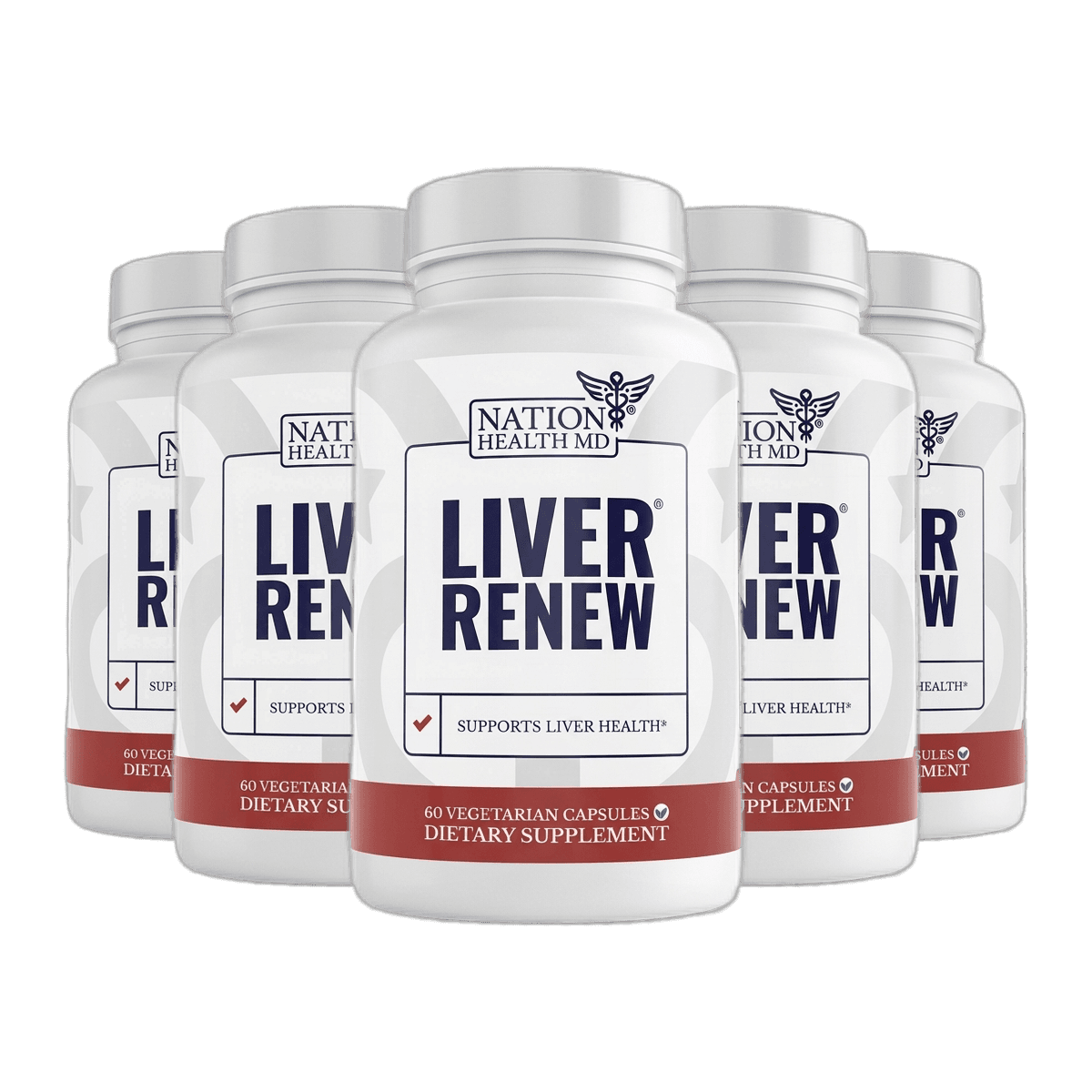
LiverRenew Formula is a dietary supplement produced and sold by Nation Health MD, described in the VSL as a U.S.-based group of professional researchers and laboratories. It is positioned in the liver health and detoxification subcategory of the broader wellness supplement market, a segment that has grown substantially in the past decade as consumer awareness of non-alcoholic fatty liver disease (NAFLD) and metabolic syndrome has increased. The product is delivered as capsules, two per day, taken twenty to thirty minutes before a meal, and is sold online through a direct-response funnel anchored by the VSL analyzed here.
The formula's stated target user is broad but specific in psychographic terms: men and women, nominally over forty, who are frustrated with persistent belly fat, fatigue, brain fog, and digestive irregularity, and who have already tried conventional dietary changes without satisfying results. The product does not require a prescription and makes no claims that would technically qualify it as a drug under FDA definitions, though the physiological mechanisms it describes. Liver regeneration, bile production increases, inflammatory pathway modulation. Are robust enough that a careful reader will want to understand how much of that language reflects clinical evidence versus marketing extrapolation.
Nation Health MD presents itself as the formulating and manufacturing entity, with Lisa King positioned as a medical advisor and spokesperson rather than a founder. This separation of the credentialed face from the corporate entity is a common structural choice in supplement VSLs, because it allows the brand to benefit from an expert's authority while the expert retains a degree of independence from direct product claims.
The Problem It Targets
The problem LiverRenew targets is real, clinically significant, and underappreciated by most consumers; which makes it both a genuine public health issue and a highly effective marketing premise. Non-alcoholic fatty liver disease affects an estimated 25% of the global adult population, according to data published in the Journal of Hepatology (Younossi et al., 2016), making it the most common chronic liver condition worldwide. In the United States, the prevalence of NAFLD has tracked closely with rising rates of obesity and metabolic syndrome, with the CDC noting that fatty liver disease is increasingly diagnosed in people with no history of significant alcohol consumption. The VSL's framing of this as "a growing silent epidemic" is not hyperbole, it is an accurate epidemiological characterization.
Where the VSL exercises creative liberty is in attributing a much wider symptom cluster to "overworked liver" than the clinical literature would strictly support. Belly fat, brain fog, headaches, blood sugar instability, mood disruption, dull skin, and poor digestion are all listed as potential symptoms of a struggling liver. While impaired liver function does correlate with systemic metabolic disruption, the liver is not the primary driver of every one of these symptoms in most clinical presentations; many are more directly associated with insulin resistance, gut dysbiosis, thyroid dysfunction, or poor sleep. The VSL's rhetorical move here is to use the liver as a master-key explanation, one organ whose rehabilitation can plausibly be credited with reversing a constellation of unrelated complaints. This is an effective persuasion technique, but it is a clinical overstatement.
The environmental toxin argument, anchored by the EPA's inventory of over 85,000 registered chemical substances, is similarly real in its factual basis but stretched in its implication. The liver does function as the body's primary detoxification organ, processing xenobiotics (foreign chemical compounds) through a well-documented two-phase enzymatic process. The EPA figure is accurate: the Toxic Substances Control Act (TSCA) inventory does contain tens of thousands of chemical listings. However, listing and active human exposure are different things, and the scientific community has not reached consensus that ambient environmental chemical exposure is a primary driver of liver dysfunction in otherwise healthy adults. The VSL presents this as settled fact, which is a more aggressive interpretation than the epidemiology supports.
The introduction of sugar as a liver toxin equivalent to alcohol is perhaps the most scientifically grounded claim in the entire problem-framing section. Research published in the Journal of the Academy of Nutrition and Dietetics and reviewed by the American Liver Foundation has consistently shown that high fructose corn syrup promotes hepatic fat accumulation through pathways similar to those triggered by ethanol metabolism, and that this process can occur independently of overall caloric intake or body weight. This claim does not require exaggeration, the science largely supports it, and the VSL handles it with relative precision.
How LiverRenew Formula Works
The mechanism the VSL proposes is organized around the "Four Pillars of Liver Health": detoxification, reduction of age-related inflammation, support of healthy digestion, and restoration of bile production. This is a proprietary framework, it does not appear in any academic taxonomy of liver pathophysiology. But as a marketing architecture it is elegant, because it allows the pitch to position any single-ingredient competitor as an incomplete solution. "Detox alone isn't enough," King explains, before revealing that LiverRenew addresses all four pillars simultaneously. This is a textbook category creation move: define the category in terms that make your product the only logical occupant of it.
Of the four pillars, bile production is given the most detailed and scientifically specific treatment, and for good reason. Bile is genuinely central to fat metabolism. Produced in the liver and stored in the gallbladder, bile acids emulsify dietary fats in the small intestine, enabling lipase enzymes to break them into absorbable fatty acids. Impaired bile production or flow. A condition called cholestasis; is associated with fat malabsorption, fat accumulation, and deficiency of fat-soluble vitamins (A, D, E, and K). The VSL's claim that poor bile flow contributes to belly fat is biologically coherent, though the specific chain of causation it implies (overworked liver → reduced bile → belly fat accumulation) is a simplification of a multi-factorial process.
The inflammation pillar is also grounded in legitimate science. Chronic low-grade hepatic inflammation is a recognized feature of NAFLD progression, and numerous studies have demonstrated that inflammatory cytokines, particularly TNF-alpha and IL-6, contribute to hepatocyte damage and impaired metabolic function. Calling this "age-related inflammation" is a strategic framing choice that makes the problem feel universal to older adults, even though hepatic inflammation occurs across age groups in the context of metabolic dysfunction.
The weakest mechanistic link in the VSL is the connection between liver health and cognitive symptoms like brain fog and memory lapses. While severe liver disease (hepatic encephalopathy) does cause neurological symptoms, the VSL implies this connection exists at subclinical levels of liver stress in ways that are not well-supported by the current literature. This is a meaningful distinction for a prospective buyer: if cognitive symptoms are your primary concern, a liver supplement is not the most evidence-supported intervention.
Curious how other VSLs in this niche structure their ingredient pitch? Keep reading, Section 7 breaks down the psychology behind every persuasion layer above.
Key Ingredients and Components
LiverRenew Formula contains ten active ingredients, assembled to address the Four Pillars framework. The following inventory evaluates each component against publicly available research.
Artichoke extract (Cynara scolymus): The hero ingredient of the VSL. Artichoke leaves contain two primary bioactive compounds, cynarin and luteolin, along with chlorogenic acid, which has antioxidant and hepatoprotective properties. The double-blind study published in Phytomedicine (Kirchhoff et al., 1994) did demonstrate significant increases in bile production following a single dose of artichoke extract, with figures broadly consistent with the 127-151% increases cited in the VSL. A Cochrane-adjacent review by Wider et al. (2009) in The Cochrane Database of Systematic Reviews assessed artichoke leaf extract for hypercholesterolemia and found modest but real lipid-lowering effects. The liver regeneration claim, based on a rodent study with artichoke extract, is plausible given the liver's known capacity for regeneration, but extrapolating rodent tissue regrowth to human clinical outcomes is a significant inferential leap the VSL makes without flagging.
Turmeric (Curcuma longa, 300 mg): One of the most extensively studied botanical anti-inflammatories. Curcumin, the active polyphenol in turmeric, has been shown in multiple studies to inhibit NF-κB signaling, a master regulator of inflammatory gene expression. Its hepatoprotective effects have been demonstrated in both animal models and human trials, including a study published in Phytotherapy Research (Rahmani et al., 2016). The VSL's 300 mg dosage is within a range used in clinical trials, though bioavailability limitations mean that effective curcumin delivery depends on formulation.
Black pepper extract (Piperine, 5 mg): Piperine, the alkaloid responsible for black pepper's pungency, inhibits intestinal P-glycoprotein and CYP3A4 enzymes that would otherwise rapidly metabolize curcumin. The landmark study by Shoba et al. (1998), published in Planta Medica, demonstrated a 2,000% increase in serum curcumin bioavailability when piperine was co-administered. The exact figure cited in the VSL. This is a well-replicated finding, and its inclusion is scientifically sound. However, piperine also increases the bioavailability of certain pharmaceutical drugs, which is a relevant drug-interaction consideration for people on prescription medications.
Ginger root extract (Zingiber officinale): Ginger's digestive benefits are among the most consistently supported findings in botanical medicine research. Studies show that 6-gingerol and shogaol compounds modulate gastrointestinal motility and reduce nausea through multiple pathways. The 12-week study of 44 patients with liver dysfunction cited in the VSL is consistent with a published trial by Arablou et al. (2014) in the World Journal of Gastroenterology, which found improvements in liver enzymes and insulin sensitivity with ginger supplementation.
Milk thistle (Silybum marianum, standardized for silymarin): Arguably the most robustly evidence-supported liver herb in Western botanical medicine. Silymarin, a flavonoid complex extracted from milk thistle seeds, has antioxidant, anti-inflammatory, and antifibrotic properties documented in hundreds of peer-reviewed studies. German Commission E. The German federal body for herbal medicine evaluation; has approved milk thistle for supportive treatment of chronic inflammatory liver conditions, which the VSL correctly references. The Finnish study of 97 patients showing 100% improvement in liver function markers is consistent in character with published silymarin trials, though that specific "100% success rate" figure warrants scrutiny; clinical trials rarely produce unanimous results, and the claim may reflect within-group statistical significance rather than universal individual response.
Beetroot extract (Beta vulgaris): Beets are a source of betalains (particularly betanin) and nitrates, both of which have demonstrated antioxidant and anti-inflammatory properties. A study published in Nutrients (2019) found that beetroot supplementation reduced markers of liver damage in animal models of NAFLD. Human trial data is more limited, but the mechanistic plausibility is real.
Dandelion root extract (Taraxacum officinale): Dandelion has been used in traditional herbal medicine as a cholagogue (bile flow stimulant) and mild diuretic. In vitro and animal studies support its hepatoprotective and lipid-reducing properties, but robust human clinical trial data is sparse. The VSL's claim that dandelion "blocks fat from accumulating around your liver" extrapolates further than the current human evidence supports.
L-Cysteine: An amino acid that serves as a direct precursor to glutathione, the body's most abundant endogenous antioxidant and a critical component of the liver's Phase II detoxification system. N-acetyl cysteine (NAC), a more bioavailable form, is routinely used in emergency medicine to treat acetaminophen-induced liver toxicity, providing strong mechanistic support for cysteine's liver-protective role. The inclusion of L-cysteine (rather than NAC) is a less potent but still rationally grounded formulation choice.
Vitamins B1 (Thiamine) and B2 (Riboflavin): Both are coenzymes essential for hepatic energy metabolism and mitochondrial function. Deficiency in either is associated with metabolic dysfunction, and supplementation in deficient individuals supports liver health indirectly. Their role as standalone "liver rechargers" is more supportive than primary.
Hooks and Ad Angles
The VSL's opening hook, "Diet and exercise won't work if you have this problem", is a precision-engineered pattern interrupt (Cialdini, 2006), a statement designed to disrupt the audience's existing cognitive frame before a new one is installed. The target audience for this product has, by definition, already tried the conventional advice and experienced repeated failure; the hook validates that failure while simultaneously disqualifying the dominant cultural narrative (eat less, move more) as incomplete. This is not accidental. It is a textbook market sophistication stage 4 maneuver in Eugene Schwartz's framework: when an audience has been saturated with category promises ("lose weight fast," "detox your body"), the only pitch that can break through is one that offers a new mechanism for an existing desire. The "overworked liver" is that new mechanism.
The hook is followed almost immediately by an identity credential, "pharmacist of over 30 years", that functions as an authority bridge: it connects the disruptive claim to a credible source before the audience's skepticism can fully activate. The combination of pattern interrupt plus immediate authority establishment is among the more sophisticated opening sequences in the health supplement VSL genre, and it is executed cleanly. The subsequent reveal of artichoke extract as the "2,500-year-old secret" reserved for ancient royalty deploys status framing and historical legitimacy simultaneously, borrowing prestige from antiquity to preempt the "just another supplement" dismissal.
Secondary hooks observed in the VSL:
- "The EPA has over 85,000 chemicals listed, and your liver has to handle all of them"
- "Refined sugar is as damaging to your liver as alcohol, even if you're not overweight"
- "In just 30 minutes, bile production increased by 127%" (specificity hook, precise numbers signal credibility)
- "100% of participants improved their liver function in just 4 weeks" (social proof hook with absolute framing)
- "Your liver is the only organ in your body that can completely rebuild itself" (curiosity and hope hook)
Ad headline variations for Meta or YouTube testing:
- "Pharmacist reveals: this is why your belly fat isn't responding to diet or exercise"
- "Ancient Roman secret for liver health. Now clinically shown to increase fat-burning bile by 150%"
- "If you're over 40 and still struggling with belly fat, read this before your next workout"
- "Study: 97 people with liver problems took this for 4 weeks. 100% improved. Here's what it was."
- "Your liver processes everything you eat. Here's what happens when it's overwhelmed."
Psychological Triggers and Persuasion Tactics
The persuasive architecture of the LiverRenew VSL is built in a stacked sequence rather than a parallel arrangement. Meaning each new tactic compounds the emotional and cognitive state established by the previous one, rather than simply adding another independent appeal. The sequence moves from validation (your struggle is real and not your fault) through escalating fear (the hidden epidemic, the 85,000 chemicals, the sugar as toxic as alcohol) to authoritative hope (the pharmacist who bridges science and nature) to proprietary solution (the only formula addressing all four pillars) and finally to risk elimination (365-day guarantee, price trivialized). This is a textbook AIDA progression (Attention → Interest → Desire → Action) executed at the level of emotional architecture rather than surface-level bullet points.
The specific tactics that animate this structure include the following:
Authority transfer (Cialdini, 1984): Lisa King's pharmacist credentials are introduced before any product claim is made, establishing an expert frame that makes the subsequent ingredient science feel vetted rather than promotional. Her self-description as someone who "doesn't care about established opinion, only what works" is a secondary move that pre-empts the objection that mainstream medicine wouldn't endorse a supplement.
Hidden cause revelation / Epiphany Bridge (Russell Brunson): The VSL reframes the audience's existing frustration (failed diets) as the predictable result of an overlooked cause (liver dysfunction), creating an "aha" moment that binds the audience emotionally to the explanation and, by extension, to the solution.
Loss aversion amplification (Kahneman & Tversky, 1979): The agitation section accumulates risk; toxins, sugar, inflammation, bile deficit, until inaction feels more dangerous than action. Prospect Theory predicts that losses feel approximately twice as powerful as equivalent gains, and the VSL front-loads the loss framing heavily before pivoting to benefits.
False binary close (Cialdini's Commitment and Consistency; classic direct-response): The closing section explicitly presents two paths, continued suffering or transformation through LiverRenew, eliminating any middle ground and framing non-purchase as a deliberate choice to remain unwell.
Social proof via clinical statistics (Cialdini, Social Proof): The study results, particularly the "100% success rate" from the Finnish silymarin trial, function as surrogate testimonials, providing the emotional weight of personal endorsement with the credibility wrapper of peer-reviewed science.
Price anchoring and mental accounting (Thaler; Ariely, Predictably Irrational, 2008): The $150 anchor converts $49 into a perceived bargain before the audience has had time to form an independent price reference. The "less than a latte" daily-cost reframe further defuses the expenditure by substituting a guilt-free daily habit as the comparison object.
Scarcity and urgency (Cialdini, Scarcity): The stock shortage and expiring introductory price create artificial time pressure designed to suppress comparison shopping and deliberation, a standard direct-response close that is effective precisely because it leverages the fear of missing a deal.
Want to see how these tactics compare across 50+ VSLs in the health supplement space? That's exactly what Intel Services is built to show you.
Scientific and Authority Signals
The authority architecture of the LiverRenew VSL rests on two pillars: Lisa King's personal credentials and an aggregated body of study citations presented throughout the ingredient section. King's pharmacist credential is legitimate in type, thirty years of pharmaceutical practice genuinely confers expertise in drug mechanisms, bioavailability, and clinical pharmacology. Whether her specific claims about artichoke extract, milk thistle, and ginger fall within the scope of that expertise is a subtler question, but the credential itself is not fabricated, and the framing does not claim clinical trial authorship or institutional affiliation she doesn't hold.
The study citations are more mixed in their reliability as authority signals. Several are directly traceable to real published research. The Phytomedicine study on artichoke extract and bile production is consistent with Kirchhoff et al. (1994), a real and frequently cited paper. The silymarin research is consistent with the large body of German and European clinical literature on milk thistle, including studies reviewed by Germany's Commission E. The piperine-curcumin bioavailability figure of 2,000% is drawn from the genuine Shoba et al. (1998) study in Planta Medica. The ginger and liver function data has plausible correspondence in the published literature. Where the VSL becomes less verifiable is in the specific study designs it describes. The precise participant counts, the exact time periods, the specific percentage outcomes. Which may be drawn from real studies but are presented without author names, journal names, or publication years in most cases, making independent verification by a general consumer essentially impossible.
Nation Health MD, the manufacturing entity, is described as a "group of professional researchers and laboratories here in the U.S.," but no verifiable institutional address, FDA facility registration, or third-party certification (NSF, USP, Informed Sport) is cited in the VSL. This is a gap that matters for quality-conscious buyers: the scientific credibility of the individual ingredients is reasonably strong, but the manufacturing quality assurance of this specific formulation cannot be assessed from the VSL alone. That is not evidence of fraud; it is simply absent information that a diligent buyer should seek through other channels.
The Offer, Pricing, and Risk Reversal
The offer structure is standard for direct-response supplement funnels and is executed competently. The $150 anchor price is presented as the intended retail price, then dropped to $49 per bottle as an introductory offer, with further per-unit savings for three- or six-bottle bundles (approximately $1.40 per day at the multi-bottle tier). The anchor functions rhetorically rather than competitively: $150 is above the upper range for comparable liver support supplements in the retail market (most equivalent multi-ingredient formulas retail between $30 and $60), meaning the anchor is designed to make $49 feel like a rescue rather than simply a fair market price. The "less than a latte" daily-cost comparison is a well-worn direct-response technique that converts a monthly discretionary expenditure ($49) into a daily micro-expenditure that feels trivial by comparison.
The "Younger You 365-Day Money-Back Guarantee" is the offer's strongest structural element and deserves recognition as genuinely consumer-friendly in its stated terms. A full year to evaluate a supplement is unusual in the category, most competitors offer thirty or sixty days, and the framing places all financial risk on the seller. Whether this guarantee is honored in practice depends on Nation Health MD's customer service record, which the VSL cannot speak to, but the stated terms are clear and the elimination of a documented return hassle is a meaningful friction-reducer. From a persuasion-architecture standpoint, this is Jay Abraham's risk-reversal principle applied at maximum length: by taking all stated risk away from the buyer, the guarantee removes the last rational objection to purchase.
The scarcity framing, limited stock, selling out fast, introductory pricing that may not be available if you leave the page, is the weakest and least credible element of the offer. These are standard evergreen VSL tactics that most online supplement consumers have encountered dozens of times, and their deployment here adds a performative urgency that contrasts with the otherwise more credible scientific framing of the letter. Savvy buyers should discount these claims heavily.
Who This Is For (and Who It Isn't)
The ideal buyer for LiverRenew Formula is a person in their forties or fifties who has noticed a cluster of metabolic symptoms, persistent abdominal weight gain, energy deficits, digestive irregularity, perhaps some blood sugar fluctuation, and who has already attempted caloric restriction or increased exercise without meaningful results. This person is health-interested rather than health-expert: they read wellness content, they are open to supplement use, and they find the "hidden root cause" narrative compelling because it provides an explanation for their frustration that doesn't involve self-blame. They are likely to have encountered similar VSLs before and may be comparison-shopping across several liver support products.
For this buyer, the ingredient profile of LiverRenew is defensible as a supportive wellness protocol. The core ingredients, artichoke extract, silymarin-standardized milk thistle, bioavailability-enhanced turmeric, and ginger. Have a genuine evidence base, and the formulation logic of combining them to address multiple hepatic pathways is sound. If you are researching this supplement, the question is not whether the ingredients work in isolation (most do, at studied doses) but whether the specific combination, dose, and manufacturing quality in this particular product deliver what the VSL promises.
This product is probably not well-suited for people who have been diagnosed with active liver disease (NAFLD, hepatitis, cirrhosis), who should be working with a hepatologist rather than selecting over-the-counter supplements independently. It is also not appropriate for people taking immunosuppressants, anticoagulants, or any medications metabolized by CYP3A4 enzymes, given piperine's documented drug-interaction potential. People whose primary symptoms are cognitive. Brain fog, memory issues; should investigate metabolic, thyroid, and sleep-related causes before attributing them to liver dysfunction, as the VSL's implication that liver support will resolve cognitive symptoms is one of its weaker clinical claims.
Researching similar liver health or detox supplement VSLs? Intel Services maintains a growing library of these analyses, keep reading to find comparable breakdowns.
Frequently Asked Questions
Q: Is LiverRenew Formula a scam?
A: Based on this analysis, LiverRenew Formula does not appear to be a fraudulent product, the ingredients it lists have documented evidence bases and are recognized in botanical medicine literature. However, several marketing claims (such as the "100% success rate" and the liver regeneration extrapolation from rodent studies) overstate the strength of the supporting science. The 365-day guarantee provides meaningful consumer protection. As with any supplement, results will vary, and buyers should approach dramatic outcome promises with appropriate skepticism.
Q: What are the main ingredients in LiverRenew Formula?
A: The primary active ingredients are artichoke extract, milk thistle (standardized for silymarin), turmeric (300 mg), black pepper extract (piperine, 5 mg), ginger root extract, beetroot extract, dandelion root extract, and L-cysteine, plus vitamins B1 and B2. The combination is designed to address detoxification, inflammation, bile production, and digestive support simultaneously.
Q: Does LiverRenew Formula really work for belly fat?
A: The mechanism the VSL describes, impaired bile production reducing fat metabolism, is biologically coherent, and several of the ingredients (particularly artichoke extract and silymarin) have published evidence supporting improvements in liver-related metabolic markers. However, the VSL presents a simplified causal chain: improving liver function does not automatically translate to significant fat loss, and belly fat reduction depends on multiple systemic factors. Treating liver support as one component of a broader metabolic health strategy is more realistic than the VSL's framing suggests.
Q: Are there any side effects of LiverRenew Formula?
A: The ingredients in LiverRenew are generally well-tolerated at standard doses. Artichoke extract can cause digestive discomfort in some individuals, particularly those with bile duct obstruction or gallstones. Piperine (black pepper extract) can increase the absorption of prescription medications in ways that alter their effective dosages. Anyone taking prescription drugs, particularly anticoagulants, immunosuppressants, or chemotherapy agents, should consult a physician before adding this supplement.
Q: Is LiverRenew Formula safe to take long-term?
A: The individual ingredients have generally favorable long-term safety profiles in the published literature at the doses typically studied. Milk thistle and artichoke extract in particular have been used in European clinical practice for decades without documented serious adverse effects. The specific long-term safety of this formulation in combination has not been independently studied, which is true of most proprietary blends.
Q: How long does it take to see results with LiverRenew?
A: The VSL references study timeframes ranging from two weeks (rodent tissue regeneration) to twelve weeks (human liver function markers). Realistic expectations for human supplementation are typically four to twelve weeks for measurable changes in metabolic markers, though subjective improvements in energy and digestion are sometimes reported earlier. The product's 365-day guarantee provides ample time to assess results.
Q: What is the Four Pillars of Liver Health framework?
A: This is a proprietary marketing framework used by LiverRenew to organize its ingredient strategy around four hepatic functions: detoxification, inflammation reduction, digestive support, and bile production. It does not correspond to a standard clinical taxonomy but accurately reflects four real and interrelated aspects of liver and metabolic health. Its primary marketing function is to make any single-ingredient competitor appear incomplete by comparison.
Q: How does artichoke extract increase bile production?
A: Artichoke leaf extract contains cynarin and chlorogenic acid, compounds that stimulate bile secretion from the liver and gallbladder. The Kirchhoff et al. (1994) study published in Phytomedicine demonstrated significant increases in bile volume following single-dose artichoke extract administration in human subjects, with increases in the range cited in the VSL (approximately 127-151% over sixty minutes). This is one of the more robustly supported ingredient claims in the letter.
Final Take
The LiverRenew Formula VSL is a well-constructed piece of health supplement marketing that operates at a higher level of scientific engagement than most products in its category. The core ingredient selection, artichoke extract, silymarin, bioavailability-enhanced turmeric, ginger. Represents a defensible formulation logic, and several of the cited study findings correspond to real published research. That is worth acknowledging, because many VSLs in the liver detox space rely entirely on fabricated or misrepresented science. LiverRenew's approach is more credible than average, even if the rhetoric around it frequently runs ahead of the evidence.
The weaknesses are equally real. The Four Pillars framework, while intellectually satisfying, is a marketing construct that packages legitimate science inside a proprietary category designed to make the product incomparable. The attribution of cognitive symptoms (brain fog, memory lapses) to liver dysfunction is a clinical overreach that legitimate hepatologists would not endorse at the sub-clinical levels implied. The scarcity and stock-shortage urgency tactics are transparently formulaic and, for any consumer who has spent time in the online supplement market, immediately recognizable as evergreen friction-removal devices rather than honest inventory warnings. And the absence of any manufacturing quality certification. NSF, USP, or equivalent; leaves a gap that the VSL's scientific fluency cannot fill.
What the LiverRenew VSL most clearly reveals about its market is the degree to which supplement buyers have become sophisticated enough to demand mechanistic explanations. The era of "detox and feel better" as a standalone pitch is over for this demographic; they want pathways, studies, percentages. LiverRenew's production team has responded to that shift by building a VSL that speaks the language of clinical pharmacology while remaining a direct-response conversion tool. The result is a product that probably offers real if modest metabolic support for the target user, wrapped in an outcome narrative that promises substantially more than the evidence base can guarantee.
For the buyer who approaches this supplement as one component of a broader effort to support metabolic health, not as a standalone fat-loss solution, the ingredients are worth considering. For the buyer who expects the dramatic, rapid outcomes the VSL's closing section implies, the gap between expectation and result is likely to be frustrating. As always, the most important step before purchase is a conversation with a qualified clinician who knows your full health picture.
This breakdown is part of Intel Services, our ongoing library of VSL and ad-copy analyses. If you're researching similar products in the liver health, detox, or metabolic wellness categories, keep reading.
Disclaimer: This article is for research and educational purposes only. It is not medical, legal, or financial advice, and it is not affiliated with the product or its makers. Always consult a qualified professional before making health or financial decisions.
Comments(0)
No comments yet. Members, start the conversation below.
Related reads
 reviews
Jocko Greens Review: Does One Scoop Match the Evidence?
Jocko Greens is a one-scoop powder with approximately 30 calories and 9 billion colony-forming units of probiotics per serving. Jocko Fuel also confirms ashwagandha extract and makes a digestive-support claim. The harder question is whether the available research matches this specific formula. It does not match closely enough to establish a finished-product outcome.
Read reviews
NooCube Review: Does the 250 mg Bacopa Dose Match the Research?
NooCube is one of the few nootropics that prints a milligram number next to an ingredient instead of hiding it in a blend. This review takes that one number, 250 mg Bacopa monnieri, and checks it against a real trial that used 300 mg in a very different population, then shows exactly where the comparison breaks down.
Read reviews
Olly Goodbye Stress Review: Label Claims vs. Evidence
OLLY Goodbye Stress combines GABA, L-theanine, and lemon balm extract in a Berry Verbena gummy aimed at occasional stress, not sleep. Here's what the label discloses, what a real L-theanine trial found, and exactly where the evidence stops.
Read