Nervolyn Review and Ads Breakdown
This Nervolyn review is based only on the provided video sales letter and ad transcript. That matters because the presentation makes big claims about sciatica, neuropathy, burning nerve pain, tingl…
8,226+
Videos & Ads
+50-100
Fresh Daily
$29.90
Per Month
Full Access
12.5 TB database · 72+ niches · 29 min read
This Nervolyn review is based only on the provided video sales letter and ad transcript. That matters because the presentation makes big claims about sciatica, neuropathy, burning nerve pain, tingling, cramping, and a mysterious "super nutrient" allegedly activated by a "seven second quick relief ritual." Our job is not to verify claims outside the transcript or repeat them as medical fact. Our job is to analyze what the VSL says, how it sells, what it does and does not disclose, and what a careful reader should notice.
The offer sits in the nerve support niche. The VSL opens with sciatica as the entry point, calling it a major pain in the lower body and saying that almost half of viewers will experience it at some point. A physical therapist, Peggy Brill, is introduced to talk about simple movement checks: walking on the heels, walking on the toes, bending forward, bending backward, and standing on one leg to look at stability. This early segment gives the presentation a clinical tone before it moves into the central promise: a no-pill pain solution that can allegedly help people get back to movement.
The core hook is simple and aggressive: according to the presentation, a seven second quick relief ritual using pineapple, banana, or coconut milk with three other homemade ingredients can activate a super nutrient that supports nerve health. The VSL claims this super nutrient can help with movement, stabilize the lower back, relieve pain, and support the rebuilding of nerve tissue. It also claims the true hidden problem behind sciatic pain and neuropathy is not always age, tight muscles, bulging discs, disc degeneration, or spinal stenosis, but acidic blood, toxins, and damaged nerves that resemble a frayed rope.
That is a very specific direct-response structure. The VSL does not merely say, "Here is a nerve supplement." It says the usual explanations are incomplete, doctors are missing the root cause, medications and procedures fail, and a simple natural ritual can address the problem from a different angle. This is the classic unique mechanism approach: introduce a hidden cause, make current solutions feel inadequate, then position the product or protocol as the missing answer.
In this transcript, however, there is a major research limitation: the full Nervolyn ingredient list is not disclosed. The VSL mentions pineapple, banana, coconut milk, and three unnamed homemade ingredients. It repeatedly mentions a super nutrient, but the transcript does not name it. That means any honest Nervolyn ingredients discussion has to stay narrow. We can describe what the presentation says, and we can discuss typical nerve-support nutrients in this category only as general context, not as confirmed Nervolyn ingredients.
What Is Nervolyn
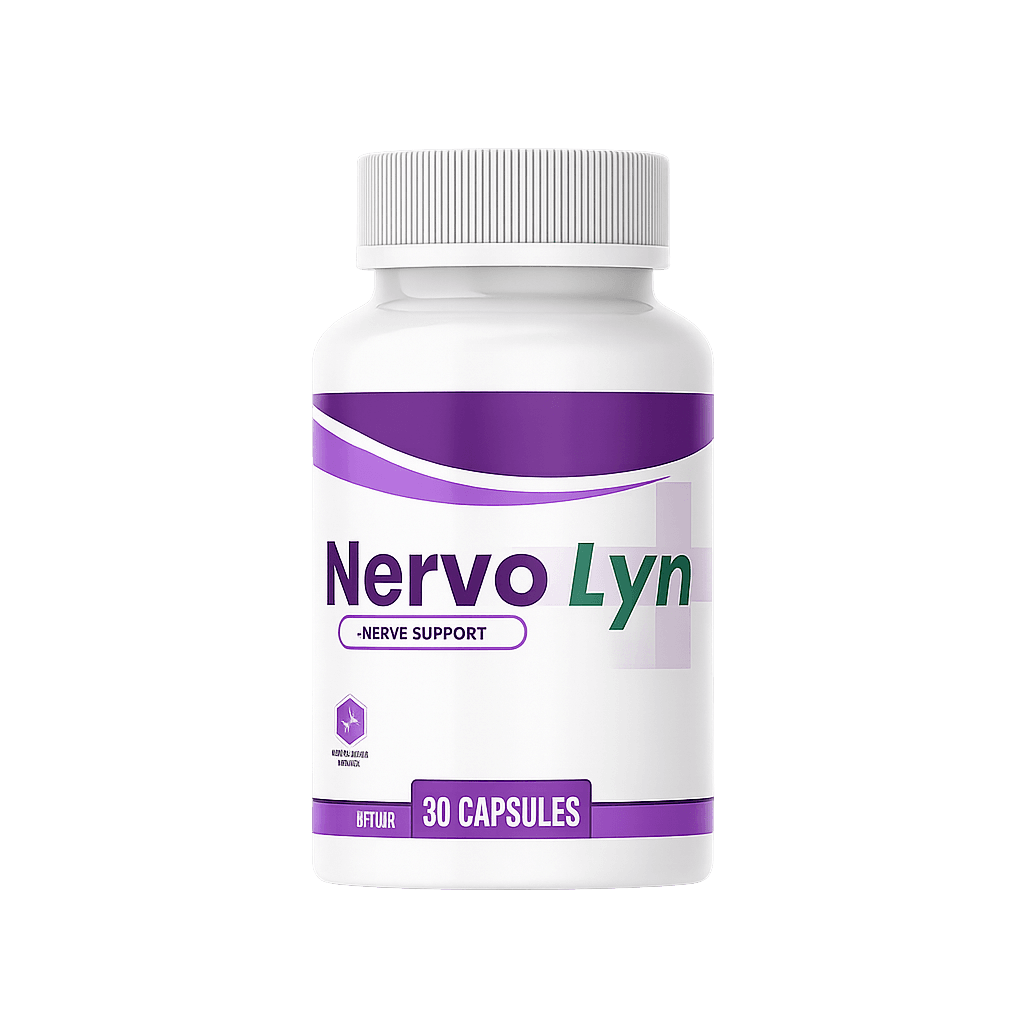
Nervolyn is presented as a nerve-support offer in the sciatica and neuropathy niche. Based on the transcript, it is not introduced in a straightforward supplement-label format. The VSL instead revolves around a natural at-home ritual designed to activate a super nutrient that allegedly supports damaged nerves.
The presentation calls the approach a "no-pill pain solution" and a "seven second quick relief ritual." It says viewers may be able to do it from home using kitchen items such as pineapple, banana, or coconut milk plus three other homemade ingredients. The speaker claims the combined ingredients activate a powerful nutrient in the body and that this process may help with movement, lower-back stabilization, and relief.
The VSL also frames the ritual as something different from common nerve-pain options. It contrasts the approach with pills, injections, back stretches, therapies, procedures, pain relief cream, shock machines, massagers, gabapentin, opioids, and other interventions that the presentation says may not produce lasting results. The ad transcript uses a similar contrast, saying people try massagers, shock machines, miracle creams, CBD, and gabapentin, only for pain and numbness to return.
Because the product name Nervolyn is not explained in the transcript itself, this review treats Nervolyn as the commercial wrapper for the VSL's nerve-support promise. The actual pitch is built less around a visible bottle and more around a protocol-style discovery. That is common in supplement funnels: the ad sells curiosity, the VSL sells the mechanism, and the product is often revealed later.
The most important editorial point is this: the transcript does not prove that Nervolyn relieves sciatica or neuropathy. It shows that the manufacturer or presentation claims a natural ritual can help. Nerve pain can be complex and can involve metabolic, spinal, inflammatory, traumatic, diabetic, infectious, medication-related, and other medical causes. Anyone experiencing worsening numbness, weakness, severe back pain, loss of bladder or bowel control, foot drop, or diabetic neuropathy symptoms should seek qualified medical care.
The Problem It Targets
The VSL targets people who are tired of living with sciatic nerve pain and neuropathy symptoms. The emotional center is not mild discomfort. It is severe, recurring, life-limiting pain described with phrases like burning, searing, cramping, stabbing, pins and needles, numb toes, cold water sensation, and pain that shoots from the lower back into the buttocks, legs, knees, feet, and toes.
The opening uses sciatica because it is familiar and visceral. The presentation says sciatica can be a huge pain in the butt, back, legs, and lower body. It then moves into practical screening movements: heel walking, toe walking, bending forward, bending backward, and standing on one leg. These tests are used to make the viewer physically self-identify with the problem. If a viewer feels discomfort while trying the movements, the VSL has created immediate personal relevance.
From there, the problem broadens. The VSL does not keep sciatica separate from neuropathy. It argues that neuropathy and sciatic nerve pain are connected, saying symptoms in the hands, legs, back, or feet may be neuropathy, while symptoms in the back region are described as sciatic nerve pain. According to the presenter, the conditions are correlated, and most doctors allegedly do not understand the connection.
The transcript's villain is damaged nerve tissue. The VSL uses a frayed rope metaphor to represent an unhealthy sciatic nerve. A healthy nerve is described as strong and able to withstand tension and pressure. A damaged nerve is portrayed as fragile, full of holes, and vulnerable to additional irritation. This visual metaphor is central because it reframes common treatments as risky or incomplete. If the nerve is already frayed, the VSL asks, what happens when you stretch it? The answer in the presentation is that you may cause more damage and pain.
The presentation also targets people who feel failed by the medical system. It says doctors often focus on spine disorders such as bulging discs, disc degeneration, spinal stenosis, and tight muscles, while ignoring the nerve itself. It argues that MRI findings can be misleading because many people have disc degeneration without pain, and many people have pain without bulging discs. The VSL compares bulging discs to gray hair, suggesting they can be part of aging rather than proof of the true pain source.
This argument is persuasive because many chronic pain sufferers have already had confusing medical experiences. They may have been told their MRI shows degeneration, yet treatments did not help. The VSL turns that frustration into a sales angle: maybe the reason nothing worked is that everyone has been looking in the wrong place.
The most alarming part of the problem framing is the escalation. The presentation warns that ignoring the issue may allow it to spread throughout the body, moving from burning in the hand, legs, or back to generalized neuropathy. It also invokes the fear of amputation and life in a wheelchair. These are high-intensity fear appeals. They create urgency, but they should also make readers cautious. The transcript does not provide enough evidence to establish that the claimed acidic-blood mechanism leads directly to those outcomes in the way described.
How Nervolyn Works
According to the presentation, Nervolyn's claimed mechanism is built around three linked ideas: acidic blood, toxins, and a super nutrient that supports nerve rebuilding. The VSL says toxins spread through the metabolism and create the perfect environment for abnormal cells that feed off nerves. It then claims this toxicity leads to high levels of acid in the body, damaging nerves and allowing bad cells to travel through the bloodstream and hijack nerves.
That is the VSL's central unique mechanism. The presenter says the problem is not simply aging, tight muscles, or spinal disorders. Instead, the claim is that "your blood is acidic" and that this acidity damages the sciatic nerve and spinal cord. The presentation says the ritual can fix the acidic blood, cleanse the body, and activate a super nutrient that aids in the nerve rebuilding process.
The promised process is dramatic. The VSL says the super nutrient has healing properties, including cleansing the nerve of this toxin, helping nerve tissue rebuild itself, and supporting the creation of a new network of nerves that helps relieve sciatic pain. It also says the body enters a new mode, making the person alleviate burning sensations as if they regained the elasticity of a child.
These are the manufacturer's claims, not established facts inside the transcript. The VSL does not provide lab measurements of blood acidity, a named biomarker, a named toxin, a named abnormal cell type, or a clear biochemical pathway. It does not identify the super nutrient. It does not show the full recipe. It mentions institutions and studies, but the transcript does not provide full citations that would allow a reader to evaluate the evidence directly.
The ad transcript gives a related but slightly different mechanism. It says shock machines, massagers, and creams may only cover pain for a few hours while the real pain is being fed every day. It introduces Dr. Sven's protocol, described as a simple natural solution without surgery, shock, or prescriptions. It says the method takes about 30 seconds a day, while the main VSL uses the phrase seven seconds. The two scripts share the same promise structure: fast, simple, natural, hidden, and allegedly more root-cause-oriented than conventional options.
A careful reader should notice that the VSL's mechanism is compelling as copy, but incomplete as science. It gives a vivid cause-and-effect chain, but it does not disclose enough specifics to confirm the claim. That does not mean every user story is false. It means the transcript should be read as a sales presentation, not as a medical paper.
Key Ingredients and Components
The transcript does not disclose a complete Nervolyn ingredient list. This is one of the most important findings in this review.
The ingredients or components specifically mentioned are pineapple, banana, coconut milk, and three other homemade ingredients. The VSL says these ingredients, when combined, activate a super nutrient. But the name of that super nutrient is not revealed in the provided transcript. The recipe is also not fully disclosed.
That creates a clear boundary for any honest Nervolyn ingredients analysis. We can say the presentation uses fruit and kitchen-ingredient imagery to make the offer feel natural, simple, and safe. We can say the mentioned ingredients are familiar foods. We can say the VSL implies the ritual is affordable and may already be available in the viewer's kitchen. But we cannot say the formula contains a specific vitamin, mineral, herb, amino acid, or compound unless the transcript names it.
Typical nerve-support supplements in the broader market often discuss nutrients such as B vitamins, alpha-lipoic acid, magnesium, acetyl-L-carnitine, benfotiamine, turmeric, or antioxidant blends. But those are typical category nutrients, not confirmed Nervolyn ingredients from this transcript. The VSL does not confirm them. Therefore, they should not be represented as part of Nervolyn.
The strongest component in the VSL is not an ingredient. It is the ritual frame. The offer makes the action feel easy: seven seconds, every morning, from home, no pills, no surgery, no injections, no expensive drugs. That simplicity matters because the target audience may feel exhausted by complex medical routines, repeated appointments, failed therapies, and chronic pain management.
The VSL also uses the phrase "super nutrient" repeatedly. This phrase is intentionally broad and curiosity-driven. It suggests a powerful scientific discovery without requiring the presenter to name the compound immediately. In direct-response terms, this keeps the viewer watching because the brain wants closure: what is the nutrient, what is the recipe, and why has no one told me?
For a research-first reader, the missing disclosure is a red flag. A product or protocol can sound appealing, but before buying or trying anything, consumers should want to know the exact ingredient list, serving amounts, contraindications, allergen information, drug interactions, and whether the formula is appropriate for their medical situation.
The VSL Hook and Story
The Nervolyn VSL begins with a familiar health-show style hook: sciatica is common, painful, and disruptive, but a no-pill pain solution is coming. Peggy Brill, a practicing physical therapist, gives quick movement tests. This makes the viewer feel like the video is practical and clinically grounded.
Then the script pivots into curiosity: each of several breakfast fruits contains a super nutrient, and institutions such as Harvard and Cambridge are invoked as being in favor of a new discovery. The transcript says thousands of studies support it, though no exact study list is provided. The phrase "I've never seen anything so powerful against sciatica" gives the hook urgency and authority.
The first testimonial-style story is Teresa, who says her pain started moderate and became a severe burn and intense aching from the lower back to the buttock and leg. She says she does not like medications and is more naturalist, then demonstrates walking. Her story is used to show transformation: before the ritual, movement was difficult; after the ritual, she can walk and live her life.
The next hook is time-based: in the next three minutes, the viewer will watch the video that allegedly transformed Teresa's life. The VSL tells viewers to watch carefully and write down the recipe to stop tingling, burning, and cramping in the next few hours. This is an aggressive immediacy claim. It implies fast relief, although again, this is a presentation claim and not verified by the transcript.
The story then turns darker. A frayed cord supposedly explains why the sciatic nerve hurts. The VSL says a group of American scientists may have proof that sciatic pain is not just from age, tight muscles, bulging discs, disc degeneration, or spinal stenosis. The hidden cause is framed as toxins and acidic blood. Doctors are described as repeating pills and injections, keeping people going in circles, and potentially damaging nerves more.
Then comes the rescuer: Dr. Aaron Dunn. He is introduced as the doctor who freed the narrator from the disease after months of consultations and uncertain diagnoses. The script gives him a backstory involving Hurricane Katrina, the loss of his sister, medical school at Tufts University School of Medicine, a role at the Mount Sinai Center for the Study of Nerve and Spine, and the founding of the Institute for Sciatica Disorders and Nerve Health. This is a classic authority-building arc: trauma, mission, credentials, research, patients, discovery.
The VSL also uses Maxine's story. She says she developed neuropathy after her immunity dropped during the COVID pandemic, with burning pain down both legs and pain at the slightest touch. She describes losing independence and needing help from her children and husband. Her story personalizes the stakes and extends the problem beyond sciatica into broader neuropathy.
The narrative villain is not just pain. It is a system: doctors who allegedly do not understand nerve health, pharmaceutical interests, ineffective medications, overemphasis on MRI findings, and a public misled about discs. That makes the viewer feel like joining the presentation is not only a health decision but an act of discovering what was hidden.
Ads Breakdown
The ad transcript uses a different entry angle from the main VSL but drives toward the same emotional destination. Instead of opening with sciatica, the ad opens with neuropathy and the hook: "what doctors never tell you about those electric shocks for neuropathy." This is a strong curiosity and controversy opener. It implies suppressed information and immediately targets people who have tried devices or physical treatments.
The first ad angle is anti-gadget frustration. The narrator says people think they can fix neuropathy with massagers, shock machines, or miracle creams, but those only help for a few hours before pain returns. This angle speaks to buyers who have already spent money and feel disappointed. The message is: your tools are not solving the real cause.
The second angle is personal suffering. The narrator says their neuropathy journey began after a leprosy diagnosis in March 2021. They describe dropping a morning cup of tea because their fingers stopped responding, feeling like the body was locking up, developing cramps, constant headaches, and freezing in the kitchen unable to move. This makes the ad feel like a confession rather than a conventional product pitch.
The third angle is failed treatment exhaustion. The narrator says they tried shocks, gabapentin, and CBD, but relief lasted less than four hours before pain and numbness returned. This matches the VSL's broader positioning against temporary solutions. The ad wants the viewer to think: if my relief never lasts, maybe I am using the wrong category of solution.
The fourth angle is doctor discovery. The narrator says they found Dr. Sven's protocol, which promised to fix the problem without surgery, shock, or prescriptions. This mirrors the main VSL's Dr. Aaron Dunn authority figure. Both scripts use a doctor persona to validate a natural method and position it as more root-cause-oriented than standard care.
The fifth angle is social buzz and proof. The ad says Dr. Sven confirmed what millions of people on TikTok had already discussed. It also claims the simple method wipes out neuropathy faster than anyone thought possible and that 93% of people in clinical tests said foot pain was gone within 72 hours. The transcript does not provide the clinical-test details, but as ad copy, the numbers create perceived legitimacy and urgency.
The sixth angle is free-today urgency. The narrator says they paid $49 to see the presentation, but it looks free today. They tell viewers to check if it is still available before charging resumes. This creates both price anchoring and scarcity. The viewer is nudged to act now because waiting may mean losing free access.
The ad also uses a spiritual and empathetic tone. Phrases like "may God bless you" and "I know exactly how hard it is" build trust with viewers who respond to personal testimony and faith-framed encouragement. The result is a testimonial ad that feels less like a polished commercial and more like a warning from someone who suffered.
Psychological Triggers and Persuasion Tactics
The Nervolyn VSL is loaded with direct-response persuasion. The first major tactic is problem-agitation. The script does not simply name sciatica. It describes pain as excruciating, searing, burning, stabbing, and life-limiting. It talks about pain traveling through the back, hips, buttocks, legs, knees, feet, and toes. It presents people who cannot bend, walk, work, perform, or live normally. This deepens the viewer's emotional identification before any solution is offered.
The second tactic is the unique mechanism. The VSL claims the overlooked cause is acidic blood and toxins that damage nerves. This is crucial because chronic pain buyers have often heard the same advice many times. A new mechanism makes the offer feel fresh. If the viewer believes the old explanations were wrong, they may be more open to a new solution.
The third tactic is authority stacking. The transcript references Peggy Brill, Dr. Oz, Dr. Aaron Dunn, Tufts University School of Medicine, Mount Sinai, Harvard, Cambridge, the American Journal of Clinical Nutrition, and the North American Spine Society. Even when citations are incomplete, these names create an authority halo.
The fourth tactic is conspiracy framing. The VSL says doctors are corrupted by the pharmaceutical industry mafia, that most doctors ignore the real issue, and that people are kept going in circles with pills and injections. This creates an us-versus-them dynamic. The viewer is invited to feel smarter than the system by continuing to watch.
The fifth tactic is visual analogy. The frayed rope is a strong teaching image. It makes nerve damage feel intuitive. If a rope is frayed, stretching it seems dangerous. Creams seem superficial. Spine scans seem indirect. The analogy simplifies a complicated topic into an easy visual argument.
The sixth tactic is fear appeal. The VSL warns about generalized neuropathy, amputation, and wheelchair dependence. These are severe outcomes. Fear can motivate action, but it can also pressure vulnerable people. A responsible reader should separate the emotional warning from evidence actually disclosed in the transcript.
The seventh tactic is social proof. Teresa, Maxine, celebrity-style references, and ad testimonials all suggest that others have succeeded. The ad adds TikTok discussion and a claimed 93% result. Social proof reduces skepticism by implying the viewer is not alone and others have already tried the method.
The eighth tactic is low-friction action. Seven seconds. Thirty seconds. Ingredients in your kitchen. No pills. No surgery. No prescriptions. This makes the solution feel easy enough to try. In direct response, ease is powerful because the audience may be tired, in pain, and skeptical of complicated interventions.
Scientific and Authority Signals
The VSL uses several scientific and authority signals, but the transcript provides limited detail. That distinction is important.
Peggy Brill is introduced as a practicing physical therapist. Her role is practical and movement-based. She demonstrates quick indicators for possible sciatica-related issues: walking on heels, walking on tiptoes, bending, extending, and standing on one leg. This section is comparatively grounded because it focuses on observable movement and stability.
Dr. Aaron Dunn is the central authority figure. The transcript says he is 42, was voted best physiatrist across several years, earned a medical degree from Tufts University School of Medicine, served as director of the Mount Sinai Center for the Study of Nerve and Spine, and founded the Institute for Sciatica Disorders and Nerve Health. It also says he researched the connection between blood and nerve fiber wear. These claims are presented in the VSL, but the transcript alone does not verify them.
The VSL also invokes Harvard, Cambridge, and thousands of studies. These are broad authority references. The transcript does not identify the studies, researchers, journals, dates, or methods. As a result, they function more as credibility signals than reviewable evidence inside the provided material.
The presentation references an article in the American Journal of Clinical Nutrition about myths in neuropathy. It also references a paper from the North American Spine Society, claiming that nearly 90% of people 60 or older have bulging discs or disc degeneration without pain symptoms, and that more than half of people in their 30s have some disc degeneration without pain. The VSL uses these points to challenge the assumption that disc findings always explain pain.
That general idea can be plausible in the broad sense that imaging findings do not always match symptoms, but this review cannot validate the exact figures from the transcript alone. The VSL does not provide the paper title, authors, publication year, or direct citation.
The ad transcript claims clinical tests showed 93% of people said their foot pain was gone within 72 hours. This is one of the strongest numerical claims in the ad, but also one of the least substantiated in the provided source. No sample size, control group, diagnostic criteria, duration, or publication details are provided.
In short, the VSL has many authority signals, but fewer transparent evidence details. That is a common feature of supplement VSLs. They often cite institutions and journals to support a storyline, while leaving the full evidence trail outside the sales video.
What Real Buyers Say
The VSL relies heavily on testimonial-style language. These stories are emotionally vivid and central to the sales message. They should be read as claims made in the presentation, not as independently verified outcomes.
Teresa is the first major testimonial. She describes pain that began moderately and turned into a severe burning ache from the lower back to the buttock and leg. Her key positioning is that she dislikes medication and prefers natural approaches. The VSL then shows her walking, with the implication that the ritual helped her regain movement.
One quoted line is: "I really don't like to use any medications." Another is: "I'm more of a naturalist." She also says, "So this helps me a lot." The testimonial is designed to resonate with viewers who want alternatives to pills.
Another testimonial describes intense calf spasms, ankle pain, pins and needles, numb toes, and a cold-water sensation. The most direct lines include: "Before every morning, my calf had ripping muscle spasms that felt like I was being stabbed." The person also says: "Foot has pins and needles on the top." Then the result claim: "The pain is gone."
The VSL includes celebrity-style references. A speaker associated with a film production says: "During filming, I could barely stand and fell several times backstage due to sciatica." The same testimonial says the seven second relief ritual, given by a makeup artist, helped keep them standing. Another performance-related testimonial says: "I know that my sciatica has been torturing me for months and a few weeks ago I could barely stand." It continues: "Today, thanks to Doctor Aaron, I was able to come here and it's been very, very special for me."
Maxine's testimonial expands the emotional stakes. She says that after the COVID pandemic period, her immunity dropped and she developed neuropathy. She describes burning pain down both legs, pain at the slightest touch, and needing help from family. Her story is used to show that neuropathy can affect younger or active people, not just older adults.
The ad transcript adds another first-person arc. The narrator says they were diagnosed with leprosy in March 2021 and later developed neuropathy. They describe dropping a cup of tea because their fingers stopped responding, freezing in the kitchen, and trying shocks, gabapentin, and CBD. The major result line is: "I truly feel like a brand new person."
These testimonials are powerful because they are specific. They mention calves, ankles, toes, kitchens, cups of tea, backstage falls, relationships, children, husbands, and daily movement. Specificity makes stories believable. But they still remain testimonial claims. The transcript does not include medical records, before-and-after testing, independent follow-up, or placebo-controlled data.
The Offer / Pricing / Risk Reversal
The main VSL does not disclose a final Nervolyn price in the provided transcript. Instead, it says the viewer will be shown the relief ritual and that the presenter "won't charge anything in the end." This makes the early offer feel free and educational.
The ad transcript provides a clearer price anchor. The narrator says they had to pay $49 to see the presentation, but it looks like it is free today. This is a classic price-anchor tactic. The viewer is told the information has monetary value, then offered a chance to access it without paying. That can increase perceived value and reduce resistance.
The ad also creates urgency: check if it is still available for free before they start charging again. This is not a hard deadline with a date, but it creates a now-or-never feeling. The viewer may click because they fear losing free access.
There is no formal money-back guarantee in the provided transcript. There are no shipping terms, subscription details, bottle counts, dosage instructions, refund windows, or customer-service policies. If Nervolyn is sold later in the funnel, those details would need to be reviewed separately.
The main risk reversal is psychological, not contractual. The VSL says the ritual uses items that may already be in the kitchen, avoids pills and surgery, and can be learned without an upfront charge. That makes the viewer feel there is little downside to continuing.
From an editorial standpoint, consumers should be careful with any funnel that withholds the full product format, full ingredients, price, and guarantee until later. Those details are essential before making a health purchase.
Who This Is For (and Who It Isn't)
Based on the transcript, Nervolyn is aimed at adults experiencing sciatica, neuropathy, burning feet, pins and needles, tingling, cramping, numbness, or pain radiating through the lower back, buttocks, legs, knees, feet, and toes. It is especially targeted at people who feel let down by conventional options such as pills, injections, stretching, creams, shock devices, massage tools, gabapentin, opioids, or procedures.
It is also aimed at people who prefer natural approaches. Teresa's testimonial explicitly says she dislikes medication and is more naturalist. The VSL repeatedly emphasizes no pills, home ingredients, and a simple morning ritual. That messaging is designed for buyers who want something that feels gentle, accessible, and non-pharmaceutical.
It may appeal to people who have been told their pain is due to a disc problem but feel the explanation does not fully fit. The VSL spends significant time arguing that bulging discs and degeneration do not always equal pain, and that doctors may miss nerve health. Viewers with confusing MRI experiences may find this emotionally compelling.
However, this offer is not for people looking for transparent clinical documentation in the transcript. The VSL does not disclose the full recipe, the named super nutrient, the exact ingredient amounts, or the final product details. It uses strong claims and authority references, but it does not provide enough specifics to evaluate the evidence fully.
It is also not a replacement for medical care. Nerve pain can be serious. Symptoms such as progressive weakness, foot drop, severe numbness, diabetic nerve complications, infection-related neuropathy, sudden loss of bladder or bowel control, or severe unexplained pain should be evaluated by a qualified clinician. The VSL's claims should not be treated as a diagnosis or cure.
Finally, it may not be appropriate for people who are allergic to mentioned foods such as pineapple, banana, or coconut, or for people on restricted diets, medication regimens, or medical protocols without professional guidance. Since the full ingredient list is not disclosed, caution is warranted.
Frequently Asked Questions
What is Nervolyn?
Nervolyn is the name attached to a nerve-support offer whose VSL focuses on sciatica, neuropathy, and nerve pain symptoms. The presentation frames the solution as a seven second quick relief ritual that allegedly activates a super nutrient.
Does the Nervolyn transcript disclose the full ingredient list?
No. The transcript mentions pineapple, banana, coconut milk, and three other homemade ingredients, but it does not disclose the full recipe or identify the claimed super nutrient.
What is the seven second quick relief ritual?
According to the presentation, it is a simple morning ritual using certain kitchen ingredients to activate a super nutrient. The VSL claims this may support nerve health and relieve sciatica symptoms, but the transcript does not give the complete recipe.
What nerve pain problem does Nervolyn claim to target?
The VSL targets sciatic nerve pain, neuropathy, burning, tingling, cramping, pins and needles, numb toes, and pain running from the lower back into the legs and feet.
Is Nervolyn presented as a pill or a natural ritual?
The transcript presents it as a no-pill natural ritual. It does not clearly disclose whether the commercial product is a capsule, powder, liquid, or another supplement format.
What proof does the Nervolyn VSL use?
The VSL uses testimonials, doctor-style authority figures, references to institutions, and mentions of studies and clinical tests. However, the transcript does not provide full citations, trial details, or enough data to independently verify the claims from the transcript alone.
How much does Nervolyn cost?
The main VSL says the ritual will not be charged at the end. The ad says the narrator previously paid $49 for the presentation, but it appears to be free today. No final product price is disclosed in the provided transcript.
Is Nervolyn a cure for sciatica or neuropathy?
No cure can be concluded from the transcript. The presentation makes relief and support claims, but those should be understood as manufacturer or presenter claims, not proven medical outcomes.
Final Take
The Nervolyn VSL is a highly emotional, mechanism-driven nerve pain presentation. Its strongest hook is the idea that sciatica and neuropathy may be driven by acidic blood, toxins, and damaged nerves rather than only discs, aging, tight muscles, or spinal problems. The promised answer is a seven second quick relief ritual that allegedly activates a super nutrient using familiar kitchen ingredients like pineapple, banana, and coconut milk.
As direct-response copy, the presentation is sophisticated. It combines pain agitation, movement tests, authority figures, patient stories, celebrity-style social proof, medical skepticism, fear appeals, and a simple natural ritual. The ad campaign reinforces the same themes through neuropathy frustration, failed shock machines and creams, a personal suffering story, a doctor protocol, a 93% within 72 hours claim, and a $49 free-today price anchor.
As a research source, the transcript has important gaps. It does not disclose the full ingredient list, the exact super nutrient, the complete recipe, the final price, or a formal guarantee. It mentions studies and institutions but does not provide enough detail to evaluate them. It makes strong claims about nerve rebuilding and acidic blood, but those claims are not proven within the transcript.
For readers researching Nervolyn nerve support, the fairest conclusion is this: the VSL presents a compelling natural-relief story for people with sciatica and neuropathy symptoms, but the evidence and product details provided in the transcript are incomplete. Treat the claims as marketing claims, ask for the full ingredient label and terms before buying, and involve a qualified healthcare professional when dealing with persistent or worsening nerve pain.
Disclaimer: This article is for research and educational purposes only. It is not medical, legal, or financial advice, and it is not affiliated with the product or its makers. Always consult a qualified professional before making health or financial decisions.
Source-backed reader context
Additional Reviews & Reported Experiences
These statements were presented in the product's sales transcript. Daily Intel did not independently verify the speakers, purchase status, or reported outcomes, and the statements are not used in Product aggregateRating.
VSL proof excerpt 1
Date not stated
Before every morning, my calf had ripping muscle spasms that felt like I was being stabbed.
VSL proof excerpt 2
Date not stated
During filming, I could barely stand and fell several times backstage due to sciatica.
VSL proof excerpt 3
Date not stated
The only thing that kept me standing was faith in God and the seven second relief ritual that my makeup artist gave me.
VSL proof excerpt 4
Date not stated
I know that my sciatica has been torturing me for months and a few weeks ago I could barely stand.
VSL proof excerpt 5
Date not stated
Today, thanks to Doctor Aaron, I was able to come here and it's been very, very special for me.
VSL proof excerpt 6
Date not stated
I described it to the last one as pain has always shot down to my foot, but now it's like a constant lower back pain.
VSL proof excerpt 7
Date not stated
I know this may sound too good to be true, especially with so many lies floating around the internet, but rest assured, I have been in your shoes and you will see all the evidence and scientific studies that prove that yes, This seven second relief ritual really works.
Comments(0)
No comments yet. Members, start the conversation below.
Related reads
- DISreviews
Zepburn Drops Review and Ads Breakdown
Zepburn Drops is promoted in the provided VSL as a weight-loss supplement offer built around a simple pink salt approach. The presentation’s core promise is direct: try a quick pink salt routine be…
Read  reviews
Zeneara Review and Ads Breakdown
This Zeneara review is intentionally narrow: it is based only on the provided ad transcript. That matters because the transcript does not contain a full video sales letter, ingredient panel, doctor…
Read- DISreviews
Vittaburn Review and Ads Breakdown
This Vittaburn review is based only on the provided VSL transcript. That matters because the presentation makes large weight-loss claims, uses medical-sounding language, and leans heavily on a dram…
Read