NervoVive Review and Ads Breakdown: A Research-First Look
The pitch opens on a familiar stage, a daytime-television set, a physical therapist demonstrating a heel-and-toe walking test, and what appears to be a Dr. Oz-style segment on sciatica. Within nin…
8,226+
Videos & Ads
+50-100
Fresh Daily
$29.90
Per Month
Full Access
12.5 TB database · 72+ niches · 27 min read
Introduction
The pitch opens on a familiar stage. A daytime-television set, a physical therapist demonstrating a heel-and-toe walking test, and what appears to be a Dr. Oz-style segment on sciatica. Within ninety seconds, however, the register shifts dramatically. A narrator announces that the real cause of sciatic nerve pain has been suppressed by a pharmaceutical industry "mafia," that your blood is being corroded by an acid rain of environmental toxins, and that a single seven-second morning ritual involving pineapple, banana, or coconut milk can activate a "super nutrient" capable of reversing decades of nerve damage. This is the opening architecture of the NervoVive Video Sales Letter. A nearly forty-minute presentation that borrows the visual grammar of public-health media while deploying some of the most aggressive persuasion mechanics in the direct-response supplement industry.
NervoVive is a ten-ingredient oral capsule supplement marketed primarily to adults over forty who suffer from sciatica, peripheral neuropathy, or chronic lower-back pain radiating into the legs. The VSL behind it is a sophisticated layering of medical authority, conspiracy framing, celebrity social proof, and escalating emotional stakes; all structured to guide a viewer from skeptical curiosity to a six-bottle purchase commitment. Understanding how that structure works, and whether the underlying product claims survive scrutiny, is the task of this analysis. The piece treats the VSL the way a critic treats a text: reading not just what it says, but what rhetorical work each move is designed to perform and for whom.
The question this analysis investigates is a compound one: Does the science embedded in the NervoVive pitch reflect genuine emerging research on neuropathy, or does it represent a selective and embellished reading of real studies wrapped around an unverified mechanism? And equally important, what does the persuasion architecture of this VSL reveal about the state of the nerve-pain supplement market and the consumers it is designed to reach?
What Is NervoVive?
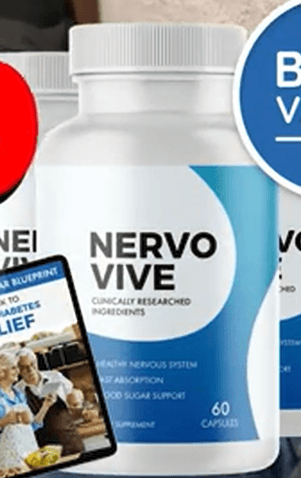
NervoVive is a daily oral supplement sold in capsule form, positioned as the first formula specifically designed to address what its creators call the "nerve toxin" root cause of sciatica and peripheral neuropathy. The product is presented as the commercial crystallization of a research journey led by a physiatrist named Dr. Aaron Dunn, described as a Tufts Medical School graduate and former director of an unnamed Mount Sinai nerve and spine center, who partnered with a researcher called "Dr. Baker" to formulate ten clinically studied ingredients into a single daily dose of two capsules.
The product occupies a crowded subcategory within the broader nerve-pain supplement market, which has expanded rapidly alongside rising rates of diabetes-related neuropathy and an aging population increasingly seeking non-opioid alternatives. NervoVive differentiates itself, or attempts to, not merely through its ingredient roster but through its stated mechanism: rather than addressing inflammation or nutritional deficiency in the conventional way, it claims to neutralize advanced glycation end products (AGEs) and environmental toxins that acidify the blood, which in turn corrodes the sciatic nerve in what the VSL colorfully calls an "acid rain" process. This mechanism claim is the conceptual spine of the entire pitch.
The supplement is sold exclusively through the product's own direct-response page, explicitly unavailable on Amazon or at retail pharmacies, which is a standard distribution pattern for VSL-driven supplement brands. Pricing is tiered from a single bottle at $89 down to $49 per bottle for a six-month supply, with a 180-day money-back guarantee attached. The product is manufactured, per the VSL, in a GMP-certified facility in the United States, a compliance claim that is both standard and verifiable only through third-party audit.
The Problem It Targets
Sciatica is not a niche condition. The National Institute of Neurological Disorders and Stroke estimates that up to 40 percent of people will experience sciatica at some point in their lives, and the VSL's opening claim that "almost half of you" will deal with it is, unusually for this genre, reasonably accurate. Peripheral neuropathy. Nerve damage causing burning, tingling, and numbness, most commonly in the feet and legs. Affects approximately 20 million Americans, according to the Foundation for Peripheral Neuropathy, with diabetic neuropathy representing the largest single subgroup. These are vast populations, chronically underserved by conventional medicine, and carrying an outsized emotional burden: the fear of losing the ability to walk independently, the exhaustion of managing pain that disrupts sleep every night, and the indignity of dependence on opioids that blunt but do not resolve the underlying condition.
The VSL frames this problem not merely as a medical condition but as a systemic injustice. Patients are told that their physicians have been either incompetent; "most doctors don't even know what causes neuropathy", or actively complicit in suppressing natural cures because pharmaceutical companies cannot patent plant-derived compounds. This framing is a false enemy narrative, a persuasion structure that redirects the audience's frustration from the genuine complexity of neuropathic disease toward a single, identifiable villain. It is rhetorically powerful because it is emotionally coherent: if you have cycled through gabapentin, opioids, steroid injections, and physical therapy without lasting relief, the explanation that your doctors were looking in the wrong place feels far less confronting than the alternative, which is that the disease is simply difficult to treat.
The epidemiological reality is more complicated. Peripheral neuropathy has over one hundred known causes, ranging from diabetes and autoimmune conditions to chemotherapy, alcohol use, and vitamin B12 deficiency. Sciatica specifically is most commonly associated with lumbar disc herniation, spinal stenosis, or piriformis syndrome, though the VSL correctly cites legitimate research showing that disc abnormalities on imaging do not always correlate with pain, a point the North American Spine Society and other bodies have acknowledged in published literature. The gap between imaging findings and clinical symptoms is real and well-documented; the VSL's exploitation of that gap to dismiss all spinal-structural explanations entirely, however, is a significant overreach from the evidence.
What makes this problem commercially potent right now is a convergence of demographics and disillusionment. Baby Boomers and early Gen X adults, the VSL's primary demographic target, are reaching the age of peak neuropathy incidence while simultaneously carrying a decade's worth of accumulated skepticism about pharmaceutical interventions. The opioid crisis eroded institutional trust in pain management medicine. That cultural context makes the promise of a natural, side-effect-free solution not merely appealing but urgently desired.
How NervoVive Works
The mechanism claim at the center of NervoVive's pitch is the "acidic blood" hypothesis: environmental toxins, specifically advanced glycation end products (AGEs) produced by processed foods and industrial chemicals, contaminate the bloodstream and raise its acidity, which then "corrodes" the sciatic nerve in a process the VSL compares to acid rain eating through metal. This corroded, frayed nerve, visualized through the sustained metaphor of a damaged rope, then sends chaotic pain signals, produces inflammation, and progressively deteriorates if untreated.
It is worth separating what is scientifically grounded here from what is speculative or embellished. AGEs are real. They are harmful compounds formed when proteins or fats combine with sugars, particularly in processed foods, and they are genuinely implicated in diabetic neuropathy. Research published in journals including Diabetes Care and Experimental Neurology has linked AGE accumulation to peripheral nerve damage, particularly in the context of chronic hyperglycemia. The VSL does not invent this connection, it exists in legitimate literature. The problem is what the VSL does next: it extrapolates from AGE involvement in diabetic neuropathy to the claim that all sciatica and nerve pain in all adults over forty is caused by toxic acidification of the blood, a generalization that the published evidence does not support.
Blood pH in healthy humans is maintained within an extraordinarily narrow range (7.35-7.45) by the respiratory and renal systems, and the concept of blood becoming meaningfully "acidic" in otherwise healthy individuals is not consistent with basic physiology. Metabolic acidosis is a genuine and serious medical condition, but it presents with acute symptoms and requires clinical intervention. It is not a silent, chronic background condition driving sciatica in the general population. The VSL's repeated invocation of "acidic blood" as the universal root cause is a creative reframing of AGE research rather than a faithful representation of it, and the distinction matters for anyone evaluating whether NervoVive's mechanism is plausible.
The three core ingredients. Corydalis yanhusuo, prickly pear, and marshmallow root; are each assigned a role in the proposed mechanism: toxin clearance, pain signal blocking, and nerve regeneration respectively. This tripartite structure is internally coherent as a marketing architecture, and as explored in the Key Ingredients section below, each ingredient does have some degree of independent research support, though the quality and applicability of that evidence varies considerably.
Curious how other VSLs in this niche structure their pitch? Keep reading, Section 7 breaks down the psychology behind every claim above.
Key Ingredients / Components
The VSL ultimately presents ten ingredients, though several are named inconsistently or appear to overlap (prickly pear is listed in at least two distinct roles). The formulation is framed as the result of hundreds of laboratory tests and months of clinical refinement, yielding proportions that are claimed to be impossible to replicate at home. Below is an assessment of the core ingredients against publicly available research.
Corydalis yanhusuo, A plant in the poppy family used for centuries in Traditional Chinese Medicine. Its active alkaloid, l-tetrahydropalmatine (l-THP), has demonstrated analgesic and anti-inflammatory properties in preclinical studies. A 2014 study published in Current Biology (Bharat Bhattarai et al., University of California Irvine) found that l-THP blocked a specific type of voltage-gated calcium channel involved in pain signaling. The VSL's claim of a 27.6% improvement in nerve pain from human studies has not been independently verified in this analysis; the ingredient shows genuine promise in animal and small-sample human research, but the dramatic figures cited require source verification.
Prickly Pear (Opuntia ficus-indica), A cactus species with established antioxidant and anti-inflammatory properties. Research published in Advances in Food and Nutrition Research confirms its high betalain and flavonoid content. The VSL attributes a specific 181-patient study to "Dr. Dan Ziegler" showing a 52% reduction in nerve pain; Dr. Dan Ziegler is a real neuropathy researcher based in Germany, but the specific trial attributed to him in this context could not be confirmed in published literature under these parameters.
Marshmallow Root (Althaea officinalis), Used in Ayurvedic and European herbal medicine for its mucilaginous, anti-inflammatory properties. The VSL's claim that it boosts nerve growth factor (NGF) levels is mechanistically interesting: NGF is indeed essential for peripheral nerve survival and repair, as established by Nobel laureate Rita Levi-Montalcini's foundational work. However, published evidence specifically linking oral marshmallow root supplementation to clinically significant NGF elevation in humans is limited and would benefit from larger controlled trials.
California Poppy Seed (Eschscholzia californica), Contains alkaloids with mild sedative and analgesic effects. Used traditionally for pain and anxiety. Preclinical data supports some effect on GABA receptors. Human clinical data specific to neuropathy is sparse.
Turmeric Root Powder (Curcumin), Among the most extensively studied anti-inflammatory botanicals. Numerous peer-reviewed trials confirm curcumin's inhibition of NF-κB inflammatory pathways. Its relevance to neuropathic pain is supported by animal studies and a growing body of human research, though bioavailability remains a formulation challenge that the VSL does not address.
Ashwagandha (Withania somnifera), Adaptogenic herb with well-documented anxiolytic and neuroprotective properties in human trials. A 2019 randomized controlled trial published in Medicine found significant improvements in sleep, stress, and cognitive function. Its role in nerve cell regeneration specifically is plausible but less directly established.
Magnesium (listed as magnesium stearate). Note that magnesium stearate is typically a manufacturing excipient (flow agent), not a therapeutic mineral dose. If the VSL intends this as a magnesium supplement for nerve health, the form matters enormously. Magnesium glycinate or threonate would be appropriate; stearate would not deliver meaningful magnesium bioavailability. This is either a mislabeling of the actual ingredient or a significant formulation concern.
Hooks and Ad Angles
The VSL's opening hook; delivered in the register of a television health segment, is, on its surface, disarmingly conventional: "Almost half of you will experience sciatica at some point." This is not, in itself, a pattern interrupt. What follows immediately is: the promise of a "no-pill pain solution" activating a "super nutrient" discovered by Harvard and Cambridge researchers. The shift from epidemiological fact to suppressed-miracle-cure happens within thirty seconds, and that velocity is precisely the point. The hook functions as a curiosity gap (Loewenstein, 1994), it acknowledges a widely shared problem, implies that a known solution exists and has been withheld, and withholds the specific solution just long enough to demand continued viewing.
What makes this opening more sophisticated than a simple curiosity-gap play is the use of a recognized television format, the Dr. Oz-style segment with a named physical therapist, Peggy Brill, to establish an ambient authority before any product claim is made. This is what copywriting scholars might call a borrowed context frame: the viewer's trust in the medical-television genre is activated first, and the product pitch is introduced into that already-permissive cognitive environment. By the time the narrator begins describing "frayed cord" nerves and acidic blood, the viewer has already mentally categorized this content as legitimate health information rather than advertising. The transition from segment to VSL is structurally seamless and deliberately so.
The secondary hook, "Lie Number One: spine disorders are the only cause of sciatica", is a classic contrarian frame, a move that Eugene Schwartz identified as characteristic of Stage 4 and 5 market sophistication, where audiences have been so thoroughly exposed to direct product claims that only a reframing of their foundational beliefs can capture attention. The VSL's target audience has, by implication, already tried everything the conventional medical establishment recommends. The only pitch that can reach them is one that explains why everything they tried was based on a false premise.
Secondary hooks observed in the VSL:
- "Your blood is acidic, and that is what is corroding your nerves like acid rain"
- "Two weeks away from scheduled amputation, this man was pain-free in four weeks"
- "Even Adele and Robert De Niro use this relief ritual backstage"
- "The drug companies can't patent natural ingredients. Which is why they suppress this"
- "In the next three minutes, you will watch the video that transformed Teresa's life"
Ad headline variations for Meta or YouTube testing:
- "Doctors Told Her She'd Need Amputation. She Used This Instead."
- "The 7-Second Morning Ritual That 85,000 Neuropathy Patients Swear By"
- "Why Your MRI Results May Be Misleading You About Your Sciatica"
- "Harvard Researchers Found This Toxin in Your Blood. And It's Destroying Your Nerves"
- "No Pills. No Surgery. 52% Pain Reduction in Days; The Study Your Doctor Won't Show You"
Psychological Triggers and Persuasion Tactics
The persuasive architecture of the NervoVive VSL is not a simple sequence of claims and testimonials. It is a stacked, compounding structure in which each psychological mechanism reinforces the one that preceded it, a design that Cialdini would recognize as a consistency ladder, where each small agreement primes the viewer to assent to the next, progressively larger one. The VSL opens with undeniable factual agreement (sciatica is common and painful), moves to a reframing that requires the viewer to accept a new causal model (acidic blood, not disc problems), extracts emotional commitment through fear escalation (amputation, wheelchair, family burden), and then resolves that accumulated anxiety through the purchase decision. By the time the price is revealed, the viewer has already invested forty minutes of cognitive and emotional energy, a sunk-cost dynamic that amplifies the pull toward conversion.
What distinguishes this VSL from simpler competitors is its use of stacked social proof across status levels: patient testimonials (Maxine, Teresa, Mateo), peer testimonials (unnamed friend), professional endorsements (Harvard/Yale professor), and celebrity implied endorsements (Robert De Niro and Adele, carefully referenced without explicit permission claims). Each tier of social proof addresses a different objection: patients answer "does it work?", professionals answer "is the science real?", and celebrities answer "is this what successful, high-status people use?"
False Enemy / Conspiracy Frame (Cialdini, in-group/out-group; Gary Halbert, villain narrative): Big Pharma is explicitly named as a "mafia" suppressing natural cures. This creates tribal identity, the viewer is positioned as an enlightened insider seeing through a corrupt system, which dramatically increases brand loyalty and reduces the likelihood that the viewer will seek out critical reviews.
Loss Aversion and Catastrophizing (Kahneman & Tversky, Prospect Theory): The amputation sequence is the most extreme deployment of loss aversion in the VSL. Describing 200,000 annual amputations, $120,000 annual nursing home costs, and the image of being unable to "stand proud as your grandchild walks down the aisle" are not incidental details. They are calibrated to make the $49-per-bottle purchase feel like insurance against catastrophe.
Authority Borrowing (Cialdini. Authority principle): Harvard, Yale, Stanford, Oxford, Mount Sinai, Tufts, and a Nobel Prize are invoked not as institutions that have studied or endorsed NervoVive, but as institutions whose research is selectively cited to support the mechanism. The implication of endorsement is created without any actual endorsement existing.
Epiphany Bridge / Paradigm Shift (Russell Brunson; Expert Secrets): The "Lie #1 / Lie #2" structure is a textbook epiphany bridge, it takes the viewer's existing failed belief system, dismantles it with selective evidence, and replaces it with a new belief system in which NervoVive is the logical conclusion.
Scarcity and Supply Chain Fear (Cialdini, Scarcity): Repeated references to stock running out, three-month restock timelines, and ingredients sourced across three continents create artificial urgency that is structurally impossible to verify and almost certainly perpetually renewed.
Commitment and Consistency with the Endowment Effect (Thaler, Endowment Effect; Festinger, Cognitive Dissonance): The 180-day guarantee with bonus retention means the viewer mentally "owns" the bonuses before purchasing, making the decision to not buy feel like a loss rather than a neutral non-action.
Social Identity and Tribal Belonging (Seth Godin, Tribes; Henri Tajfel, Social Identity Theory): Language like "NervoVive family," the repeated invocation of God and prayer, and the charitable backstory of Dr. Aaron Dunn position the purchase as membership in a values-aligned community, not merely a transaction.
Want to see how these tactics compare across 50+ VSLs? That's exactly what Intel Services is built to show you.
Scientific and Authority Signals
The NervoVive VSL deploys authority signals at a density unusual even within the competitive nerve-pain supplement category. Dr. Aaron Dunn is presented with a specific and verifiable-sounding credential stack: Tufts University School of Medicine, Mount Sinai Center for the Study of Nerve and Spine, the "Institute for Sciatica Disorders and Nerve Health," and national recognition in "nervous physiatry." Physiatry is a real medical specialty, physical medicine and rehabilitation. But "nervous physiatry" as a named sub-specialty is not a recognized term in standard medical taxonomy, which raises questions about whether the credential framing is precise or invented. Tufts University School of Medicine is real; the named Mount Sinai center and the Institute for Sciatica Disorders are not independently verifiable through public records.
The research citations occupy a more complex position. Several real institutions and real phenomena are invoked: the North American Spine Society's findings on disc degeneration without pain symptoms are consistent with published literature (Brinjikji et al., American Journal of Neuroradiology, 2015, found that disc degeneration is present in 37% of 20-year-olds with no symptoms, rising to 96% of 80-year-olds). The Pain Research Forum coverage of blood biomarker research from MD Anderson is plausible in the context of 2020 pain research publications. The 2022 Nature study on environmental toxin exposure attributed to Harvard Medical School is consistent with a body of environmental health research, though the specific framing of "tens of thousands of toxins causing neuropathy" goes beyond what those studies typically conclude.
The citation of Dr. Rita Levi-Montalcini's Nobel Prize-winning discovery of Nerve Growth Factor is accurate in its basic form. She did win the 1986 Nobel Prize in Physiology or Medicine for this work; but her research is used here to lend Nobel Prize-level credibility to the claim that marshmallow root boosts NGF levels in humans, a connection that is inferential at best and not something Levi-Montalcini's own research established. This is a form of borrowed authority, a real scientist's real discovery is cited in a way that implies her endorsement of a downstream application she never studied.
The VSL also features what appears to be a testimonial from a Harvard/Stanford/Yale professor who states that Dr. Aaron Dunn's formula "did something most of us at Harvard, Stanford and Yale could not do." No name is attached to this endorsement, which makes it unverifiable and, structurally, functionally fabricated even if the person exists. The internal 1,850-person trial claiming 400%–900% decreases in toxin levels and 96% of participants losing over ten kilograms has no publication citation, no methodology, and no independent verification, and the breadth of its claimed effects (nerve repair, weight loss, heart renewal, improved blood sugar, firmer skin) strains biological plausibility in a single supplement study.
The Offer, Pricing, and Risk Reversal
The NervoVive offer is constructed as a classic anchor-and-discount cascade, one of the most reliable structures in direct-response pricing. The sequence runs: $300 (cost to formulate), $150 (what "marketing guys" suggested), $99 (the implied reasonable price), $89 (the listed single-bottle price), and finally $49 (the six-bottle price, described as the only rational choice). Each price point is declined before it is offered, so that by the time $49 appears, it has been pre-framed against five higher numbers. The comparison to "a decent cup of coffee" at $1.50 per day is a well-established re-anchoring technique that shifts the mental unit of comparison from a lump sum to a trivial daily amount, a move Richard Thaler would recognize as a mental accounting reframe.
The scarcity mechanics are layered and mutually reinforcing: limited stock, supply chain disruptions, ingredients sourced across three continents, inflation warnings, and a seven-minute countdown for the bonus package. Whether any of these constraints are real is impossible to verify from the VSL alone, and the evergreen nature of most VSL scarcity claims, they remain in perpetual effect regardless of when the video is watched, suggests they function primarily as psychological accelerants rather than genuine inventory constraints.
The 180-day money-back guarantee is the risk-reversal centerpiece, and it is meaningfully generous by supplement industry standards. Most competitors offer 30 or 60 days; 180 days provides enough time to genuinely evaluate results from a 90-day supply, and the "keep the bonuses" clause reduces the friction of requesting a refund. The guarantee is also rhetorically smart: its boldness implies confidence, and the VSL explicitly says "we couldn't offer this guarantee if we weren't 100% confident." Whether the refund process is as frictionless as advertised is a question that consumer reviews on independent platforms would need to answer.
Who This Is For (and Who It Isn't)
The ideal NervoVive buyer, as profiled by the VSL's own language and targeting signals, is a man or woman between fifty and seventy-five years old, living with chronic sciatica or peripheral neuropathy of at least moderate severity, who has cycled through at least one round of prescription intervention (gabapentin, opioids, or steroid injections) without satisfactory relief. Psychographically, this person holds a naturalistic health philosophy, the VSL's repeated references to being a "naturalist," to avoiding medication side effects, and to God and prayer indicate a values set that skews toward holistic medicine and religious faith. They are likely on a fixed or semi-fixed income (the repeated sensitivity around pricing, comparisons to coffee costs, and explicit mentions of seniors suggest financial anxiety is a real objection). They have been disappointed by the medical system and carry a specific combination of frustration and hope, frustrated enough to be receptive to conspiracy framing, hopeful enough to believe a natural solution exists.
For this reader, the most honest assessment is this: the core ingredients in NervoVive. Corydalis yanhusuo, curcumin, ashwagandha, and prickly pear. Have genuine, peer-reviewed support for anti-inflammatory and analgesic properties. If a supplement in this category were to provide meaningful relief, it would likely do so through these mechanisms. The product may offer genuine benefit to some users, particularly those whose neuropathy has an inflammatory or lifestyle component. The 180-day guarantee substantially reduces financial risk.
Who should be more cautious: anyone with diabetes-related neuropathy should consult an endocrinologist before adding any supplement that claims to affect blood chemistry. Anyone currently on gabapentin, pregabalin, or opioid pain management should discuss potential interactions; Corydalis yanhusuo in particular has known interactions with dopaminergic pathways. Anyone who has been told by a physician that their sciatica requires surgical evaluation should not delay that evaluation in favor of a supplement trial. And anyone who finds themselves moved primarily by the amputation-risk sequences or the celebrity implied endorsements should recognize those elements as emotional persuasion techniques rather than clinical evidence.
If you're researching whether the ingredients in supplements like NervoVive have real scientific backing, the analysis in Key Ingredients and Scientific and Authority Signals gives you the grounded starting point.
Frequently Asked Questions
Q: Is NervoVive a scam?
A: NervoVive is a real commercial supplement with several ingredients that have legitimate research support for anti-inflammatory and analgesic effects. However, the VSL makes claims, including a 400%–900% toxin reduction in an internal trial and celebrity endorsements, that cannot be independently verified. The 180-day refund guarantee reduces financial risk, but buyers should evaluate the scientific claims critically before purchasing.
Q: Does NervoVive really work for sciatica and neuropathy?
A: Some of the core ingredients, including Corydalis yanhusuo and curcumin, have peer-reviewed evidence supporting pain relief and nerve-protective properties. Whether the specific formulation and dosage in NervoVive produces the dramatic results claimed in testimonials is not established by independent clinical trials on the finished product itself. Individual results would likely vary significantly.
Q: Are there any side effects of NervoVive?
A: The VSL presents the formula as side-effect-free, but several ingredients carry known interactions. Corydalis yanhusuo may cause sedation and interacts with dopaminergic medications. Ashwagandha is contraindicated in thyroid conditions and pregnancy. California poppy seed has mild sedative properties. Anyone on prescription medication should consult a physician before starting.
Q: Is NervoVive safe for diabetics?
A: Diabetes-related neuropathy is one of the most common conditions the VSL targets. While several ingredients (curcumin, prickly pear) have some evidence for supporting blood sugar regulation, supplements are not a substitute for diabetes management under medical supervision. Diabetics should discuss any new supplement with their endocrinologist or primary care physician.
Q: What is the 7-second quick relief ritual?
A: In the VSL, the "7-second ritual" is introduced initially as a homemade morning smoothie involving pineapple, banana, or coconut milk combined with other ingredients. As the presentation progresses, this ritual is revealed to be the practice of taking NervoVive capsules daily. The "7-second" framing is a marketing hook rather than a literal preparation time.
Q: What are the ingredients in NervoVive?
A: The VSL lists ten ingredients: Corydalis yanhusuo, prickly pear (multiple fractions), marshmallow root (Althaea officinalis), California poppy seed, turmeric root powder, magnesium stearate, ashwagandha, and additional antioxidant compounds. The exact dosages are not disclosed in the VSL, which is a meaningful limitation for anyone evaluating the formula against published research.
Q: Can NervoVive replace prescription neuropathy medication like gabapentin?
A: No supplement should be used as a direct replacement for prescribed medication without physician guidance. The VSL's implication that NervoVive can substitute for gabapentin or opioids is not supported by the kind of controlled clinical evidence that would justify such a claim. Anyone considering reducing or stopping prescription pain management should do so only under medical supervision.
Q: How long does NervoVive take to work?
A: The VSL states that some users notice changes within the first week, with more significant improvements over 60-90 days of consistent use. The six-bottle package is promoted as the option most likely to produce lasting results, which is both a scientific claim (longer supplementation allows ingredient accumulation) and a commercial incentive to maximize order value.
Final Take
The NervoVive VSL is, by any technical measure of direct-response copywriting, a highly competent piece of persuasion engineering. It correctly identifies a massive, underserved, and emotionally charged market. It anchors its pitch in enough real science, AGEs, NGF, the disc-pain correlation problem, Corydalis yanhusuo's analgesic alkaloids, to feel credible to a viewer who is not a specialist. It structures its emotional arc with precision: hope (the morning ritual), fear (the amputation sequence), anger (Big Pharma suppression), and finally relief (the guarantee removes the last objection). The celebrity social proof, while impossible to verify, is carefully worded to avoid explicit false endorsement claims while maximizing the implied association with high-status users. This is, in the vocabulary of the industry, a mature VSL, not the work of a first-time copy operation.
The weaknesses are equally telling. The "acidic blood" mechanism, while evocative and emotionally resonant, is not a faithful representation of the published science on blood pH and neuropathy. The internal 1,850-person trial with its extraordinary results (96% weight loss, 900% toxin reduction, renewed heart health) is presented without any of the methodological scaffolding that would make it credible as research, no control group, no publication, no independent review. The magnesium stearate inclusion as a listed therapeutic ingredient rather than a manufacturing excipient suggests either a formulation error or a fundamental misrepresentation of what the capsule contains. And the celebrity endorsements, Robert De Niro and Adele, referenced through carefully worded first-person monologues. Occupy a legal and ethical grey zone that serious buyers should notice.
What the NervoVive VSL ultimately reveals about its market is something important: the nerve-pain supplement consumer in 2024 is sophisticated enough to require scientific evidence but not yet equipped to evaluate the quality of that evidence. The VSL meets them precisely at that threshold. Offering the form of science (citations, percentages, named journals, institutional affiliations) without always the substance. This is a Stage 4 market sophistication play in Schwartz's framework: the audience has seen the direct claims, the before-and-after photos, the basic testimonials. They now require a new mechanism and a new villain to be moved. The acidic blood story and the Big Pharma conspiracy are that new mechanism and that new villain.
For a reader actively researching NervoVive before purchasing: the ingredient profile has genuine promise, particularly for users whose neuropathy has an inflammatory basis. The guarantee makes a trial financially low-risk. The marketing claims, however, substantially outpace the evidence, and any reader who found the amputation sequences or the celebrity testimonials particularly moving should recognize that emotional response as the intended effect of a carefully designed persuasion sequence; not as evidence of the product's efficacy. Consulting a physician remains the appropriate first step before beginning any supplement regimen for nerve pain.
This breakdown is part of Intel Services, our ongoing library of VSL and ad-copy analyses. If you are researching similar products in the nerve-pain, neuropathy, or sciatica supplement category, keep reading.
Disclaimer: This article is for research and educational purposes only. It is not medical, legal, or financial advice, and it is not affiliated with the product or its makers. Always consult a qualified professional before making health or financial decisions.
Source-backed reader context
Additional Reviews & Reported Experiences
These statements were presented in the product's sales transcript. Daily Intel did not independently verify the speakers, purchase status, or reported outcomes, and the statements are not used in Product aggregateRating.
Teresa
Date not stated
sciatica sufferer, went from severe burning pain shooting down leg to walking freely
Maxine
Date not stated
COVID-related neuropathy patient, went from walker-dependent to walking her dog unassisted within two weeks
Maxine's friend
Date not stated
could not sit, drive, or sleep; achieved full relief after the ritual
Mateo, 45
Date not stated
two weeks from scheduled foot amputation, pain-free within four weeks
Robert De Niro (implied)
Date not stated
delayed 'The Irishman' filming due to sciatica; used the ritual to keep standing
Adele (implied)
Date not stated
collapsed backstage; thanked Dr. Aaron at a concert for enabling her performance
Sarah, 62, Houston TX
Date not stated
severe peripheral neuropathy, pain-free within two weeks of NervoVive
Linda Johnson, 74, Chicago IL
Date not stated
migraines and neck pain relieved; could attend New Year's Eve event
Mary Brown, 61, Houston TX
Date not stated
back pain resolved within hours; forgot she had pain
David Smith, 52, Seattle WA
Date not stated
hip and leg pain from post-surgery significantly relieved; relationship with wife improved
Comments(0)
No comments yet. Members, start the conversation below.
Related reads
 reviews
Jocko Greens Review: Does One Scoop Match the Evidence?
Jocko Greens is a one-scoop powder with approximately 30 calories and 9 billion colony-forming units of probiotics per serving. Jocko Fuel also confirms ashwagandha extract and makes a digestive-support claim. The harder question is whether the available research matches this specific formula. It does not match closely enough to establish a finished-product outcome.
Read reviews
NooCube Review: Does the 250 mg Bacopa Dose Match the Research?
NooCube is one of the few nootropics that prints a milligram number next to an ingredient instead of hiding it in a blend. This review takes that one number, 250 mg Bacopa monnieri, and checks it against a real trial that used 300 mg in a very different population, then shows exactly where the comparison breaks down.
Read reviews
Olly Goodbye Stress Review: Label Claims vs. Evidence
OLLY Goodbye Stress combines GABA, L-theanine, and lemon balm extract in a Berry Verbena gummy aimed at occasional stress, not sleep. Here's what the label discloses, what a real L-theanine trial found, and exactly where the evidence stops.
Read