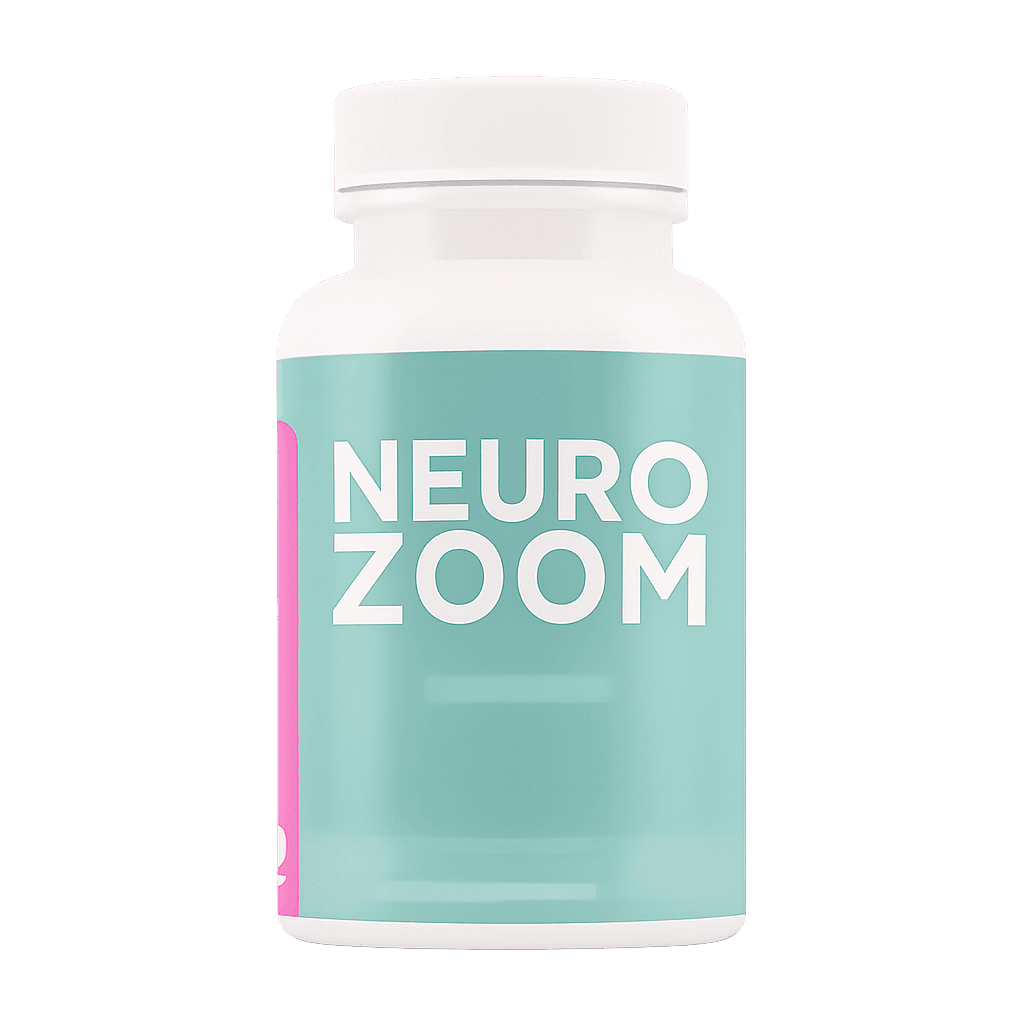
NeuroZoom Review and Ads Breakdown: A Research-First Look
The video opens with a man in a hospital bed who does not recognize his own wife. Within thirty seconds, the viewer has been told that the narrator was institutionalized, placed there by his spouse, and has since made a miraculous recovery. This is not a soft opening designed to…
8,226+
Videos & Ads
+50-100
Fresh Daily
$29.90
Per Month
Full Access
12.5 TB database · 72+ niches · 30 min read
The video opens with a man in a hospital bed who does not recognize his own wife. Within thirty seconds, the viewer has been told that the narrator was institutionalized, placed there by his spouse, and has since made a miraculous recovery. This is not a soft opening designed to ease a skeptical audience into a pitch. It is a calculated cold plunge, the kind of opening that copywriters call a pattern interrupt: a stimulus so unexpected that the brain abandons its passive, scroll-habituated state and pays genuine attention. The product being sold is NeuroZoom, a 35-ingredient oral dietary supplement marketed as a natural solution to memory loss, brain fog, and cognitive decline. Understanding why this opening works, and what it is designed to do, is the central project of this analysis.
NeuroZoom operates in one of the most emotionally loaded commercial territories in consumer health: the fear of losing one's mind. That fear is not manufactured; it is real, statistically grounded, and growing. According to the Alzheimer's Association's 2023 report, approximately 6.7 million Americans aged 65 and older are living with Alzheimer's dementia, a figure projected to nearly double by 2060. The supplement market that has organized itself around this fear is correspondingly large, with cognitive health supplements representing a multi-billion-dollar global category. NeuroZoom's Video Sales Letter (VSL) arrives into this crowded, anxious marketplace with a specific strategy: it does not compete on the usual terrain of generic memory support. Instead, it proposes an entirely new mechanism, one that reframes the problem of memory loss around a single environmental villain, and then positions its formula as the only product engineered around that mechanism.
What follows is a structured analytical reading of that VSL: its narrative architecture, its persuasion mechanics, its ingredient science, and the gap between what it claims and what the available evidence actually supports. This piece is written for the reader who has already encountered NeuroZoom through an ad or a recommendation and wants to understand, before spending money, what the pitch is really doing and whether the product has a legitimate scientific foundation. The question this analysis investigates is not whether NeuroZoom is a scam in the crude sense. The more productive question is: which parts of this marketing case are credible, which are plausible extrapolations, and which are claims that cannot survive contact with the published literature?
What Is NeuroZoom?
NeuroZoom is a multi-ingredient dietary supplement sold in capsule form, manufactured in the United States and marketed primarily through a long-form video sales letter. The formula contains, by the VSL's own count, 35 distinct ingredients spanning vitamins (B1, B2, B3, B5, B6, biotin, vitamin C, vitamin E), minerals (selenium, chromium, zinc, boron, magnesium, calcium, molybdenum, iron, manganese, vanadyl sulfate), amino acids and derivatives (glutamic acid, L-glutamine, DMAE, N-acetyl-L-tyrosine, choline), plant extracts (bacopa monnieri, green tea extract, olive leaf, bilberry, licorice root, cinnamon bark, grapefruit seed extract), and specialized compounds (huperzine A, phosphatidylserine, DHA, GABA, inositol). The product is positioned in the cognitive health subcategory, sometimes called the nootropic or brain health supplement market, and is sold exclusively through its own direct-to-consumer website, with multi-bottle packages offered at tiered discounts.
The stated target user is remarkably broad: anyone over 40 experiencing any form of forgetfulness, from occasional tip-of-the-tongue moments to, in the VSL's most dramatic framing, near-total amnesia. The product's market positioning is explicitly anti-pharmaceutical: it defines itself against prescription memory drugs, particularly donepezil (branded as Aricept) and lecanemab (branded as Leqembi), framing those drugs as expensive, side-effect-laden, and fundamentally ineffective because they do not address the root cause. That root cause, according to NeuroZoom's central claim, is fluoride accumulation in the brain, a mechanism the VSL calls the "memory robber", and the supplement's two-phase protocol is engineered to address it directly.
In terms of market positioning, NeuroZoom is making what marketers call a category entry point play: rather than competing within the existing nootropic supplement category (where it would compete on ingredient quality, dosing transparency, or clinical trial evidence), it attempts to create a new category, the fluoride-detox memory protocol, in which it is, by definition, the only player. This is a classic Eugene Schwartz stage-4 to stage-5 copywriting move, reserved for audiences so saturated with direct memory supplement pitches that only a genuinely new mechanism can break through their skepticism.
The Problem It Targets
The problem NeuroZoom targets is not a niche one. Cognitive decline, ranging from age-associated memory impairment to mild cognitive impairment to dementia, is among the most prevalent and most feared health conditions facing aging populations in developed countries. The World Health Organization estimates that there are approximately 55 million people living with dementia globally, with nearly 10 million new cases diagnosed each year. In the United States specifically, the CDC reports that subjective cognitive decline, defined as self-reported confusion or memory loss, affects roughly 11.1% of adults aged 45 and older. These figures represent a genuine, large-scale public health problem, and the emotional weight they carry is not manufactured by copywriters. It is real, and it is available for a marketer to borrow.
The VSL works this problem through a technique that copywriters call agitation: it does not merely state that memory loss is bad. It systematically walks the viewer through a cascade of progressively more devastating losses, forgetting a parking spot, then a phone number, then a spouse's face, then one's own name, and attributes each to a single, identifiable enemy. This escalation structure functions by activating what behavioral economists call the availability heuristic: as the listener generates increasingly vivid mental images of their own potential decline, the threat feels more probable and more proximate. The VSL reinforces this with a direct self-diagnostic test, can you recall what the main character of a TV show watched last week was wearing?, that is calibrated to produce a sense of failure in most adults, regardless of their actual cognitive health.
The VSL frames the true cause of memory loss as fluoride accumulation, distinguished from the mainstream explanations (aging, genetics, sugar, soy) that the viewer has likely already encountered and found insufficient. This reframing serves two functions simultaneously. First, it provides novelty, a new villain creates a new story that bypasses the viewer's existing framework for evaluating memory health information. Second, it creates a natural segue to a solution, because fluoride is a measurable, external substance that can theoretically be reduced or eliminated, making memory loss feel actionable rather than inevitable. The clinical reality is more complicated. While fluoride's neurological effects are a subject of ongoing research, notably a 2020 meta-analysis published in Environmental Health Perspectives found some association between high fluoride exposure and reduced IQ in children, the evidence for fluoride as a primary driver of adult memory loss in populations exposed to standard municipal water fluoridation levels is not established. The VSL's citation of the Journal of Neurotoxicology and Teratology is real in that the journal exists, but the specific causal chain described (fluoride → acetylcholine depletion → mass neuron disconnection → dementia-level memory loss) is a significant extrapolation from the current body of research.
The commercial opportunity the VSL is exploiting is therefore genuine in its emotional basis, memory loss is terrifying and widespread, but the specific mechanistic framing it offers as the explanation for that problem is, at a minimum, not the scientific consensus.
Curious how other VSLs in this niche structure their pitch? Keep reading, Section 7 breaks down the psychology behind every claim above.
How NeuroZoom Works
The mechanism NeuroZoom proposes has three sequential links: (1) fluoride accumulates in the brain through everyday exposure to tap water, toothpaste, canned food, and wine; (2) this accumulated fluoride depletes acetylcholine, the neurotransmitter responsible for maintaining connections between neurons; (3) as acetylcholine falls, neurons disconnect, memory fails, and without intervention, neuronal death accelerates. NeuroZoom's formula then claims to reverse this process through its two-phase Halt and Reconnect protocol, first removing the fluoride, then replenishing the acetylcholine system and accelerating neuron reconnection.
Each link in this chain deserves independent evaluation. Fluoride exposure from typical municipal water sources (0.7 mg/L in the US) and fluoride toothpaste is well-documented, and the body does accumulate fluoride in bone and other tissues over time. Elevated fluoride exposure, well above the levels typical in the United States, has been associated with neurological effects in some studies, particularly those conducted in regions where natural fluoride levels in groundwater are significantly higher (2-10 mg/L and above), such as parts of India, China, and Mexico. The studies NeuroZoom cites from Guangzhou Medical University and Manav College India fall into this category. Extrapolating from high-fluoride-exposure populations to standard Western exposure levels is a significant inferential leap, and neither the CDC nor the WHO classifies standard municipal water fluoridation as a risk factor for cognitive decline.
The acetylcholine link is on somewhat more solid footing, though the mechanism is inverted from what the VSL implies. Acetylcholine is genuinely critical to memory formation and retrieval; its depletion is a recognized feature of Alzheimer's disease pathology, which is precisely why the first approved Alzheimer's drug class, acetylcholinesterase inhibitors like donepezil, works by preventing the breakdown of acetylcholine. The VSL positions these drugs as fraudulent while simultaneously building its reconnection phase around ingredients (huperzine A, DMAE, choline, biotin) that operate through the same acetylcholine-preservation logic. This is not dishonest in itself, natural acetylcholinesterase inhibitors like huperzine A have a legitimate research base, but the irony of denouncing drugs that work via mechanism X while selling supplements that also work via mechanism X is worth noting.
The claim that NeuroZoom ingredients "cross the blood-brain barrier and flush out toxic fluoride fast" is the most problematic link. The blood-brain barrier is precisely that, a barrier, one that most compounds cannot cross in meaningful concentrations. Some ingredients in NeuroZoom, such as DHA and phosphatidylserine, do cross the barrier and have legitimate cognitive research behind them. Others, like chromium and iron, have no established mechanism for crossing the barrier or for chelating fluoride from brain tissue. The concept of "flushing" a mineral from the brain through oral supplementation, in the specific and rapid way the VSL describes, is not supported by current pharmacological understanding.
Key Ingredients and Components
NeuroZoom's 35-ingredient formula encompasses a wide range of compounds with varying levels of scientific support. The VSL presents them within its Halt and Reconnect framework, but each ingredient has an independent research profile worth examining on its own terms.
Selenium: A trace mineral with genuine antioxidant properties and documented importance for brain health. A 2019 study in Nutrients found associations between selenium status and cognitive function in older adults. The VSL's claim that it specifically neutralizes fluoride's brain effects draws on a study from Manav College India, which examined high-fluoride populations, a different exposure context than typical Western consumers.
Vitamin E (tocotrienol form): The specialized vitamin E cited in the VSL has demonstrated neuroprotective properties in several studies. The Middle East Journal of Scientific Research citation relates to fluoride-exposed animal models, not randomized human trials.
Vitamin C: Robust antioxidant with well-established neuroprotective properties in the general literature. The Journal of Toxicology citation likely refers to animal studies of fluoride toxicity, not human trials of memory improvement.
Riboflavin (Vitamin B2): The 2021 Journal of Trace Elements in Medicine and Biology study cited by the VSL on riboflavin's fluoride-draining capacity is the most specific claim in the formula. Riboflavin does participate in antioxidant pathways, and some animal research has explored its interaction with fluoride metabolism, but human evidence for the specific "draining" mechanism described is limited.
Biotin: A B-vitamin the VSL calls "a master at crafting acetylcholine." Biotin's role in acetylcholine synthesis is indirect, it supports fatty acid metabolism and gene regulation rather than directly synthesizing the neurotransmitter. The 2013 study on biotin and attention in adults aged 60-77 appears to relate to a broader B-vitamin intervention study; the specific attribution to biotin alone is an extrapolation.
DMAE (Dimethylaminoethanol): A compound that serves as a choline precursor and has been studied for cognitive effects. Some research supports modest benefits for attention and mood; evidence for memory restoration in clinically impaired populations is weaker.
Choline: Genuinely critical for acetylcholine synthesis and widely recognized as important for brain health. The Arizona State University finding that 90% of Americans are choline-deficient is consistent with published dietary data, choline is indeed underconsumed in the American diet, and this is one of the more scientifically defensible claims in the VSL.
Huperzine A: Derived from Huperzia serrata, this is one of the most researched natural acetylcholinesterase inhibitors. A Cochrane-style review of huperzine A for Alzheimer's and other cognitive conditions, published in the Cochrane Database of Systematic Reviews, found suggestive but methodologically limited evidence of benefit. The VSL's claim that it is "eight times more effective than rivastigmine" is drawn from a specific study in Neuroscience Letters and does not represent a consensus finding.
Bacopa monnieri: One of the better-supported nootropic herbs in the independent literature. Multiple randomized controlled trials, including a 2016 meta-analysis in the Journal of Ethnopharmacology, found that bacopa supplementation was associated with improved memory acquisition and retention in healthy adults.
GABA: The VSL's claim that GABA plays a role in children's language learning, drawing on a 2022 Current Biology study, is scientifically interesting and the study is real. However, orally ingested GABA faces significant blood-brain barrier penetration questions, making the translation from the cited neuroscience to a supplement outcome uncertain.
Phosphatidylserine and DHA: Two of the strongest-supported ingredients in the formula. The FDA has recognized a qualified health claim for phosphatidylserine and cognitive dysfunction. DHA is a well-established structural component of brain tissue with meaningful evidence for cognitive support.
L-Glutamine, Glutamic Acid, and GABA precursors: These amino acid components support neurotransmitter synthesis pathways. The University of Rochester citation on glutamic acid and glutamate production is plausible as a general biochemical claim, though the magnitude of effect from oral supplementation is uncertain.
Hooks and Ad Angles
The VSL's opening hook, "a couple of years ago, I almost died when a nurse told me I was hospitalized with complete memory loss for the last seven months", is a textbook open loop combined with an identity threat. In fewer than twenty words, the viewer is given an unresolved situation (how did this happen?), a status violation (a man with an extraordinary memory has lost it entirely), and a relational shock (his wife committed him). The open loop is a persuasion structure in which a question is posed but not immediately answered, compelling the audience to stay engaged in pursuit of resolution, a mechanism documented extensively in narrative psychology research. The identity threat, this happened to a former Google AI engineer with a photographic memory, functions as a status frame that simultaneously elevates the narrator's credibility and deepens the viewer's identification: if it can happen to him, it can happen to anyone.
What makes this hook particularly well-engineered for its target audience is its use of what Eugene Schwartz called a stage-5 market sophistication move. Viewers in the memory supplement market have seen dozens of pitches promising sharper focus, better recall, and cleaner thinking. They are, in Schwartz's terminology, fully aware of the product category and largely immune to direct claims about it. The VSL bypasses that immunity entirely by leading not with a product claim but with a human catastrophe, one that the viewer's existing skepticism has no frame for deflecting. The product is not mentioned by name for the first third of the VSL. By the time NeuroZoom is introduced, the viewer has already emotionally committed to the narrator's story.
Secondary hooks observed across the VSL include:
- "The one true cause of memory loss is not aging, sugar, or soy", a contrarian frame that invalidates existing beliefs and creates cognitive space for a new explanation
- "64,783 people, including Nobel laureates, finance CEOs, and Hollywood celebrities", a social proof anchor that simultaneously claims mass adoption and elite validation
- "Pharmaceutical companies have threatened to take this website down", a persecution narrative that reframes commercial urgency as principled resistance
- "Warren Buffett runs a $740 billion company at 93", a aspirational identity hook that links cognitive performance to status achievement
- The self-diagnostic TV-show memory test, an interactive pattern interrupt that converts passive viewers into active participants experiencing a simulated failure
For media buyers testing this creative on Meta or YouTube, the following headline variations are structurally adjacent to the VSL's most effective angles:
- "Dentists Don't Want You to Know This About Your Toothpaste and Your Memory"
- "I Built AI Systems for Google. Then I Forgot My Wife's Name."
- "The Supplement That 64,000 People Are Quietly Using to Reverse Memory Loss"
- "Why Warren Buffett Still Runs a $740 Billion Company at 93, And What It Has to Do With Fluoride"
- "Big Pharma's $26,500-a-Year Drug Has a $49 Natural Alternative They Buried"
Psychological Triggers and Persuasion Tactics
The persuasive architecture of this VSL is not a parallel stack of independent tactics deployed simultaneously. It is a sequential compound structure, each mechanism builds on the last, increasing commitment and reducing the cognitive bandwidth available for critical evaluation. The VSL opens with emotional capture (the hospital scene), deepens it through personal identification (the ordinary-man-with-extraordinary-gifts narrative), converts curiosity into belief through the mechanism revelation (fluoride as the villain), then escalates fear before introducing relief (the formula), and closes with a binary choice frame designed to make inaction feel as costly as possible. This sequencing would be recognizable to Cialdini as an authority-and-social-proof scaffolding built over a loss-aversion foundation, and to Schwartz as a sophisticated attempt to meet a market that has already passed through stages one through four of persuasion sophistication.
The most architecturally interesting feature of this VSL is the way it converts the narrator's personal story into a proof-of-mechanism rather than merely a proof-of-product. The narrator does not just say "this supplement worked for me." He says "I discovered the mechanism, I worked with a scientist to operationalize the mechanism, and here are 978 other people for whom the mechanism worked." This transforms the testimonial from a claim about experience into a claim about causality, a far more persuasive structure because it invites the viewer to reason their way to agreement rather than simply believe.
Specific tactics deployed, with their theoretical grounding:
Loss aversion (Kahneman & Tversky, 1979): The VSL's closing "fork in the road" section spends significantly more time and emotional detail on the negative path (institutionalization, truck collision, forgetting children's faces) than on the positive path (sharper memory, more confidence). This asymmetric framing is precisely what prospect theory predicts will be more motivating: the pain of loss outweighs the pleasure of equivalent gain.
Authority laundering (Cialdini, Influence, 2006): "Dr. R" is affiliated with the University of Michigan, UCL, and the Karolinska Institute, three genuinely prestigious institutions, but his anonymity prevents any verification of those affiliations. The named institutions do the credibility work while the claimed expert remains unfalsifiable.
Social proof stacking (Cialdini, Influence, 2006): Testimonials are not presented as a single cohort but as a multi-layered stack: individual named stories (Tom, Elena, Samuel, Amelia, Sarah, Charles), an informal 978-person trial with a claimed 100% success rate, and an aggregate figure of 64,783 users. Each layer reinforces the next.
Cognitive dissonance induction (Festinger, 1957): The VSL asks the viewer to acknowledge that they are currently spending (or might spend) thousands of dollars on prescription drugs that the narrator has just demonstrated cause brain bleeding, then immediately offers a cheap, natural alternative. The gap between behavior and new belief creates discomfort that purchase is framed as resolving.
Reciprocity and personal sacrifice framing (Cialdini, Influence, 2006): The narrator repeatedly emphasizes that he is sharing this information against his financial interest, at personal risk from pharmaceutical companies, and in fulfillment of a promise to his wife. This positions the viewer as the recipient of a gift, activating a reciprocity norm that makes purchase feel like appropriate acknowledgment.
Endowment effect and pre-ownership framing (Thaler, 1980): The question "how much are your memories worth to you?" is carefully constructed. It does not ask "how much would you pay to improve your memory?" It frames memories as already possessed, already precious, and then frames the supplement as protecting something the viewer already owns rather than acquiring something new.
Artificial scarcity (Cialdini, Influence, 2006): Pharmaceutical companies threatening to take the website down is presented as an external, credible threat to supply, a mechanism that bypasses the skepticism viewers might apply to conventional limited-time offers while producing the same urgency response.
Want to see how these tactics compare across 50+ VSLs? That's exactly what Intel Services is built to show you.
Scientific and Authority Signals
The VSL's authority architecture operates on three tiers. The first tier consists of named academic institutions, University College London, University of Michigan, Guangzhou Medical University, the Karolinska Institute, University of Rochester, Arizona State University, cited either as affiliations of Dr. R or as sources of supporting research. These institutions are real and prestigious, and their presence in the narrative is borrowed authority: the VSL implies affiliation and endorsement without claiming either directly. No published paper from any of these institutions is cited by author, title, or year in a way that would allow independent verification.
The second tier consists of named journals, the Journal of Neurotoxicology and Teratology, the New England Journal of Medicine, the National Library of Medicine, the Journal of Current Biology, and others. Several of these journals are real and credible. The New England Journal of Medicine reference to lecanemab's brain-bleeding side effects is accurate, this is a documented and serious adverse event associated with anti-amyloid antibody therapies, and the FDA has required a black-box warning. This accurate citation functions as a credibility anchor that lends plausibility to the surrounding, less-verifiable citations. The most important citations, those supporting the fluoride-acetylcholine-memory mechanism at the core of the product's value proposition, draw on studies from Manav College India and the Middle East Journal of Scientific Research, institutions and publications that carry significantly less independent credibility than the headline names.
The third tier consists of named authority figures. "Professor Annabel Beckingham, a renowned cognitive scientist and memory expert" provides the product's formal scientific endorsement. No institution, department, publication record, or verifiable professional presence is provided. A search of academic databases does not return a cognitive scientist by this name with a publication record consistent with the credentials described. This does not prove the name is fabricated, it may be a pseudonym used with the individual's consent for privacy reasons, but it means the endorsement cannot be evaluated as legitimate authority. The same unverifiability applies to Dr. R, whose protective anonymity is narratively motivated but functionally convenient.
Taken in aggregate, the authority signals in this VSL follow a pattern common in direct-response health marketing: real institutions and real journals are cited in ways that imply endorsement they have not given, while the specific claims most central to the product's mechanism draw on less-scrutinized sources. The one area where the VSL's scientific claims land closest to the published consensus is its treatment of acetylcholine's role in memory, that mechanism is well-established, and the potential utility of several individual ingredients, particularly huperzine A, bacopa, DHA, phosphatidylserine, and choline.
The Offer, Pricing, and Risk Reversal
NeuroZoom's offer structure is a multi-bundle direct-response model. The VSL names $9.97 as the price floor recommended by Dr. R, a figure so low it functions less as an anchor and more as a credibility signal of benevolent intent, positioning the actual price (not explicitly stated in the VSL) as already a generous act. Actual retail pricing, based on the product's typical Clickbank-distributed offer structure, sits in the range of $49-$69 per bottle for the single-bottle option, with the three-bottle and six-bottle packages reducing the per-bottle price to roughly $39 and $29 respectively. The stated anchors for comparison are Aricept at $6,000 per year and lecanemab at $26,500 per year, both accurate figures for those prescription therapies. This anchor is legitimate in the sense that those prices are real, but it functions rhetorically to make any supplement price feel trivially small by comparison, regardless of whether the comparison is clinically valid.
The bonus structure, "Ageless Body, Perfect Health" (stated retail $67) and "Biohacking Secrets" (stated retail $147), follows the standard Clickbank bonus-stacking convention, in which digital products with nominal retail values are bundled to inflate the perceived total value of the offer. The $214 in stated bonus value against a purchase price in the $49-$69 range creates a perceived discount ratio that reinforces the sense of receiving more than is being paid for. Whether those bonuses have independent value is secondary to their function in the offer math.
The 60-day money-back guarantee, including on empty containers, is the most genuinely consumer-protective element of the offer. A no-questions-asked refund policy on a fully consumed product is not theatrical, it represents a real financial commitment by the seller and a real safety net for the buyer. In the direct-response supplement category, Clickbank's platform typically enforces these guarantees, making them more reliable than they might appear in a less-regulated distribution context.
Who This Is For (and Who It Isn't)
The reader most likely to find value in researching NeuroZoom is an adult in their 50s, 60s, or 70s experiencing subjective cognitive complaints, the self-aware awareness that recall is slower, that names slip more frequently, that concentration requires more effort than it once did. This person has likely already tried lifestyle interventions (better sleep, reduced alcohol, more exercise) and found them helpful but insufficient. They are probably skeptical of mainstream pharmaceutical options, either because of cost, side-effect concerns, or a general distrust of institutional medicine that has been cultivated over years of exposure to alternative health media. They respond to personal narratives and to the idea of a suppressed truth more than to clinical trial data, partly because they have seen clinical trial data weaponized in ways that later proved misleading. For this reader, NeuroZoom's pitch is finely calibrated, and several of its ingredients, particularly the acetylcholine-support stack of choline, huperzine A, and DHA, have enough independent research support to make supplementation a reasonable experiment under a money-back guarantee.
The reader who should approach with considerably more caution is anyone experiencing genuine, clinically significant cognitive decline, memory loss that is interfering with daily function, disorientation, difficulty with language, or behavioral changes. The VSL explicitly targets this population by describing severe cases and claiming 100% efficacy across them. Genuine cognitive impairment warrants evaluation by a neurologist, not a self-directed supplement protocol, because the differential diagnosis for cognitive decline includes conditions (thyroid disorders, vitamin B12 deficiency, depression, medication interactions, vascular disease) that are treatable by other means and that NeuroZoom cannot address. The VSL's framing of doctors as compromised pharmaceutical agents actively discourages the kind of medical engagement that could identify those treatable causes, which is, from a public health perspective, the most ethically concerning element of the pitch.
The reader who is young and experiencing attention or focus difficulties should also note that the VSL's claimed mechanism, fluoride-driven acetylcholine depletion as a cause of memory problems in people "as young as 16", is at the furthest possible distance from the published evidence base, which does not support fluoride accumulation as a meaningful driver of attention problems in otherwise healthy younger adults.
Want to understand the full picture of how supplement VSLs use fear and authority to convert skeptical buyers? Intel Services has you covered, keep reading.
Frequently Asked Questions
Q: Is NeuroZoom a scam, or does it really work?
A: NeuroZoom is a real commercial product sold through a legitimate direct-response platform (Clickbank) with a real 60-day money-back guarantee. Several of its ingredients, particularly huperzine A, bacopa, DHA, phosphatidylserine, and choline, have genuine independent research support for cognitive health. The primary mechanism the VSL proposes (fluoride accumulation as the root cause of memory loss) is not supported by scientific consensus, and the claim of 100% efficacy across nearly 65,000 users is not verifiable through independent means. Calling it an outright scam is an overstatement; calling all of its claims scientifically established would also be inaccurate.
Q: What are the main ingredients in NeuroZoom?
A: NeuroZoom contains 35 ingredients, including selenium, vitamins C, E, B1, B2, B3, B5, B6, and biotin; the cognitive compounds huperzine A, DMAE, choline, bacopa monnieri, phosphatidylserine, and DHA; amino acids including L-glutamine and glutamic acid; GABA; and a broad spectrum of minerals (zinc, magnesium, boron, molybdenum, iron, manganese) and plant extracts (green tea, olive leaf, bilberry, licorice root, cinnamon bark).
Q: Does fluoride really cause memory loss?
A: The relationship between fluoride and cognition is a legitimate area of scientific inquiry, but the evidence is nuanced. Studies conducted in regions with very high natural fluoride levels (well above US municipal water standards) have found associations with reduced cognitive performance, particularly in children. At the fluoride concentrations typical of US tap water (0.7 mg/L), neither the CDC nor the WHO has found sufficient evidence to classify standard water fluoridation as a cognitive risk factor. The VSL's extrapolation from high-fluoride-exposure research to typical Western exposure is scientifically unsupported.
Q: Are there any side effects of taking NeuroZoom?
A: The VSL describes NeuroZoom as "100% natural" and "completely safe," but a 35-ingredient formula carries meaningful potential for interactions and sensitivities. Huperzine A, for example, is a pharmacologically active acetylcholinesterase inhibitor that can cause nausea, diarrhea, and dizziness at higher doses and may interact with prescription cholinergic drugs. Iron supplementation can be problematic in individuals who are not deficient. Anyone taking prescription medications or managing a chronic condition should consult a physician before starting any multi-ingredient supplement.
Q: How long does NeuroZoom take to show results?
A: The VSL encourages purchasing at least three bottles for meaningful results and six bottles for complete transformation, implying a multi-month protocol. Biologically active ingredients like huperzine A and bacopa monnieri have shown effects in clinical trials over periods of 8-12 weeks. Expecting dramatic memory restoration within days is inconsistent with the available science on any oral supplement.
Q: Is NeuroZoom safe for older adults?
A: Many of the ingredients in NeuroZoom are well-tolerated by older adults and are found in standard over-the-counter supplements. However, the combination of 35 ingredients, including pharmacologically active compounds like huperzine A and vanadyl sulfate, creates complexity that warrants professional review for older adults managing multiple health conditions or taking medications, particularly drugs that affect the cholinergic system.
Q: What is the money-back guarantee for NeuroZoom?
A: The VSL states a 60-day, no-questions-asked money-back guarantee, including on completely empty containers. Refunds are initiated by contacting the support address provided in the members area. As a Clickbank-distributed product, the platform's standard refund enforcement mechanisms apply, which generally makes this guarantee more reliable than those offered outside established affiliate networks.
Q: How does NeuroZoom compare to prescription memory drugs like Aricept?
A: Donepezil (Aricept) is an FDA-approved acetylcholinesterase inhibitor with a substantial randomized controlled trial evidence base for mild-to-moderate Alzheimer's disease. NeuroZoom shares the same general mechanistic logic (preserving acetylcholine activity) through ingredients like huperzine A, but has no published randomized controlled trial evidence for its specific formulation. Aricept is prescribed by physicians for a diagnosed condition; NeuroZoom is an over-the-counter supplement for self-directed use. They are not equivalent, and substituting one for the other in the treatment of diagnosed dementia without medical supervision is not advisable.
Final Take
NeuroZoom's VSL is a technically sophisticated piece of direct-response copywriting built on a foundation of genuine emotional insight. Memory loss is frightening, the pharmaceutical options for treating it are expensive and imperfect, and the desire for a natural, affordable, accessible alternative is not only understandable but commercially enormous. The pitch meets its target audience, skeptical, cost-conscious adults worried about cognitive decline, where they actually are, deploying a mechanism-first narrative that sidesteps conventional supplement marketing and creates a new explanatory frame around fluoride. As a piece of marketing, it is well-constructed: the hooks are strong, the narrative arc is coherent, the authority signals are strategically layered, and the offer structure minimizes perceived financial risk through a credible guarantee.
The product itself occupies a more complicated position. Stripping away the fluoride-conspiracy framing, which is the VSL's most scientifically vulnerable element, what remains is a broad-spectrum cognitive health supplement with a meaningful ingredient list. Several of those ingredients (huperzine A, bacopa, DHA, phosphatidylserine, choline) have genuine peer-reviewed evidence behind them, and their co-formulation in a single daily supplement is not unreasonable as a foundational cognitive support stack. The problem is that the VSL does not sell the product on the merits of its best ingredients. It sells it on the claim that fluoride is destroying your neurons and that this specific formula is the only thing standing between you and institutionalization. That claim is not supported by the weight of available evidence, and the unnamed expert, the unverifiable trial results, and the persecution narrative that surrounds it are the characteristic furniture of a marketing architecture optimized for emotional conversion rather than informed decision-making.
For the reader who has arrived at this analysis after encountering a NeuroZoom ad: the product is not dangerous in the way a fraudulent pharmaceutical would be, and its guarantee makes the financial risk manageable. But the decision to purchase should be made on the basis of its better-supported ingredients rather than its central mechanism claim, and it should not replace medical evaluation for anyone experiencing clinically meaningful cognitive decline. The VSL's most consequential distortion is not its fluoride theory, it is its active discouragement of professional medical engagement in a population for whom that engagement could make a real difference.
What this VSL ultimately reveals about its category is something worth sitting with: the cognitive health supplement market fills the gap between the limits of pharmaceutical medicine and the fear of what those limits mean. As long as Alzheimer's remains underserved by conventional treatment, and as long as the available drugs carry the side-effect profiles that they do, there will be a commercially and emotionally fertile space for pitches like this one. Understanding how those pitches are constructed is the first step toward evaluating them clearly.
This breakdown is part of Intel Services, our ongoing library of VSL and ad-copy analyses. If you are researching similar products in the cognitive health and memory supplement space, keep reading, the pattern recognition compounds quickly.
Disclaimer: This article is for research and educational purposes only. It is not medical, legal, or financial advice, and it is not affiliated with the product or its makers. Always consult a qualified professional before making health or financial decisions.
Comments(0)
No comments yet. Members, start the conversation below.
Related reads
 reviews
Mind Lab Pro Review: Does the 30-Day Study Match v4?
Mind Lab Pro v4 lists exact amounts for 11 ingredients and contains no caffeine or stimulants, according to its official page. A 30-day finished-product study reported favorable memory findings, but its abstract does not identify v4 or disclose the tested form or dose.
Read reviews
Life Extension Two-Per-Day Multivitamin Review: Evidence Limits
Life Extension Two-Per-Day is a 120-capsule multivitamin displayed as a 60-day supply. Its identity and dated prices are verified, but the supplied evidence does not reproduce the complete quantitative Supplement Facts panel or include a trial of the finished product. Research involving another multivitamin cannot prove that these capsules improve memory or deliver Life Extension’s broader health-support claims.
Read reviews
Ritual Essential for Women 50+ Review: Label, Study Fit, and Verdict
Ritual Essential for Women 50+ is an iron-free capsule multivitamin positioned by Ritual for women after menopause. Its verified label lists 100 micrograms of vitamin K2 as menaquinone-7. The supplied study did not test this finished product, and the packet provides no exact price.
Read