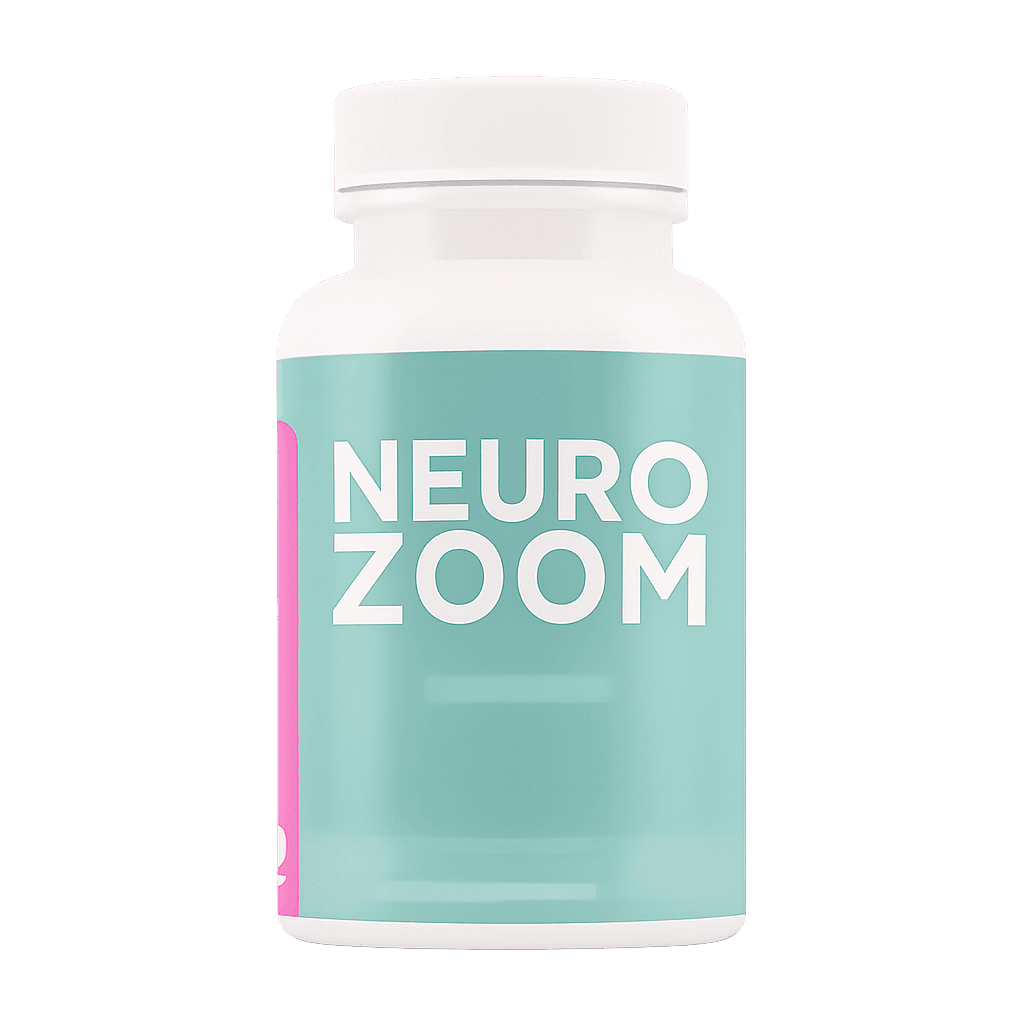
NeuroZoom Review and Ads Breakdown: A Research-First Look
The sales letter opens with a man lying in a hospital bed, seven months of his life simply gone, erased, he is told, by a condition his own wife decided she could no longer manage at home. Before a single product claim is made, before a single ingredient is named, the listener…
8,226+
Videos & Ads
+50-100
Fresh Daily
$29.90
Per Month
Full Access
12.5 TB database · 72+ niches · 29 min read
The sales letter opens with a man lying in a hospital bed, seven months of his life simply gone, erased, he is told, by a condition his own wife decided she could no longer manage at home. Before a single product claim is made, before a single ingredient is named, the listener has been pulled into a story of complete personal obliteration. This is not an accident. The opening of the NeuroZoom Video Sales Letter is a masterclass in one of direct-response copywriting's oldest techniques: begin at the moment of maximum devastation, then walk backward to explain it, and forward to resolve it. The emotional architecture is set before any rational argument is offered, because the VSL's creators understand, correctly, that purchasing decisions of this kind are made in an emotional state and then rationalized afterward.
NeuroZoom is a 35-ingredient dietary supplement marketed as a solution for memory loss, brain fog, and cognitive decline. Its VSL runs well past thirty minutes, weaving together a personal story of severe amnesia, a shadowy scientific mentor known only as "Dr. R," a two-phase proprietary protocol, a cast of testimonial characters, and a detailed conspiracy theory implicating the global pharmaceutical industry. It is, in structural terms, one of the more elaborate health supplement pitches currently circulating on platforms like ClickBank and paid social. This analysis examines every layer of that pitch: what the VSL claims, what the science supports, how the psychological machinery functions, and what a prospective buyer should actually understand before parting with money.
The central question this piece investigates is whether NeuroZoom's core scientific premise, that fluoride accumulation in the brain is the primary driver of memory loss, and that a specific blend of natural nutrients can reverse this process, holds up to scrutiny, and how the VSL has been engineered to make that premise feel not only plausible but urgent and personally relevant to anyone who has ever walked into a room and forgotten why they came.
What Is NeuroZoom?
NeuroZoom is positioned as an all-natural cognitive health supplement, delivered in capsule form, designed for adults experiencing anything from occasional forgetfulness to progressive memory decline. It occupies the nootropic and memory-support subcategory of the dietary supplement market, a segment that, according to Grand View Research, was valued at over $5 billion globally and growing at roughly 12% annually as of the early 2020s. Within that crowded field, NeuroZoom differentiates itself not through a single hero ingredient but through sheer formulation volume: 35 ingredients organized into what the VSL calls a two-phase HALT and RECONNECT protocol.
The stated target user is broad: adults over 40 who notice memory slipping, professionals whose careers depend on sharp recall, and people watching a parent or partner decline. The VSL explicitly claims the formula works "whether you're young or old," citing users as young as 16 and as old as 83. This breadth is both a marketing strength, maximizing the addressable audience, and a scientific weakness, since the mechanisms of memory decline in a healthy 20-year-old differ substantially from those operating in a person with early-stage Alzheimer's pathology. The product is manufactured in the United States and is presented as free of artificial additives, a standard quality signal in the premium supplement segment.
The product appears to be sold exclusively through its VSL landing page and affiliated digital marketing channels, using a direct-to-consumer model common to ClickBank-style offers. The pricing structure follows a tiered discount model, single bottle, three-bottle, and six-bottle packages, with the six-bottle option framed as the rational default for anyone "serious" about recovery. Two digital bonuses (Ageless Body, Perfect Health and Biohacking Secrets) are bundled to inflate perceived value without increasing the physical cost of fulfillment.
The Problem It Targets
Memory decline is a genuinely widespread and emotionally charged concern. The Alzheimer's Association estimates that more than 6.7 million Americans over 65 currently live with Alzheimer's disease, and the CDC notes that subjective cognitive decline, the experience of worsening memory or confusion, affects roughly 11% of U.S. adults overall, with rates rising steeply after age 45. These are not trivial numbers. The fear of losing one's memory ranks, in survey after survey, among the health outcomes Americans dread most, above cancer in some cohorts, because it strikes at the continuity of personal identity in a way that most physical diseases do not. The VSL understands this with precision: it spends far more time on the social and emotional consequences of memory loss (not recognizing one's wife, being placed in a facility by one's family, becoming a burden) than on any clinical description of the condition.
The problem as the VSL frames it is emphatically not aging, not genetics, and not Alzheimer's pathology. Instead, the letter asserts a single, specific, and largely underappreciated villain: fluoride, described as a "memory robber" that accumulates in the brain through drinking water, toothpaste, canned food, wine, and fish, progressively depleting acetylcholine and severing the connections between neurons. This is a significant rhetorical move. By naming a specific, identifiable environmental exposure, rather than the diffuse, multifactorial biology that neuroscientists actually associate with cognitive decline, the VSL creates the impression of both diagnostic clarity and practical solvability. If fluoride is the cause, then removing fluoride is the cure, and the product that removes fluoride is the solution. The logic is elegant. The question is whether it is accurate.
Fluoride's effects on neurodevelopment are a legitimate area of scientific inquiry, though the picture is considerably more nuanced than the VSL suggests. A number of studies, including a 2012 meta-analysis published in Environmental Health Perspectives by Choi et al. (Harvard School of Public Health), examined data from areas of China with very high naturally occurring fluoride levels in groundwater, often 10 to 20 times higher than the 0.7 parts per million used in U.S. community water fluoridation, and found associations with lower IQ scores in children. A 2020 review in JAMA Pediatrics by Green et al. examined Canadian populations and found modest associations between fluoride exposure during pregnancy and children's cognitive scores. These are real studies and legitimate scientific debates. What they do not establish, however, is that fluoride at levels found in typical Western water supplies causes adult-onset memory loss, neuronal disconnection, or anything resembling the catastrophic amnesia described in the VSL. The leap from "high-dose childhood fluoride exposure may affect neurodevelopment" to "your tap water is destroying your adult memory" is substantial, and the VSL makes it without qualification.
The commercial opportunity here is the gap between genuine public anxiety about cognitive decline, a real-but-contested scientific debate about fluoride, and the absence of any approved pharmaceutical cure for most forms of dementia. Into that gap, the VSL inserts a tidy causal story and a tidy product solution, a structure that has proven commercially effective across dozens of health categories, from gut health to cardiovascular disease.
Curious how other VSLs in this niche structure their pitch? The next sections break down the specific ingredients and psychological mechanisms behind every major claim above.
How NeuroZoom Works
The mechanism the VSL proposes runs as follows: fluoride, ingested continuously through food and water, accumulates in the brain and depletes acetylcholine, the primary neurotransmitter responsible for keeping neurons connected and communicating. As acetylcholine levels fall, neuronal connections degrade in a process the letter describes as "neuronal death," eventually triggering the cascade of memory loss symptoms. The HALT and RECONNECT protocol addresses this in two phases: Phase 1 deploys selenium, riboflavin, vitamin C, and a suite of antioxidants to physically flush fluoride from the body and protect neurons from oxidative damage; Phase 2 then uses biotin, DMAE, choline, huperzine A, bacopa, and glutamate-pathway ingredients to replenish acetylcholine, inhibit the enzyme that breaks it down (acetylcholinesterase), and accelerate neural communication.
Let's assess each element of this mechanism against the available scientific literature. Acetylcholine's role in memory and cognition is well established, it is the same neurotransmitter targeted by the Alzheimer's drugs Aricept (donepezil) and rivastigmine, both of which are acetylcholinesterase inhibitors. The cholinergic hypothesis of Alzheimer's disease, proposed in the early 1980s by researchers including Bartus, Dean, Beer, and Lippa, posits that loss of cholinergic function is central to the cognitive symptoms of the disease. This is legitimate science. Huperzine A, derived from the Chinese club moss Huperzia serrata, is a naturally occurring acetylcholinesterase inhibitor with a genuine evidence base: a meta-analysis published in PLOS ONE in 2013 (Yang et al.) found it associated with modest improvements in cognitive function in Alzheimer's patients. Bacopa monnieri has been studied for memory-enhancing effects, with several randomized controlled trials, including work by Stough et al. published in Psychopharmacology in 2001, showing improvements in memory acquisition and retention in healthy adults. These are real mechanisms with real supporting data.
Where the VSL's scientific architecture becomes strained is in the fluoride-acetylcholine connection. The claim that fluoride specifically and measurably depletes acetylcholine in human adults at typical exposure doses is not established in the mainstream neuroscience literature. Some animal studies, conducted at high fluoride concentrations, have shown effects on cholinergic activity, but the translational gap between rodent-model high-dose exposures and human dietary fluoride intake is wide and rarely acknowledged in the VSL. The letter presents this connection as settled, peer-reviewed fact, citing the "Journal of Neurotoxicology and Teratology" without providing specific study titles, authors, or years, a pattern repeated across many of its citations. The mechanism is plausible as a hypothesis; it is not established clinical science, and it is not the reason mainstream neurologists recommend against fluoride toothpaste.
The honest assessment is this: some of NeuroZoom's ingredients, huperzine A, bacopa, choline, phosphatidylserine, DHA, have genuine, if modest, cognitive support evidence behind them. The overarching fluoride-detox narrative that frames their inclusion is a significant extrapolation from limited science, constructed primarily to serve the marketing story rather than to reflect the consensus view of neurologists, toxicologists, or public health researchers.
Key Ingredients and Components
NeuroZoom's formulation is larger than most competitors in the nootropic category, encompassing micronutrients, herbal extracts, amino acids, and neurotransmitter precursors. The VSL organizes them into two functional phases, though in practice many of the ingredients overlap in mechanism. The following is an assessment of the most significant components:
Selenium, An essential trace mineral with antioxidant properties. The VSL cites a study from Manav College, India, claiming selenium neutralizes fluoride's effects on the brain. Independent research does support selenium's role in reducing oxidative stress and protecting neuronal function; a review in Nutrients (2019, Vinceti et al.) confirmed its neuroprotective properties, though specifically as a fluoride antidote in human adults at normal exposures, evidence is thin.
Riboflavin (Vitamin B2), A water-soluble B vitamin. The VSL cites a 2021 study in the Journal of Trace Elements in Medicine and Biology showing riboflavin's capacity to reduce fluoride accumulation. A study by Bhagat et al. (2016) published in that journal does investigate this relationship in animal models, but clinical translation to human supplementation at standard doses remains unverified.
Biotin (Vitamin B7), The VSL frames biotin as a "master" acetylcholine precursor, citing the National Library of Medicine. Biotin is indeed involved in multiple metabolic pathways, and its role in brain health is supported by research, but describing it as a primary acetylcholine synthesizer overstates the current evidence. Most biotin research in cognition relates to its coenzyme functions in fatty acid and amino acid metabolism.
DMAE (Dimethylaminoethanol), A compound sometimes described as a choline precursor. The VSL cites Bentham Science publications supporting its acetylcholine-boosting role. DMAE does appear in some cognitive enhancement literature, but a 2011 review in Nutrients noted that its direct conversion to acetylcholine in the human brain remains a matter of debate, and clinical evidence for cognitive improvement is inconsistent.
Huperzine A, Derived from Huperzia serrata. This is one of the most scientifically supported ingredients in the formula. It is a reversible acetylcholinesterase inhibitor with a mechanism similar to pharmaceutical Alzheimer's drugs. Meta-analyses, including the Yang et al. (2013) work in PLOS ONE, support modest cognitive improvements. The VSL's claim that it is "two times more powerful than donepezil" paraphrases Chinese research but should be interpreted cautiously, comparisons of effect size across studies with different populations and endpoints are methodologically fraught.
Bacopa Monnieri, An Ayurvedic herb with one of the stronger evidence bases for memory support among herbal nootropics. The Stough et al. (2001, Psychopharmacology) trial and subsequent work by Morgan and Stevens (Journal of Alternative and Complementary Medicine, 2010) found improvements in verbal learning rate and memory consolidation in healthy adults over 12-week supplementation periods.
Choline, An essential nutrient and direct acetylcholine precursor. The Arizona State University research cited in the VSL regarding widespread choline deficiency is consistent with published U.S. dietary data: the National Health and Nutrition Examination Survey (NHANES) data suggest that the majority of Americans do not meet the adequate intake for choline. Including it in a cognitive formula is scientifically well-motivated.
Phosphatidylserine, A phospholipid component of neuronal membranes. The FDA has allowed a qualified health claim for phosphatidylserine and cognitive dysfunction risk reduction since 2003, making it one of the few supplement ingredients with any regulatory recognition in this category.
DHA (Docosahexaenoic acid), An omega-3 fatty acid that is a structural component of brain tissue. Extensive research, including the MIDAS trial (Alzheimer's & Dementia, 2010, Yurko-Mauro et al.), supports DHA supplementation for modest improvements in memory in older adults with mild cognitive complaints.
GABA, Glutamic Acid, L-Glutamine, The VSL invokes GABA's role in children's learning (citing a 2022 Current Biology study by van der Berg et al.), which is a real and interesting finding. However, oral GABA supplementation faces a significant challenge: the blood-brain barrier permeability of exogenous GABA is limited, making the translational claim from brain-GABA research to GABA capsule supplementation contested among pharmacologists.
Hooks and Ad Angles
The VSL's main opening hook, "I almost died when a nurse told me I was hospitalized with complete memory loss for the last seven months", operates as a pattern interrupt: a disruption of the viewer's expected frame (a health product pitch) with a dramatic personal crisis narrative that triggers immediate narrative curiosity. The listener does not yet know what is being sold, so no skepticism filter is active. By the time the product is named, more than fifteen minutes of emotional and intellectual investment have accumulated. This is a textbook Eugene Schwartz market-sophistication-stage-4 structure: the audience for memory supplements has seen every direct pitch, every ingredient claim, every "doctor-recommended" badge, and responds only to a narrative that first validates their fear and then offers a new mechanism they have not encountered before.
The second structural hook, "every time you sip from a bottle of water... you unknowingly let this memory robber poison your brain", is a false-intimacy fear hook that transforms a mundane daily behavior (drinking water) into a concealed threat. This is psychologically potent because it creates what cognitive scientists call a contamination heuristic: once an object is framed as contaminated, the revulsion response is difficult to suppress logically. The goal is not merely to inform but to make the listener feel that inaction is physiologically dangerous, a move that compresses the decision timeline.
The third major hook, the revelation that the true cause of memory loss is not aging, sugar, or soy, but fluoride, deploys a contrarian frame and a curiosity gap simultaneously. It promises insider knowledge withheld by institutions (doctors, the pharmaceutical industry, the Alzheimer's Association), positioning the listener as a future member of an enlightened in-group. This structure, which Russell Brunson would call an epiphany bridge, is among the highest-converting hooks in health direct response because it combines identity threat, information asymmetry, and a villain.
Secondary hooks observed in the VSL:
- "Nobel laureates, finance CEOs, tech moguls and Hollywood celebrities" are already using this protocol, aspiration and social proof combined
- The "100% success rate" across 978 trial volunteers, implying pharmaceutical-trial-level validation
- "Why do people in their 80s remember perfectly while some in their 40s can't focus?", identity threat for younger buyers
- Pharmaceutical companies spending billions on drugs that "don't work and never will", false-enemy activation
- The near-real phone number recited during the memory flood scene, a hyper-specific detail designed to perform authentic recall
Ad headline variations for Meta or YouTube testing:
- "The mineral in your tap water that your doctor isn't telling you about"
- "At 47, I was placed in a memory care facility. Here's how I got out."
- "Why 64,783 people stopped buying brain pills and switched to this instead"
- "This 2-phase protocol reversed my memory loss in weeks, and it starts with flushing fluoride"
- "Doctors call it untreatable. This neuroscientist disagrees."
Psychological Triggers and Persuasion Tactics
The persuasive architecture of this VSL is unusually layered. Rather than deploying psychological triggers in parallel, presenting social proof alongside authority alongside scarcity as most mid-tier VSLs do, this letter stacks them sequentially, with each element serving as the logical prerequisite for the next. Fear is established first (the hospitalization opening). Then the villain is named (fluoride, pharma). Then authority validates the solution (Dr. R, his institutional affiliations, the trial data). Then social proof confirms it works (testimonials with biographical specificity). Then the offer is framed as an act of moral courage rather than commerce. This stacking structure is what Cialdini would recognize as commitment and consistency: by the time the price is mentioned, the listener has already cognitively committed to the worldview the VSL has constructed, making rejection of the offer feel like a betrayal of their own newfound understanding.
The secondary persuasive layer is the formula's identity architecture. The narrator is introduced not as a supplement entrepreneur but as a former Google/Amazon AI scientist, a credentialed elite who "should" have been immune to cognitive failure but was not. This levels the playing field between the narrator and any high-status listener who might dismiss a health supplement as beneath them, while simultaneously making the memory loss feel possible for anyone. It is a precise targeting of the status frame: you are not weak for having this problem; even exceptional people have it.
Loss Aversion (Kahneman & Tversky, Prospect Theory, 1979): The VSL does not primarily sell the gain of a better memory, it sells the avoidance of losing one's identity, relationships, and independence. The truck vignette, the wife crying at the facility, the inability to recognize one's own children are all vivid loss scenarios. Research consistently shows that losses are psychologically weighted approximately twice as heavily as equivalent gains, and this letter operates almost entirely in the loss domain.
Authority Borrowing (Cialdini, Influence, 1984): Dr. R is given halo credit from the University of Michigan, UCL, and the Karolinska Institute, three real institutions of genuine scientific prestige, without any verifiable connection. Professor Annabel Beckingham's endorsement carries the rhetorical weight of academic consensus while remaining unverifiable by the listener in real time.
Social Proof Escalation (Cialdini, 1984): Testimonials begin with a single individual, then stack to three named users with professions and locations, then to 978 trial volunteers, then to 64,783 global users, a pyramid of evidence designed to normalize adoption and suppress the "am I the only one?" objection.
Conspiratorial In-Group Identity (Festinger's Cognitive Dissonance, 1957; Godin's Tribes, 2008): The pharmaceutical suppression narrative creates a shared enemy and a shared secret between the narrator and listener. Accepting this frame makes purchasing the product an act of rebellion against an unjust system rather than a consumer transaction, a reframing that dramatically reduces purchase friction.
Artificial Scarcity and Takeaway Close (Cialdini's Scarcity Principle): The threat of pharmaceutical companies shutting down the website performs the takeaway close: the offer's existence is contingent on the listener acting now. This suppresses deliberation and comparison shopping, two activities that typically reduce conversion in supplement categories.
Endowment Effect via Imaginative Future Self (Thaler's Endowment Effect, 1980): The extended "imagine" sequence near the close, "imagine not waking up struggling to remember," "imagine the relief", asks the listener to mentally possess the outcome before purchasing it. Once a future state is vividly imagined, the psychological cost of not purchasing it rises substantially.
Reciprocity Through Vulnerability (Cialdini's Reciprocity Principle): The narrator's disclosure of his hospitalization, his wife's grief, his professional humiliation, and his anger at the pharmaceutical system performs emotional generosity. The listener receives intimacy and honesty, and reciprocity norms suggest they should give something back, in this case, their trust and purchase.
Want to see how these tactics compare across 50+ VSLs in the health and wellness category? That is exactly what Intel Services is built to document.
Scientific and Authority Signals
The VSL deploys four distinct categories of authority signal, and they vary considerably in legitimacy. The first category is real institutions named without specific affiliation: University College London, University of Michigan, the Karolinska Institute, and Arizona State University are all real research centers, and they are cited in the VSL as places where Dr. R "collaborated" as an independent researcher. No specific papers, department affiliations, or faculty names are provided, which makes these citations impossible to verify. The institutional names function as borrowed prestige, real credibility attached to an unnamed figure.
The second category is real journals cited for real findings: the Journal of Trace Elements in Medicine and Biology, Neuroscience Letters, the National Library of Medicine database, and the New England Journal of Medicine (for the lecanemab brain-bleeding finding) are all real and credible publications. The lecanemab citation is particularly notable: the NEJM did publish data showing brain imaging abnormalities, including microhemorrhages, in a proportion of patients treated with lecanemab in its Phase 3 CLARITY AD trial (van Dyck et al., 2023). The side-effect risk is real and was a genuine point of debate in the clinical community at the time of the drug's FDA approval. This is one of the most factually solid moments in the VSL, and its inclusion alongside less verifiable claims is a classic credibility transfer technique, one accurate claim lends plausibility to less rigorous ones nearby.
The third category is real journals cited for findings that may not exist as described: the Journal of Neurotoxicology and Teratology citation linking fluoride specifically to acetylcholine depletion and neuronal disconnection in adults is not traceable to a specific, verifiable paper confirming the VSL's precise claims. Some rodent-model studies have examined fluoride's effects on cholinergic markers, but the confident, direct causal chain the VSL draws, fluoride in tap water → adult acetylcholine depletion → progressive amnesia, is not established in a peer-reviewed consensus. Listeners cannot distinguish this category from the second without independent research.
The fourth category is the unverifiable expert: Professor Annabel Beckingham is presented as a "renowned cognitive scientist and memory expert" who endorses the formula as "a revolutionary approach to memory rejuvenation." No institutional affiliation, no publication record, and no verifiable professional profile are provided. The narrator Matthew Thomas himself, described as a former AI scientist for Google and Amazon, is also unverifiable. These figures may exist; they may be composites or pseudonyms for actors performing scripted endorsements, which is a known practice in the VSL production industry. This ambiguity is material to any assessment of the product's credibility and should not be overlooked by a careful researcher.
The Offer, Pricing, and Risk Reversal
The offer structure follows a high-converting direct-response template with precision. The price is never stated in the transcript itself, a deliberate choice that prevents early cognitive anchoring and keeps the listener engaged through the full letter before any cost objection can form. What is established before the price reveal is an elaborate anchor framework: a 12-month supply of Aricept at $6,000, lecanemab at $26,500 per year, and the bonuses at $67 and $147 combined, all presented as the relevant comparison set before the actual price is disclosed. By the time any number is revealed, the listener's internal reference point has been set in the thousands, making a supplement package priced in the $40-$150 range feel categorically inexpensive regardless of its absolute cost.
The 60-day, no-questions-asked money-back guarantee, explicitly valid even on empty containers, performs a genuine risk-reversal function. In the supplement category, a 60-day guarantee is standard practice and largely credible when the seller operates through a reputable affiliate network, since processors and networks typically enforce refund policies. Whether individual customers find the refund process frictionless in practice varies by vendor, but the guarantee as stated does meaningfully lower the financial risk of the initial purchase. Its framing as an act of personal faith by the narrator, "I'm happy to take on the risk myself", converts a standard commercial policy into a gesture of moral solidarity, which is a subtle but effective reframing.
The urgency mechanics, "today only," "never offered again," "pharmaceutical companies are threatening to shut this down", are theatrical rather than structural. These phrases are endemic to evergreen VSL pages, which typically run indefinitely with the same "today only" language. A visitor returning the following week will encounter the same offer at the same price with the same urgency framing. This does not mean the product is fraudulent, but it does mean the scarcity signals are performative, not factual, and buyers should weight them accordingly.
Who This Is For (and Who It Isn't)
The ideal buyer for NeuroZoom, based on the VSL's targeting signals, is an adult between 45 and 75 who has noticed genuine, if mild, cognitive slippage, forgetting names, losing words mid-sentence, misplacing keys, and who has begun to fear, privately, that these episodes represent the beginning of something serious. This person has probably tried some combination of fish oil, puzzles, or dietary changes without feeling a dramatic difference, and is therefore primed for a "new mechanism" pitch. They likely distrust large pharmaceutical companies to some degree, have a moderate-to-high susceptibility to narrative persuasion, and are willing to spend $50-$150 on a supplement if the story is compelling. Demographically, the testimonials target the broadest possible cross-section: veterans, teachers, surgeons, fathers, a deliberate choice to prevent any occupational or identity-based self-exclusion.
For this buyer, several of NeuroZoom's ingredients, huperzine A, bacopa, choline, phosphatidylserine, DHA, have a genuine, if modest, evidence base for cognitive support, and the product is unlikely to cause harm in most healthy adults at label doses. If you are researching this supplement as a potential cognitive support tool, the realistic expectation is subtle support for memory and focus, not the dramatic reversal of severe memory loss portrayed in the VSL. The fluoride-detox narrative is unlikely to be the mechanism through which any benefit occurs.
The supplement is probably not the right fit for anyone experiencing significant, progressive, or rapidly worsening memory loss, that population needs neurological evaluation, not a dietary supplement. It is also not appropriate for anyone on prescription acetylcholinesterase inhibitors like donepezil or rivastigmine without physician consultation, since combining those drugs with huperzine A (which operates on the same pathway) could produce additive effects. People with seizure disorders should note that huperzine A has been associated with rare cholinergic effects. And anyone who has been persuaded by the VSL's most extreme claims, that fluoride in tap water is the primary cause of Alzheimer's-type memory loss, and that flushing it will restore lost memories, should know that this narrative, while compelling, is not supported by the neurological or public health scientific consensus.
This breakdown is part of Intel Services, our ongoing library of VSL and ad-copy analyses. If you are researching similar cognitive health products, the FAQ section below addresses the most common pre-purchase questions directly.
Frequently Asked Questions
Q: Is NeuroZoom a scam?
A: NeuroZoom is a real product with a real formulation, a 60-day refund policy, and several ingredients, including huperzine A, bacopa, and choline, that have genuine cognitive support evidence. The VSL employs dramatic storytelling and unverifiable expert figures, which should be weighed carefully. Whether it delivers the dramatic memory reversal described in the sales letter is a separate question from whether it is fraudulent; the more honest answer is that no dietary supplement can reliably deliver the outcomes portrayed in the most extreme testimonials.
Q: Does fluoride really cause memory loss the way the VSL describes?
A: Fluoride's effects on neurodevelopment at high concentrations are a legitimate scientific debate, and some studies, particularly in high-fluoride regions of China and India, have found associations with lower cognitive scores in children. However, the claim that fluoride at typical Western water-supply concentrations causes adult progressive memory loss by depleting acetylcholine is not supported by current neurological or public health consensus. The VSL significantly extrapolates from limited and context-specific research.
Q: What are the active ingredients in NeuroZoom that actually have scientific support?
A: The best-supported ingredients in the formula include huperzine A (acetylcholinesterase inhibitor with several clinical trials), bacopa monnieri (memory consolidation support), choline (essential acetylcholine precursor), phosphatidylserine (FDA-qualified cognitive health claim), and DHA (structural brain lipid with omega-3 cognition research). The fluoride-detox ingredients, riboflavin, selenium, vitamin C in anti-fluoride framing, have weaker translational evidence for this specific application.
Q: Are there side effects to NeuroZoom?
A: The majority of the ingredients are well-tolerated at typical supplement doses. However, huperzine A can cause nausea, diarrhea, and other cholinergic effects, particularly at higher doses, and should not be combined with prescription acetylcholinesterase inhibitors. DHA and other omega-3s can interact with blood-thinning medications. People with seizure histories, those on prescription cognitive medications, or anyone with a serious medical condition should consult a physician before use.
Q: How long does NeuroZoom take to work?
A: The VSL promises results that are "fast" and felt "right away," but clinical research on the most evidence-backed ingredients suggests a more realistic timeline. Bacopa monnieri studies typically show cognitive improvements after 8-12 weeks of consistent daily supplementation. Users expecting overnight transformation are likely to be disappointed; those giving the formula 60-90 days at consistent dosing are giving it a fair trial.
Q: Is NeuroZoom safe for seniors?
A: Most healthy seniors without complex medication regimens or serious underlying conditions are unlikely to experience significant adverse effects from the formula's ingredient profile. That said, the presence of huperzine A warrants particular caution in older adults already on cognitive medications. A physician consultation before starting any new supplement regimen is always appropriate for people over 65.
Q: Does NeuroZoom really work for brain fog?
A: Several ingredients in the formula have plausible mechanisms for reducing brain fog, particularly through cholinergic support and antioxidant protection. Choline, DHA, phosphatidylserine, and bacopa have the strongest evidence base for general cognitive clarity. Individual results will vary substantially, and the VSL's promise of transformative outcomes for even severe, years-long memory loss sets an expectation the product is almost certainly unable to meet for most users.
Q: What is the money-back guarantee, and is it real?
A: The VSL states a 60-day, no-questions-asked, full refund policy valid even on empty containers. This is a standard guarantee structure for supplements sold through ClickBank-style affiliate networks, where the payment processor typically enforces refund policies. Document your purchase date and retain your order confirmation to initiate a refund within the 60-day window if needed. The guarantee as stated is structurally credible, though experiences with customer service responsiveness vary across vendors in this category.
Final Take
NeuroZoom is, in a structural sense, a well-executed specimen of a mature and highly evolved genre: the long-form health supplement VSL designed for the digital paid-media era. Its construction reflects genuine craft, the epiphany bridge narrative, the false-enemy conspiracy frame, the stacked social proof pyramid, the two-phase "protocol" branding that differentiates it from simpler "take this pill" competitors. For analysts of direct-response marketing, it is a useful case study in how a product with a contested scientific premise can be packaged in a narrative so emotionally and rhetorically complete that the premise itself is rarely interrogated during the purchase decision.
For consumers, the picture is more nuanced. The fluoride-as-memory-robber narrative is the product's central weakness: it is a compelling simplification of real-but-limited science, amplified into a causal certainty the data does not support, and framed within a pharmaceutical conspiracy theory that makes it essentially unfalsifiable to a listener who has accepted the in-group worldview the VSL constructs. The unnamed Dr. R, the unverifiable Professor Beckingham, the precise-but-untraceable journal citations, these are not necessarily signs of fraud, but they are signs that the epistemic standards governing the product's truth claims are not those of peer-reviewed science. A buyer who expects a scientifically validated treatment for clinically significant memory loss will be disappointed. The FDA has not approved any dietary supplement for the prevention, treatment, or cure of dementia, Alzheimer's, or memory loss, and NeuroZoom is no exception.
What NeuroZoom does offer, more modestly assessed, is a multi-ingredient nootropic blend that includes several compounds, huperzine A, bacopa, choline, DHA, phosphatidylserine, with legitimate, if modest, cognitive support evidence. For a middle-aged adult looking for a broad-spectrum supplement to support general cognitive health as a complement to exercise, sleep, and dietary quality, the formula is not irrational. The 60-day guarantee provides a meaningful safety net for the financially cautious. The price, though undisclosed in the transcript, appears to fall within the range typical of the premium nootropic segment. The product's weakest claim, that it will restore lost memories in severely impaired patients, is also its loudest, and prospective buyers are best served by filtering that promise out entirely and evaluating the remaining ingredient set on its own merits.
The VSL also illuminates something important about the current state of the cognitive health market: the gap between what neuroscience can currently offer (modest, incremental, expensive pharmaceutical options with real side-effect profiles) and what the public desperately wants (a simple, natural, fast, inexpensive solution) is wide enough that elaborate storytelling will reliably fill it. As long as that gap exists, products like NeuroZoom will find audiences, and the marketing machinery around them will grow more sophisticated with each iteration. Understanding how that machinery works is its own form of consumer protection.
This breakdown is part of Intel Services, our ongoing library of VSL and ad-copy analyses. If you are researching similar products in the cognitive health, memory support, or nootropics category, keep reading.
Disclaimer: This article is for research and educational purposes only. It is not medical, legal, or financial advice, and it is not affiliated with the product or its makers. Always consult a qualified professional before making health or financial decisions.
Comments(0)
No comments yet. Members, start the conversation below.
Related reads
 reviews
Mind Lab Pro Review: Does the 30-Day Study Match v4?
Mind Lab Pro v4 lists exact amounts for 11 ingredients and contains no caffeine or stimulants, according to its official page. A 30-day finished-product study reported favorable memory findings, but its abstract does not identify v4 or disclose the tested form or dose.
Read reviews
Life Extension Two-Per-Day Multivitamin Review: Evidence Limits
Life Extension Two-Per-Day is a 120-capsule multivitamin displayed as a 60-day supply. Its identity and dated prices are verified, but the supplied evidence does not reproduce the complete quantitative Supplement Facts panel or include a trial of the finished product. Research involving another multivitamin cannot prove that these capsules improve memory or deliver Life Extension’s broader health-support claims.
Read reviews
Ritual Essential for Women 50+ Review: Label, Study Fit, and Verdict
Ritual Essential for Women 50+ is an iron-free capsule multivitamin positioned by Ritual for women after menopause. Its verified label lists 100 micrograms of vitamin K2 as menaquinone-7. The supplied study did not test this finished product, and the packet provides no exact price.
Read