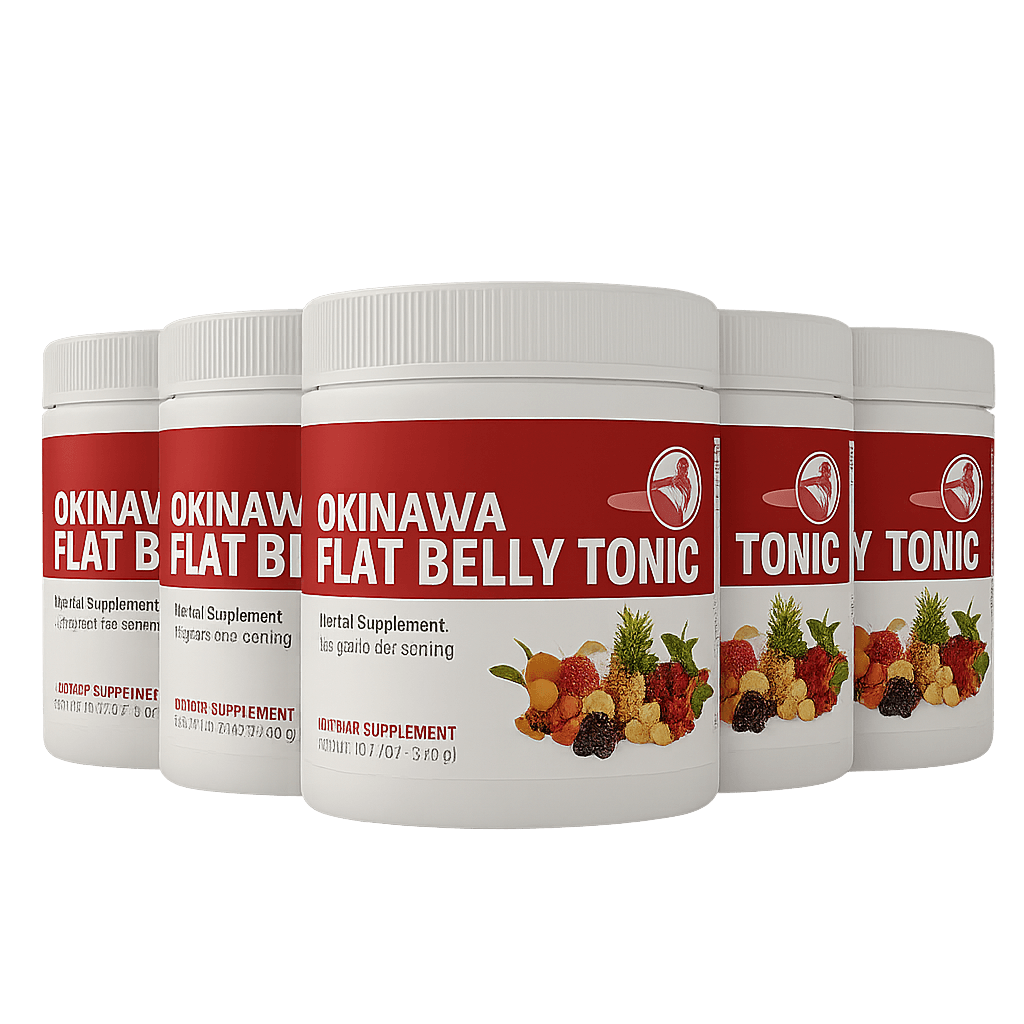
Okinawaflatbelly Review: Blood Sugar Marketing Claims Analyzed
The video begins with a clinical thunderclap: “one of the biggest breakthroughs in diabetes” is being revealed, supposedly on the scale of insulin itself. Okinawaflatbelly is introduced not as another oral supplement, but as the consumer-facing endpoint of a buried medical…
8,226+
Videos & Ads
+50-100
Fresh Daily
$29.90
Per Month
Full Access
12.5 TB database · 72+ niches · 30 min read
The video begins with a clinical thunderclap: “one of the biggest breakthroughs in diabetes” is being revealed, supposedly on the scale of insulin itself. Okinawaflatbelly is introduced not as another oral supplement, but as the consumer-facing endpoint of a buried medical discovery. For anyone searching an Okinawaflatbelly review, the first striking feature is not the ingredient list; it is the sales architecture. The VSL promises that type 2 diabetes can be attacked through a “proper cleanse of your intestine,” with blood sugar returning to normal “in just a few days.” Its narrator, Dr. Daniel Wilson, presents himself as both physician and patient, a man who claims to have helped 32,000 people escape diabetes naturally. That dual role matters. It lets the pitch speak with authority while borrowing the emotional grammar of confession.
The opening act is built around Authority Stacking, in Cialdini’s sense: named doctors, elite institutions, journal references, and large study numbers arrive before the product is even explained. Viewers hear about “three of the world’s top doctors,” Zurich Medical School, Harvard Medical School, and a study of “over 8,100 people with diabetes.” The purpose is not simply credibility. It is cognitive compression. Kahneman would recognize the move as a shortcut for System 1 judgment, where institutional fluency can substitute for slow scrutiny. The VSL then adds Loss Aversion by describing diabetes as a “silent plague” that steals “independence, freedom, and the joy of life,” while citing 3.4 million lives lost each year. The implication is clear: skepticism is reframed as risk.
Wilson’s personal crisis supplies the Epiphany Bridge Brunson describes: the expert once believed in standard care, suffered under it, fainted on the kitchen floor, then discovered the hidden mechanism. The story follows PAS almost exactly. The problem is unstable blood sugar and fear of decline; the agitation is medication failure, cravings, weight gain, and the specter of “blindness and amputation”; the solution is a daily gut cleanse that removes the alleged “sugar factory.” Dan Kennedy’s education-based selling is also visible, because the pitch teaches before it sells. Firmicutes, bacteroids, toxins, insulin absorption, glucose metabolism: the scientific vocabulary functions as both explanation and persuasion. Schwartz would call this a market entering through an existing state of awareness, then shifting the prospect’s belief about the cause.
This analysis is a close reading of that sales architecture, not a medical endorsement of its claims. It is written for affiliate marketers, compliance-minded publishers, media buyers, and product researchers who need to understand how a diabetes VSL manufactures belief, urgency, and perceived novelty. The presentation uses AIDA with unusual aggression: a breakthrough hook for attention, gut bacteria as interest, testimonials and numerical reversals for desire, and the official-site frame for action. It also uses a false enemy, the “pharmaceutical mafia,” to resolve Festinger’s cognitive dissonance for viewers who have followed conventional advice without feeling cured. The central question, then, is not merely whether Okinawaflatbelly sounds persuasive. It is how the VSL turns fear, medical authority, and microbiome language into a buying decision.
What Is Okinawaflatbelly?
Okinawaflatbelly is positioned as an oral Health & Wellness supplement for the blood-sugar and diabetes-adjacent market, presented through the VSL as a daily gut cleanse rather than a conventional glucose-support formula. The format is simple: two capsules every morning, framed as “one simple daily habit” that can be done at home, without dieting, exercise, injections, or medication. Its category language sits between supplement, cleanse, and diabetes reversal promise, which lets the offer borrow from several markets at once: microbiome health, natural blood-sugar support, weight loss, detox, and anti-pharma skepticism. The pitch rides the consumer trend toward gut microbiome causality, where complex metabolic problems are reduced to bacterial imbalance and intestinal cleanup. Its unique mechanism claims harmful firmicutes bacteria overpower beneficial Bacteroides, creating insulin resistance and unstable glucose absorption. The implication is that the product is not merely another supplement; it is sold as a missing-cause intervention.
The target user is an older adult with type 2 diabetes or pre-diabetes, likely already fatigued by restrictive diets, metformin, insulin injections, blood sugar testing, and physician advice that feels repetitive. The VSL’s emotional avatar is not a biohacker but a frightened, treatment-weary person who feels trapped by “3 p.m. crashes,” cravings, weight gain, and future risks like blindness or amputation. Gender is not explicit, but the testimonial and body-composition language broadens the appeal to both men and women who want glucose control, energy, and visible weight loss without identity-level sacrifice. Psychographically, the buyer is high in medical anxiety, skeptical of pharmaceutical incentives, and receptive to an epiphany bridge in which a doctor’s personal crisis validates their own frustration. This is classic PAS: diabetes is agitated as a “silent plague,” standard care is made insufficient, and the cleanse is offered as release. Schwartz would place this in a highly sophisticated market, where simple blood-sugar claims are no longer enough and the offer needs a new mechanism, a false enemy, and dramatic proof.
The named authority is Dr. Daniel Wilson, presented as a University of Zurich graduate with a U.S. master’s degree who claims to have helped over 32,000 people “get rid of diabetes naturally.” The VSL also invokes Dr. Peter Scott of Harvard and Dr. Chad Parlemont, using Cialdini’s authority principle to surround the product with institutional prestige before the product itself is fully defined. This authority stack is reinforced by references to Zurich Medical School, Harvard Medical School, and microbiome studies, though the sales logic matters more than the academic detail. The ingredient list is built from familiar fibers and gut-support components: psyllium fiber, flaxseed, pectin, plums, sorbitol, phenolic acids, oat bran, beta-glucans, and lactobacillus acidophilus. In Kennedy-style education-based marketing, those ingredients are not introduced as commodities; they are folded into a three-part cleansing story of removal, restoration, and glucose normalization. The result is a supplement packaged as a causal breakthrough.
The Problem It Targets
Okinawaflatbelly targets not merely high glucose but the moral exhaustion around type 2 diabetes: the viewer has tried pills, diet rules, carb restriction, and injections, yet still feels ambushed by “3 p.m. crashes” and “midnight refrigerator” cravings. The VSL opens with a PAS structure, enlarging the problem from a lab marker into a threat to “independence, freedom, and the joy of life.” That fear has a large addressable audience: the CDC estimates 40.1 million Americans had diagnosed or undiagnosed diabetes in 2023, with 115.2 million adults living with prediabetes (CDC). The commercial implication is obvious. This is a chronic, recurring-purchase market where frustration compounds with every refill, glucose spike, and dietary failure. Kahneman’s loss aversion supplies the emotional motor.
The deeper diagnostic claim is the offer’s central reframe: diabetes is not presented as weak discipline, aging, genetics, or even pancreas failure, but as a hidden gut imbalance caused by “bad bacteria” acting like a “sugar factory.” This is the false enemy move Russell Brunson and Dan Kennedy both prized: shift blame from the buyer to a concealed antagonist, then sell the newly named mechanism. It exonerates the viewer. Festinger’s cognitive dissonance is reduced because failed dieting no longer proves personal failure; it proves the old explanation was incomplete. The VSL’s “real issue starts when your gut bacteria” line turns shame into diagnosis. Cialdini’s authority principle then tightens the frame through Harvard, Zurich, named doctors, and journal-like markers.
The claim borrows from real science while expanding beyond it. NIH’s NIDDK describes type 2 diabetes as a condition in which the body “doesn’t use insulin well,” with insulin resistance, obesity, inactivity, and genes among recognized causes (NIDDK). Microbiome research is also culturally legible now: gut health has moved from specialist literature into yogurt aisles, wellness podcasts, and metabolic health apps. The VSL uses that timing as a pattern interrupt. Instead of another pancreas-and-carbs lecture, it offers “one simple daily habit” and a cleanse narrative. The extrapolation comes when association becomes cure, and when microbiome complexity becomes a capsule-driven promise of diabetes reversal within days.
Globally, the opportunity is even larger: WHO reports 830 million people were living with diabetes in 2022, up from 200 million in 1990 (WHO). That scale makes the AIDA sequence unusually efficient: attention through “biggest breakthroughs,” interest through gut-bacteria education, desire through testimonials, and action through a low-friction morning capsule. The open loop is held by promised revelations about “seven most dangerous” diabetes drugs, while the epiphany bridge comes from Dr. Wilson’s personal collapse on the kitchen floor. Barry Schwartz’s choice-overload theory also matters here. For buyers overwhelmed by glucose monitors, medication options, diet plans, and conflicting advice, the VSL compresses complexity into a single villain and a single ritual.
How Okinawaflatbelly Works
Okinawaflatbelly is presented as a two-capsule morning “gut cleanse” that corrects diabetes at its hidden source: the microbiome. The VSL’s PAS structure is explicit: blood sugar spikes, “3 p.m. crashes,” cravings, medication fatigue, and fear of complications are intensified before the offer reframes the cause. Its mechanism claims that firmicutes, described as “bad bacteria,” overwhelm Bacteroides, impair insulin absorption, and turn the gut into a “sugar factory.” The product then supposedly flushes waste, removes harmful bacteria, restores beneficial flora, and improves glucose metabolism. This is an epiphany bridge in Brunson’s sense: the doctor’s personal crisis makes the mechanism feel discovered rather than sold. The implication is clear. If diabetes starts in the intestine, the buyer no longer needs to see diet, age, weight, or medication history as the central battlefield.
There is a real scientific substrate beneath the story, but the VSL expands it far beyond what evidence normally supports. Gut microbiota do interact with metabolism, inflammation, short-chain fatty acid production, appetite signaling, and insulin sensitivity; this is established science, not fantasy. Fiber ingredients such as psyllium, flaxseed, oat beta-glucans, and pectin can modestly blunt post-meal glucose excursions or improve lipid markers in some people. That modesty matters. A fiber-rich supplement may help glycemic control as part of a broader regimen, especially when it changes satiety and carbohydrate absorption, but it is not equivalent to removing a single diabetes-causing organism. Kahneman would recognize the pitch’s substitution effect: a complex chronic disease is made cognitively manageable by replacing it with a vivid villain. The “real issue starts” line turns uncertainty into narrative relief.
The extraordinary numbers are where the mechanism becomes least plausible. The VSL claims insulin absorption can increase by 400%, average blood sugar can fall from about 250 to 89, and 84% of patients can fully reverse diabetes within three weeks. Those figures are not merely ambitious; they imply a clinical effect larger and faster than most approved therapies, intensive diet programs, or bariatric interventions in comparable populations. If a fasting glucose near 250 mg/dL normalized to 89 mg/dL in days across hundreds of people, that would require unusually strong evidence, transparent methods, adverse-event reporting, and independent replication. Instead, the VSL relies on Cialdini’s authority stacking, naming Harvard, Zurich, journals, and doctors while giving the viewer fragments such as “largest diabetes study ever conducted.” Festinger’s cognitive dissonance is also doing work: patients who followed conventional advice yet worsened are offered a new explanation that preserves their effort and redirects blame.
A fair reading is that the formula’s ingredients may have plausible metabolic relevance at the margin, while the sales mechanism turns marginal science into a cure-shaped story. Kennedy-style education marketing teaches just enough biology to make the buyer feel newly informed, then introduces a false enemy in pharmaceutical secrecy and “dangerous drugs.” Schwartz would call this channeling of an existing desire rather than creating one: the audience already wants freedom from injections, restrictions, and fear. Cialdini’s scarcity principle appears in claims that the truth had “never been made public,” creating an open loop that keeps attention moving toward the purchase. The practical implication is restrained: the supplement can be assessed as a fiber-and-probiotic-style wellness product, not as a replacement for diabetes care. Buyers should separate plausible support for blood sugar management from speculative claims of bacterial eradication, rapid reversal, or medication independence.
Curious how other VSLs in this niche structure their pitch? Keep reading - the psychological triggers section breaks down the architecture behind every claim above.
Key Ingredients and Components
Okinawaflatbelly presents its formula less as a supplement blend than as a staged purification ritual: cleanse, remove, repopulate. The VSL’s PAS structure begins with “blood sugar into the danger zone,” shifts blame away from patient discipline, then offers the capsule as a daily procedural fix. Its false enemy is not sugar alone but a microbial saboteur, the “tiny bacterium” that allegedly turns the gut into a “sugar factory.” This is classic Kennedy-style education marketing, but with Brunson’s epiphany bridge layered over it: the doctor suffers, discovers, and returns with a hidden protocol. Cialdini’s authority principle carries the formulation story; Kahneman’s loss aversion supplies the stakes. The implication is that ingredients are framed not by dose transparency but by narrative function.
The formulation process is therefore presented as a behavioral shortcut, “one simple daily habit,” rather than a pharmacological argument. That matters. Schwartz would recognize the mechanism as market sophistication: when audiences have heard “diet,” “exercise,” and “metformin” too many times, the pitch needs a new causal frame. Festinger’s cognitive dissonance also appears; the viewer can believe they failed conventional care because the real problem was hidden from them. The VSL claims insulin absorption may rise by up to 400%, while testimonials describe blood sugar moving from crisis to control in days. Independent literature supports some fiber and probiotic plausibility, but not the sweeping diabetes-reversal promise.
Psyllium fiber (Plantago ovata) - A viscous soluble fiber. The VSL casts it as part of the intestinal “sweep.” The American Journal of Clinical Nutrition has reported improved glycemic control with psyllium, especially in type 2 diabetes. Evidence: strong for modest glucose support, not cure.
Flax seed (Linum usitatissimum) - A lignan- and fiber-rich seed. The VSL links it to reduced spikes. Trials and reviews in Nutrition Research and Journal of Dietary Supplements suggest small improvements in glucose or lipids. Evidence: modest.
Pectin (Malus domestica / Citrus spp.) - A fermentable soluble fiber. The VSL highlights special extraction and slowed gastric emptying. Research in Diabetes Care and nutrition journals supports viscosity effects, but product-specific extraction claims are not verifiable. Evidence: modest to ambiguous.
Plums (Prunus domestica) - Fruit source of fiber and polyphenols. The VSL uses them as cleanse-adjacent support. Critical Reviews in Food Science and Nutrition discusses prune bioactives, but diabetes-specific capsule evidence is limited. Evidence: ambiguous.
Sorbitol (D-glucitol) - A sugar alcohol found in prunes. The VSL implies bowel regularity. Medical literature supports laxative effects at sufficient doses, not diabetes reversal. Evidence: ambiguous for blood sugar.
Phenolic acids - Plant compounds such as chlorogenic and caffeic acids. The VSL folds them into antioxidant logic. Nutrients and Food Chemistry support metabolic plausibility, but not this formula’s claims. Evidence: ambiguous.
Oat bran (Avena sativa) - A fiber-dense cereal fraction. The VSL positions it as glucose-buffering support. European Journal of Clinical Nutrition reports oat beta-glucan can reduce post-meal glucose and insulin responses. Evidence: strong for postprandial support.
Beta-glucans - Viscous oat fibers. The VSL’s claim fits the “slowing absorption” mechanism better than the bacteria-killing story. British Journal of Nutrition and European Journal of Clinical Nutrition support cholesterol and glycemic benefits. Evidence: strong for modest metabolic effects.
Lactobacillus acidophilus (Lactobacillus acidophilus) - A probiotic bacterium. The VSL uses it to complete the repopulation arc. Reviews in Diabetes & Metabolism Journal and Clinical Nutrition suggest probiotic mixtures may improve markers, but strain, dose, and viability determine outcomes. Evidence: modest, product-specific proof unverifiable.
Hooks and Ad Angles
Okinawaflatbelly opens with a maximalist claim: “one of the biggest breakthroughs in diabetes.” As a hook, it compresses AIDA into a single sentence, moving from attention to implied desire before the viewer has time to test the premise. The curiosity gap, in Loewenstein’s sense, is not merely that something is unknown; it is that a supposedly life-altering answer exists and has been withheld. The phrase “since the discovery of insulin” acts as a pattern interrupt, because diabetes advertising usually begins with symptoms, not medical history. That comparison also borrows institutional gravity from a century-old treatment category. The implication is clear: this is not another supplement pitch, but a reclassification of the problem.
The hook then widens its function through authority and social proof. “Three of the world’s top doctors” signals Cialdini’s authority principle before any evidence appears, while the later mention of 8,100 people gives the claim a statistical costume. The VSL keeps the open loop active with fragments like “hidden truth about diabetes” and “never been made public,” which imply privileged access rather than ordinary consumer education. Schwartz would recognize the escalation: the market is sophisticated, tired of metformin, dieting, and glucose lectures, so the pitch must name a new mechanism. Here, that mechanism is gut bacteria. The hook therefore performs multiple jobs at once: it creates novelty, supplies a villain, positions the narrator as an insider, and prepares the buyer to accept the “daily cleanse” as a logical next step.
“A tiny bacterium in the gut acts like a sugar factory” (turns an abstract condition into a concrete enemy, creating an easy visual for cold traffic).
“Blood sugar levels returned to normal in just a few days” (uses speed as proof, pushing against the buyer’s experience of chronic management).
“Without dieting, exercising, or leaving home” (removes the three most common sources of friction in diabetes offers).
“Seven most dangerous and deadly drugs” (sets up a false enemy and adds fear-based retention to the VSL).
“Cheaper than your daily coffee” (anchors the coming price against a trivial habit, reducing perceived sacrifice).
“Doctors Say a Hidden Gut Bacteria May Be Driving Blood Sugar Spikes”
“The 10-Second Morning Cleanse Framed as a Blood Sugar Breakthrough”
“Why This Diabetes VSL Blames the Gut, Not Willpower”
“The ‘Sugar Factory’ Hook Behind a New Blood Sugar Supplement Pitch”
“What This Cleanse Ad Claims About Cravings, Crashes, and Glucose”
Psychological Triggers and Persuasion Tactics
Okinawaflatbelly builds its persuasion as a compounding system: authority establishes permission, fear raises stakes, mechanism creates novelty, and testimony converts uncertainty into imagined proof. The load-bearing frame is an epiphany bridge inside a medical hero’s journey, with Dr. Wilson moving from conventional prescriber to patient, then from crisis to revelation. The VSL’s PAS rhythm is blunt: diabetes is a “silent plague,” the viewer is reminded of crashes, cravings, pills, and injections, then the gut cleanse appears as the release valve. Its open loop begins with “never been made public” and keeps expanding through forbidden drugs, hidden bacteria, and a promised daily habit. In Kahneman’s terms, the pitch makes loss emotionally available before evidence is cognitively examined. The implication is clear: the buyer is not evaluating a supplement first, but a rescue narrative.
The VSL’s most efficient move is fault transfer. It tells the viewer that failure is not caused by weak discipline, aging, or poor adherence, but by “harmful bacteria overpower the good ones” and an industry that allegedly benefits from confusion. This creates cognitive relief, in Schwartz’s sense, by simplifying a crowded choice field into one enemy and one mechanism. The AIDA sequence is also unusually compressed: “biggest breakthroughs in diabetes” captures attention, the gut microbiome creates interest, normal readings and weight loss stimulate desire, and “one simple daily habit” frames action as low friction. Brunson would recognize the false-belief dismantling: diabetes is not pancreas, carbs, or willpower, but a hidden internal invader. For a buyer, that makes the product feel less like an optional aid and more like the missing explanation.
Fault Transfer (Festinger, A Theory of Cognitive Dissonance, 1957): The VSL relieves self-blame by saying patients “wondered what they had done wrong,” then redirects responsibility to gut bacteria and medical orthodoxy. That reduces dissonance between effort and failure, making the cleanse feel emotionally fair.
False Enemy (Kennedy, No B.S. Marketing, 1990s): The “pharmaceutical mafia” becomes the villain that explains why insulin, metformin, and diet advice supposedly disappoint. This pattern interrupt reframes medical care as obstruction, not support.
Authority Borrowing (Cialdini, Influence, 1984): Harvard, Zurich, Nature Medicine, and “three of the world's top doctors” are stacked before the viewer can inspect the claims. The borrowed prestige does more work than the product evidence itself.
Loss Aversion (Kahneman and Tversky, Prospect Theory, 1979): The VSL foregrounds “blindness and amputation,” lost freedom, and blood sugar in the “danger zone.” Fear makes inaction feel costlier than purchase.
Specificity as Credibility (Schwartz, Breakthrough Advertising, 1966): Claims such as 8,100 people, 32,000 people, and blood sugar dropping from “250 to 89” create numerical texture. The precision signals measurement, even when substantiation remains unclear.
Scarcity Stacking (Cialdini, Influence, 1984): “Until now,” “official website,” and the first batch at “$210 per bottle” layer information scarcity, channel scarcity, and price anchoring. The effect is urgency without needing a hard deadline.
Endowment Effect (Kahneman, Knetsch, and Thaler, 1990): By inviting viewers to imagine “rock steady” blood sugar, fewer cravings, and freedom from injections, the VSL gives them psychological ownership of the outcome before purchase. Losing that imagined future then feels like a real loss.
Want to see how these tactics compare across 50+ VSLs? That is exactly what Daily Intel Service is built to show you.
Scientific and Authority Signals
Okinawaflatbelly builds its scientific posture through authority laundering: named doctors, elite institutions, journal labels, and numerical specificity are stacked until the claim feels pre-verified. The VSL’s first proof move is Cialdini’s authority cue, promising “three of the world’s top doctors” before the audience hears a mechanism. Yet the named figures function more as credentials than as checkable scientific actors; the transcript gives Dr. Daniel Wilson a Zurich origin story, but no clear institutional appointment, PMID trail, specialty board, or publication record. The same problem surrounds Dr. Peter Scott and Dr. Chad Parlemont, whose roles are asserted rather than demonstrated. Under Kennedy’s education-first sales logic, this is effective because the lesson arrives wearing a lab coat. Under Kahneman, it also exploits substitution: the viewer evaluates confidence, not evidence. The claim is therefore ambiguous as biography and fabricated-looking as credential proof.
The institutional layer is stronger rhetorically but weaker evidentially. “Backed by Zurich Medical School and Harvard Medical School” sounds like external validation, yet the VSL does not name authors, trial registration, DOI, PMID, ethics approval, or even the exact paper title. Its journal references are also suspiciously elastic: Nature Medicine is real, but “Diabetologist” does not map cleanly onto the leading diabetes journals a careful reader would expect. PubMed does contain legitimate microbiome-and-diabetes research, including metagenomic association work in type 2 diabetes and fiber studies such as psyllium improving glycemic control. But the specific alleged 8,100-person, 18-month, June 2023 Zurich-Harvard study, with a “tiny bacterium in the gut” removed so glucose “returned to normal in just a few days,” does not resemble a verifiable clinical claim as presented. This is classic Brunson-style open loop construction. The authority is borrowed from real scientific neighborhoods, then bent into a product-shaped conclusion.
The biological mechanism is best judged as plausibly borrowed, not cleanly proven. Firmicutes, Bacteroides, insulin resistance, soluble fiber, and gut microbiota are legitimate research topics; the VSL did not invent the whole semantic field. But it compresses association into cure, microbiome variation into a single enemy organism, and dietary-fiber plausibility into “insulin absorption by up to 400%.” That is where the argument crosses from legitimate ingredient halo into sales epistemology. Schwartz would recognize the move: meet an existing desire, then intensify it by naming a new obstacle the prospect can defeat. Festinger would add that the pitch reduces cognitive dissonance for patients tired of diets, injections, and medication by offering a cleaner explanation: the body was not failing; an invader was. In PAS terms, the “bad bacteria” are the false enemy that makes the product feel both scientific and morally clarifying. Overall, the scientific posture is plausibly borrowed at the category level, ambiguous at the credential level, and materially unreliable at the claim level.
The Offer, Pricing, and Risk Reversal
Okinawaflatbelly builds its commercial logic around a medical-cost contrast rather than a conventional supplement comparison. The VSL first positions the problem as expensive dependency: metformin, insulin injections, repeat doctor visits, and a life organized around restriction. Then it introduces the product through price anchoring, saying the “first batch sold for $210 per bottle” before reframing the official-site offer as protected from pharmacy markups that could reach 10 times the price. That $210 figure functions as the phantom price anchor: it gives the audience a reference point without necessarily operating as the real buying decision on the page. In Schwartz’s terms, the offer is not selling capsules first; it is selling escape from a more painful mechanism of control. The implication is clear for buyers: the target SKU is likely the multi-bottle supply, because the VSL says the recommended treatment lasts at least 6 months.
The risk reversal is weaker in the available transcript than the claims architecture around it. There is no explicit money-back guarantee described, no duration, no refund trigger, and no condition set that would reduce perceived purchase risk in the classic Kennedy sense. Instead, the VSL substitutes implied protection: “only available on the official website,” sealed bottles, vegetarian positioning, lactose-free status, and “contains no glucose.” This is a PAS move masquerading as risk management: intensify the dangers of diabetes and drugs, then present the official channel as the safer path. Cialdini’s authority and scarcity principles do much of the work a guarantee normally would do. The absence matters commercially, because high-claim health VSLs usually need explicit refund mechanics to manage Kahneman-style loss aversion at checkout.
The bonus structure, as presented in the transcript, is largely rhetorical rather than material. There are no named PDF reports, coaching calls, meal plans, or stacked digital bonuses; the value stack is embedded inside the education itself. The VSL promises revelations about “seven most dangerous and deadly drugs,” the hidden gut mechanism, and a “blueprint for a gut cleanse,” creating an open loop that keeps the viewer moving toward the offer. Brunson would call this an epiphany bridge: the doctor’s crisis turns the product from commodity into discovered protocol. Festinger’s cognitive dissonance is also recruited; after accepting the false enemy of the “pharmaceutical mafia,” rejecting the offer becomes psychologically harder.
Who This Is For (and Who It Isn't)
Okinawaflatbelly is aimed at older adults, especially people in their late 50s through 70s, who feel worn down by type 2 diabetes routines and suspicious that conventional care has become a permanent treadmill. The VSL speaks most directly to buyers who recognize the emotional texture of “3 p.m. crashes,” “midnight refrigerator” cravings, weight gain, and fear of losing independence. Its ideal buyer is middle-income, health-anxious, and already spending on prescriptions, glucose monitors, supplements, or alternative remedies, making the “cheaper than your daily coffee” frame commercially precise. The pitch uses PAS by intensifying diabetes as a “silent plague,” then redirects blame toward a hidden gut cause. Cialdini’s authority principle appears in the “three of the world's top doctors” claim, while Kahneman’s loss aversion shapes the fear of “blindness and amputation.” If you are buying from exhaustion rather than curiosity, this VSL was written for that state.
The secondary audience is the family influencer: spouses, adult children, and siblings who monitor a diabetic relative’s energy, weight, mood, and medication burden. The testimonials are framed socially, with family noticing change and a sister following the method, which turns private symptom relief into Cialdini-style social proof. Psychographically, the best-fit prospect wants a simple ritual more than a complex protocol, making “two capsules every morning” and “one simple daily habit” stronger than the microbiome explanation itself. The VSL also depends on an epiphany bridge, in Brunson’s sense: the doctor gets diabetes, suffers through medication, then discovers the hidden mechanism. Schwartz would recognize the market sophistication here; the buyer has heard diet-and-exercise advice many times, so the copy introduces a new mechanism, “bad bacteria,” as the reason prior attempts failed. Kennedy’s education-first selling is doing the heavy lifting.
You should not buy this expecting to replace metformin, insulin, GLP-1 drugs, sulfonylureas, blood-pressure medication, or cholesterol medication without physician supervision. Fiber-heavy ingredients such as psyllium, pectin, flaxseed, oat bran, and probiotic components can affect absorption of oral drugs, may worsen bloating or constipation in some users, and can complicate glucose control if paired with diabetes medication without monitoring. Anyone with bowel obstruction history, severe gastrointestinal disease, swallowing difficulty, immunocompromise, pregnancy, kidney disease, or multiple prescriptions should be cautious and ask a clinician first. The VSL’s open loop around “seven dangerous” drugs and its false enemy framing of the “pharmaceutical mafia” create Festinger-style dissonance: the viewer is pushed to feel foolish for trusting standard care. That is persuasive. It is not medical proof.
This analysis is part of Daily Intel Service, our ongoing library of VSL and ad-copy breakdowns. If you are researching similar products in this niche, keep reading.
Frequently Asked Questions
Q: Is Okinawaflatbelly a scam?
A: Okinawaflatbelly is marketed through a classic diabetes VSL structure: medical authority, hidden-cause revelation, and urgent relief from pills, injections, cravings, and “blood sugar into the danger zone.” That does not prove fraud, but the claims require scrutiny because the pitch moves from microbiome theory to cure-like language very quickly. Cialdini would read the doctor names and Harvard-Zurich references as authority cues; Kennedy would recognize the education-first sales frame.
Q: Does Okinawaflatbelly really work for blood sugar?
A: The VSL claims dramatic outcomes, including 84% fully reversed diabetes within three weeks and average readings dropping from around 250 to 89. Those numbers function as social proof, but the transcript does not provide enough verifiable clinical detail to treat them as settled evidence. Kahneman’s loss-aversion frame is clear: fear of complications makes rapid “rock steady” control feel more persuasive.
Q: What are the Okinawaflatbelly ingredients?
A: The named ingredients include psyllium fiber, flaxseed, pectin, plums, oat bran, beta-glucans, and lactobacillus acidophilus. The VSL presents these as part of a daily cleanse designed to remove “bad bacteria” while restoring “good healthy bacteria.” The ingredient story supports education-based marketing, where mechanism precedes the buying decision.
Q: What are Okinawaflatbelly side effects?
A: The transcript emphasizes danger from diabetes drugs more than possible supplement side effects. That is a meaningful omission, because fiber-heavy formulas can cause digestive discomfort in some users and may interact with medication timing. Anyone taking diabetes drugs should ask a clinician before changing routines.
Q: How does Okinawaflatbelly work?
A: The claimed mechanism is PAS built around the gut: problem, agitation, then solution. The VSL says harmful firmicutes bacteria impair insulin absorption, while beneficial bacteroids support glucose metabolism. This is also an epiphany bridge, in Brunson’s sense, because the narrator’s personal crisis turns the gut theory into a buying belief.
Q: Is Okinawaflatbelly safe for diabetics?
A: Safety cannot be inferred from the sales video alone. The VSL’s “without medication, injections” promise creates risk if a buyer interprets it as permission to stop prescribed care. Schwartz would call this a powerful market desire; Festinger would see room for cognitive dissonance when hope conflicts with medical caution.
Q: How much does Okinawaflatbelly cost?
A: The VSL says the first batch sold for $210 per bottle and argues pharmacies could mark it up by as much as ten times. That price anchor makes the direct website offer feel scarce and protected. The “cheaper than your daily coffee” line softens the perceived cost.
Q: Who are the doctors behind Okinawaflatbelly?
A: The pitch names Dr. Peter Scott, Dr. Daniel Wilson, and Dr. Chad Parlemont, while also invoking Harvard Medical School and Zurich Medical School. This is authority stacking, a Cialdini-style trust shortcut. The implication for buyers is simple: credentials should be verified outside the VSL before weight is placed on them.
Final Take
Okinawaflatbelly is built as a high-control diabetes VSL, not a quiet supplement explanation. Its central mechanism is PAS: first the “silent plague,” then the agitation of medication failure, cravings, injections, and feared complications, then the proposed relief of a daily gut cleanse. The copy opens with “biggest breakthroughs in diabetes” and quickly installs authority through doctors, Harvard, Zurich, and journal references. That is classic Cialdini: institutional credibility is placed before the viewer has time to scrutinize the claim. The interpretation is clear. This VSL sells certainty to people living with chronic uncertainty, and it does so with disciplined pacing, open loops, and a false enemy in the “pharmaceutical mafia.”
Its scientific architecture is more sophisticated than the average blood-sugar pitch because it borrows from credible terrain. Gut microbiome research, fiber intake, metabolic health, and glucose regulation are real subjects, and ingredients such as psyllium, flaxseed, pectin, oat bran, and probiotics have plausible wellness associations. The problem is the leap. The VSL moves from microbiome plausibility to claims like “increasing insulin absorption by up to 400%,” “blood sugar levels returned to normal,” and “84% fully reversed diabetes” within weeks. Kahneman would recognize the availability effect: frightening complications and vivid transformations make the story feel more evidential than it is. Schwartz would note the relief offered by simplicity. Brunson’s epiphany bridge gives that simplicity an origin story.
As marketing, the presentation is highly engineered. The narrator’s collapse on the kitchen floor creates Festinger-style dissonance: if even a diabetes doctor failed with standard care, then the viewer’s frustration must have a hidden explanation. Kennedy’s education-based selling appears in the long lesson on Bacteroides, firmicutes, toxins, and cleansing, while the “sugar factory” metaphor lowers the cognitive cost of accepting the mechanism. The AIDA sequence is unusually explicit: attention through breakthrough language, interest through studies, desire through testimonials, and action through a low-friction daily habit. What is credible is the broad idea that metabolic health can relate to diet, fiber, gut ecology, and weight. What is not established by the VSL alone is a cure, medication replacement, or disease reversal.
For a buying decision, the practical question is not whether the VSL is persuasive. It is whether its claims are proportionate to the evidence shown. A cautious reader should separate ordinary supplement plausibility from extraordinary diabetes promises, especially where the copy frames prescribed drugs as dangerous obstacles and implies that viewers can “throw away their medication.” That is the commercial risk point. The VSL’s strength is narrative compression; its weakness is evidentiary inflation. For continued comparison across offers, claims, hooks, and compliance risks, Daily Intel Service functions as our ongoing library of VSL analyses.
Disclaimer: This article is for research and educational purposes only. It is not medical, legal, or financial advice, and it is not affiliated with the product or its makers. Always consult a qualified professional before making health or financial decisions.
Source-backed reader context
Additional Reviews & Reported Experiences
These statements were presented in the product's sales transcript. Daily Intel did not independently verify the speakers, purchase status, or reported outcomes, and the statements are not used in Product aggregateRating.
Unnamed
Date not stated
glucose readings and waistline transformed, and sister started following the method too
Unnamed
Date not stated
after 6 weeks of the cleanse, everything changed and family noticed the difference
Comments(0)
No comments yet. Members, start the conversation below.
Related reads
 reviews
Olly Goodbye Stress Review: Label Claims vs. Evidence
OLLY Goodbye Stress combines GABA, L-theanine, and lemon balm extract in a Berry Verbena gummy aimed at occasional stress, not sleep. Here's what the label discloses, what a real L-theanine trial found, and exactly where the evidence stops.
Read reviews
Jocko Greens Review: Does One Scoop Match the Evidence?
Jocko Greens is a one-scoop powder with approximately 30 calories and 9 billion colony-forming units of probiotics per serving. Jocko Fuel also confirms ashwagandha extract and makes a digestive-support claim. The harder question is whether the available research matches this specific formula. It does not match closely enough to establish a finished-product outcome.
Read reviews
NooCube Review: Does the 250 mg Bacopa Dose Match the Research?
NooCube is one of the few nootropics that prints a milligram number next to an ingredient instead of hiding it in a blend. This review takes that one number, 250 mg Bacopa monnieri, and checks it against a real trial that used 300 mg in a very different population, then shows exactly where the comparison breaks down.
Read