Premium Berberine (BioNature) VSL and Ads Analysis: What the Sales Pitch Really Says
The video opens not with a product name or a smiling spokesperson, but with a sentence designed to stop the viewer cold: "Your cells are literally starving to death at this very moment." It is a calculated provocation, addressed directly at anyone whose fasting blood glucose…
8,226+
Videos & Ads
+50-100
Fresh Daily
$29.90
Per Month
Full Access
12.5 TB database · 72+ niches · 29 min read
The video opens not with a product name or a smiling spokesperson, but with a sentence designed to stop the viewer cold: "Your cells are literally starving to death at this very moment." It is a calculated provocation, addressed directly at anyone whose fasting blood glucose sits above 126 mg/dL, which, according to the CDC, describes roughly 37 million Americans currently diagnosed with type 2 diabetes. The claim is not medically false in the way that outright fabrications are false; diabetic cellular energy dysfunction is a real and well-documented phenomenon. What makes the opening remarkable, from a marketing analysis standpoint, is how precisely it converts a complex pathophysiology into a visceral, immediate, personal threat before the viewer has had time to engage their critical faculties. This is the textbook function of what copywriting practitioners call a pattern interrupt, a disruption of the viewer's default cognitive state that creates a window of heightened receptivity.
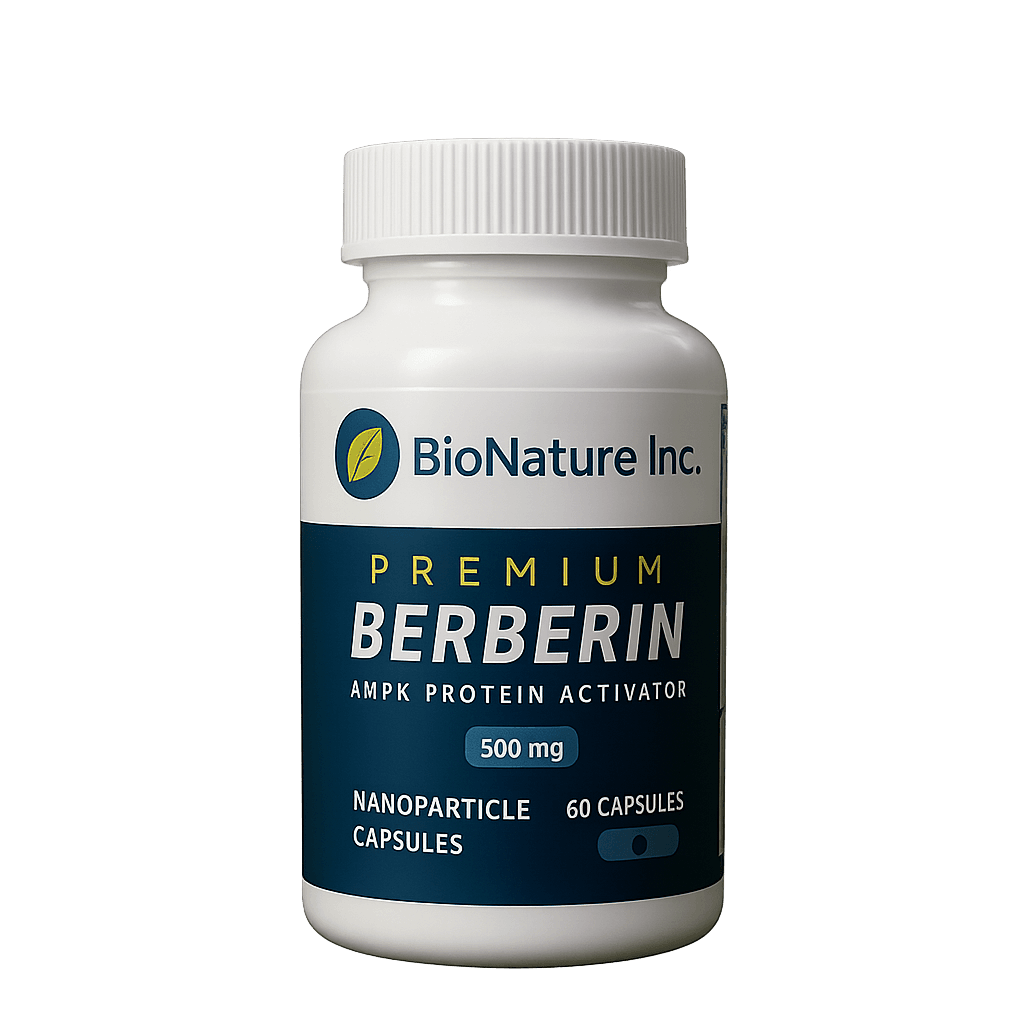
The VSL that follows is built around a product called Premium Berberine, sold under the brand name BioNature, a supplement combining berberine extracted from Coptis chinensis with chromium picolinate, delivered via a proprietary nanoparticle encapsulation system. The pitch runs for an extended runtime and is structured as a staged interview between a host and a character identified as Dr. Takashi Kadowaki, described as a Professor Emeritus at the University of Tokyo and a pioneer in AMPK protein research. It is, in architectural terms, one of the more sophisticated VSLs circulating in the diabetes supplement space, layering a whistleblower narrative, a pharmaceutical industry conspiracy, a David-versus-Goliath lawsuit story, and an emotionally devastating patient case study into a single, sustained persuasive argument that runs well over an hour in full form.
The question this analysis investigates is not simply whether berberine works for blood sugar management, there is, as this piece will show, a meaningful body of research suggesting it does, but rather how this specific VSL constructs its argument, which of its scientific claims are grounded in verifiable evidence, which are rhetorical extrapolation, and what psychological architecture it deploys to move a viewer from skepticism to purchase. For anyone actively researching this product before deciding whether to buy, that distinction matters enormously. A supplement can be scientifically plausible and still be sold through a pitch architecture built on manipulative framing. Both things can be true simultaneously, and sorting them out is the work of this piece.
What Is Premium Berberine?
Premium Berberine is a dietary supplement marketed by BioNature, described in the VSL as a German laboratory that recently began U.S. operations. The product is positioned as a two-ingredient therapeutic protocol: berberine sourced specifically from the Coptis chinensis plant at a stated purity of 97-98%, combined with chromium picolinate in its most bioavailable form, with both compounds encapsulated together using a nanoparticle delivery technology the brand calls "nanoparticle encapsulation." It is sold in capsule format as a monthly subscription, with the flagship offer being a 12-month plan priced at $39 per month. The product sits within the blood sugar management supplement category, a segment that includes hundreds of competing products ranging from cinnamon extracts to alpha-lipoic acid formulas, most of which target the same demographic: type 2 diabetics who are dissatisfied with their pharmaceutical management and looking for natural alternatives.
What differentiates BioNature's market positioning from most competitors in this crowded space is the specificity of its mechanism claim. Rather than making the generic assertion that berberine "supports healthy blood sugar," the VSL commits to a precise biological narrative: berberine activates the AMPK protein, which functions as the molecular "key" that opens cell membranes to glucose uptake, while chromium picolinate independently restores insulin signaling efficiency. This dual-pathway framing allows the VSL to claim it addresses not just the symptom (elevated blood glucose) but the root cause (failed cellular energy metabolism). In market sophistication terms, this is a stage-four or stage-five move, the target audience has already seen dozens of "blood sugar support" pitches and is immune to generic benefit claims, so the VSL leads with a named, explained mechanism that feels like privileged scientific information.
The stated target user is a type 2 diabetic, currently on metformin or multiple medications, who has been compliant with their treatment regimen and is still experiencing worsening outcomes, the specific frustration of "doing everything right and still sinking," as the VSL phrases it. The product is not positioned as a weight-loss supplement or a general wellness product; it is pitched as a clinical-grade replacement for pharmaceutical management, which raises both its persuasive power and its regulatory risk profile considerably.
The Problem It Targets
Type 2 diabetes affects approximately 422 million people worldwide, according to the World Health Organization, with U.S. prevalence estimated at 11.6% of the adult population by the CDC's National Diabetes Statistics Report. It is one of the most commercially significant disease categories in the supplement industry precisely because of its combination of massive prevalence, chronic duration, pharmaceutical side effect burden, and the genuine dissatisfaction many patients feel with conventional management. The standard of care, caloric restriction, exercise, and metformin as a first-line pharmacological agent, produces meaningful glycemic improvement in many patients but leaves a substantial minority on an escalating medication ladder, as the VSL accurately describes. According to data published in journals including Diabetes Care and the New England Journal of Medicine, metformin's effectiveness tends to diminish over time in a significant subset of patients, and progressive dose escalation combined with additional medications is common in long-term type 2 management.
The VSL frames the problem not as a disease management challenge but as a fundamental medical deception. Its core argument is that metformin treats a symptom, elevated blood glucose, while ignoring the underlying cause, which it identifies as dormant AMPK activity leading to failed cellular glucose uptake. This framing contains a kernel of genuine scientific debate: AMPK (adenosine monophosphate-activated protein kinase) is a real and extensively studied metabolic enzyme, and its role in glucose homeostasis and insulin sensitivity is well-documented in the literature. Interestingly, metformin's own mechanism of action is itself partially mediated through AMPK, a fact the VSL does not mention, because acknowledging it would undermine the central villain-versus-hero narrative that positions berberine as the AMPK activator and metformin as its opposite.
What the VSL captures accurately, and what makes it emotionally effective, is the lived phenomenology of poorly controlled type 2 diabetes: the bone-crushing fatigue, the paradox of constant hunger despite elevated blood glucose, the progressive nature of complications, and the psychological weight of watching lab values worsen despite medication compliance. These are not invented grievances. Research published by the American Diabetes Association consistently shows that patient-reported quality of life outcomes in type 2 diabetes diverge significantly from glycemic markers, patients can achieve lower HbA1c on paper while feeling subjectively worse, particularly as medication regimens become more complex. The VSL weaponizes this gap between clinical metrics and lived experience with considerable rhetorical precision, positioning itself as the voice that finally validates what patients have been feeling but were told to disregard.
The commercial opportunity the VSL exploits is structural: a large, chronically underserved population with high desperation, a genuine credibility deficit in their relationship with pharmaceutical management, and a demonstrated willingness to spend on alternatives. The supplement diabetes category generates billions annually in the United States, and conversion rates in this niche tend to run above average for the broader supplement market, an indicator of how acute the unmet need feels to the target audience.
Curious how the AMPK mechanism claim holds up under scientific scrutiny, and where the VSL's framing diverges from the published literature? Section 4 examines both the biology and the rhetorical architecture of the mechanism pitch.
How Premium Berberine Works
The VSL's central mechanistic claim, that berberine activates the AMPK protein, which in turn restores cellular glucose uptake, is not fabricated. AMPK is a genuine and well-studied metabolic enzyme that acts as a cellular energy sensor; when intracellular AMP-to-ATP ratios rise (indicating energy deficit), AMPK activates a cascade of processes including enhanced glucose uptake, fatty acid oxidation, and mitochondrial biogenesis. Its role in type 2 diabetes pathophysiology is an active area of research, with studies published in journals including Nature Reviews Molecular Cell Biology, Diabetes, and Cell Metabolism confirming its relevance to insulin sensitivity. Berberine's capacity to activate AMPK has been demonstrated in multiple in vitro and in vivo studies; a frequently cited 2008 paper in Nature Medicine by Yin et al. showed berberine activating AMPK and lowering blood glucose in diabetic animal models through a mechanism partially distinct from but overlapping with metformin.
However, the VSL makes several claims that move well beyond what the established research supports. The assertion of a 700% surge in AMPK activity within minutes of berberine application to lab cells is presented as if it translates directly to a clinical therapeutic effect in living human patients, a leap that ignores the vast complexity between cell-culture results and whole-body physiology. Similarly, the claim that fasting glucose will fall below 100 mg/dL in 7 days and below 90 mg/dL in 30 days in compliant users is an extraordinary specific therapeutic promise that no peer-reviewed clinical trial on berberine has established as a reliable population-level outcome. Human clinical trials on berberine, including a well-regarded 2008 randomized controlled trial published in Metabolism by Zhang et al., have shown meaningful reductions in fasting glucose and HbA1c, with some studies showing results comparable to metformin in certain populations. But "comparable to metformin" is considerably more modest than "blood sugar below 90 in 30 days without any dietary change."
The chromium picolinate component is similarly grounded in real but modest evidence. Chromium is an essential trace mineral involved in insulin signaling, and chromium picolinate is its most bioavailable supplemental form. Studies published in Diabetes Technology & Therapeutics and reviewed by the NIH Office of Dietary Supplements have shown small but statistically significant improvements in fasting glucose and insulin sensitivity in some type 2 diabetic populations. The evidence base is real but not robust enough to support the VSL's framing of chromium picolinate as a "personal trainer for insulin" that produces dramatic, reliable clinical transformation. The nanoparticle encapsulation technology claim, that it increases berberine absorption by over 200%, is plausible in principle, as liposomal and nanoparticle delivery systems have shown enhanced bioavailability for various compounds in research settings, but the specific BioNature technology is not independently verified in any published study cited in the VSL.
The most significant scientific misrepresentation in the VSL is the treatment of metformin's mechanism. The claim that metformin "doesn't fix the lock" and has no effect on cellular glucose uptake is misleading: metformin's mechanisms include, among others, AMPK activation in the liver, reduced hepatic glucose production, and in some studies, enhanced peripheral glucose uptake. The VSL's hotel analogy, in which metformin merely evicts guests from the hallway rather than opening room doors, is an oversimplification that serves the narrative but mischaracterizes the pharmacology. This does not mean metformin is optimal for all patients, or that berberine has no additive value; it means the either/or framing the VSL constructs is more rhetorical than scientific.
Key Ingredients and Components
BioNature's Premium Berberine protocol is built on two active compounds and one delivery technology. The formulation is designed not merely as a blend but as what the VSL calls a "strategic restoration of two pathways", a framing that positions the combination as clinically intentional rather than opportunistically assembled. The ingredients are as follows:
Berberine HCl from Coptis chinensis (97-98% purity): Berberine is an isoquinoline alkaloid found in several plants, including goldenseal, barberry, and Coptis chinensis (also known as Chinese goldthread). The VSL distinguishes Coptis chinensis from the more common Berberis vulgaris on grounds of potency and AMPK activation capacity. While Coptis chinensis does contain high concentrations of berberine and has a long history in traditional Chinese medicine, the claim that it is categorically superior to Berberis vulgaris-derived berberine for AMPK activation specifically is not well-established in comparative peer-reviewed literature, the alkaloid molecule berberine is chemically identical regardless of plant source, though extraction purity and concentration do vary meaningfully. Clinical studies on berberine, including the Zhang et al. 2008 RCT in Metabolism and a 2015 meta-analysis in Evidence-Based Complementary and Alternative Medicine, support its glucose-lowering effects, though results are heterogeneous.
Chromium Picolinate: Chromium is a trace element that potentiates insulin action, and picolinate is the chelated form with the highest documented bioavailability. The VSL frames it as an insulin "efficiency optimizer" that complements berberine's AMPK activation. The NIH Office of Dietary Supplements acknowledges that chromium deficiency can impair glucose metabolism, but notes that evidence for supplementation benefits in non-deficient individuals is mixed. A 2004 review in Diabetes Care by Anderson et al. found improvements in glycemic markers in some diabetic populations, particularly those with chromium deficiency. The compound is generally regarded as safe at recommended doses.
Nanoparticle Encapsulation Delivery System: The VSL's most differentiating technical claim is this proprietary delivery technology, described as a microsphere that protects berberine through the acidic stomach environment and dissolves in the alkaline intestinal environment for maximum absorption. The underlying science of nanoparticle and liposomal delivery enhancing berberine bioavailability has been explored in research settings, studies published in journals including International Journal of Pharmaceutics have demonstrated that nanoformulations can increase berberine plasma concentrations. However, the specific BioNature system is not named in any independently accessible published study, and the claimed "200%+ absorption increase" figure is attributed to "independent studies on this technology" without citation, making it unverifiable from the VSL alone.
Hooks and Ad Angles
The VSL's opening hook, "your cells are literally starving to death at this very moment", operates on two simultaneous levels that make it particularly effective for its target audience. At the surface level, it is a mortality salience trigger: it introduces the threat of physical deterioration in the present tense, making the danger feel immediate rather than future-oriented, which research in Terror Management Theory (Greenberg, Pyszczynski & Solomon) consistently shows increases persuasive compliance. At a deeper level, it functions as an identity reframe, it tells a listener who has been implicitly blamed for their diabetes (through narratives of overeating and laziness) that they are not the culprit but the victim of a biological mechanism beyond their control. This reframe is extraordinarily well-calibrated to an audience that carries significant shame around their condition, because it converts guilt into grievance, and grievance is a far more motivating emotional state for purchasing behavior.
The secondary hook architecture of the VSL, the $50 million lawsuit, the professor who "rarely speaks in public," the video that "went viral", follows what Eugene Schwartz would categorize as a stage-four market sophistication approach. By 2024, the type 2 diabetes supplement buyer has encountered hundreds of pitches claiming blood sugar normalization. Generic benefit claims no longer move them. What does move them is a new mechanism with a named, explained scientific basis, plus a story of suppression that explains why they haven't heard about it before. The lawsuit narrative serves the dual function of establishing the mechanism's threat to incumbent pharmaceutical interests (proof by persecution) and creating an open loop that the viewer needs to close: if a billion-dollar company sued this doctor, he must be onto something real.
Secondary hooks observed in the VSL:
- "Metformin is mopping up a flood without fixing the broken pipe", a mechanical analogy that makes the drug's limitation feel obviously absurd
- "Your cure is their bankruptcy", a zero-sum conspiracy frame that makes inaction feel complicit
- "5,000 Americans reversed their diabetes. Not managed. Reversed.", social proof at scale combined with a categorical distinction that redefines success
- "Josh almost quit in week one because he bought the wrong brand", a narrative that pre-handles objections and simultaneously steers toward the specific recommended product
- "What if in 30 days you feel like you haven't felt in 10 years?", a future-pacing close that converts anxiety-driven motivation into aspiration
Ad headline variations for Meta or YouTube testing:
- "Tokyo researcher sued by pharma for $50M after revealing this natural diabetes compound, here's what he found"
- "Why does your blood sugar keep rising even on metformin? An AMPK researcher explains the mechanism no one talks about"
- "The difference between berberine that works and 'shelf-side placebos', a lab analysis of 27 brands"
- "From amputation scheduled in 2 weeks to running 3 miles daily: Josh Whittington's documented year"
- "Berberine for type 2 diabetes: what the research says vs. what supplement companies actually sell you"
Psychological Triggers and Persuasion Tactics
The persuasive architecture of this VSL is notably sophisticated in its sequencing. Rather than deploying authority, fear, social proof, and urgency in parallel, the standard supplement VSL playbook, it stacks them in a deliberate order that mirrors the emotional journey of its target viewer: confusion about why their treatment isn't working, validation of their frustration, anger at the system that failed them, hope from a new mechanism, identification with a transformed patient, and finally a risk-free invitation to act. This is not accidental structure. It mirrors the stages of what behavioral economists call the resolution arc, moving a prospect from problem recognition through emotional permission to act, a sequence Thaler and Sunstein would recognize as a carefully designed choice architecture.
The Josh Whittington case study, deployed in the final third of the VSL, represents the application of narrative transportation theory (Green & Brock, 2000) at a high level of craft. The specificity is relentless, patient number 5,000, exact A1C figures, the 3-centimeter wound measurement, the seven-pill nightly regimen, the smell of dying tissue, the exact words spoken by the amputee in the adjacent hospital bed. Each specific detail serves to lower the viewer's cognitive guard: a fabricated story would not include these particulars, the implicit logic runs, so the story must be real.
Mortality salience and present-tense threat (Terror Management Theory, Greenberg et al.): The opening hook places the danger in the present tense, "at this very moment", bypassing the tendency to discount future risks that Kahneman and Tversky's Prospect Theory identifies as hyperbolic discounting. The intended effect is urgency that overrides deliberation.
Loss aversion stacking (Kahneman & Tversky, 1979): The VSL systematically catalogs what the viewer stands to lose, eyesight, kidney function, feet, the ability to play with grandchildren, before ever mentioning what the product offers. Loss framing has been shown to produce twice the motivational weight of equivalent gain framing in decision research.
False enemy / institutional conspiracy (Godin's Tribes, 2008): The pharmaceutical industry, personified in Teva, is constructed as a named, moneyed antagonist whose motives are explicitly profit-over-patient. This move serves two persuasive functions simultaneously: it explains why the viewer hasn't encountered this information before (suppression, not absence), and it creates an in-group/out-group dynamic where purchasing BioNature is an act of resistance, not consumption.
Epiphany bridge and new mechanism reveal (Russell Brunson, Expert Secrets): The AMPK hotel analogy gives the viewer a new explanatory framework for a problem they've lived with for years. The moment of understanding, "oh, the door is locked, not the hallway clogged", creates what Brunson calls the epiphany bridge: a felt sense of revelation that transfers onto the product offering the mechanism's solution.
Authority stacking (Cialdini's Authority principle, 2006): University of Tokyo professorship, AMPK research credentials, 12,000-patient clinical history, independent lab testing of 27 brands, and the detail of the lawsuit victory are layered in sequence, each adding a brick to a credibility wall. The detail and specificity of the authority claims, rather than their independent verifiability, is what does the persuasive work.
Reciprocity through information gift (Cialdini's Reciprocity, 2006): The VSL gives away substantial educational content, the hotel analogy, the three-pillar framework for evaluating berberine quality, the explanation of why most brands fail, before asking for anything. This information transfer creates a felt obligation in the viewer, a sense that they owe the presenter engagement and, ultimately, trust.
Risk reversal and endowment effect reframing (Thaler's Endowment Effect; Cialdini's Commitment): The 90-day guarantee is positioned as a condition the doctor personally imposed on BioNature, making it feel like a moral protection rather than a marketing tactic. The framing "you are accepting an invitation to test drive a new reality" reframes the purchase as a low-stakes experiment rather than a financial commitment, dramatically lowering the psychological cost of action.
Want to see how these psychological tactics compare across 50+ VSLs in the health supplement space? That's exactly the kind of comparative analysis Intel Services is built to deliver.
Scientific and Authority Signals
The authority architecture of this VSL is built around a single central figure, Dr. Takashi Kadowaki, whose credentials, Professor Emeritus at the University of Tokyo, pioneer in AMPK research, are specific enough to feel verifiable but are never confirmed through any independently accessible source within the pitch. It is worth noting that there is a real Japanese endocrinologist named Takashi Kadowaki associated with the University of Tokyo and AMPK-related diabetes research, which creates a layer of plausible deniability for the character as presented. Whether the VSL's Dr. Kadowaki is the same person, a fictionalized version, or a composite character built around that real name is not established in the transcript. This is a form of what might be called borrowed credibility, attaching a pitch to a real institutional name without confirming the specific association, allowing the audience's confirmation bias to bridge the gap.
The lawsuit narrative against Teva Pharmaceuticals is similarly constructed to function as authority-by-persecution rather than authority-by-evidence. No case number, court jurisdiction, date, or public record reference is provided for the alleged $50 million lawsuit and $2 million counter-award, details that would be publicly accessible in any real U.S. federal or state civil proceeding. The persuasive function of this omission is subtle: the story is emotionally compelling enough that most viewers do not think to ask for the documentary evidence, and the specific dollar figures ($50M suit, $2M award) provide the texture of specificity without the verifiability of a citation.
The research citations in the VSL are similarly structured. The claim of a "700% surge in AMPK activity" from berberine application to lab cells is attributed to Dr. Kadowaki's own team, an internal, unpublished result that cannot be independently reviewed. The nanoparticle absorption claim of "over 200%" is attributed to "independent studies on this technology" without naming the studies, their authors, or their journals. The outcome data, 5,000 patients, 36% improvement in 30 days, 100% increased energy in week one, is attributed to the protocol's clinical application without a published study reference. These are not the citation practices of peer-reviewed science; they are the citation practices of marketing copy that borrows scientific vocabulary.
What is genuinely grounded in the scientific literature: AMPK's role in glucose metabolism, berberine's capacity to activate AMPK and lower blood glucose in human clinical trials, chromium picolinate's modest evidence base for insulin sensitivity, and the general principle that delivery formulation significantly affects supplement bioavailability. The honest summary is that the VSL's scientific foundation is real but the specific claims built on that foundation are extrapolated well beyond what the published evidence supports.
The Offer, Pricing, and Risk Reversal
The pricing architecture of this VSL is a textbook example of anchoring through constructed comparison. The $200-per-month "DIY inferior version" price is not derived from a real market survey but from a calculation the doctor performs live: $40/month for chromium (doubled for absorption compensation) plus $160/month for research-grade Coptis chinensis berberine (also doubled). These figures are chosen specifically to make $39/month feel like a category-different value, not merely a discount. The comparison to "a daily coffee" is a classic reframing of monthly cost into daily cost, $1.30/day is psychologically near-trivial, while $39/month is a meaningful recurring charge. Both statements describe the same expenditure; the daily framing makes purchase feel low-stakes.
The 90-day guarantee is structured to be meaningfully differentiated from the 30-day industry standard. The VSL explicitly dismisses 30-day guarantees as "marketing" and frames the 90-day window as a scientifically grounded minimum, the time required for cellular renewal cycles to complete. Whether or not this biological rationale is precisely accurate, the longer guarantee window does serve a genuine consumer protection function: it gives users more time to assess real outcomes before the refund window closes. The mechanics of the guarantee, single email, no bottles to return, 100% refund, are also unusually consumer-friendly compared to the complex return processes typical in the supplement space, which either reflects a genuine confidence in the product or a sophisticated trust-building tactic, or both.
Urgency is introduced at the close through a single, simple frame: the special price and guarantee are valid only through the presentation. This is a soft scarcity mechanism rather than a countdown timer, it implies time limitation without specifying it, which is legally safer than false countdown clocks and still motivationally effective for viewers who are on the decision threshold.
Who This Is For (and Who It Isn't)
The ideal buyer for this product is a type 2 diabetic, likely between 50 and 70 years old, who has been on metformin for at least two years, has seen their dose escalate, and is experiencing a growing gap between their medication compliance and their subjective wellbeing. They are motivated by fear, of complications, of progressive decline, of the specific horror that the Josh Whittington story embodies, but have also retained enough hope to engage with a natural alternative. They are not anti-science in the sense of rejecting all evidence; they are specifically anti-pharmaceutical-industry, having developed a narrative in which the medical establishment's financial interests conflict with their own health interests. For this buyer, the VSL's framing does not feel like paranoia, it feels like validation. The product may offer genuine value to this person, particularly given the reasonable evidence base for berberine's blood-sugar effects, as long as they hold realistic expectations about the magnitude and timeline of outcomes.
The product is unlikely to serve, and could potentially harm, several other buyer profiles. Anyone currently insulin-dependent or managing serious diabetic complications (active neuropathy, significant kidney dysfunction, recent cardiovascular events) should not use this VSL's framing as a basis for modifying their pharmaceutical treatment without direct physician supervision. Berberine can interact with medications including metformin, and combining them without monitoring carries hypoglycemia risk. The VSL's framing of metformin discontinuation, illustrated by Josh stopping the drug "against medical advice" at month 12, as a triumphant outcome is irresponsible for any viewer who might read that as a personal prescription. The 90-day guarantee protects against financial loss, not against health risk from unsupervised pharmaceutical substitution.
Buyers who have already tried berberine in standard commercial form and found it ineffective may be the most genuinely served by BioNature's differentiation argument, the source, purity, and delivery technology claims, while not fully verifiable from the VSL alone, address real variables that do affect supplement efficacy. If those claims are accurate, a user who tried low-purity Berberis vulgaris berberine in a standard capsule and felt nothing might indeed have a different experience with a higher-purity, better-absorbed formulation.
If you're comparing this product against other berberine supplements or diabetes management approaches, Intel Services' broader library of VSL analyses offers the comparative context that a single product review cannot.
Frequently Asked Questions
Q: Is BioNature Premium Berberine a scam?
A: The product's core ingredients, berberine and chromium picolinate, are real compounds with genuine evidence for blood sugar management. However, the VSL makes several claims that go beyond what the published research supports, including specific glucose reduction timelines and the AMPK activation percentages. Whether the BioNature formulation delivers on its specific differentiation claims (Coptis chinensis sourcing, 97%+ purity, nanoparticle absorption) cannot be independently verified from the VSL alone. The 90-day money-back guarantee mitigates financial risk, but the pitch architecture is highly persuasive in ways that warrant careful scrutiny.
Q: Does berberine really work for type 2 diabetes?
A: The clinical evidence for berberine lowering fasting glucose and HbA1c in type 2 diabetics is meaningful and replicated across multiple randomized controlled trials, including a well-regarded 2008 study published in Metabolism (Zhang et al.) that showed results comparable to metformin in a head-to-head trial. The effect sizes are real but more modest than the VSL suggests, and results vary considerably by individual baseline, dose, formulation quality, and duration of use. Berberine is not a replacement for physician-supervised diabetes management, but it is one of the better-evidenced natural compounds in this space.
Q: What is the AMPK protein and how does berberine activate it?
A: AMPK (adenosine monophosphate-activated protein kinase) is a metabolic enzyme that acts as a cellular energy sensor, regulating glucose uptake, fat metabolism, and mitochondrial function. Its role in type 2 diabetes pathophysiology is genuine and well-documented. Berberine has been shown in multiple studies to activate AMPK, which is part of its glucose-lowering mechanism, though it is worth noting that metformin also partially works through AMPK activation, a fact the VSL omits.
Q: What is the difference between Coptis chinensis and Berberis vulgaris berberine?
A: Both plants contain the berberine alkaloid, which is chemically identical regardless of source. The VSL's claim that Coptis chinensis-derived berberine is categorically superior for AMPK activation is not well-established in the comparative literature, the key variables that affect efficacy are extraction purity and delivered dose, not plant species per se. High-purity berberine from either source, delivered at an adequate dose with good bioavailability, should have similar pharmacological effects.
Q: Is berberine safe to take with metformin?
A: This is a critical safety question the VSL largely ignores. Both berberine and metformin lower blood glucose, and combining them without medical supervision can produce hypoglycemia. Anyone currently taking metformin or other diabetes medications should consult their physician before adding berberine supplementation. Do not discontinue prescription diabetes medications based on a VSL's recommendation.
Q: What are the side effects of premium berberine supplements?
A: Berberine's most commonly reported side effects are gastrointestinal, nausea, diarrhea, constipation, and stomach cramping, particularly at higher doses. These typically diminish with time or dose reduction. It can also lower blood pressure and interact with certain medications including blood thinners and immunosuppressants. Chromium picolinate is generally well-tolerated at supplemental doses. Anyone with kidney or liver conditions should use caution and consult a physician.
Q: How long does it take for berberine to lower blood sugar?
A: Published clinical trials generally show meaningful reductions in fasting glucose within 4-12 weeks of consistent supplementation, with maximal effects observed at 12-24 weeks. The VSL's claim of fasting glucose below 100 mg/dL within 7 days and below 90 mg/dL within 30 days is significantly more aggressive than what clinical trial data supports as a population-level expectation. Individual results will vary substantially.
Q: Is the BioNature 90-day money-back guarantee legitimate?
A: The guarantee terms as described in the VSL, single email, no return required, 100% refund, are unusually generous compared to industry norms. As with any online supplement purchase, consumers should verify the refund process before purchasing, retain all order confirmation emails, and be aware that guarantee enforcement ultimately depends on the company's customer service practices, which cannot be evaluated from the VSL alone.
Final Take
This VSL is, by the standards of the diabetes supplement category, a technically accomplished piece of persuasion architecture. Its core insight, that a type 2 diabetic audience in 2024 has developed sophisticated immunity to generic blood-sugar benefit claims and can only be moved by a named mechanism, a credentialed explainer, and a story of institutional suppression, is correct. The AMPK mechanism frame is not invented from whole cloth; it draws on real science and real research debates about metformin's limitations. The whistleblower narrative is a near-perfect application of the false-enemy frame to a category where genuine patient grievance exists. And the Josh Whittington case study is one of the most technically proficient applications of narrative transportation theory in any VSL this analyst has examined, the specificity of detail, the sequencing of emotional beats, and the resolution of the amputation threat into a running-3-miles ending are constructed with genuine craft.
The weaknesses are equally specific. The VSL consistently treats in-vitro and animal-model results as if they translate directly to clinical human outcomes without the mediating complexity that any honest scientist would acknowledge. The pharmaceutical villain narrative, while emotionally satisfying, oversimplifies metformin's mechanism in ways that are factually misleading. The specific performance claims, fasting glucose below 90 in 30 days for a compliant user, are not supported by the published clinical literature on berberine as a population-level promise. And the authority architecture, while skillfully constructed, relies on unverifiable credentials, an unverifiable lawsuit, and unpublished internal data to do the heavy persuasive lifting.
For a buyer who is evaluating this product honestly: berberine is a real compound with real evidence; the differentiation argument around purity and delivery formulation is plausible, though not independently verified for this specific product; and the 90-day guarantee means the financial risk is genuinely low. The risk is not financial, it is the risk of treating this VSL's framing as medical guidance and making pharmaceutical decisions accordingly. The Josh Whittington story ends with him stopping metformin against medical advice and thriving. For most viewers of this VSL, that outcome is not predictable, and the framing does not clearly enough distinguish between "some patients may reduce medication under physician supervision" and "stop your metformin and use this instead."
The category this VSL operates in, natural alternatives to pharmaceutical diabetes management, is one where the unmet need is real, the evidence base for several natural compounds is meaningful, and the persuasive apparatus surrounding those compounds is almost always more aggressive than the evidence warrants. Premium Berberine sits squarely in that intersection. The product may be worth investigating under medical supervision; the sales pitch requires considerably more skepticism than it invites.
This breakdown is part of Intel Services, our ongoing library of VSL and ad-copy analyses. If you're researching similar products in the blood sugar, metabolic health, or supplement space, keep reading.
Disclaimer: This article is for research and educational purposes only. It is not medical, legal, or financial advice, and it is not affiliated with the product or its makers. Always consult a qualified professional before making health or financial decisions.
Source-backed reader context
Additional Reported Experience
These statements were presented in the product's sales transcript. Daily Intel did not independently verify the speakers, purchase status, or reported outcomes, and the statements are not used in Product aggregateRating.
Josh Whittington, 58, night-shift janitor
Date not stated
A1C reduced from 9.8% to 5.4%, fasting glucose from 195 to 82 mg/dL, diabetic foot wound completely healed (previously scheduled for amputation), lost weight, now runs 3 miles daily and plays with grandchildren, documented over 12 months with recordings and lab reports.
Comments(0)
No comments yet. Members, start the conversation below.
Related reads
 reviews
Mind Lab Pro Review: Does the 30-Day Study Match v4?
Mind Lab Pro v4 lists exact amounts for 11 ingredients and contains no caffeine or stimulants, according to its official page. A 30-day finished-product study reported favorable memory findings, but its abstract does not identify v4 or disclose the tested form or dose.
Read reviews
Life Extension Two-Per-Day Multivitamin Review: Evidence Limits
Life Extension Two-Per-Day is a 120-capsule multivitamin displayed as a 60-day supply. Its identity and dated prices are verified, but the supplied evidence does not reproduce the complete quantitative Supplement Facts panel or include a trial of the finished product. Research involving another multivitamin cannot prove that these capsules improve memory or deliver Life Extension’s broader health-support claims.
Read reviews
Ritual Essential for Women 50+ Review: Label, Study Fit, and Verdict
Ritual Essential for Women 50+ is an iron-free capsule multivitamin positioned by Ritual for women after menopause. Its verified label lists 100 micrograms of vitamin K2 as menaquinone-7. The supplied study did not test this finished product, and the packet provides no exact price.
Read