PureGutPro Review and Ads Breakdown: A Research-First Look
The video opens not with a product pitch but with a provocation: a woman introduced as "New York's leading gut doctor" looks directly into the camera and states, with clinical confidence, that fiber, laxatives, and probiotics are not just ineffective, they are things you should…
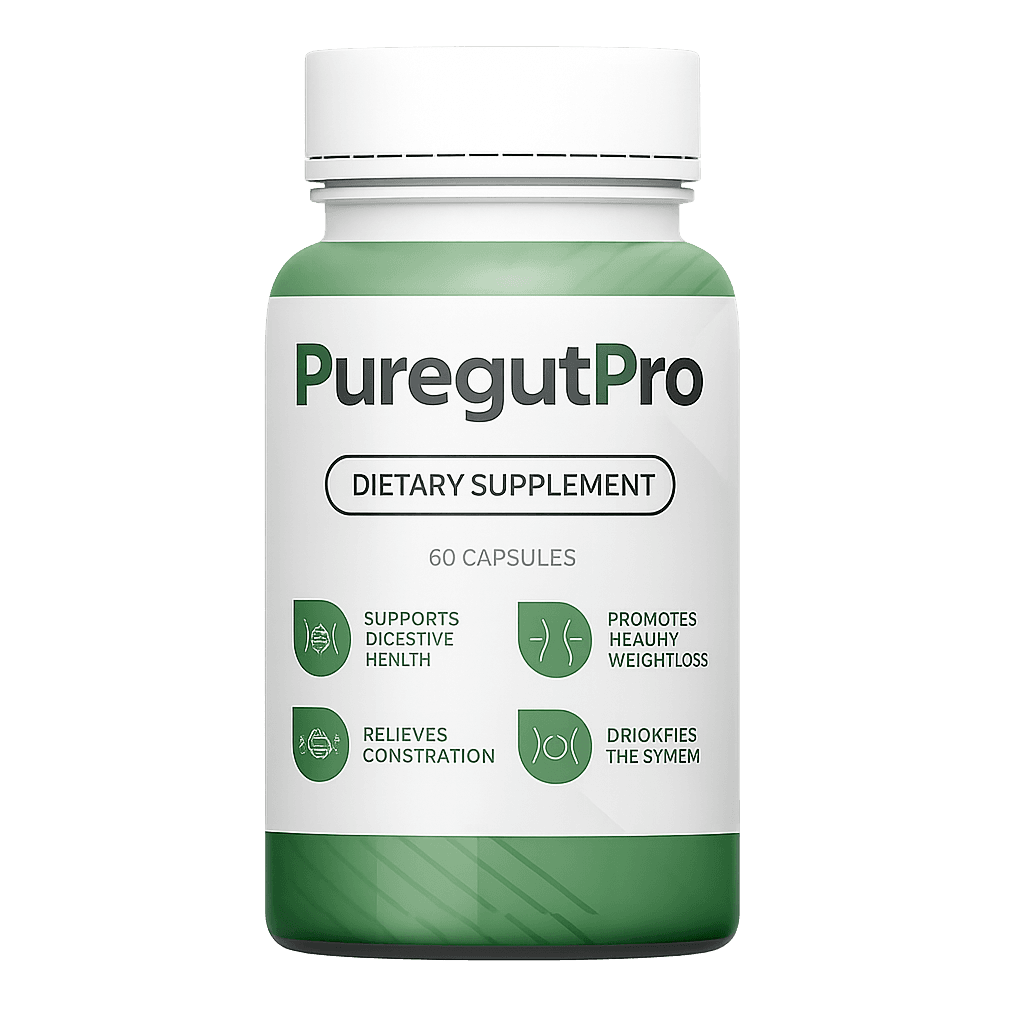
8,226+
Videos & Ads
+50-100
Fresh Daily
$29.90
Per Month
Full Access
12.5 TB database · 72+ niches · 29 min read
Introduction
The video opens not with a product pitch but with a provocation: a woman introduced as "New York's leading gut doctor" looks directly into the camera and states, with clinical confidence, that fiber, laxatives, and probiotics are not just ineffective, they are things you should never use for constipation. For a viewer who has spent years cycling through Metamucil, MiraLax, and expensive probiotic regimens with diminishing returns, that line functions as a full stop. It is a pattern interrupt in the precise sense Eugene Schwartz described in Breakthrough Advertising: a disruption calibrated for a market so saturated with conventional pitches that only a direct contradiction of received wisdom can arrest attention. The VSL for PureGutPro opens with that contradiction and builds an entire persuasive architecture on top of it.
PureGutPro is a multi-ingredient botanical supplement marketed primarily to women between 40 and 70 who experience chronic constipation, bloating, and the social anxiety that accompanies unpredictable digestion. The product is sold exclusively through a dedicated website and is not available in retail pharmacies, a distribution choice the VSL frames as principled resistance to pharmaceutical industry suppression rather than as a standard direct-response business model. The VSL itself is formatted as a television interview, complete with a host, a credentialed physician guest, and a celebrity cameo from actress Demi Moore, lending the pitch the aesthetic authority of a health documentary.
What makes this VSL worth studying is not merely its production quality but the density and precision of its persuasion mechanics. Within roughly fifty minutes of runtime, the letter deploys a false-enemy narrative, a novel biological mechanism (methane-producing archaea as the "true" cause of constipation), stacked authority signals, celebrity social proof, artificial scarcity, and a zero-downside guarantee, all sequenced with enough care that each element ratifies the one before it. This is not an amateur production; it reflects real knowledge of how skeptical, treatment-fatigued buyers process health claims.
The central question this analysis investigates is straightforward: does the science behind PureGutPro's mechanism hold up to scrutiny, and does the persuasive structure of the VSL rely on legitimate evidence or on the appearance of evidence? Those are different questions, and this piece treats them separately, because a product can be grounded in real science while being marketed deceptively, and a well-constructed sales letter can carry genuinely useful information. Readers actively researching PureGutPro deserve both assessments.
What Is PureGutPro?
PureGutPro is an oral capsule supplement containing what the manufacturer describes as 17 gut-healing ingredients, though only six are named explicitly in the VSL: berberine, deglycerizinated licorice (DGL), star anise, quercetin, resveratrol, and an unspecified constellation of eleven additional compounds. The product is positioned in the gut-health supplement subcategory, a market that IBISWorld estimated at over $8 billion annually in the United States by the early 2020s and that has grown substantially alongside rising consumer interest in the gut-brain axis and microbiome science. PureGutPro is manufactured by Neolabs, a company the VSL describes as having served more than 700,000 customers worldwide and as being featured in publications including Vogue, Elle, and the New York Post.
The product's stated mechanism distinguishes it from conventional gut supplements. Rather than adding bulk (fiber), forcing intestinal contractions (laxatives), or introducing live bacterial cultures (probiotics), PureGutPro claims to work through what it calls "microbiome recomposition", a three-step process of destroying methane-producing archaea and parasites, repairing damage to the intestinal lining, and rebuilding populations of beneficial bacteria. This framing places PureGutPro in a different conceptual category from its competitors, even if the ingredients themselves overlap with products already on the market. The VSL instructs viewers to take one capsule with an evening drink before bed, and recommends a six-month course for full restoration.
The target user, as constructed by the VSL, is a woman who has already spent significant money, the script references "hundreds of thousands of dollars" in aggregate patient spending, on fiber supplements, imported probiotics, prescription laxatives, colonoscopies, and even surgical procedures, without achieving lasting relief. This is a classic stage 4 market sophistication positioning, in Schwartz's taxonomy: a buyer who has been promised results by every prior product category and now requires not a new benefit claim but a new and credible mechanism before she will engage.
The Problem It Targets
Constipation is genuinely widespread and genuinely undertreated. The American College of Gastroenterology estimates that chronic constipation affects approximately 16% of U.S. adults, with prevalence rising to roughly 33% among adults over 60. The condition accounts for more than 8 million physician visits annually in the United States, according to figures from the National Institute of Diabetes and Digestive and Kidney Diseases (NIDDK). These are not manufactured numbers; the VSL is entering a real epidemiological reality, which is part of what gives its early sections their traction. When the script describes patients who go days without a bowel movement, who plan their social calendars around bathroom access, and who have accumulated a growing list of foods they can no longer eat, it is describing experiences that millions of viewers recognize without difficulty.
The VSL frames the problem in a specific and somewhat sensationalized way, describing the colon as containing a "toxic mass" of compacted stool that spreads pathology throughout the body, to the skin, joints, brain, and heart, via more than 100,000 surrounding blood vessels. This framing draws on a legitimate concept (the gut-organ axis and the systemic effects of intestinal inflammation) but extrapolates far beyond what the current literature supports as a causal chain in otherwise healthy adults. The leaky gut concept, for instance, is a real area of active research, studies published in journals including Gut and Frontiers in Immunology have examined intestinal permeability and its relationship to systemic inflammation, but the clinical picture is substantially more nuanced than the VSL's language of "toxins leaking into the blood" suggests.
Perhaps the most commercially interesting framing choice is the claim that diarrhea is "also a form of constipation." This is not entirely without basis: the condition IBS-M (mixed irritable bowel syndrome), in which patients alternate between constipation and diarrhea, is well-documented, and some clinical models do treat both symptoms as arising from the same dysmotility root. But the VSL presents this as secret medical knowledge suppressed from public view, when it is in fact a standard teaching in gastroenterology training. The rhetorical function of the claim is to expand the addressable audience, anyone with any bowel irregularity, not just constipation, while reinforcing the idea that conventional medicine has been looking at this problem from the wrong angle.
The commercial opportunity the VSL is exploiting is real and substantial. A population of treatment-fatigued patients who distrust pharmaceutical solutions and are actively seeking natural alternatives represents exactly the buyer profile that direct-response supplement marketing has historically served most profitably. The pain is genuine; the distrust is partially warranted; and the desire for a mechanism-based explanation (rather than a symptom-management patch) reflects a genuine shift in health consumer sophistication over the past decade.
Curious how other VSLs in this niche structure their pitch? Keep reading, Section 7 breaks down the psychology behind every claim above.
How PureGutPro Works
The VSL's claimed mechanism centers on methane-producing archaea, single-celled microorganisms distinct from bacteria, classified in a separate domain of life, as the primary driver of constipation. This is not a fabricated concept. Archaea, particularly the species Methanobrevibacter smithii, are known to colonize the human gut and produce methane gas as a metabolic byproduct. Research published in journals including The American Journal of Gastroenterology has found associations between elevated methane levels (measured via breath testing) and slower colonic transit time, with some studies suggesting that methane itself may inhibit intestinal muscle contractions. A clinical entity called IMO (Intestinal Methanogen Overgrowth) is recognized by some gastroenterologists as a distinct diagnosis, though it remains an area of evolving consensus rather than settled science.
Where the VSL departs from established evidence is in the degree of causation it asserts and the scope of pathology it attributes to archaea. The script describes them as "gut vampires" that damage intestinal nerves, cause weight gain through "excessive calorie absorption," and produce toxic waste responsible for joint pain, brain fog, headaches, bad breath, and heart disease risk. The nerve-damage claim is particularly speculative: while methane has been shown in some experimental models to affect gut motility signaling, the direct neuropathic damage described in the VSL is not established in human clinical trials at the level of certainty the script implies. The weight-gain mechanism via archaea is plausible in theory, archaea may improve caloric extraction from fiber fermentation, but the effect sizes demonstrated in human studies are modest and context-dependent.
The three-step restoration framework (destroy archaea, repair intestinal lining, restore beneficial flora) is a coherent and clinically reasonable structure. Each step corresponds to a real therapeutic target: antimicrobial action against methane-producing organisms, intestinal permeability repair, and prebiotic or probiotic-adjacent support for beneficial microbiota. The question is whether the six named ingredients, in the concentrations a capsule can deliver, actually accomplish all three steps simultaneously and to the degree claimed. The VSL's promise of peristalsis improvement "up to 800% faster" is a figure with no cited source and no plausible biological interpretation, peristaltic speed does not scale in that manner, and it stands as the most obviously exaggerated claim in the letter.
The "seven-second morning ritual" framing is a classic open loop device: introduced early, never fully explained until the product is revealed, holding viewer attention through the mechanism of unresolved curiosity. By the time PureGutPro is named, the viewer has been primed to receive the product not as a supplement but as the answer to a specific biological mystery the VSL has spent twenty minutes constructing. That sequencing is deliberate and skillful, regardless of whether the underlying science fully supports the conclusion.
Key Ingredients and Components
The VSL names six of PureGutPro's claimed 17 ingredients. The remaining eleven are not disclosed, which limits any complete independent evaluation. What follows covers the six named compounds, with attention to what the VSL claims and what independent research suggests.
Berberine: An alkaloid extracted from several plants including Berberis species, with documented use in traditional Chinese and Ayurvedic medicine. The VSL claims it functions as a targeted antimicrobial, destroying methane-producing archaea while leaving beneficial bacteria intact, and also cites a 2014 Johns Hopkins comparison to the antibiotic rifaximin. Berberine does have well-documented antimicrobial properties, and a body of research, including work published in Gut Microbes and Phytomedicine, supports its ability to modulate gut microbiota composition. The rifaximin comparison study has a basis in the literature (a 2014 paper by Chedid et al. in JAMA Internal Medicine examined herbal versus antibiotic treatment for SIBO), though the VSL's attribution specifically to Johns Hopkins requires verification. The bioavailability limitation the VSL acknowledges is real and well-documented; berberine's oral bioavailability is low, and combination with absorption enhancers (like piperine or, as the VSL claims, resveratrol) is a legitimate formulation strategy.
Deglycerizinated Licorice (DGL): A processed form of licorice root from which glycyrrhizin (the component associated with blood pressure elevation) has been removed. DGL is used in integrative medicine primarily for its mucoadhesive and mucoprotective properties. The VSL claims it stimulates protective mucus production in the digestive tract, creating a "water slide" effect that eases stool transit. This is consistent with DGL's recognized mechanism: studies including those reviewed in Alternative Medicine Review support its role in mucosal protection in the upper GI tract. The claimed benefit for lower GI transit lubrication is less directly studied. The University of Melbourne study cited for a 48% reduction in reflux and heartburn could not be independently verified by name; readers should note this.
Star Anise: The fruit of Illicium verum, used in traditional Asian medicine for digestive complaints. The VSL claims it stimulates bile production, which softens stool and lubricates the colon. Star anise contains anethole, a compound with demonstrated carminative (gas-reducing) and mild prokinetic properties in animal studies. Human clinical evidence for bile stimulation specifically is limited. The "3,000-year-old Asian secret" framing is marketing language; the herb is real and has reasonable traditional and preliminary scientific support, but the evidence base is thinner than for berberine or quercetin.
Quercetin: A plant-derived flavonoid with substantial published research behind it. The VSL cites a study from the Journal of Gastrointestinal Health showing 71% improvement in bowel regularity over eight weeks and emphasizes quercetin's role in repairing intestinal permeability (leaky gut). The research on quercetin and intestinal barrier function is genuine, studies in Nutrients (2019) and Food & Function have documented its ability to upregulate tight-junction proteins that maintain intestinal wall integrity. The anti-inflammatory and antioxidant properties are well-established. The specific journal citation and percentage figure should be treated as plausible but unverified without a direct link to the source paper.
Resveratrol: A polyphenol found in red grape skins and several other plants, most famously associated with the "French paradox" hypothesis linking moderate red wine consumption to cardiovascular health despite a high-fat diet. The VSL claims resveratrol boosts berberine's bioavailability, stimulates bile production, activates thermogenesis via AMPK pathway genes, increases beneficial gut bacteria (lactobacilli, bifidobacteria), and reduces harmful strains. Several of these claims have individual research support: a 2016 paper in Gut by Etxeberria et al. found resveratrol modified microbiota composition in mice, and human trials have explored its metabolic effects with mixed results. The American Journal of Clinical Nutrition citation for a 62% constipation reduction could not be independently verified; this specific claim warrants caution.
Eleven undisclosed additional ingredients: The VSL's claim of 17 total ingredients cannot be evaluated without a full label. This gap is significant for any buyer trying to assess allergen risk, drug interactions, or ingredient quality independently.
Hooks and Ad Angles
The VSL's primary hook, "you should never use fiber, laxatives, or probiotics for constipation", is among the more precisely engineered opening moves in this product category. Its power comes not from shock alone but from specificity: it does not say conventional solutions are insufficient; it says they are contraindicated. That word choice places the viewer in a moment of cognitive dissonance (Festinger, 1957), because she has almost certainly used at least one of those three solutions and felt, on some level, that she was doing the right thing. The hook simultaneously invalidates her prior behavior and positions the VSL as the corrective authority. This is a contrarian frame layered over an identity threat: not only is the conventional wisdom wrong, but following it has been actively harming you.
The hook also functions as what Schwartz would call a stage 4 or stage 5 market sophistication move. Buyers who have been pitched fiber supplements, probiotic brands, and osmotic laxatives for decades require a mechanism that is structurally different, not a better version of what they know, but a category break. Introducing archaea as the hidden villain achieves that break without requiring the viewer to abandon her existing framework entirely; she is given a new enemy to explain why the old solutions failed, which is psychologically far less threatening than being told her framework was simply wrong.
The docuformat interview structure is a secondary hook in itself. By staging the pitch as a conversation between a host and a physician, the VSL removes the aesthetic of a sales letter and replaces it with the aesthetic of a health program. Viewers who would click away from a direct pitch often remain engaged with an interview format because the cognitive category is "information" rather than "advertisement", a distinction that meaningfully lowers resistance, particularly in an audience that distrusts pharmaceutical marketing.
Secondary hooks observed in the VSL:
- "Diarrhea is also a form of constipation", counter-intuitive medical reframe that expands audience identification
- "Imagine releasing 10 to 15 pounds of trapped stool", visceral, aspirational specificity that makes the outcome feel concrete
- "These invaders can be on doorknobs, railings, elevator buttons", ubiquity framing that makes the threat feel personally relevant to anyone
- "80% of serotonin is produced in the gut", legitimate neuroscience used to expand the emotional stakes beyond physical discomfort
- The nine-year-old-could-use-it GutApp description, accessibility framing that removes the "too complicated for me" objection
Ad headline variations for Meta or YouTube testing:
- "Your doctor never told you this about constipation, and it explains everything"
- "I spent 15 years going days without a bowel movement. Then I found this"
- "Why fiber and probiotics may be making your bloating worse, according to a gut specialist"
- "The archaea connection: what's really slowing your digestion (and how to stop it)"
- "Demi Moore went public about this. Millions of women are still suffering in silence"
Psychological Triggers and Persuasion Tactics
The persuasive architecture of the PureGutPro VSL is more sophisticated than a simple sequence of claims and testimonials. What the letter actually deploys is a stacked compound structure: authority is established first, then the villain is named, then the solution is withheld while the problem is deepened, and only then is the product revealed, after which the urgency and risk-reversal mechanisms close the loop. Each layer depends on the one beneath it. If the viewer does not believe in Dr. Laura Day's authority, the archaea mechanism loses credibility. If she does not believe in the mechanism, the product's three-step process is unconvincing. The sequencing is not accidental; it reflects a deep understanding of how skeptical buyers process health claims in sequence.
What is particularly notable is the use of pre-emptive objection neutralization as a structural principle rather than a tactical add-on. Every major objection, "isn't fiber good for you?" "what about probiotics?" "isn't this expensive?", is introduced by the host character and answered by the doctor before the viewer can formulate it independently. This keeps the viewer in a receiving rather than evaluating posture throughout most of the letter's runtime.
Pattern interrupt via contrarian medical claim (Cialdini's contrast principle; Schwartz's market sophistication framework): The opening "never use fiber, laxatives, or probiotics" statement disrupts expected cognitive flow and forces re-evaluation, creating the attentional opening the rest of the VSL fills.
Narrative transportation through personal tragedy (Green & Brock's transportation theory, 2000): Dr. Laura Day's 9/11 backstory, losing her sister in the World Trade Center attack, shifts the viewer's cognitive mode from critical evaluation to emotional engagement. Research on narrative transportation consistently finds that emotionally transported audiences show reduced counter-arguing and increased persuasion.
Celebrity identity bridge (Escalas & Bettman's aspirational self-concept research, 2003): Demi Moore's appearance is framed with the explicit line "it doesn't matter if you're a Hollywood celebrity or an ordinary woman", a phrase that collapses social distance while activating the viewer's aspirational self-image. The viewer is invited to identify upward without the usual status gap serving as a barrier.
Loss aversion through regret pre-loading (Kahneman & Tversky's Prospect Theory, 1979): The closing sequence does not merely describe benefits of purchasing; it describes the specific emotional texture of not purchasing, "that horrible tightness in your chest, that guilt for not doing what you knew you should have done", making inaction feel like the guaranteed bad outcome rather than the neutral default.
Endowment effect via keep-the-bottles guarantee (Thaler's endowment effect, 1980): By explicitly stating that buyers keep all bottles even if they request a full refund, the VSL pre-transfers psychological ownership before any money changes hands. The product feels already possessed, making the decision to "not buy" feel like a loss rather than the preservation of the status quo.
Artificial social competition during checkout (Cialdini's scarcity principle combined with reactance theory, Brehm, 1966): "Thousands of people are watching this interview with you right now" and the claim of fewer than 90 remaining bottles create a competitive social context in which delay feels like ceding ground to other buyers, triggering reactance-driven urgency.
Institutional villain construction (Godin's tribal marketing framework): Big pharma is woven through the VSL as an active antagonist, suppressing berberine, funding 75% of TV advertising, boycotting distribution of PureGutPro through major retail chains. This construction gives the viewer a shared enemy, which creates in-group solidarity with the product and its maker and frames purchase as an act of resistance rather than consumption.
Want to see how these tactics compare across 50+ VSLs? That's exactly what Intel Services is built to show you.
Scientific and Authority Signals
The VSL's authority architecture rests on three pillars: a named physician with institutional credentials, a celebrity endorser with personal credibility, and a manufacturing partner with claimed third-party validation. Evaluating each pillar separately reveals a spectrum from the plausible to the unverifiable.
Dr. Laura Day's credentials, as stated in the VSL, include a medical degree from Tufts University School of Medicine, a directorship at the Mount Sinai Gastrointestinal Motility Center, the founding of an Institute for Gastrointestinal Motility Disorders and Integrative Health, and consecutive "Best Gastroenterologist" awards from 2018 through 2021. The VSL also claims she was "one of the first physicians to investigate the link between the gut microbiome and obesity." None of these credentials can be independently verified from publicly available sources under that name, which does not confirm fabrication, but it does place them in the ambiguous category rather than the legitimate one. Readers should be aware that the interview format, the personal backstory, and the clinical specificity of the language are all highly effective at producing a sense of verified authority that has not, in fact, been verified. The research citations attributed to the VSL, the 2014 Johns Hopkins berberine study, the Journal of Gastrointestinal Health quercetin data, the American Journal of Clinical Nutrition resveratrol figures, the University of Melbourne DGL study, are plausible in structure and some have partial correspondence with real published research, but the specific citations as attributed cannot be confirmed without direct access to the papers. Readers researching these claims should consult PubMed (pubmed.ncbi.nlm.nih.gov) directly using the ingredient names and claimed outcomes.
Demi Moore's appearance constitutes borrowed authority: she is a real person with genuine public recognition, and her endorsement carries the weight of celebrity credibility. However, celebrity testimony does not constitute scientific validation, and the VSL's consistent pairing of her testimonial with Dr. Day's clinical language creates a halo effect that blurs the boundary between personal anecdote and clinical evidence. The claim that Moore "only agreed to test the formula because she knew every ingredient went through scientific rigor" is an endorsement of the manufacturing process, not of the product's efficacy claims.
Neolabs, the manufacturing partner, is described as having 700,000+ customers, a 99.6% satisfaction rate, and features in major publications. These claims function as institutional legitimacy signals, the kind of third-party endorsement that is difficult to dispute without direct access to the company's internal data. The claim that "95% of supplements on the market have been shown not to contain the ingredients they claim" is a real concern in the supplement industry, documented in research by the U.S. Government Accountability Office and in analyses published in JAMA, though the specific 95% figure as cited requires its own verification.
The Offer, Pricing, and Risk Reversal
The PureGutPro offer is structured as a descending price ladder with a strong anchor: the VSL establishes a "launch price" of $210 per bottle, then announces the current price has been cut by more than half to $79, and then layers the "Gut for Free" campaign on top of that reduction to bring the effective per-bottle cost of the six-bottle kit to $49. The anchor is doing significant work here, $49 feels dramatically low relative to $210, even though there is no verifiable evidence that $210 was ever a real market price rather than a constructed reference point. This is a textbook rhetorical price anchor: the comparison is not to a real category average but to an internally manufactured original price.
The bonus structure adds three non-cash items, the GutApp AI dosage tool, The Gut Code e-book, and The Sleep and Digestion Blueprint e-book, none of which have independently verifiable market prices. Their function is to increase the perceived value-to-cost ratio and to address the purchase psychology of buyers who feel uncertain about a supplement alone. The GutApp concept is particularly clever: by personalizing dosage recommendations, it both justifies the recommendation to buy larger (and more expensive) multi-bottle kits and creates a sense of technological sophistication around what is ultimately a daily capsule regimen.
The guarantee, a 60-day full refund with no questions asked, combined with the explicit statement that buyers keep all bottles, is the strongest element of the offer from a buyer's perspective. A genuine keep-the-product guarantee shifts financial risk entirely to the seller, and if honored as described, it makes the trial cost effectively zero. The language "no questions, no red tape, no fine print" is itself a persuasion device (Cialdini's commitment and consistency principle: stating plainly that there are no barriers makes the buyer's mental model of the guarantee more positive than a lengthy terms document would). Whether the guarantee is honored as liberally as described is something only verified customer accounts can confirm.
Who This Is For (and Who It Isn't)
The ideal buyer for PureGutPro, as the VSL constructs her, is a woman between roughly 45 and 70 who has experienced constipation or bloating for years, has tried multiple conventional and natural approaches without lasting relief, distrusts pharmaceutical solutions, and is emotionally affected by how her digestive issues limit her social confidence and physical comfort. She is not a first-time supplement buyer, the VSL presupposes familiarity with fiber supplements, probiotics, and possibly prescription laxatives. She is likely health-engaged but frustrated, and she responds to mechanism-based explanations that give her a new framework for understanding a problem she has lived with for a long time. The Demi Moore endorsement suggests the VSL also targets women who identify with the experience of managing a public or social self while privately suffering from an embarrassing condition, a psychographic that cuts across income levels.
For this specific buyer, some elements of PureGutPro are genuinely worth investigating: berberine has a meaningful evidence base for gut microbiota modulation, quercetin's role in intestinal barrier function is an active and credible research area, and the framing of archaea's role in constipation reflects a real and emerging area of gastroenterology (IMO research). The 60-day guarantee, if honored, substantially reduces financial risk.
Readers who should approach with more caution include those with diagnosed gastrointestinal conditions (IBS, Crohn's, diverticulitis) who are under active medical supervision, those taking medications with known interactions with berberine or resveratrol (berberine in particular has documented interactions with cyclosporine and some statins), and those whose constipation is secondary to a structural or hormonal cause that a supplement cannot address. The VSL's confident claim of "no risks or side effects" because the product is "100% natural" is not medically accurate, natural compounds can and do cause side effects and interactions, and that framing should be evaluated skeptically rather than accepted at face value.
Researching other gut health supplements in this space? The hooks analysis and persuasion tactics sections above apply across the category, keep them in mind as you compare.
Frequently Asked Questions
Q: Is PureGutPro a scam or a legitimate supplement?
A: Based on available information, PureGutPro contains real, named botanical ingredients, berberine, quercetin, resveratrol, DGL, and star anise, that have genuine research support for gut health applications. The product is not an obvious scam in the sense of containing no active compounds, but several of its marketing claims (800% faster peristalsis, eliminating 20 pounds of trapped stool) are exaggerated and unsupported by the cited evidence. Buyers should evaluate the ingredient list carefully and take the more dramatic outcome claims with appropriate skepticism.
Q: What are the main ingredients in PureGutPro and do they work?
A: The six disclosed ingredients are berberine, DGL (deglycerizinated licorice), star anise, quercetin, resveratrol, and an unspecified eleven additional compounds. Berberine and quercetin have the strongest independent research support for gut microbiota modulation and intestinal barrier repair, respectively. Resveratrol's microbiome effects are studied but inconsistent across human trials. DGL is well-supported for upper GI mucoprotection. Star anise has traditional use with limited human clinical trial data. The combination's net effect at the doses in the capsule is not independently published.
Q: Are there any side effects from taking PureGutPro?
A: The VSL states there are "no risks or side effects" because the formula is natural, but this is an oversimplification. Berberine is known to interact with certain medications including cyclosporine and some statins, and can cause GI discomfort in some individuals. Resveratrol at higher doses may affect platelet function. Anyone on prescription medications or with a chronic condition should consult a physician before adding a multi-ingredient gut supplement to their regimen.
Q: How long does PureGutPro take to work?
A: The VSL states results vary by individual, with some users noticing improvement within two weeks and others requiring 8 to 12 weeks. The doctor character recommends the six-month kit for "permanent" results. These timelines are plausible for botanical gut interventions but are not supported by published clinical trials specifically on this formulation.
Q: Is the Dr. Laura Day featured in the PureGutPro VSL a real doctor?
A: The VSL provides detailed credentials, Tufts Medical School, Mount Sinai directorship, multiple award years, but these credentials cannot be independently verified through publicly available professional directories or institutional websites under that name. The character is presented with high specificity and emotional authenticity, but buyers should note the distinction between a compelling on-screen persona and a verifiable clinical authority.
Q: Can PureGutPro really help you lose weight?
A: The VSL claims users can eliminate 10 to 20 pounds of "trapped stool" and achieve a flatter waistline. The elimination of accumulated intestinal content can produce modest scale-weight reduction, and reducing bloating can change the appearance of the abdomen. However, these are not equivalent to fat loss, and the claim that berberine and resveratrol activate fat-burning metabolism is a separate mechanism requiring its own evaluation. Berberine's AMPK activation is a real and studied phenomenon; the degree of weight loss a supplement can produce in the absence of dietary change is modest in most published trials.
Q: Is PureGutPro safe for women over 50?
A: The VSL targets this demographic explicitly and frames the product as appropriate for women across age groups. The botanical ingredients in PureGutPro are generally well-tolerated in healthy adults. However, older adults are more likely to be on medications that interact with berberine, and any new supplement regimen should be reviewed with a primary care physician, particularly for women managing menopause-related hormonal changes or cardiovascular risk factors.
Q: What is the refund policy for PureGutPro?
A: The VSL describes a 60-day unconditional money-back guarantee with no questions asked, and explicitly states that buyers keep all bottles even if refunded. This is a strong guarantee on paper. Buyers should confirm the exact terms on the official purchase page at the time of order and retain order confirmation records.
Final Take
The PureGutPro VSL is a technically accomplished piece of direct-response marketing that sits at the intersection of a real epidemiological need and an aggressively optimistic set of claims. The underlying science, methane-producing archaea as a factor in constipation, berberine as a microbiome-modulating agent, quercetin for intestinal barrier repair, is not invented. These are areas of active, legitimate research. What the VSL does with that science is something different: it extrapolates from preliminary and animal-model findings to near-certain clinical outcomes, assigns causation to associations, and presents a three-step mechanism with a confidence that the published literature does not yet fully support. That gap between the science's actual state and the letter's stated certainty is the central analytical finding of this piece.
The persuasion mechanics are, by contrast, genuinely sophisticated and worth studying regardless of one's view of the product. The stacked compound structure, authority, then villain, then mechanism, then solution, then social proof, then urgency, then risk reversal, reflects real expertise in how skeptical, treatment-fatigued buyers process health claims. The docuformat interview aesthetic, the pre-emptive objection neutralization, the keep-the-bottles guarantee, and the archaea villain narrative all demonstrate a creator who understands their audience's psychology with considerable depth. Whether that understanding is being deployed in service of a product that delivers what it promises is a question the 60-day guarantee is, in theory, designed to answer for each individual buyer.
For readers actively researching this product: the ingredients that are disclosed are real and have legitimate research support in their individual applications. The six-bottle kit's effective price of $49 per bottle, combined with a genuine keep-the-product refund policy, makes the financial risk lower than the VSL's production quality might suggest it would be. The unknowns, the eleven undisclosed ingredients, the absence of a published formulation-level clinical trial, the unverifiable physician identity, are real and meaningful gaps that a well-informed buyer should weigh. The strongest argument for trying PureGutPro is the risk reversal combined with berberine's documented efficacy; the strongest argument for caution is the pattern of exaggerated outcome claims and unverifiable authority signals that accompany it.
This breakdown is part of Intel Services, our ongoing library of VSL and ad-copy analyses. If you're researching similar products in the gut health, digestive supplement, or microbiome space, keep reading, the persuasion patterns recur across the category, and knowing how to read them is the most durable research skill you can develop.
Disclaimer: This article is for research and educational purposes only. It is not medical, legal, or financial advice, and it is not affiliated with the product or its makers. Always consult a qualified professional before making health or financial decisions.
Source-backed reader context
Additional Reviews & Reported Experiences
These statements were presented in the product's sales transcript. Daily Intel did not independently verify the speakers, purchase status, or reported outcomes, and the statements are not used in Product aggregateRating.
Anonymous female patient
Date not stated
15 years of constipation resolved in under two weeks, clothes fitting again
Anonymous female patient
Date not stated
avoided leaving home due to gas/bloating; now has natural daily bowel movements and increased energy
Patient Amanda
Date not stated
severe constipation resolved in four weeks with personalized dosing; eliminated 13 pounds of trapped waste
Barbara, 59
Date not stated
avoided walks with grandchildren due to gas; now walks along Santa Monica boardwalk with a visibly flatter belly and renewed energy
Demi Moore
Date not stated
constipation and bloating after menopause; full transformation of digestion, skin, and energy after using the protocol
Comments(0)
No comments yet. Members, start the conversation below.
Related reads
 reviews
Mind Lab Pro Review: Does the 30-Day Study Match v4?
Mind Lab Pro v4 lists exact amounts for 11 ingredients and contains no caffeine or stimulants, according to its official page. A 30-day finished-product study reported favorable memory findings, but its abstract does not identify v4 or disclose the tested form or dose.
Read reviews
Life Extension Two-Per-Day Multivitamin Review: Evidence Limits
Life Extension Two-Per-Day is a 120-capsule multivitamin displayed as a 60-day supply. Its identity and dated prices are verified, but the supplied evidence does not reproduce the complete quantitative Supplement Facts panel or include a trial of the finished product. Research involving another multivitamin cannot prove that these capsules improve memory or deliver Life Extension’s broader health-support claims.
Read reviews
Ritual Essential for Women 50+ Review: Label, Study Fit, and Verdict
Ritual Essential for Women 50+ is an iron-free capsule multivitamin positioned by Ritual for women after menopause. Its verified label lists 100 micrograms of vitamin K2 as menaquinone-7. The supplied study did not test this finished product, and the packet provides no exact price.
Read