SugarControl Review and Ads Breakdown: A Research-First Look
The video opens with a fragment of what appears to be a television interview, polished lighting, a confident host, and the unmistakable face of Halle Berry, introduced as an Academy Award winner speaking publicly for the first time about a personal health struggle. Within ninety…
8,226+
Videos & Ads
+50-100
Fresh Daily
$29.90
Per Month
Full Access
12.5 TB database · 72+ niches · 28 min read
Introduction
The video opens with a fragment of what appears to be a television interview, polished lighting, a confident host, and the unmistakable face of Halle Berry, introduced as an Academy Award winner speaking publicly for the first time about a personal health struggle. Within ninety seconds, she claims to have reversed decades of diabetes using a method "the medical system is trying to silence." The tone is warm, the production is credible, and the emotional hook is immediate. This is not a conventional supplement advertisement. It is a sophisticated, multi-layered Video Sales Letter (VSL) built around fabricated celebrity endorsements, invented science, and a persuasive architecture designed to move a specific and vulnerable consumer, someone living with type 2 diabetes who has tried conventional treatments and feels, in the VSL's own words, "completely out of control."
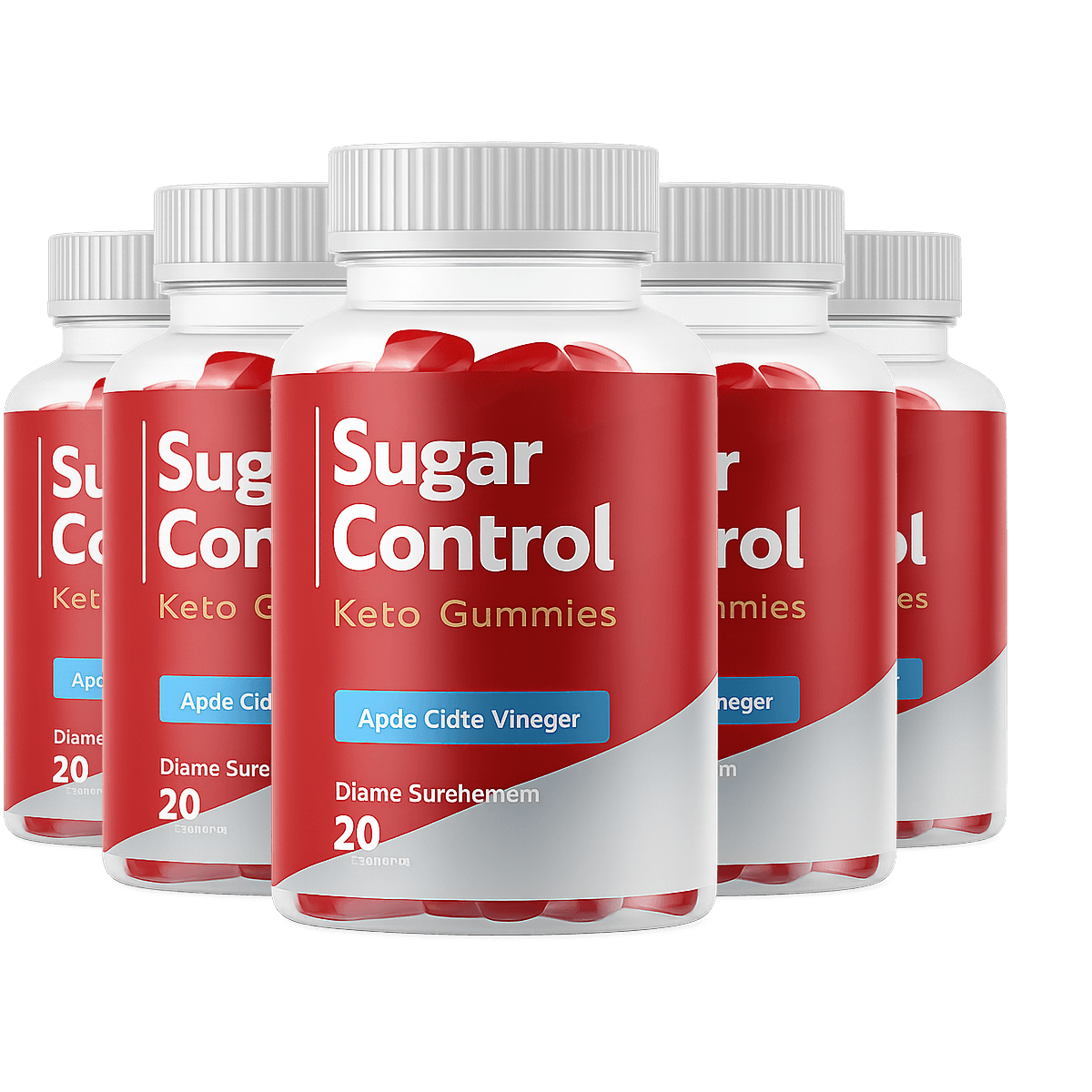
The product at the center of this production is SugarControl, a daily chewable gummy supplement marketed as the only treatment capable of reversing type 2 diabetes by eliminating a hidden pancreatic parasite. The VSL is approximately sixty minutes long in full form, and its construction borrows from nearly every major persuasion playbook in direct-response marketing: a Problem-Agitate-Solution (PAS) structure, an epiphany bridge narrative, manufactured scarcity, stacked bonuses, a false enemy conspiracy frame, and borrowed celebrity authority. This piece dissects each of those elements not to condemn the product's buyers, who are often genuinely suffering, but to give any reader currently researching SugarControl a clear-eyed view of what the pitch actually says versus what the evidence supports.
The VSL is marketed toward Americans aged roughly 40 to 80 who have been diagnosed with type 2 diabetes and are frustrated with their progress on standard care. According to the Centers for Disease Control and Prevention (CDC), approximately 37 million Americans live with diabetes, and around 90 to 95 percent of those cases are type 2. That is a large, motivated, emotionally exhausted audience, and it is precisely the audience this VSL was engineered to reach. The production quality, the celebrity framing, the fake news-interview aesthetic, and the escalating bonus stack all serve one function: to convert that audience's desperation into a purchase decision before the analytical mind has time to intervene.
The central question this analysis investigates is straightforward: does the sales architecture of the SugarControl VSL hold up under scrutiny, and do the scientific claims underpinning the product correspond to anything verifiable in published research?
What Is SugarControl?
SugarControl is a dietary supplement sold in gummy form, with the stated dose of one gummy taken before breakfast daily. The product is positioned in the blood sugar management subcategory of the broader health and wellness supplement market, which IBISWorld and Grand View Research have both estimated to be worth tens of billions of dollars globally. The product's marketing materials claim it is manufactured in the United States by "Takeda Laboratory" in an FDA-registered, GMP-certified facility, though it is worth noting that Takeda is also the name of a major Japanese pharmaceutical corporation, and the deliberate association with that name appears designed to borrow institutional credibility. SugarControl is sold exclusively through its own VSL-driven sales page and is explicitly not available on Amazon, eBay, or in pharmacies, a distribution model common among high-margin direct-response supplement brands.
The product is presented as containing eight active ingredients: Japanese apple cider vinegar extract (described as carrying a proprietary compound called "Shinkozu"), cinnamon bark, berberine, green tea extract, bitter melon, Solomon's Seal, mulberry leaf, and wild yam. These are individually real botanical ingredients with varying levels of scientific investigation behind them. The VSL frames the combination as a precise replication of a traditional Japanese herbal tea sourced from a village in Nagano Prefecture, a formula allegedly given to the fictional Dr. Jason Fung by a 78-year-old traditional healer named Dr. Shinji Watanabe. The gummy format is highlighted as a deliberate convenience choice: "instead of swallowing huge capsules, you just need one delicious gummy."
The stated target user is any person living with type 2 diabetes, regardless of age (the VSL explicitly addresses users from 30 to 85 years old), duration of diagnosis, or current medication regimen. The product is also positioned, toward the end of the VSL, as a general wellness supplement for people without diabetes who want to "maintain a healthy gut and boost daily energy", a notable broadening of the market that suggests the diabetes framing is a primary acquisition angle rather than an absolute product boundary.
The Problem It Targets
Type 2 diabetes is one of the most commercially significant chronic conditions in the United States, and the VSL exploits that significance with considerable skill. According to the CDC, more than 37 million Americans have diabetes and approximately 96 million have prediabetes, a staggering combined total of roughly 40 percent of the adult population living on a spectrum of glycemic dysfunction. The condition is associated with serious long-term complications including cardiovascular disease, neuropathy, nephropathy, and retinopathy, and the American Diabetes Association has estimated that total annual costs of diagnosed diabetes in the U.S. exceed $327 billion, a figure the VSL itself cites. These are real numbers, and the fear they generate in patients is entirely rational.
What the VSL does with that fear is clinically precise in its targeting. Rather than simply presenting diabetes as a health risk, the script agitates the emotional experience of living with the disease: the guilt of eating a slice of birthday cake at a family gathering, the exhaustion of morning glucose checks, the dread of watching a parent lose a limb, the financial strain of monthly prescriptions. These are not abstract risks, they are the specific psychological texture of life with uncontrolled type 2 diabetes, and articulating them this accurately signals that whoever wrote this VSL spent real time understanding the audience's inner monologue. The technique is known in copywriting as "entering the conversation already happening in the prospect's head," a concept Eugene Schwartz articulated in Breakthrough Advertising (1966) and one that remains the foundational insight of high-converting health copy.
The VSL also frames medication failure as the norm rather than the exception, a move that is partially grounded in reality. Medications like Metformin and GLP-1 agonists such as Ozempic do require ongoing use and do not constitute a permanent cure; glycemic control in type 2 diabetes is a chronic management challenge, not a one-time fix. However, the VSL dramatically overstates the inefficacy of standard care, presenting all pharmaceutical treatment as a corrupt scheme designed to maintain illness rather than treat it. This misrepresentation is important to flag: according to the NIH and the American Diabetes Association, structured medical management, including lifestyle modification, Metformin, and newer agents, does demonstrably reduce complication rates and improve quality of life for the majority of patients.
The commercial opportunity the VSL seizes is the gap between what patients hope for (a permanent cure, freedom from dietary restriction, no more injections) and what standard care actually delivers (ongoing management, incremental improvement, lifestyle discipline). That gap is real, it is emotionally painful, and it is wide enough to sustain a large market for products that promise to close it decisively.
Curious how other VSLs in this niche structure their pitch? Keep reading, the Hooks and Ad Angles section breaks down the specific rhetoric used to manufacture urgency and bypass skepticism.
How SugarControl Works
The VSL's claimed mechanism of action is built around a central scientific fiction: the existence of a parasitic organism called Eurytriema pancreaticum (also spelled "Uretrema pancreaticum" inconsistently throughout the script), which allegedly colonizes the pancreas, destroys insulin-producing beta cells, and is the true root cause of type 2 diabetes. The condition is attributed to contaminated food from "major food chains all around the world," with supposed confirmation from studies at the "Tokyo Research Institute" and "Kyoto University." To be unambiguous: there is no credible scientific evidence that a parasite causes type 2 diabetes in the general population. There is a real parasitic fluke named Eurytrema pancreaticum that infects the pancreatic ducts of ruminant livestock, but it is not a recognized pathogen in human diabetes etiology, and the studies cited in the VSL to support its role in human disease do not appear to exist in any verifiable form in peer-reviewed literature.
Type 2 diabetes is a well-characterized metabolic disorder involving progressive insulin resistance and beta-cell dysfunction, driven by a combination of genetic susceptibility, excess adipose tissue, sedentary behavior, and dietary patterns. This is the scientific consensus as documented in publications from the National Institutes of Health, the World Health Organization, and journals including The Lancet and Diabetes Care. The parasite narrative is not an alternative theory from suppressed Eastern medicine, it is an invented mechanism designed to make the product's proposed solution ("eliminate the parasite") feel logical and unprecedented.
SugarControl is claimed to work through a two-stage process: first, a compound called "Shinkozu", described as a selective antimicrobial organic acetic acid present in traditionally fermented Japanese apple cider vinegar, kills the parasite and cleanses the pancreas; second, the remaining seven botanical ingredients reduce inflammation, restore beta-cell function, and regenerate insulin sensitivity. The first stage is fictional at its foundation. The second stage, however, touches on ingredients that do have genuine (if modest and preliminary) research support for metabolic effects, which is examined in the next section.
The honest assessment is this: several of SugarControl's ingredients have plausible, research-backed mechanisms for improving insulin sensitivity and reducing blood glucose in people with type 2 diabetes. Those mechanisms operate through known biochemical pathways, AMPK activation, improved glucose uptake, reduced hepatic glucose output, and have nothing to do with parasite elimination. If SugarControl produces any glycemic benefit in users, it would be through those conventional botanical mechanisms, not through the fictional narrative scaffolding the VSL constructs around them.
Key Ingredients and Components
The formulation presented in the VSL includes eight ingredients, each attributed to a specific therapeutic role. The scientific standing of each varies considerably, some have a genuine evidence base, others are thinly supported, and the specific claims made in the VSL frequently exceed what published studies actually demonstrate.
Japanese apple cider vinegar extract ("Shinkozu"), Apple cider vinegar has been studied for its potential effect on postprandial blood glucose; a 2004 study by Johnston, Kim, Buller, and colleagues published in Diabetes Care found that vinegar consumption before a high-carbohydrate meal reduced postprandial glycemia in insulin-resistant subjects. The "Shinkozu" compound is not a recognized scientific term, and the specific two-year cedar-barrel fermentation process described in the VSL has no peer-reviewed documentation. The antimicrobial and parasite-eliminating properties claimed for it are unsupported.
Cinnamon bark, Cinnamon has been one of the most studied botanical agents in diabetes research. A 2003 study by Khan and colleagues published in Diabetes Care reported reductions in fasting blood glucose, triglycerides, and LDL cholesterol in type 2 diabetes patients consuming 1-6 grams daily. Subsequent meta-analyses have yielded mixed results, and the American Diabetes Association notes the evidence remains insufficient for a formal clinical recommendation. The VSL's claim that it "regenerates the pancreas" is a significant extrapolation beyond current evidence.
Berberine, This is arguably the most credible ingredient in the formulation from an evidence standpoint. Berberine activates AMP-activated protein kinase (AMPK), a central enzyme in cellular energy metabolism, improving insulin sensitivity and reducing hepatic glucose output. A 2008 randomized controlled trial by Zhang and colleagues published in Metabolism found berberine comparable to Metformin in lowering fasting blood glucose and HbA1c. The VSL's claim of "10 times more effective than Metformin" from a "Cambridge study" is not traceable to any published trial with that finding, the real research suggests rough comparability, not tenfold superiority.
Green tea extract (catechins), Catechins, particularly EGCG, have demonstrated modest effects on insulin sensitivity and body weight in several clinical trials. A meta-analysis published in the American Journal of Clinical Nutrition (2009) by Hursel and colleagues found green tea catechins associated with small but statistically significant reductions in body weight and fasting glucose. The claim that a 2021 University of Michigan study showed catechins raise dopamine and serotonin is not independently verifiable from the information provided.
Bitter melon, Bitter melon (Momordica charantia) contains compounds including charantin and polypeptide-p that have demonstrated hypoglycemic effects in animal models and some small human trials. The claim that 50 mg daily "eliminates the parasite and keeps blood sugar below 90 without medication" is not supported by any published study traceable to its source; the strongest human evidence suggests modest glucose-lowering effects rather than diabetes reversal.
Solomon's Seal, Polygonatum species have been used in traditional Chinese medicine and some preliminary studies suggest effects on glucose metabolism. The claim that "more than 150 studies have confirmed it lowers fasting glucose" is not substantiated by any citation, and this ingredient has substantially less clinical trial data than berberine or cinnamon.
Mulberry leaf, 1-Deoxynojirimycin (DNJ), a compound found in mulberry leaf, inhibits alpha-glucosidase enzymes that break down dietary carbohydrates, reducing postprandial glucose spikes. This is a well-characterized mechanism. A review published in Evidence-Based Complementary and Alternative Medicine has documented this effect in human subjects.
Wild yam, Wild yam (Dioscorea species) is sometimes claimed to enhance insulin sensitivity due to its diosgenin content, but direct clinical evidence in type 2 diabetes is sparse. The VSL's claim that it "helps regenerate the body's organs" is vague and unsupported by specific evidence.
Hooks and Ad Angles
The VSL's opening hook is among the most aggressive celebrity gambits observed in the supplement space: a fabricated television interview with Halle Berry, introduced by full name and Academy Award credential, who announces this is the "first time you're speaking publicly" about diabetes, a formula designed to manufacture the feeling of exclusive, privileged access to suppressed truth. The rhetorical structure here is what copywriters call a pattern interrupt: a disruption of expected cognitive flow that halts passive viewing and demands active attention. The celebrity framing borrows social proof at scale, Berry's face triggers a trustworthiness heuristic before a single product claim has been made. That this is almost certainly a deepfake or voice-actor simulation of Berry, and that she has publicly stated she manages her diabetes (which she has actually described as type 1, not type 2) rather than having reversed it, makes the hook not just aggressive but legally problematic.
The VSL then transitions into a fake news-interview format, a known structural device in the VSL world, sometimes called the "advertorial format", with "Dr. Jason Fung" being interviewed by "Dr. Mike." The interview frame is important because it distributes credibility across two authority figures rather than one, and it allows the host's repeated expressions of amazement ("I've never seen anything like that before") to function as surrogate audience reactions, normalizing belief in extraordinary claims. This is a textbook application of social proof via parasocial reaction, where the viewer's skepticism is managed by watching a credentialed on-screen proxy express precisely calibrated doses of initial doubt followed by overwhelming conviction. The use of a real person's name, Dr. Jason Fung is a legitimate Canadian nephrologist and fasting advocate with actual published work, adds another layer of borrowed authority, though nothing in the VSL accurately represents the real Dr. Fung's positions or research.
Secondary hooks observed in the VSL:
- "Watch this before the medical system tries to silence him", censorship urgency frame
- The three-question home parasite test, interactive engagement creating personalized fear
- Grandfather in Nagano eating donuts with blood sugar of 108, curiosity gap via anomalous observation
- "On June 4th, 2021, my 16-year-old daughter went into cardiac arrest", specific date detail lending false documentary authenticity
- 32-second countdown timer for UnitedHealthcare Platinum Plan, manufactured scarcity at peak emotional investment
Ad headline variations for Meta or YouTube testing:
- "Japanese Doctor Lost His Daughter to Diabetes, Then Found This in a Mountain Village"
- "The Parasite Your Doctor Never Tested For (And Why They Won't)"
- "She Ate Cake Every Day and Had Perfect Blood Sugar. A Doctor Finally Figured Out Why"
- "Why Ozempic and Metformin Stop Working, And What Actually Fixes the Root Cause"
- "1 Gummy Before Breakfast: The Nagano Protocol That's Replacing Insulin Injections"
Psychological Triggers and Persuasion Tactics
The persuasive architecture of this VSL is not a collection of independent tactics deployed in parallel, it is a carefully sequenced stack in which each layer amplifies the one before it. The opening celebrity hook establishes authority and pattern interrupts skepticism; the personal tragedy narrative (dead daughter, wife's near-amputation) floods the viewer with emotional identification before the product mechanism is introduced; the pseudoscientific parasite framework then reframes the viewer's entire understanding of their own disease; and the escalating bonus structure, culminating in a free family health insurance plan worth up to $48,000, converts that reframed understanding into a time-pressured purchase decision. Each stage hands off to the next with deliberate psychological logic.
This is what Cialdini would recognize as a pre-suasion sequence: the early sections of the VSL are not about the product at all, they are about conditioning the viewer's emotional and cognitive state so that when the product is finally introduced, it lands in the most receptive possible mental environment. The VSL deploys no fewer than seven distinct persuasion mechanisms, each traceable to well-documented behavioral science:
Authority (Cialdini, 1984): Multiple named figures, Halle Berry, Tom Hanks, Dr. Mark Hyman, Johns Hopkins University, Takeda Laboratory, the FDA, are layered as authority signals. Most of these associations are either fabricated or misrepresented, but the cumulative effect of so many institutional names creates what might be called "authority by volume."
Loss aversion (Kahneman & Tversky, 1979): The 32-second countdown timer for a "$48,000 health insurance plan" is the single most acute loss-aversion trigger in the VSL. Losing something worth $48,000 feels far more painful than gaining a product worth $294, the asymmetry is intentional and engineered.
Narrative transportation (Green & Brock, 2000): The story of Dr. Jason's daughter dying on June 4th, 2021, given with the specificity of a real memory, transports the viewer into the narrative world of the VSL. Research consistently shows that narrative transportation reduces counter-arguing, meaning viewers who are emotionally immersed in a story are less likely to evaluate its claims critically.
The false enemy / conspiracy frame (Festinger's cognitive dissonance): Big Pharma is constructed as the villain suppressing the cure; the viewer's prior medication failures are reinterpreted as deliberate sabotage. This frame resolves the cognitive dissonance between "I followed my doctor's advice" and "my diabetes didn't improve", the answer is no longer personal failure but systemic betrayal.
Reciprocity (Cialdini, 1984): The escalating bonus stack, free bottles, signed book, Zoom call, gift card, full refund, mystery gift, creates a sense of overwhelming generosity that triggers the reciprocity instinct: "after everything he's giving me, the least I can do is try."
Scarcity (Cialdini, 1984): "Only 176 bottles available" and "next batch could take 3-6 months" are classic inventory scarcity claims; the countdown timer and "first 10 buyers" framing add temporal scarcity. Neither claim is verifiable, and both are standard direct-response conversion devices.
The endowment effect (Thaler, 1980): The keep-the-bottles guarantee means that once a customer has purchased and received the product, the psychological ownership of those gummies makes returning them feel like a loss, even though the guarantee nominally makes the purchase risk-free.
Want to see how these tactics compare across 50+ VSLs? That's exactly what Intel Services is built to show you.
Scientific and Authority Signals
The VSL constructs an elaborate scaffold of institutional authority, and it is worth auditing each signal carefully. The most significant misappropriation is the use of the real Dr. Jason Fung's name and Johns Hopkins credential. The genuine Dr. Jason Fung is a Canadian nephrologist, author of The Obesity Code and The Diabetes Code, and a legitimate advocate for intermittent fasting as a metabolic intervention. His actual work argues that insulin resistance, driven by dietary patterns and meal frequency, is central to type 2 diabetes, a view that has genuine academic support and has been discussed in journals including BMJ Open. None of his real work involves a pancreatic parasite, Japanese apple cider vinegar, or a product called SugarControl. The fictional character in this VSL has simply borrowed his name and a distorted version of his institutional credential.
Dr. Mark Hyman is similarly a real, prominent figure in functional medicine, a best-selling author and practitioner at the Cleveland Clinic Center for Functional Medicine. His quoted endorsement of SugarControl in the VSL is almost certainly fabricated; no public record of such an endorsement exists, and the language used ("I thought it was impossible to reverse type 2 diabetes") directly contradicts his actual published position, which enthusiastically supports the reversibility of type 2 diabetes through lifestyle intervention. Using a real expert's name without authorization to endorse a commercial product is a form of false advertising with potential legal exposure.
The studies cited throughout the VSL, from the "Tokyo Research Institute," "Kyoto University," the "Japanese Academy of Sciences," the "Tokyo Institute of Microbiology," and a "Cambridge study" on berberine, are either unverifiable, stripped of any citation detail that would allow independent lookup, or presented in ways that dramatically mischaracterize what any related real research actually found. The WHO statistic claiming "over 6 million Americans died from diabetes complications in 2024" is a significant distortion: WHO data places annual global diabetes-related deaths around 1.5 million, and U.S.-specific figures are substantially lower. The claim that "Novo Nordisk made over $18 billion in just the first three months" of 2024 is in the plausible range given Novo Nordisk's actual financial disclosures for that period, but it is deployed here as conspiracy evidence rather than as straightforward pharmaceutical market reporting.
The FDA-registration and GMP-certification claims for the manufacturing facility are plausible as stated, these are standard certifications for U.S. supplement manufacturers, but they describe manufacturing quality controls, not clinical efficacy of the product itself. The FDA does not approve dietary supplements for efficacy before they reach market.
The Offer, Pricing, and Risk Reversal
The pricing structure of SugarControl follows a textbook three-tier direct-response offer, and its anchoring sequence deserves particular attention. The VSL opens its pricing discussion by suggesting the team "considered charging $380 per bottle", a number with no basis in any real cost analysis, deployed purely as a reference point to make all subsequent prices feel like steep discounts. The anchor then drops to $150 (the stated "original market price"), then to $49 per bottle for the six-pack via the "Diabetes Free America campaign." This three-stage anchor is a well-documented persuasion device; behavioral economists including Ariely (Predictably Irrational, 2008) have shown that the first number encountered in a pricing sequence disproportionately influences perceived value of all subsequent numbers, regardless of whether the anchor has any real-world grounding.
The bonus escalation is where the offer moves from aggressive to implausible. The first 10 buyers of the six-bottle package are promised: a private Zoom consultation, a personally signed book, a $500 Apple Store or Amazon gift card, a full refund of their purchase price, and, during a 32-second countdown, a UnitedHealthcare Platinum Health Plan for up to five family members for one full year, valued between $18,000 and $48,000. No supplement company can credibly offer employer-sponsored Platinum health insurance as a purchase bonus; this claim is either pure fiction or a bait-and-switch that will never materialize. Its function is not to deliver on its promise, it is to overwhelm the viewer's analytical processing with a number so large that the actual product price ($294) seems trivially small by comparison.
The 90-day money-back guarantee is the one element of the offer that is both plausible and genuinely consumer-protective, assuming the company honors it. The keep-the-bottles provision is more generous than many supplement guarantees, and a company confident in its refund process might legitimately offer this. However, given the overall pattern of misrepresentation in the VSL, potential buyers should research the company's actual refund process through independent consumer review platforms before placing an order.
Who This Is For (and Who It Isn't)
The ideal buyer this VSL is engineered to reach is a specific and identifiable person: someone in their 50s to 70s, living with type 2 diabetes for several years, currently taking at least one prescription medication (likely Metformin, possibly a GLP-1 agonist), frustrated by the ongoing nature of their management protocol, and emotionally worn down by dietary restriction, cost, and fear of complications. This person has almost certainly tried multiple "natural" remedies before and is therefore somewhere between hopeful and skeptical, a psychological state the VSL addresses directly by preemptively validating prior failures as the fault of the pharmaceutical system rather than of the buyer's judgment. The pitch is also designed to reach family members of diabetic patients, adult children watching on behalf of a parent, which explains the recurring imagery of grandchildren, family meals, and legacy.
If you are in that profile and actively researching SugarControl, the most important thing to understand is this: the core mechanism claim, that a specific parasite causes type 2 diabetes and that this product eliminates it, is not supported by any credible published science. The celebrity endorsements from Halle Berry and Tom Hanks are almost certainly fabricated. The attributed endorsement from Dr. Mark Hyman is almost certainly unauthorized. The named scientist, "Dr. Jason Fung," shares a name with a real physician but the character in the VSL is a fictional construct. None of this means every ingredient in the product is inert, berberine, mulberry leaf, and cinnamon have genuine if modest evidence for glycemic support, but the extraordinary claims made in the VSL exceed what those ingredients can deliver.
Readers who should decisively pass include anyone expecting to discontinue insulin or other medically prescribed diabetes management on the basis of this product, anyone with cardiovascular complications who is under active medical supervision, or anyone who cannot afford to lose the purchase price if the guarantee is not honored. The product is also not appropriate as a replacement for a diagnostic conversation with a physician about newly elevated blood glucose.
This breakdown is part of Intel Services, our ongoing library of VSL and ad-copy analyses. If you're researching similar products in the metabolic health space, keep reading.
Frequently Asked Questions
Q: Is SugarControl a scam?
A: The product's core scientific claim, that type 2 diabetes is caused by a pancreatic parasite called Eurytriema pancreaticum, has no support in peer-reviewed medical literature. The celebrity endorsements from Halle Berry and Tom Hanks appear to be fabricated, and the attributed endorsement from Dr. Mark Hyman is almost certainly unauthorized. Whether the supplement itself delivers any glycemic benefit depends on the real botanical ingredients it contains, some of which (berberine, mulberry leaf, cinnamon) do have modest evidence for blood sugar support. Calling it a scam in the legal sense requires an individual consumer determination; calling the VSL's claims misleading is straightforward.
Q: Does SugarControl really work for type 2 diabetes?
A: No supplement, including SugarControl, has been clinically proven to reverse type 2 diabetes in the way the VSL claims, completely eliminating the disease and ending all medication dependence. Some of the individual ingredients (particularly berberine) have demonstrated meaningful blood glucose-lowering effects in randomized controlled trials, but the claimed results of 98% reversal in 850 subjects with zero medication afterward are not documented in any published trial.
Q: What are the ingredients in SugarControl gummies?
A: According to the VSL, the eight ingredients are Japanese apple cider vinegar extract, cinnamon bark, berberine, green tea extract, bitter melon, Solomon's Seal, mulberry leaf, and wild yam. Berberine and mulberry leaf have the strongest independent evidence for blood glucose support. "Shinkozu," the proprietary compound claimed to be unique to the product, is not a recognized term in nutritional biochemistry.
Q: Are there any side effects from taking SugarControl?
A: The VSL claims the product has "no side effects" and "no contraindications," but this cannot be taken at face value. Berberine, one of the active ingredients, can interact with Metformin and other diabetes medications, potentially causing hypoglycemia. Berberine also has known interactions with CYP3A4-metabolized drugs. Bitter melon may lower blood glucose beyond safe levels when taken alongside insulin or sulfonylureas. Anyone taking prescription diabetes medications should consult their physician before adding any supplement containing these ingredients.
Q: Is the diabetes parasite Eurytriema pancreaticum real?
A: A parasitic fluke called Eurytrema pancreaticum does exist and is a recognized pathogen in ruminant livestock, particularly cattle and sheep, where it infects the pancreatic ducts. There is no credible published evidence that it causes type 2 diabetes in humans, and it is not recognized in any mainstream clinical taxonomy of human diabetes etiology by the WHO, NIH, or American Diabetes Association.
Q: Is SugarControl FDA approved?
A: The VSL states the product is manufactured in an FDA-registered, GMP-certified facility. This describes manufacturing standards, not product approval. The FDA does not approve dietary supplements for safety or efficacy before they enter the market. The claim that "pharmaceutical companies banned its sale" from pharmacies has no basis in U.S. regulatory law.
Q: How long does it take SugarControl to lower blood sugar?
A: The VSL claims noticeable results within 7 days, symptom reduction within 14 days, and complete diabetes reversal within 4-6 weeks, with a recommended 90-180 day full protocol. These timelines are inconsistent with the physiological pace at which botanical ingredients affect glucose metabolism in published trials, which typically show modest effects over 8-12 weeks of consistent use in compliant subjects.
Q: Is it safe to take SugarControl with Metformin or Ozempic?
A: The VSL asserts the product "won't interfere with any medications," but this is not a claim that can be responsibly made without clinical pharmacokinetic data. Berberine in particular has documented interactions with several common diabetes medications. Before combining any supplement containing berberine with prescription diabetes drugs, patients should consult their prescribing physician or a clinical pharmacist.
Final Take
The SugarControl VSL is, from a craft perspective, an exceptionally well-engineered piece of direct-response marketing. It identifies a genuinely suffering audience with precision, activates their fear and hope in carefully sequenced order, deploys a novel pseudoscientific mechanism to reframe their understanding of their own disease, borrows credibility from real and fabricated authority figures with equal facility, and closes with an offer architecture so loaded with stacked value that the actual purchase price seems almost incidental. These are not accidental choices, they reflect deep familiarity with the behavioral science of health purchasing decisions and with what Eugene Schwartz called the "awareness stage" of a saturated market: an audience that has seen every direct pitch, tried every standard intervention, and now only responds to a genuinely new mechanism story. The parasite narrative is that mechanism story.
What the VSL cannot survive is factual scrutiny. The foundational claim, that Eurytriema pancreaticum causes type 2 diabetes in humans, does not exist in any credible published science. The celebrity endorsements are almost certainly fabricated. The attributed professional endorsements are likely unauthorized. The specific study citations are either unverifiable or misrepresented. The bonus stack, culminating in a free family health insurance plan worth up to $48,000, is implausible on its face. And the product is explicitly sold as a replacement for medical management of a serious chronic disease with documented life-threatening complications, a posture that carries real risk for people who delay or discontinue standard care on the strength of these claims.
The botanical ingredients themselves occupy a more nuanced space. Berberine has a genuine and growing evidence base as a metabolic support agent; mulberry leaf, green tea extract, and cinnamon all have preliminary but real data behind them. A product honestly formulated around those ingredients, with honest efficacy claims ("may support healthy blood glucose levels as part of a balanced lifestyle"), would be a defensible supplement. That is not what this VSL sells. What this VSL sells is the promise of complete reversal of type 2 diabetes, freedom from all medication, dietary restriction, and fear of complications, in exchange for a one-time purchase. That promise, made to people who are genuinely frightened and often genuinely suffering, is where the analysis must land with clarity.
For anyone actively researching this product before a purchase decision: the ingredients are real, some have modest scientific support, the mechanism claim is fictional, and the extraordinary bonuses advertised are almost certainly not deliverable as described. If you are managing type 2 diabetes, the most consequential investment of your research time and health dollars remains a collaborative conversation with a physician or certified diabetes educator about evidence-based approaches, including, potentially, the dietary and fasting strategies that the real Dr. Jason Fung has written about with genuine rigor.
This breakdown is part of Intel Services, our ongoing library of VSL and ad-copy analyses. If you're researching similar products in the metabolic health or supplement space, keep reading.
Disclaimer: This article is for research and educational purposes only. It is not medical, legal, or financial advice, and it is not affiliated with the product or its makers. Always consult a qualified professional before making health or financial decisions.
Source-backed reader context
Additional Reviews & Reported Experiences
These statements were presented in the product's sales transcript. Daily Intel did not independently verify the speakers, purchase status, or reported outcomes, and the statements are not used in Product aggregateRating.
Anonymous male patient
Date not stated
glucose never goes over 100, A1c at 5.5, can eat cake with grandkids
Anonymous male patient
Date not stated
glucose stabilized at 90 mg/dL, reversed diabetes confirmed by doctor, energy to play with grandkids
Emily, 47
Date not stated
healed toe wound, glucose normalized, regained will to live
Jeff
Date not stated
8 years of type 2 diabetes reversed, A1c 5.6, eats ice cream and pizza freely
John, 73, California
Date not stated
diabetes reversed, recommends to everyone
Tom Hanks (actor)
Date not stated
blood sugar dropped dramatically, doctors confirmed reversal in 2 months
Female patient (unnamed)
Date not stated
controlled blood sugar in week 3, neuropathy pain gone after 4 days, got refund offer but kept testing
Susie, 65
Date not stated
barely had energy to get out of bed, now doing morning walks and cooking for grandkids
Comments(0)
No comments yet. Members, start the conversation below.
Related reads
 reviews
Mind Lab Pro Review: Does the 30-Day Study Match v4?
Mind Lab Pro v4 lists exact amounts for 11 ingredients and contains no caffeine or stimulants, according to its official page. A 30-day finished-product study reported favorable memory findings, but its abstract does not identify v4 or disclose the tested form or dose.
Read reviews
Life Extension Two-Per-Day Multivitamin Review: Evidence Limits
Life Extension Two-Per-Day is a 120-capsule multivitamin displayed as a 60-day supply. Its identity and dated prices are verified, but the supplied evidence does not reproduce the complete quantitative Supplement Facts panel or include a trial of the finished product. Research involving another multivitamin cannot prove that these capsules improve memory or deliver Life Extension’s broader health-support claims.
Read reviews
Ritual Essential for Women 50+ Review: Label, Study Fit, and Verdict
Ritual Essential for Women 50+ is an iron-free capsule multivitamin positioned by Ritual for women after menopause. Its verified label lists 100 micrograms of vitamin K2 as menaquinone-7. The supplied study did not test this finished product, and the packet provides no exact price.
Read