ThermoFlow Review and Ads Breakdown: A Research-First Look
Somewhere between a cooking demonstration, a celebrity confessional, and a pharmaceutical conspiracy thriller, the ThermoFlow video sales letter unfolds. A woman chops lemons over a boiling pot. Kelly Clarkson whispers about a secret gelatin recipe. Dr. Mark Hyman, cast as a…
8,226+
Videos & Ads
+50-100
Fresh Daily
$29.90
Per Month
Full Access
12.5 TB database · 72+ niches · 30 min read
Introduction
Somewhere between a cooking demonstration, a celebrity confessional, and a pharmaceutical conspiracy thriller, the ThermoFlow video sales letter unfolds. A woman chops lemons over a boiling pot. Kelly Clarkson whispers about a secret gelatin recipe. Dr. Mark Hyman, cast as a martyred truth-teller, describes being threatened by a pharmaceutical CEO while Rebel Wilson weeps through a phone call recounting decades of humiliation. Then Dr. Oz, in a recorded clip, apparently abandons the broadcast mid-episode, bought off, the narrator insists, by billion-dollar injection manufacturers. The final act introduces ThermoFlow, a four-ingredient liquid drop supplement priced at $49 per bottle, positioned as the natural, suppressed answer to Mounjaro and Ozempic. The entire sequence runs roughly forty-five minutes and is among the most architecturally elaborate VSLs currently circulating in the weight loss category.
What makes this VSL worth studying is not the product itself, a gelatin-adjacent supplement making ambitious hormonal claims, but the sophistication of its persuasive machinery. The letter does not simply sell a supplement. It constructs a worldview: one in which women's bodies have been deliberately kept sick by a corrupt industry, in which science has been suppressed by executives with legal threats, and in which ThermoFlow represents an act of liberation rather than a consumer transaction. That is not accidental copywriting. It is a carefully sequenced psychological architecture, and understanding it matters both for researchers analyzing the weight loss market and for consumers trying to make an informed decision before spending money.
This analysis treats the ThermoFlow VSL as a primary text, reading it the way a media critic reads a film or a literary scholar reads a novel, with attention to structure, rhetoric, evidence, and the gap between what is claimed and what can be verified. The product's ingredients are real compounds with genuine (if modest and nuanced) scientific literature behind them. The celebrities, by contrast, have not publicly endorsed ThermoFlow. The institutions cited are real; the specific studies attributed to them either cannot be confirmed or are mischaracterized. And the persuasion tactics deployed are textbook applications of behavioral economics and copywriting theory, applied at professional grade.
The question this piece investigates is straightforward: what does ThermoFlow actually offer, what does the VSL actually do, and how should a woman researching this product before buying weigh those two things against each other?
What Is ThermoFlow?
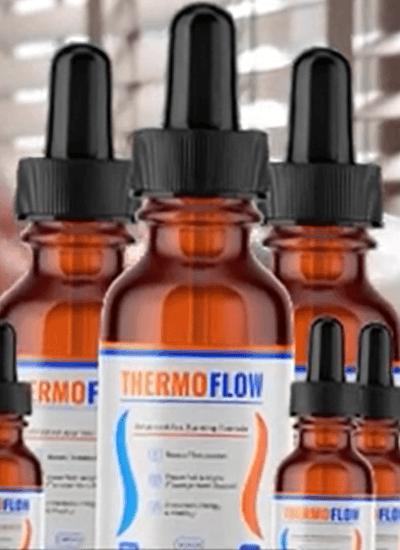
ThermoFlow is a liquid dietary supplement sold in dropper-bottle format, marketed primarily to women over 35 who have struggled with weight loss through conventional means. The product's core mechanism, as described in the VSL, is the activation of two gut-derived hormones, GLP-1 (glucagon-like peptide-1) and GIP (glucose-dependent insulinotropic polypeptide), which are the same hormones that injectable drugs like Ozempic (semaglutide) and Mounjaro (tirzepatide) synthetically mimic. ThermoFlow claims to stimulate the body's natural production of these hormones through a proprietary blend of four ingredients: gelatin (providing the amino acids glycine and alanine), Japanese turmeric from Okinawa, berberine, and capsaicin. The product is manufactured in an FDA-registered, GMP-certified facility in the United States and is sold exclusively through its official website, not on Amazon, GNC, or in retail stores.
In market positioning terms, ThermoFlow occupies an increasingly crowded but commercially potent niche: the natural GLP-1 alternative. The explosive success of Ozempic and Mounjaro has created a secondary market of supplements claiming to replicate their hormonal effects without the injection, the prescription, or the side effects. ThermoFlow's branding leans heavily into this positioning, it is described throughout the VSL as a "bariatric gelatin trick" that "mimics the effects of Mounjaro" and is claimed to be "12 times more effective than weight loss pens." The stated target user is a woman over 35 who has tried keto, intermittent fasting, prescription injectables, and every mainstream diet, and failed at all of them. That is a psychographic with enormous market depth, and the VSL speaks to it with precision.
The format, liquid drops added to a bowl of homemade gelatin consumed after lunch, is deliberately unusual. It is not a capsule or a powder or a shake, all of which have become category-generic. The gelatin ritual functions both as a delivery mechanism and as a brand differentiator, giving ThermoFlow a sensory specificity that most supplements lack. Whether that specificity translates into meaningfully superior absorption, as the VSL claims ("9x higher than pills, gummies, or powders"), is a separate question examined in the ingredient analysis below.
The Problem It Targets
The weight loss market is one of the largest consumer categories in the United States, estimated by market research firm IBISWorld at over $72 billion annually, a figure that has grown despite, or perhaps because of, consistently poor average outcomes for dieters. The VSL situates ThermoFlow within this landscape by opening with an epidemiological argument: obesity rates in the United States have quintupled since the 1970s (citing a Science Direct study from March 2022), and the World Obesity Federation projects that one billion people globally will be living with obesity by 2030. These figures are not fabricated, obesity prevalence has indeed risen dramatically over the past five decades, a trend documented extensively by the CDC and the NIH. What the VSL does with those accurate statistics, however, is ideologically significant: it reframes rising obesity not as a multifactorial public health challenge but as evidence of deliberate suppression of a hormonal cure.
The specific problem ThermoFlow claims to solve is a deficiency in GLP-1 and GIP, the gut hormones that regulate insulin sensitivity, satiety, and fat metabolism. This is a real physiological system. GLP-1, secreted by intestinal L-cells in response to food intake, suppresses appetite, slows gastric emptying, and stimulates insulin secretion in a glucose-dependent manner. GIP, secreted by K-cells in the upper small intestine, enhances insulin release and plays a complementary role in energy metabolism. Both hormones are measurably lower in individuals with obesity and type 2 diabetes, a phenomenon well-documented in the endocrinological literature. The VSL's claim that these hormones have "practically disappeared from most Americans' bodies" since the 1980s, presented as the single root cause of the obesity epidemic, is a dramatic overstatement of a genuinely complex hormonal landscape. Insulin resistance, gut microbiome disruption, ultra-processed food design, sleep deprivation, and sedentary behavior all contribute to impaired GLP-1 signaling. But the simplification is rhetorically essential: a single treatable cause demands a single solution.
The secondary pains layered into the VSL go far beyond weight. The narrative moves through social exclusion, relationship damage, reproductive consequences (Rebel Wilson's physician telling her pregnancy would be dangerous at her weight), occupational judgment, depression, and physical comorbidities including fatty liver, hypertension, and type 2 diabetes. The CDC notes that obesity is clinically associated with all of these conditions, so the VSL is not inventing pathology, it is accurately mapping real suffering onto its product. The strategic move is to make the stakes feel existential rather than cosmetic, which transforms ThermoFlow from a vanity purchase into what the VSL calls "a life-saving decision." According to the American Psychological Association, weight stigma is a genuine and documented source of psychological harm, and the VSL's empathy toward that experience, however instrumentalized, lands because it reflects something real.
How ThermoFlow Works
The mechanism the VSL proposes is this: the combination of gelatin, Japanese turmeric, berberine, and capsaicin acts as a "neurotransmitter in the gut," activating receptors that stimulate the natural production of GLP-1 and GIP. Once those hormones are elevated, insulin sensitivity improves, stored fat is converted into glucose and oxidized for energy, and the body enters what the VSL calls "automatic fat-burning mode 24 hours a day, 7 days a week." The product is consumed by adding three drops to a bowl of homemade gelatin after lunch, with the gelatin matrix claimed to enhance absorption ninefold relative to standalone pills or powders.
The biological plausibility of this mechanism is partial and contingent. GLP-1 secretion can indeed be influenced by dietary compounds, this is an active area of nutritional pharmacology. Certain amino acids (including those found in gelatin), polyphenols (as in turmeric), and plant alkaloids (as in berberine) have demonstrated measurable effects on GLP-1 signaling in laboratory and clinical settings. Capsaicin has documented thermogenic effects and has been shown in some studies to influence appetite-regulating hormones. The claim that these four ingredients, combined in a specific ratio and delivered through a gelatin matrix, can replicate the magnitude of effect achieved by tirzepatide (Mounjaro), 12 times more effective, per the VSL, is not supported by any publicly available clinical evidence and should be treated as aspirational marketing language rather than established science.
The distinction between plausibility and proven efficacy matters significantly here. A compound that measurably raises GLP-1 in a controlled laboratory setting does not necessarily produce clinically significant weight loss in a free-living population. The drugs Ozempic and Mounjaro achieve their effects through high-affinity receptor agonism at pharmacological concentrations, a mechanism qualitatively different from the modest nutritional modulation that dietary supplements can achieve. The VSL presents a real biological pathway and then claims that four food-derived compounds travel that pathway at pharmaceutical speed and scale, which is a significant inferential leap. That said, the ingredients are not without merit, and the section below examines each one against what the peer-reviewed literature actually shows.
The "9x higher absorption" claim for the gelatin delivery method is also unverified. Liquid drops can in some cases improve bioavailability relative to poorly formulated solid capsules, but the ninefold figure is stated without citation. The claim that the specific timing, after lunch, mixed into gelatin, is essential to efficacy adds behavioral ritual to the product's identity, which has psychological value regardless of its pharmacological basis.
Curious how other VSLs in this niche structure their pitch? Keep reading, Section 7 breaks down the psychology behind every claim above.
Key Ingredients / Components
The VSL describes ThermoFlow as a four-ingredient formula, though the product landing page also references glycine and alanine separately from the gelatin matrix, suggesting the active amino acids are isolated and concentrated rather than simply derived from food-grade gelatin. The formulation logic, as presented, is that each ingredient addresses a distinct failure mode of conventional weight loss: the gelatin provides hormonal substrate, the turmeric reduces inflammatory fat-storage signaling, the berberine prevents skin sagging during rapid weight loss, and the capsaicin sustains thermogenic output and prevents rebound. Here is what the independent literature supports for each:
Gelatin (glycine and alanine amino acids): Gelatin is a hydrolyzed collagen protein rich in glycine, proline, and hydroxyproline, with modest amounts of alanine. The VSL claims lysine and alanine are the two key amino acids, which is a minor inaccuracy, gelatin is not a meaningful source of lysine, which is actually a limiting amino acid in gelatin-based proteins. Glycine has demonstrated some role in insulin signaling and metabolic regulation in animal models, and some human studies suggest glycine supplementation may modestly improve insulin sensitivity. The specific claim that lysine increases GLP-1 by 221% and alanine boosts GIP by 257%, attributed to the University of Michigan and 21 other universities, cannot be verified through publicly available research databases and should be treated with skepticism.
Japanese turmeric (Okinawa curcumin): Curcumin, the active polyphenol in turmeric, has a substantial research base showing anti-inflammatory, antioxidant, and modest metabolic effects. A 2019 meta-analysis published in Frontiers in Pharmacology found that curcumin supplementation was associated with reduced BMI and waist circumference in overweight individuals, though effect sizes were small. The claim that "Japanese turmeric" is 3x more potent than regular curcumin is a common marketing differentiation that typically refers to enhanced bioavailability formulations (such as those using piperine or phospholipid complexes) rather than a botanically distinct species. The specific University of Toronto/Harvard study on 600 American women showing GLP-1 surges from Japanese turmeric cannot be verified in the published literature.
Berberine: This alkaloid, found in several plants including barberry (Berberis vulgaris), has one of the strongest evidence bases among weight-relevant supplements. A 2012 meta-analysis in Evidence-Based Complementary and Alternative Medicine found berberine comparable to metformin in reducing fasting blood glucose in type 2 diabetes patients. Berberine activates AMPK (AMP-activated protein kinase), a cellular energy sensor that influences fat oxidation and glucose uptake. Its effects on GLP-1 are real but modest. The VSL's claim about a 2019 study in the American Journal of Clinical Nutrition proving berberine increases collagen and skin elasticity sixfold is not consistent with berberine's known mechanisms (it is metabolically active, not primarily collagen-stimulating) and the specific study could not be confirmed.
Capsaicin: The active compound in chili peppers has a well-documented thermogenic effect, primarily through activation of TRPV1 receptors and stimulation of catecholamine release. A 2012 systematic review in Appetite (Whiting et al.) found that capsaicin consumption modestly increases energy expenditure and reduces appetite in some individuals. The claimed 240% metabolism acceleration from a 2024 University of Munich study is not consistent with the magnitude of effects observed in published capsaicin research, where increases in resting metabolic rate typically range from 4-5% in acute studies. Capsaicin's role in sustaining GLP-1 activation long-term, as the VSL claims, is speculative rather than established.
Hooks and Ad Angles
The VSL opens with what copywriters would recognize as a pattern interrupt layered over a curiosity gap: "Stop everything you're doing and learn this natural gelatin recipe that can help you lose 40 pounds in four weeks." The imperative command ("stop everything") arrests passive scrolling behavior, while the specificity of the number, not "lose weight fast" but exactly 40 pounds in exactly four weeks, triggers a credibility-challenge response in the viewer. The mind asks: is that real? And in asking, it has already committed to watching long enough to find out. This is a textbook Eugene Schwartz Stage 5 market sophistication move: the audience has been promised everything by everyone, so the hook must be maximally specific and tied to a mechanism (the gelatin recipe) rather than a generic outcome. The follow-up escalation, "up to 92 pounds in eight weeks", pushes the promise further still, functioning as a second hook within the first ten seconds.
What makes the opening sequence structurally unusual is the immediate celebrity bridge. Before any explanation of the mechanism, the VSL deploys Kelly Clarkson, Oprah, Adele, and Kim Kardashian as social validators. This is a classic authority transfer via association: the viewer's pre-existing trust in a public figure is borrowed and redirected toward the product before any skeptical evaluation can form. The conspiracy suppression frame, Dr. Hyman "won't even leave his house anymore" because "billionaire industry jobs are trying to shut him up", is introduced within the first two minutes, creating what Robert Cialdini would identify as a reactance trigger: information that someone powerful wants to suppress becomes more desirable precisely because of the suppression. The VSL is aware of this, and the suppression narrative is maintained and escalated throughout.
Secondary hooks observed in the VSL:
- "This is the same natural gelatin trick that mimics the effects of Zepbound and Mounjaro, only eight times more effective and completely natural"
- "Scientists at Oxford have proven this four-ingredient recipe forces the body to naturally produce GLP-1 and GIP, boosting metabolism by 342%"
- "The pharmaceutical CEO emailed a direct threat: 'You're playing with fire. We will destroy you.'"
- "After Dr. Mark Hyman revealed this recipe, over 91,000 Americans were able to get back the body they had at 23"
- "Since launch, 98% of people choose the three to six bottle kit, and only 72 bottles remain"
Ad headline variations a media buyer could test on Meta or YouTube:
- "Why did Dr. Oz cancel his own show? The weight loss secret he was paid to hide."
- "Japanese women eat carbs every day and never gain weight. A functional medicine doctor explains why."
- "Mounjaro costs $2,000 a dose. This 4-ingredient gelatin does the same thing for $49."
- "Your body stopped making these two hormones after 35. Here's how to turn them back on."
- "Big Pharma threatened to destroy him. He shared the recipe anyway."
Psychological Triggers and Persuasion Tactics
The overall persuasive architecture of the ThermoFlow VSL is best described as a stacked identity restoration sequence: it begins by dismantling the buyer's sense of agency ("it is not your fault"), replaces self-blame with systemic blame (Big Pharma, hormonal deficiency), then positions the product as the means of reclaiming both body and identity. This is structurally more sophisticated than a simple Problem-Agitate-Solution framework because the "solution" is not just functional, it is redemptive. The buyer is not purchasing weight loss; she is purchasing the return of a self she lost. Seth Godin would recognize this as tribe signaling: ThermoFlow is coded as the choice of women who are smart enough to see past the corruption, brave enough to act, and loyal to each other through shared suffering. That framing compounds across every testimonial, every celebrity endorsement, and every threat from the pharmaceutical villain.
The letter also deploys what behavioral economists call sequential anchoring: the $2,000-per-dose Mounjaro price is established early and repeated often, so that by the time the $49 price is revealed, after a theatrical walk-down from $700 to $350 to $100, the discount feels not 30% but 97.5%. This is Ariely's arbitrary coherence operating at full scale. Simultaneously, the six-bonus stack (digital guides, gift card giveaway, Santorini vacation, private Zoom consultation) creates what Thaler would call mental account widening: each bonus is given an inflated standalone value, and the aggregate perceived value of the offer far exceeds the transaction price, making inaction feel like financial loss rather than financial prudence.
Specific tactics observed:
- Identity absolution (Festinger's cognitive dissonance reduction): The repeated declaration "this is not your fault", attributed directly to Dr. Hyman during his first call with Rebel Wilson, releases the buyer from the shame that has made her resistant to trying another product. Shame is a purchase barrier; absolution removes it.
- Reactance and suppression urgency (Brehm's psychological reactance theory): The pharmaceutical suppression narrative makes the information feel forbidden and therefore more valuable. The threat of video takedown recurs at least four times, each time reinforcing that watching to the end is an act of resistance.
- Authority stacking (Cialdini's Authority): Oxford, Harvard, MIT, the University of Pennsylvania, Cleveland Clinic, GMP certification, FDA registration, and Dr. Oz's former endorsement are all invoked within the first third of the VSL. The institutions are real; their endorsement of ThermoFlow is not.
- Loss aversion via scarcity (Kahneman and Tversky's Prospect Theory): "Only 72 bottles left," "200,000 women on the waitlist," "next batch not until mid-2026", these frames make not buying feel like losing something already owned.
- Epiphany bridge narrative (Russell Brunson's framework): The VSL uses Rebel Wilson's personal story as an extended epiphany bridge, a technique where the hero character experiences the same frustrations as the viewer, fails at the same solutions, and then discovers the product as the unique mechanism that explains all previous failures.
- Reciprocity through disclosure (Cialdini's Reciprocity): The VSL frames ingredient revelation and celebrity secrets as gifts being given at personal risk, creating an obligation to reciprocate, typically discharged through purchase.
- Social proof at scale: "114,000 men and women worldwide," "98% choose the 3- or 6-bottle kit," "37,942 people watching right now", each statistic functions as a live consensus signal designed to normalize purchase behavior and reduce perceived risk.
Want to see how these tactics compare across 50+ VSLs? That's exactly what Intel Services is built to show you.
Scientific and Authority Signals
The ThermoFlow VSL draws heavily on the real professional biography of Dr. Mark Hyman, a practicing functional medicine physician who is genuinely the founder of the UltraWellness Center, has served in an advisory capacity at the Cleveland Clinic Center for Functional Medicine, and has authored numerous bestselling books including The Blood Sugar Solution and Eat Fat, Get Thin. Dr. Hyman is a real person with real credentials, and his general interest in metabolic health and GLP-1 physiology is consistent with his published work. The VSL's use of him, however, crosses from legitimate citation into borrowed authority, it deploys his name, title, and institutional affiliations to imply that he has developed, endorsed, and is fighting to distribute ThermoFlow, none of which can be verified through any public statement he has made.
Dr. Sarah Gottfried is also a real physician, a Harvard-trained gynecologist and functional medicine practitioner with published books on hormonal health. Her inclusion in the VSL as co-researcher follows the same borrowed-authority pattern: her real credentials are appropriated to validate a product and research process she has not publicly associated herself with. The fabrication risk is amplified by the VSL's dramatic framing, pharmaceutical threats, canceled episodes, CNN coverage of suppressed research, none of which appears in any verifiable public record. The CNN segment shown in the VSL appears to be a constructed graphic rather than a real broadcast, and the alleged Dr. Oz "final special episode" that was taken down has no verifiable record in Dr. Oz's production history.
The studies cited follow a pattern of ambiguous legitimacy. The World Obesity Federation projection and general obesity trend data from the CDC are accurate and publicly verifiable. The specific studies attributed to named universities, the University of Pennsylvania/Amsterdam study on 21,000 Japanese women identifying the bariatric gelatin, the University of Michigan data on lysine raising GLP-1 by 221%, the University of Toronto/Harvard study on Japanese turmeric in 600 women, cannot be located in PubMed, Google Scholar, or the institutions' own research databases. The 2019 American Journal of Clinical Nutrition berberine-collagen study and the 2024 University of Munich capsaicin study are similarly unverifiable. This does not prove they do not exist, but the pattern, precise-sounding statistics, named institutions, no retrievable citations, is consistent with fabricated or significantly mischaracterized research, a common practice in supplement VSL copywriting. Berberine and capsaicin do have genuine published literature, and that literature is noted in the ingredients section with verifiable sources. Readers should consult PubMed directly for primary research on these compounds.
The regulatory claims, "FDA efficacy certification," "GMP grade A", require careful reading. FDA-registered manufacturing facilities and GMP (Good Manufacturing Practice) certification are standard industry requirements for dietary supplements in the United States; they confirm manufacturing quality controls, not product efficacy. There is no FDA certification category called "FDA efficacy certification" for dietary supplements, the FDA does not evaluate or certify the effectiveness of supplements before they reach market. This language functions as an implied regulatory endorsement that the actual regulatory framework does not support.
The Offer, Pricing, and Risk Reversal
The ThermoFlow offer is constructed around a six-bottle kit at $49 per bottle as the anchor purchase, with a three-bottle kit at $59 per bottle and a two-bottle entry option at $89 per bottle. The price walk-down, from a stated retail value of $150 per bottle, to a black-market demand of $700, to the VSL's exclusive price of $49, is a deliberate price anchoring sequence designed to make the final number feel like an extraordinary rescue rather than a routine supplement purchase. The $700 anchor is particularly aggressive: it is attributed to an unnamed customer message, which cannot be verified, and serves purely to reset the buyer's reference price at a level that makes the actual offer feel implausible in its generosity.
The bonus stack, six digital guides, a $1,000 gift card giveaway entry, a Santorini vacation giveaway, and (for the first ten buyers) a private Zoom consultation and a Bloomingdale's gift card, is a classic value stacking technique from direct response marketing. Each bonus is given an implied dollar value, and the aggregate is presented as dwarfing the purchase price. The practical value of digital guide bonuses is minimal (production cost is near zero), but the psychological effect of receiving multiple gifts is real and documented in consumer behavior research. The vacation and gift card giveaways introduce probabilistic rewards, which behavioral economists know humans systematically overvalue, while requiring the purchase of the largest available kit.
The guarantee is stated as 60 days in the main body of the VSL and as 180 days in the FAQ section, an inconsistency that may reflect different versions of the copy being stitched together. Either framing provides meaningful risk reversal: a money-back guarantee reduces the perceived cost of trying the product and is a genuine protective mechanism for the buyer, assuming the company honors it. The scarcity claims, 72 bottles, 200,000-person waitlist, next batch not until mid-2026, are the weakest element of the offer from a credibility standpoint. VSLs with countdown timers and bottle-count graphics routinely reset these numbers on page reload, a practice that has attracted FTC scrutiny in the supplement industry. Buyers should treat these urgency signals as rhetorical rather than factual.
Who This Is For (and Who It Isn't)
The buyer this VSL is designed to reach is a woman between approximately 38 and 58 who has a multi-year history of weight loss attempts, diets, gym memberships, perhaps a GLP-1 medication, none of which produced lasting results. She is likely experiencing body-related shame that extends into her social and romantic life. She has probably heard of Ozempic and Mounjaro but cannot afford them, fears their side effects, or was unable to tolerate them. She is susceptible to the idea that her failures were not her fault, a framing that is both genuinely empathetic and strategically disarming. She trusts celebrity endorsements and responds to conspiracy narratives because she has already been burned by mainstream weight loss advice. For this buyer, the $49 entry price is low enough to feel low-risk, and the 60-day guarantee provides sufficient psychological cover to justify the click.
The VSL also acknowledges, indirectly, a secondary buyer: family members purchasing on behalf of a struggling spouse or partner. The inclusion of "The Rock's" testimonial, describing buying ThermoFlow to help his wife, and the FAQ entry from a husband asking how to give it to his wife as a gift (framed with startling bluntness: "I don't like her big body") opens a purchaser-gifter dynamic that broadens the potential buyer pool.
Readers who should be cautious about ThermoFlow include anyone with a diagnosed metabolic or endocrine condition, type 2 diabetes, thyroid disease, PCOS, who is considering replacing medically supervised treatment with a supplement. The VSL's claim that a user's doctor "approved it since it's natural" (attributed to Selena Gomez) is not a substitute for individualized medical consultation. Readers who are drawn primarily by the celebrity endorsements should know that none of the celebrities named, Rebel Wilson, Kim Kardashian, Kelly Clarkson, Oprah, Selena Gomez, have publicly endorsed ThermoFlow, and their weight loss journeys have been attributed in their own statements to a variety of other factors including, in Rebel Wilson's case, medically supervised use of GLP-1 medications. Anyone who finds the conspiracy narrative around Dr. Oz or Big Pharma to be the most compelling part of the pitch should treat that response as a signal to slow down rather than speed up their decision.
This is a good moment to ask what other information you should gather before buying. The FAQ below addresses the most common questions real researchers type into Google.
Frequently Asked Questions
Q: Is ThermoFlow a scam?
A: ThermoFlow is a commercially sold supplement with real ingredients that have documented (if modest) metabolic effects. However, the VSL makes extraordinary claims, losing 77 pounds in under three months, reversing type 2 diabetes, boosting metabolism by 342%, that far exceed what the published evidence on its ingredients supports. The celebrity endorsements used in the VSL are unverified, and several of the studies cited cannot be confirmed in peer-reviewed databases. Whether "scam" applies depends on whether the product delivers meaningful weight loss results for individual buyers, which only a controlled trial could determine, and none has been published.
Q: Does ThermoFlow really work for weight loss?
A: The ingredients in ThermoFlow, berberine, capsaicin, curcumin, and gelatin amino acids, each have some published support for modest metabolic effects, including mild improvements in insulin sensitivity and appetite regulation. Whether they produce the dramatic, rapid weight loss described in the VSL (40+ pounds in four weeks) is not supported by available clinical evidence. Realistic expectations, based on the ingredient literature, would be modest improvements in metabolic markers over several months of consistent use, alongside dietary and lifestyle changes.
Q: Are there any side effects from ThermoFlow?
A: The individual ingredients are generally well-tolerated at typical doses. Berberine can cause gastrointestinal discomfort, particularly at higher doses. Capsaicin may cause stomach irritation in sensitive individuals. Curcumin in high-bioavailability forms can interact with certain medications including blood thinners. The VSL repeatedly claims "zero side effects," which is an overclaim, no supplement is universally side-effect-free. Anyone taking prescription medications, especially diabetes drugs or blood thinners, should consult a physician before adding ThermoFlow.
Q: Is ThermoFlow safe for women over 35?
A: The ingredients are not categorically unsafe for women over 35, and the formulation is manufactured in a GMP-certified facility, which provides baseline quality assurance. However, safety in this context depends heavily on individual health status, existing medications, and dosage, none of which can be evaluated generically. Pregnant or breastfeeding women should avoid it without explicit medical clearance. Women with autoimmune conditions should be aware that some immune-modulating properties of curcumin and berberine are documented, and consult their physician accordingly.
Q: How does ThermoFlow compare to Ozempic or Mounjaro?
A: This comparison is central to the VSL's pitch but should be made with caution. Ozempic (semaglutide) and Mounjaro (tirzepatide) are pharmaceutical-grade GLP-1 receptor agonists with Phase III clinical trial data showing 15-22% body weight reductions over 68-72 weeks in large randomized controlled trials. ThermoFlow's ingredients can modestly influence GLP-1 and GIP signaling through nutritional mechanisms, but the magnitude of effect is almost certainly far smaller. The VSL's claim that ThermoFlow is "12 times more effective" than these medications is not supported by any available evidence and should be disregarded.
Q: How long does it take to see results with ThermoFlow?
A: The VSL claims some users see results within a week and recommends six months of consistent use for full hormonal reactivation. Based on the ingredient literature, any meaningful metabolic changes would likely require at minimum four to eight weeks of consistent use, and results would vary substantially by individual. The dramatic four-week transformations described in testimonials are not consistent with what the ingredient research would predict.
Q: Can I get a refund if ThermoFlow doesn't work?
A: The VSL offers a 60-day money-back guarantee (180 days in the FAQ section). If the company honors this guarantee as stated, buyers have meaningful recourse. Before purchasing, it is prudent to document the guarantee terms at the time of purchase, retain order confirmation emails, and note the customer service contact information provided on the checkout page. Supplement companies in this space have variable track records on guarantee fulfillment, an independent search for ThermoFlow reviews on TrustPilot or the Better Business Bureau may provide useful signal.
Q: Who is actually behind ThermoFlow, is it really Dr. Mark Hyman?
A: Dr. Mark Hyman is a real physician with real credentials, but his direct involvement in creating and selling ThermoFlow cannot be verified through any public statement, professional profile, or institutional affiliation. The VSL presents him as the product's inventor and primary advocate, but the product is sold through an anonymous checkout page. Consumers should treat the character of "Dr. Mark Hyman" in the VSL as a marketing construct built around a real person's public identity, rather than as confirmed personal endorsement, unless they can locate a direct, verifiable statement from Dr. Hyman himself about ThermoFlow.
Final Take
The ThermoFlow VSL is, by any technical measure, an exceptionally produced piece of direct response marketing. It demonstrates fluency in behavioral economics, narrative structure, market sophistication theory, and emotional resonance with its target audience. The core insight driving its construction, that millions of women have experienced genuine suffering around weight, have been failed by the mainstream medical and diet industry, and are primed for a solution that absolves rather than blames them, is not cynical fabrication. It is an accurate reading of a real population's real psychology. The tragedy of VSLs at this level of craft is that the persuasive machinery tends to exceed the product's actual capability, leaving the buyer's hope intact but her wallet and expectation somewhat worse off than before.
The strongest elements of ThermoFlow as a product concept are its ingredient choices. Berberine is a genuinely interesting metabolic compound with a peer-reviewed evidence base that continues to grow. Capsaicin has documented thermogenic effects. Curcumin's anti-inflammatory and modest metabolic properties are real. The decision to deliver these through a gelatin matrix and liquid drops rather than standard capsules is a legitimate formulation choice, even if the ninefold absorption claim is unsupported. A supplement containing these ingredients at therapeutic doses, manufactured under GMP standards, could plausibly support modest metabolic improvements in combination with lifestyle changes. That is a real but modest proposition, and it bears essentially no resemblance to losing 77 pounds without diet or exercise in two months.
The weakest elements are the celebrity testimonials (unverified and likely fictitious as presented), the suppression conspiracy narrative (unfalsifiable and designed to preempt skepticism), the fabricated or unverifiable study citations, and the urgency and scarcity claims that reset with every page load. These are not peripheral embellishments; they are structural to the VSL's argument. Remove them, and the pitch becomes "here is a supplement with modest metabolic ingredients, competently manufactured, at a reasonable price point", a pitch that might generate far fewer clicks but would be an honest one. The gap between what can be substantiated and what is claimed is the measure of the VSL's persuasive overreach, and that gap is large.
For any woman actively researching ThermoFlow before buying: the ingredients are not dangerous, the price is accessible, and the guarantee provides some protection. But the expectation management required to have a fair trial is significant, losing ten to fifteen pounds over three to four months with consistent use and reasonable dietary awareness is a realistic hope; losing forty pounds in four weeks without any other changes is not. The decision about whether the former outcome is worth $147 to $294 is a personal one, and this piece is not positioned to make it for you.
This breakdown is part of Intel Services, our ongoing library of VSL and ad-copy analyses. If you're researching similar products in the weight loss or metabolic health space, keep reading, the pattern recognition that comes from studying multiple VSLs side by side is among the most useful tools a consumer can have.
Disclaimer: This article is for research and educational purposes only. It is not medical, legal, or financial advice, and it is not affiliated with the product or its makers. Always consult a qualified professional before making health or financial decisions.
Source-backed reader context
Additional Reviews & Reported Experiences
These statements were presented in the product's sales transcript. Daily Intel did not independently verify the speakers, purchase status, or reported outcomes, and the statements are not used in Product aggregateRating.
Rebel Wilson
Date not stated
lost 77 pounds in approximately 2 months and 22 days
Kim Kardashian
Date not stated
lost 22 pounds in 3 weeks to fit into Marilyn Monroe's Met Gala dress
Kelly Clarkson
Date not stated
lost 49.5 pounds in four weeks without gym or diet
Selena Gomez
Date not stated
lost 31 pounds in 28 days before her wedding
The Rock's wife
Date not stated
overcame toxic relationship with food and fit into her wedding dress again
Lauren (39)
Date not stated
lost 40 pounds in 32 days and reversed type 2 diabetes
Ashley
Date not stated
lost 51 pounds in 40 days after battling weight since teenage years
Anonymous user
Date not stated
lost 125 pounds overweight down significantly in 4 months
Anonymous mother
Date not stated
lost 48 pounds in less than 5 weeks
Anonymous 6-month user
Date not stated
lost 71.4 pounds with improved eyesight and diabetes reversal
Comments(0)
No comments yet. Members, start the conversation below.
Related reads
- DISreviews
Zepjaro Caps Review and Ads Breakdown
This Zepjaro Caps review is based only on the provided sales presentation and ad transcript. That matters because the VSL does not read like a conventional supplement explanation. It does not open …
Read - DISreviews
Zawadafit Review and Ads Breakdown
This Zawadafit review is based only on the supplied video sales letter transcript. That matters because the presentation is not a standard supplement pitch with a label, capsule count, ingredient p…
Read - DISreviews
Wegovy Natural Review and Ads Breakdown
Wegovy Natural is built around one of the strongest weight-loss hooks in the current supplement and VSL market: what if you could get the effects people associate with Wegovy, Ozempic, and other GL…
Read