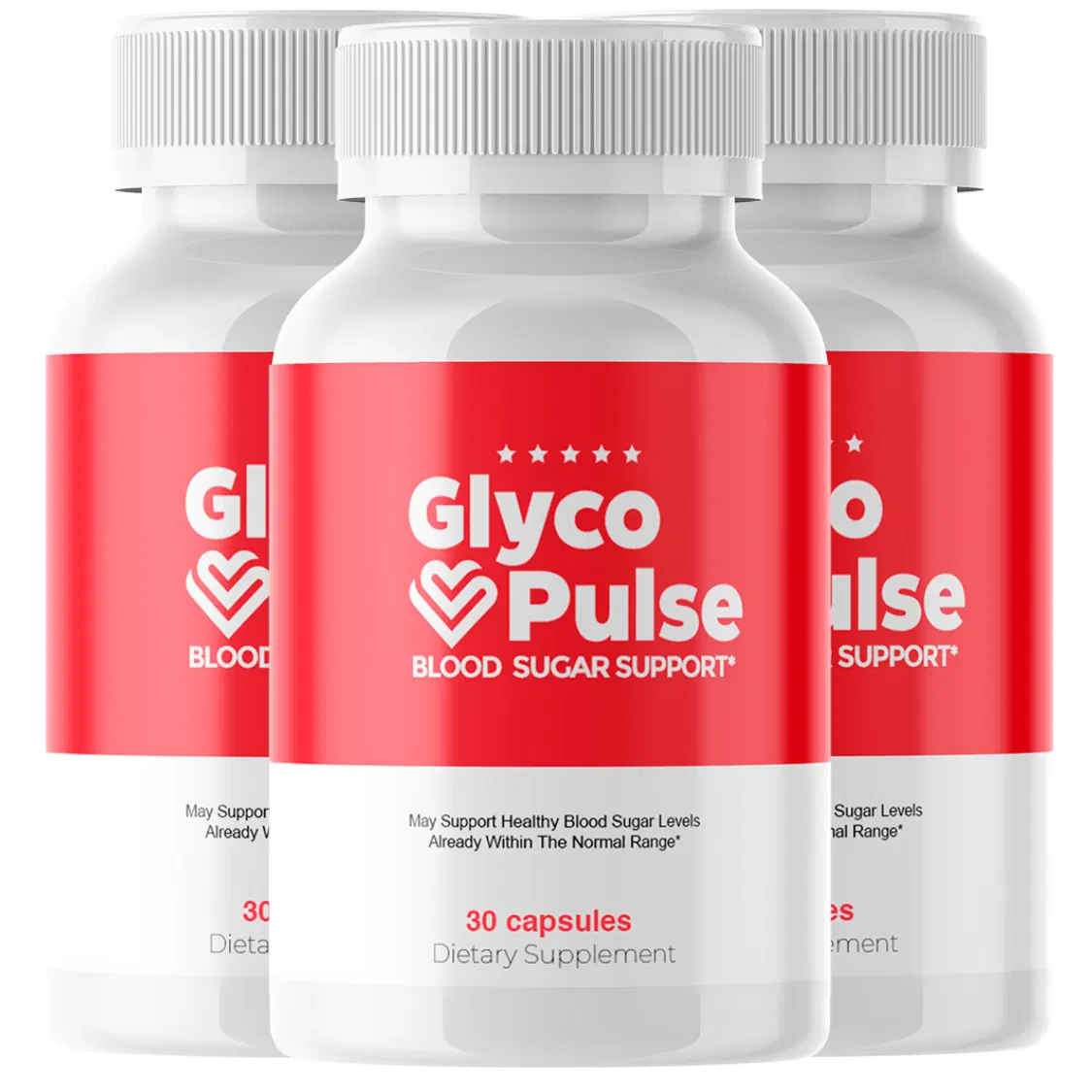
Natural Recipe with Manuka Honey - Glyco Pulse Review
A transcript-grounded review of Glyco Pulse's Manuka honey diabetes VSL, including its hooks, evidence gaps, authority claims, urgency mechanics, and affiliate risk.
8,226+
Videos & Ads
+50-100
Fresh Daily
$29.90
Per Month
Full Access
12.5 TB database · 72+ niches · 25 min read
Introduction: A Diabetes Pitch Built Around Fear, Relief, And A Forbidden Recipe
The Natural Recipe with Manuka Honey - Glyco Pulse VSL opens with the kind of sentence that stops a viewer before they can decide whether they trust the page: "If I were to die today, I would want every diabetic to know this." That is not a soft wellness lead. It is an emergency frame. The viewer is placed inside a life-or-death disclosure, then told that the pharmaceutical industry has hidden a diabetes secret for decades. Within the first few moments, the pitch has already stacked mortality, medical betrayal, celebrity authority, and a promised escape from metformin into one emotionally charged premise.
For copywriters and affiliates, that opening is worth studying because it shows how aggressively the VSL defines the stakes. The offer is not introduced as another glucose support product. It is positioned as a buried protocol, learned from Dr. Oz, made with Manuka honey and a specific Indian leaf, and supposedly capable of doing what conventional treatment cannot. The transcript claims glucose can fall from 300 to below 110 in a few weeks, that more than 12,000 Americans stabilized below 100 mg/dL, and that type 2 diabetes was completely reversed without side effects or hypoglycemia. Those are not modest structure-function claims. They are disease-treatment and disease-reversal claims.
The emotional architecture is unusually dense. The speaker describes being a "slave to metformin," fearing amputation, losing the freedom to enjoy cake at a grandchild's birthday, and living with blurry vision, fatigue, tingling, and interrupted sleep. The VSL then answers each fear with a corresponding image of restoration: clear vision, energy, healed wounds, normal lab results, and the possibility of a doctor saying the viewer no longer needs to live as a diabetic. This is classic direct-response problem-agitation-solution copy, but applied to a medically vulnerable audience.
This review looks at Glyco Pulse as a VSL, not as a confirmed medical therapy. The distinction matters. A VSL can be persuasive, emotionally coherent, and commercially effective while still making claims that are unsupported, exaggerated, or risky for consumers. Daily Intel reviews focus on that difference: what the pitch says, how it sells the belief, what evidence it does or does not provide, and what affiliates should recognize before driving traffic.
Based on the transcript excerpt, the Natural Recipe with Manuka Honey - Glyco Pulse campaign relies on a high-urgency health transformation story: a household recipe, a famous media doctor, a celebrity testimonial, an amputation rescue case, and a villainous pharmaceutical industry. Some of those elements may produce strong click-through and watch-time behavior. They also raise compliance, substantiation, and consumer safety concerns, especially because diabetes management is not a casual wellness category. Blood glucose medications, foot wounds, neuropathy, and hypoglycemia are clinical matters that can worsen quickly if a viewer delays care or changes treatment without medical supervision.
The core question for affiliates is therefore not simply whether the VSL is compelling. It is whether the claims, proof, and risk disclosures are strong enough to support the level of certainty the pitch asks the viewer to accept. On that standard, the excerpt gives us a persuasive sales asset with a high evidence burden. The review that follows separates the commercial mechanics from the medical claims so affiliates can judge both sides clearly.
What Natural Recipe with Manuka Honey - Glyco Pulse Is
Natural Recipe with Manuka Honey - Glyco Pulse appears, from the transcript, to be a diabetes-focused direct-response offer built around an at-home protocol rather than a single ordinary supplement bottle. The product identity is somewhat elastic. At points, the pitch calls it a "natural recipe with Manuka honey." Elsewhere, it refers to a "complete at home protocol," a "reversal protocol," and a combination of Manuka honey with a medicinal Indian leaf. That fluid wording is part of the sales strategy. It makes the solution feel accessible, secretive, and practical at the same time.
The VSL's promise is not merely glucose support. It claims the protocol can stabilize glucose below 100 mg/dL in a few days, reverse type 2 diabetes, eliminate neuropathy symptoms, restore energy, sharpen vision, improve sleep, prevent amputation, and free people from metformin. These are extraordinary outcomes. They move the offer far beyond the safer territory of general metabolic wellness and into the territory of treating or reversing a diagnosed disease.
The name Glyco Pulse suggests a blood-sugar product, but the transcript focuses more on the narrative recipe than on a transparent formulation. We hear about Manuka honey, an unnamed specific ingredient, and later a medicinal Indian leaf. The lack of precise ingredient naming in the excerpt is intentional suspense. It creates an information gap that encourages viewers to keep watching. If the viewer already knew the full recipe, there would be less reason to stay through the VSL or buy the protocol. The sales letter therefore monetizes curiosity: the viewer is told the answer is simple, natural, cheap, and available at home, but not fully revealed up front.
That creates an important analytical point. Glyco Pulse is selling certainty before it has established clarity. The viewer is asked to believe in the magnitude of the outcome before receiving enough detail to independently evaluate the mechanism, dosage, risks, interactions, or clinical evidence. This is a common pattern in health VSLs: first dramatize the transformation, then defer the operational specifics until the viewer has emotionally committed to the solution.
The offer also appears to borrow credibility from public figures. The transcript says the protocol was learned from Dr. Oz and later references actress Kathy Bates. It presents Dr. Phil as part of the testimonial universe as well. Whether those references are licensed, accurately contextualized, or used in a compliant way is not established in the excerpt. From an affiliate review perspective, that matters. Public-figure references can increase trust rapidly, but if the underlying endorsement is unclear or fabricated, the campaign becomes much riskier.
In practical terms, Glyco Pulse should be understood as a VSL-driven diabetes reversal offer that uses a natural-recipe wrapper. Its commercial object may be a guide, protocol, supplement, or funnel sequence, but its persuasion object is more specific: convince viewers that standard diabetes care is trapping them and that a suppressed honey-based home remedy can restore control without the burdens of medication. That message is emotionally powerful, but it demands unusually strong evidence to be responsible.
The Problem It Targets
The VSL targets more than high blood sugar. It targets the lived fear around type 2 diabetes: fatigue, blurry vision, foot wounds, neuropathy, medication side effects, dietary restriction, and the humiliating feeling that normal life has become conditional. The speaker does not define the problem as an abstract A1C number. Instead, diabetes is portrayed as captivity. The transcript uses phrases such as "slave to metformin," "prisoner of type 2 diabetes," "sentenced to death," and "living chained to diabetes." This language is not accidental. It turns a chronic metabolic condition into a daily drama of confinement and rescue.
The pitch is especially focused on people who are frustrated with conventional care. Metformin becomes the symbol of that frustration. The transcript accuses it of deceiving patients with sharp glucose drops while causing nausea, dizziness, sleepless nights, and fear of not waking up. This framing is clinically messy. Metformin can cause gastrointestinal side effects for some people, but it is not generally known as a medication that commonly causes dangerous hypoglycemia by itself. By blending real medication dissatisfaction with more frightening claims, the VSL makes the prescribed treatment feel both ineffective and unsafe.
The problem is then escalated through complications. The Linda Thompson story introduces a non-healing foot wound and the threat of amputation. That vignette is carefully chosen because diabetic foot complications are among the most feared outcomes for people with diabetes. It also gives the VSL a concrete countdown: if the wound does not close, the foot may be lost. A viewer with numbness, tingling, wounds, or poor glucose control may see themselves in that story quickly.
At the same time, the VSL targets the social and emotional losses that rarely appear in clinical summaries. The speaker mentions family dinners, birthday cake, walking without carrying medication, sleeping through the night, and being present with loved ones at age 75. Those details are effective because they recode glucose control as access to ordinary pleasures. The desired outcome is not only a lower reading. It is permission to live without constant vigilance.
This is where the pitch becomes commercially sharp. Many diabetes products sell control. Glyco Pulse sells release. The viewer is invited to imagine a life where they no longer fear food, doctors, wounds, neuropathy, or medication dependence. For affiliates, that emotional positioning explains why the offer may perform in older audiences, diabetes newsletters, advertorial funnels, and native ads centered on "hidden cause" or "simple morning recipe" angles.
The concern is that the VSL blurs frustration with treatment into distrust of treatment. There is a responsible way to discuss side effects, lifestyle interventions, weight loss, diet quality, and the possibility of diabetes remission under medical supervision. There is also a dangerous way: implying that viewers should "get rid of metformin" because a honey recipe is safer and more powerful. The transcript leans toward the second version. That makes the problem-agitation section effective as copy but questionable as health communication.
How It Works: The Proposed Mechanism Inside The Pitch
The mechanism presented in the excerpt is deliberately incomplete. The audience is told that Manuka honey, when combined with a specific ingredient or medicinal Indian leaf, can stabilize blood sugar rapidly and reverse type 2 diabetes. The VSL says this combination is 11 times more potent than metformin, costs less than a dollar a day, and works without hypoglycemia or side effects. However, it does not provide, in the excerpt, a named biochemical pathway, a dose, a study design, or a plausible explanation for how honey, which contains sugars, would reliably produce the claimed outcomes in people with diabetes.
The main mechanism is therefore not scientific explanation; it is narrative contrast. Conventional medicine is framed as suppressive and deceptive. The honey protocol is framed as natural, complete, and corrective. The pitch suggests metformin merely forces a temporary glucose drop, while the Manuka honey recipe restores deeper balance. That is an old but still effective health-copy move: make the drug feel like a symptom mask, then make the natural remedy feel like the root solution.
The phrase "combined with a specific ingredient" does significant work. It protects the pitch from the obvious objection that honey is sugar. The viewer may wonder, reasonably, why a person with high blood glucose would take honey to lower glucose. The VSL answers not by explaining carbohydrate metabolism, but by saying the secret lies in the combination. Later, it narrows that mystery to a medicinal Indian leaf. That gives the pitch a proprietary hook while keeping the recipe just out of reach.
The transcript also proposes speed as part of the mechanism. It imagines blood sugar stabilized below 100 within the first three days, a glucose reading down from 300 to below 110 within weeks, and wound improvement in two weeks. Speed makes the claim feel testable: the viewer can picture checking their meter and seeing proof almost immediately. But in medical copy, speed also increases the substantiation burden. A rapid, medication-like effect on blood glucose requires strong clinical evidence, careful safety monitoring, and clear warnings about interactions with existing diabetes medications.
Another implied mechanism is avoidance of hypoglycemia. The VSL repeatedly contrasts the protocol with sharp drops and fear of nighttime hypoglycemia. In the pitch universe, the recipe stabilizes rather than crashes glucose. This is persuasive because it promises control without danger. Yet the claim is asserted rather than demonstrated. Any intervention that meaningfully lowers glucose in medicated people could theoretically contribute to hypoglycemia depending on the person's regimen, food intake, kidney function, and other variables. Saying "without the risk" is a much stronger claim than saying risk may vary or should be medically supervised.
From a copywriting standpoint, the mechanism is strong because it is simple: Manuka honey plus a hidden leaf equals natural reversal. From an evidence standpoint, it is weak because the excerpt supplies no transparent basis for potency, reversal, safety, or superiority over metformin. The VSL sells a mechanism that feels complete emotionally but remains incomplete clinically.
Key Ingredients & Components
The ingredient story in this VSL revolves around three components: Manuka honey, an unnamed specific ingredient, and a medicinal Indian leaf. That sparse disclosure is central to the suspense. Manuka honey is familiar enough to sound natural and premium, but exotic enough to carry special-value associations. It is not just honey in the pitch; it is Manuka honey, a variety often marketed for antibacterial and wound-care associations. The VSL uses that halo to support claims about diabetes, energy, neuropathy, and even wound healing.
For viewers, Manuka honey may sound credible because it already appears in wellness conversations. The problem is that a general reputation for antimicrobial properties does not automatically translate into a clinically proven oral treatment for type 2 diabetes. A substance can have interesting lab properties, topical uses, or limited research in one context without supporting broad disease-reversal claims in another. That distinction is largely absent from the VSL.
The second component is the mysterious partner ingredient. Early in the transcript, the host says Manuka honey is combined with a "specific ingredient" that the pharmaceutical industry supposedly did not want to reach the public. Later, the solution is described as Manuka honey with a "medicinal Indian leaf." This is likely meant to trigger associations with Ayurveda, ancient remedies, or underappreciated botanical medicine. It also lets the VSL maintain the "simple recipe" promise while preserving proprietary secrecy.
Several botanicals associated with Indian traditional medicine are commonly discussed in blood-sugar marketing, including gymnema, fenugreek, bitter melon, neem, curry leaf, and holy basil. The transcript excerpt does not name the leaf, so a responsible review cannot pretend to know the formula. That lack of disclosure is itself important. If an offer claims disease reversal, affiliates should want exact ingredient identification, serving amounts, preparation instructions, contraindications, and evidence matched to the actual dose and population. Without those details, the viewer cannot distinguish a plausible adjunct from a risky oversold remedy.
The third component is the protocol frame. The pitch does not merely say to eat an ingredient. It says to follow a complete at-home protocol. That allows the sales page to bundle diet, timing, recipe preparation, testimonials, and possibly upsells into one system. It also makes attribution slippery. If someone improves after changing diet, losing weight, adjusting medication, walking more, or monitoring glucose more carefully, the VSL can attribute the result to the honey-leaf protocol even if multiple variables changed.
There is also a nutritional tension the VSL does not resolve. Honey contains carbohydrates and can raise blood glucose. That does not mean every person with diabetes must avoid all honey forever, but it does mean claims of rapid glucose lowering require careful explanation. The VSL's strongest ingredient claim, "11 times more potent than metformin," is especially problematic because it compares a food-based recipe to a prescription medication without providing the measurement, study, endpoint, or context behind the number.
As a component story, Glyco Pulse has strong marketable ingredients: premium honey, a secret botanical, and a home protocol. As a health claim, it needs much more transparency than the excerpt provides.
Persuasion Hooks & Ad Psychology
The VSL's first major persuasion hook is the forbidden-revelation frame. The viewer is told the pharmaceutical industry has hidden the truth for decades and that the speaker is taking a huge risk by sharing it live. This creates a psychological shortcut: if the information is being suppressed, it must be valuable; if someone is risking exposure, the disclosure must be urgent. That hook is common in health direct response because it converts skepticism into intrigue. Instead of asking, "Why have I not heard of this because the evidence may be weak?" the viewer is encouraged to ask, "Who kept this from me?"
The second hook is celebrity transfer. The transcript references Dr. Oz, Dr. Phil, Kathy Bates, and a named patient testimonial. These names serve different roles. Dr. Oz supplies medical-media familiarity. Dr. Phil adds talk-show authority and broad older-audience recognition. Kathy Bates supplies celebrity transformation and relatability through age and weight-loss claims. Linda Thompson supplies ordinary-person proof with a severe complication. Together, they create a ladder of credibility: expert, broadcaster, celebrity, peer.
The third hook is numerical specificity. The VSL says glucose dropped from 300 to below 110, stabilized below 100, affected more than 12,000 Americans, worked in three days, healed a wound within two weeks, and avoided amputation after eight weeks. Specific numbers make claims sound measured even when the underlying documentation is missing. In conversion copy, numbers can be powerful because they reduce vagueness. In medical copy, they can also create false precision if the data source is not shown.
The fourth hook is identity reversal. The viewer is not merely offered a supplement; they are offered a new identity: no longer a prisoner, no longer a diabetic, no longer dependent, no longer afraid of food. That identity-level promise is reinforced through domestic scenes such as family dinners and a grandson's birthday. The VSL understands that diabetes fatigue is not only physical. It is the exhaustion of always calculating, refusing, checking, and worrying.
The fifth hook is enemy construction. Metformin and the pharmaceutical industry are positioned as villains. This is commercially useful because it gives the viewer a reason to distrust contrary information before they encounter it. If a doctor, pharmacist, or regulator questions the protocol, the VSL has already framed institutional skepticism as self-protection by a threatened industry. That is persuasive inoculation: preloading the audience with reasons to reject criticism.
The final hook is the low-friction promise. The recipe is natural, safe, simple, cheap, and can be started today. That removes the usual barriers to trying a health intervention. The viewer does not need an appointment, insurance approval, expensive equipment, or a difficult lifestyle overhaul. They only need to keep watching and accept the protocol.
These hooks are skillfully arranged. The issue is not that emotional copy is inherently unethical. Good health communication often uses emotion to make risk understandable. The issue is proportionality. When a VSL combines death anxiety, suppressed cures, celebrity references, medication fear, and rapid reversal promises, it should also provide unusually clear proof and safety guidance. In this excerpt, the persuasion intensity is much stronger than the evidence shown.
The Psychology Behind The Pitch
The deepest psychological driver in the Glyco Pulse VSL is control. Diabetes can make people feel as if their body has become unpredictable: meals, readings, medication timing, sleep, wounds, numbness, and lab work all become part of a monitoring loop. The transcript speaks directly to that loss of control by using captivity language. A viewer who already feels managed by meters, pills, appointments, and dietary rules may respond strongly to a pitch that says the real problem is not their body but a system that withheld a simple answer.
The pitch also uses anticipated regret. "Don't make the mistake of closing this page" is not just a retention line. It implies that leaving the video could mean missing the difference between continued decline and recovered freedom. In a category involving amputation, death, and blindness, that is a heavy psychological lever. The viewer is not merely choosing whether to buy; they are made to feel they are choosing whether to remain chained to disease.
Another important mechanism is hope compression. Real diabetes improvement often involves a slow, multi-factor process: food choices, weight management, activity, sleep, medication decisions, glucose monitoring, lab follow-up, and sometimes bariatric or pharmacological interventions. The VSL compresses that complexity into a single vivid behavior: use the Manuka honey protocol. This makes hope easier to picture. It also makes the pitch potentially hazardous if viewers substitute a recipe for medical management.
The testimonial architecture is designed to answer objections before they are consciously formed. If the viewer worries their case is too severe, Linda Thompson had an amputation threat. If the viewer worries they are too old, the speaker is 75 and Kathy Bates is described as 77. If the viewer worries about medication side effects, the VSL says the protocol has no side effects. If the viewer worries about cost, it is less than a dollar a day. If the viewer worries about credibility, famous names appear. Each objection receives an emotionally satisfying answer, though not necessarily a well-documented one.
The VSL also borrows from confessional storytelling. The speaker admits fear, fatigue, and lost freedom, then describes a discovery that restored life. Confession builds intimacy. It makes the viewer feel they are hearing from someone who has suffered, not from a company. That intimacy is then reinforced by direct address: "if you are watching this video now." The experience becomes personal and immediate.
Finally, the pitch channels medical distrust into personal empowerment. That is a potent combination. Many people have real frustrations with rushed appointments, medication side effects, insurance barriers, and confusing nutrition advice. The VSL validates those frustrations, then redirects them toward a purchase. The ethical problem is that validation can become exploitation when it encourages people to distrust evidence-based care or treat a serious condition with an inadequately substantiated protocol.
For copywriters, the lesson is clear: this VSL is not persuasive because of one magic phrase. It is persuasive because every element points to the same emotional destination: you were trapped, the truth was hidden, the recipe is simple, and your old life can return quickly. For reviewers and affiliates, the same coherence is exactly why the claims deserve careful scrutiny.
What The Science Says
The scientific context does not support taking the VSL's strongest claims at face value. Type 2 diabetes can sometimes enter remission, especially with substantial weight loss, intensive lifestyle intervention, bariatric surgery, or other medically supervised changes. But remission is not the same as a universal three-day reversal, and it is not something that should be promised from a honey-based recipe in a sales video. The CDC describes diabetes management in terms of blood sugar monitoring, eating patterns, activity, medications when needed, and ongoing care rather than a single hidden food remedy. See the CDC's overview of living with diabetes for mainstream public-health context.
Metformin also deserves a more precise discussion than the VSL gives it. It can cause side effects, particularly gastrointestinal discomfort, and some patients do not tolerate it well. But the transcript's portrayal of metformin as a deceptive glucose-crashing drug associated with constant fear of not waking up does not reflect the usual clinical profile of metformin alone. Hypoglycemia risk depends heavily on the medication regimen, especially insulin and insulin secretagogues, food intake, alcohol use, kidney function, and other factors. A sales pitch that encourages people to "get rid of metformin" without physician supervision is a red flag.
Manuka honey is not scientifically empty. Honey has been studied for antimicrobial properties, wound applications, antioxidant activity, and metabolic effects. However, evidence in one area does not validate broad claims that oral Manuka honey reverses type 2 diabetes or outperforms metformin. Honey also contains sugar. A person with diabetes may be able to include small amounts of sweeteners within an overall meal plan, but that is very different from claiming honey is an anti-diabetic reversal agent.
The VSL's wound-healing story is particularly sensitive. Diabetes-related foot wounds can become serious quickly and require prompt medical care. The NIH's NIDDK emphasizes foot care, monitoring, and medical attention for cuts, sores, or infections in people with diabetes. See the NIDDK resource on diabetes and foot problems. A viewer with an infected or slow-healing wound should not interpret a VSL testimonial as a substitute for evaluation by a clinician, podiatrist, or wound-care specialist.
There is also a regulatory context. The FDA has repeatedly warned consumers about products marketed with illegal diabetes treatment claims. Its consumer guidance on illegally sold diabetes treatments warns that unapproved products claiming to treat or cure diabetes can delay proper care and expose consumers to harm. That context is directly relevant because the Glyco Pulse transcript uses language such as "completely reverse type 2 diabetes," "get rid of metformin," and "without side effects." Those phrases would require serious substantiation and careful regulatory review.
The fair conclusion is not that every natural intervention is useless. Diet quality, weight change, physical activity, sleep, and certain clinically studied interventions can meaningfully affect glucose. Some botanicals may have preliminary evidence worthy of study. But the transcript's claims are much stronger than the evidence it presents. The scientific burden belongs to the seller: randomized human trials on the actual protocol, clear endpoints such as A1C and fasting glucose, safety data in medicated patients, adverse-event reporting, and transparent ingredient dosing. Without that, affiliates should treat the most dramatic claims as unsupported.
Offer Structure & Urgency Mechanics
The excerpt does not show the checkout page, price stack, guarantee, or upsell sequence, but it does reveal the front-end offer mechanics. The product is framed as immediately actionable, low-cost, and scarce in an informational sense. "Anyone can start this protocol today" removes logistical friction. "Less than a dollar a day" reduces price resistance before the actual offer is shown. "I'm taking a huge risk by sharing this live" creates urgency around access, even if no literal timer is mentioned in the excerpt.
The VSL's most important urgency mechanism is not a discount. It is medical fear. The viewer is asked to imagine the consequence of leaving: continued glucose instability, medication dependence, neuropathy, fatigue, blurry vision, amputation risk, and lost years with family. This is urgency through deterioration. The longer the viewer waits, the more the disease is implied to steal. That can be highly effective, especially for older viewers or people with recent frightening lab results.
Another urgency layer is the promised speed of benefit. If glucose can stabilize within three days, then delaying the protocol feels irrational. The pitch turns immediate action into a logical response: why suffer another week if the answer is simple, natural, and inexpensive? This is a common VSL acceleration device. The faster the claimed result, the more costly inaction feels.
The offer also uses concealed-detail momentum. Because the specific Indian leaf and exact recipe are not fully disclosed in the excerpt, the viewer must continue through the presentation to resolve the curiosity loop. This can increase watch time, but it should be handled carefully. In health funnels, withholding critical safety-relevant details while making disease claims can create a trust problem. Serious buyers deserve transparency before purchase, not just after emotional commitment.
The phrase "complete at home protocol" suggests the product may be sold as an instructional system rather than a conventional supplement. That can affect compliance analysis. A digital protocol may avoid some manufacturing claims, but it does not avoid responsibility for medical claims. If the marketing says the protocol reverses diabetes or prevents amputation, the disease-claim issue remains.
For affiliates, the practical question is what happens after the VSL. Does the sales page include clear disclaimers? Does it tell viewers not to stop medication without a clinician? Does it avoid fake scarcity? Are the celebrity references documented? Are refund terms easy to find? Are the promised results qualified as atypical, or are they presented as expected? The transcript excerpt alone raises enough concerns that affiliates should inspect the full funnel before promoting.
Strong urgency can be legitimate when the action is low-risk and the evidence is clear. Here, the urgency is attached to serious medical decisions. That makes the funnel more fragile. If the back-end offer does not provide robust substantiation and responsible warnings, the urgency mechanics may cross from persuasive into reckless.
Social Proof & Authority Claims
The Glyco Pulse VSL leans heavily on authority, but much of that authority is asserted rather than demonstrated in the excerpt. Dr. Oz is introduced as the source of the protocol. Dr. Phil is addressed in the opening exchange. Kathy Bates is named as someone who supposedly reversed type 2 diabetes and lost more than 20 pounds without effort. Linda Thompson appears as a patient-style testimonial whose foot was allegedly saved from amputation. Each figure gives the pitch a different kind of credibility, but each also requires verification.
Celebrity and physician references are among the strongest accelerants in health marketing. They lower skepticism because the viewer imports prior trust into the current offer. Dr. Oz, in particular, has long-standing recognition in alternative health media, and his name can make a home remedy sound media-vetted even if the actual claim is not medically established. Dr. Phil's presence, if genuine, would add mainstream familiarity. Kathy Bates adds a recognizable face and an age-specific transformation angle. The viewer is not just hearing about anonymous users; they are hearing that well-known people were connected to the result.
The issue is that the transcript does not provide evidence that these public figures endorsed Glyco Pulse, used the protocol, approved the claims, or were represented accurately. That is a major affiliate due-diligence point. A VSL can mention a celebrity news story, splice public footage, or imply association without a formal endorsement. Affiliates should not assume that a name in a transcript equals a licensed testimonial.
The "more than 12,000 Americans" claim is another form of social proof. It gives the pitch scale. The number implies a large user base and repeated success across many people. But no registry, study, customer dataset, or independent verification appears in the excerpt. The claim also bundles several outcomes: stabilizing glucose, reversing diabetes, regaining energy, clearer vision, sleeping through the night, and eliminating neuropathy pain. Combining all those improvements under a single population figure makes the proof sound broader than it is likely to be unless there is detailed documentation behind it.
Linda Thompson's story is the emotional proof centerpiece. It has all the traits of a high-converting testimonial: age, diagnosis, crisis, failed conventional care, discovery, rapid improvement, doctor confirmation, and final freedom. But it also raises the highest substantiation burden because it involves a medical complication and an avoided amputation. Responsible presentation would require confirmation that the testimonial is real, typicality disclosures, medical documentation, and a clear statement that viewers with foot wounds need immediate clinical care.
Authority claims can strengthen a campaign when they are accurate and transparent. In this transcript, they function more as trust shortcuts. The VSL asks the viewer to accept famous-name proximity, large user counts, and dramatic testimonials without showing the receipts inside the excerpt. That may help conversion, but it increases risk for affiliates, media buyers, and publishers who care about long-term credibility.
FAQ & Common Objections
Below are the practical objections an affiliate, reviewer, compliance lead, or serious buyer would likely raise after watching the Natural Recipe with Manuka Honey - Glyco Pulse VSL.
- Is Glyco Pulse presented as a diabetes cure? The transcript repeatedly uses cure-adjacent and reversal language. It says people completely reversed type 2 diabetes, stabilized glucose below 100, eliminated neuropathy symptoms, avoided amputation, and could get rid of metformin. From a review standpoint, those are disease-treatment claims, not simple wellness claims.
- Does the VSL prove that Manuka honey reverses type 2 diabetes? No. The excerpt provides stories, numbers, and authority references, but it does not provide randomized clinical evidence for the exact protocol. It also does not explain how a honey-based recipe overcomes the carbohydrate concern in a way that would justify the promised glucose reductions.
- Could Manuka honey have legitimate health properties? It may have properties worth studying, especially in contexts such as antimicrobial activity and wound care. That does not validate oral use as a substitute for diabetes medication. A useful ingredient can still be oversold when the claims exceed the evidence.
- Is the anti-metformin angle fair? Only partly. It is fair to acknowledge that some people experience side effects or frustration with medication. It is not fair to portray metformin broadly as a deceptive, dangerous treatment while implying a recipe can replace it without risk. Medication decisions should be made with a clinician.
- What is the biggest red flag in the transcript? The strongest red flag is the combination of severe medical promises and weak visible substantiation. Claims such as reversing diabetes in days, eliminating neuropathy pain, saving a foot from amputation, and working without hypoglycemia need far more evidence than a VSL testimonial provides.
- Why does the VSL mention public figures? Public figures increase perceived legitimacy. Dr. Oz, Dr. Phil, and Kathy Bates are recognizable to the likely target audience. However, affiliates should verify whether the names are used lawfully and accurately. Implied endorsement is a serious risk if no real endorsement exists.
- Is the "less than a dollar a day" claim meaningful? It is meaningful as a persuasion device because it makes the solution feel accessible. But cost does not establish safety or efficacy. Cheap interventions can still be ineffective, inappropriate, or risky if they delay care.
- Who is most likely to respond to this VSL? The pitch is designed for people with type 2 diabetes who feel tired of medication, fear complications, and want a natural route back to normal life. It may especially resonate with older viewers, people with neuropathy symptoms, and people anxious about foot wounds or high readings.
- Should affiliates promote this offer? Affiliates should be cautious. Before promoting, they should demand documentation for the celebrity references, the 12,000-user claim, the diabetes reversal claim, safety data, refund terms, and full compliance review. Without that, the offer carries reputational and regulatory risk.
The broader objection is not that natural approaches have no place in metabolic health. The objection is that this transcript asks for belief before it supplies proof. A responsible funnel would make medical supervision explicit, avoid telling people to abandon medication, and document the exact claim set with evidence that matches the final product, not just a general ingredient category.
Final Take: Strong Copy, Weak Visible Substantiation
Natural Recipe with Manuka Honey - Glyco Pulse is a forceful health VSL built around a simple emotional promise: diabetes has taken your freedom, conventional treatment has failed you, and a hidden Manuka honey protocol can give your life back quickly. As persuasion, the transcript is focused and potent. It understands the audience's fear of complications, resentment of side effects, fatigue with restriction, and longing for ordinary pleasures. It uses numbers, names, stories, and urgency with the confidence of a campaign designed for direct response.
But the same qualities that make the VSL compelling also make it risky. The pitch does not merely suggest metabolic support. It claims complete reversal of type 2 diabetes, glucose stabilization below 100 within days, elimination of neuropathy symptoms, wound healing, avoided amputation, and freedom from metformin. Those claims demand clinical proof, careful safety language, and transparent sourcing. The excerpt does not supply that level of evidence.
The Manuka honey angle is commercially clever because it turns a familiar natural product into a premium secret. The unnamed Indian leaf adds mystery and proprietary value. The celebrity references add borrowed trust. The Linda Thompson story supplies high-stakes proof. Yet none of those elements substitutes for substantiation. For a serious diabetes offer, affiliates should want to see the full ingredient list, exact dosage, trial data on the final protocol, adverse-event information, clear medical disclaimers, and documented permission for any public-figure claims.
The most concerning part of the transcript is the way it positions medication. It is one thing to say some patients dislike metformin or should discuss alternatives with their doctor. It is another to imply that viewers can get rid of it because a honey recipe is safer, natural, and more powerful. That message can be dangerous if it leads someone with high glucose, a foot wound, or medication-dependent diabetes to delay care or make unsupervised changes.
For copywriters, Glyco Pulse is a useful study in emotional sequencing. The VSL moves from deathbed warning to suppressed secret, from medication resentment to family-life restoration, from celebrity authority to ordinary-person rescue. The architecture is coherent. For affiliates, however, the verdict is more guarded: the offer may convert, but conversion potential should not be confused with claim quality.
Daily Intel's balanced view is that Glyco Pulse has a high-impact hook and a clearly defined audience, but the transcript's extraordinary medical promises are not adequately supported in the excerpt. Treat it as a persuasive but high-risk diabetes VSL unless the full funnel provides credible clinical substantiation, transparent disclosures, and compliant language that tells viewers to work with qualified medical professionals rather than replacing care with a recipe.
Source-backed reader context
Additional Reviews & Reported Experiences
These statements were presented in the product's sales transcript. Daily Intel did not independently verify the speakers, purchase status, or reported outcomes, and the statements are not used in Product aggregateRating.
VSL proof excerpt 1
Date not stated
For over 10 years of my life, I lived as a slave to metformin.
VSL proof excerpt 2
Date not stated
I was able to completely reverse my type 2 diabetes, a natural recipe with manuka honey 11 times more potent than metformin.
VSL proof excerpt 3
Date not stated
I no longer live in fear of out of control glucose.
VSL proof excerpt 4
Date not stated
I no longer deprive myself of everything I enjoy.
VSL proof excerpt 5
Date not stated
I have plenty of energy to be present with the ones I love.
VSL proof excerpt 6
Date not stated
I'm 63 years old and I almost lost my foot because of type 2 diabetes.
VSL proof excerpt 7
Date not stated
I spent months trying to treat it with ointments and antibiotics but nothing worked.
VSL proof excerpt 8
Date not stated
I decided to try it after all I had nothing to lose.
VSL proof excerpt 9
Date not stated
I stuck with the treatment until the end and today besides being healed from the wound I am completely free from type 2 diabetes.
VSL proof excerpt 10
Date not stated
I was diagnosed with type 2 diabetes a little over five years ago and soon after I began noticing small but frightening changes in my body.
Comments(0)
No comments yet. Members, start the conversation below.
Related reads
- DISvsl reviews
Mix de Ervas Naturais Review: Diabetes VSL Analysis
A grounded review of the Mix de Ervas Naturais VSL, from its parasite-driven diabetes story to the science, social proof, offer pressure, and compliance risks.
Read - DISvsl reviews
Ritual da Água Sagrada Review: Diabetes VSL Claims Under the Lens
A detailed Daily Intel review of Ritual da Água Sagrada, unpacking the diabetes reversal promise, beta-cell mechanism, story hooks, proof gaps, and compliance risk.
Read - DISvsl reviews
Proteína AMPK Review: A Diabetes VSL Built on Conspiracy, Urgency, and a Missing Formula
A forensic review of the Proteína AMPK VSL, including its anti-metformin hook, AMPK mechanism, proof gaps, authority claims, urgency devices, and scientific credibility.
Read