OptiVite+ Review: The Diabetes Tea Hook Behind the VSL
A close review of the OptiVite+ VSL transcript, including its diabetes tea hook, sugar-reduction offer, proof gaps, compliance risk, and appeal to cautious buyers.
8,226+
Videos & Ads
+50-100
Fresh Daily
$29.90
Per Month
Full Access
12.5 TB database · 72+ niches · 26 min read
1. Introduction — A VSL That Starts By Refusing The Easy Miracle
The OptiVite+ presentation opens in a way that is unusually restrained for the blood sugar category. Instead of promising a hidden tea from a remote village, Tom Bueno begins with the exact folklore the audience is already searching for: passion fruit leaf tea, quebra pedra tea, pata de vaca tea, cinnamon tea, and the so-called insulin tea from China. That list matters. It tells us the VSL is not speaking to a cold supplement shopper. It is speaking to someone who has already spent time in the informal diabetes remedy ecosystem, probably on YouTube, WhatsApp, Facebook groups, or family conversations where herbal shortcuts circulate faster than clinical advice.
The interesting move is that the script does not immediately endorse those teas. It says there is no magic diabetes killing tea. That one sentence is the hinge of the pitch. The speaker borrows the curiosity of folk remedies, then distances himself from the most reckless version of that promise. For affiliates and copywriters, this is a notable positioning choice. The VSL is not built around a miracle ingredient reveal. It is built around a debunking moment that earns enough trust to redirect the viewer toward a different offer: the Guide Against Sugar, described as an ebook for people with type 2 diabetes who want to reduce sugar and regain practical control.
That gives the campaign a more educational surface than many diabetes-adjacent funnels. The transcript warns that teas can be unsafe for people with kidney or liver issues. It says they should never replace prescribed medications. It advises consultation with a healthcare professional. Those are not throwaway details; they shape the risk profile of the whole promotion. The script is clearly aware that diabetes is a medically sensitive condition, and it uses caution as part of its credibility strategy.
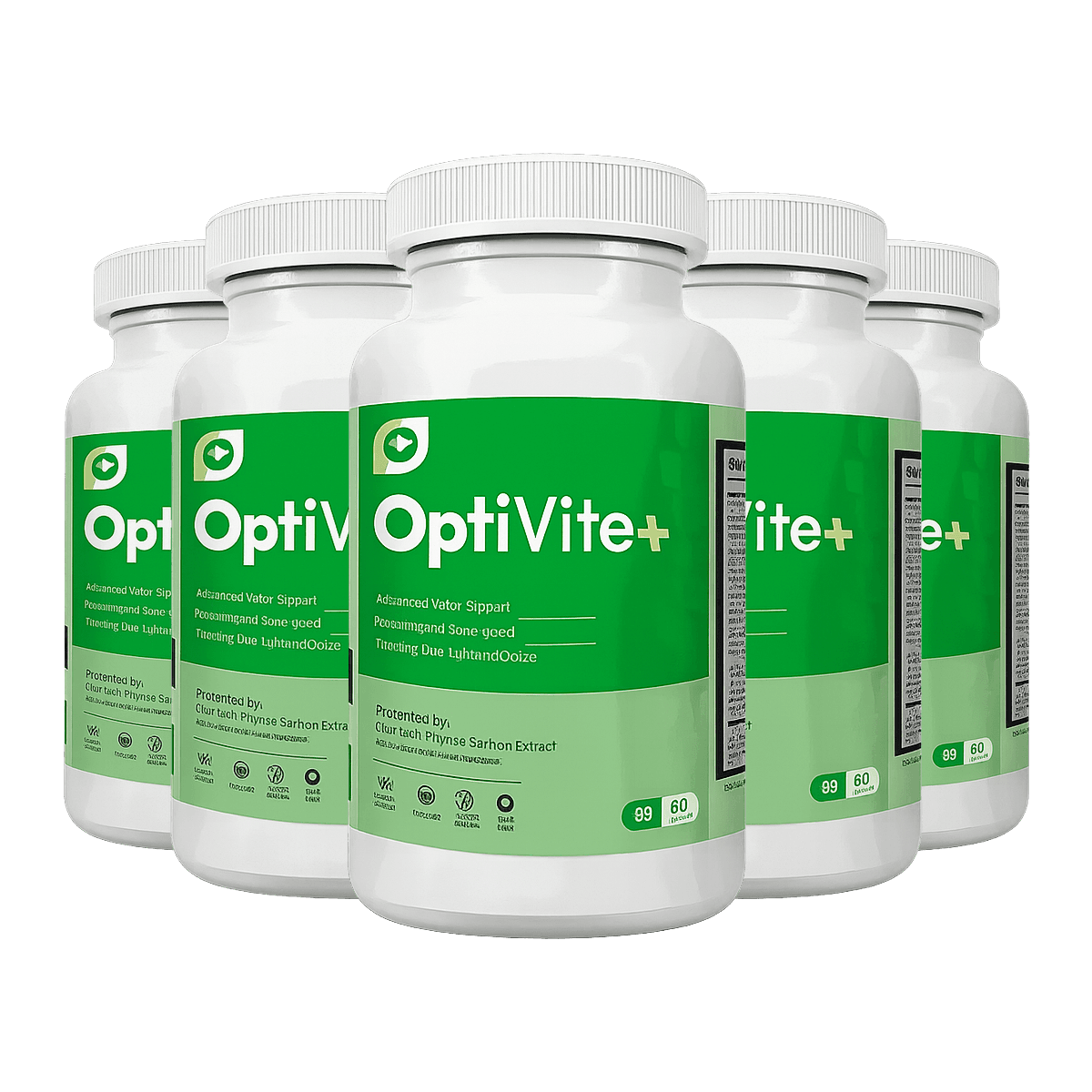
There is also a product-identity problem. The product name supplied for this review is OptiVite+, but the transcript itself sells the Guide Against Sugar. It does not describe an OptiVite+ supplement, vitamin blend, capsule, drink, subscription, trial, physical book, app, or coaching program. It does not disclose a Supplement Facts panel, a price, a guarantee, a refund window, author credentials beyond Tom Bueno, or what happens after the button click except that the buyer is redirected to a secure page. A fair review has to treat that gap as central, not cosmetic.
So this Daily Intel review evaluates the VSL as supplied: a blood sugar and sugar-reduction offer that uses diabetes tea curiosity as the entry point and an ebook as the stated product. Where the pitch is sensible, we will say so. Where it makes claims without proof, we will flag them. Where it is strong as copy but thin as substantiation, we will separate those two facts. The result is a campaign with a better ethical posture than the usual miracle-tea angle, but still one that needs sharper product clarity, stronger evidence, and more complete offer disclosure before affiliates can promote it with confidence.
2. What OptiVite+ Is
Based strictly on the transcript, OptiVite+ is not actually defined inside the VSL excerpt. That is the first thing an analyst should notice. The spoken offer is the Guide Against Sugar, an ebook presented as a practical resource for people with type 2 diabetes who want to cut back on sugar or make a broader diet transformation. The VSL asks viewers to click below the video to purchase the guide on a secure page. It does not say OptiVite+ is the guide, a bundle including the guide, a brand wrapper for the guide, or a later-stage upsell.
This distinction is not pedantic. In health marketing, a product name with a plus sign often implies a supplement, nutraceutical, or formula. The transcript, however, behaves like an information-product pitch. It mentions science-backed tips, practical strategies, easy-to-follow advice, and support for breaking free from sugar's grip. Those are educational and behavioral promises. They are not ingredient claims. There is no dose, mechanism tied to a molecule, expected A1C change, clinical trial, or before-and-after testimonial. If affiliates were handed only this VSL, they would not have enough material to accurately classify the offer.
The safest description is that OptiVite+ is being marketed, at least in this asset, as a sugar-reduction education offer for type 2 diabetes audiences. Its value proposition is behavioral: help the buyer reduce sugar intake, make sustainable choices, and stop overrelying on folk remedies such as teas. If there is an actual OptiVite+ supplement behind the funnel, this transcript does not support claims about it. Any affiliate who extrapolates from the name and starts talking about vitamins, insulin sensitivity, beta cells, glucose disposal, or herbal ingredients would be inventing copy outside the provided evidence.
The VSL also frames the guide as created by Tom Bueno and his team. That wording gives the product a semi-editorial, creator-led feel rather than a clinic-led or institution-led feel. It implies a curated guide, not a medical treatment protocol. The phrase my team and I created is useful for relatability but insufficient for clinical authority. Viewers are told the guide is science-backed, but the transcript does not name studies, institutions, registered dietitians, physicians, diabetes educators, or peer reviewers who shaped the content.
For a buyer, the practical question is simple: what do I receive after paying? The transcript answers only at a broad level. You receive an ebook called the Guide Against Sugar. It is intended for type 2 diabetes. It contains tips, strategies, and advice for reducing sugar. It is not positioned as a cure. It is not positioned as a medication replacement. That clarity is useful, but the offer still needs a table of contents, sample pages, author credentials, update policy, refund terms, and a plain-language medical disclaimer on the order page.
For copywriters, the product-definition lesson is equally clear. The pitch does a good job naming the problem and rejecting false hope, but it underbuilds the asset being sold. The viewer moves from a vivid discussion of diabetes teas into a comparatively generic promise about an ebook. The stronger version would show exactly how the guide is organized: sugar swaps, grocery rules, label-reading templates, meal examples, craving-management routines, physician-discussion prompts, and warning signs that require medical care. Without that specificity, OptiVite+ or the Guide Against Sugar risks feeling like a credible preamble attached to an under-described product.
3. The Problem It Targets
The obvious problem targeted by the VSL is sugar management for people with type 2 diabetes. But the deeper problem is confusion. The viewer is not only struggling with carbohydrates, cravings, and daily food choices. They are also trying to sort credible advice from household remedies, social media claims, and tradition-based solutions that sound plausible because they are framed as natural. That is why the VSL begins with teas instead of beginning with the ebook. It recognizes that the prospect's current mental search is probably not for a PDF. It is for relief, simplification, and some kind of non-pharmaceutical edge.
The list of teas is specific enough to create cultural recognition. Passion fruit leaf tea, quebra pedra tea, and pata de vaca tea are not random wellness buzzwords. They are the sort of remedies that circulate in Brazilian and Latin American health conversations, especially among older adults and families managing chronic conditions. Cinnamon tea has broader global recognition, and insulin tea from China adds a more exotic, internet-native curiosity hook. By naming all of them, the script signals that Tom Bueno has been listening to what the audience asks, not merely reading a generic diabetes keyword report.
The VSL then narrows the problem from miracle-seeking to daily decision-making. It says managing diabetes is about more than teas. It is about smart, sustainable choices every day. That is a strong reframe because type 2 diabetes management is repetitive, not cinematic. The hard part is not learning that sugar can raise blood glucose. The hard part is breakfast, snacks, family meals, restaurant menus, birthdays, stress eating, and the quiet fatigue of having to choose carefully every day. A guide that genuinely helps with that friction could be valuable even if it never promises a dramatic clinical outcome.
The problem also includes risk from misplaced trust. The transcript explicitly says some teas may be unsafe for people with kidney or liver issues and should not replace prescribed medicines. That matters because diabetes is not an isolated blood sugar number. Many people with diabetes also manage hypertension, kidney disease risk, fatty liver, neuropathy, statins, metformin, insulin, GLP-1 medications, or other prescriptions. A seemingly harmless tea can become less harmless when someone delays care, doubles up on glucose-lowering interventions, or assumes natural means automatically safe.
Where the pitch could go further is in defining sugar with more precision. Viewers may hear sugar and think only of table sugar, desserts, soda, or candy. Diabetes meal planning usually requires attention to total carbohydrate, fiber, portion size, liquid calories, and individual glucose response. A guide that only demonizes sugar without teaching carbohydrate context may produce frustration. A guide that teaches label reading, beverage swaps, meal timing, and clinician-guided monitoring would be much more useful. The transcript claims the latter kind of practicality, but it does not prove it.
For affiliates, the problem angle is attractive because it blends skepticism and hope. The audience is tired of being sold magical remedies, but still wants something concrete to do. The VSL positions the product as a bridge between denial and medicalized overwhelm: not a cure, not another tea myth, but a digestible plan. That is a commercially smart lane. It is also a lane that requires careful language, because the audience is medically vulnerable and the temptation to overstate results is high.
4. How It Works — The Proposed Mechanism
The proposed mechanism in this VSL is not biochemical; it is behavioral. That is one of the most important distinctions in the review. The transcript does not say OptiVite+ lowers glucose by activating AMPK, repairing beta cells, flushing toxins, balancing hormones, or mimicking insulin. It says the Guide Against Sugar helps people reduce sugar in their lives through science-backed tips, practical strategies, and easy-to-follow advice. The implied mechanism is education leading to better daily choices, which may support better diabetes management when used alongside medical care.
The first mechanism step is disillusionment. The viewer comes in curious about teas. The script acknowledges that some teas, especially cinnamon tea, may lower blood sugar by a few points, but it rejects the idea of a magic diabetes killing tea. That disappointment is not accidental. It clears the field. The prospect is invited to stop chasing isolated folk remedies and consider a broader system. The copy uses a small concession to credibility, then redirects away from the more dangerous claim.
The second step is risk awareness. By saying teas are considered herbal drugs and may not be safe for everyone, the VSL reframes natural remedies as active interventions rather than harmless kitchen rituals. This is persuasive because it elevates the speaker above simplistic natural-versus-pharmaceutical thinking. It also prepares the audience to accept a guide as the safer next action. Instead of ingesting another herb, the buyer can purchase information, reflect on habits, and consult a healthcare professional before making changes.
The third step is substitution. The guide is positioned as the resource that replaces the viewer's search for one magic item with multiple sustainable choices. In practical terms, this would need to mean replacing sugary drinks, learning food labels, planning lower-sugar breakfasts, reducing ultra-processed snacks, and building routines that survive family and work pressure. The transcript does not spell out those modules, but that is the only mechanism consistent with its claims. It is a behavior-change product, not a therapeutic device.
The fourth step is emotional commitment. Phrases like take control, break free from sugar's grip, kick sugar to the curb, and let's do this together shift the mechanism from information to identity. The buyer is not merely downloading advice. They are joining a self-improvement moment. For a VSL, that is useful because information products often fail when they sound like homework. The script tries to make the guide feel like an action step with social energy behind it.
The mechanism is plausible in a general sense. Reducing added sugar and improving diet quality can be part of type 2 diabetes management. The CDC's blood sugar management guidance emphasizes healthy eating, weight management, physical activity, monitoring, and medication when prescribed. A guide that helps buyers execute those behaviors could be valuable. But plausibility is not proof. The VSL does not show that people who bought this specific guide improved glucose readings, A1C, medication adherence, weight, or quality of life.
The copywriting takeaway is that the mechanism is restrained but underdeveloped. It wisely avoids hard disease-treatment claims in the excerpt, yet it does not make the product's internal method concrete enough. A stronger VSL would say, for example, that the guide gives a seven-day sugar audit, a beverage decision tree, a pantry reset checklist, label-reading screenshots, and clinician questions for medication users. Those details would make the behavioral mechanism visible without needing to exaggerate medical outcomes.
5. Key Ingredients & Components
This section has to be handled differently from a conventional supplement review because the transcript provides no ingredient panel. There is no vitamin list, botanical blend, mineral dosage, proprietary complex, capsule count, or serving instruction. If OptiVite+ is intended to be a supplement, the VSL excerpt does not disclose the components needed for a legitimate ingredient analysis. The only named substances in the transcript are teas discussed as part of the hook, not as confirmed contents of the product.
The first component is the tea inventory. The script names passion fruit leaf tea, quebra pedra tea, pata de vaca tea, cinnamon tea, and insulin tea from China. These function as attention assets. They activate the viewer's existing curiosity and give the presenter an opportunity to differentiate himself from miracle claims. The transcript gives cinnamon the mildest positive mention, saying it may help lower blood sugar by a few points. It does not offer evidence for the other teas, and it does not recommend any of them as treatment.
The second component is the safety disclaimer embedded in the pitch. The speaker says teas can be part of a healthy routine but are not a cure. He says they are herbal drugs, urges care for people with kidney or liver issues, and warns viewers not to replace prescribed medications. This is one of the more commercially useful components of the VSL because it lowers compliance risk and improves trust. It also gives affiliates language they should preserve rather than strip away in pursuit of higher click-through rates.
The third component is the authority reference. Tom Bueno says he has talked to experts like Silvia Ramos from the Brazilian Diabetes Society. That is a potentially valuable credibility element, but it remains unverified inside the transcript. The VSL does not provide Silvia Ramos's credentials, role, quote, publication, or explicit endorsement of the product. It also does not say the Brazilian Diabetes Society reviewed or approved the guide. Affiliates should treat this as a general consultative reference unless the offer page documents it more fully.
The fourth component is the actual paid asset: the Guide Against Sugar. This is described as an ebook created by Tom Bueno and his team for people with type 2 diabetes. Its promised contents are science-backed tips, practical strategies, and easy-to-follow advice. That description is directionally useful but not concrete. Buyers deserve to know whether the ebook includes meal plans, recipes, glycemic index education, habit tracking, grocery lists, sugar withdrawal guidance, medical cautions, or culturally relevant food swaps.
The fifth component is the purchase path. The CTA sends the viewer to a secure page where they can buy the guide. Security is a baseline expectation, not a differentiator, but mentioning it helps reduce anxiety around online purchase. The transcript does not mention payment methods, refund policy, support contact, upsells, subscription terms, or whether the buyer receives instant digital access. Those missing components matter for conversion quality and refund prevention.
From a review standpoint, the ingredient section becomes a transparency scorecard. Confirmed components include a tea myth-busting hook, a cautious diabetes-management frame, an expert-consultation reference, an ebook offer, and a direct purchase CTA. Unconfirmed components include any OptiVite+ formula, any clinical validation of the guide, any formal endorsement, and any measurable results. That is not necessarily fatal for an information product, but it should shape every affiliate claim. The VSL gives enough to promote a sugar-reduction guide, not enough to promote a diabetes treatment or supplement formula.
6. Persuasion Hooks & Ad Psychology
The central hook is a curiosity reversal. The audience expects the video to reveal which diabetes tea works best. The speaker instead says the hidden answer is that no tea is a cure. This gives the VSL a mild contrarian charge without falling into the more dangerous pattern of promising a banned remedy. The hook is effective because it lets the prospect feel both seen and protected. Their question is not mocked; it is upgraded.
The list structure is doing heavy lifting. Naming five teas creates a rapid recognition loop. Each item widens the net: local herbal traditions, common spice remedies, and exotic imported claims. A viewer only needs to recognize one or two to feel the video is relevant. This is sharper than opening with a bland statement about blood sugar challenges. The script enters through the audience's search behavior, then moves toward the product.
Another hook is the expert-adjacent claim. Tom Bueno says he has talked to experts like Silvia Ramos from the Brazilian Diabetes Society. This is not the same as citing a study or showing a medical endorsement, but it creates an impression that the presenter did some homework. In a short VSL, that can be persuasive. The risk is that viewers may infer more authority than the script proves. If the campaign uses this line on sales pages or ads, it should clarify whether the expert advised generally about teas, reviewed the guide, or endorsed nothing at all.
The VSL also uses what copywriters would call a trust-before-offer sequence. It starts by saying no to the easy miracle. It offers a modest concession about cinnamon. It warns against replacing medication. It advises professional consultation. Only after that does it introduce the ebook. This sequence is stronger than a direct pitch because the viewer has just heard the presenter reject irresponsible claims. The sale arrives after a display of restraint.
The emotional language gets stronger near the close. The phrases take control, break free from sugar's grip, ultimate resource, make a change, help you every step of the way, and kick sugar to the curb all move away from cautious education toward motivational urgency. That shift is normal in VSLs, but it should be calibrated carefully. The earlier medical caution builds credibility; the closer's enthusiasm could dilute it if the order page overpromises transformation.
The CTA is simple and repetitive: click the button, purchase the guide, grab your copy. There is no complex webinar registration, quiz, or multi-step application in the transcript. That directness fits a low-friction ebook offer. It also means the product description must carry more specificity because the viewer has little else to evaluate before payment.
For affiliates, the strongest angle is not miracle cure. It is correction. Ads could frame the VSL around myths about diabetes teas, the limits of cinnamon, and safer sugar-reduction habits. The weakest angle would be to imply that OptiVite+ or the guide lowers glucose independently of diet, medication, or medical care. The transcript's own credibility depends on avoiding exactly that style of claim.
7. The Psychology Behind The Pitch
The pitch works because it understands the emotional state of someone managing type 2 diabetes better than many health offers do. The viewer may be worried, tired, embarrassed about food choices, skeptical of doctors, overwhelmed by medication conversations, or quietly hoping for a natural shortcut. The script does not lecture this person from the first sentence. It begins with the teas they have heard about, which creates psychological entry without requiring them to admit they were fooled.
Then the VSL gives permission to be skeptical. Saying there is no magic diabetes killing tea helps the viewer step back from wishful thinking while preserving dignity. This is important. People rarely abandon a belief when a marketer humiliates them for holding it. The script instead says, in effect, you asked a reasonable question, but the answer is more nuanced. That tone makes the later offer feel less predatory.
There is also a safety transfer happening. Herbal teas are reframed from gentle folk remedy to something that should be used carefully. The guide is then positioned as a safer first step because it is information rather than ingestion. That contrast is persuasive even if it is not explicitly stated. Viewers who are anxious about medication interactions may feel more comfortable buying an ebook than trying another tea or supplement.
The phrase break free from sugar's grip introduces a familiar enemy. Sugar becomes the antagonist, not the person with diabetes. This is psychologically useful because it externalizes the struggle. Instead of saying the viewer lacks discipline, the VSL implies sugar has a grip that can be broken with the right strategies. That preserves self-respect and encourages action. The danger is that it can oversimplify diabetes if sugar is treated as the only variable. Type 2 diabetes involves insulin resistance, liver glucose production, weight, activity, sleep, medications, genetics, and total carbohydrate patterns. A guide can focus on sugar, but it should not pretend sugar is the whole disease.
The closing language creates a small belonging effect. Tom says we are here to help and let's do this together. For an ebook, that is emotionally useful but practically ambiguous. Does together mean customer support, a community, follow-up emails, coaching, or simply a friendly tone? If there is no ongoing support, the copy should avoid implying more handholding than the buyer receives. The line is not necessarily deceptive, but it needs operational backing if used heavily.
The pitch also benefits from what behavioral psychologists call reduced cognitive load. The viewer does not have to compare dozens of supplements or decode a long scientific mechanism. The offer is clean: stop obsessing over teas, buy a guide, reduce sugar. Simplicity is a conversion advantage. But simplicity can become vagueness if the guide's contents are not displayed. A good sales page would preserve the simple promise while adding enough detail for informed purchase.
For copywriters, the lesson is that this VSL sells relief from confusion as much as relief from sugar. Its most valuable psychological insight is that people want a trustworthy filter. If the product truly provides that filter, the campaign has a defensible emotional promise. If the guide is thin or generic, the trust created by the opening will be spent too quickly after purchase.
8. What The Science Says
The scientific baseline supports the cautious parts of the VSL more than the dramatic parts. Type 2 diabetes is a chronic condition involving elevated blood glucose and impaired insulin use. Mainstream public health guidance emphasizes healthy eating, weight management, physical activity, glucose monitoring when appropriate, and medication when prescribed. The CDC does not frame diabetes management around a single tea or food. It frames management as a combination of daily behaviors and clinical care.
On cinnamon, the VSL's wording is relatively careful. It says cinnamon tea may help lower blood sugar by a few points, not that it cures diabetes. That distinction matters. The NIH National Center for Complementary and Integrative Health has summarized cinnamon research as mixed and not strong enough to treat diabetes as a solved question. It also notes safety concerns with cassia cinnamon for some people, especially when large amounts are used because of coumarin exposure and liver-related concerns. That aligns with the transcript's warning that herbal products are not automatically safe.
For dietary supplements and diabetes more broadly, the NCCIH diabetes supplement overview is even more relevant. Its general position is that many supplements promoted for diabetes do not have convincing evidence for meaningful benefit, and that people should be cautious about interactions and safety. This does not mean every educational guide is useless. It means any claim that a product directly improves diabetes outcomes needs stronger proof than testimonials, tradition, or plausible mechanisms.
The VSL avoids the most problematic scientific claim: it does not say viewers can stop medication. In fact, it says teas should never replace prescribed medicines. That is a significant compliance and ethical positive. Diabetes medication decisions should be made with clinicians because stopping or reducing treatment can cause high blood sugar and complications. A sugar-reduction guide can complement care, but it should not present itself as a substitute for diagnosis, monitoring, or prescribed therapy.
The science also supports the idea that reducing sugary drinks and highly sweetened foods can help many people manage calorie intake and blood glucose patterns. But the transcript's phrase reduce sugar in their lives needs context. People with type 2 diabetes often need to understand total carbohydrates, not only added sugar. White bread, rice, juice, large portions of fruit, sweetened yogurt, and desserts can all affect glucose differently depending on portion and individual response. Fiber, protein, fat, medication timing, and physical activity also matter.
From a scientific review perspective, the VSL earns credit for skepticism about miracle teas and for medical cautions. It loses points for not showing evidence behind the ebook itself. Science-backed tips is a claim, and viewers should be shown what that means. Does the guide cite CDC, NIH, ADA standards, registered dietitian materials, or peer-reviewed nutrition research? Has it been reviewed by a credentialed diabetes educator? Are recommendations adapted for medication users, kidney disease, pregnancy, older adults, or people at risk of hypoglycemia?
Affiliates should be especially careful with implied outcomes. Saying the guide helps people learn ways to reduce added sugar is safer than saying it lowers A1C, reverses diabetes, repairs insulin function, or eliminates medication. Under the FTC Health Products Compliance Guidance, objective health claims need competent and reliable scientific evidence, and implied claims count. The transcript's strongest path is education and behavior support, not disease-treatment promise.
9. Offer Structure & Urgency Mechanics
The offer structure in the transcript is minimal. The viewer watches a short educational pitch, hears a transition from teas to daily diabetes management, and is told to click a button below the video to buy the Guide Against Sugar on a secure page. There is no mention of a discount, deadline, countdown timer, limited supply, bonus stack, order bump, subscription, trial, payment plan, or guarantee. For a health VSL, that restraint is notable. It makes the pitch feel less aggressive, but it also leaves commercial questions unanswered.
The stated product is an ebook. That typically implies immediate digital delivery, low fulfillment cost, and a price point lower than coaching or a physical supplement bundle. The VSL does not confirm any of that. It also does not say whether the guide is downloadable, mobile-friendly, printable, updated, or supported by email follow-up. These details matter because an ebook's perceived value depends on its usability. A buyer managing diabetes does not just need inspiration; they need something they can use in a kitchen, grocery store, or doctor's appointment.
The urgency is motivational rather than scarcity-based. The script says ready to take the next step, it's time to make a change, click the button, grab your copy, and let's kick sugar to the curb. This creates action pressure without inventing a vanishing discount. That is the better choice for a medically sensitive market. Scarcity can still be legitimate for live coaching or limited consultations, but it is harder to justify for a digital ebook. The transcript avoids that trap.
However, motivational urgency can still overreach if the product is framed as the decisive turning point in a viewer's health. The phrase ultimate resource is the biggest overstatement in the excerpt. An ebook may be useful, but calling it the ultimate resource for people with type 2 diabetes is a broad superiority claim unless the guide is unusually comprehensive and evidence-backed. A safer version would say it is a practical starting resource or a step-by-step sugar reduction guide.
The secure page mention is a trust mechanic. It helps viewers feel safe entering payment information, but it is table stakes. A stronger offer page would show price transparency before checkout, refund terms, customer support, privacy practices, and exactly what is included. If there are upsells after purchase, affiliates should disclose the core offer honestly and avoid implying the first purchase includes everything in the funnel.
From an affiliate perspective, the simple CTA makes traffic routing easy. The pre-sell angle can focus on the VSL's myth-busting content and then send readers to the button. But affiliates should not add urgency that the merchant does not substantiate. Do not create false deadlines, fake limited inventory, or disease-related fear pressure. In diabetes marketing, urgency should be about taking informed steps, not frightening someone into a purchase.
The offer would become more persuasive with a clearer stack: ebook chapters, worksheets, meal examples, sugar-swap chart, grocery checklist, label-reading guide, and a disclaimer for medication users. That would allow the VSL to convert on specificity instead of generic encouragement. Right now, the buying proposition is emotionally clear but commercially underdescribed.
10. Social Proof & Authority Claims
The VSL contains an authority claim but almost no social proof. The authority claim is Tom Bueno's statement that he has talked to experts like Silvia Ramos from the Brazilian Diabetes Society. This line has value because it suggests the speaker sought professional input before commenting on diabetes teas. It also fits the cautionary content that follows. The warning about teas, kidney and liver concerns, and medication replacement sounds more credible after an expert reference.
But the claim is thin as presented. The transcript does not identify Silvia Ramos's credentials, specialty, position, publication history, or exact relationship to the Brazilian Diabetes Society. It does not quote her. It does not show that she reviewed the Guide Against Sugar. It does not state that the Brazilian Diabetes Society endorses the product. Those missing distinctions are important. An expert conversation can inform content, but it is not the same as institutional approval.
Social proof is largely absent. There are no testimonials, buyer stories, screenshots, ratings, case studies, media mentions, practitioner endorsements, or before-and-after narratives. In one sense, that reduces risk because diabetes testimonials can easily imply unsupported outcomes. In another sense, it leaves the buyer with no evidence that the guide has helped real people usefully reduce sugar. For an information product, credible social proof could focus on usability rather than medical results: readers found the meal examples clear, the label-reading section practical, or the grocery checklist easy to apply.
The VSL's strongest credibility source is actually its restraint. Saying no tea is a cure, warning against medication replacement, and telling viewers to consult healthcare professionals are all trust-building moves. In health copy, restraint can function like proof because it signals the marketer is not willing to say anything for a sale. But restraint is not a substitute for documentation. It opens the door; it does not close the evidentiary loop.
For affiliates, authority language must be handled with precision. It is acceptable to say the VSL references expert conversations about diabetes teas if that is exactly what the transcript says. It is not acceptable to say the guide is endorsed by the Brazilian Diabetes Society unless there is explicit proof. It is not acceptable to use Silvia Ramos's name as if she is a product spokesperson unless the merchant provides documented authorization. Those differences may look small in copy, but they are material to compliance and trust.
The campaign would benefit from a proof upgrade that does not rely on disease-outcome claims. Possible additions include author bios, reviewer credentials, source notes inside the ebook, a sample chapter, a transparent table of contents, refund data, reader satisfaction surveys, and testimonials limited to clarity and habit support. If the guide has been reviewed by a registered dietitian, physician, or certified diabetes care and education specialist, the page should say so plainly and show the reviewer's role.
As it stands, OptiVite+ or the Guide Against Sugar has a credibility foundation but not a proof structure. The VSL sounds responsible. It does not yet demonstrate authority at the level a diabetes-adjacent product should aim for.
11. FAQ & Common Objections
The most common objection is product clarity. Is this OptiVite+, the Guide Against Sugar, or both? Based on the transcript, the only clearly sold item is the Guide Against Sugar ebook. OptiVite+ is not explained in the spoken copy. Buyers and affiliates should look for the order page to clarify the brand, deliverables, price, and any additional offers before assuming what is included.
Another objection is whether the VSL claims to cure diabetes. In the excerpt, it does not. In fact, the script explicitly rejects the idea of a magic diabetes killing tea and warns that teas should not replace prescribed medications. That is a strong point in its favor. The risk is not in the excerpt's direct claim; the risk would be in downstream pages, ads, testimonials, or affiliate copy that exaggerate beyond the VSL.
Viewers may also ask whether the guide can lower blood sugar. The fair answer is that a well-designed sugar-reduction guide may help some people make dietary changes that support better blood glucose management, but the transcript provides no outcome data for this specific guide. It does not cite trials, user results, A1C reductions, or clinician-supervised testing. The evidence supports sensible nutrition and medical care, not a guarantee that this ebook will produce a specific number.
Teas are another obvious point of confusion. The VSL names several teas but does not recommend them as cures. It says cinnamon may help by a few points, while warning that teas can carry risks and should not replace medication. That nuance should remain intact. A careless affiliate who turns the pitch into best diabetes tea revealed would be working against the transcript's own message.
- Is OptiVite+ a supplement? The transcript does not say so. No supplement ingredients, dosage, bottle, capsule, or formula are disclosed.
- Is the Guide Against Sugar medical advice? It is presented as an ebook with practical strategies. Buyers should still consult healthcare professionals, especially if they use glucose-lowering medication or have kidney, liver, heart, or pregnancy-related concerns.
- Does the VSL provide enough proof? It provides a cautious rationale, but not enough product-specific evidence. Claims such as science-backed should be supported with citations, credentials, and examples.
- Is the urgency aggressive? Not in the excerpt. The urgency is motivational, not scarcity-based. There are no fake timers or limited-stock claims in the supplied text.
- What should affiliates avoid? Avoid cure language, medication-replacement implications, guaranteed glucose reductions, fake endorsements, and claims that unnamed teas or OptiVite+ ingredients treat diabetes.
A buyer may also wonder whether cutting sugar is enough. Usually, it is only part of the picture. Diabetes meal planning often involves total carbohydrate intake, portion sizes, fiber, meal timing, weight goals, medications, and individual glucose monitoring. If the guide focuses only on sugar in a simplistic way, it may disappoint. If it uses sugar reduction as an accessible entry point into broader eating patterns, it could be genuinely helpful.
The final objection is value. Why pay for an ebook when public health information is free? That is a fair question. The value of an ebook is not that it contains facts no one else has. The value should be organization, cultural relevance, practical worksheets, decision shortcuts, and implementation support. The VSL currently promises those qualities but does not show enough of them. A preview would help buyers judge whether the guide is more than repackaged advice.
12. Final Take — A Responsible Angle With A Product Clarity Problem
The OptiVite+ VSL, as represented by this transcript, is more responsible than many blood sugar promotions because it begins by dismantling the miracle-tea fantasy. It does not tell viewers to throw away medication. It does not present cinnamon, pata de vaca, quebra pedra, passion fruit leaf, or insulin tea as a diabetes cure. It warns about kidney and liver concerns, says teas should not replace prescribed treatment, and urges consultation with a healthcare professional. In a category crowded with exaggerated claims, that restraint deserves credit.
As a piece of copy, the opening is smart. It enters through a real audience question, gives a modest answer, and uses skepticism as a bridge to the offer. The speaker sounds more credible because he refuses the easy promise. The VSL also identifies a real behavioral pain point: people with type 2 diabetes need sustainable daily choices, not one more folk remedy. If the Guide Against Sugar delivers practical, evidence-based routines, it could be a useful low-cost resource.
The weaknesses are equally clear. OptiVite+ is not defined in the transcript. The actual product named is the Guide Against Sugar. The script does not disclose the guide's table of contents, author credentials, scientific references, reviewer qualifications, refund terms, price, or buyer deliverables beyond ebook. It uses phrases like science-backed and ultimate resource without showing the backing. It references an expert and the Brazilian Diabetes Society without documenting the nature of that relationship. These gaps do not make the offer bad, but they limit how confidently it can be promoted.
For buyers, the balanced verdict is cautious interest. The VSL's advice about teas is directionally sensible, and an ebook focused on reducing sugar may be worthwhile if it is practical, transparent, and medically conservative. Do not treat it as diabetes treatment. Do not stop medication because of it. Do not assume that natural remedies are safe for your personal health situation. Use it, at most, as an educational tool to discuss with your healthcare team and to support everyday food decisions.
For affiliates and copywriters, the verdict is more operational. The strongest compliant angle is myth-busting plus practical sugar reduction. The weakest and riskiest angle is anything implying cure, reversal, medication replacement, or product-driven glucose reduction. Preserve the transcript's caution. Add specificity only if the merchant provides it. Ask for substantiation before making claims about expert review, buyer outcomes, or clinical benefits. If OptiVite+ is a supplement outside the excerpt, obtain the Supplement Facts panel and claim substantiation before writing a single promotional line.
Daily Intel's final rating is conceptually positive but proof-limited. The VSL has a good ethical instinct and a commercially useful hook. It understands that the audience is looking for teas and redirects them toward behavior change. But the campaign needs cleaner product identity and stronger substantiation to move from promising VSL to fully reliable offer. As supplied, OptiVite+ should be reviewed as a cautious diabetes-adjacent education funnel, not as a proven blood sugar solution.
Comments(0)
No comments yet. Members, start the conversation below.
Related reads
- DISvsl reviews
BrightLook Review: Red Root VSL, Claims, and Science
This BrightLook review analyzes the eye-health VSL, from its red root circulation promise to its proof stacking, urgency, testimonials, ingredient logic, and unsupported 20/20 claims.
Read - DISvsl reviews
Protocolo de Autocura da Visão - Visium Max Review
A skeptical, copy-focused review of the Visium Max vision VSL, including its celebrity hooks, stem-cell claims, blueberry mechanism, proof gaps, and affiliate risk.
Read - DISvsl reviews
Truque com Raiz Vermelha Review: VSL Claims, Hooks, and Evidence
A specific, evidence-aware review of the Truque com Raiz Vermelha VSL, covering its vascular eye-health hook, red-root mechanism, urgency, testimonials, and claim risk.
Read