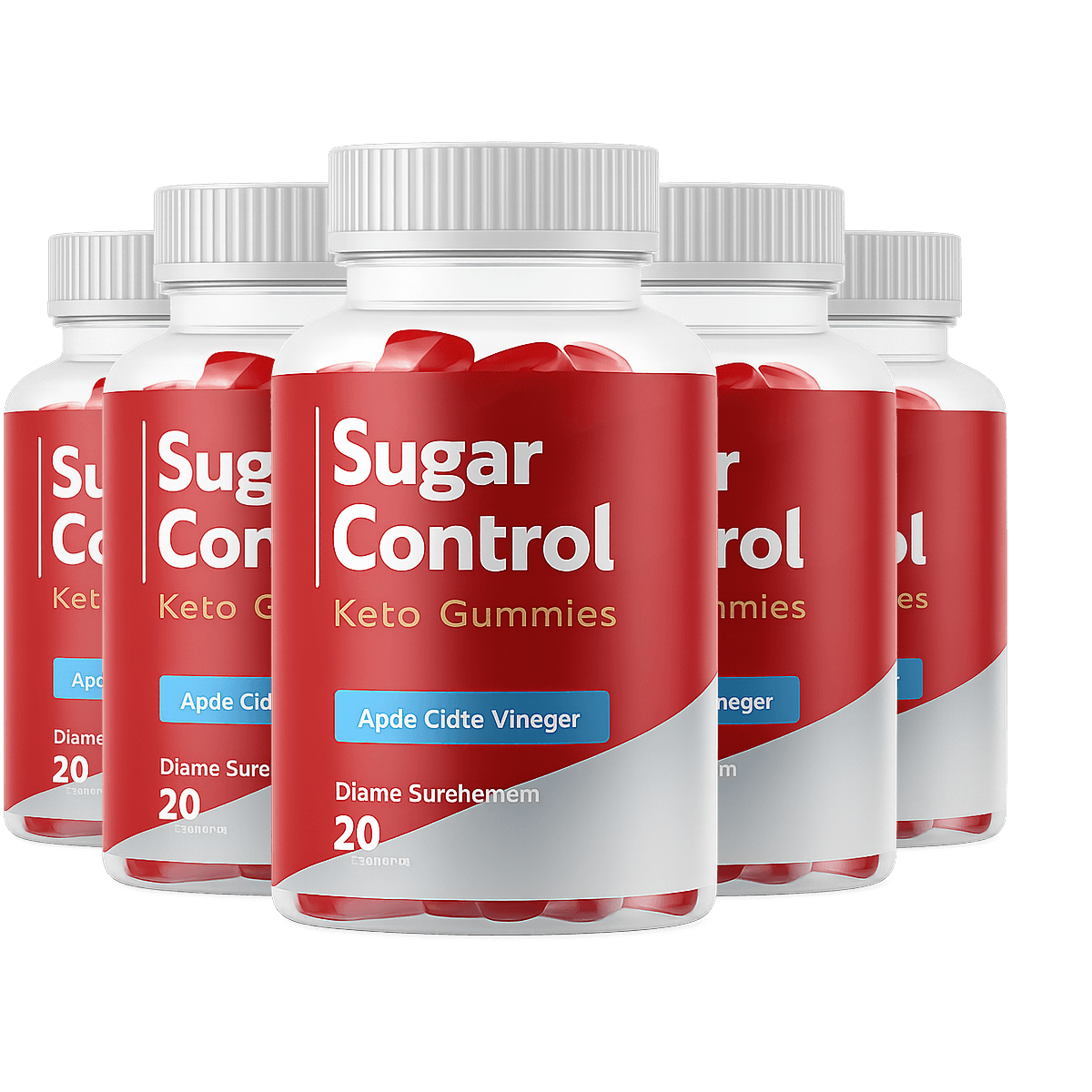
Ritual de Reequilíbrio da Glicose - Sugar Control Review
A close, evidence-based review of the Sugar Control VSL, its parasite narrative, celebrity authority stack, GLP-1 comparisons, urgency tactics, and unsupported diabetes reversal claims.
8,226+
Videos & Ads
+50-100
Fresh Daily
$29.90
Per Month
Full Access
12.5 TB database · 72+ niches · 21 min read
1. Introduction
The Ritual de Reequilíbrio da Glicose - Sugar Control VSL does not ease the viewer into a wellness conversation. It opens with a shock claim: a honey recipe before bed supposedly eliminates a diabetic parasite from the pancreas, resets insulin, and reverses type 2 diabetes in days. Within the first minute, the script has already introduced a 1.2-inch creature, a takedown threat, a 2024 Japanese university study, urine-based parasite flushing, A1C changes within hours, Big Pharma suppression, Sanjay Gupta, 60 Minutes, Halle Berry, Tom Hanks, Randy Jackson, Dr. Phil, Dr. Robert Lustig, Ozempic, Mounjaro, and a recipe that costs less than a dollar.
That density is the point. This is a VSL built to overwhelm skepticism before the viewer can separate one claim from the next. The pitch does not simply say blood sugar can improve. It says the accepted explanation for type 2 diabetes is wrong. Sugar and carbs are cast as distractions. The real villain, according to the script, is a hidden parasite latched onto the pancreas, draining beta cells and devouring insulin like a vampire. The viewer is not asked to consider a supplement. The viewer is invited into a revelation.
From a copywriting perspective, the creative is aggressive, fast, and highly engineered. It uses disgust, secrecy, celebrity borrowing, medical vocabulary, and countdown urgency in the same sequence. The language is vivid enough to be memorable, but it also carries heavy compliance risk. Phrases such as A1C plummets, glucose levels will never go above 95 again, completely off insulin, and reverses type 2 are not casual marketing flourishes. They are disease-treatment claims, and the transcript offers no clinical substantiation that would support them.
This review treats the VSL as a piece of direct-response advertising, not as medical advice. That distinction matters. The creative can be studied for its structure, pacing, hooks, and emotional triggers, while still being judged harshly where it makes unsupported health claims. A useful review has to do both. Affiliates need to know why the pitch might convert. Copywriters need to know which devices are doing the persuasive work. And anyone considering running traffic to this angle needs to understand why the claims, as presented in the excerpt, are unusually exposed.
The bottom line going in: Sugar Control has a clear persuasion machine, but the machine is powered by extraordinary medical assertions that the transcript does not prove. The strongest parts are the drama, enemy creation, and retention mechanics. The weakest parts are the science, authority verification, and promise discipline. That combination can generate curiosity clicks, but it also creates serious trust, regulatory, and platform problems.
2. What Ritual de Reequilíbrio da Glicose - Sugar Control Is
Based on the transcript, Ritual de Reequilíbrio da Glicose - Sugar Control is positioned less like a conventional supplement and more like a hidden home protocol. The core offer is described as a honey ritual, sometimes taken before bed and elsewhere framed as a morning ritual. It allegedly combines honey with two simple ingredients and must be prepared in a precise way. The VSL withholds the full recipe while repeatedly insisting that the exact measurements matter, which turns ordinary kitchen items into proprietary knowledge.
That is an important distinction. The viewer is not initially sold a bottle, capsule, or branded formula. They are sold access to a sequence: watch until the end, learn the right way, avoid the wrong way, and discover the step-by-step method celebrities are supposedly using. This is a common health VSL architecture. The front end appears informational and almost public-service oriented, while the commercial mechanism sits behind the reveal. If a paid product appears later in the funnel, the VSL has already created the belief that the buyer is not paying for ingredients. They are paying for the correct ritual and the suppressed knowledge around it.
The product name itself also does useful positioning work. Ritual de Reequilíbrio da Glicose sounds more holistic and procedural than a supplement label. Sugar Control adds the plain-English benefit. The combination lets the offer speak to Portuguese or bilingual audiences while still retaining the familiar glucose-control category marker. It suggests balance rather than treatment on the label, even though the spoken claims in the VSL are far more aggressive.
The VSL presents the method as faster and stronger than mainstream diabetes drugs. It claims the ritual activates the same GLP-1 mechanism triggered by Ozempic and Mounjaro, but without injections, without side effects, and up to three times more potent when prepared correctly. That comparison is doing two jobs at once. It borrows the cultural awareness of GLP-1 drugs, then reframes the ritual as a cheaper, natural substitute. The pitch is not merely competing with other supplements. It is trying to compete with prescription medicine in the viewer’s imagination.
For affiliates, the most relevant fact is that the offer’s perceived value is created by story rather than ingredient transparency. We do not learn the two other ingredients in the excerpt. We do not see a Supplement Facts panel. We do not see dosage, contraindications, manufacturing details, refund terms, or clinical trial data for the product. What we do see is a hidden-cause narrative, a celebrity authority stack, a promise of rapid reversal, and a reason to keep watching. As an advertising object, Sugar Control is a revelation funnel. As a health product, the excerpt leaves too much undisclosed to evaluate it confidently.
3. The Problem It Targets
The VSL targets type 2 diabetes, high blood sugar anxiety, medication fatigue, and the broader fear of losing control over one’s body. It names symptoms that many viewers will recognize: chronic fatigue, uncontrollable hunger, frequent nighttime urination, tingling in the feet, blurry vision, and fear around A1C. Those symptoms are not random. They map onto common diabetes concerns and complications, and they are emotionally loaded because they suggest both daily discomfort and future danger.
Where the script departs sharply from responsible health education is in its diagnosis of the problem. Instead of explaining insulin resistance, beta-cell stress, weight, genetics, diet quality, activity, sleep, medications, age, or other known contributors, it says Americans are victims of a pancreatic parasite. The parasite allegedly latches onto the pancreas, sucks beta cells and insulin, drains vital energy, and prevents the body from using insulin. This is not a minor embellishment. It replaces the established model of type 2 diabetes with a horror story.
The transcript also inflates prevalence in a way that should immediately raise questions. It says 9 out of 10 Americans have type 2 diabetes and less than 1% know it. That is not a plausible public-health statement. The CDC describes diabetes as common, but nowhere near 90% of Americans. The exaggeration serves a conversion purpose: it makes the viewer feel personally implicated even if they have not been diagnosed. It also implies that ordinary medical testing is missing an epidemic, which reinforces the script’s conspiracy frame.
The psychological target is not just people with diagnosed diabetes. It is anyone with fatigue, cravings, bathroom trips at night, neuropathy fears, or a recent glucose reading that made them uneasy. By telling viewers the real cause is not sugar or carbs, the VSL removes a sense of personal blame. That can be emotionally relieving. It says: this is not your fault; something has been stealing from you. In direct response, that is a powerful reframing. It converts shame into anger and makes the solution feel like rescue rather than discipline.
The problem is that health copy cannot safely trade accuracy for relief. Tingling feet, excessive urination, fatigue, and vision changes are symptoms people should discuss with a clinician, especially if blood sugar is high or diabetes is already diagnosed. Presenting those symptoms as evidence of a removable parasite could delay appropriate care. The VSL’s problem-solution fit is emotionally clear, but medically unsupported in the transcript. It identifies real fears, then attaches them to a cause it does not substantiate.
4. How It Works: The Proposed Mechanism
The VSL proposes two overlapping mechanisms. The first is the parasite mechanism. A 1.2-inch creature supposedly lives on the pancreas, drains beta cells, consumes insulin, and causes type 2 diabetes. The honey ritual, mixed with two ingredients, allegedly creates a natural acid that is fatal to the creature but safe for the user. Three minutes after drinking it, the parasite detaches, passes out through urine, and the viewer wakes up with immediate relief. The second mechanism is the GLP-1 mechanism. The script claims the recipe activates the same pathway as Ozempic and Mounjaro, only without injections or side effects.
These mechanisms do not sit comfortably together. One story says diabetes is caused by a physical parasite that must be flushed out. The other says the ritual works through incretin-style metabolic signaling. The script does not explain how a kitchen mixture would both detach a pancreatic parasite and outperform regulated drugs that were developed, dosed, tested, and approved through formal drug pathways. Instead, it stacks mechanisms because each one carries a different persuasive benefit. The parasite supplies a villain. GLP-1 supplies scientific familiarity. The urine flush supplies a concrete visual. The drug comparison supplies perceived potency.
The promised timeline is also a major red flag. The VSL says blood sugar can drop in hours, A1C can plummet by the next morning, and after a few days A1C will never rise above 4% again. A1C is not a real-time glucose reading. It reflects average blood glucose over a longer period, so claims of overnight A1C collapse are not credible without extraordinary evidence. In fact, an A1C under 4% is not a normal target in diabetes marketing. The pitch appears to use A1C as a dramatic number rather than as a properly understood biomarker.
The honey component deserves special scrutiny because honey is still a sugar-containing food. That does not mean honey has no place in a person’s diet, and some research has explored different metabolic effects of various foods. But a honey recipe that reliably reverses type 2 diabetes, prevents glucose from ever exceeding 95, and outperforms GLP-1 medications would require strong human clinical evidence. The transcript does not provide that evidence. It gestures toward a 2024 Japanese university study but gives no university name, study title, authors, journal, sample size, or results.
As a mechanism story, the VSL is imaginative and memorable. As a scientific explanation, it is not adequate. It relies on vivid cause-and-effect images rather than verifiable biological detail. If an affiliate or copywriter wants to extract a lesson, it is this: mechanisms convert when they are simple, visual, and emotionally satisfying. But in health markets, a mechanism also has to be defensible. This one is not defensible on the evidence shown in the excerpt.
5. Key Ingredients & Components
The only clearly named ingredient in the excerpt is honey. The VSL repeatedly refers to two additional simple ingredients, but it withholds them behind the video’s retention structure. It also mentions a natural acid that supposedly attacks the parasite while remaining safe for the human body. No exact ingredient list, dose, preparation method, safety warning, or contraindication is provided in the excerpt. That absence matters because the pitch makes drug-level claims while giving food-level disclosure.
Honey functions as more than an ingredient here. It is a familiarity device. Viewers know what honey is, may already have it in the kitchen, and associate it with traditional remedies. A recipe that costs less than a dollar feels accessible, especially compared with prescription drugs and injections. The pitch uses that contrast aggressively: Ozempic and Mounjaro become expensive, medicalized, and inconvenient; the honey ritual becomes cheap, natural, and empowering.
The unnamed ingredients create curiosity. The viewer is told there is a right way and a wrong way to perform the ritual, and that most people online are doing it wrong. This is classic open-loop copy. It lets the VSL benefit from the credibility of ordinary ingredients while preserving the exclusivity of a proprietary method. If the ingredients were named too early, many viewers would leave and search elsewhere. By delaying the recipe, the VSL turns measurement and sequence into the product.
There is also a subtle inconsistency in timing. The opening says the honey recipe should be consumed before bed. Later, the celebrity segment calls it a morning ritual made every single morning. That may seem small, but in a protocol-driven pitch, timing is part of the mechanism. If the difference between success and failure depends on exact preparation, then bed-before and morning-after language should not be interchangeable. For a careful reviewer, this suggests the script may be stitched from multiple angles or translated from variants of the same funnel.
Other components are rhetorical rather than nutritional. The VSL uses a Japanese university study, a TV news investigation, celebrity case studies, expert commentary, testimonial clips, and the promise of precise measurements. Those are part of the offer’s perceived formula. The viewer is not evaluating honey alone. They are evaluating a packaged belief system: hidden enemy, suppressed study, celebrity validation, correct preparation, fast biomarker change, and urgent access.
Until the seller discloses the full formula and backs it with credible safety and efficacy data, the ingredient story remains incomplete. For affiliates, this limits responsible promotion. For copywriters, it is a reminder that mystery can increase watch time, but mystery around a disease-treatment protocol also increases the burden of proof.
6. Persuasion Hooks & Ad Psychology
The VSL’s primary hook is shock: type 2 diabetes is not caused by sugar or carbs, but by a parasite in the pancreas. This is engineered to interrupt pattern recognition. The diabetes market is saturated with claims about insulin sensitivity, carb control, weight loss, herbs, minerals, and metabolism. A parasite angle feels new, visceral, and disturbing. Whether it is credible is a separate question. The hook works at the level of attention because it violates what the viewer expects to hear.
The second hook is censorship. The line about this being the last time the speaker can share the video before it is taken down gives the viewer a reason to watch immediately. It also reframes skepticism. If the claim sounds too good to be true, the script says that reaction is expected because powerful interests are trying to hide it. Big Pharma is furious. The internet may wipe it. The viewer becomes part of a temporary window of access.
The third hook is speed. The VSL uses several compressed timelines: 15 seconds, three minutes, a few hours, the next morning, seven days, 10 days, 15 days, three months, and before Christmas. These time markers create momentum. A person who has struggled with blood sugar for years is offered relief that begins almost instantly. Fast results also reduce the perceived cost of trying. If the ritual costs less than a dollar and works in days, the viewer is encouraged to think there is little downside.
The fourth hook is authority borrowing. The script does not rely on one expert. It piles up famous names. Sanjay Gupta supplies medical-journalistic credibility. 60 Minutes supplies investigative seriousness. Halle Berry supplies celebrity proof. Tom Hanks and Randy Jackson expand the celebrity cluster. Dr. Robert Lustig supplies endocrinology and carbohydrate authority. Dr. Phil supplies mass-market recognition. Ozempic and Mounjaro supply pharmaceutical legitimacy. Even when none of these claims are documented in the excerpt, the accumulation creates the feeling of consensus.
The fifth hook is disgust. The parasite is described as nasty, latched on, vampiric, draining, and stealing vital energy. Disgust is a powerful behavioral motivator because it makes the viewer want expulsion, cleansing, and immediate action. The urine-flush image completes that loop. The body is invaded; the ritual forces detachment; the invader exits.
For copywriters, the lesson is not that these claims should be copied. The lesson is that the VSL understands emotional sequencing. It starts with danger, reveals a hidden cause, offers a simple mechanism, borrows authority, shows apparent proof, and delays the recipe. The persuasion is sophisticated. The substantiation is the part that fails.
7. The Psychology Behind The Pitch
The deeper psychology of this pitch is absolution. Many people with type 2 diabetes or prediabetes have been told to change food, weight, activity, sleep, medication adherence, and monitoring habits. Even when that advice is medically appropriate, it can feel exhausting or judgmental. This VSL offers a different emotional contract: you are not weak, undisciplined, or aging. You were attacked by something hidden. That reframing is powerful because it turns self-blame into righteous urgency.
The parasite narrative also gives the viewer a concrete enemy. Insulin resistance is abstract. Beta-cell dysfunction is technical. A1C is a lab percentage. A 1.2-inch creature sucking insulin from the pancreas is a movie scene. Once the viewer imagines that scene, the proposed solution feels more satisfying. A ritual that forces the creature to detach has a beginning, middle, and end. It promises closure.
The script then overlays social permission. It says celebrities are doing it, everyday Americans are doing it, thousands on TikTok are thanking Dr. Phil, and 14,789 Americans are already using the recipe today. This matters because diabetes can be isolating. Viewers may be embarrassed about their numbers or frustrated with medication. The VSL tells them there is a crowd moving quietly toward the same solution. Specific numbers such as 14,789 create an illusion of measurement, even though the transcript provides no source for the count.
Another psychological lever is anti-institutional suspicion. Big Pharma is furious, doctors missed the real cause, and mainstream explanations are incomplete. That does not mean every viewer is hostile to medicine. Many are simply tired of costs, side effects, confusing appointments, or slow progress. The pitch exploits that frustration by presenting itself as the thing institutions did not want them to find.
The VSL also reduces action friction. No restrictive diets. No exercise. No injections. No side effects. Less than a dollar. Do it in your kitchen. See numbers plummet in a week. This is the dream structure of a mass-market health offer: high stakes, low effort, rapid feedback, and a familiar ingredient. The less effort the solution requires, the more extraordinary the proof needs to be. The transcript moves in the opposite direction. It increases the promise while withholding proof.
From an editorial standpoint, the pitch is emotionally literate but ethically strained. It understands the pain points of the market: fear, fatigue, confusion, medication burden, and the desire for a nonjudgmental explanation. But it channels those feelings into claims that could lead vulnerable viewers to distrust appropriate care. Good copy can meet people where they are without inventing a parasite or implying that insulin can be replaced by an undisclosed recipe.
8. What The Science Says
The established scientific context does not support the VSL’s central claims. The CDC describes type 2 diabetes as a condition closely tied to insulin resistance and changes in how the body uses insulin. It often develops over years and may go unnoticed for a long time. That is very different from a hidden 1.2-inch pancreatic parasite causing most cases of type 2 diabetes in America.
The A1C claims are especially problematic. The NIDDK explains that the A1C test reflects average blood glucose over roughly the past three months. It is used for diagnosis and monitoring, with diabetes generally indicated at 6.5% or above and normal below 5.7%. Because A1C reflects a longer-term average, the VSL’s promise that A1C can plummet in a few hours or by the next morning is not credible as stated. A glucose meter reading can change quickly. A1C is a different measure.
The statement that A1C will never go above 4% again is also strange. The VSL treats 4% as a triumphant ceiling, but an unusually low A1C is not automatically a healthy marketing target, especially for people using glucose-lowering medication who may face hypoglycemia risk. Responsible diabetes communication focuses on individualized targets set with clinicians, not universal promises of permanent ultra-low numbers.
The GLP-1 comparison also needs discipline. GLP-1 receptor agonists and related incretin therapies are prescription drugs with defined active compounds, dosing schedules, warnings, and clinical trial histories. A honey-based recipe that activates the same mechanism, has no side effects, and is up to three times more potent would be a major medical discovery. The transcript does not provide the level of evidence such a claim would require. It names no trial, no peer-reviewed paper, no endpoint definition, and no independent replication.
The FDA’s consumer guidance on illegally sold diabetes treatments is directly relevant here. The agency warns consumers to be cautious of unapproved products claiming to treat, cure, prevent, or mitigate diabetes, especially where they may be used instead of proper medical treatment. The Sugar Control VSL makes claims that sound like treatment, reversal, and medication replacement. That puts it in the zone where substantiation is not optional.
None of this means that diet, weight change, medication, sleep, physical activity, or clinician-guided interventions cannot improve glucose control. They can. Some people with type 2 diabetes achieve remission under structured medical supervision. But remission is not the same as a parasite flush, and it is not established by a celebrity clip or a testimonial. The transcript’s scientific posture is skeptical of medicine, but it does not apply equivalent skepticism to its own claims. That imbalance is the central evidence problem.
9. Offer Structure & Urgency Mechanics
The excerpt shows a retention-first offer structure. It begins with the most extreme claim, then immediately says the viewer must pay close attention because the video may be taken down. After that, it layers intrigue: a hidden parasite, a Japanese discovery, a honey ritual, Big Pharma suppression, a 60 Minutes investigation, celebrity reversals, expert reactions, TikTok proof, and finally the promise that Dr. Phil will reveal the exact recipe step by step. The commercial reveal is delayed, but the viewer is repeatedly told that leaving early means missing the critical measurement details.
The urgency mechanics are overt. This is the last time the speaker can share it. The internet may wipe it. Viewers should act before Christmas. People are using it today. The right preparation method is coming at the end. These are not small nudges; they are the scaffolding of the VSL. The urgency is not tied to inventory or a real enrollment deadline in the excerpt. It is tied to fear of losing access to forbidden information.
The phrase before Christmas is particularly revealing. It creates a seasonal deadline that can be swapped or recycled in evergreen funnels. In the same script, the viewer is told this could be salvation in 2026. The combination gives the pitch a current-year feel while preserving a holiday countdown. For affiliates, that can produce short-term click pressure. For compliance teams, it raises the question of whether urgency is genuine or manufactured.
The offer also uses precision as persuasion. Numbers appear everywhere: 15 seconds, three minutes, 2024, 9 out of 10 Americans, less than 1%, 1.2 inches, A1C under 4%, glucose under 95, 15 days, three months, 50 to 150 points, 10 days, less than a dollar, 14,789 Americans. Precise numbers make a story feel documented even when the source is not shown. This is one of the most important mechanics in the transcript. It simulates measurement.
The delay-before-reveal structure can be effective in VSLs, but it becomes risky when paired with medical claims. If the pitch says the viewer needs the recipe to stop a parasite from destroying beta cells, then every minute of retention pressure is built on fear. If a product is later sold, the buyer’s decision has already been shaped by claims of disease reversal, celebrity proof, and medication escape. That is a much heavier burden than selling general wellness support.
A more defensible offer structure would narrow the promise, disclose the actual product earlier, avoid medication-replacement language, and provide transparent evidence. The current structure is optimized for curiosity and urgency, not for informed consent.
10. Social Proof & Authority Claims
The social proof stack is one of the busiest parts of the VSL. It invokes celebrities, television journalism, medical experts, viral social media, unnamed everyday users, and specific numerical adoption. Halle Berry is presented as saying her blood sugar dropped from 200 to 110 in 15 days and that she was completely off insulin within three months. Tom Hanks and Randy Jackson are named as part of the broader celebrity reversal frame. Sanjay Gupta and 60 Minutes are used to make the segment feel investigative. Dr. Robert Lustig is introduced as a leading authority on carbohydrates and diabetes. Dr. Phil is positioned as the person who taught the recipe.
This is not ordinary testimonial copy. It is borrowed-trust architecture. Each name contributes a different credibility signal. A celebrity makes the story aspirational. A TV news brand makes it feel vetted. A physician-journalist makes it feel medically serious. An academic endocrinology figure makes it feel scientific. A daytime-television figure makes it feel accessible. The viewer is not expected to verify each claim in real time. The viewer is expected to feel surrounded by confirmation.
The excerpt, however, provides no primary evidence that these people made the statements attributed to them, participated in the program described, endorsed this ritual, or used this method. There is no link, episode title, publication date, study citation, or full interview context. That is a serious problem. In health advertising, celebrity and expert references can materially affect consumer decisions. If they are fabricated, impersonated, AI-generated, selectively edited, or unauthorised, the risk is not just reputational. It can become platform, legal, and regulatory risk.
The testimonial clips are also medically insufficient even if they were genuine. A person saying their glucose dropped 80 or 150 points in 10 days does not prove cause. Blood glucose changes can reflect medication use, diet changes, illness, testing timing, hydration, measurement error, or many other variables. A responsible case study would disclose baseline context, medications, lab confirmation, clinician oversight, and follow-up. The VSL gives emotional before-and-after statements without clinical detail.
The line thanking Dr. Florida is especially odd because the rest of the script centers Dr. Phil. That could be a transcription error, a dubbing artifact, or a sign of script assembly from multiple versions. Either way, it weakens the polish of the authority chain. So do repeated language glitches such as type 2 inches a matter of days and blood sugar stabilized at 98 inches one week.
Authority can help a legitimate health message when it is accurate, permissioned, and traceable. Here, authority functions more like set dressing. It creates the atmosphere of verification while the actual verification remains absent.
11. FAQ & Common Objections
Is Sugar Control presented as a supplement or a recipe? In the excerpt, it is presented as a honey-based ritual with two additional ingredients, not as a clearly disclosed supplement. That may change later in the funnel, but the transcript provided sells the idea of a precise home method. The lack of ingredient disclosure makes it hard to evaluate safety, dose, or product quality.
Is the pancreatic parasite claim supported? Not in the excerpt. The VSL gives a vivid description of a 1.2-inch creature attached to the pancreas, but it does not identify an organism, cite a diagnostic method, name the Japanese university, or provide a peer-reviewed study. As written, this is an unsupported extraordinary claim.
Can A1C drop in a few hours? That claim conflicts with how A1C is used clinically. A1C reflects average glucose over roughly three months, so it is not expected to plummet within hours after a drink. Short-term blood glucose readings can move quickly; A1C is not the same thing.
Could honey help glucose control? The VSL does not provide evidence that its honey recipe reverses diabetes. Honey contains sugars, and people with diabetes generally need individualized guidance about carbohydrate intake. Any claim that honey plus two ingredients outperforms prescription GLP-1 therapies would require rigorous clinical proof.
What about the celebrity claims? The transcript names well-known people and attributes dramatic results to them, but it does not provide verifiable sourcing. Affiliates should not assume those endorsements are real, authorized, or compliant without primary documentation from the advertiser.
Is the VSL persuasive? Yes. It is built with strong direct-response instincts: a shocking enemy, urgency, low effort, dramatic numbers, social proof, authority borrowing, and a delayed reveal. Persuasive does not mean substantiated. In this case, the persuasion is stronger than the evidence presented.
Who is the likely audience? The pitch speaks to people with high glucose readings, diagnosed type 2 diabetes, prediabetes fears, medication fatigue, and frustration with mainstream advice. It also targets people who want an explanation that removes blame and promises fast relief without diet or exercise.
What should affiliates ask before promoting it? They should request the full ingredient list, label, claims substantiation, clinical evidence, testimonial releases, celebrity authorization, compliance review, refund terms, and platform-specific ad approvals. They should also ask whether the advertiser expects affiliates to repeat claims about reversal, parasites, A1C, insulin discontinuation, or drug equivalence.
Can viewers stop medication after watching this? No responsible reading of this transcript supports stopping prescribed diabetes medication. Medication changes should be handled with a licensed clinician. The VSL’s medication-replacement implications are among its highest-risk elements.
12. Final Take
Ritual de Reequilíbrio da Glicose - Sugar Control is a powerful VSL from a pure attention perspective. It understands how to seize the diabetes audience’s fear, frustration, and hope. The parasite angle is visually unforgettable. The honey ritual is simple. The GLP-1 comparison is timely. The celebrity and expert stack is designed to feel overwhelming. The delayed recipe reveal keeps the viewer engaged. As a study in retention mechanics, the creative is worth analyzing.
But as a health claim vehicle, the VSL is deeply problematic. The central assertions are not modest. They include eliminating a diabetic parasite, resetting insulin, reversing type 2 diabetes in days, forcing a creature out through urine, making A1C plummet within hours, keeping glucose from ever rising above 95, outperforming Ozempic and Mounjaro, and helping people get off insulin without diet or exercise. Those are treatment and reversal claims. The excerpt does not supply the evidence needed to support them.
The most charitable interpretation is that the VSL is using metaphor, dramatization, and aggressive simplification to sell a glucose-support concept. The difficulty is that the language is not framed as metaphor. It is delivered as literal biology, literal celebrity testimony, and literal medical breakthrough. That makes it hard to defend as ordinary wellness copy.
For affiliates, the verdict is cautious to negative unless the advertiser can provide exceptional substantiation and a cleaner compliant version. Running this angle as written could expose traffic partners to account bans, chargebacks, consumer complaints, and regulatory scrutiny. The use of famous names without visible sourcing is a separate risk. The diabetes reversal language is another. The parasite mechanism is another.
For copywriters, the VSL offers useful lessons in emotional sequencing but also a clear warning. The creative succeeds at making the viewer feel that a single hidden cause explains years of suffering. It succeeds at making a cheap kitchen ritual feel more advanced than prescription medicine. It succeeds at turning a recipe reveal into a high-stakes event. Those mechanics can be adapted ethically only if the underlying claims are narrowed, sourced, and truthful.
Our balanced verdict: Sugar Control is compelling advertising wrapped around claims that remain unsupported in the transcript. The pitch may convert because it is dramatic, specific, and emotionally fluent. It should not be treated as scientifically reliable on the evidence provided. Anyone evaluating the offer should separate the copy’s performance potential from the medical assertions, and should demand documentation before repeating any claim about parasites, diabetes reversal, GLP-1 equivalence, A1C normalization, or medication freedom.
Source-backed reader context
Additional Reviews & Reported Experiences
These statements were presented in the product's sales transcript. Daily Intel did not independently verify the speakers, purchase status, or reported outcomes, and the statements are not used in Product aggregateRating.
VSL proof excerpt 1
Date not stated
In just 15 days, my blood sugar dropped from 200 to 110.
VSL proof excerpt 2
Date not stated
And by the end of three months, I was completely off insulin and my A1C levels were back to health range.
VSL proof excerpt 3
Date not stated
I just wanted to say thank you because I truly believe everyone should try as soon as possible if they want to get rid of diabetes.
VSL proof excerpt 4
Date not stated
I lived with type 2 for 12 years and that was a really horrible time.
VSL proof excerpt 5
Date not stated
I'm still processing how something so simple can be so effective.
VSL proof excerpt 6
Date not stated
After I was diagnosed in 2019, my life was never the same.
VSL proof excerpt 7
Date not stated
I'm recording this real quick while my grandson is napping because more people deserve to know about this trick.
VSL proof excerpt 8
Date not stated
If it worked for her, I believe it can work for anyone.
Comments(0)
No comments yet. Members, start the conversation below.
Related reads
- DISvsl reviews
Molécula Tóxica Review: A Deep Read of the Tinnitus VSL
A detailed editorial review of the Molécula Tóxica tinnitus VSL, covering its fear hook, mechanism claims, proof gaps, offer logic, and affiliate risks.
Read - DISvsl reviews
Truque Estranho de 10 Segundos Review: Diabetes VSL Analysis
A close Daily Intel review of the Truque Estranho de 10 Segundos diabetes VSL, including its mechanism claims, emotional hooks, scientific gaps, and affiliate takeaways.
Read - DISvsl reviews
Deficiência de Potássio Review: Diabetes VSL Claims, Hooks and Risk
This review dissects a high-pressure diabetes VSL that ties potassium deficiency to rapid reversal, weighing its emotional pull against evidence and compliance risk.
Read