The Honey Trick - Neurozen Review: Claims, Hooks, and Evidence
A close Daily Intel review of The Honey Trick - Neurozen VSL, covering its Alzheimer's fear framing, sugar mechanism, honey protocol claims, proof gaps, and affiliate risks.
8,226+
Videos & Ads
+50-100
Fresh Daily
$29.90
Per Month
Full Access
12.5 TB database · 72+ niches · 24 min read
1. Introduction
The Honey Trick - Neurozen VSL does not open like a normal supplement ad. It opens like an emergency broadcast wearing a medical coat. The first sound is the cadence of daytime television: Every Monday, an Alzheimer's action plan, today on the Dr. Oz Show. Then the script widens the lens from one show segment to a century-long crisis. One hundred years ago, it says, only three people had been diagnosed with Alzheimer's. Today, more than 50 million suffer. In a few lines, the viewer is moved from casual attention to civilizational dread.
The emotional center arrives quickly. A daughter describes a mother who was once a university professor, spoke four languages, and read three books a week. Last Christmas, the mother allegedly looked at her and asked whether she worked there. That is the real opening offer. Neurozen is not first sold as a capsule, tonic, recipe, or protocol. It is sold as a way to avoid becoming a stranger to your own family.
From there, the VSL makes an aggressive pivot. The enemy is not aging, plaques, or genetics. The enemy, we are told, is sugar and fructose, including sugar hidden inside foods the audience may consider healthy: orange juice, fruit yogurt, whole wheat bread, granola bars, rice, potatoes, and pasta. The visual proof is described as red areas on an MRI. The institutional proof is described as research with Yale, Johns Hopkins, Stanford, 40,000 brain scans, and a patient test involving 2,847 people. The remedy is framed as a simple nutritional protocol using honey and three more ingredients.
That combination is why this VSL deserves a serious review rather than a quick dismissal. As copy, it is highly engineered. It has a clear villain, a memorable mechanism, concrete foods, a caregiver story, large numbers, institutional signals, and a suppression hook. As a health claim, it also walks directly into the most sensitive part of consumer protection: promising reversal of Alzheimer's disease. The line that matters most is the claim that early-stage Alzheimer's is 100% reversible. That is not a casual wellness claim. It is a disease-treatment claim, and it demands clinical evidence that the excerpt does not provide.
This Daily Intel review looks at The Honey Trick - Neurozen as both a persuasion asset and a medical-adjacent sales message. The goal is not to mock the audience's fear. Dementia fear is rational, especially for families who have watched a parent decline. The goal is to separate the useful marketing lessons from the unsupported leaps, so affiliates, media buyers, copywriters, and compliance teams can see exactly where the pitch is strong, where it is fragile, and where it may become dangerous.
2. What The Honey Trick - Neurozen Is
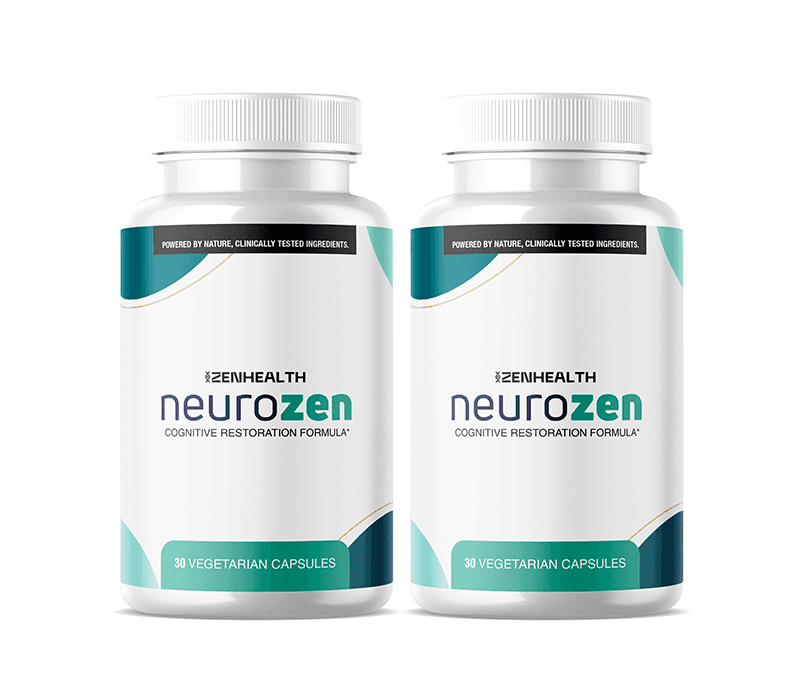
Based on the transcript, The Honey Trick - Neurozen is positioned as a memory and Alzheimer's-focused VSL built around a simple home-style ritual rather than a conventional pharmaceutical treatment. The branded product name is Neurozen, but the front-end idea is the Honey Trick. That distinction matters. The VSL is not asking the viewer to fall in love with a brand first. It is asking the viewer to believe there is a hidden, almost kitchen-counter adjustment that doctors and drug companies have ignored or buried.
The product is framed as the practical answer to a newly revealed mechanism. First, the viewer is told that Alzheimer's is not genetic and is not primarily caused by protein plaques. Then the viewer is told that fructose and toxins are damaging the brain. Then the VSL introduces the promise: a specific nutritional protocol using honey and three additional ingredients. The product therefore functions as a mechanism-based rescue. Neurozen is not merely a supplement in this story; it is the consumer-facing form of a discovery.
The strongest commercial feature is the gap between simplicity and stakes. The condition is terrifying. The proposed action is simple. That contrast is classic VSL architecture, but here it is amplified by the disease category. Viewers are not being told they can improve focus during a workday. They are being told they may prevent identity loss, restore memory, and possibly return someone to a normal life. The transcript claims 89% improved recent memory in four weeks, 84% regained concentration and mental clarity in six weeks, 76% completely reversed symptoms in six months, and 64% returned to a fully normal life. These are the kind of numbers that make an offer feel scientifically mature, even before the viewer has seen a paper, trial registry, investigator names, or raw data.
For affiliates, the product should be treated as a high-risk health offer unless the advertiser provides unusually strong substantiation. It is not enough to ask whether the landing page converts. The operational questions are more basic: What exactly is in Neurozen? Is honey literally part of the formula, or is it a pre-sell theme that leads to capsules? Are the three additional ingredients named before checkout? Are dosages disclosed? Is there a supplement facts panel? Is the 2,847-patient test published, randomized, controlled, and independently reviewed? Are the referenced institutions actually involved, or are their names used as atmosphere?
On the excerpt alone, The Honey Trick - Neurozen is best understood as a disease-reversal narrative attached to a brain-health offer. That is commercially potent, but it is not the same as being proven. The brand may have a real product behind it; the transcript does not give enough detail to evaluate the formula. What it does reveal is the selling idea: Alzheimer's is caused by a hidden sugar-fructose toxicity loop, and a honey-centered routine can correct it. That idea carries the entire pitch.
3. The Problem It Targets
The VSL targets one of the most emotionally loaded consumer health problems: the fear of losing memory before losing life. It makes this explicit by comparing Alzheimer's to cancer and heart disease. The script says people fear Alzheimer's more because with cancer, you are still yourself until the end. That is a blunt claim, but it is strategically precise. It reframes dementia as an identity threat rather than a medical diagnosis. The viewer is not just protecting cognition. The viewer is protecting personhood, family recognition, dignity, and continuity.
The pitch also targets the gray zone before diagnosis. The transcript describes forgetting bank passwords, losing clients after missed meetings, walking into a room without remembering why, and repeating the same stories several times in a day. These examples are not random. They are everyday lapses that many adults over 50 have experienced at least occasionally. By placing ordinary memory frustrations next to Alzheimer's imagery, the VSL broadens the audience from diagnosed patients and caregivers to anyone who has recently felt a mental slip and wondered what it means.
That is good copy and risky education. It is good copy because it makes the problem immediate. A viewer does not need a specialist's diagnosis to enter the emotional world of the pitch. It is risky because memory lapses can come from many causes: poor sleep, anxiety, depression, medication effects, thyroid problems, vitamin B12 deficiency, alcohol use, concussion history, infection, grief, stress, or normal distraction. Some causes are treatable and should be assessed by a clinician. A VSL that turns all forgetfulness into evidence of a fructose-toxin pathway may create urgency, but it may also send people away from proper evaluation.
The VSL's food examples deepen the problem by making the threat feel unavoidable. Orange juice, fruit yogurt, whole wheat bread, granola bars, rice, potatoes, and pasta are not fringe junk foods. They are ordinary foods. Some are even marketed as healthy. This is an important psychological move. If the enemy were only soda and candy, the audience could dismiss the ad as familiar nutrition advice. By naming breakfast staples and comfort foods, the pitch implies that the viewer has been unknowingly poisoning the brain while trying to do the right thing.
The transcript also uses finality. It says neurons do not regenerate and compares a damaged neuron to a broken glass cup. This analogy raises the stakes, but it sits awkwardly beside the later claim that Alzheimer's can be 100% reversible in early stages. If the damage is presented as permanent, the promised reversal needs an especially clear explanation. Is Neurozen preventing future injury, restoring function in stressed but living neurons, improving vascular or metabolic support, or regenerating lost cells? The VSL uses the broken-cup metaphor for fear and the reversal statistics for hope, but it does not reconcile the two.
In short, the problem The Honey Trick - Neurozen targets is not only Alzheimer's disease. It targets the fear that small lapses are the first visible signs of a silent process already underway. That is why the pitch can be compelling even to viewers without a diagnosis. It gives a name to anxiety, a villain to blame, and a simple action to consider.
4. How It Works
The proposed mechanism is the VSL's main asset. The script argues that mainstream medicine has misidentified the enemy. Protein plaques are dismissed as the wrong target. Genetics are dismissed with the line that there is no Alzheimer's gene. Aging is dismissed as a convenient excuse. The new culprit is sugar, or more specifically fructose and toxins allegedly visible in Alzheimer's-affected brain regions.
The mechanism moves in five steps. First, modern sugar consumption has risen dramatically. Second, Alzheimer's cases have risen over the same period. Third, fructose levels in Alzheimer's brains are allegedly five to six times higher than in healthy brains. Fourth, even foods that appear healthy can deliver or trigger fructose exposure. Fifth, a honey-and-three-ingredient protocol can correct what is poisoning the brain. The structure is easy to follow, which is why it works as sales communication. It gives the viewer a complete map: cause, concealment, personal exposure, damage, solution.
There are pieces of this story that sound plausible enough to hold attention. Metabolic dysfunction is a legitimate area of dementia research. Diabetes, vascular health, inflammation, insulin signaling, diet quality, and energy metabolism all matter in brain aging. There is also scientific discussion around endogenous fructose production in the brain and altered carbohydrate metabolism in Alzheimer's disease. A careful version of this pitch could say that metabolic health may influence dementia risk and that diet is one modifiable factor among many.
The transcript does not stay that careful. It turns correlation into causation, and causation into near-total explanation. The sugar consumption chart is presented as if two rising lines settle the matter. But population-level trends can move together for many reasons: longer life expectancy, better diagnosis, changes in medical records, obesity, diabetes, education, cardiovascular disease, air pollution, survival from other illnesses, and aging demographics. A correlation can generate a hypothesis. It cannot carry a reversal claim.
The food logic also creates a problem for the remedy. Honey contains sugars, including fructose and glucose. If fructose is presented as the brain's central poison, a honey-based protocol has to explain why this specific use of honey would help rather than add to the burden. The VSL may later argue that a particular honey type, dose, timing, or companion ingredient changes the effect. The excerpt does not show that bridge. Without it, the mechanism sounds rhetorically neat but biochemically incomplete.
The MRI language is another weak point. The script tells viewers to look at red areas and says those areas contain toxins, not plaques. That phrasing has the feel of visual proof, but it is not enough. What imaging modality is being shown? What tracer or sequence identifies toxins? Are the red areas inflammation, glucose uptake, blood flow, amyloid burden, tau burden, or a graphic overlay? VSLs often use medical imagery as persuasion shorthand. In a disease claim, shorthand is not acceptable proof.
The most charitable reading is that The Honey Trick - Neurozen proposes a metabolic support theory: reduce harmful sugar patterns, address endogenous fructose metabolism, and use a nutritional formula to support brain function. The actual transcript goes further, claiming root cause identification and reversal. That leap is where the mechanism stops being a helpful explanation and becomes an unsupported medical promise.
5. Key Ingredients & Components
The ingredient section of this VSL is notable for what it withholds. The excerpt names honey and says there are three more ingredients, but it does not identify them. That is a deliberate retention device. The viewer is being sold the importance of the discovery before being allowed to inspect the formula. In direct response, that can extend watch time. In a medical-adjacent offer, it also creates a substantiation gap.
Honey is the anchor ingredient because it feels familiar, safe, old-fashioned, and non-pharmaceutical. It has a strong sensory identity. People can picture it. They may associate it with home remedies, tea, sore throats, grandparents, and natural care. That makes honey a warmer lead than a clinical compound name. It also lets the VSL contrast a simple household substance with expensive medications and a $600 billion industry. The copy benefit is obvious: honey makes the solution feel accessible.
But honey is also a sugar source. This is the unavoidable tension in the pitch. The VSL spends considerable time warning that fructose is damaging the brain, then points toward a honey-based protocol. Honey's exact composition varies, but it generally contains glucose and fructose. If the product's thesis is that fructose is central to Alzheimer's pathology, the formula needs a precise explanation for why this ingredient belongs in the solution. Possible explanations might involve dose, polyphenols, antioxidant compounds, delivery timing, or pairing with other ingredients, but the excerpt does not provide enough detail to evaluate any of those possibilities.
The unnamed three ingredients do heavy sales work without appearing on stage. They allow the VSL to imply that this is not just a spoonful of honey; it is a specific protocol developed by researchers over eight years. That can protect the pitch from sounding too simplistic. Yet the lack of names prevents serious review. Are these common botanicals, minerals, vitamins, amino acids, spices, nootropics, or drug-like compounds? Are the doses aligned with human clinical research? Are there contraindications for blood thinners, diabetes medication, blood pressure medication, surgery, pregnancy, kidney disease, liver disease, or dementia drugs? None of that can be judged from the excerpt.
There are also behavioral components disguised as ingredient logic. The VSL attacks orange juice, fruit yogurt, bread, granola bars, rice, potatoes, and pasta. That suggests the offer may include dietary restriction, carb management, or a morning/evening routine. If so, the actual active component may be a broader nutrition shift rather than honey alone. Affiliates should be careful here. If a buyer improves sleep, reduces ultra-processed foods, manages blood sugar, exercises, and takes a supplement, the sales page cannot honestly attribute all outcomes to one honey trick without evidence.
The correct due diligence checklist is concrete. Ask for the Supplement Facts panel. Ask for exact ingredient names, forms, doses, and serving size. Ask whether honey is in the product or only in the pre-sell routine. Ask for allergen information and sugar content. Ask for certificates of analysis from a third-party lab. Ask for adverse event policies. Most important, ask for the human evidence behind the Alzheimer's claims. Until those details are visible, the key ingredient in the VSL is not honey. It is curiosity.
6. Persuasion Hooks & Ad Psychology
The Honey Trick - Neurozen VSL uses a dense stack of persuasion hooks, and most of them are transcript-specific rather than generic wellness copy. The first is borrowed broadcast authority. The opening reference to the Dr. Oz Show gives the pitch a television-medicine feel before the viewer has had time to ask who is speaking. Whether that reference is licensed, contextual, archival, or merely stylistic is a critical verification issue. As copy, it instantly says: this belongs in a medical media environment.
The second hook is catastrophic scale. The VSL contrasts three diagnosed cases a century ago with more than 50 million people today and a projected tripling. Large numbers serve two purposes. They validate the fear and imply that ordinary explanations have failed. If the crisis has grown this much, the script suggests, maybe the mainstream story really is missing something.
The third hook is identity horror. The mother-professor anecdote is carefully built. She is brilliant, multilingual, scholarly, and respected. Then one sentence collapses her identity: she does not recognize her daughter. That story turns Alzheimer's from an abstract condition into a scene viewers can inhabit. For caregivers, it is immediately recognizable. For adult children, it is a future they do not want.
The fourth hook is the contrarian root cause. The script rejects plaques, aging, and genetics, then offers sugar-fructose toxicity. A good mechanism in a VSL has to be easy to repeat. This one is. The viewer can tell a spouse: It is not age; it is hidden fructose in the brain. That portability is valuable for affiliates because it turns the ad into a conversation.
The fifth hook is healthy-food betrayal. Orange juice, fruit yogurt, whole wheat bread, and granola bars are named like suspects in a lineup. This is stronger than saying sugar is bad. It implies that the audience's discipline has been misdirected. The line about a doctor congratulating the speaker's healthy diet sharpens the betrayal. The viewer can think: even my doctor may not know.
The sixth hook is precision proof. The VSL gives exact figures: 40,000 brain scans, 2,847 patients, 89%, 84%, 76%, 64%, four weeks, six weeks, six months. Specific numbers create the sensation of documentation. But specificity is not substantiation. In fact, extremely precise claims can increase compliance exposure if the advertiser cannot produce the underlying evidence.
The seventh hook is suppression. The video has supposedly been live for four hours and already flagged by three medical organizations. This does not just create urgency. It frames skepticism as expected interference. If someone doubts the claim, the VSL has already prepared the viewer to see doubt as part of the cover-up.
From a copywriting standpoint, the VSL is a strong example of mechanism, enemy, stakes, and urgency working together. From an affiliate standpoint, the same features that increase attention also increase risk. The more a pitch leans on medical authority, institutional claims, and disease reversal, the more it needs hard proof behind every sentence.
7. The Psychology Behind The Pitch
The deeper psychology of The Honey Trick - Neurozen is agency restoration. Alzheimer's is frightening because it feels irreversible, intimate, and outside personal control. The VSL takes that helplessness and redirects it. If Alzheimer's is genetic, the viewer can do little. If it is age, the viewer can do little. If it is plaques already building in the brain, the viewer may feel dependent on specialists and expensive drugs. But if the real cause is a daily food pattern, then the viewer can act tonight.
This is why the line there is no Alzheimer's gene carries so much persuasive weight. Scientifically, it is too broad. Psychologically, it is liberating. It tells the viewer that destiny has been misrepresented. The pitch then uses that emotional opening to introduce a controllable villain: sugar and fructose. The viewer's fear is converted into a shopping-list problem. That is one reason food-based health pitches scale so well. They let people feel they are fighting a complex disease through ordinary choices.
The script also uses moral inversion. The audience is not blamed at first. They were eating foods they thought were healthy. They were listening to doctors. They were trusting institutions. The blame lands on the pharmaceutical industry, food confusion, and incomplete medical explanations. This protects the viewer from shame long enough to accept the message. Later, however, the pitch introduces responsibility: if you keep eating the wrong foods or ignore the honey trick, neurons may continue dying. That sequence is powerful: absolve, reveal, then activate.
Another psychological lever is caregiver guilt. The mother-daughter story is not only about the person with dementia. It is also about the family member watching the decline. Caregivers often ask whether they missed earlier signs or could have done something sooner. A VSL promising early reversal enters that emotional territory. This is why the claim must be handled with unusual restraint. Hope can be valuable. False certainty can be cruel.
The suppression frame adds reactance. When viewers are told a video may be flagged or removed, they feel they are accessing forbidden information. That can increase watch time and reduce openness to outside correction. The phrase biggest threat to the Alzheimer's industry is not really about industry economics; it is about making the viewer feel early, brave, and independent for continuing to watch.
The pitch also benefits from diagnostic intimacy. The everyday symptoms are specific enough to feel personal but broad enough to include a large audience. Forgetting passwords, missing meetings, repeating stories, and walking into a room without purpose can happen for many reasons. The VSL narrows their meaning into one frightening path. That creates urgency, but it can also create unnecessary panic.
For ethical copywriters, the lesson is not to avoid emotion. Dementia is emotional. The lesson is to keep agency without manufacturing certainty. A stronger, safer version of this market angle would acknowledge that memory concerns deserve medical evaluation, that diet and metabolic health may be part of risk reduction, and that no supplement should replace diagnosis or treatment. The VSL under review chooses a sharper path: totalizing cause, villainous opposition, and dramatic reversal. That is why it is memorable, and also why it requires scrutiny.
8. What The Science Says
The scientific context is more complex than the VSL allows. The National Institute on Aging describes Alzheimer's-related brain changes as involving a complex interplay among beta-amyloid, tau, inflammation, vascular factors, cellular energy problems, and loss of neuronal connections. That does not mean amyloid explains everything or that every drug targeting amyloid will transform outcomes. It does mean the VSL's claim that plaques are simply not the issue is too sweeping.
The genetics claim also needs correction. It is fair to say most Alzheimer's disease is not caused by a single deterministic gene. It is not fair to say there is no Alzheimer's gene in a way that implies genetics are irrelevant. APOE e4 is a well-established risk factor for late-onset Alzheimer's, and rare inherited mutations are involved in some early-onset familial cases. Genes are not destiny for most people, but they are part of risk. A pitch can empower viewers without erasing that fact.
The fructose angle has a real scientific foothold, but the VSL stretches it. A peer-reviewed review available through PubMed Central, Cerebral Fructose Metabolism as a Potential Mechanism Driving Alzheimer's Disease, discusses the hypothesis that overactivation of cerebral fructose metabolism may contribute to Alzheimer's disease. It also notes evidence of elevated sorbitol and fructose in Alzheimer's brains. That is relevant context for the transcript's fructose narrative. But the paper presents a hypothesis and mechanistic synthesis, not proof that fructose is the singular root cause or that a honey protocol reverses Alzheimer's in humans.
There is a large difference between saying metabolic dysfunction may contribute to dementia risk and saying orange juice, yogurt, bread, rice, potatoes, and pasta are destroying the brain right now. Diet quality, blood sugar control, vascular health, exercise, sleep, blood pressure, hearing, social engagement, education, and medical care all belong in the broader prevention conversation. The VSL narrows the field because narrow mechanisms sell better. Science is less tidy.
The medication section is similarly overdrawn. Cholinesterase inhibitors and memantine are not cures, and some patients experience limited benefit. Newer anti-amyloid treatments also carry risks and require careful patient selection. But saying medications never really work is an advertising overstatement, especially when viewers may be caring for someone under a physician's care. Treatment decisions should be made with qualified clinicians, not reversed by a VSL that frames all drug therapy as corporate masking.
The most serious scientific gap is the claimed human trial. A protocol tested on 2,847 patients with early to moderate Alzheimer's, producing 76% complete symptom reversal in six months and 64% return to normal life, would be a landmark medical event. It should have a trial registration, investigators, endpoints, diagnostic criteria, control groups, adverse event reporting, peer-reviewed publication, and independent replication. The excerpt provides none of those details. Extraordinary numbers without accessible documentation should be treated as unverified.
Regulatory context matters too. The FDA has warned consumers about unproven Alzheimer's disease products marketed with claims to prevent, treat, or cure Alzheimer's. That warning is directly relevant to any supplement-style offer using reversal language. The bottom line is not that diet is irrelevant or that metabolic research is uninteresting. The bottom line is that this VSL takes fragments of plausible science and packages them into a certainty the public evidence does not support.
9. Offer Structure & Urgency Mechanics
The excerpt does not show the checkout page, price, guarantee, upsells, subscription terms, or final call to action. Still, the offer structure is visible in the way the VSL sequences information. It begins with fear, moves into hidden cause, attacks mainstream explanations, introduces a simple protocol, cites dramatic results, then tells viewers they need to keep watching because the video has already been flagged. That is an information-scarcity offer. The scarce item is not inventory. It is access to the truth before it disappears.
This is a familiar pattern in health VSLs. The product is delayed while the mechanism is elevated. Viewers are not asked to buy immediately because the pitch first needs them to accept a new worldview. Once they believe Alzheimer's is driven by hidden fructose toxicity and that conventional medicine is missing the cause, the product becomes the logical next step. By the time Neurozen or the full honey protocol appears, the viewer is not comparing brands. The viewer is comparing action versus inaction.
The urgency mechanics are aggressive. The claim that the video has been live for only four hours suggests novelty. The claim that it has already been flagged by three medical organizations suggests suppression. The promise that the next scenes contain images, testimonials, and evidence creates a forward pull. The phrase keep watching is doing direct-response work: it turns skepticism into a reason to stay, because the proof is always just ahead.
For affiliates, this structure can produce strong watch time and click-through rates. It also creates several operational risks. If a traffic source reviews the page, flagged-by-medical-organizations language may appear conspiratorial or unverifiable. If the product is a dietary supplement, disease reversal claims can trigger compliance issues. If the page uses celebrity, TV, university, or medical institution references without authorization, that can become a platform and legal problem quickly.
The offer economics are impossible to evaluate from the excerpt. A responsible affiliate would need to see the full funnel before promoting: front-end price, shipping charges, refund period, continuity billing, post-purchase upsells, customer support, chargeback history, average order value, EPC by traffic source, and claims substantiation package. High EPCs do not solve a claims problem. In sensitive categories, a profitable offer can still damage an email list, ad account, or brand relationship.
The best version of this offer would lower the medical certainty and raise the transparency. It would disclose ingredients early, describe Neurozen as support for cognitive wellness rather than a cure, avoid telling viewers to distrust physicians, and present any human evidence in a verifiable format. The current excerpt takes the opposite route: hold back the formula, heighten the threat, imply censorship, and claim reversal. That may increase immediate response, but it narrows the margin for compliant promotion.
10. Social Proof & Authority Claims
The VSL relies heavily on authority, but much of it is presented as assertion rather than documentation. The opening television frame, the doctor narrator, the 15-year investigation, the named research institutions, the 40,000 brain scans, the large patient test, the MRI imagery, and the testimonial setup all work together to create a feeling that the viewer is inside a medical breakthrough. That feeling is the proof environment of the pitch.
The strongest authority signal is the institution cluster: Yale, Johns Hopkins, and Stanford. Those names carry enormous trust. They also require careful handling. A transcript line saying researchers collaborated with these institutions is not the same as a published study listing affiliations, funding disclosures, ethics approval, authors, methods, and results. If those institutions truly participated in the discovery, the sales page should be able to link to publications, press releases, trial records, or named investigators. If it cannot, affiliates should treat the claim as unverified and potentially hazardous.
The 40,000 brain scans claim is another example of scale functioning as social proof. Large datasets sound objective. But the details matter. Were these scans from diagnosed Alzheimer's patients, healthy controls, mixed clinical populations, or public datasets? What kind of scans were analyzed? Who labeled the outcomes? What statistical model was used? Were the findings prospective or retrospective? Did the analysis show fructose, toxins, plaques, blood flow, glucose metabolism, or something else? Without that information, the number 40,000 is impressive but not evaluable.
The patient-result claims are even more consequential. A sample of 2,847 patients is far larger than many clinical trials. If 76% completely reversed symptoms and 64% returned to a fully normal life, that would be a global news story and a major medical publication. The VSL uses those figures as if they settle the case, but it does not show the scaffolding that would make them credible. What diagnostic criteria confirmed early to moderate Alzheimer's? What was the control group? What cognitive scales were used? Who assessed reversal? Were caregivers blinded? How were dropouts counted? What does fully normal life mean? These questions are not nitpicking. They are the difference between marketing copy and clinical evidence.
The anecdotal proof is emotionally effective but limited. The mother who fails to recognize her daughter, the person losing clients after missed meetings, and the implied testimonials in the upcoming scenes all help viewers identify with the problem. They do not prove that Neurozen works. Testimonials can show perceived experience, but they cannot substitute for controlled evidence, especially when a product claims to reverse a progressive neurodegenerative disease.
There is also an authority conflict inside the script. It borrows medical credibility while attacking the medical establishment. The narrator speaks as a doctor, references famous institutions, and uses imaging language. At the same time, the pitch says pharmaceutical companies hide the truth and doctors are using treatments that mask symptoms. This is a common direct-response pattern: use authority to gain trust, then use rebellion to detach the viewer from competing authorities. It can be persuasive, but it should make reviewers more cautious, not less.
For copywriters, the lesson is clear. Authority is strongest when it is specific, checkable, and proportional. The Honey Trick - Neurozen uses authority as atmosphere. Before an affiliate repeats any of these claims, they need names, links, documents, and permissions.
11. FAQ & Common Objections
This VSL raises predictable objections, and serious reviewers should answer them plainly. The questions below are the ones affiliates, buyers, and copy teams should ask before treating The Honey Trick - Neurozen as a promotable offer.
- Does The Honey Trick - Neurozen prove that Alzheimer's is reversible? No proof is shown in the excerpt. The transcript claims early-stage Alzheimer's is 100% reversible and cites large outcome percentages, but it does not provide a published trial, trial registration, diagnostic criteria, control group, or named investigators. Those claims should be treated as unverified until the advertiser supplies evidence.
- Is the sugar and fructose angle completely fake? Not completely. Brain metabolism, insulin signaling, vascular health, and possibly fructose pathways are legitimate research areas. The problem is the VSL's certainty. A plausible contributing pathway is not the same as the root cause from start to finish, and it is not evidence that honey reverses dementia.
- Why is honey used if fructose is the villain? That is one of the central unresolved tensions. Honey naturally contains sugars, including fructose. A credible formula explanation would need to clarify dose, composition, timing, accompanying ingredients, and why the net effect should be beneficial for people concerned about glucose or fructose metabolism.
- Should someone stop Aricept, Namenda, Leqembi, or other treatment after watching this? No. Medication decisions should be made with a licensed clinician who knows the patient's diagnosis, stage, risk factors, and other medications. The VSL's statement that these drugs never really work is a sales claim, not a personalized medical assessment.
- Are the Yale, Johns Hopkins, Stanford, and 40,000-scan claims enough to trust the pitch? Not by themselves. Institutional names require verification. Affiliates should ask for publications, author names, data sources, permissions, and documentation before repeating those claims in ads, emails, advertorials, or bridge pages.
- Could Neurozen still be a legitimate brain-health supplement if the VSL overclaims? Possibly, but that would require a separate formula review. A supplement can contain ingredients that support general cognitive wellness while still being marketed with claims that go beyond the evidence. The product and the pitch should be evaluated separately.
- Is this offer safe for affiliates to run? It is high risk on the transcript alone. Disease reversal, anti-pharma framing, implied medical suppression, and unverified institutional authority can create problems with ad platforms, regulators, and audiences. A compliance-edited version would need to soften or remove the Alzheimer's treatment claims.
The common thread is substantiation. The VSL asks for belief before it provides checkable evidence. That is backwards for a serious disease category. A buyer may be emotionally ready to act, but a responsible marketer should slow down at exactly the point where the copy speeds up.
12. Final Take
The Honey Trick - Neurozen VSL is powerful because it understands the emotional terrain of memory loss. It does not sell better recall in the abstract. It sells recognition at the family table, control over a frightening future, and a way to act before decline becomes irreversible. The opening anecdote, the food villains, the doctor posture, and the suppression frame are all built to keep viewers watching. As persuasion architecture, it is sharp.
The strongest part of the pitch is its mechanism clarity. Sugar to fructose to brain toxins to memory decline is simple, visual, and easy to retell. The weakest part is the gap between that simple mechanism and the extraordinary claims layered on top of it. No Alzheimer's gene, plaques are not the cause, medications never work, early Alzheimer's is 100% reversible, 76% completely reversed symptoms, 64% returned to normal life: these are not light claims. They are the kind of statements that require rigorous clinical evidence, not just red MRI areas and unnamed collaborations.
A balanced verdict has to separate commercial quality from evidentiary quality. Commercially, the VSL has many features affiliates look for: urgent problem, older demographic, caregiver relevance, familiar ingredient, contrarian science, institutional cues, and a clear enemy. Evidentially, the excerpt leaves too many blanks. The ingredient list is incomplete. The honey logic conflicts with the anti-fructose premise unless explained. The patient study is not documented. The institution claims are not linked. The drug critique is exaggerated. The regulatory risk is obvious.
For copywriters, the useful lesson is not to copy the disease promises. The useful lesson is how the VSL creates a felt mechanism. It takes a diffuse fear and gives it a concrete path. That is valuable craft. But craft should be pointed at claims that can be defended. In the memory market, a safer and more durable angle would focus on cognitive wellness support, metabolic health, healthy aging, caregiver education, and physician-guided evaluation rather than Alzheimer's reversal.
For affiliates, the recommendation is cautious: do not promote this VSL as written unless the advertiser can provide a serious substantiation file. That file should include the full ingredient label, clinical evidence, trial details, adverse event information, institution permissions, testimonial documentation, refund terms, and a compliance-reviewed claims matrix. Without those materials, the offer may convert while creating unacceptable platform, legal, and reputational risk.
For consumers and caregivers, the practical takeaway is simpler. Memory changes deserve real medical evaluation. Diet and metabolic health may matter, and future research into brain energy pathways may prove important. But no honey trick shown in this excerpt is proven to reverse Alzheimer's disease. The VSL offers a compelling story. It does not yet offer the level of evidence that a family facing dementia should be asked to trust.
Source-backed reader context
Additional Reviews & Reported Experiences
These statements were presented in the product's sales transcript. Daily Intel did not independently verify the speakers, purchase status, or reported outcomes, and the statements are not used in Product aggregateRating.
VSL proof excerpt 1
Date not stated
I lost two important clients for forgetting meetings.
VSL proof excerpt 2
Date not stated
I'd walk into a room and not remember why I went in.
VSL proof excerpt 3
Date not stated
I was repeating the same stories three, four times in one day.
VSL proof excerpt 4
Date not stated
I didn't just want my husband's memories back.
Comments(0)
No comments yet. Members, start the conversation below.
Related reads
 vsl reviews
Focusfactor Review: Inside the Propolis Memory VSL
A skeptical Daily Intel review of the Focusfactor propolis memory VSL, its assisted-living story, urgency tactics, evidence gaps, and affiliate risk points.
Read- DISvsl reviews
A Canção do Cérebro Review: Memory VSL Analysis
A detailed editorial review of A Canção do Cérebro, its 7-second memory ritual hook, neurotoxin story, authority borrowing, and where the science does and does not support the pitch.
Read - DISvsl reviews
Memory Pulse Review: What This Audio Memory VSL Gets Right and Wrong
Memory Pulse sells an 8-second ear-based memory ritual through a dramatic VSL about zombie cells, MIT research, and aging. This review separates the sharp copy from the unsupported science.
Read