Truque da Cúrcuma - MemoVance Review: Memory VSL Analysis
A careful Daily Intel review of the MemoVance turmeric-memory VSL, separating its emotional hooks, authority claims, offer mechanics, and science from unsupported cure language.
8,226+
Videos & Ads
+50-100
Fresh Daily
$29.90
Per Month
Full Access
12.5 TB database · 72+ niches · 27 min read
1. Introduction — A Fear-First Memory Pitch With A Kitchen Remedy At The Center
The Truque da Cúrcuma - MemoVance VSL opens in a place that is unusually intimate for a supplement-style memory offer: not with capsules, bottles, or a doctor at a desk, but with a family trying to live around decline. The first lines are built around avoidance, fear, and inevitability. Hiding is easier than facing the truth, the narration says, but dementia will catch up. That is a severe opening move. It tells the viewer that ordinary forgetfulness is not merely inconvenient. It is framed as the beginning of a future in which doctors offer no hope, family members remove independence, and the person with symptoms becomes a burden.
That emotional frame matters because the product is not introduced as a mild cognitive support supplement. The transcript positions the offer as a discovery that helped someone reject a diagnosis-like fate. Chris, the central story figure, is said to have lived in fear and then recovered enough to laugh with family, live normally, and stop fearing that things would get worse. Another testimonial describes a daughter hiding car keys and discussing a nursing home, followed by the viewer being told that a honey recipe or turmeric trick restored the ability to drive alone to another city without GPS. These are not modest wellness promises. They are life-reversal scenes.
From a Daily Intel perspective, this is a high-impact VSL because it stacks nearly every modern health-copy trigger into one narrative: dementia fear, natural-remedy simplicity, institutional suppression, celebrity doctor authority, NASA-adjacent credibility, media-name borrowing, before-and-after family proof, and urgent scarcity of information. The hook is not simply that turmeric might support healthy inflammation. The hook is that one of three ordinary items can eliminate brain neurotoxins, regenerate neural cells, and rejuvenate the brain by up to 20 years. That is where the pitch becomes commercially powerful but also scientifically vulnerable.
This review treats the VSL as a piece of direct-response persuasion, not as a medical recommendation. The key editorial question is not whether turmeric, curcumin, diet, sleep, and inflammation have any relationship to brain health. They do. The more important question is whether this specific VSL supports the leap from plausible wellness mechanism to fast reversal of memory loss, dementia, and Alzheimer’s-related decline. On the transcript provided, many of the most arresting claims are either unsupported, overstated, or framed in ways that would require far stronger evidence than the VSL appears to provide.
For affiliates and copywriters, the MemoVance VSL is worth studying because it is effective in the way a dangerous bridge can be impressive: the structure has clear engineering, but the load-bearing claims deserve inspection. The writing understands audience pain. It knows that families dealing with cognitive decline do not want abstract biology; they want a door out. The copy supplies that door as a turmeric trick available in the kitchen, protected from Big Pharma, validated by elite institutions, and dramatized through family scenes. The risk is that the emotional truth of the fear may make viewers less critical of the factual claims attached to it.
2. What Truque da Cúrcuma - MemoVance Is
Based on the transcript, Truque da Cúrcuma - MemoVance appears to be a direct-response memory and brain-health offer built around a natural protocol rather than a conventional drug. The phrase Truque da Cúrcuma translates naturally as turmeric trick, and the VSL repeatedly treats turmeric as the central discovery. It also refers to a honey trick or honey recipe, creating some ambiguity about the exact product mechanism. That ambiguity is important. If the paid product is a supplement, the VSL needs one level of substantiation. If it is an informational protocol, recipe, or program, it still needs truthful advertising, but the sales logic shifts toward selling access to instructions rather than selling a pill.
The offer is framed as a program that helped Chris and thousands of other Americans. It is also called a protocol, a NASA protocol, a brain detox, and a turmeric trick. Those labels are doing different jobs. Program suggests a guided set of steps. Protocol suggests clinical seriousness. NASA suggests elite research and engineering credibility. Brain detox suggests a simple cleanup process inside the brain. Turmeric trick suggests the solution is surprisingly accessible, cheap, and easy. Together, the labels make the product feel both authoritative and home-based, which is a common high-converting structure in alternative-health VSLs.
What the transcript does not clearly establish is equally important. It does not give a transparent ingredient panel, dose, manufacturing standard, clinical-trial record, or named study directly conducted on MemoVance. It says turmeric is involved, honey may be involved, one of three things in an image can eliminate neurotoxins, and the viewer probably has what is needed in the kitchen. It also says the method is not like omega-3, ginkgo biloba, caffeine, or other supplements the viewer has heard of before. That line distances the offer from crowded supplement categories while implying a distinct mechanism. But it does not, in the excerpt, define that mechanism with enough precision to evaluate it as a health intervention.
As a product concept, MemoVance is therefore best understood as a memory-loss VSL selling hope through a natural anti-inflammatory or detox narrative. The product’s commercial target seems to be older adults, adult children worried about parents, and people experiencing subjective memory complaints: brain fog, lack of focus, mental fatigue, getting lost, forgetting familiar names, or fearing dementia. The VSL does not restrict itself to healthy aging support. It repeatedly invokes dementia, Alzheimer’s, severe memory loss, cognitive decline, damaged neural cells, and doctors treating worst-case patients. That makes the product category feel more medical than casual wellness.
For affiliate review purposes, the most careful description would be: MemoVance is marketed as a turmeric-centered memory-support protocol that claims to help with brain fog, focus, and age-related memory concerns, while the VSL also makes or implies much stronger disease-reversal claims. That distinction should not be blurred. If an affiliate repeats the VSL’s most aggressive language without qualification, the review stops being useful and starts functioning as claim amplification. A responsible review should separate what the offer appears to be selling from what the VSL emotionally implies it can do.
3. The Problem It Targets
The problem targeted by this VSL is not just forgetfulness. It is the terror of losing identity, independence, and family status through cognitive decline. The copy identifies several concrete symptoms: forgetting names of people known for decades, calling a brother by the wrong name in front of family, getting lost after going to the grocery store, having car keys hidden by a daughter, losing focus, feeling mentally fatigued, and living under the possibility of a nursing home. These examples are more persuasive than generic memory copy because they are socially humiliating and practically consequential. The viewer is invited to recognize a pattern before a clinician has necessarily diagnosed anything.
The VSL also blurs several categories that should remain distinct. Brain fog, normal age-related forgetfulness, mild cognitive impairment, dementia, and Alzheimer’s disease are treated as points along one frightening track. In real clinical conversation, they are related but not interchangeable. Occasional forgetfulness can occur for many reasons, including poor sleep, depression, medication effects, vitamin deficiencies, thyroid issues, stress, alcohol use, or normal aging. Dementia is a syndrome involving a decline in memory, thinking, or problem-solving that interferes with daily life. Alzheimer’s disease is one cause of dementia, not a synonym for every memory lapse.
The transcript exploits the uncertainty between those categories. The opening warns that dementia will catch up. Later, the pitch says the trick can help whether memory loss is severe or just part of getting older. That is a potent funnel move because it widens the market. The viewer with mild word-finding problems is pulled into the same emotional room as the viewer worried about Alzheimer’s. The person caring for a parent hears the same promise as the person who occasionally loses focus at work. This broad targeting can increase conversions, but it also increases medical risk if viewers delay evaluation for serious symptoms.
The strongest legitimate insight in the VSL is that memory symptoms are not emotionally neutral. Families often do begin to compensate before formal diagnosis: they take over driving, manage finances, monitor medication, and watch for wandering or confusion. When the copy describes a daughter hiding car keys, it touches a real household conflict. Driving restriction is one of the painful transitions in cognitive decline because it represents loss of autonomy. The nursing home reference adds another layer: fear of institutional care. These are not abstract anxieties; they are the exact stakes many families discuss quietly.
The issue is that the pitch uses those stakes to set up an unusually simple solution. The viewer is not primarily directed toward medical evaluation, cognitive screening, medication review, sleep assessment, cardiovascular risk management, hearing or vision checks, or caregiver planning. Instead, the narrative points toward a kitchen-based turmeric or honey trick that can restore clarity quickly. That is the central editorial concern. A VSL can fairly discuss dietary patterns, inflammation, and cognitive wellness, but when the problem is framed as dementia-level decline, a responsible pitch must encourage professional assessment and must avoid suggesting that a home recipe can replace diagnosis or care.
For copywriters, the lesson is sharp: specificity makes fear more believable, but the more medically serious the problem, the narrower the permissible claim should become. MemoVance’s transcript is highly specific on the pain and much less specific on boundaries. That imbalance is what makes the pitch compelling and concerning at the same time.
4. How It Works — The Proposed Mechanism
The VSL’s proposed mechanism is a blend of inflammation reduction, detoxification, neurotoxin removal, and neural regeneration. The transcript says one of three things can completely eliminate neurotoxins in the brain and regenerate damaged neural cells. It says neuroscientists have dubbed this the brain detox. It ties heart disease, digestive disorders, Alzheimer’s, and cancer to chronic inflammation. It claims the turmeric trick can rejuvenate memory, restore focus, and quickly protect the memory of loved ones before it is too late. These mechanism claims are designed to make the remedy feel both biologically modern and intuitively simple.
Inflammation is the most plausible part of the mechanism. Chronic inflammation is associated with many diseases, and neuroinflammation is an active area of Alzheimer’s and dementia research. Curcumin, the best-known active compound in turmeric, has been studied for anti-inflammatory and antioxidant properties. In a careful wellness pitch, that could support a restrained claim such as turmeric compounds are being studied for brain-related pathways, or dietary patterns that reduce cardiometabolic risk may also support long-term brain health. The MemoVance VSL does not stay that restrained. It moves from inflammation as a risk pathway to a promise of rapid memory restoration.
The detox language is less scientifically precise. The brain does have waste-clearance systems, including glymphatic activity that is influenced by sleep and other physiology. But the phrase brain detox is often used in consumer marketing to imply a direct flushing of toxins without naming the toxin, measurement method, dose, biomarker, or clinical endpoint. In the transcript, neurotoxins are not defined. Viewers are not told whether the VSL means amyloid, tau, heavy metals, inflammatory cytokines, oxidative byproducts, medication metabolites, or something else. Without that specificity, the claim is emotionally clear but scientifically soft.
The regeneration claim is the largest leap. Regenerating damaged neural cells in a way that reverses dementia would be a major medical breakthrough. If a turmeric-honey method reliably accomplished that in humans, especially in severe cognitive decline, it would require randomized clinical trials, published endpoints, dose standardization, safety monitoring, and independent replication. The transcript instead appears to rely on narrative proof, borrowed institutional names, and broad references to NASA, Harvard, Mayo Clinic, CNN, Bloomberg, the Washington Post, and Scientific American. Mentioning respected institutions is not the same as demonstrating that they validated this specific product or protocol.
There is also inconsistency in the named remedy. The VSL calls it a turmeric trick, then a honey trick, then a honey recipe, then a NASA protocol. That may reflect a formulation in which turmeric is mixed with honey, or it may reflect localization, scripting drift, or reused assets from different offers. From an analyst’s view, inconsistent mechanism labeling weakens trust. A viewer can tolerate suspense, but health copy should eventually define exactly what is being consumed, in what amount, how often, for whom, and with what contraindications. The excerpt does not reach that level of clarity.
The mechanism can be summarized this way: MemoVance proposes that a natural turmeric-centered protocol reduces brain inflammation or detoxifies harmful compounds, allowing damaged memory function to rebound. The plausible kernel is that curcumin and diet quality are relevant to inflammation and are being studied in cognitive contexts. The unsupported expansion is the claim of complete neurotoxin elimination, neural-cell regeneration, dementia reversal, and a brain up to 20 years younger. That expansion is where affiliates should be especially careful.
5. Key Ingredients & Components
The transcript names turmeric as the headline ingredient and honey as a repeated companion idea. It also references an image with three things, one of which allegedly can eliminate neurotoxins and regenerate damaged neural cells. Because the full ingredient list is not visible in the excerpt, any review must avoid pretending to know a complete formula. The responsible reading is that Truque da Cúrcuma - MemoVance is built around turmeric or curcumin, possibly paired with honey or a simple kitchen preparation, and then packaged as a protocol for memory and brain clarity.
Turmeric is a spice derived from the Curcuma longa plant. Curcumin is one of its principal bioactive compounds and the one most often discussed in research. In supplement marketing, turmeric and curcumin are frequently treated as interchangeable, but they are not identical. Culinary turmeric contains curcuminoids in modest amounts, while standardized supplements may contain higher concentrations. Bioavailability also matters. Curcumin is poorly absorbed on its own, which is why many commercial formulas use piperine, phospholipid complexes, nanoparticles, or other delivery systems. If MemoVance is selling a kitchen trick, the dose and absorption questions become even more important.
Honey plays a different role. It makes the remedy feel traditional, palatable, and home-based. Honey also carries a warm folk-medicine association: something a grandmother might keep in the pantry, not something a pharmaceutical company controls. The VSL mentions a honey trick restoring memory in three weeks and a honey recipe helping someone drive independently in four weeks. Yet the transcript does not explain why honey would be central to memory restoration. It may be a carrier, sweetener, ritual cue, or part of a larger recipe. Without a clear mechanism and dosage, honey functions more as a narrative device than as a substantiated active component.
The VSL also uses components that are not ingredients but are crucial to the product’s perceived value. The first is the diagnostic enemy: neurotoxins and chronic inflammation. The second is institutional authority: NASA, neuroscientists, doctors, Dr. Daniel Amen, Harvard Medical School, Mayo Clinic, and media outlets. The third is procedural secrecy: Big Pharma and corporations allegedly do not want the trick discovered. The fourth is social proof: thousands of Americans, Silicon Valley billionaires, elders, and family testimonials. In direct response, these components can be as important as the actual formula because they define why the viewer should believe the ingredient matters.
A more transparent product presentation would answer practical questions. Is MemoVance a physical supplement, a PDF protocol, a video program, or a recipe guide? What is the exact turmeric or curcumin dose? Is black pepper extract used? Are there medication interactions, especially for people taking blood thinners, diabetes drugs, chemotherapy agents, or multiple prescriptions? Is honey safe for all intended users, including people managing blood sugar? Has the exact MemoVance formula been tested, or is the pitch extrapolating from general turmeric research? The transcript excerpt does not answer those questions.
For affiliates, this section should be a guardrail. The temptation is to write ingredient copy as if turmeric equals curcumin equals clinically proven dementia rescue. That is not accurate. The fairer angle is to say turmeric is the recognizable anchor of the offer, curcumin has a real research footprint, and the VSL’s ingredient-level claims exceed what the excerpt substantiates. That framing preserves commercial usefulness while keeping the review honest.
6. Persuasion Hooks & Ad Psychology
The MemoVance VSL is a dense stack of persuasion hooks, and it opens with the most primal one: fear of irreversible loss. Dementia is not introduced as a remote possibility. It is personified as something that will catch up to the viewer. The phrase creates urgency before the product appears. Once the viewer accepts that a clock is running, the rest of the pitch can position the turmeric trick as an intervention that must be discovered quickly. This is classic problem-agitation-solution structure, but the agitation is unusually severe because it deals with identity, family, and independence.
The second hook is the impossible contrast between medical resignation and kitchen accessibility. Doctors allegedly told the character he would have to face and live with the condition. Then a simple turmeric trick changes everything. The VSL is not merely offering a product; it is offering defiance. Viewers are invited to refuse the bleak future that professionals supposedly normalized. That creates an emotional alliance between the seller and the viewer against an uncaring medical system. It also softens skepticism because buying becomes an act of hope rather than a transaction.
The third hook is borrowed authority. The transcript mentions NASA, Harvard Medical School, Mayo Clinic, Bloomberg, CNN, the Washington Post, Scientific American, neuroscientists, doctors, and Dr. Daniel Amen. The purpose is not to build a single documented evidentiary chain. It is to surround the claim with prestigious signals. A viewer may not pause to ask whether NASA actually announced this exact turmeric trick, whether Mayo Clinic endorsed MemoVance, or whether a media outlet merely covered turmeric research in general. The cumulative effect is enough: the idea feels too institutionally visible to be dismissed.
The fourth hook is suppression. Big Pharma, big corporations, and paid doctors are said to be trying to hide the trick because it threatens billions in lost profits. The VSL even claims medication sales dropped by 18 percent and cost the pharmaceutical industry 16 million dollars after the turmeric video was released. That is a very specific financial claim, but the excerpt provides no source. Suppression copy is powerful because it converts lack of mainstream adoption into evidence of importance. If the remedy is not widely recommended, that absence becomes proof that someone is hiding it.
The fifth hook is time compression. Memory comes back in three weeks. A woman drives to another city in four weeks. The brain can be rejuvenated by up to 20 years. The viewer will learn the trick in the next three minutes. These details make the promise feel immediate. They also reduce the perceived cost of trying. For a worried family, three or four weeks is a manageable hope window. The problem is that rapid-reversal claims for serious cognitive conditions require unusually strong substantiation.
The sixth hook is relational restoration. The strongest testimonial line is not about a cognitive score; it is about a daughter crying when her parent arrives safely. The pitch sells the return of trust. Keys are no longer hidden. Family laughter returns. Dad is not laughed at; he is laughed with. This is sophisticated emotional copy because it translates memory improvement into dignity. Affiliates can learn from that specificity, but they should also recognize that emotional proof cannot substitute for clinical proof.
7. The Psychology Behind The Pitch
The psychological engine of the VSL is shame relief. Memory loss is frightening, but it is also embarrassing. Calling a brother by the wrong name in front of family is a small scene with a large emotional charge. It suggests public failure, loss of competence, and the possibility that loved ones are quietly reclassifying the person as fragile. The VSL gives the viewer a way to reinterpret those episodes. They are not signs of inevitable decline; they are consequences of an overlooked biological problem that can be corrected. That reframing is deeply attractive.
The pitch also uses identity preservation. Dementia-related fear is not only fear of death or illness. It is fear of becoming unrecognizable to oneself. The transcript repeatedly returns to normal life: living again, laughing, remembering conversations, driving independently, being present with family. These are identity markers. The product is positioned as a route back to being the person one used to be. When the VSL says memory can return better than when the person was 30, it expands identity preservation into identity upgrade. The viewer is not merely avoiding decline; they may become sharper than before.
Another psychological layer is caregiver guilt. The daughter hiding keys is not presented as cruel; she is scared. The nursing home discussion is the nightmare behind many family decisions. Adult children watching the VSL may feel the burden of preventing a parent’s decline, and older viewers may feel the fear of becoming that burden. The product then becomes a way for both parties to avoid a painful role change. That is commercially potent because it addresses two buyers at once: the person with symptoms and the family member searching on their behalf.
The VSL also reduces cognitive friction through simplicity. Dementia research is complex, and clinical pathways can be slow. The pitch offers a single villain, neurotoxins or inflammation, and a single accessible intervention, the turmeric trick. Simple explanations are not automatically false, but they are psychologically sticky. When people are scared, a clean causal story can feel more comforting than a nuanced one. This is why the VSL spends so much energy making the science sound decisive. It does not want the viewer in a state of careful uncertainty. It wants recognition, relief, and action.
Conspiracy framing strengthens commitment. Once the viewer accepts that pharmaceutical companies and corporations are hiding the trick, skepticism from doctors, family members, or mainstream sources can be pre-labeled as part of the suppression system. That creates a closed loop: endorsement proves the remedy works, criticism proves powerful interests are afraid of it, and absence of evidence proves the evidence is being hidden. This is one of the most effective and least healthy patterns in medical advertising.
Finally, the VSL creates a moral imperative to keep watching. It says the viewer needs to protect their memory and the memory of loved ones before it is too late. That transforms attention into responsibility. Leaving the video may feel like neglect. For copywriters, this is a reminder that urgency does not have to be a countdown timer; it can be emotional obligation. For reviewers, it is a reason to be firm about boundaries. When a pitch activates fear, guilt, hope, and distrust at once, claims must be held to a higher standard, not a lower one.
8. What The Science Says
The scientific context is more nuanced than the VSL. According to the CDC’s public health overview, dementia is a general term for loss of memory, problem-solving, and thinking abilities that interferes with daily life, and Alzheimer’s disease is not a normal part of aging. That distinction matters because the VSL slides between brain fog, age-related memory loss, severe memory loss, cognitive decline, dementia, and Alzheimer’s. A product can plausibly aim to support healthy cognition without being proven to treat dementia. Those are very different evidentiary burdens.
Turmeric and curcumin do have a legitimate research base. The NIH National Center for Complementary and Integrative Health notes that curcumin is considered safe for most adults, though high doses or long-term use can cause digestive side effects, and the evidence around dietary supplements for cognitive function and dementia remains limited. NCCIH’s clinical discussion of supplements and dementia is especially relevant here because it warns that curcumin trials in Alzheimer’s disease are few, limited, and inconsistent. That does not mean curcumin is useless. It means the VSL’s strongest claims go well beyond the current clinical consensus.
The best-known positive human study often cited in this area is a small double-blind, placebo-controlled 18-month trial of a bioavailable curcumin formulation in non-demented adults, published in the American Journal of Geriatric Psychiatry and indexed on PubMed. The authors concluded that daily oral Theracurmin may lead to improved memory and attention in adults without dementia. That is interesting and worth knowing. But it is not the same as proving that a kitchen turmeric-honey recipe reverses dementia, eliminates neurotoxins completely, regenerates damaged neurons, or restores memory in three to four weeks. The population, formulation, timeline, and endpoints differ.
The inflammation argument also needs restraint. Chronic inflammation is associated with many diseases, including cardiovascular disease and neurodegenerative processes. But a broad association does not prove that one spice preparation can prevent or reverse heart disease, digestive disorders, Alzheimer’s, and cancer. In medical science, mechanism is the beginning of a hypothesis, not the end of proof. A compound can reduce inflammatory markers in cells or animals and still fail to produce meaningful clinical outcomes in humans. This gap between mechanism and outcome is one of the most common ways health VSLs overstate evidence.
The transcript’s claim that one of three things can completely eliminate neurotoxins and regenerate damaged neural cells is not supported by the sources reviewed here. The claim that NASA scientists announced a newest breakthrough for rejuvenating memory is also not substantiated in the excerpt. If such an announcement exists, a credible VSL should name the program, paper, scientist, date, and relevance to the exact protocol being sold. Similarly, references to Harvard, Mayo Clinic, CNN, Bloomberg, the Washington Post, and Scientific American should be treated as visibility claims, not proof of endorsement, unless the VSL shows direct supporting documentation.
The regulatory context is also worth noting for affiliates, even though this review is not legal advice. U.S. health advertising standards generally require competent and reliable scientific evidence for health-benefit claims, and disease-treatment claims for supplements are especially sensitive. A phrase like supports memory is one thing. Claims to cure memory loss, fight Alzheimer’s, treat dementia, or regenerate damaged neural cells are in another category. The more severe the disease and the more dramatic the promised outcome, the stronger the evidence must be.
The fair scientific verdict is this: curcumin is biologically interesting, turmeric is not absurd as part of a brain-health conversation, and lifestyle factors related to inflammation and vascular health can matter for cognition. But the MemoVance VSL, as represented in the excerpt, makes extraordinary claims that are not established by mainstream evidence. Viewers should not use the pitch as a substitute for medical evaluation, especially when symptoms affect driving, safety, finances, medication management, or daily independence.
9. Offer Structure & Urgency Mechanics
The offer structure in the transcript is built around delayed revelation. The viewer is told that in the next few minutes they will discover the NASA protocol, then in the next three minutes they will learn exactly what the turmeric trick is. This is a common VSL pacing device: promise disclosure soon, add more stakes, then postpone the practical instructions long enough to deepen commitment. The viewer keeps watching because the solution is framed as simple, urgent, and almost within reach.
Urgency is not presented as limited inventory in the excerpt. It is presented as informational danger. Big Pharma and big corporations allegedly want the trick hidden. Doctors paid to recommend medications are said to be participating in the same concealment. The biggest fear, according to the narration, is that the information spreads. This creates a temporary-access feeling even if no countdown timer appears. The viewer is made to feel that simply encountering the video is an opportunity that might disappear or be suppressed.
The VSL also uses medical urgency. It says the viewer must protect memory and the memory of loved ones before it is too late. That phrase is doing heavy work. In dementia-related marketing, before it is too late suggests that delay may lead to irreversible loss. The product then becomes time-sensitive not because of a sale deadline, but because the viewer’s brain is implied to be deteriorating. This can be effective, but it is ethically sensitive. When a pitch invokes irreversible neurological decline, it should be careful not to push people away from professional care or toward impulsive purchases.
Another structural device is the escalating credibility sequence. The story begins with a patient-style narrative, then expands to doctors, neuroscientists, NASA, major institutions, major media, Silicon Valley billionaires, and thousands of Americans. This scale-up makes the offer feel increasingly unavoidable. It starts as one family’s discovery and becomes a movement. By the time the viewer is told Big Pharma wants control, the product has been framed as too powerful to remain private.
The specific numbers in the VSL deserve scrutiny. A claim that medication sales dropped by 18 percent, costing the pharmaceutical industry 16 million dollars, sounds precise. But precision is not proof. Effective VSLs often use exact numbers because they feel researched. For this claim to be credible, the pitch would need to identify which medication category, which time period, which market, what data source, and how the turmeric video caused the decline. Without that chain, the number functions as persuasion theater.
The likely offer behind the VSL may be a low-friction entry product: a downloadable protocol, recipe, video program, or supplement bundle. The transcript’s line that the viewer probably has what they need in the kitchen suggests the product may sell instructions rather than proprietary ingredients, at least at the front end. That can be attractive because it lowers resistance: the viewer believes they are buying knowledge, not committing to an expensive medical regimen. But if upsells later introduce supplements, coaching, continuity billing, or bundles, the initial kitchen-simplicity framing may feel incomplete.
For affiliates, the practical recommendation is to disclose the offer type clearly if known. State whether buyers receive a physical product, digital guide, recipe, subscription, or bundle. Explain refund terms, billing cadence, shipping, and upsells if available. The VSL excerpt is emotionally detailed but commercially opaque. A useful review should correct that opacity instead of repeating it.
10. Social Proof & Authority Claims
The social proof in the MemoVance VSL is vivid but not independently verifiable from the excerpt. Chris is presented as someone whose life had been stolen for years and who now lives normally, laughs with family, and no longer fears progression. Another testimonial claims memory became better than at age 30 after three weeks. A third describes a daughter hiding car keys, discussions of a nursing home, and then a four-week turnaround culminating in an independent drive to another city without GPS. These stories are emotionally strong because they map improvement onto family recognition rather than abstract scores.
But testimonial strength is not the same as evidentiary strength. In health marketing, testimonials can be true and still unrepresentative. They can also be edited, dramatized, translated, composite, or presented without enough context to understand what else changed. Did the person receive a diagnosis? Were medications adjusted? Was sleep apnea treated? Did depression improve? Were alcohol intake, diet, exercise, blood sugar, blood pressure, or hearing corrected? Was the timeline confirmed by clinical testing? The VSL excerpt does not say. For serious memory impairment, those missing details matter.
The authority strategy is even more aggressive. The speaker identifies as Dr. Daniel Amen, a psychiatrist and brain-imaging specialist with decades of work in memory and cognitive function, board certification, membership in the American Psychiatric Association, Amen Clinics, more than 40 books, New York Times bestseller status, and over 200,000 SPECT scans. This is a full authority block, and it is crafted to reduce skepticism before the mechanism is explained. The choice of a recognizable brain-health figure is not accidental. It gives the pitch a face that feels more concrete than anonymous narration.
However, the presence of an authority claim raises verification questions. Is the VSL actually authorized by the named doctor? Is the voice real, licensed, AI-generated, dubbed, translated, or impersonated? Does the doctor endorse MemoVance specifically, or is the script borrowing biographical facts from a public figure? The excerpt alone cannot answer these questions. In an era of synthetic voice, translated advertorials, and affiliate funnels that reuse public authority figures, reviewers should not assume endorsement from a transcript line. A responsible review would say the VSL presents itself as being narrated by Dr. Daniel Amen, but that independent verification of endorsement is necessary before relying on that authority.
The institutional name-dropping also needs separation. Saying a topic was featured in Harvard Medical School, Mayo Clinic, Bloomberg, CNN, the Washington Post, or Scientific American is not the same as saying those entities endorse MemoVance. Many reputable outlets have discussed turmeric, inflammation, Alzheimer’s research, diet, or cognitive health. That does not validate a specific product, recipe, or claim of fast dementia reversal. Affiliates should avoid turning media mentions into endorsement language unless the original source explicitly supports that product and claim.
The VSL also uses group proof: thousands of Americans, elders, and billionaires in Silicon Valley. This is breadth proof rather than depth proof. It tells the viewer that many people trust the trick, but it does not provide audited buyer counts, clinical outcomes, or adverse-event data. Silicon Valley references add status and future-facing credibility, suggesting that elite optimizers already know the secret. The phrase works psychologically even if it contributes no medical evidence.
Bottom line: the social proof is dramatically effective, but it should be treated as marketing evidence, not clinical evidence. The authority claims may be valuable if verified, but risky if repeated without verification. For affiliates, the safest language is precise: the VSL claims, the testimonial says, the pitch presents, the transcript references. Do not convert those into established facts.
11. FAQ & Common Objections
Is Truque da Cúrcuma - MemoVance a cure for dementia or Alzheimer’s? Based on the transcript, the VSL implies or states very strong outcomes around dementia, Alzheimer’s, severe memory loss, neurotoxin removal, and neural regeneration. Those claims are not established by the scientific context reviewed here. A fair review should not call MemoVance a cure. People with memory symptoms that affect daily life should seek medical evaluation.
Does turmeric have any real brain-health evidence? Yes, but limited. Curcumin has anti-inflammatory and antioxidant properties and has been studied in cognitive contexts. One small 18-month trial of a bioavailable curcumin product in adults without dementia reported improvements in memory and attention. That does not prove a turmeric-honey kitchen recipe reverses dementia or works within weeks.
Why does the VSL mention NASA? The NASA reference is a credibility hook. It suggests advanced scientific validation and breakthrough status. The excerpt does not provide enough detail to verify what NASA research, scientist, announcement, or protocol is being referenced. Reviewers should flag the claim as unsupported unless the sales page provides direct evidence.
What about the Dr. Daniel Amen authority block? The transcript presents the speaker as Dr. Daniel Amen and lists credentials related to psychiatry, brain imaging, books, and Amen Clinics. The important question is whether the product-specific endorsement is authentic and authorized. Without verification from an official source, affiliates should describe it as a claim made by the VSL rather than a confirmed endorsement.
Is the honey recipe different from the turmeric trick? The excerpt uses both phrases. It may describe a preparation that combines turmeric and honey, or it may reflect inconsistent scripting. The review should not invent a formula. If the actual product page clarifies the recipe, that information should be summarized plainly, including dose, timing, and safety warnings.
Are the testimonials believable? They are emotionally plausible in the sense that families do experience driving concerns, name-forgetting episodes, and fear of nursing-home placement. But the outcomes described are dramatic and lack clinical detail. A person driving to another city without GPS after four weeks is a powerful story, not proof that the product reverses cognitive impairment.
Who should be cautious? Anyone with diagnosed dementia, worsening confusion, sudden memory changes, medication changes, stroke-like symptoms, depression, uncontrolled diabetes, sleep apnea, or safety concerns should involve a clinician. People taking blood thinners or managing complex conditions should also be cautious with concentrated turmeric or curcumin supplements. Honey may be unsuitable for some people managing blood sugar.
What should affiliates avoid saying? Avoid unqualified claims that MemoVance cures Alzheimer’s, reverses dementia, eliminates neurotoxins, regenerates neurons, replaces medication, or works for everyone in three to four weeks. Also avoid saying Harvard, Mayo Clinic, NASA, or media outlets endorsed MemoVance unless that is documented. The safer approach is to analyze the VSL’s claims and separate plausible support from unsupported promises.
What is the most reasonable buyer expectation? The most reasonable expectation is that MemoVance may be positioned as a natural memory-support protocol built around turmeric-related ideas. It should be evaluated as a wellness or educational offer unless the seller provides product-specific clinical evidence. It should not be treated as a substitute for diagnosis, medical care, or caregiver planning.
12. Final Take — A Strong VSL With Claims That Need A Shorter Leash
Truque da Cúrcuma - MemoVance is not a lazy VSL. It understands the market. It understands that memory loss is not sold through abstract benefit bullets but through family scenes: the wrong name at the table, the hidden car keys, the daughter crying, the father who wants to be laughed with instead of laughed at. The copy is specific where many health pitches are vague, and that specificity is why it likely holds attention. For affiliates and copywriters, the VSL is a useful case study in emotional sequencing.
Its strongest commercial asset is the combination of dignity and simplicity. The viewer is not told merely to improve recall. They are offered a return to normal life, independence, humor, and family trust. The remedy is made to feel close at hand: turmeric, honey, a kitchen trick, a protocol that powerful interests supposedly do not want shared. The product is also wrapped in authority signals, from doctors and neuroscientists to NASA and major media brands. As persuasion, the architecture is clear and intentional.
The problem is that the claim burden rises faster than the proof. The VSL does not stop at supporting focus or healthy aging. It invokes dementia, Alzheimer’s, worst-case cognitive decline, neurotoxin elimination, damaged neural-cell regeneration, and brain rejuvenation by up to 20 years. It describes three- and four-week transformations that would be extraordinary if verified. The transcript excerpt does not provide the kind of direct, product-specific clinical evidence needed to support those outcomes. General curcumin research cannot carry that much weight.
A balanced verdict is therefore mixed. If MemoVance is a low-cost educational program about turmeric, diet, and lifestyle support for brain health, it may interest consumers who understand its limits and who are not using it in place of care. If it is marketed as a dementia or Alzheimer’s solution, the VSL becomes much harder to defend. The language around cure-like outcomes, Big Pharma suppression, and rapid reversal should be treated with skepticism. Viewers should consult qualified healthcare professionals for memory symptoms, especially when safety, driving, finances, medication, or daily functioning are affected.
For affiliates, the safest review angle is not to amplify the cure narrative. Lead with what the VSL actually says, then weigh it against evidence. Use phrases like marketed as, the VSL claims, and the transcript suggests. Do not present testimonials as typical results. Do not convert institutional mentions into endorsements. Do not let the turmeric research become a blanket validation for MemoVance. The most valuable review for this offer is one that helps readers decide calmly, not one that pushes them deeper into panic.
For copywriters, the lesson is equally clear. MemoVance shows how powerful a VSL can become when it anchors a health promise in family stakes and identity repair. But it also shows where the line can be crossed. The more a pitch borrows the emotional gravity of dementia, the more discipline it needs around evidence, caveats, and medical boundaries. A good memory-support offer can be compelling without telling frightened viewers that a kitchen trick may regenerate their brain. That restraint would make the pitch less explosive, but much more credible.
Comments(0)
No comments yet. Members, start the conversation below.
Related reads
 vsl reviews
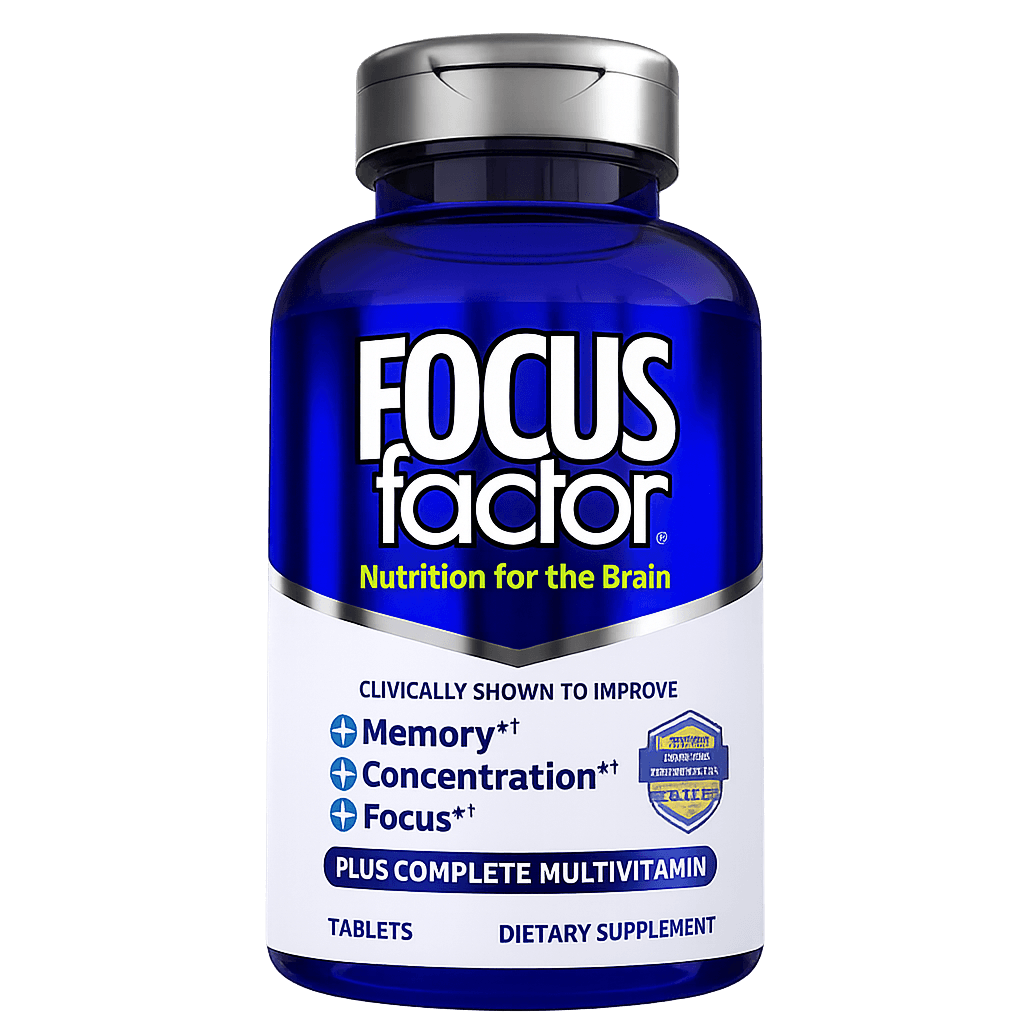
Focusfactor Review: The Propolis Dementia VSL Under the Microscope
Focusfactor's VSL turns a dementia caregiving crisis into a propolis discovery story. This review breaks down the claim, the psychology, and the evidence gaps.
Read- DISvsl reviews
Arialief - O Fim da Molécula da Dor Review
A close, evidence-based review of the Arialief neuropathy VSL, including its turmeric mechanism, celebrity authority stack, urgency tactics, and unsupported cure claims.
Read - DISvsl reviews
Truque com Açafrão Review: A Close Read of the VSL
Truque com Açafrão uses a provocative female-confession VSL around male performance, turmeric, fear of infidelity, and identity repair. This review separates sharp persuasion from unsupported health claims.
Read