बाज़ार-जानकारी स्तर कॉपीराइटिंग: स्केल करने से पहले लीड का नक्शा बनाइए
बाज़ार-जानकारी स्तर कॉपीराइटिंग का मतलब है आपकी लीड, सबूत, और ऑफ़र फ्रेमिंग को इस बात से मिलाना कि खरीदार पहले से क्या समझता है और किस पर पहले से शक करता है। यह गाइड Schwartz के awareness और sophistication मॉडल को एक व्यावहारिक testingu में बदलती है
8,000+
Videos & Ads
+50-100
Fresh Daily
$29.90
Per Month
Full Access
12+ TB database · 70+ niches · 10 min read
सीधा जवाब: लीड को बाज़ार की स्थिति से मिलाइए
बाज़ार-जानकारी स्तर कॉपीराइटिंग का अभ्यास यह है कि खरीदार पहले से क्या जानता है, क्या चाहता है, और किस पर शक करता है, उसके आधार पर लीड, सबूत स्तर, और ऑफ़र फ्रेम चुनना। व्यावहारिक लक्ष्य सरल है: जो बाज़ार पहले से समझता है, उसे दोबारा समझाइए नहीं, और जिस भरोसे को बाज़ार ने कमाया ही नहीं है, उसे मान लीजिए नहीं।
VSL और affiliate ऑपरेटरों के लिए, यह अक्सर टोन को पॉलिश करने से ज़्यादा लाभकारी कदम होता है। एक funnel अक्सर इसलिए कमज़ोर प्रदर्शन करता है क्योंकि लीड गलत awareness या sophistication state को निशाना बना रही होती है, न कि इसलिए कि पहला वाक्य पर्याप्त चतुर नहीं है। बजट बढ़ाने से पहले, affiliate networks and VSL offers guide के साथ offer और traffic context को आधार दें, फिर उस lead cell को map करें जिसे आप वास्तव में test कर रहे हैं।
Schwartz के दो आयाम: Awareness और Sophistication
Eugene Schwartz का framework उपयोगी है क्योंकि यह उन दो सवालों को अलग करता है जिन्हें टीमें अक्सर एक-दूसरे में मिला देती हैं: संभावित ग्राहक क्या समझता है और बाज़ार कितना संदेहपूर्ण हो चुका है। यह अंतर मायने रखता है क्योंकि एक buyer problem को लेकर बहुत aware हो सकता है, फिर भी solution comparison के शुरुआती चरण में हो सकता है, या कई समान promises देखने के बाद बहुत skeptical हो सकता है।
affiliate network VSL strategy hub को placement layer के रूप में उपयोग करें, फिर awareness और sophistication को copy layer के रूप में। आपकी stage diagnosis जितनी मज़बूत होगी, उतना ही कम आपको random hook testing पर निर्भर रहना पड़ेगा।
Market Awareness: Buyer पहले से क्या समझता है
Schwartz की पाँच awareness states कम recognition से खरीद की तैयारी तक जाती हैं:
- Unaware: संभावित ग्राहक friction महसूस करता है, लेकिन उसने problem या category का नाम नहीं रखा है।
- Problem aware: संभावित ग्राहक pain को describe कर सकता है और relief खोज रहा है।
- Solution aware: संभावित ग्राहक common approaches जानता है और categories की तुलना कर रहा है।
- Product aware: संभावित ग्राहक specific brands, methods, networks, या offers जानता है।
- Most aware: संभावित ग्राहक decision के करीब है और price, proof, guarantee, या timing clarity चाहता है।
एक problem-aware buyer को ऐसी भाषा चाहिए जो pain को confirm करे और एक credible mechanism introduce करे। एक most-aware buyer को आम तौर पर कम definitions और ज़्यादा proof, risk handling, और अभी action लेने के कारण चाहिए होते हैं।
Market Sophistication: बाज़ार पहले से कितना सुन चुका है
Sophistication proof tolerance को मापती है। यह तब बढ़ती है जब buyers बार-बार समान promises, mechanisms, testimonials, और guarantees देखते हैं।
- Level 1: एक clear promise पर्याप्त हो सकता है, क्योंकि बाज़ार ने उसे अक्सर नहीं सुना होता।
- Level 2: एक mechanism और एक credible proof point महत्वपूर्ण हो जाते हैं।
- Level 3: Buyers विकल्पों की तुलना करते हैं और differentiation की ज़रूरत होती है।
- Level 4: Generic claims अनदेखे कर दिए जाते हैं; specificity और proof depth lead को संभालते हैं।
- Level 5: बाज़ार skeptical है और उसे full proof architecture, implementation detail, constraints, और risk reversal की ज़रूरत है।
Awareness समस्या और solution landscape से familiarity के बारे में है। Sophistication इस बारे में है कि समान claims के repeated exposure के बाद बाज़ार कितना संदेह साथ लाता है।
यह अंतर लीड को क्यों बदलता है
एक high-awareness, low-sophistication audience direct benefit lead पर प्रतिक्रिया दे सकती है क्योंकि वे ज़रूरत समझते हैं और उन्होंने बहुत सारे समान offers नहीं देखे होते। एक high-awareness, high-sophistication audience को आम तौर पर contrast lead, proof-first lead, या objection-led opening चाहिए होती है।
पाँच awareness states और पाँच sophistication levels मिलकर 25-cell planning map बनाते हैं। आपको 25 ads की ज़रूरत नहीं है। आपको एक dominant cell, एक adjacent-cell variant, और यह स्पष्ट कारण चाहिए कि हर test मौजूद क्यों है।
लिखने से पहले एक व्यावहारिक diagnosis
ज़्यादातर कमजोर lead tests copy preferences से शुरू होते हैं, market evidence से नहीं। एक brainstorming doc के बजाय, हाल की buyer language से शुरू करें।
Step 1: ताज़ा signal इकट्ठा करें
एक active campaign के लिए, पिछले 7 से 14 दिनों के नवीनतम 20 से 50 comments, DMs, form replies, sales-call notes, या support questions देखें। अगर offer का volume कम है, तो window बढ़ाएँ, लेकिन sample को thin के रूप में label करें।
हर item को चार समूहों में tag करें:
- Problem words: buyers pain को कैसे describe करते हैं।
- Mechanism words: वे संभावित solutions को कैसे describe करते हैं।
- Objection words: वे किससे डरते हैं, किस पर शक करते हैं, या किसका विरोध करते हैं।
- Competitor words: brands, creators, networks, या alternatives जिनका वे नाम लेते हैं।
Meta Ads Library जैसे public sources आपको market में claim language देखने में मदद कर सकते हैं, लेकिन public visibility का मतलब current scaling strength नहीं होता। Ad libraries को context के रूप में लें, इस proof के रूप में नहीं कि funnel अभी काम कर रहा है।
Step 2: अंदाज़ों के साथ stage को score करें
Simple bands का उपयोग करें ताकि टीम repeatable decisions ले सके। ये planning estimates हैं, universal benchmarks नहीं।
| हालिया buyer language से signal | संभावित व्याख्या | copy implication |
|---|---|---|
| 35% से कम samples ने problem को स्पष्ट नाम दिया | कम awareness | symptoms, situations, और category education से शुरू करें |
| 35% से 65% ने problem या solution का नाम लिया | मध्यम awareness | mechanism, contrast, और अधिक स्पष्ट outcome framing का उपयोग करें |
| 65% से अधिक ने solutions, brands, या methods का नाम लिया | उच्च awareness | differentiation और proof में तेज़ी से जाएँ |
| 30% से कम में objections या competitor mentions थे | कम sophistication | proof को सरल रखें और lead को बहुत भरें नहीं |
| 65% से अधिक में objections, comparisons, या proof requests थे | उच्च sophistication | verification logic, constraints, और मज़बूत evidence से lead करें |
यह scoring method इसलिए उपयोगी है क्योंकि यह टीम को लिखने से पहले यह कहने के लिए मजबूर करती है कि वह क्या मानती है। अगर बाद में data lead के विपरीत हो जाए, तो टीम hook को अंतहीन रूप से rewrite करने के बजाय stage assumption को संशोधित कर सकती है।
Step 3: एक primary cell और दो variants चुनें
नियंत्रित differences के आसपास tests बनाइए:
- Primary lead: प्रमुख awareness और sophistication cell से मेल खाती है।
- Variant A: वही awareness level, लेकिन proof गहरा या हल्का।
- Variant B: वही proof depth, लेकिन अलग objection या risk frame।
सिर्फ click-through rate नहीं, बल्कि qualified conversion behavior का मूल्यांकन करें। curiosity lead सस्ते clicks ला सकती है, लेकिन buyer quality कम कर सकती है। VSL campaigns में watch-through, qualified opt-ins, booked-call quality, refund behavior, और sales feedback surface engagement से ज़्यादा उपयोगी होते हैं।
Awareness level के अनुसार lead types
लीड को खरीदार जहाँ है वहाँ मिलना चाहिए, फिर उन्हें एक कदम आगे बढ़ाना चाहिए। stage-fit copy नरम copy नहीं होती; वह ज़्यादा precise copy होती है।
Unaware और light-awareness traffic
जब संभावित ग्राहक symptom महसूस करता है, लेकिन अभी category language नहीं रखता, तब इस lane का उपयोग करें।
- Lead intent: hidden problem का नाम बताइए, लेकिन बिना किसी हवा-हवाई diagnosis के।
- Copy style: सरल scenarios, symptom clusters, और कम jargon वाली व्याख्याएँ।
- Proof depth: एक सरल example या observable pattern।
- CTA style: diagnosis, short checklist, या low-friction next step का निमंत्रण दें।
एक अच्छा unaware lead संभावित ग्राहक को पहले यह सोचने पर मजबूर करता है, “यही तो हो रहा था,” इससे पहले कि वह किसी नए mechanism पर विश्वास करने को कहा जाए।
Problem-aware और solution-aware traffic
जब buyers pain जानते हैं और method के लिए खुले हैं, लेकिन उन्होंने अभी तक एक specific offer नहीं चुना है, तब इस lane का उपयोग करें।
- Lead intent: problem को mechanism या missed constraint के आसपास फिर से framing दें।
- Copy style: पुरानी method बनाम नई method की तुलना करें, बिना अति-शयोक्ति के।
- Proof depth: एक clear mechanism, एक से तीन relevant outcomes, और सीधी limitations।
- CTA style: hype के बजाय fit के आधार पर comparison को प्रोत्साहित करें।
यह mid-funnel VSL traffic के लिए अक्सर सबसे productive lane होती है, क्योंकि यह copy को teach, differentiate, और qualify करने के लिए पर्याप्त जगह देती है।
Product-aware और most-aware traffic
जब buyers category जानते हैं, alternatives का नाम ले सकते हैं, या तय कर रहे हों कि offer पर भरोसा करें या नहीं, तब इस lane का उपयोग करें।
- Lead intent: uncertainty कम करें और पहले से मौजूद objections का जवाब दें।
- Copy style: direct comparison, proof stack, constraints, और risk reversal।
- Proof depth: कई proof types, जैसे case evidence, process detail, guarantee logic, और implementation specifics।
- CTA style: अगले कदम को concrete, qualified, और evaluate करने में आसान बनाइए।
इस stage पर, vague excitement अक्सर lead को कमज़ोर कर देती है। Specificity novelty से ज़्यादा वजन रखती है।
टीमें बाज़ार को कहाँ गलत वर्गीकृत करती हैं
पहली आम गलती है audience size को awareness समझ लेना। एक बड़ा audience फिर भी problem के बारे में खराब शिक्षित हो सकता है। Awareness clarity है, reach नहीं।
दूसरी गलती है skepticism को केवल एक creative problem मान लेना। एक sophisticated market में, buyers सिर्फ bored नहीं होते; उन्होंने familiar claims पर अविश्वास करना सीख लिया होता है। इसके लिए proof architecture चाहिए, ज़्यादा तेज़ promises नहीं।
तीसरी गलती है सभी channels पर एक ही lead का उपयोग करना। search-heavy traffic, affiliate presell traffic, TikTok cold traffic, और retargeting traffic अक्सर अलग-अलग cells में होते हैं। एक universal lead इन अंतरों को औसत कर सकती है और हर channel को उससे भी बदतर दिखा सकती है जितना वह है।
Content quality और search alignment के लिए, Google का helpful, people-first content बनाना वाला guidance एक उपयोगी मानक है: page को reader के task को सीधे satisfy करना चाहिए, न कि केवल एक पतला keyword container होना चाहिए।
एक stage map जिसे आप इस हफ्ते उपयोग कर सकते हैं
इस तालिका का उपयोग ad planning, VSL revisions, या pre-scale reviews के दौरान करें। KPI ranges planning conversations के लिए directional estimates हैं, guaranteed outcomes नहीं।
| बाज़ार स्थिति | संभावित state | lead type | proof requirement | उपयोगी शुरुआती read |
|---|---|---|---|---|
| Buyers symptoms बताते हैं, लेकिन category नहीं | Awareness 1-2, sophistication 1-2 | Educational lead | सरल example और category explanation | बेहतर watch-through quality |
| Buyers pain terms खोजते हैं और method सवाल पूछते हैं | Awareness 2-3, sophistication 2-3 | Problem-definition lead | mechanism plus एक से तीन outcomes | अधिक qualified opt-ins |
| Buyers नामित alternatives की तुलना करते हैं | Awareness 3-4, sophistication 3-4 | Contrast lead | differentiation plus trust snippets | source के हिसाब से मज़बूत lead quality |
| Buyers price, timing, proof, और guarantee के बारे में पूछते हैं | Awareness 4-5, sophistication 4-5 | Credibility lead | proof stack और risk reversal | higher qualification-to-sale ratio |
| Category में बार-बार angle fatigue दिखती है | Awareness 4-5, sophistication 5 | Anti-objection lead | evidence, constraints, और execution detail | बेहतर post-view retention |
यह तालिका एक decision aid है, कोई formula नहीं। अगर sales feedback कहता है कि leads कम qualified हैं, तो lead संभवतः गलत awareness level को आकर्षित कर रही है, भले ही click metrics स्वस्थ दिखें।
Live intelligence निर्णय को कैसे बदलती है
Static competitor research दिखा सकती है कि बाज़ार में क्या आया है। यह हमेशा यह नहीं दिखा सकती कि क्या अभी भी scale हो रहा है, क्या फीका पड़ना शुरू हो गया है, या visible ad लॉन्च होने के बाद कौन से funnel changes हुए।
Daily Intel Service तब उपयोगी है जब टीम को अपनी stage assumptions की तुलना active VSLs, landing flows, creative changes, और offer signals से करनी हो। व्यावहारिक मूल्य किसी और funnel की नकल करना नहीं है; यह next test चुनते समय stale references से बचना है।
तीन उपयोगी checks हैं:
- क्या offer अभी भी active है, या आप एक पुराने control की नकल कर रहे हैं?
- क्या market mechanism curiosity से proof skepticism की ओर बढ़ गया है?
- क्या competitors education, contrast, proof, या objection handling के साथ lead कर रहे हैं?
उन टीमों के लिए जो समझना चाहती हैं कि ये signals कैसे इकट्ठे और interpret किए जाते हैं, Daily Intel Service की methodology देखें। Decision को helpful-first रखें: market intelligence का उपयोग hypothesis को तेज़ करने के लिए करें, फिर अपनी funnel telemetry से उसे confirm या reject होने दें।
Stage confidence के बाद scale करें, पहले नहीं
बाज़ार-जानकारी स्तर कॉपीराइटिंग इसलिए काम करती है क्योंकि यह lead को buyer की वर्तमान स्थिति के प्रति जवाबदेह बनाती है। यदि बाज़ार आपकी धारणा से कम aware है, तो category और problem को सरल बनाइए। यदि बाज़ार आपकी धारणा से अधिक sophisticated है, तो proof को गहरा कीजिए और vague claims कम कीजिए।
एक मज़बूत lead सिर्फ ध्यान खींचने वाली नहीं होती। एक मज़बूत lead buyer की awareness से प्रासंगिक, बाज़ार की sophistication के लिए credible, और इतनी measurable होती है कि अगला test आपको कुछ सिखा सके।
अक्सर पूछे जाने वाले सवाल
Q: बाज़ार-जानकारी स्तर कॉपीराइटिंग क्या है?
A: बाज़ार-जानकारी स्तर कॉपीराइटिंग का मतलब है lead, proof, और offer framing को इस बात से मिलाना कि संभावित ग्राहक problem, solution, product, और buying decision के बारे में पहले से क्या समझता है।
Q: market awareness और market sophistication में क्या अंतर है?
A: market awareness बताता है कि buyer समस्या और solution landscape से कितना परिचित है। market sophistication बताता है कि समान claims, mechanisms, और offers देखने के बाद वे कितने skeptical हो गए हैं।
Q: मुझे कैसे पता चलेगा कि मेरा audience किस awareness level पर है?
A: comments, DMs, form replies, sales calls, और support questions से ताज़ी buyer language देखें। अगर buyers problem का नाम नहीं ले पाते, awareness कम है; अगर वे brands या methods की तुलना करते हैं, awareness ज़्यादा है।
Q: क्या एक VSL lead सभी awareness levels में काम कर सकती है?
A: कभी-कभी एक lead आस-पास के levels में काम कर सकती है, लेकिन यह शायद ही हर stage की अच्छी तरह सेवा करती है। most-aware buyers के लिए लिखी गई lead आम तौर पर unaware traffic के लिए बहुत तेज़ होती है, जबकि educational lead निर्णय के लिए तैयार buyers को धीमी लग सकती है।
Q: मुझे awareness और sophistication को कितनी बार retest करना चाहिए?
A: सक्रिय scaling के दौरान, planning baseline के रूप में हर 5 से 14 दिनों में retest करें। अगर CPC, comment language, objection patterns, या lead quality तेज़ी से बदलती है, तो उससे पहले retest करें।
Comments(0)
No comments yet. Members, start the conversation below.
Related reads
- DISniche intelligence
पालतू जानवरों के पूरक के लिए संबद्ध प्रस्ताव स्केलेबल कुत्ते वीएसएल फ़नल
पालतू जानवरों के पूरक संबद्ध प्रस्तावों का मूल्यांकन करने, कुत्ते के जोड़ों और प्रोबायोटिक वीएसएल कोणों की तुलना करने, लाइव फनल की गुणवत्ता की जांच करने और खर्च बढ़ाने से पहले पुराने पैमाने के संकेतों से बचने के लिए एक व्यावहारिक एमओएफयू प्लेबुक।
Read - DISfunnels and vsl
VSL क्या है? संबद्ध फ़नल के लिए वीडियो बिक्री पत्र गाइड
एक VSL एक वीडियो बिक्री पत्र हैः एक स्क्रिप्ट बिक्री वीडियो जो एक समस्या की व्याख्या करता है, एक प्रस्ताव साबित करता है, आपत्तियों को संभालता है, और दर्शकों को एक कार्रवाई की ओर ले जाता है। यह गाइड दिखाता है कि VSLs कैसे काम करता है, जहां वे सहयोगी फ़नल में फिट होते हैं, और क्या ट्रैक करना है।
Read 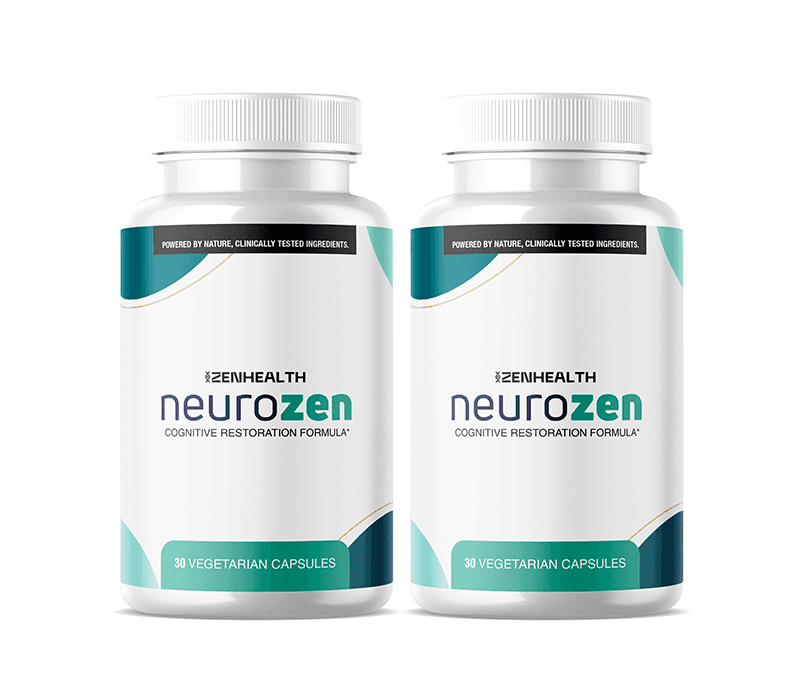 vsl reviews
हनी ट्रिक - न्यूरोजन रिव्यूः दावे, हुक और सबूत
द हनी ट्रिक - न्यूरोज़ेन VSL की एक करीबी दैनिक इंटेल समीक्षा, जिसमें अल्जाइमर के डर के ढांचे, चीनी तंत्र, हनी प्रोटोकॉल के दावे, सबूत के अंतराल और संबद्ध जोखिम शामिल हैं।
Read