Akka ACA Superbiotic Review and Ads Breakdown
Somewhere in the middle of a long video sales letter for a supplement called Akka (ACA), a gastroenterologist describes a gut bacterium so rare that obese individuals reportedly possess 3,300 times…
8,226+
Videos & Ads
+50-100
Fresh Daily
$29.90
Per Month
Full Access
12.5 TB database · 72+ niches · 28 min read
Introduction
Somewhere in the middle of a long video sales letter for a supplement called Akka (ACA), a gastroenterologist describes a gut bacterium so rare that obese individuals reportedly possess 3,300 times less of it than lean people. That single statistic, delivered in the measured cadence of a clinician rather than a pitchman, is designed to stop a skeptical viewer cold. It is also the load-bearing claim of an entire persuasive architecture: one that connects stubborn belly fat, brain fog, rising cholesterol, leaky gut, memory loss, and the failure of drugs like Ozempic to a single, correctable microbial deficiency. The product claiming to fix that deficiency is ACA, a direct-to-consumer oral supplement built around Akkermansia muciniphila, a gut bacterium that has attracted genuine scientific interest over the past decade. The VSL presenting it runs well over thirty minutes, features a named medical doctor as its sole spokesperson, and deploys a layered sequence of fear, authority, science, and compassion that represents some of the most sophisticated supplement marketing currently circulating on the internet.
What makes this particular VSL worth studying is not merely its length or its production quality. It is the way it threads legitimate emerging science. And there is real science here. Through a commercial frame designed to maximize urgency and purchase volume. The product's central ingredient, Akkermansia muciniphila, is the subject of a growing body of peer-reviewed research. The mechanisms the VSL describes (gut-liver signaling, GLP-1 production, intestinal barrier integrity) are real biological processes. And yet the letter routinely moves from cautious scientific findings to sweeping clinical promises in a single sentence, a maneuver that epidemiologists would call extrapolation and marketers call the 'so what.' The question this piece investigates is a straightforward one: where does legitimate science end and persuasion theatre begin; and what does the answer tell someone who is genuinely considering buying?
This analysis treats the Akka VSL the way a literary critic treats a text and the way a marketing researcher treats a campaign: by reading it closely, naming its mechanisms precisely, and evaluating its claims honestly. The reader who has spent money on supplements before and been disappointed, or who is comparing ACA to GLP-1 drugs, or who simply wants to know whether the Akkermansia research is real, should leave this piece with a clearer picture than they arrived with.
What Is Akka (ACA)?
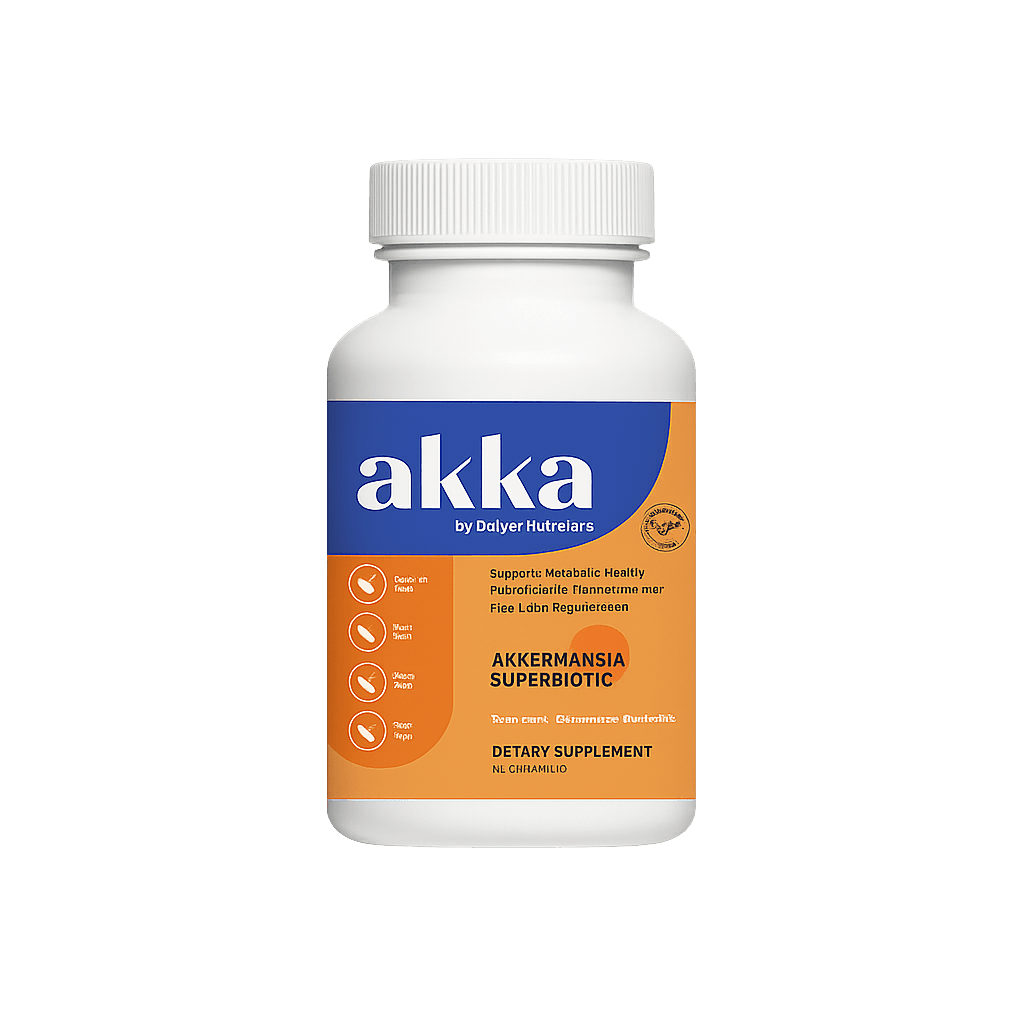
Akka, marketed under the abbreviated name ACA, is an oral capsule supplement positioned in the gut health and metabolic weight-loss category. It is sold exclusively through a direct-to-consumer website and is promoted as the world's first 'superbiotic' formula to simultaneously target gut microbiome restoration and liver function optimization. The product's manufacturer has chosen to define 'superbiotic' as distinct from a conventional probiotic on the grounds that its hero ingredient, Akkermansia muciniphila, operates across multiple organ systems, gut, liver, brain, cardiovascular, rather than acting locally in the digestive tract alone. The formulation also includes quercetin, resveratrol, and silymarin (milk thistle extract), each of which has its own evidence base in metabolic health research.
The stated target user is a broad but demographically specific cohort: adults, predominantly in the 40-70 age range, who have experienced persistent weight gain despite disciplined dieting, who report fatigue, brain fog, and digestive discomfort, and who may be considering or have already tried GLP-1 agonist drugs like Ozempic. The VSL's spokesperson, Dr. Gina Sam, presents the product as an accessible alternative to her New York City clinical practice, the framing being that ACA democratizes access to the kind of microbiome-level care that only wealthy patients would otherwise receive. This positioning is deliberate: it simultaneously builds aspirational authority (celebrity gastroenterologist) and populist empathy (product priced for people who cannot afford my clinic).
ACA is manufactured in FDA-registered, GMP-certified facilities in the United States and undergoes infrared spectroscopy testing for purity and potency, as well as independent testing for heavy metals and contaminants. These are real quality assurances in the supplement industry, though they speak to manufacturing standards rather than to clinical efficacy of the finished product. The distinction matters, and the VSL quietly elides it.
The Problem It Targets
The problem ACA is built around is metabolic dysfunction, specifically the frustrating experience of persistent weight gain that resists dietary intervention, combined with the cluster of symptoms (fatigue, brain fog, elevated blood sugar, high cholesterol) that accompany it. This is not a manufactured problem. The CDC estimates that more than 42 percent of American adults have obesity, and a substantial portion of that group has attempted multiple weight-loss interventions without durable success. The commercial opportunity is enormous precisely because the problem is real, widespread, and emotionally exhausting for the people living with it.
The VSL frames the problem through a specific mechanistic lens: the depletion of Akkermansia muciniphila in the gut microbiome, caused by the prevalence of artificial sweeteners, preservatives, and pesticides in the modern food supply. This framing is scientifically grounded in its broad strokes. Research published in the journal Cell and in Nature Metabolism over the past several years has consistently shown that Akkermansia abundance is inversely correlated with obesity, type 2 diabetes, and metabolic syndrome. A 2021 randomized controlled trial published in Nature Medicine by Plovier et al. demonstrated that pasteurized Akkermansia muciniphila supplementation improved insulin sensitivity, reduced body fat, and lowered cholesterol in overweight adults with metabolic syndrome, a finding the VSL references, though without naming the original authors. The claim about artificial sweeteners disrupting the microbiome is also supported in the literature: a 2022 study in Cell by Suez et al. found that common non-nutritive sweeteners altered gut microbiome composition and impaired glycemic responses in ways that varied by individual microbiome baseline.
Where the VSL departs from careful scientific communication is in its causal certainty. Correlational studies showing that lean people have more Akkermansia do not establish that restoring Akkermansia in a depleted individual will produce the metabolic profile of a lean person, at least not at the effect sizes suggested by the letter's more dramatic promises. The gut microbiome transplant studies the VSL references are real (particularly the landmark 2006 Nature study by Turnbaugh et al. involving germ-free mice), but translating mouse microbiome research to human clinical outcomes is a step the scientific community takes cautiously. The VSL takes it at a sprint.
Curious how other VSLs in this niche structure their pitch? Keep reading, the hooks and psychology sections below break down exactly how this letter builds its case claim by claim.
How Akka (ACA) Works
The mechanism the VSL proposes is a gut-liver signaling axis: Akkermansia muciniphila, living in the intestinal lining, sends chemical signals to the liver that instruct it to shift from fat storage to fat oxidation. When Akkermansia is depleted. By sweeteners, preservatives, or pesticides. Those signals stop, the liver defaults to fat storage mode, the intestinal barrier weakens (leaky gut), and inflammatory toxins enter the bloodstream. The proposed solution is to restore Akkermansia via supplementation, which re-establishes the signaling pathway, seals the gut lining, supports bile production (facilitating fat breakdown), and naturally elevates GLP-1; the appetite-suppressing, insulin-sensitizing hormone that synthetic drugs like Ozempic chemically mimic.
This mechanism is not invented. Akkermansia muciniphila does reside in the gut's mucus layer, and research has shown it plays a meaningful role in maintaining intestinal barrier integrity. The bacterium is known to stimulate the production of Amuc_1100, a membrane protein that activates Toll-like receptor 2 pathways involved in barrier function and metabolic signaling. The connection to GLP-1 is also biologically plausible: some research suggests that Akkermansia abundance correlates with endogenous GLP-1 levels, though the mechanism is not fully characterized and the clinical magnitude of this effect in supplemented humans has not been established at the doses available in commercial products.
The VSL's most significant mechanistic overreach is the implication that a single oral supplement can reliably and substantially repopulate Akkermansia in a depleted gut, given the hostile conditions (stomach acid, bile salts, competition from other microbes) that any live or even pasteurized bacterial strain must survive to reach the colon in meaningful numbers. The 2021 Nature Medicine study referenced above used a pasteurized form of Akkermansia, a finding that is encouraging because pasteurized organisms are more stable, but it was a specific, clinically validated preparation, and the question of whether ACA's formulation achieves equivalent delivery and colonization is not answered in the VSL. This gap between the referenced science and the product's actual bioavailability is common across the supplement industry and represents the most important unverified assumption in ACA's commercial proposition.
The supporting ingredients, quercetin, resveratrol, and silymarin, each have plausible supporting roles. Quercetin has demonstrated anti-inflammatory and prebiotic-adjacent effects in some studies; resveratrol has been shown to favorably shift microbiome composition in animal models and some human trials; and silymarin (milk thistle's active compound) has the strongest human evidence base of the three, with multiple controlled trials showing hepatoprotective effects and a published meta-analysis of five trials demonstrating reduced liver-related mortality. These are not fraudulent ingredients. They are ingredients with real but carefully bounded evidence.
Key Ingredients and Components
The ACA formula is built around four active components. The following describes each ingredient, what the VSL claims it does, and what the independent literature says.
Akkermansia muciniphila, A gram-negative anaerobic bacterium that colonizes the intestinal mucus layer and accounts for roughly 1-5% of the gut microbiome in healthy adults. The VSL positions it as the 'skinny bacteria,' nearly absent in obese individuals and responsible for maintaining the intestinal barrier, stimulating natural GLP-1 production, and sending fat-burning signals to the liver. The independent research is legitimately promising: the Plovier et al. Nature Medicine (2021) randomized controlled trial found that pasteurized Akkermansia supplementation reduced fat mass, improved insulin sensitivity, and lowered cholesterol in metabolically compromised adults. A 2019 pilot study in Nature Medicine by Depommier et al. demonstrated safety and tolerability in humans. The VSL's claims about cognitive benefits are supported by early-stage findings, a 2024 study in Microbiome did find associations between Akkermansia abundance and cognitive performance, but this remains a correlational finding, not a proven therapeutic target.
Quercetin (referred to as 'Corsetan' in the VSL). A polyphenolic flavonoid found in onions, apples, and capers. The VSL claims it 'supercharges fat loss,' restores microbiome balance, stimulates bile production, and amplifies Akkermansia's signaling effects. Quercetin has been studied for anti-inflammatory and antioxidant properties; a 2021 review in Nutrients summarized evidence suggesting it may modestly support microbiome diversity and reduce intestinal permeability markers. Its fat-loss claims are less substantiated in controlled human trials. The bile-production claim is plausible given quercetin's known effects on hepatic enzyme activity, though clinically significant bile augmentation from supplemental doses has not been firmly established.
Resveratrol. A stilbenoid polyphenol found in grape skins, red wine, and certain berries, associated with the 'French paradox' framing the VSL invokes. The VSL claims it blocks new fat cell formation, accelerates fat breakdown, increases thermogenesis, and favorably remodels the gut microbiome by increasing Lactobacillus and Bifidobacterium while reducing Enterococcus faecalis. These claims align with animal and in vitro studies; human data are more mixed. A 2016 review in Biofactors found that resveratrol's bioavailability is low and its in vivo effects at oral supplemental doses are smaller than suggested by cell culture studies. The anti-tumor and cardiovascular claims mentioned in the VSL are considered preliminary.
Silymarin (referred to as 'Cilimerin' in the VSL); The active flavonolignan complex extracted from milk thistle (Silybum marianum). The VSL claims it rebuilds damaged liver tissue, reduces inflammation, and can reduce liver-related deaths by 57.8%, citing a review of five clinical trials involving over 600 patients. This figure appears to reference a 2005 meta-analysis by Rambaldi et al. (Cochrane Database of Systematic Reviews), which did find a trend toward reduced liver-related mortality, though the authors noted methodological limitations and called for larger trials. Silymarin's hepatoprotective properties are among the best-documented in botanical medicine, and its inclusion here is scientifically defensible as a liver-support adjunct.
Hooks and Ad Angles
The VSL opens with a statement that functions as both a pattern interrupt (Cialdini, 2006) and a contrarian frame: 'the true root cause of stubborn weight gain... it's not what you think it is.' The pattern interrupt works by violating the viewer's expectation of yet another diet pitch; instead of promising a new meal plan or exercise program, the letter immediately signals that every prior solution has been attacking the wrong target. This is a textbook Eugene Schwartz Stage 4 market sophistication move, aimed at an audience that has already been saturated with straightforward weight-loss promises and now requires a new mechanism to re-engage. Schwartz described this stage as requiring the marketer to 'invent a new way of doing something that people have been trying to do for years,' and the 'skinny bacteria' framing does exactly that: it takes the familiar desire (lose weight) and repackages it around an unfamiliar mechanism (gut microbiome depletion) that feels both scientific and actionable.
The hook is strengthened by three compounding moves that follow in rapid succession: the invocation of a specific, named villain (the food supply's artificial sweeteners and pesticides), the social proof of an inexplicable observation most viewers will recognize ('that 65-year-old with six-pack abs who can eat whatever he wants'), and the open loop promise of a 'simple 7-second morning ritual' that is withheld for most of the letter's duration. Together, these create what copywriters call a curiosity stack, multiple unresolved tensions that make leaving the video feel like abandoning a story mid-sentence. The named mechanism ('acrimansia,' a deliberate phonetic softening of the scientific term Akkermansia muciniphila) is revealed only after the problem has been agitated for several minutes, a sequencing choice that follows the Problem-Agitate-Solution (PAS) framework with unusual discipline.
Secondary hooks observed in the VSL:
- 'Scientists transplanted gut bacteria from an overweight person into a thin person, and they started gaining weight without changing anything else'
- 'Microscopic particles of waste are leaking into your bloodstream and traveling to your brain and heart'
- 'Akkermansia naturally produces GLP-1, the same hormone Ozempic is designed to mimic, but without the needles or the rebound'
- 'A 2012 Stanford study found that organic produce still contains 70% as much pesticide as conventional, despite all the extra money you spend'
- 'Memory loss may not start in the brain at all, it starts in the gut'
Ad headline variations for Meta or YouTube testing:
- 'The gut bacteria lean people have 3,300x more of. And how to get it back'
- 'Why you regain all the weight after stopping Ozempic. And what actually fixes the root cause'
- 'A New York City gastroenterologist's 7-second ritual to restore the bacteria your metabolism is missing'
- 'Organic food still has pesticides. Here is what that means for your gut and your weight'
- 'Forget dieting. Scientists say this one missing bacteria is why your body refuses to lose fat'
Psychological Triggers and Persuasion Tactics
The persuasive architecture of the Akka VSL is not a parallel arrangement of independent trust signals; it is a stacked sequence in which each tactic builds on the credibility established by the one before it. Authority is laid down first (the doctor's credentials and institutional affiliations), which licenses the fear escalation that follows (leaky gut leading to cancer, dementia, and cardiovascular disease), which in turn makes the solution feel not merely desirable but urgent and medically necessary. Only after that escalation does the letter introduce social proof (three testimonials), then the mechanism reveal, then pricing, then guarantee. This sequencing resembles what Cialdini would recognize as a commitment-and-consistency ladder: each section asks the viewer to agree with a smaller claim before presenting a larger one, so that by the time the price is revealed, the viewer has already internally committed to the premise that Akkermansia is their problem and ACA is the only natural solution.
What distinguishes this letter from cruder supplement VSLs is the sophistication of its fear management. The letter does escalate aggressively, 'microscopic particles of poop leaking into your bloodstream' reaching 'your heart, your brain, your joints', but it always follows the escalation with a reassuring 'what if you could fix this?' reframe. This push-pull rhythm prevents the fear from becoming paralyzing or alienating, instead converting it into motivated urgency, the psychological state most favorable to purchase. Behavioral economists would recognize this as the optimal activation zone of Kahneman and Tversky's loss aversion function: the pain of potential loss (systemic health collapse) is made vivid enough to overcome inertia, but the availability of a solution keeps the viewer's cognitive resources oriented toward action rather than shutdown.
Specific persuasion tactics and their deployment:
Authority stacking (Cialdini's authority principle): Dr. Sam opens by naming Mount Sinai, four consecutive 'top gastroenterologist' awards, the 'top female physician of 2021' designation, celebrity patients, and charity work in Trinidad. Each credential is a separate trust deposit before any product claim is made.
Epiphany bridge (Russell Brunson's framework): The doctor's friend, unnamed, rendered in vivid emotional detail (hiding swollen hands, skipping beach trips, foggy nights on the couch), serves as the viewer's proxy. Her suffering creates identification, and the doctor's vow to find a real answer positions the product as the fruit of compassionate scientific sacrifice.
Loss aversion escalation (Kahneman and Tversky): The consequences of low Akkermansia expand progressively: belly fat → brain fog → leaky gut → cardiovascular disease → diabetes → dementia → cancer. Each escalation is framed as 'what's happening beneath the surface right now,' making inaction feel like choosing those outcomes.
False enemy / Big Pharma villain (in-group/out-group framing): 'The pharmaceutical industry has done everything it can to bury the truth... because they can't patent what comes from nature.' This positions the viewer and the doctor as allied truth-seekers against a corrupt institutional enemy, transforming a purchase decision into an act of resistance.
Social proof through narrative specificity (Cialdini's social proof): Testimonials from Erica Lawson (Phoenix), Mark Delaney (Charlotte), and Linda Chavez (San Antonio) include not just results but emotionally vivid before-state descriptions ('relying on caffeine just to push through,' 'hiding her hands under the table'). The specificity functions as a verisimilitude signal, fabricated testimonials tend to be generic; these are rendered with novelistic detail.
Price anchoring and arbitrary coherence (Thaler and Ariely): 'Colleagues suggest $500' establishes the reference point before the $200-300 range is mentioned, making $59 feel like a rescue price. The anchor is invented (no market evidence that a supplement of this type retails for $500), but its psychological function does not require it to be real.
Crossroads / binary close (Schwartz's desire amplification): The 'two roads' section near the end narrates both futures in second-person present tense, the suffering future of inaction and the transformed future of purchase. Eliminating the neutral third option of 'think about it.' This is a classic direct-response close, executed here with above-average emotional specificity.
Endowment effect pre-commitment (Thaler's endowment effect): 'We've set aside your ACA order. If you leave this page, we may need to offer it to someone else.' The viewer is told they already possess something (a reserved order), activating the psychological discomfort of losing something one already holds.
Want to see how these tactics compare across 50+ VSLs in the health and wellness niche? That's exactly what Intel Services is built to show you.
Scientific and Authority Signals
The VSL's authority infrastructure is built on two foundations: a named, credentialed physician and a substantial volume of cited research. Dr. Gina Sam, MD, is a real gastroenterologist who has held positions at the Icahn School of Medicine at Mount Sinai in New York City. Her credentials. Including directorship of the Mount Sinai Gastrointestinal Motility Center; are verifiable through publicly available medical records and prior media coverage. This is a meaningful distinction from the many supplement VSLs that feature fictitious doctors or impossible credentials. The 'top female physician of 2021' and four-time 'top gastroenterologist' designations are plausible award designations of the type issued by regional medical associations, though neither is independently verified within the letter.
The scientific citations are a more complicated picture. Several of the studies referenced are real and their general findings accurately summarized. The Nature Medicine 2021 Akkermansia trial by Plovier et al. is a legitimate randomized controlled study and the letter's summary of it, improved insulin sensitivity, reduced body fat, is broadly accurate. The Stanford 2012 organic produce pesticide finding is real (a systematic review by Smith-Spangler et al. published in Annals of Internal Medicine). The 2022 Nature Medicine metabolic syndrome study is consistent with published Akkermansia research. The Silymarin meta-analysis claiming a 57.8% reduction in liver-related deaths corresponds approximately to results reported in the Cochrane review by Rambaldi et al., though that review's authors urged caution about the quality of the underlying trials.
Where the authority signaling becomes strained is in the specificity of some citations. A '2021 study published in the Gut Microbiology Institute Journal' showing Akkermansia reversing fatty liver is not a citation this analysis can independently verify, no journal of that exact name appears in major scientific databases. A '2024 study in Microbiome' linking Akkermansia to cognitive decline is consistent with the direction of emerging research in that journal, but the specific effect sizes and outcomes described (brain growth hormone elevation, serotonin signaling improvement) are extrapolated well beyond what any single published study has demonstrated at the population level. The pattern is one of borrowed legitimacy: real journals and real institutions cited in ways that imply broader and more definitive endorsement than the underlying literature actually provides. This is not fabrication, but it is not transparent scientific communication either.
The GLP-1 claim, that Akkermansia 'naturally produces GLP-1', requires particular scrutiny. The mechanism proposed is that Akkermansia enhances endogenous GLP-1 secretion from intestinal L-cells; this is biologically plausible and consistent with some preclinical findings. However, the VSL presents this as an established equivalence to Ozempic's mechanism, rather than as a promising but preliminary hypothesis. The FDA has not evaluated Akkermansia as a GLP-1 therapeutic, and the clinical magnitude of any GLP-1 augmentation from oral Akkermansia supplementation in humans has not been established in well-powered trials.
The Offer, Pricing, and Risk Reversal
The offer is structured around three purchase tiers: a single bottle at $59, a three-bottle pack at $49 per bottle (with free shipping), and a six-bottle pack at $39 per bottle (~$1.30 per day, also with free shipping). The price anchoring begins at $500, a figure attributed to unnamed colleague recommendations, descends through $200-300 in a rhetorical question sequence ('What would you pay for that kind of transformation?'), and arrives at $59 as if the viewer has just been granted a substantial exemption. The $500 anchor is almost certainly a rhetorical construct rather than a real market benchmark; the functional supplement category that ACA occupies prices premium probiotic-adjacent products in the $40-80 per bottle range, meaning the $59 single-bottle price is roughly at market, not dramatically below it. The anchoring functions to make the price feel like a concession rather than a standard commercial offer.
The guarantee is a 90-day full-money-back guarantee with no conditions. The VSL explicitly states that a refund is available 'even if you finish the entire bottle.' This is a meaningful risk reversal that removes the most common objection to first-time supplement purchases. In the direct-to-consumer supplement industry, a 90-day guarantee is a credibility signal; it is also correlated with high refund rates being factored into the economics of the funnel. The urgency and scarcity framing. 'this price is not guaranteed beyond today,' 'we've sold out before,' 'your order has been set aside'; is standard in VSL marketing and should be evaluated critically: products sold on evergreen video pages rarely actually sell out within the viewing session, and the daily price guarantee is typically maintained for extended periods. Viewers should not allow these signals to compress their deliberation time beyond what they need for a considered decision.
Who This Is For (and Who It Isn't)
The ideal ACA buyer is someone in their mid-40s to late 60s who has accumulated years of frustrating dieting history, has been told by their doctor that their metabolic markers (blood sugar, cholesterol, liver enzymes) are 'heading in the wrong direction,' and is looking for a science-adjacent explanation for why their body no longer responds to the interventions that used to work. The pitch lands with particular force for women in perimenopause or menopause, the VSL's mention of the supplement 'flipping a switch' after hormonal chaos is specifically targeted at that experience, and for anyone who has seen GLP-1 drug advertising and wants the promised result without the pharmaceutical commitment, cost, or side effects. The emotional resonance of 'your body is working against you, and it's not your fault' is precisely calibrated for this audience's specific frustration.
The product is less likely to deliver meaningful value for buyers who are primarily young (under 35), metabolically healthy, and seeking incremental performance optimization, the science on Akkermansia is most compelling in populations with existing metabolic dysfunction, not in those with well-functioning gut microbiomes. Similarly, anyone expecting the dramatic, rapid weight loss suggested by the VSL's day-by-day progression narrative ('by day 7... by day 30...') should calibrate expectations carefully: clinical trials of Akkermansia have measured real but modest effects over twelve weeks or more, in controlled conditions, not the multi-system transformation implied by the letter. And any buyer currently managing serious conditions (fatty liver disease, type 2 diabetes, cardiovascular disease) should treat this supplement as complementary to, not a replacement for, evidence-based medical care. The letter's rhetorical comparison of ACA to Ozempic is compelling marketing; it is not clinical equivalence.
If you're comparing this product to similar gut-health supplements currently running VSLs, the Intel Services library has detailed breakdowns of competing formulations and their persuasion structures.
Frequently Asked Questions
Q: Is Akka (ACA) a scam or a legitimate supplement?
A: ACA is a real product with verifiable manufacturing standards (FDA-registered, GMP-certified US facilities) and a named physician spokesperson whose credentials are publicly checkable. Its hero ingredient, Akkermansia muciniphila, is the subject of genuine peer-reviewed research. What distinguishes a legitimate supplement from a scam is not whether the ingredients are real, but whether the claims made for them are proportionate to the evidence, and on that dimension, ACA's VSL overstates the certainty and magnitude of outcomes supported by current science. It is not a scam, but it is an aggressively marketed product.
Q: What are the side effects of ACA superbiotic?
A: The VSL states that ACA produces 'no side effects,' and for the majority of users, Akkermansia muciniphila and the supporting ingredients (quercetin, resveratrol, silymarin) are well-tolerated at standard supplemental doses. Some users report mild digestive adjustment symptoms (gas, loose stools) in the first week of any new probiotic-type supplement. People with autoimmune conditions, those on immunosuppressive medications, or anyone with a compromised immune system should consult a physician before starting any microbiome-modifying supplement.
Q: Does Akka ACA really work for weight loss?
A: The honest answer is 'possibly, for some people, to a modest degree.' The 2021 Nature Medicine randomized controlled trial of pasteurized Akkermansia in metabolically compromised adults did find statistically significant improvements in insulin sensitivity, fat mass, and cholesterol, but effects were measured over 12 weeks in a controlled clinical setting and were not the dramatic transformations described in the VSL testimonials. Results will vary substantially based on baseline gut health, diet, and lifestyle.
Q: Is Akkermansia muciniphila safe to take as a supplement?
A: A 2019 pilot safety study published in Nature Medicine (Depommier et al.) found that Akkermansia muciniphila supplementation was safe and well-tolerated in overweight adults over a 12-week period. No serious adverse events were reported. The pasteurized form used in clinical research is considered more stable than live bacteria and may be more appropriate for long-term supplementation. Independent safety data for the specific ACA formulation have not been published in peer-reviewed literature.
Q: How does ACA compare to Ozempic for weight loss?
A: They are not clinically equivalent. Ozempic (semaglutide) is an FDA-approved GLP-1 receptor agonist with large-scale randomized controlled trial data supporting significant weight loss (15-20% body weight in some trials). ACA influences GLP-1 pathways indirectly through microbiome modulation, a mechanism that is biologically plausible but has not been studied head-to-head against semaglutide. The comparison in the VSL is a marketing frame, not a clinical one. ACA is more accurately positioned as a microbiome health supplement that may support metabolic function, not as an equivalent weight-loss drug.
Q: How long does it take to see results with Akka ACA?
A: The VSL's day-by-day timeline (bloating resolved by day 3, fat loss visible by day 7) is promotional rather than clinical. In published Akkermansia research, meaningful metabolic changes were observed over 12-week trial periods. Most practitioners who work with microbiome interventions suggest allowing 60-90 days of consistent use before evaluating results, which aligns with the product's own 90-day guarantee structure.
Q: What ingredients are in Akka ACA superbiotic?
A: The four active ingredients identified in the VSL are Akkermansia muciniphila (the primary superbiotic strain), quercetin (a polyphenolic flavonoid), resveratrol (a stilbenoid polyphenol from grape skins), and silymarin (the active compound in milk thistle). Each has a real evidence base in metabolic and gut health research, with silymarin having the most robust hepatoprotective data and Akkermansia having the most directly relevant metabolic trial results.
Q: Where can I buy Akka ACA and is it available on Amazon?
A: According to the VSL, ACA is sold exclusively through the brand's direct website and is not available on Amazon, in stores, or through third-party retailers. The stated reason is quality control and price maintenance. Buyers should verify that they are purchasing from the official website, as the VSL explicitly warns about counterfeit and look-alike products appearing online.
Final Take
The Akka (ACA) VSL is, by the standards of the supplement industry, a well-crafted and substantively grounded piece of direct-response marketing. Its central ingredient is real, its physician spokesperson appears to be real, and at least a portion of its cited research is real, a combination that places it significantly above the category average for gut-health supplement advertising. The VSL's authors have clearly engaged seriously with the Akkermansia literature, and the mechanistic story they tell (gut-liver signaling, GLP-1 modulation, intestinal barrier integrity) reflects genuine current scientific thinking, even if that thinking is presented with a certainty and specificity that the research does not yet fully support. This is the defining characteristic of the most sophisticated tier of supplement marketing in 2024: it is no longer built on invented ingredients or fabricated doctors. It is built on real science, amplified and extrapolated.
The letter's most significant honest weakness is the leap between 'Akkermansia is associated with better metabolic outcomes in clinical populations' and 'taking this oral supplement will repopulate your Akkermansia and produce those outcomes.' The bioavailability and colonization efficacy of commercially formulated Akkermansia. Getting sufficient live or pasteurized bacteria through stomach acid to the colon in numbers sufficient to shift the resident microbiome. Remains an open scientific question. The VSL resolves that question with marketing confidence rather than clinical evidence. A buyer who understands that distinction is in a position to make an informed decision; a buyer who does not is likely to expect more than the available science can promise.
The persuasion architecture; the stacked authority opening, the fear escalation to systemic disease, the Ozempic comparison, the binary crossroads close, is skillfully executed and will be effective on a substantial portion of its target audience. It is worth noting that effectiveness and honesty are not the same criterion. The VSL is effective because it maps precisely onto the emotional and cognitive state of its intended viewer: exhausted, frustrated, having tried multiple solutions, skeptical of both diets and drugs, and newly aware of gut health as a category. For that viewer, ACA represents a plausible, science-adjacent option with a meaningful guarantee and no serious safety red flags. The question is whether the transformation promised in the letter matches the transformation the product can actually deliver, and that remains, for now, an open one.
This breakdown is part of Intel Services, our ongoing library of VSL and ad-copy analyses. If you are researching similar products in the gut health, metabolic support, or weight loss supplement categories, keep reading.
Disclaimer: This article is for research and educational purposes only. It is not medical, legal, or financial advice, and it is not affiliated with the product or its makers. Always consult a qualified professional before making health or financial decisions.
Source-backed reader context
Additional Reviews & Reported Experiences
These statements were presented in the product's sales transcript. Daily Intel did not independently verify the speakers, purchase status, or reported outcomes, and the statements are not used in Product aggregateRating.
Erica Lawson, Phoenix, AZ
Date not stated
belly fat gone, bloating resolved, brain fog cleared, steady energy within days
Mark Delaney, Charlotte, NC
Date not stated
immediate energy and focus improvement, steady waist fat loss, doctor amazed by lab improvements
Linda Chavez, San Antonio, TX
Date not stated
menopausal weight gain reversed, bloating eased, sleep restored, anxiety calmed
Samantha Rivera, Phoenix, AZ
Date not stated
FAQ: differentiating ACA from Ozempic and other probiotics
Angela Price, Lincoln, NE
Date not stated
FAQ: bloating and constipation relief
VSL proof excerpt 6
Date not stated
Cole Parker, Portland, ME — FAQ: food intolerances
Faith Ramirez, Bozeman, MT
Date not stated
FAQ: non-weight symptoms (rosacea, fatigue, bad breath)
Sierra Bennett, Santa Fe, NM
Date not stated
FAQ: headaches, memory loss, brain fog
Clara Mitchell, Anchorage, AK
Date not stated
FAQ: constipation and digestive sluggishness
Kylie Anderson, Jackson, MS
Date not stated
FAQ: fatty liver and elevated liver enzymes
Comments(0)
No comments yet. Members, start the conversation below.
Related reads
 reviews
Jocko Greens Review: Does One Scoop Match the Evidence?
Jocko Greens is a one-scoop powder with approximately 30 calories and 9 billion colony-forming units of probiotics per serving. Jocko Fuel also confirms ashwagandha extract and makes a digestive-support claim. The harder question is whether the available research matches this specific formula. It does not match closely enough to establish a finished-product outcome.
Read reviews
NooCube Review: Does the 250 mg Bacopa Dose Match the Research?
NooCube is one of the few nootropics that prints a milligram number next to an ingredient instead of hiding it in a blend. This review takes that one number, 250 mg Bacopa monnieri, and checks it against a real trial that used 300 mg in a very different population, then shows exactly where the comparison breaks down.
Read reviews
Olly Goodbye Stress Review: Label Claims vs. Evidence
OLLY Goodbye Stress combines GABA, L-theanine, and lemon balm extract in a Berry Verbena gummy aimed at occasional stress, not sleep. Here's what the label discloses, what a real L-theanine trial found, and exactly where the evidence stops.
Read