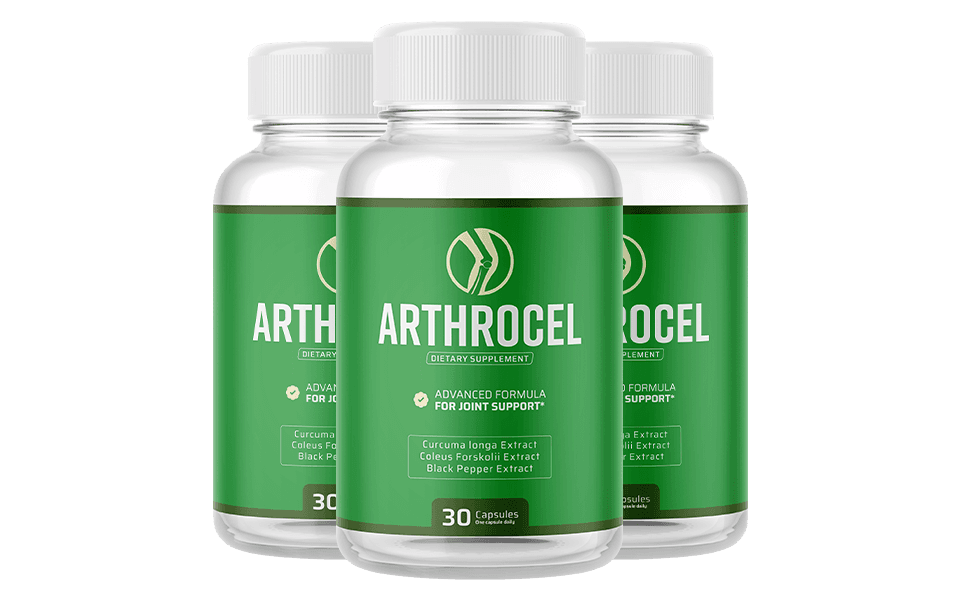
Arthrocel (RejuvaJoint) VSL and Ads Analysis
The video opens with a voice of measured urgency: "What modern medicine thought it knew about arthritis and joint pain is now under serious question." Within thirty seconds, Stanford University has…
8,226+
Videos & Ads
+50-100
Fresh Daily
$29.90
Per Month
Full Access
12.5 TB database · 72+ niches · 24 min read
Introduction
The video opens with a voice of measured urgency: "What modern medicine thought it knew about arthritis and joint pain is now under serious question." Within thirty seconds, Stanford University has been invoked, Dr. Oz has been named, Martha Stewart has been introduced as a near-amputee, and the viewer has been promised a "simple homemade recipe" that is "nine times more effective" than any existing treatment. This is not an ordinary supplement advertisement. It is a fully engineered persuasion system. One that borrows the credibility of real institutions, real celebrities, and real fears to sell a product called Arthrocel, marketed under the formula name RejuvaJoint, built around what the VSL calls the "Marshmallow Method."
For a reader who has stumbled onto this video; or who has seen its ad variants running on YouTube or Facebook, the experience can be genuinely disorienting. The production mimics the rhythm of a television news segment. Dr. Oz speaks in the authoritative cadence of a public health announcement. Martha Stewart delivers an emotional monologue that would be at home in a documentary. The clinical statistics are cited with the specificity of a peer-reviewed abstract. And the countdown timer at the end creates the visceral pressure of a live auction. Every element has been deliberately chosen, and understanding why each element was chosen is the central task of this analysis.
The VSL promotes Arthrocel / RejuvaJoint as a six-month oral supplement regimen designed to permanently eliminate joint pain and reverse arthritis by restoring the body's collagen levels. It identifies collagen deficiency, not inflammation, not cartilage wear, not aging, as the singular root cause of all joint disease, and it claims that two natural ingredients (marshmallow root extract and passionflower powder, combined in precise ratios) can trigger collagen regeneration sufficient to form a permanent protective membrane around damaged joints. These are extraordinary claims, and they are made with extraordinary confidence. The question this piece investigates is not simply whether those claims are true, though that matters, but what rhetorical architecture makes them believable, who the intended buyer is, and what a careful reader should take away before making any purchasing decision.
What Is Arthrocel (RejuvaJoint)?
Arthrocel, sold under the product name RejuvaJoint, is an oral dietary supplement marketed primarily to Americans over fifty who suffer from chronic joint pain, osteoarthritis, or related conditions. The product is positioned as a complete, permanent replacement for conventional arthritis management, including NSAIDs, corticosteroids, physical therapy, and joint replacement surgery. It is sold exclusively through an official website (not through Amazon, eBay, or retail pharmacies, a detail the VSL emphasizes repeatedly) and is offered in multi-bottle packages structured around a six-month treatment protocol.
The format is a capsule-based supplement combining what the VSL describes as fourteen natural ingredients, though only two are identified by name: marshmallow root extract and passionflower powder. The remaining twelve are referred to generically as "12 other natural components," a notable omission given that the specificity of a full ingredient panel is typically a baseline expectation in the dietary supplement market. The product is not a prescription medication, is not subject to FDA pre-market approval for efficacy claims, and carries no disclosed clinical trial registration. Its category, natural joint health supplements. Is one of the largest and most competitive in the consumer wellness market, with established players including glucosamine, chondroitin, turmeric (curcumin), collagen peptides, and boswellia extract.
The market positioning is aggressively contrarian: RejuvaJoint does not claim to be a better version of existing supplements. It claims to operate on a categorically different and previously suppressed mechanism. This "category creation" move. Positioning the product not within the joint supplement market but above it, as the solution the entire market has been trying and failing to provide; is a deliberate and sophisticated strategic choice. It bypasses the commodity comparison problem entirely.
The Problem It Targets
Arthritis and chronic joint pain represent a genuine, large-scale public health burden, which is precisely what makes them fertile ground for health marketing. The CDC estimates that approximately 58.5 million Americans have been diagnosed with some form of arthritis, and that number is projected to reach 78 million by 2040 as the population ages. Osteoarthritis alone affects over 32 million U.S. adults, according to the CDC's Arthritis Program data. The costs are staggering: the Arthritis Foundation estimates that arthritis accounts for more than $300 billion annually in medical costs and lost wages in the United States. These are not invented problems. The suffering is real, the scale is real, and conventional medicine's limitations in treating chronic degenerative joint conditions are also, genuinely, real.
Conventional treatment for osteoarthritis is primarily palliative rather than curative. NSAIDs reduce inflammation and pain but carry cardiovascular and gastrointestinal risks with long-term use. Corticosteroid injections provide temporary relief but are not recommended for frequent use due to potential joint deterioration. Physical therapy builds supportive muscle but does not reverse cartilage loss. Joint replacement surgery is effective but invasive, carries surgical risks, and typically requires one to two years of recovery. The Journal of the American Medical Association has published multiple analyses noting that patient satisfaction with conservative arthritis treatment is limited and that many patients cycle through treatments for years without achieving durable relief. This treatment gap is the genuine vulnerability the VSL exploits, and it is a real gap, not an invented one.
The VSL, however, goes considerably further than simply naming this gap. It characterizes conventional treatment not as limited but as deliberately fraudulent, a coordinated conspiracy by pharmaceutical companies to maintain a billion-dollar market by keeping patients dependent and diseased. The NSAID market figure of "$1 billion" is cited as evidence of deliberate harm rather than market demand. This pivot from "medicine has limitations" to "medicine is a lie" is the key ideological move the VSL makes, and it is one that the persuasion literature identifies as a false enemy frame: by naming a villain whose interests are opposed to the viewer's, the VSL simultaneously validates the viewer's frustration, explains their failure to improve, and positions the product as the only honest alternative in a dishonest world.
The emotional texture of the problem section is calibrated with precision. The VSL quantifies suffering in visceral, individual terms, "seven people with arthritis open their eyes only to find themselves bedridden forever" every morning, before scaling to population-level statistics. This movement from the specific to the aggregate mirrors the rhetorical structure Paul Slovic has documented in the psychology of compassion: individual suffering triggers empathy far more reliably than statistical suffering, and the VSL leads with individuality (Martha Stewart, specific patients) before broadening to collective scale.
Curious how other VSLs in this niche structure their pitch? Keep reading, the section below breaks down the psychology behind every claim above.
How Arthrocel (RejuvaJoint) Works
The VSL's claimed mechanism centers on a single, unusually simple proposition: joint pain and arthritis are caused by collagen deficiency, and restoring collagen levels permanently repairs cartilage and eliminates pain. This is attributed to research by Dr. Oz's team at Cornell University's School of Medicine. The argument runs as follows: collagen is the structural protein that maintains cartilage integrity; when collagen levels fall, cartilage deteriorates, joints become inflamed, and pain results; conventional medicine treats the inflammation (a downstream symptom) rather than the deficiency (the upstream cause); and the Marshmallow Method addresses the deficiency directly.
Collagen's importance to joint health is not fabricated, it is an area of legitimate and active research. Cartilage is indeed largely composed of type II collagen, and cartilage has limited self-repair capacity due to its avascular nature (it has no direct blood supply). Research published in journals including Current Medical Research and Opinion and the International Journal of Medical Sciences has found that oral collagen peptide supplementation may modestly reduce joint pain and improve function in patients with osteoarthritis, though effect sizes are generally small to moderate and the field is not settled. The NIH's National Center for Complementary and Integrative Health notes that collagen supplements are "generally considered safe" but that evidence for efficacy remains preliminary.
Where the VSL's mechanism departs from the literature is in its absolutism. The claim that collagen deficiency is not merely a contributing factor but "the" root cause, overriding aging, mechanical wear, autoimmune processes (as in rheumatoid arthritis), metabolic factors, and genetic predisposition. Is a significant oversimplification that the scientific literature does not support. Osteoarthritis is understood to be a complex, multifactorial disease. The claim that marshmallow root extract, specifically, "stimulates collagen production" and that passionflower powder "detoxifies the blood" to allow collagen absorption are presented without citation to any independent research on these specific ingredients for these specific mechanisms. A pattern worth noting. The VSL's clinical trial figure; 1,565 out of 1,571 participants permanently free from pain, represents a 99.6% success rate, a number that exceeds the published efficacy of every known pharmaceutical or surgical arthritis intervention and would, if true, constitute the most significant medical discovery in modern history. The absence of any named journal, trial registration number, or publication date for this figure is a significant credibility gap.
Key Ingredients and Components
The VSL names two primary active ingredients and references twelve additional components without specifying them. This partial disclosure is itself a marketing choice, the named ingredients are evocative and memorable, while the unnamed twelve preserve an air of proprietary complexity. Here is what independent research says about the disclosed ingredients:
Marshmallow Root Extract (Althaea officinalis): Marshmallow root is an herbal remedy with a long history of use for digestive and respiratory conditions. Its mucilaginous compounds (primarily polysaccharides) have demonstrated anti-inflammatory properties in some in vitro and animal studies. A 2013 review in the Journal of Ethnopharmacology noted its traditional use for inflammatory conditions. However, peer-reviewed clinical evidence specifically for cartilage regeneration or collagen synthesis stimulation in human joint disease is not established in the published literature. The VSL's claim that it "stimulates collagen production" in joints specifically is not supported by available clinical trial data.
Passionflower Powder (Passiflora incarnata): Passionflower is more commonly studied for its anxiolytic and mild sedative properties, with some research supporting its use for anxiety and sleep quality. A study published in Phytotherapy Research (2011) found it comparable to low-dose oxazepam for generalized anxiety. Its proposed role in the VSL, "cleansing the blood from long-term chemical impact of pain medication" to allow collagen absorption, is mechanistically novel and not supported by any known pharmacological research. This proposed action is speculative extrapolation rather than established science.
Unnamed 12 additional natural components: The absence of disclosure makes independent evaluation impossible. In a dietary supplement context, this is an unusual choice for a product making strong efficacy claims, and it limits the ability of any physician or pharmacist to assess safety interactions.
Hooks and Ad Angles
The VSL's opening hook, "What modern medicine thought it knew about arthritis and joint pain is now under serious question", functions as a pattern interrupt (Cialdini, 2006): a disruption of the viewer's expected cognitive flow that signals incoming information of unusual importance. The phrasing is architecturally careful. It does not claim medicine is wrong (which would trigger immediate skepticism); it claims medicine's certainty is now "under question" (which sounds like responsible scientific revision). The passive construction, "is now under serious question". Implies external, credible interrogation rather than a single dissident voice, lending the statement an institutional weight it does not actually possess.
This is a textbook Eugene Schwartz Stage 4 market sophistication move. Schwartz's model holds that in a mature market where buyers have seen every direct promise and every product category claim, the only effective entry point is a new mechanism. A claim that what buyers thought they knew is wrong, and that a previously unknown process explains their failure to improve. The joint pain supplement market in the United States is saturated; glucosamine has been around for decades, collagen peptide powders are sold at Costco, and the average buyer in this demographic has tried at least two or three supplements before. The hook works precisely because it doesn't say "better joint supplement"; it says "everything you've been told is wrong," which is the only frame that can penetrate a fatigued, skeptical audience.
Secondary hooks observed in the VSL:
- "Everything you know about joint pain and arthritis is a lie", identity-threat and conspiracy framing
- "Pharmaceutical companies are trying to suppress this information, watch before it's taken down", urgency manufactured through censorship threat
- "Martha Stewart was 14 days from amputation when this saved her", celebrity crisis narrative with extreme stakes
- "Nine times more effective than the latest cutting-edge joint pain treatment", quantified superiority claim
- "Seven people with arthritis become bedridden forever every morning", visceral statistical personalization
Ad headline variations for Meta or YouTube media buyers:
- "Dr. Oz's 2-Ingredient Recipe Reverses Arthritis Without Surgery, Doctors Are Furious"
- "73,000 Americans Eliminated Joint Pain Using This Simple Natural Method"
- "The Real Cause of Arthritis Has Nothing to Do With Inflammation (Stanford Says)"
- "Martha Stewart Was Told She'd Never Walk Again. Until This"
- "Stop Wasting Money on NSAIDs: The Collagen Secret Big Pharma Won't Tell You"
Psychological Triggers and Persuasion Tactics
The VSL's persuasive architecture is not a parallel stack of independent tactics but a carefully sequenced accumulation where each layer amplifies the one before. The letter opens with authority (Stanford, Dr. Oz), moves into emotional identification (Martha Stewart's loss of independence), escalates to fear (amputation, wheelchairs, bedridden forever), introduces the villain (pharmaceutical companies), delivers the epiphany (collagen deficiency is the real cause), proves it with statistics (73,000 users, 99.6% trial success), and closes with scarcity and loss aversion. This sequence mirrors what behavioral economists call preference construction. The idea that buyers do not arrive with fixed preferences but have them built in real time by the information they receive. By the time the price is revealed, the viewer's preference has been constructed through six distinct persuasive stages.
The offer structure in the final minutes is particularly sophisticated. The $2,000 ingredient cost anchor is dropped, then immediately softened to $79 per bottle, then halved again to $49 through a "buy three get three" promotion, with an $894 retail value framing the $294 total as an extraordinary saving. Each price reduction feels like a gift; a deployment of Thaler's endowment effect, where the sensation of receiving something free (three bottles) triggers ownership feelings before any purchase is made.
Specific tactics, grounded in theory:
Authority transfer (Cialdini): Stanford, Johns Hopkins, Harvard, Cornell, and Mount Sinai are named, not as institutions that have reviewed or endorsed the product, but as places where research was conducted or where Martha was treated, a subtle distinction that creates implied endorsement without making a verifiable claim.
Loss aversion (Kahneman and Tversky, Prospect Theory, 1979): The vivid, repeated description of worst-case outcomes, "limb amputation," "bedridden forever," "permanent disability", makes the pain of inaction feel more certain and more immediate than the uncertain benefit of purchasing. Losses loom larger than gains.
False enemy framing (Godin's tribes): Pharmaceutical companies are named as a shared enemy, creating in-group identity between the viewer and the narrator. Buying the product becomes an act of tribal loyalty against a corrupt establishment.
Epiphany bridge (Brunson): Dr. Oz narrates his own moment of realization, driving home, receiving Martha's call, recognizing that conventional medicine had failed, and invites the viewer to experience the same cognitive shift. The product is the physical artifact of that shared epiphany.
Social proof stacking (Cialdini): Anonymous testimonials, celebrity testimony, user counts (73,000), and clinical trial statistics are layered in a specific order, celebrity first (high salience), statistics second (credibility reinforcement), anonymous testimonials third (identification), to create the impression of overwhelming consensus.
Cognitive dissonance (Festinger, 1957): The viewer is told that continuing their current behavior (taking NSAIDs, following doctor's advice) is both ineffective and actively harmful. This creates dissonance between their behavior and their desire for health, which purchasing the product resolves.
Artificial scarcity (Cialdini's scarcity principle): 355 packages, 10-minute timer, only on the official website. All are classic manufactured scarcity mechanisms that interrupt rational price comparison and deliberation.
Want to see how these tactics compare across 50+ VSLs in the health and wellness space? That's exactly what Intel Services is built to show you.
Scientific and Authority Signals
The VSL deploys institutional authority with considerable skill, but a careful reading reveals that none of the named institutions. Stanford, Johns Hopkins, Harvard, Cornell, Mount Sinai; are cited in any verifiable way. Stanford scientists "show clear signs" of a breakthrough; Johns Hopkins "revealed" user numbers; Cornell's School of Medicine is where the collagen discovery was made; Harvard, Stanford, and Johns Hopkins "recognized" the Marshmallow Method. None of these references include author names, publication titles, journal names, dates, or any detail that would allow independent verification. This is what the authority literature would classify as borrowed authority, real institutions referenced in ways that create the impression of endorsement or validation they did not actually provide.
Dr. Oz's use in this VSL is particularly significant from a regulatory standpoint. Dr. Mehmet Oz is a real person, a former cardiothoracic surgeon, former host of The Dr. Oz Show, and former U.S. Senate candidate, whose name and image carry genuine recognition among the target demographic. However, Dr. Oz's brand has been involved in numerous FTC and FDA-related controversies regarding health product endorsements, and it is not publicly documented that Dr. Oz has developed, endorsed, or is affiliated with Arthrocel or RejuvaJoint. The use of Dr. Oz's identity in this VSL, as both narrator and credited inventor, without verified disclosure of any actual affiliation raises material questions about whether the authority being borrowed is legitimate or unauthorized. Readers researching this product should be aware that celebrity names in health marketing do not necessarily indicate actual endorsement.
The clinical trial figure, 1,565 out of 1,571 participants free from pain, is presented as a standalone statistic without any of the standard markers of a credible clinical study: no institution, no principal investigator, no journal, no NCT registration number, no publication date. A 99.6% permanent pain elimination rate would be the most statistically significant finding in the history of rheumatology. Its absence from any medical literature accessible through PubMed or ClinicalTrials.gov should be treated as a significant credibility signal by any careful reader.
The Offer, Pricing, and Risk Reversal
The offer mechanics of this VSL are among its most technically accomplished elements. The pricing sequence. $2,000 (ingredient cost anchor), then $894 (retail value), then $79 per bottle (standard price), then $49 per bottle (promotional, buy-three-get-three-free). Runs through four separate price frames before landing on the actual selling price. This is a multi-stage price anchoring strategy in which each intermediate price makes the next reduction feel more extreme, so that the final $49 figure is evaluated not against the viewer's pre-existing sense of what a supplement costs but against a $2,000 baseline that was introduced forty minutes earlier. Whether the $2,000 figure represents any actual cost is not verifiable from the VSL alone.
The 60-day money-back guarantee functions as genuine risk reversal; it shifts the financial risk of trial from buyer to seller and reduces the activation energy required to purchase. In the direct-response supplement industry, a 60-day guarantee is industry standard rather than exceptional, but it is framed here as a personal gesture of confidence rather than a regulatory norm. The urgency framing, 355 packages, 10-minute window, price expires when the video ends, is a standard scarcity mechanism whose claimed parameters are almost certainly not literal. Dynamic countdown timers that reset upon page refresh are a known tactic in this category, and the "355 packages for all of the United States" claim strains credibility as a genuine inventory constraint for a product that has supposedly already reached 73,000 users.
Who This Is For (and Who It Isn't)
The ideal buyer this VSL is designed to reach is a specific and real person: an American between 55 and 75 years old, living with chronic joint pain that has not been adequately controlled by conventional treatment, who has spent real money on supplements or medications without lasting results, and who carries a background anxiety about losing independence, becoming a burden on family, or facing surgical intervention. This person likely watches a significant amount of video content, recognizes Dr. Oz's name favorably, and has a scepticism toward pharmaceutical companies that precedes this video, a scepticism the VSL did not create but found and amplified. The emotional core of the pitch, "losing my freedom," "fading away from the life I had built," "my nightmare", speaks with precision to the specific grief of aging adults watching their physical capabilities contract. For this person, the video lands because it names something real.
The product is less appropriate, and potentially problematic, for several categories of reader. Anyone with a diagnosed autoimmune form of arthritis (rheumatoid arthritis, psoriatic arthritis, ankylosing spondylitis) should recognize that the VSL's proposed mechanism (collagen deficiency as the singular cause) does not map onto the immunological pathophysiology of these conditions, where the immune system attacks joint tissue regardless of collagen levels. Anyone currently managing joint pain with prescription medications should consult a physician before introducing any supplement with unknown full-ingredient disclosure, given potential interaction risks. And anyone evaluating this product as a replacement for a physician-recommended surgical intervention should treat that decision with the seriousness it deserves. The VSL's claim that 9 out of 10 severe arthritis patients "completely reversed the condition and avoided surgery" through a supplement regimen is not corroborated by any independently verifiable source.
Want a full breakdown of how this type of VSL compares to other joint health pitches? Intel Services has analyzed dozens. Keep reading to see how the final case stacks up.
Frequently Asked Questions
Q: Is RejuvaJoint a scam?
A: The product exists as a real supplement for sale, so it is not fraudulent in the basic sense of taking money and delivering nothing. However, many of the claims made in the VSL; including the celebrity endorsements, the institutional affiliations, the clinical trial figures, and the mechanism of action, cannot be independently verified and in several cases appear to conflict with established science. Readers should approach the marketing claims with significant scepticism and consult a physician before purchasing.
Q: Did Dr. Oz actually create or endorse RejuvaJoint / Arthrocel?
A: There is no publicly available documentation confirming that Dr. Mehmet Oz developed, endorsed, or is affiliated with Arthrocel or RejuvaJoint. Dr. Oz's name and likeness have appeared in various third-party health product promotions without verified affiliation. Buyers should not assume that his appearance in a video constitutes a real endorsement unless the brand provides verifiable disclosure.
Q: What are the actual ingredients in Arthrocel RejuvaJoint?
A: The VSL discloses two primary ingredients, marshmallow root extract (Althaea officinalis) and passionflower powder (Passiflora incarnata), and references twelve additional unnamed natural components. The full ingredient panel is not disclosed in the VSL. Before purchasing any dietary supplement, reviewing the complete supplement facts label is advisable.
Q: Does the Marshmallow Method really work for arthritis?
A: Marshmallow root has shown some anti-inflammatory properties in laboratory studies, and oral collagen supplementation has modest evidence behind it in the peer-reviewed literature. However, the specific claims made in this VSL, permanent cartilage reversal, a 99.6% clinical trial success rate, and joint pain eliminated for life, go far beyond what the available research supports for any natural supplement or combination thereof.
Q: Are there side effects from taking RejuvaJoint?
A: Because the full ingredient list is not publicly disclosed, a comprehensive safety assessment is not possible from the VSL alone. Marshmallow root is generally considered safe at standard doses. Passionflower has a reasonable safety profile but may interact with sedative medications and blood thinners. Anyone taking prescription medications or managing a chronic health condition should consult a physician before adding any new supplement.
Q: Is it safe to use RejuvaJoint instead of prescribed arthritis medications?
A: Substituting a dietary supplement for physician-prescribed medication without medical supervision is not advisable. The VSL actively encourages viewers to abandon NSAIDs and other conventional treatments, but this recommendation is made without knowledge of any individual's health history. Stopping prescribed medication abruptly can have consequences, and the supplement's efficacy claims have not been validated by independent clinical research.
Q: How long does it take for RejuvaJoint to work?
A: The VSL claims early relief within the first week and complete, permanent joint restoration after a six-month treatment. Testimonials describe pain reduction within 12 days. These timelines are specific and dramatic; the peer-reviewed evidence for collagen-based supplements generally suggests more modest effects over longer periods, with individual results varying considerably.
Q: Can I get RejuvaJoint at a store or on Amazon?
A: According to the VSL, the product is sold exclusively through the official website and is not available on Amazon, eBay, Walmart, or in retail pharmacies. This exclusivity is a common feature of direct-response supplement marketing and is worth noting when evaluating the product's claims and return policy.
Final Take
The Arthrocel / RejuvaJoint VSL is, as a piece of marketing craft, genuinely accomplished. It deploys celebrity authority, institutional name-dropping, emotional storytelling, conspiracy framing, clinical-sounding statistics, and multi-stage price anchoring within a single continuous video that runs with the visual grammar of a television health program. The persuasive architecture is not random, it follows a precise sequencing logic in which each element prepares the viewer for the next, building a cumulative psychological momentum that peaks precisely at the moment the price is revealed. For students of direct-response copywriting, it is a useful case study in how to structure a long-form VSL for a high-skepticism, high-pain audience.
As a product claim, however, the VSL has serious weaknesses that any careful buyer should recognize. The core mechanism, collagen deficiency as the singular cause of all arthritis. Is an oversimplification that does not reflect the current scientific understanding of joint disease. The clinical evidence cited (the 1,571-person trial, the institutional recognitions from Harvard and Stanford) cannot be verified through any public research database. The celebrity affiliations cannot be confirmed as genuine endorsements. And the ingredient disclosure is incomplete, which limits both independent safety assessment and competitive evaluation. None of this necessarily means the supplement contains nothing of value. Some of its components have plausible mechanisms in the peer-reviewed literature; but the gap between what the VSL claims and what the evidence supports is substantial.
For the reader who is actively researching this product: the underlying condition it targets is real, the suffering it speaks to is real, and the limitations of conventional arthritis treatment are real. Those facts make the pitch land with force. But a product that claims to have solved, permanently and naturally, a condition that affects 58 million Americans and has resisted pharmaceutical solutions for decades would, if the claim were true, be the subject of published peer-reviewed research, FDA attention, and widespread medical adoption, not a video with a ten-minute countdown timer and an exclusive website. That gap between the scale of the claim and the evidence supporting it is the most important signal available.
This breakdown is part of Intel Services, our ongoing library of VSL and ad-copy analyses. If you're researching similar products in the joint health, arthritis, or wellness supplement space, keep reading, the patterns that appear here recur across the category in ways worth understanding before any purchase decision is made.
Disclaimer: This article is for research and educational purposes only. It is not medical, legal, or financial advice, and it is not affiliated with the product or its makers. Always consult a qualified professional before making health or financial decisions.
Source-backed reader context
Additional Reviews & Reported Experiences
These statements were presented in the product's sales transcript. Daily Intel did not independently verify the speakers, purchase status, or reported outcomes, and the statements are not used in Product aggregateRating.
Martha Stewart
Date not stated
celebrity testimonial, avoided wheelchair and surgery, regained full mobility
Anonymous testimonial
Date not stated
unbearable knee and hip pain resolved in 12 days, avoided surgery
Anonymous testimonial
Date not stated
both hips scheduled for replacement, pain vanished after completing method
Anonymous testimonial
Date not stated
seven years of knee pain resolved, scans confirmed full health
Anonymous testimonial
Date not stated
avoided knee fusion surgery after one month, completed six-month protocol
Anonymous testimonial
Date not stated
all symptoms including swelling, stiffness, and sharp pains gone after three months, now runs and plays with grandchildren
Anonymous testimonial
Date not stated
no side effects unlike Celecoxib, completely pain-free by end of treatment
Comments(0)
No comments yet. Members, start the conversation below.
Related reads
 reviews
Jocko Greens Review: Does One Scoop Match the Evidence?
Jocko Greens is a one-scoop powder with approximately 30 calories and 9 billion colony-forming units of probiotics per serving. Jocko Fuel also confirms ashwagandha extract and makes a digestive-support claim. The harder question is whether the available research matches this specific formula. It does not match closely enough to establish a finished-product outcome.
Read reviews
NooCube Review: Does the 250 mg Bacopa Dose Match the Research?
NooCube is one of the few nootropics that prints a milligram number next to an ingredient instead of hiding it in a blend. This review takes that one number, 250 mg Bacopa monnieri, and checks it against a real trial that used 300 mg in a very different population, then shows exactly where the comparison breaks down.
Read reviews
Olly Goodbye Stress Review: Label Claims vs. Evidence
OLLY Goodbye Stress combines GABA, L-theanine, and lemon balm extract in a Berry Verbena gummy aimed at occasional stress, not sleep. Here's what the label discloses, what a real L-theanine trial found, and exactly where the evidence stops.
Read