Balmorex Pro Review and Ads Breakdown: A Research-First Look
Somewhere between a retired chemist's paralysis on an orange farm in Texas and a mysterious neurosurgeon practicing on a volcanic island off the coast of Portugal, Balmorex Pro is born. That is the narrative architecture of one of the more elaborate Video Sales Letters…
8,226+
Videos & Ads
+50-100
Fresh Daily
$29.90
Per Month
Full Access
12.5 TB database · 72+ niches · 29 min read
Somewhere between a retired chemist's paralysis on an orange farm in Texas and a mysterious neurosurgeon practicing on a volcanic island off the coast of Portugal, Balmorex Pro is born. That is the narrative architecture of one of the more elaborate Video Sales Letters circulating in the pain-relief supplement space, a 30-plus-minute story that moves from personal catastrophe to suppressed science to product reveal with the structural precision of a Hollywood three-act screenplay. Whether you arrived here after watching that presentation and feeling a mix of intrigue and skepticism, or you are a marketer studying how direct-response copy is built in 2024, this analysis is designed to give you something the VSL itself cannot: a dispassionate reading of what is being claimed, how those claims are constructed, and what the underlying product actually contains.
The product in question is Balmorex Pro, a topical balm sold exclusively through a direct-to-consumer funnel and positioned as a natural alternative to surgery, opioids, and the entire chronic-pain management industry. Its core active ingredient is MSM, methylsulfonylmethane, a sulfur-based compound with a legitimate body of research behind it, surrounded by thirteen additional natural ingredients ranging from arnica oil and bromelain to reishi mushrooms and GABA. The VSL, narrated by a character named James Horton, frames this combination as a rediscovered, once-suppressed remedy capable of eliminating the "toxic pockets of cytokines and prostaglandins" that the script identifies as the true, universally ignored cause of back and joint pain. The question this piece investigates is straightforward: how much of that framing is grounded in real science, how much is sophisticated copywriting, and what does the sum of it tell us about how pain-relief products are sold in the direct-response era?
To answer that question, this analysis works through the VSL in layers, mechanism, ingredients, psychological architecture, authority signals, and offer structure, treating the transcript as a primary text the way a media critic might treat a film or an investigative journalist might treat a corporate document. The goal is not to condemn or endorse, but to give a research-minded reader enough clarity to make an informed decision.
What Is Balmorex Pro?
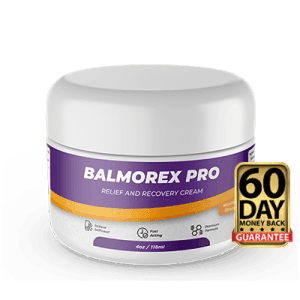
Balmorex Pro is a topical pain-relief balm sold in jar form, formulated with MSM as its primary active ingredient alongside a blend of over a dozen natural compounds including arnica oil, ginger root extract, hemp seed oil, Indian frankincense (Boswellia), aloe vera gel, bromelain, GABA, reishi mushroom extract, Epsom salt, ascorbic acid, vitamin B3, sunflower oil, and shea butter. The product is positioned not as a standard analgesic cream that numbs pain temporarily, but as a therapeutic agent that addresses what the brand calls the biological root cause of pain, the accumulation of inflammatory chemicals around nerve roots. It is sold exclusively through its own direct-to-consumer website in tiered packages (a basic, a "silver," and a "gold" bundle), and is explicitly stated to be unavailable on Amazon, eBay, or in physical retail stores.
The product occupies a crowded but commercially lucrative subcategory: natural topical pain relief. This market sits at the intersection of the $238 billion global pain-management industry (a figure the VSL itself cites, attributing it to the Center for Advancing Health) and the growing consumer shift toward non-pharmaceutical, plant-based wellness products. Balmorex Pro's positioning is deliberately anti-establishment, it frames itself against prescription drugs, cortisone injections, and surgery rather than against competing topical creams, a framing choice that widens its perceived category and avoids direct product-to-product comparison.
The stated target user is broad but specific in psychographic terms: an adult, likely between 40 and 80, who has already spent meaningful money on conventional pain treatment without lasting relief. The VSL's testimonials span ages 30 to 83 and cover professions from truck drivers and nurses to construction workers and military personnel, a deliberate breadth that signals to nearly any working adult that the product was designed with them in mind.
The Problem It Targets
Low back pain is, by most epidemiological measures, one of the most prevalent chronic conditions on earth. The Global Burden of Disease study, published in The Lancet, has consistently ranked low back pain as the single leading cause of disability worldwide, affecting an estimated 619 million people as of 2020, with projections exceeding 800 million by 2050. In the United States, the CDC reports that roughly 39% of adults experienced back pain in the past three months in recent survey cycles, making it a near-universal life experience rather than an edge condition. The financial cost is staggering: according to research published in JAMA Internal Medicine, Americans spend more than $87 billion annually on back and neck pain treatments alone, making it one of the most expensive conditions in the healthcare system.
The VSL is acutely aware of this epidemiology and deploys it with precision. Its pain-point inventory is comprehensive: lower back pain, sciatica, herniated discs, bulging discs, osteoarthritis, tendonitis, bursitis, spondylosis, knee pain, shoulder pain, stiff neck, conditions that, taken together, describe the lived experience of a significant portion of the adult population over 50. More importantly, the script targets not just the physical pain but the emotional residue that accumulates after years of failed treatment: the humiliation of losing independence, the financial guilt of wasted spending, the relational strain of becoming, as the narrator puts it, "not the man I married anymore." This emotional layer is where the VSL's commercial intelligence is most visible, it is not selling relief from a disc herniation; it is selling the restoration of a self.
The VSL also constructs a specific ideological problem alongside the medical one: the claim that the pain-management industry is structurally motivated to keep patients suffering. The figure cited, $238 billion spent annually on "useless treatments", is attributed to the Center for Advancing Health, a real but now-defunct Washington D.C. health policy nonprofit. The number is plausible in the context of the broader pain-management market, though attributing the entire spend to deliberate suppression of natural cures is an interpretive leap that the script never interrogates. This framing of systemic betrayal, you have been failed not by bad luck but by institutional greed, is the psychological engine that makes the product feel not like a purchase but like an act of justified defiance.
The problem the VSL targets is real. Chronic pain affects hundreds of millions of people, conventional treatment success rates are genuinely modest for many patients, and consumer frustration with the medical system is a legitimate and well-documented phenomenon. The VSL's contribution is to take that legitimate frustration and channel it into a single, urgent purchase decision.
Curious how the persuasion architecture behind this problem framing works at the psychological level? The next section breaks down the full mechanism, and Section 7 maps every major tactic to its underlying theory.
How Balmorex Pro Works
The mechanism the VSL proposes is built on a real biological concept, neurogenic inflammation, and then significantly extended into territory that outpaces the evidence. The core claim is this: back pain, joint pain, sciatica, arthritis, and most other musculoskeletal conditions share a single underlying cause: toxic pockets of cytokines and prostaglandins accumulating around nerve roots, compressing them, and triggering pain signals. The solution, therefore, is to destroy those pockets. Once the pockets are eliminated, the nerve decompresses, the pain signal ceases, and the body can heal itself.
The foundational biology here is sound. Cytokines, signaling proteins including interleukins, tumor necrosis factor-alpha, and interferon, do play a significant role in the inflammatory cascade that accompanies musculoskeletal injury and chronic pain. Prostaglandins, lipid compounds synthesized at sites of tissue damage, sensitize pain receptors and amplify the pain signal. The idea that reducing local inflammation around compressed nerves reduces pain is not only plausible, it is the mechanism behind some of the most widely used pain medications, including NSAIDs (non-steroidal anti-inflammatory drugs), which work precisely by inhibiting prostaglandin synthesis via COX enzyme blockade. In this sense, the VSL is not inventing a mechanism; it is describing a real one in dramatic, proprietary language.
Where the mechanism claim becomes speculative is in its scope and exclusivity. The VSL presents cytokine and prostaglandin accumulation as the cause of all pain, a universal explanation that subsumes structural problems (herniated discs, bone spurs, scoliosis, facet joint degeneration) into a single inflammatory model. Clinical pain science does not support this flattening. Structural pathology, an actual disc herniation pressing on the L4-L5 nerve root, for instance, involves mechanical compression that is not fully resolved by reducing local inflammation alone. The VSL's model is useful as a partial explanation and potentially useful as a therapeutic target, but it is not the complete account of pain physiology that the narrative presents it as. Additionally, the claim that a topical balm can penetrate deeply enough to dissolve inflammatory pockets around spinal nerve roots requires a level of transdermal absorption that current pharmacological science does not demonstrate for the ingredients in question, at least not through standard topical application.
The "healing molecule", MSM, is a real compound with genuine research support, discussed in detail in the ingredients section below. The VSL's historical narrative around its discovery (Dr. Stanley Jacob, late 1950s, DMSO/MSM research at Oregon Health & Science University) is broadly accurate. The claim that it was "banned by the FDA" is a partial truth at best: DMSO (dimethyl sulfoxide), the parent compound, faced FDA scrutiny in the 1960s regarding safety and manufacturing standards, not because it was suppressed by pharmaceutical interests, but because its early clinical trials raised questions about lens opacity in animal studies. MSM itself is currently legal, widely available, and sold in health food stores across the United States without restriction.
Key Ingredients / Components
The VSL describes a formulation of over 27 ingredients, though it names approximately fourteen by category. The following covers the named components, evaluating each against available independent research.
MSM (Methylsulfonylmethane): A naturally occurring organosulfur compound found in plants, animals, and humans. The VSL credits it with blocking NF-kB and interleukin-6, key mediators of the inflammatory cascade, and with acting as a natural analgesic. This is supported by peer-reviewed evidence. A 2006 pilot study published in Osteoarthritis and Cartilage (Kim et al.) found that oral MSM supplementation significantly reduced pain and physical impairment scores in patients with knee osteoarthritis. Topical MSM has also shown anti-inflammatory effects in animal models. The claim that it "pulverizes toxic pockets like ice on a hot stove" is rhetorical amplification, but the underlying anti-inflammatory mechanism is legitimate.
Arnica oil (Arnica montana extract): Derived from a European mountain flower, arnica has been used in traditional medicine for centuries as a topical anti-inflammatory and analgesic. A randomized controlled trial published in Rheumatology International (Widrig et al., 2007) found topical arnica gel comparable to ibuprofen gel in reducing hand osteoarthritis pain. The VSL's claim that it strengthens spinal alignment is unsupported by specific research.
Ginger root extract: Contains gingerols and shogaols, which inhibit prostaglandin and leukotriene synthesis, a mechanism well-aligned with the VSL's core pain model. A meta-analysis published in Osteoarthritis and Cartilage (Bartels et al., 2015) found that ginger supplementation modestly but significantly reduced pain and disability in knee osteoarthritis patients.
Vitamin B3 (Niacin): Research on niacin for joint mobility is limited but exists. Some older studies have suggested that high-dose niacin may benefit osteoarthritic joints, though the topical delivery route for this benefit is not well-established.
Hemp seed oil: Rich in omega-3 and omega-6 fatty acids, hemp seed oil has demonstrated anti-inflammatory properties in vitro. It is a common carrier oil in topical formulations. The VSL's claim that it increases body core temperature is not well-supported in the literature.
Indian frankincense (Boswellia serrata): One of the better-studied natural anti-inflammatories. Boswellic acids inhibit 5-lipoxygenase, reducing leukotriene formation and consequently inflammation. A 2003 study in Phytomedicine (Kimmatkar et al.) found Boswellia extract significantly reduced pain and swelling in knee osteoarthritis over an 8-week trial.
Ascorbic acid (Vitamin C): Essential for collagen synthesis and functions as an antioxidant that may reduce oxidative stress in joint tissue. Its role in nerve pain specifically is less established topically, though oral vitamin C has been studied in the context of complex regional pain syndrome.
Aloe vera gel: Contains acemannan and other polysaccharides with documented anti-inflammatory and wound-healing properties. A review in the Journal of Traditional and Complementary Medicine (Sánchez et al., 2020) supports its analgesic and anti-inflammatory effects, particularly for topical application.
GABA (Gamma-aminobutyric acid): The brain's primary inhibitory neurotransmitter, widely used in anxiety and sleep supplements. The VSL positions it as a "pain modulator." However, GABA molecules are too large to cross the blood-brain barrier when taken orally, and the mechanism for topical absorption reaching central nervous system targets is scientifically implausible. GABA may exert some local muscle-relaxing effect at the application site, but the dramatic claims require scrutiny.
Epsom salt (Magnesium sulfate): Widely used in baths for muscle relaxation. Transdermal magnesium absorption from Epsom salts remains debated in the literature; a study published in PLoS ONE (Gröber et al., 2017) found limited evidence for meaningful percutaneous magnesium absorption.
Bromelain: A proteolytic enzyme from pineapple with demonstrated anti-inflammatory and analgesic effects. The University of Southampton researchers referenced in the VSL have published on bromelain's potential in musculoskeletal pain, with modest supporting evidence. Bromelain is primarily studied in oral form; its topical efficacy is less established.
Reishi mushrooms (Ganoderma lucidum): Contain triterpenoids and beta-glucans with immunomodulatory and anti-inflammatory properties. Research is largely preclinical, though a 2016 review in Oncotarget (Jin et al.) confirmed anti-inflammatory mechanisms in vitro.
Sunflower oil and shea butter: Functional carrier and emollient ingredients. Shea butter contains lupeol cinnamate, which has shown anti-inflammatory activity. Shea butter also contains antifungal compounds, the VSL's claim that it addresses toenail fungus is not implausible, though it is not a primary therapeutic indication.
Hooks and Ad Angles
The VSL opens with one of the cleanest pattern interrupts (Cialdini, Influence, 1984) in recent direct-response copy for the pain-relief category: "A little known doctor from the Argonne Health and Science University in Portland made a breakthrough discovery. It changed everything we knew about back pain. It's called the healing molecule." This hook operates on three simultaneous levels. First, the phrase "little known doctor" signals insider access, the reader is about to receive information that most people do not have. Second, the institutional reference (Argonne Health and Science University) provides an immediate, if unverifiable, credibility signal. Third, naming the discovery "the healing molecule" before explaining what it is creates a curiosity gap, a structural device that behavioral economists like George Loewenstein have shown reliably compels continued attention. The reader cannot stop watching because the gap has been opened and only the VSL can close it.
This is a textbook Eugene Schwartz Stage 4 market-sophistication move. Schwartz's framework, laid out in Breakthrough Advertising (1966), argues that a market in its mature, skeptical stage, where buyers have been exposed to every promise of pain relief and have been disappointed by most, no longer responds to direct benefit claims. The copy must instead introduce a new mechanism: not "this will fix your pain" but "this is the hidden reason your current treatments don't work, and here is the one thing they cannot address." The healing molecule framing is precisely that mechanism, it resets the buyer's skepticism by making all previous failures the fault of a wrong theory, not a wrong promise.
Secondary hooks observed in the VSL:
- "Why 1% of Azores islanders never get back pain, and what they know that you don't"
- "The FDA banned it. 125 countries still use it."
- "Two out of ten people never experience back pain their entire lives, here is their unfair advantage"
- "The three daily mistakes that triple your pain levels"
- "What to immediately ask your doctor to avoid a $26,000 surgery"
Tested ad headline variations for Meta or YouTube:
- "Doctors don't want you to know this: a banned 'healing molecule' is ending back pain for 77,000 people"
- "I almost paid $26,000 for back surgery, then I found what people on this remote Atlantic island use instead"
- "The real reason you still have back pain (hint: it has nothing to do with your disc)"
- "A retired chemist reverse-engineered a suppressed pain remedy from the Azores, here's what's inside it"
- "Stop masking pain. This natural balm destroys the inflammatory pockets causing your back pain at the source"
Psychological Triggers and Persuasion Tactics
The persuasive architecture of this VSL is not a simple stack of emotional appeals, it is a sequenced compound structure in which each tactic creates the psychological conditions for the next. The letter opens with curiosity and authority (the hook and the institutional reference), deepens into identity and status threat (the narrator losing his physical capability, his marriage, his sense of self), pivots to indignation (the Big Pharma villain), and finally closes with social proof, loss aversion, and urgency, a sequence that Cialdini's six principles of influence would recognize as nearly exhaustive. What distinguishes this VSL from a more primitive example of the form is the ordering: indignation is not introduced until the viewer has already emotionally bonded with the narrator's story, which means the anger at Big Pharma arrives as confirmation of an existing emotional state rather than as a cold persuasive claim.
The VSL also performs what Godin calls tribe signaling, the consistent portrayal of the buyer as belonging to a community of sensible, suffering people who were betrayed by an institution they trusted, and who are now capable of making the right choice. This framing does significant work. It converts a product purchase into an act of group membership and informed self-advocacy, which is a far more motivating psychological position than simply "buying a cream."
Specific tactics deployed:
False enemy / villain framing (Godin, Tribes, 2008; Brunson's "attractive character" villain): Big Pharma is constructed as a named, motivated adversary actively suppressing a proven cure to protect a $238 billion revenue stream. The villain is never abstract, it is given concrete actions (threatening letters, FDA bans, smearing academic careers) that make the threat feel immediate and personal. This activates righteous anger, which is one of the most purchase-motivating emotional states in consumer psychology.
Loss aversion (Kahneman & Tversky, prospect theory, 1979): The VSL's "two paths" close, one leading to wheelchairs and dependency, the other to pain-free living, is a textbook loss-aversion frame. Losses are weighted approximately twice as heavily as equivalent gains in prospect theory, so describing inaction in terms of future loss ("your vertebrae will crack under the pressure one by one") is measurably more persuasive than describing action in terms of equivalent gain.
Authority borrowing (Cialdini, Influence, 1984): References to Harvard, MIT, the Mayo Clinic, the British Medical Journal, CBS 60 Minutes, and Kyoto University are layered throughout the VSL. Crucially, most of these references do not constitute endorsements of Balmorex Pro, they are real institutions attached to the general domain of pain research. But the halo effect ensures that the credibility of those institutions transfers to the product by proximity.
Social proof via specificity (Cialdini, Influence, 1984): The figure "77,383 people" is more persuasive than "thousands" or "tens of thousands" because the apparent precision implies measurement, and measurement implies verification. This is a well-documented phenomenon in persuasion research: round numbers are perceived as estimates, precise numbers as facts.
Price anchoring and contrast framing (Thaler's mental accounting; Kahneman's anchoring heuristic): The sequence of price anchors, $34,000 hip replacement, $26,000 spine surgery, $700/day at the Azores clinic, $997 ingredient retail value, then $497, then $300, then the "actual" price, is a masterclass in reference-point manipulation. Each anchor makes the next number feel smaller, so that by the time the real price appears, it is being compared not to competing topical creams but to surgery.
Reciprocity via free information (Cialdini, Influence, 1984): Before making any sales pitch, the VSL delivers genuinely useful free content: the towel-roll technique for acute back pain relief, the optimal sleep position, an explanation of how sitting posture damages the spine. This creates a psychological debt that makes the subsequent commercial ask feel more reasonable.
Urgency through external threat (Brehm's reactance theory, 1966): The claim that pharmaceutical companies have sent threatening letters to take down the website converts the scarcity trigger from artificial ("limited stock") to conspiratorial ("they are coming for this"). Reactance theory predicts that perceived threats to access increase the desire for the threatened object, the VSL is, in effect, weaponizing the viewer's distrust of Big Pharma to generate urgency.
Want to see how these tactics compare across 50+ VSLs in the health and pain-relief space? That's exactly what Intel Services is built to show you.
Scientific and Authority Signals
The VSL's authority architecture is built on several distinct layers, and it is worth evaluating each on its own terms. The most legitimate anchor is Dr. Stanley Jacob, who was a real physician and researcher at Oregon Health & Science University (OHSU), not, as the VSL implies, a figure from "Argonne Health and Science University," which does not appear to exist as a named institution. Jacob's work on DMSO (dimethyl sulfoxide) and later MSM is real and documented, including a 1980 60 Minutes interview with Mike Wallace that was broadcast and is a matter of historical record. The CBS interview clip quoted in the VSL, "in the test tube, in certain types of injury, it literally stimulates healing", is consistent with the content of that broadcast. This is legitimate authority, accurately sourced at its core, though the VSL's framing of Jacob's work as suppressed by Big Pharma is a significant interpretive overlay that the historical record does not straightforwardly support.
The central authority figure, Dr. T.S., the neurosurgeon in the Azores, is a different matter entirely. The character is given impressive credentials: lectures at Harvard, MIT, the Mayo Clinic, and Mount Sinai; Nobel Prize winners citing his work; decades of treating celebrities and heads of state. But his surname is deliberately withheld, he is conveniently deceased before the narrator can contact him for the recipe, and no independent search trace is offered. This is fabricated or unverifiable authority, a narrative device rather than a real person whose credentials can be checked. The function of this character is to transfer institutional prestige (Harvard, Mayo Clinic) to the product via an intermediary who cannot be interrogated.
The research citations the VSL invokes range from real to ambiguous. The British Medical Journal and National Libraries of Medicine are real institutions, and the general claim that some populations (including certain island communities) have lower rates of chronic pain than the U.S. average is plausible, though no specific BMJ study on Azores back-pain rates appears in the indexed literature. The Kyoto University of Medicine study on cytokine release and the Presbyterian College School of Pharmacy 2021 study on pain-relieving oils are cited without author names or titles, making independent verification impossible. The University of Southampton bromelain research is a real area of inquiry, researchers including Dr. Meschino and others have published on proteolytic enzyme therapy, though the specific claim as framed goes beyond the published evidence. The Inflammation Biology Group (France) and Korean Science Institute on MSM and NF-kB are plausible research bodies, but without citation specifics, the claims cannot be confirmed. Overall: real science, selectively invoked, with institutional halos attached to claims the cited institutions have not specifically made about this product.
The Offer, Pricing, and Risk Reversal
The offer structure in this VSL is sophisticated and follows a well-established direct-response template: build an aspirational anchor, demolish it in stages, reveal the "real" price as a fraction, then stack bonuses to increase perceived value. The anchor sequence, $34,000 surgery, $700/day Azores treatment, $997 ingredient retail value, $497, $300, functions as a descending contrast ladder. By the time the actual price appears, the buyer's reference point has been recalibrated so dramatically that any reasonable price feels like a windfall. This is rhetorical anchoring rather than legitimate benchmarking: the comparison to surgery costs or to Azores retreat pricing is not a genuine apples-to-apples comparison with competing topical creams, and a straightforward Amazon search would reveal that comparable natural pain-relief balms retail for $15-$40.
The bonus structure, two digital guides (Shortcut to Wellness and Immunity Upgraded, each nominally valued at $97) with 20+ accompanying videos, is a classic value-stacking move designed to make the bundle feel disproportionately generous. Digital content has effectively zero marginal cost to produce and distribute, so the $194 in "bonus value" costs the seller nothing to include but adds significant perceived-value weight to the offer.
The 60-day money-back guarantee, no questions asked, even on an empty container, is the risk-reversal mechanism, and it is genuinely meaningful in one specific way: it removes the financial risk of trying the product. A buyer who applies the balm, finds no relief, and requests a refund within 60 days should, in theory, recover their investment. The practical friction of actually executing a refund through a direct-response vendor varies widely, and the guarantee's value depends entirely on the seller's operational fulfillment of it, something this analysis cannot assess. What the guarantee does functionally is lower the psychological activation energy for purchase: the buyer is not deciding whether to spend money permanently; they are deciding whether to conduct a 60-day experiment.
Who This Is For (and Who It Isn't)
If you are researching this product as a potential buyer, the profile most likely to find genuine value in Balmorex Pro is this: an adult in their 40s to 70s dealing with chronic, low-to-moderate musculoskeletal pain, particularly inflammation-driven conditions like mild osteoarthritis, post-exertion muscle soreness, or general joint stiffness, who has not responded fully to standard OTC options like ibuprofen or acetaminophen, and who prefers a natural formulation over pharmaceutical-grade analgesics. Several of the individual ingredients in the formula (MSM, Boswellia, arnica, bromelain, ginger) have genuinely supportive research at the ingredient level, and a well-formulated combination of these compounds, delivered topically, could plausibly provide meaningful anti-inflammatory relief for this population. The non-greasy, skin-sensitive formulation also makes it accessible to people who have had skin reactions to conventional creams.
The product is likely to underdeliver for buyers with structural pain pathology, diagnosed disc herniations causing significant nerve root compression, spinal stenosis, spondylolisthesis, or severe osteoarthritis requiring joint replacement. For these conditions, the inflammatory-pocket model the VSL presents is at best an incomplete account, and topical application of any ingredient is unlikely to reach the depth of tissue where the mechanical problem is occurring. Similarly, buyers who have already tried high-quality MSM or Boswellia supplements orally without significant benefit should calibrate expectations accordingly, as the transdermal delivery route does not offer guaranteed superior absorption.
Finally, buyers who are drawn primarily by the VSL's narrative, the Azores story, the suppressed doctor, the Big Pharma conspiracy, rather than by the specific ingredient profile should be aware that the narrative is a marketing construction, not a verifiable historical account. The ingredients are real; the story wrapping them is not.
Wondering how this offer compares to other products in the pain-relief space? Intel Services has analyzed dozens of VSLs in this category, keep reading to see the patterns.
Frequently Asked Questions
Q: Is Balmorex Pro a scam?
A: The product contains real, research-backed ingredients, MSM, Boswellia, arnica, and ginger among them, that have genuine anti-inflammatory and analgesic properties at the ingredient level. However, several of the VSL's narrative claims (the unnamed deceased doctor, the suppressed FDA ban, the specific Azores study) are unverifiable or embellished. The balm itself is likely a legitimate topical product with a real but more modest mechanism than the marketing claims; whether that constitutes a "scam" depends on how closely the buyer's expectations are anchored to the story versus the chemistry.
Q: Does Balmorex Pro really work for back pain?
A: Some buyers will experience genuine relief, particularly those with inflammation-driven pain conditions like osteoarthritis or post-exercise muscle soreness, where topical MSM, arnica, or Boswellia have shown benefit in independent research. For structural spinal pathology (severe disc herniations, spinal stenosis), the evidence for a topical balm reaching the necessary depth of tissue is limited. The 60-day guarantee allows buyers to assess results without permanent financial risk.
Q: Are there any side effects from using Balmorex Pro?
A: The listed ingredients are generally well-tolerated for topical use. Arnica should not be applied to broken skin. Some individuals may have sensitivities to essential oils or plant extracts in the formula. The product is stated to be formulated without harsh chemicals and safe for sensitive skin, though people with known allergies to any listed botanical ingredients should check the full label before use. No ingredient in the formula is associated with serious adverse effects at typical topical doses.
Q: Is Balmorex Pro safe to use with other medications?
A: The VSL states that the balm is safe to use in conjunction with over-the-counter pain relievers or medications. Topical MSM and botanicals are unlikely to produce systemic drug interactions at normal application volumes, but anyone on prescription anti-coagulants or immunosuppressants should consult a physician before adding any new supplement or topical product to their regimen.
Q: What are the ingredients in Balmorex Pro?
A: The named ingredients include MSM, arnica oil, ginger root extract, vitamin B3, hemp seed oil, Indian frankincense (Boswellia), ascorbic acid (vitamin C), organic aloe vera gel, GABA, Epsom salt, bromelain, reishi mushroom extract, sunflower oil, and shea butter. The VSL references more than 27 total ingredients in the formulation; the full list is not disclosed in the transcript.
Q: How long does it take for Balmorex Pro to work?
A: The VSL describes it as "quick-acting" with relief sensations noticed shortly after application, consistent with how well-absorbed topical analgesics like arnica or MSM can behave. Meaningful reduction in chronic inflammation would be expected to develop over days to weeks of consistent use, which aligns with the clinical trial timelines for the individual ingredients (most studies ran 6-8 weeks).
Q: What is the money-back guarantee on Balmorex Pro?
A: The VSL offers a 60-day, 100% money-back guarantee with no questions asked, valid even if the container is completely empty. Buyers who are dissatisfied are instructed to email the address provided in the members area. As with all direct-response guarantees, the practical ease of the refund process cannot be independently confirmed from the VSL transcript alone.
Q: Where can I buy Balmorex Pro, is it on Amazon?
A: Per the VSL, Balmorex Pro is sold exclusively through its own direct-to-consumer website and is explicitly not available on Amazon, eBay, or in physical retail stores. The VSL frames this exclusivity as a consumer protection measure ("to ensure you get the original"), though it is also a standard funnel-control strategy that prevents price comparison and retains the seller's margin.
Final Take
This VSL is a sophisticated piece of direct-response marketing that operates at what Eugene Schwartz would call Stage 4 or Stage 5 market sophistication, it is not selling a benefit ("relieve your pain") or even a feature ("contains MSM"). It is selling a worldview: a coherent explanation for why you have been suffering, who is responsible for your suffering, and how this single product corrects the conspiracy that has kept you in pain. That is a significantly harder persuasion task than selling a cream, and the script executes it with considerable craft. The personal narrative arc (orange farm, paralysis, Azores, suppressed remedy, dead doctor, chemist-hero) follows the epiphany bridge structure almost perfectly, converting what would otherwise be a dry ingredient list into an emotionally charged origin story with a clear villain and a satisfying resolution.
The weakest element of the VSL is also its most audacious: the central authority figure, Dr. T.S., is an unverifiable construct. A character whose full name is withheld, whose credentials cannot be checked, whose formula was never written down, and who conveniently died before he could be contacted is doing enormous rhetorical work in this script, and a careful reader will notice that the entire mechanism claim, the Azores research, and the original formula validation rest on this single unverifiable source. The historical Dr. Stanley Jacob and the MSM research give the product's core ingredient genuine scientific grounding, but the edifice built on top of that foundation is narrative rather than empirical.
The strongest element is the ingredient selection. Whatever one makes of the story wrapping it, Balmorex Pro's formulation contains multiple compounds, MSM, Boswellia, arnica, ginger, bromelain, with independent peer-reviewed support for anti-inflammatory and analgesic activity at the ingredient level. A researcher encountering this label on a pharmacy shelf, stripped of the Azores mythology, would find a defensible natural pain-relief formulation with a reasonable evidence base. Whether the specific concentrations, ratios, and topical delivery route are optimized for clinical efficacy is a question the VSL does not address, and cannot, because it would require comparative clinical trial data that the product has not generated.
For the consumer researching this product: the 60-day guarantee makes a personal experiment relatively low-risk. For the marketer studying this VSL: it is a case study in how a real biological mechanism (inflammation-driven nerve compression), a real historical figure (Dr. Stanley Jacob), and a real geographic curiosity (low chronic-pain rates in certain island populations) can be woven into a narrative architecture that feels documentary in texture while functioning as persuasion engineering. The category it operates in, natural pain relief for an aging, treatment-frustrated consumer base, is one of the most commercially active in direct-response marketing, and this VSL represents a high-water mark of the form.
This breakdown is part of Intel Services, our ongoing library of VSL and ad-copy analyses. If you're researching similar products in the pain-relief, joint health, or natural supplement space, keep reading.
Disclaimer: This article is for research and educational purposes only. It is not medical, legal, or financial advice, and it is not affiliated with the product or its makers. Always consult a qualified professional before making health or financial decisions.
Comments(0)
No comments yet. Members, start the conversation below.
Related reads
 reviews
Jocko Greens Review: Does One Scoop Match the Evidence?
Jocko Greens is a one-scoop powder with approximately 30 calories and 9 billion colony-forming units of probiotics per serving. Jocko Fuel also confirms ashwagandha extract and makes a digestive-support claim. The harder question is whether the available research matches this specific formula. It does not match closely enough to establish a finished-product outcome.
Read reviews
NooCube Review: Does the 250 mg Bacopa Dose Match the Research?
NooCube is one of the few nootropics that prints a milligram number next to an ingredient instead of hiding it in a blend. This review takes that one number, 250 mg Bacopa monnieri, and checks it against a real trial that used 300 mg in a very different population, then shows exactly where the comparison breaks down.
Read reviews
Olly Goodbye Stress Review: Label Claims vs. Evidence
OLLY Goodbye Stress combines GABA, L-theanine, and lemon balm extract in a Berry Verbena gummy aimed at occasional stress, not sleep. Here's what the label discloses, what a real L-theanine trial found, and exactly where the evidence stops.
Read