Balmorex Pro Review and Ads Breakdown: A Research-First Look
Somewhere in the middle of a 30-minute video sales letter, a retired chemistry researcher named James Horton describes the moment he forgot his walking cane in a doctor's office on a remote Portugu…
8,226+
Videos & Ads
+50-100
Fresh Daily
$29.90
Per Month
Full Access
12.5 TB database · 72+ niches · 32 min read
Somewhere in the middle of a 30-minute video sales letter, a retired chemistry researcher named James Horton describes the moment he forgot his walking cane in a doctor's office on a remote Portuguese island, and laughed until his sides hurt, because he no longer needed it. It is an expertly constructed scene: emotionally resonant, cinematically specific, and engineered to the last detail to make a viewer believe that what follows is the honest account of a real discovery rather than a piece of direct-response marketing. The product being sold is Balmorex Pro, a topical pain-relief balm whose VSL runs through nearly every major technique in the high-converting health supplement playbook, conspiracy framing, borrowed authority, suppressed-cure mythology, and a multi-layered price anchor designed to make any retail price feel like a generous gift. This analysis examines all of it: the product itself, the ingredients it actually contains, the scientific claims it makes, and the persuasion architecture that carries the pitch from a Texas orange farm to a purchase confirmation page.
The VSL begins with a promise so large it functions almost as a genre declaration: a banned medical breakthrough, rediscovered on a volcanic Atlantic island, is now available to ordinary Americans for a fraction of what powerful people pay for it. Within the first ninety seconds, the narrative has invoked the FDA, Big Pharma, Olympic weightlifters, and Nobel Prize winners. This density of credentialing is not accidental, it reflects a sophisticated understanding of where the chronic-pain supplement buyer sits on the market-sophistication curve. By the time most viewers encounter this video, they have already tried NSAIDs, chiropractic adjustments, cortisone injections, and perhaps two or three other topical creams. They are, in copywriting terms, a Stage 4 or Stage 5 audience: deeply skeptical of direct promises, responsive only to a genuinely new mechanism or a genuinely new frame. The VSL's answer to that skepticism is the "healing molecule". A fresh label for an established compound. Wrapped inside a journey narrative that does the emotional work of overcoming resistance before a single ingredient is named.
What makes this particular VSL worth studying in detail is not that it is unusual but that it is unusually well-assembled. The hooks, the authority structure, the villain narrative, and the offer mechanics are each individually common in the health supplement category. What is less common is the degree to which they are integrated; the way each element reinforces the others so that by the time the product name appears, the viewer has already been through a mini-documentary about suppressed science, a travel narrative set on a beautiful island, a medical mechanism explanation, and a parade of testimonials. Understanding how that integration works is useful for anyone researching whether the product itself merits purchase, and equally useful for anyone trying to understand how modern direct-response health marketing operates.
The central question this analysis investigates is straightforward: does Balmorex Pro deliver on its claims, scientifically, commercially, and ethically, and what does the structure of its pitch reveal about both the product and the category it inhabits?
What Is Balmorex Pro?
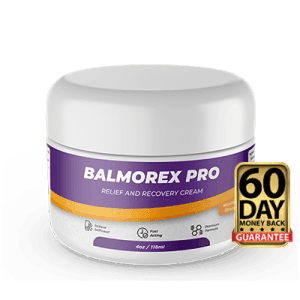
Balmorex Pro is a topical pain-relief balm sold primarily through a direct-to-consumer video sales letter and its associated order page. It belongs to the broad category of over-the-counter topical analgesics, a market that includes everything from drugstore-brand menthol creams to premium botanical formulations, but positions itself firmly at the premium, condition-specific end of that spectrum. The product is presented as a multi-ingredient balm rather than a single-compound cream; its formulation reportedly includes 14 active and carrier ingredients, among them MSM (Methylsulfonylmethane), arnica oil, ginger root extract, boswellia (Indian frankincense), hemp seed oil, bromelain, GABA, reishi mushroom extract, and a delivery base of shea butter and sunflower oil. The stated target user is an adult, often in their 40s through 80s, suffering from chronic or recurring back pain, joint pain, arthritis, sciatica, or related musculoskeletal conditions who has found conventional treatments either ineffective or financially prohibitive.
The product is available exclusively through its official website; the VSL is explicit that it is not sold on Amazon, eBay, or in retail stores. This distribution choice is both a marketing decision and a margin decision: cutting out retail intermediaries allows the seller to maintain the full price-anchoring theater that the VSL depends on, and it prevents price comparison shopping that would undercut the perceived exclusivity. The offer structure involves at least three purchasing tiers (a basic single-jar option, a "Silver" multi-jar discount package, and a "Gold" ultimate package), with digital bonuses, two guides called Shortcut to Wellness and Immunity Upgraded. Bundled with the upper tiers. A 60-day money-back guarantee is offered across all tiers.
In terms of market positioning, Balmorex Pro occupies the increasingly crowded space between pharmaceutical-grade topicals (which require regulatory approval and clinical trial data) and commodity drugstore creams (which compete on price). Its differentiator is the narrative of superior formulation. Specifically, the claim that its MSM-centered approach addresses the biological root cause of pain rather than masking symptoms. Whether that claim survives scrutiny is examined in the sections that follow.
The Problem It Targets
Chronic back pain is, by any epidemiological measure, one of the largest unmet therapeutic needs in the developed world. According to the Global Burden of Disease study, low back pain is the single leading cause of disability worldwide, affecting approximately 619 million people as of 2020, a number the World Health Organization projects will reach 843 million by 2050. In the United States specifically, the National Institute of Neurological Disorders and Stroke estimates that roughly 80 percent of adults experience low back pain at some point in their lives, and the condition accounts for more missed workdays than almost any other ailment. The CDC reports that musculoskeletal pain conditions cost the U.S. economy over $380 billion annually in direct medical costs and lost productivity; a figure the VSL approximates (it cites $238 billion for pain management specifically, attributing this to the Center for Advancing Health) to establish the scale of what it frames as systemic failure.
The VSL frames chronic back pain not merely as a medical problem but as a systemic betrayal. Patients have been failed by chiropractors "only after money," by doctors "who had no clue," and by pharmaceutical companies that profit from treating symptoms rather than curing causes. This framing maps precisely onto a real and documented frustration. A 2016 paper in JAMA Internal Medicine found that opioid prescribing for chronic back pain increased dramatically through the 2000s and 2010s with minimal evidence of long-term efficacy, and a significant body of research, including guidelines from the American College of Physicians updated in 2017, now recommends non-pharmacological interventions as first-line treatment for chronic low back pain. The VSL is not fabricating public dissatisfaction with conventional pain management; it is amplifying a genuine and well-founded grievance and then channeling it toward a specific commercial conclusion.
What the VSL does that goes beyond legitimate problem framing is its use of fear escalation around surgical outcomes. The repeated invocation of a "$26,000 surgery" and the threat of "complete paralysis" serves a dual function: it makes the product's price feel negligible by comparison, and it exploits a documented fear among chronic pain sufferers. Surgery for back pain is indeed expensive, and outcomes for many common procedures, such as spinal fusion for non-specific low back pain, are genuinely debated in the surgical literature. A 2014 Cochrane review found limited evidence that spinal fusion surgery outperforms conservative treatment for chronic low back pain without clear structural pathology. The VSL's surgery-fear narrative is thus built on a foundation of real uncertainty but exaggerated into a binary (inevitable paralysis vs. this product) that the clinical evidence does not support.
The Azores detail, the claim that only 1% of residents of this Portuguese archipelago suffer from back pain, documented in a "prestigious British Medical Journal" study, functions as both a curiosity hook and an epidemiological claim. No such study was identified in a search of BMJ archives. The Azores does have well-known sulfurous thermal springs, particularly on the island of São Miguel, and thermal spring therapy has a long empirical history across multiple cultures. But the specific 1% prevalence claim, and its attribution to a BMJ study, appears to be either fabricated or severely mischaracterized, a meaningful distinction for a piece of marketing that presents itself as evidence-based.
How Balmorex Pro Works
The mechanism explanation at the center of the VSL is, in its broad strokes, a legitimate simplification of pain neuroscience. The claim that back pain originates from nerve compression. And that inflammation mediated by cytokines and prostaglandins contributes to that compression. Is consistent with established understanding of nociceptive and neuropathic pain. The concept of "toxic pockets" pressing on nerve roots is a lay-language version of the inflammatory cascade that genuinely does accompany acute and chronic musculoskeletal injury. Prostaglandins are indeed produced during tissue injury and do sensitize pain receptors; cytokines such as interleukin-6 and tumor necrosis factor-alpha are genuine mediators of the inflammatory response in conditions like rheumatoid arthritis and discogenic back pain. The VSL's scientific vocabulary is not invented; it is selectively simplified.
The leap from accurate biology to commercial claim happens in the assertion that applying a topical balm can "destroy" these inflammatory pockets systemically, eliminating not just local surface pain but deep nerve root inflammation, herniated disc pressure, and conditions as structurally complex as scoliosis or severe osteoarthritis. Topical delivery of active compounds is a legitimate pharmaceutical route, and some ingredients in Balmorex Pro (MSM in particular) do have evidence for transdermal absorption. However, the bioavailability of topically applied MSM at concentrations sufficient to modulate systemic cytokine production has not been established in peer-reviewed clinical trials. The mechanism is not implausible at the local level, reducing surface inflammation and improving local circulation is achievable with several of the ingredients listed, but the VSL's claim that it addresses "any kind of pain" systemically, including deep spinal conditions, is a significant extrapolation from available evidence.
The VSL attributes the core mechanism to MSM's blockade of NF-κB and interleukin-6 pathways, citing the "Inflammation Biology Group from France" and the "Korean Science Institute" as confirmatory sources. NF-κB inhibition is indeed a documented pharmacological property of MSM in in vitro and some animal studies; a 2018 review in the journal Nutrients summarized evidence that oral MSM supplementation reduced markers of oxidative stress and inflammation in human subjects, though the studies were generally small and the effect sizes modest. The critical gap is between oral supplementation research (which constitutes the bulk of the MSM clinical literature) and topical application claims, a gap the VSL never acknowledges. When the VSL states that MSM "blocks the transfer of pain impulses through the nerve fibers," this is presented as established fact, but the clinical evidence for topical MSM as a nerve-signal modulator is far thinner than the oral supplementation literature.
The "healing molecule" framing itself is worth dissecting. MSM (Methylsulfonylmethane) is a naturally occurring sulfur compound found in foods like garlic, onions, cruciferous vegetables, and eggs, and in thermal spring waters, which explains the narrative connection to the sulfurous Azores springs. Dr. Stanley Jacob, the figure the VSL credits with its discovery, was a real physician and researcher at Oregon Health & Science University (not the unnamed "Argonne Health and Science University in Portland" mentioned in the VSL's opening) who conducted significant early research on DMSO (Dimethyl Sulfoxide) and later on MSM as a metabolite of DMSO. The CBS 60 Minutes segment referenced in the VSL appears to be a real broadcast, though the 1965 figure of "1,500 studies involving 100,000 patients" is not independently verifiable from public records. The FDA's complex regulatory history with DMSO, which is related to but distinct from MSM, is real; conflating the two in a "banned healing molecule" narrative is misleading but not entirely fabricated.
Curious how the persuasion architecture in this VSL compares to others in the pain-relief niche? Section 7 maps every tactic to its theoretical source and the exact moment it appears in the script.
Key Ingredients and Components
The Balmorex Pro formulation, as described in the VSL, layers active therapeutic compounds over a fast-absorbing carrier base. The following assessment covers each primary ingredient, what the VSL claims it does, and what independent research indicates.
MSM (Methylsulfonylmethane): The VSL's "healing molecule," MSM is a naturally occurring organosulfur compound. The VSL claims it destroys cytokine/prostaglandin pockets, blocks pain signal transmission, and improves joint flexibility. A randomized controlled trial by Kim et al. (2006, Osteoarthritis and Cartilage) found that oral MSM at 6g/day significantly reduced pain and physical impairment in osteoarthritis patients versus placebo. Evidence for topical MSM specifically is thinner; a study by Ebisuzaki (2003, Integrative Cancer Therapies) suggested anti-inflammatory effects, but large-scale topical trials are lacking. Overall: plausible anti-inflammatory ingredient, with oral evidence stronger than topical.
Arnica Oil (Arnica montana): A botanical long used in traditional European medicine for bruising, muscle soreness, and joint inflammation. The VSL claims it stimulates blood flow and strengthens spinal alignment. A Cochrane review of arnica preparations (Ernst & Pittler, 1998) found promising but limited clinical evidence; more recent studies on topical arnica gel for osteoarthritis of the hand showed modest pain reduction. The "spinal alignment" claim is not supported by any known arnica research.
Ginger Root Extract: The VSL claims it reduces knee pain from osteoarthritis and rheumatoid arthritis. A meta-analysis by Bartels et al. (2015, Osteoarthritis and Cartilage) found moderate evidence that oral ginger supplementation reduces knee pain in osteoarthritis. Topical ginger's anti-inflammatory gingerol and shogaol compounds have shown local analgesic effects in some studies. This is one of the better-supported ingredients in the formulation.
Boswellia (Indian Frankincense): The VSL describes it as anti-inflammatory and cartilage-protective. Boswellic acids are among the more robustly studied natural anti-inflammatories; a 2003 study in Phytomedicine by Kimmatkar et al. found significant improvement in knee osteoarthritis with oral Boswellia extract. A 2011 clinical trial (International Journal of Medical Sciences) supported topical Boswellia as a viable anti-inflammatory agent. This is a credible inclusion.
Hemp Seed Oil: The VSL claims it increases core body temperature and reduces back pain. Hemp seed oil is nutritionally rich in omega-3 and omega-6 fatty acids with anti-inflammatory properties, but it contains negligible CBD and should not be confused with cannabidiol-based products. Evidence for topical hemp seed oil as a primary analgesic is limited; its primary documented value in topical applications is as an emollient and skin-barrier strengthener.
Bromelain: An enzyme complex from pineapple, the VSL cites University of Southampton researchers as confirming it stops back, knee, and shoulder pain and heals swollen tissue. Bromelain has a documented anti-inflammatory mechanism, and a 2004 review in Evidence-Based Complementary and Alternative Medicine supported its use as an analgesic adjunct, primarily in oral form. Its bioavailability through topical application is debated; large enzyme molecules do not penetrate intact skin efficiently.
GABA (Gamma-Aminobutyric Acid): Described as a neurotransmitter enabling muscle relaxation. Topical GABA absorption through intact skin is considered negligible by most dermatopharmacological research; GABA's function as an inhibitory neurotransmitter occurs centrally and spinally, not at the skin surface. Its inclusion in a topical formulation appears to be primarily a marketing signal. The ingredient name sounds scientifically compelling. Rather than a pharmacologically active contribution.
Reishi Mushroom Extract: The VSL calls it "mushrooms of immortality" and claims immune support and skin hydration. Reishi (Ganoderma lucidum) does have documented immunomodulatory and anti-inflammatory polysaccharides (beta-glucans), supported by a 2014 Cochrane review on cancer fatigue. Its role in topical pain relief is not directly established in clinical literature, though its anti-inflammatory properties are credible.
Aloe Vera Gel, Ascorbic Acid (Vitamin C), Epsom Salt (Magnesium Sulfate), Shea Butter, Sunflower Oil: These are well-characterized ingredients with established skin-care and mild anti-inflammatory applications. The claim that ascorbic acid resolves "even the most difficult cases of nerve pain" substantially overstates its clinical evidence as a topical agent.
Hooks and Ad Angles
The VSL's opening hook; "a little-known doctor made a breakthrough discovery... it's called the healing molecule... it was banned", is a masterclass in what Eugene Schwartz called Stage 5 market sophistication writing. At this stage of market development, the buyer has encountered every direct promise ("stop back pain fast") and every mechanism claim ("targets inflammation at the source"); only a genuinely new frame, here, the suppressed-cure mythology, produces the cognitive disruption needed to halt the scroll. The hook operates as a pattern interrupt in the clinical sense: it violates the viewer's expectation schema for a pain-relief advertisement so completely that the brain pauses its filtering mechanisms and attends to the stimulus. The "banned" framing adds a curiosity gap, the viewer does not yet know what the molecule is or why it was banned, while simultaneously priming a conspiratorial worldview that the rest of the VSL will exploit.
What is particularly sophisticated about the hook construction is the temporal sequencing: the molecule is introduced as "banned" before the viewer knows what it does, which means the ban itself becomes evidence of efficacy. This is a logical inversion, regulatory suppression is presented as proof of potency, that would be immediately visible in a slower reading but passes almost unnoticed in a rapidly paced audio-visual format. The hook also establishes the VSL's primary identity frame: the viewer is not a consumer shopping for a cream, but a member of an information-suppressed majority who has been deliberately kept from a cure. This status frame (Godin's tribe construction) persists throughout the VSL and is doing significant persuasive work every time a new testimonial or authority figure appears.
The Azores narrative. A real and beautiful location with documented thermal springs. Functions as what direct-response copywriters call a proof environment: a physical place the viewer can verify exists, which lends verisimilitude to claims that cannot be verified. The detail about the sulfur smell is particularly effective because it is sensory and specific, creating the feeling of lived experience rather than constructed narrative.
Secondary hooks observed in the VSL:
- "Only 1% of people on this remote Atlantic island ever suffer from back pain"; an epidemiological curiosity hook
- "Three mistakes you make every day that triple your pain levels", a specificity hook with numbered structure
- "What to ask your doctor if you want to avoid a $26,000 surgery", a financial fear hook with actionable framing
- "What you can do this instant to wipe out 90% of your back pain in 30 seconds using one item from your house", a radical convenience hook
- "I forgot my cane in the doctor's office", an emotional payoff hook signaling the transformation moment
Ad headline variations for Meta or YouTube testing:
- "The FDA Banned This Back Pain Molecule in 1965. Here's What It Actually Does."
- "Why 1% of People on This Island Never Get Back Pain (And How You Can Copy Them)"
- "Retired Chemist Reverse-Engineers a $700/Day Azores Pain Treatment Into a $X Balm"
- "This Natural Compound Has 1,500 Studies Behind It. Your Doctor Has Never Mentioned It."
- "Stop Doing These 3 Things, They're Tripling Your Back Pain Every Day"
Psychological Triggers and Persuasion Tactics
The persuasion architecture of this VSL is not a simple stack of independent techniques, it is a sequenced system in which each tactic prepares the psychological ground for the next. The opening conspiracy frame (Big Pharma suppression) pre-emptively neutralizes the skeptic's most likely objection ("if this worked, doctors would know about it") before the objection can form. The personal narrative that follows provides emotional identification before any product claims are made, ensuring that viewers are psychologically invested in the narrator's outcome before they evaluate the product rationally. The mechanism explanation, delivered in the persona of a credentialed but oppressed doctor in an exotic location. Arrives when the viewer is most receptive, having already accepted the suppression narrative and identified with the protagonist. By the time the product is named, the viewer has been through approximately 20 minutes of frame-setting designed to make rational product evaluation feel like betrayal of the journey they have just experienced.
This sequence reflects what Cialdini would identify as commitment and consistency at scale: each micro-agreement the viewer makes ("yes, the medical system has failed me," "yes, inflammation is the root cause," "yes, this island story is fascinating") builds a chain of psychological commitment that makes disagreement with the product's efficacy increasingly costly to the viewer's self-image. The VSL is, in structural terms, a commitment escalation machine.
Pattern interrupt / open loop (Cialdini, 2006): The "banned healing molecule" opening violates expectation and forces sustained attention. The loop remains open. Viewers do not learn what the molecule is; for a significant portion of the VSL, maintaining engagement through unresolved curiosity.
False enemy / conspiracy framing (Jung's shadow; applied by Gary Halbert and Dan Kennedy in direct response): Big Pharma is explicitly named as the suppressor of the MSM cure, responsible for the $238 billion pain-management industry. This tactic creates in-group solidarity between the narrator and viewer (both victims of the same villain) while simultaneously explaining away the product's absence from mainstream medicine.
Epiphany bridge narrative (Brunson, Expert Secrets, 2017): The narrator's transformation from paralyzed farmer to pain-free chemist mirrors the journey the viewer is invited to take. The structure ensures that the product purchase feels like accessing an insight, not buying a cream.
Loss aversion and binary choice architecture (Kahneman & Tversky, Prospect Theory, 1979): The closing "two paths" sequence, do nothing and end up in a wheelchair, or click Buy Now, is a textbook loss-aversion trigger. Framing inaction as an active choice with severe consequences exploits the asymmetry between loss and gain in human decision-making.
Authority transfer via institutional name-dropping (Milgram, 1963; Cialdini's authority principle): Harvard, MIT, Mayo Clinic, Mount Sinai, and Nobel Prize winners are all attached to the unnamed Dr. T.S. without any verifiable citation. The institutions are real; their endorsement of this specific work is not established.
Social proof stacking across demographic breadth (Cialdini): Testimonials span a 30-83 age range, multiple professions (bus driver, nurse, construction worker, athlete), and geographic spread (Seattle, Rockford, Madison, Louisiana, Michigan, Ohio). The breadth signals universality: this works for everyone like you, regardless of which specific "like you" you identify with.
Price anchor inflation via multi-reference contrast (Thaler's mental accounting; Ariely's arbitrary coherence): The product's actual price is never stated in the VSL; instead, three escalating anchors are established ($997 ingredient cost, $700/day Azores spa, $26,000 surgery) before the "but I'm not going to charge you anywhere near that" reveal. This makes any real price, whatever it turns out to be, feel not merely reasonable but generous.
These tactics appear across dozens of VSLs in the health supplement category with remarkable consistency. Intel Services tracks their deployment and evolution, see our broader library for pattern comparisons.
Scientific and Authority Signals
The VSL's authority architecture deserves careful scrutiny because it is more sophisticated than a simple credential fabrication. It blends real figures (Dr. Stanley Jacob, Mike Wallace, the CBS 60 Minutes program, MSM's genuine research history) with unverifiable or fictional ones (Dr. T.S., the Argonne Health and Science University, the BMJ 1% back pain study) in a way designed to make the entire edifice feel equally real. The real elements provide the credibility base; the fictional elements provide the specific claims the real elements cannot support.
Dr. Stanley Jacob was a genuine researcher at Oregon Health & Science University whose DMSO and MSM work was real and significant. The 60 Minutes segment the VSL references appears to correspond to a real 1980 broadcast about DMSO. These verified facts make the surrounding unverified claims, the 1,500 studies, the 100,000 patients, the FDA ban specifically targeting MSM, harder to dismiss, because they are embedded in a scaffolding of authentic information. The persuasion term for this is borrowed legitimacy: real institutions and real people doing real work are used to validate adjacent claims that have not themselves been independently verified.
The fictional Dr. T.S. is the VSL's most significant authority invention. He is constructed with extraordinary credential density: world-renowned neurosurgeon, Harvard and MIT lecturer, Mayo Clinic and Mount Sinai Hospital speaker, celebrity and presidential client, cited by Nobel laureates, and then. Crucially. Cancelled by Big Pharma, which explains why he cannot be Googled. The "cancelled expert" device is a common structural move in health supplement VSLs because it renders the authority unfalsifiable: the absence of evidence for T.S.'s existence becomes evidence of his suppression. This is a closed epistemic loop that rewards continued belief and penalizes skeptical inquiry.
The scientific studies cited in the VSL range from plausibly real but uncited (Kyoto University of Medicine cytokine study, Presbyterian College School of Pharmacy 2021 oil study) to apparently fabricated (British Medical Journal Azores 1% prevalence study) to real but mischaracterized (National Library of Medicine statistic on pain-free individuals). The University of Southampton bromelain research is real in its general form; Exeter and Southampton have published on complementary therapies, though the specific attribution cannot be confirmed without a proper citation. Readers should treat all specific study references in this VSL as unverified until independently confirmed, as the VSL's pattern is to use institutional names to signal credibility rather than to provide traceable evidence.
The Offer, Pricing, and Risk Reversal
The offer mechanics of Balmorex Pro represent a particularly well-executed example of what direct-response marketers call the invisible price reveal. The actual price is withheld throughout the entire VSL, a 30-minute presentation, while a series of price anchors are constructed that make any retail price feel like a dramatic bargain. The progression runs: $997 (cost of individual ingredients), $700/day (Azores spa treatment), $26,000 (surgery alternative), down to "not $997, not $497, not even $300", each step down reinforcing the perceived value of what the viewer is about to be offered. This is an application of Ariely's arbitrary coherence: by the time the real price appears on the order page, the viewer's reference point has been set so high that the actual number produces genuine relief rather than sticker shock.
The multi-tier package structure (basic, Silver, Gold) serves a second pricing function: it anchors the middle option as the default rational choice (the classic Thaler "medium size" effect), while the Gold package is positioned as the "preferred choice of 97% of our customers", a social proof claim attached directly to the upsell. The digital bonuses (Shortcut to Wellness and Immunity Upgraded, each valued at $97) are a textbook value stacking technique, adding perceived value that costs the seller essentially nothing to deliver while making the higher-tier packages feel richly priced at the same nominal spend.
The 60-day money-back guarantee, described as "iron-clad" and valid even on empty containers, functions as genuine risk reversal in the technical sense: it shifts the financial risk from buyer to seller, which is a real and meaningful offer when honored. For products sold through reputable affiliate networks, such guarantees are generally enforceable. The operational caveat is the claim that refunds require emailing "the address provided in the members area". A friction-adding step that, across the direct-response industry, correlates with lower actual refund rates relative to a one-click return policy. Whether this represents intentional friction or logistical necessity depends on the seller's actual practices, which this analysis cannot verify.
Who This Is For (and Who It Isn't)
The ideal buyer profile for Balmorex Pro, based on the VSL's targeting signals, is an adult in their late 40s to early 70s, likely in a physically demanding occupation or post-retirement physical activity, experiencing chronic back, joint, or nerve pain that has not been resolved by standard medical intervention. They have spent real money on chiropractors, physical therapy, and prescription anti-inflammatories with limited lasting results. They are health-conscious enough to prefer "natural" solutions over surgery or opioids, financially motivated by the fear of expensive medical procedures, and emotionally fatigued by years of pain management without resolution. They respond to authority. Doctors, researchers, institutions; and to social proof from people who share their demographic and occupational profile. They watch long-form video content, suggesting patience with narrative and a preference for thorough explanation over brief pitches. If you are actively researching this product and identify with most of those descriptors, the product's core ingredients (particularly MSM, arnica, ginger, and boswellia) have genuine evidence bases at various levels of strength, and a topical formulation that combines them in an effective delivery medium could offer meaningful local pain relief.
The buyers for whom this product is likely a poor fit are worth naming with equal specificity. Anyone seeking treatment for a structurally diagnosed condition, a confirmed L4-L5 herniation, severe spinal stenosis, inflammatory arthritis requiring disease-modifying drugs, should not substitute a topical balm for professional medical management. The VSL's implicit suggestion that Balmorex Pro is a viable alternative to surgery is not supported by the clinical evidence for any of its ingredients at any delivery route. Similarly, buyers who are motivated primarily by the conspiracy narrative, who purchase because they believe Big Pharma has suppressed this specific cure, should be aware that the most compelling authority figures in this VSL (Dr. T.S., the Argonne Health and Science University, the BMJ Azores study) cannot be independently verified. Finally, the value proposition depends heavily on comparing Balmorex Pro's price to $700/day spa treatments and $26,000 surgeries; buyers who compare it instead to well-formulated MSM-plus-arnica topicals available at mid-range retail pricing may find the value differential less dramatic.
Want to see how the offer structure, guarantee mechanics, and bonus stacking in this VSL compare to similar products across the pain-relief niche? That pattern analysis is exactly what Intel Services is built to deliver.
Frequently Asked Questions
Q: Does Balmorex Pro really work for back pain?
A: Several of its key ingredients, particularly MSM, arnica, ginger root, and boswellia, have documented anti-inflammatory properties supported by peer-reviewed research, primarily in oral supplementation studies. Topical application may provide meaningful local pain relief and improved surface circulation. The VSL's broader claims (that it resolves herniated discs, systemic sciatica, or severe arthritis) are not supported by available clinical evidence for any topical product at any price point.
Q: Is Balmorex Pro a scam?
A: The product appears to contain real ingredients with some scientific basis, and the 60-day money-back guarantee provides a degree of buyer protection. However, the VSL makes several claims that cannot be independently verified, including the identity of Dr. T.S., the Azores BMJ study, and the Argonne Health and Science University. And the mechanism claims substantially overstate what topical MSM can plausibly accomplish in clinical terms. Buyers should weigh the legitimate ingredient science against the unverifiable authority structure before purchasing.
Q: What are the main ingredients in Balmorex Pro?
A: The formulation includes MSM (Methylsulfonylmethane), arnica oil, ginger root extract, boswellia (Indian frankincense), hemp seed oil, GABA, bromelain, reishi mushroom extract, ascorbic acid, aloe vera gel, Epsom salt, vitamin B3, shea butter, and sunflower oil. A total of approximately 14 named components across active and carrier categories.
Q: Are there any side effects from using Balmorex Pro?
A: The VSL states the formulation contains no harsh chemicals and is suitable for sensitive skin, which is plausible given its largely botanical ingredient list. Most of the individual ingredients have well-established safety profiles for topical use. Individual sensitivities to arnica, ginger, or boswellia are possible. GABA applied topically is unlikely to produce systemic effects given poor transdermal absorption. As with any topical product, a patch test on a small skin area before full application is a reasonable precaution.
Q: How long does it take to see results with Balmorex Pro?
A: The VSL describes the product as "quick-acting" with relief felt "within a very short time" after application. Topical anti-inflammatory ingredients like arnica and ginger can produce measurable local effects within 20-60 minutes in some users. The VSL's claim of resolving chronic structural pain conditions within days is not consistent with the biological timeline of tissue repair, which typically requires weeks to months regardless of the intervention used.
Q: Is Balmorex Pro safe to use alongside other medications?
A: The VSL states the balm can be used in conjunction with over-the-counter pain relievers. Most of its ingredients do not have known interactions with common oral medications when applied topically. However, individuals on anticoagulants should use bromelain-containing products with caution (bromelain has mild antiplatelet activity), and anyone on immunosuppressive therapy should consult their physician before using reishi mushroom preparations. This analysis does not substitute for advice from a qualified healthcare provider.
Q: What is the money-back guarantee for Balmorex Pro?
A: The VSL offers a 60-day 100% money-back guarantee with no questions asked, stated to be valid even if the container is completely empty. Refunds are processed by contacting an email address provided in the members area. Buyers should retain their order confirmation and initiate any refund request well within the 60-day window to ensure eligibility.
Q: Where can I buy the genuine Balmorex Pro?
A: According to the VSL, Balmorex Pro is sold exclusively through its official website and is not available on Amazon, eBay, or in retail stores. The VSL explicitly warns that products sold elsewhere may be counterfeits. Buyers should verify they are purchasing through the official order page linked from the original VSL or the product's primary website.
Final Take
Balmorex Pro's VSL is a high-craft piece of direct-response marketing operating in one of the most sophisticated and competitive consumer categories in digital advertising. The pain-relief supplement market is populated by experienced buyers who have been promised cures before, which is precisely why this VSL works so hard to build a new mechanism, a new villain, and a new geographic proof environment before naming its product. The sulfur springs of the Azores, the cancelled neurosurgeon, the healing molecule banned by the FDA; these are not random choices. They are carefully engineered responses to a deeply skeptical buyer who will not respond to "try our MSM cream, it reduces inflammation." The VSL translates a real compound with real (if modest) evidence into an origin myth that makes the purchase feel like accessing suppressed truth rather than buying a topical cream.
The product's ingredient list is, on balance, more credible than its marketing narrative. MSM, arnica, ginger, and boswellia are genuine anti-inflammatory agents with meaningful research support, particularly in oral applications. A well-formulated topical combining these ingredients in appropriate concentrations and an effective delivery base (shea butter and sunflower oil are both legitimate carrier choices) could plausibly provide real local pain relief for the musculoskeletal conditions the VSL targets. The problems arise at the edges of the claims: topical GABA cannot plausibly modulate central nervous system pain perception; a balm cannot resolve a herniated disc; and the assertion that Balmorex Pro is "17 times more powerful" than a formula whose composition was never published is not a testable scientific claim. The product may be genuinely useful for localized muscle soreness and mild joint inflammation; it is almost certainly not the universal pain switch the VSL describes.
The authority structure is where the VSL most clearly crosses from aggressive marketing into misinformation risk. The invention of Dr. T.S. and the Argonne Health and Science University, and the apparent fabrication of the BMJ Azores study, are not rhetorical exaggerations of real findings, they are the introduction of non-existent evidence sources into what is presented as a fact-based scientific argument. This matters not just ethically but practically: a buyer whose decision is partly based on those invented credentials is making a choice on false information. The actual science behind MSM and the other legitimate ingredients does not require fabricated authorities to be compelling; the VSL's decision to construct them anyway suggests a lack of confidence in the real evidence base, or a calculation that the emotional narrative requires more institutional weight than the actual research can provide.
For a reader actively evaluating this product: the topical anti-inflammatory ingredients are real, the delivery format is legitimate, and the guarantee provides a meaningful safety net for trial. The VSL's scientific architecture, however, should be engaged with appropriate skepticism, several of its most dramatic claims rest on sources that do not appear to exist. Treat the product as a botanical topical with plausible but modest evidence, not as a suppressed medical breakthrough, and the purchase decision becomes considerably clearer.
This breakdown is part of Intel Services, our ongoing library of VSL and ad-copy analyses. If you are researching similar products in the pain-relief, supplement, or health-device categories, the full archive offers detailed comparisons of how these persuasion structures work across the market.
Disclaimer: This article is for research and educational purposes only. It is not medical, legal, or financial advice, and it is not affiliated with the product or its makers. Always consult a qualified professional before making health or financial decisions.
Source-backed reader context
Additional Reviews & Reported Experiences
These statements were presented in the product's sales transcript. Daily Intel did not independently verify the speakers, purchase status, or reported outcomes, and the statements are not used in Product aggregateRating.
Christine M. of Seattle, WA
Date not stated
joint, leg, and back pain eliminated after spending heavily on failed doctor visits
Michael O. from Rockford, IL
Date not stated
wheelchair-bound arthritis patient, avoided $34,000 hip replacement, credits product with saving his life, job, and marriage
Annabelle M. from Madison, WI
Date not stated
8 years of daily back pain resolved; doctor recommended it
Janet from Waverley, OH
Date not stated
mother of three, excruciating pain resolved with 'a few dabs
Michael F. from Arlington, IL
Date not stated
15-year airport bus driver with destroyed back, relief in days
Marlene J. from Grand Rapids, MI
Date not stated
mentioned by name, no quote given in transcript
Annabelle F. from Louisiana
Date not stated
brother is a doctor who recommends it; ordered 12 additional jars; avoided $30,000 intervention
Brian (narrator's friend)
Date not stated
truck accident survivor with rods and screws in back, became pain-free after Azores treatment
Sandy Sherrick from Riverside, CA
Date not stated
cited from an old 60 Minutes-style testimonial segment, neck pain completely resolved
Comments(0)
No comments yet. Members, start the conversation below.
Related reads
 reviews
Jocko Greens Review: Does One Scoop Match the Evidence?
Jocko Greens is a one-scoop powder with approximately 30 calories and 9 billion colony-forming units of probiotics per serving. Jocko Fuel also confirms ashwagandha extract and makes a digestive-support claim. The harder question is whether the available research matches this specific formula. It does not match closely enough to establish a finished-product outcome.
Read reviews
NooCube Review: Does the 250 mg Bacopa Dose Match the Research?
NooCube is one of the few nootropics that prints a milligram number next to an ingredient instead of hiding it in a blend. This review takes that one number, 250 mg Bacopa monnieri, and checks it against a real trial that used 300 mg in a very different population, then shows exactly where the comparison breaks down.
Read reviews
Olly Goodbye Stress Review: Label Claims vs. Evidence
OLLY Goodbye Stress combines GABA, L-theanine, and lemon balm extract in a Berry Verbena gummy aimed at occasional stress, not sleep. Here's what the label discloses, what a real L-theanine trial found, and exactly where the evidence stops.
Read