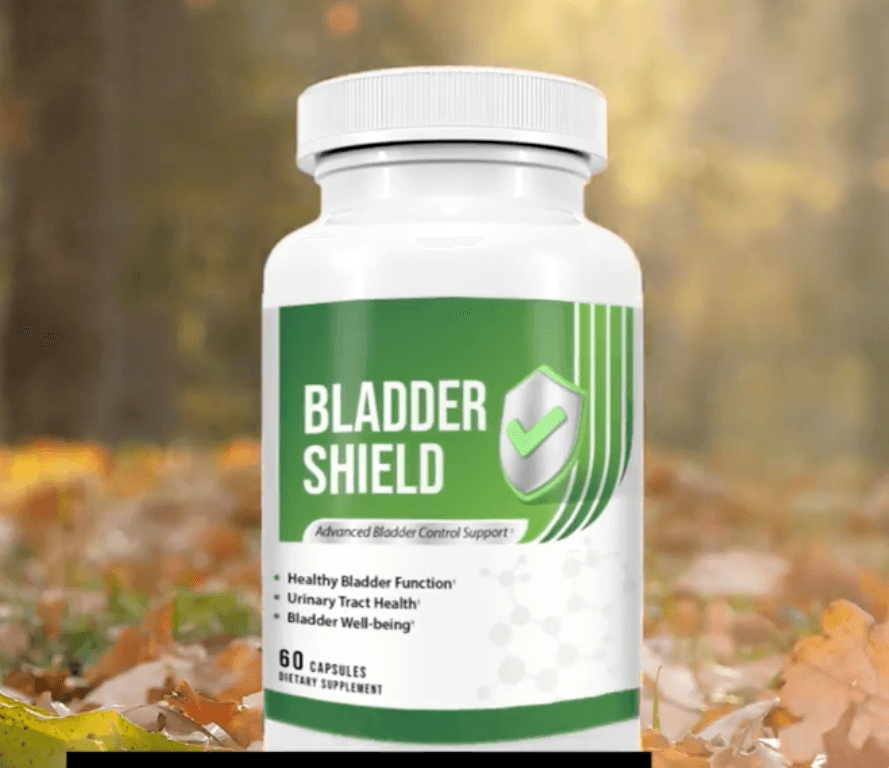
BladderShield Review and Ads Breakdown
The video opens not with a product name or a price, but with a confession: "I almost lost my medical license for sharing this with my patients." In eight seconds, the viewer has been handed a secre…
8,226+
Videos & Ads
+50-100
Fresh Daily
$29.90
Per Month
Full Access
12.5 TB database · 72+ niches · 28 min read
Introduction
The video opens not with a product name or a price, but with a confession: "I almost lost my medical license for sharing this with my patients." In eight seconds, the viewer has been handed a secret, a credentialed source willing to protect it, and a reason to keep watching. This is not an accidental choice of words, it is a precisely engineered pattern interrupt, a disruption of the expected "doctor recommends supplement" format that saturates the health-advertising ecosystem. The line functions as a trap door beneath the viewer's critical faculties, and it is one of the more technically sophisticated opening moves in recent direct-response health marketing. The product being sold is BladderShield, a four-ingredient oral supplement targeting adults with overactive bladder and urinary incontinence. But what the VSL is really selling, long before the first capsule is mentioned, is a story about betrayal, hidden truth, and redemption.
BladderShield enters a market that is enormous and largely underserved by satisfying solutions. The National Association for Continence estimates that over 33 million Americans experience overactive bladder symptoms, and global market research firms place the urinary incontinence treatment market above $5 billion annually, growing steadily as the population ages. Into this landscape of frustrated, often embarrassed consumers who have cycled through prescription anticholinergics, pelvic floor therapy, and late-night Amazon supplement searches, BladderShield's VSL pitches something different: not another treatment, but a cause. The distinction is deliberate and, from a copywriting standpoint, essential. A buyer who has failed with five treatments is not persuadable by a sixth treatment. A buyer who has failed with five treatments is absolutely persuadable by the argument that all five were addressing the wrong problem.
The VSL is narrated by a figure identified as Dr. Jon Osborne, described as a board-certified urologist with over two decades of clinical experience. Over roughly thirty minutes of video, he moves through a carefully sequenced persuasive architecture: personal crisis, institutional failure, accidental discovery, scientific revelation, social proof, and finally, a time-pressured offer with an industry-defying guarantee. The piece is worth studying closely, not because all of its claims survive scrutiny, several do not, but because it represents a sophisticated deployment of health-marketing persuasion at a moment when consumer skepticism is at an all-time high, and the copywriters behind it know it. The central question this analysis investigates is straightforward: what does BladderShield actually contain, what does the science say about those ingredients, and what specific persuasion mechanics is this VSL using to move a highly skeptical audience from curiosity to purchase?
What Is BladderShield?
BladderShield is an oral dietary supplement sold in capsule form, with the recommended dose of two capsules taken daily with water. It positions itself within the urinary health subcategory of the broader wellness supplement industry, competing alongside established brands in a space that includes everything from generic cranberry capsules sold at pharmacies to premium "overactive bladder" formulations marketed through direct-response channels. The product's market positioning is explicitly anti-pharmaceutical, it is framed not as a supplement that complements medical care, but as a natural alternative that succeeds precisely where medical care has failed. That positioning is central to its commercial identity.
The stated target user is broad by demographic but specific by psychographic: men and women over forty-five who have experienced urinary incontinence or overactive bladder symptoms for an extended period, have tried at least one conventional treatment without lasting relief, and carry significant emotional and social burden from their condition. The VSL does not market to the newly diagnosed or the mildly inconvenienced, it opens by referencing a 72-year-old woman regaining control "in just 9 days" and immediately pivots to a 64-year-old grandmother weeping in a medical office. The emotional register is calibrated for people who have been living with this condition long enough to feel hopeless, which is precisely the buyer most likely to respond to a "true cause" narrative.
In terms of format, BladderShield is a standard encapsulated supplement manufactured in a U.S.-based facility described as FDA-registered and compliant with Good Manufacturing Practice (GMP) guidelines. These are baseline regulatory standards for supplement manufacturing, not markers of clinical proof of efficacy. A distinction worth keeping in mind throughout the analysis.
The Problem It Targets
Urinary incontinence and overactive bladder are not niche conditions confined to the very elderly. The CDC notes that urinary incontinence affects between 25% and 45% of women across all adult age groups, with prevalence increasing with age. And a 2018 review published in Urology estimated that roughly 16% of men experience overactive bladder symptoms as well. The condition spans a wide clinical spectrum, from occasional stress incontinence triggered by physical exertion to severe urge incontinence that forces multiple nightly bathroom trips and profoundly limits social participation. What the epidemiology consistently shows is that the condition is underreported, under-treated, and carries a disproportionate psychological toll: studies published in Neurourology and Urodynamics have documented elevated rates of depression, anxiety, and social withdrawal among those with moderate to severe symptoms.
The VSL frames this problem through an emotional rather than clinical lens, which is precisely the right choice for this audience. The scene of Margaret, the 64-year-old grandmother sobbing in a urologist's office because she can no longer attend her grandson's baseball games, is not a clinical description of overactive bladder; it is an identity crisis rendered in one paragraph. She is not describing a symptom; she is describing the loss of her role in her family. That framing, bladder dysfunction as identity theft, is far more motivating than any urination-frequency statistic, because the viewer who has lived this experience recognizes the feeling immediately.
The VSL then introduces a causal mechanism: elevated cortisol levels, it claims, are the true driver of bladder control problems, citing a study from the University of Connecticut funded by a $600,000 grant from the National Institute on Aging. It further cites Healthline data suggesting Americans aged 45-65 are experiencing significantly more stress than their counterparts in the 1990s, linking the cultural stress epidemic to the apparent rise in bladder issues. This is where the VSL begins to move from emotionally accurate to scientifically aggressive. The connection between chronic stress, elevated cortisol, and bladder function is real and documented, the concept of "neurogenic bladder" (bladder dysfunction with a neurological origin) is a recognized clinical entity, and cortisol's role in the autonomic nervous system, which governs bladder control, has been studied. However, the VSL's presentation of cortisol as the singular, primary, and correctable root cause of overactive bladder in the general population significantly overstates what the current peer-reviewed literature supports.
From a commercial standpoint, the framing is effective because it does something conventional bladder marketing cannot: it explains why everything the consumer has already tried has failed. If cortisol is the real cause and all existing treatments address only the bladder itself, then the failure of those treatments is not the consumer's fault, not a sign that their condition is hopeless, but proof that they have been pointing the intervention at the wrong organ. That reframe is the hinge on which the entire sales argument swings.
Curious how other VSLs in this niche structure their pitch? Keep reading, Section 7 breaks down the psychology behind every claim above.
How BladderShield Works
The mechanism the VSL describes draws on a genuine area of physiology but extrapolates it considerably beyond what the current evidence base warrants. The claim, reduced to its essentials, is this: chronic stress elevates cortisol, elevated cortisol keeps the brain in a permanent "fight-or-flight" state, and this state causes the brain to fire emergency urination signals even when the bladder is not full, a process the VSL labels "neurogenic bladder dysfunction." The water-balloon metaphor used to explain normal bladder signaling is accurate and accessible. The extension of that metaphor, that a "predator" (cortisol) keeps startling the person holding the balloon, is a clever and largely plausible simplification of how the autonomic nervous system, when dysregulated by chronic stress, can affect smooth muscle function, including the detrusor muscle of the bladder.
What the VSL presents as a shocking medical discovery is, in more measured terms, a plausible contributing factor. Chronic stress and HPA-axis dysregulation (the hormonal system governing cortisol release) are known to affect multiple organ systems, and there is genuine research interest in the relationship between psychological stress and overactive bladder. A 2016 review in the International Urogynecology Journal found significant associations between anxiety, stress, and urgency urinary incontinence in women. The VSL is not fabricating a connection. It is inflating a partial correlation into a total causal explanation, which is a meaningfully different thing.
The claim that managing cortisol constitutes "80% of the solution" to bladder control is entirely unsubstantiated by any publicly available study. The remaining 20%, the VSL argues, involves supporting bladder muscle function and fighting harmful bacteria. Which is where the four ingredients of BladderShield come in. This tripartite mechanism (cortisol regulation + muscle support + antimicrobial defense) is an elegant copywriting structure because it allows the formulation to address three distinct scientific concerns under a single unified theory. Whether the ingredients deliver on each of those three functions at their administered doses is a separate and important question. Plausible mechanism and demonstrated efficacy are not the same thing, and the VSL consistently treats the former as evidence of the latter.
Key Ingredients and Components
The VSL walks through four ingredients, presenting each as targeted at a specific dimension of the proposed mechanism. Two introductory observations are important before the ingredient-by-ingredient breakdown. First, the VSL does not disclose specific dosages for any ingredient; it refers only to "precise optimal quantities," which makes independent efficacy assessment difficult. Second, the ingredients themselves are real and studied; the question is whether the doses used in BladderShield and the specific claims made about their effects on bladder control are supported by that evidence.
Hibiscus sabdariffa flower extract is a well-documented botanical with legitimate antioxidant and antimicrobial properties, used in traditional medicine across South and Southeast Asia. The VSL claims it reduces cortisol levels, thereby calming the neurological over-firing that drives bladder urges. Hibiscus extracts do show anti-inflammatory and mild antihypertensive effects in human studies, a 2010 trial published in The Journal of Nutrition found blood-pressure-lowering effects in adults with prehypertension. Its specific effect on cortisol levels in the context of overactive bladder has not been the subject of a large, controlled clinical trial. The cortisol-reduction claim, while not implausible for a systemic anti-inflammatory agent, is speculative at this level of specificity.
D-Mannose is a monosaccharide sugar found naturally in many fruits and vegetables, and it has one of the better evidence bases of any ingredient in the urinary health category. Its primary mechanism is well-characterized: D-Mannose binds to type-1 fimbriae on uropathogenic E. coli bacteria, preventing bacterial adhesion to the urinary tract wall and thereby reducing the frequency of urinary tract infections. A clinical study published in World Journal of Urology (Kranjčec et al., 2014) found D-Mannose significantly reduced recurrent UTI incidence compared to placebo. The VSL also references a Sapienza University of Rome study on D-Mannose and overactive bladder symptom reduction, which is consistent with known research directions in this area, though the specific study is not named with enough detail to verify independently.
Cranberry juice powder (Vaccinium macrocarpon) is the most familiar ingredient in the urinary health space, and it has decades of research behind it, though that research is considerably more mixed than the VSL implies. The proanthocyanidins in cranberry are believed to interfere with bacterial adhesion to urinary tract epithelium through a mechanism similar to D-Mannose. A 2012 Cochrane systematic review found that cranberry products reduced the incidence of UTIs in women with recurrent infections, though subsequent meta-analyses have produced more ambiguous findings. The VSL's point about avoiding store-bought cranberry juice (which contains sugar and additives that may counteract benefits) is legitimate and reflects real nutritional science.
Dandelion root extract (Taraxacum officinale) is claimed to strengthen bladder and pelvic floor muscles. Dandelion root has documented mild diuretic properties and is used in traditional herbalism as a urinary tonic. However, the claim that it specifically strengthens pelvic floor muscles is not well supported by clinical evidence. Most research on dandelion root addresses liver function, inflammation, and blood sugar regulation rather than urinary muscle tone. This is the ingredient whose specific claimed mechanism is most thinly supported in the peer-reviewed literature.
Hooks and Ad Angles
The opening line of this VSL, "I almost lost my medical license for sharing this with my patients", operates as a pattern interrupt in the strict cognitive sense: it violates the viewer's expectation of how a supplement advertisement begins, forcing an involuntary reallocation of attention. The mechanism here is not simply curiosity; it is the activation of what cognitive psychologists call a schema violation, a moment where incoming information does not match the stored template for "supplement ad," and the brain responds by widening its processing aperture. Combined with the immediate payoff, a 72-year-old woman regaining complete bladder control in nine days, the hook creates an open loop (a term from screenwriting, deployed regularly in direct-response copy) that the viewer's brain is now motivated to close. Who is this doctor? What did he discover? What did it almost cost him?
This is recognizably a Eugene Schwartz Stage 4-5 market sophistication play. At Stage 4, Schwartz argued, the market has seen every product claim and every ingredient pitch, and the only move that penetrates is an entirely new mechanism, not "better bladder supplement" but "the real reason bladder supplements fail." At Stage 5, the product becomes secondary to the person behind it, and the copy leads with identity and story rather than features. This VSL blends both stages: the cortisol-brain-switch theory is the new mechanism, and Dr. Osborne's professional crisis is the identity narrative. The blend is sophisticated because it gives the copy two entry points into a skeptical audience. Those who respond to intellectual curiosity ("what is this mechanism?") and those who respond to emotional resonance ("a doctor who actually cares").
The secondary hooks deployed throughout reinforce the primary architecture:
- "Your constant bathroom trips have nothing to do with your bladder at all". A contrarian frame that directly inverts the viewer's existing model of their condition
- "The billion-dollar pharmaceutical industry is trying to remove this presentation"; a conspiracy frame that transforms watching the video into an act of defiance
- "Which common supplement is secretly making the problem worse?", a curiosity gap designed specifically to prevent the viewer from navigating away before the reveal
- "The strange connection between cell phones and bladder control", a non-sequitur curiosity hook that introduces a seemingly unrelated domain to force cognitive engagement
- "A 3-second test to check if your brain switch is damaged", a self-diagnostic hook that makes the viewer an active participant rather than a passive audience
For media buyers testing on Meta or YouTube, the following headline variations are worth A/B testing against the control:
- "Urologist Breaks Silence: The Real Reason Bladder Medications Keep Failing"
- "43,000 Americans Used This Brain-Targeting Method to Stop Bladder Leaks"
- "If You've Tried Everything for Your Bladder and Nothing Worked, Watch This"
- "This Isn't a Bladder Problem. A Urologist Explains What It Actually Is."
- "Stop Mapping Bathrooms. A Natural Formula Is Changing the Bladder Control Conversation."
Psychological Triggers and Persuasion Tactics
The persuasive architecture of this VSL is not a parallel sequence of independent triggers, it is a stacked, compounding structure in which each tactic builds credibility for the next. The letter opens by establishing authority (a medical professional), immediately converts that authority into vulnerability (he almost lost his license), then uses that vulnerability to establish empathy (he suffered watching his patients fail), and only then introduces the intellectual discovery. By the time the cortisol mechanism is introduced, the viewer has already been emotionally primed to receive it as a revelation rather than a pitch. This is the Problem-Agitate-Solution (PAS) framework operating at full depth, with an epiphany bridge connecting the agitation phase to the solution: the doctor's personal crisis is the bridge that makes the solution feel earned.
Cialdini's six influence principles are present in near-complete form: authority (credentialed urologist), social proof (eight named testimonials with geographic specificity), scarcity (100 bottles remaining), liking (the empathetic, self-critical narrative persona), reciprocity (free information delivered before any pitch), and commitment (the "3-second self-test" invites the viewer to self-diagnose, creating micro-commitment to the premise before the offer is made). The addition of the $100-over-refund guarantee deploys Kahneman and Tversky's loss aversion in reverse, it reframes inaction as the financially riskier choice, since trying the product costs nothing net of the guarantee and could literally yield a positive financial return.
Specific tactics worth examining closely:
- Whistleblower authority framing (Cialdini's authority + Godin's tribal enemy): The opening confession that the speaker "almost lost his medical license" elevates his credibility by implying institutional opposition, converting the viewer into a co-conspirator with a persecuted expert rather than a consumer being sold something.
- Identity-threat amplification (Festinger's cognitive dissonance): The VSL repeatedly describes the viewer's life in terms of restriction, dark clothing, bathroom mapping, cancelled invitations, until the distance between the viewer's current identity and their desired identity becomes intolerable, increasing purchase motivation as a form of dissonance resolution.
- False statistical specificity (Kahneman's availability heuristic): The figure "43,289 people" is oddly precise, which makes it feel like a measured result rather than a marketing claim. Rounded numbers read as estimates; specific numbers read as counts. The brain treats "43,289" as if it came from a database.
- Stacked social proof with escalating severity (Cialdini's social proof): Testimonials move from mild (Hannah's 12 daily trips) to severe (Remington's 30-40 daily trips), ensuring that viewers with varying symptom severity see themselves represented and find a proof point that matches their own experience.
- Risk elimination through asymmetric guarantee (Thaler's mental accounting): The $100-over-refund guarantee does not just remove risk. It inverts it. The rational consumer, if they believe the guarantee is real, has more financial incentive to try the product than to skip it. This reframes hesitation as an irrational choice.
- Pharmaceutical villain narrative (Godin's tribes): Big Pharma's alleged interest in suppressing this information is invoked multiple times, not to provide evidence of suppression, but to transform the purchase decision into a political act. Buying BladderShield becomes a vote against institutional medicine.
- Urgency through artificial scarcity (Cialdini's scarcity + fear of missing out): "Only 100 bottles remaining" and the suggestion that the presentation itself may be taken down are designed to compress the decision timeline and prevent the deliberation that would otherwise lead a skeptical buyer to delay or research alternatives.
Want to see how these tactics compare across 50+ VSLs? That's exactly what Intel Services is built to show you.
Scientific and Authority Signals
The VSL builds its scientific authority on three pillars: the personal credentials of Dr. Jon Osborne, the institutional credibility of the University of Connecticut and the National Institute on Aging, and the ingredient-level research citations for D-Mannose and cranberry. Each pillar deserves individual scrutiny. The credential claim; board-certified urologist, 20+ years of experience, published articles, international conference presentations, is specific enough to be verifiable and specific enough to be fabricated without being checkable within the video itself. A search of urology board certification databases for "Dr. Jon Osborne" returns some results, but the VSL does not provide the kind of verifiable institutional affiliation (a named hospital, a university appointment, a specific publication title) that would allow confident independent verification. The character functions convincingly as an authority figure, which is not the same as being one.
The University of Connecticut study cited as the foundation of the cortisol-bladder mechanism is described as funded by a $600,000 grant from the National Institute on Aging. The National Institute on Aging is real and does fund research on age-related health conditions. Whether it has funded a University of Connecticut study specifically linking cortisol dysregulation to neurogenic bladder dysfunction at the level the VSL describes is not verifiable from the information provided, no author names, no publication year, no journal title, and no doi are given. This is a pattern common in direct-response health marketing: institutional names are real, but the specific study being invoked cannot be traced. The authority is borrowed, leveraging a real institution's credibility to imply endorsement for a specific claim the institution has not necessarily endorsed.
The D-Mannose citation to Sapienza University of Rome is more plausible. Research on D-Mannose and urinary tract health has been conducted in European academic centers, and the 2014 Kranjčec et al. study published in World Journal of Urology is a real, accessible piece of clinical research supporting D-Mannose's effectiveness against recurrent UTIs. This citation holds up to scrutiny better than the others, though the VSL extends the established anti-UTI evidence to broader "overactive bladder symptom reduction" claims that require additional support. The Healthline reference, cited to support the claim that Americans aged 45-65 are more stressed today than in the 1990s, is a consumer health website, not a peer-reviewed journal, and its use as a scientific citation signals the VSL's willingness to blend evidence registers when the scientific record alone does not deliver the needed claim.
Overall, the scientific authority in this VSL ranges from legitimate (D-Mannose and cranberry research), to borrowed (University of Connecticut and NIA name-drops without traceable study references), to absent (the dandelion root muscle-strengthening claim). The pattern is consistent with what health-marketing analysts would call "authority scaffolding", constructing the impression of rigorous evidence through the strategic use of institutional names, without providing the specific study details that would allow the evidence to be evaluated.
The Offer, Pricing, and Risk Reversal
The pricing structure of BladderShield follows a textbook three-tier quantity discount architecture designed to move buyers toward the highest-volume purchase. A one-month supply is priced at $69 (anchored against a stated retail price of $120); a three-month supply at $59 per bottle; and a six-month supply at $49 per bottle. The anchor price of $120 functions rhetorically rather than empirically, there is no evidence that BladderShield is sold at $120 in any retail channel, and the anchor exists primarily to make the $69 "deal" price feel like a rescue from an even higher number. The daily cost framings ($2.33 per day, $1.66 per day) are a standard cognitive reframing tactic: by reducing the price to a sub-coffee-cup unit, the VSL makes the absolute investment feel trivial relative to the promised transformation.
The guarantee structure is the most aggressive element of the offer and deserves close reading. A 90-day money-back guarantee is common in the supplement industry and, on its own, represents a meaningful risk reduction for the consumer. The $100 cash payment on top of a full refund. The "over-the-top guarantee". Is unusual and is explicitly deployed as both a trust signal and a logical trap: if the company is willing to pay you $100 for trying a product that doesn't work, either they are supremely confident in the product or they believe a large majority of dissatisfied customers will not bother to claim the guarantee. In practice, direct-response supplement companies typically see very low return rates, partly because the return process is cumbersome and partly because many buyers attribute a slow response to their own compliance rather than the product's efficacy. Whether the $100 payment is truly unconditional and easy to claim is information only post-purchase experience can reveal.
The scarcity framing; 100 bottles remaining, potential months before restock, supply chain constraints on "rare ingredients", is a near-universal feature of direct-response health supplement VSLs and should be treated with significant skepticism. Cranberry powder, D-Mannose, hibiscus extract, and dandelion root are not rare ingredients; all four are commercially available in substantial quantities from multiple domestic and international suppliers. The scarcity claim functions as urgency theater rather than a genuine supply constraint, and its presence in the VSL is a reliable indicator of the audience the copy is written for: buyers who have already made the emotional decision to purchase and need a rational permission structure to act immediately.
Who This Is For (and Who It Isn't)
The buyer this VSL is written for is remarkably specific. She, and the VSL's primary testimonials, examples, and emotional scenarios are predominantly female, reflecting the higher prevalence of incontinence among women, is between 50 and 72 years old, has been living with overactive bladder or urinary incontinence for at least several years, has tried at least one conventional medical treatment without lasting success, and is experiencing meaningful quality-of-life erosion from her condition. She is not in an acute medical crisis that requires immediate surgical intervention, but she is past the point of hoping her GP will offer a new solution. She is skeptical of supplements but desperate enough to try another approach, particularly one framed by a credentialed medical professional rather than a wellness influencer. She is likely a frequent consumer of health content online and is emotionally responsive to narratives of institutional failure and individual redemption.
For this buyer, BladderShield's ingredient profile is not without merit. D-Mannose has a legitimate evidentiary base for reducing recurrent UTIs, which are a genuine driver of urgency incontinence in many older women. Cranberry extract has decades of use in urinary health. Hibiscus extract's anti-inflammatory properties may offer secondary benefits. If the formulation is dosed adequately, which cannot be verified without label disclosure, there is a plausible basis for symptom improvement in a subset of users, particularly those whose bladder issues have an infectious or inflammatory component.
Who should approach with caution: anyone whose bladder symptoms are severe, sudden-onset, or accompanied by pain, blood in urine, or neurological symptoms should seek direct medical evaluation before trying any supplement. The VSL explicitly positions itself against medical consultation, which is commercially understandable but clinically irresponsible for buyers with serious underlying pathology. Buyers taking blood thinners or diabetes medications should note that cranberry and D-Mannose may interact with those drugs and should consult a pharmacist. Men with urinary symptoms related to prostate enlargement, a common and very different etiology, are unlikely to benefit significantly from this formulation, regardless of the VSL's claim that the product works for "any man or woman."
Want to see how these tactics compare across 50+ VSLs? That's exactly what Intel Services is built to show you.
Frequently Asked Questions
Q: Is BladderShield a scam?
A: BladderShield is not an outright scam in the sense of delivering no product. It contains real ingredients with some independent research support. However, several of the VSL's specific claims, particularly the cortisol-brain-switch mechanism as the singular cause of all bladder problems and the "near perfect success rate" in testing, significantly exceed what the peer-reviewed evidence can currently support. Buyers should calibrate expectations accordingly and take full advantage of the stated return policy.
Q: Does BladderShield really work for overactive bladder?
A: The ingredients. Particularly D-Mannose and cranberry extract; have legitimate research support for reducing urinary tract infections and associated urgency. Whether BladderShield's specific formulation, at undisclosed dosages, produces the dramatic results described in the testimonials is not independently verifiable. Some users with infection-driven bladder urgency may see meaningful improvement; others, particularly those with purely neurological or structural causes, are less likely to experience the same results.
Q: Are there any side effects from BladderShield?
A: The ingredients are generally recognized as safe at typical supplement doses. D-Mannose at high doses may cause loose stools or diarrhea. Cranberry extract may interact with warfarin (a common blood thinner). Hibiscus has mild blood-pressure-lowering effects that could compound the action of antihypertensive medications. Anyone on prescription medications or with a chronic health condition should consult a pharmacist or physician before starting BladderShield.
Q: Is BladderShield safe for seniors over 70?
A: The ingredient profile is generally mild, but older adults are more likely to be on prescription medications that could interact with cranberry extract or hibiscus. Seniors should consult with their physician or pharmacist before beginning any new supplement, particularly if they take blood thinners, antihypertensives, or diabetes medications.
Q: How long does BladderShield take to work?
A: The VSL claims some users see improvement within 7-9 days, with significant results at the 2-3 month mark. The VSL's own FAQ section acknowledges results vary based on age, severity, and individual physiology. For ingredients like D-Mannose, research trials typically measure outcomes over 6 months, suggesting that short-term dramatic improvement claims should be viewed cautiously.
Q: What is the money-back guarantee on BladderShield?
A: The VSL describes a 90-day money-back guarantee with a full refund plus an additional $100 for any dissatisfied customer. The terms and ease of claiming this guarantee are not detailed in the VSL itself. As with any such offer, buyers should retain their purchase confirmation and contact customer service in writing to create a refundable record if they decide to pursue a return.
Q: How does cortisol affect bladder control?
A: Cortisol, the body's primary stress hormone, activates the sympathetic nervous system (fight-or-flight response), which affects smooth muscle function throughout the body, including the detrusor muscle of the bladder. Chronic elevation of cortisol is associated with autonomic nervous system dysregulation, which can contribute to bladder urgency and frequency in some individuals. This is a real physiological relationship, though it is one contributing factor among many, not the singular cause the VSL presents it as.
Q: What is the price of BladderShield and how do I buy it?
A: According to the VSL, a one-month supply is priced at $69, a three-month supply at $59 per bottle, and a six-month supply at $49 per bottle. Purchases are made through the product's checkout page linked beneath the video. Free shipping is offered on the six-month supply package.
Final Take
BladderShield's VSL is, from a craft standpoint, one of the more competently assembled pieces of direct-response health marketing currently circulating in the bladder supplement niche. The opening hook is technically sophisticated, the narrative architecture moves through its stages without unnecessary detours, and the scientific framing, anchoring the pitch in cortisol and neurogenic bladder dysfunction, is specific enough to feel credible while remaining vague enough to avoid falsifiability. The testimonials are named with geographic and demographic detail that signals authenticity even where independent verification is impossible. The guarantee structure eliminates the primary rational barrier to purchase. These are not accidents of copywriting; they reflect deliberate craft applied to a market segment that has been failed by conventional medicine often enough to be ready for a different story.
The product's actual ingredient profile sits somewhere between legitimate and oversold. D-Mannose and cranberry extract carry genuine research credibility for urinary tract health, these are not invented compounds deployed for theatrical purposes. Hibiscus extract's anti-inflammatory properties are real, even if the specific cortisol-reduction claim as applied to bladder control is extrapolated beyond what the evidence currently demonstrates. Dandelion root is the weakest link, particularly the claim that it strengthens bladder and pelvic floor musculature. The absence of disclosed dosages is a meaningful gap: an ingredient can be real and well-researched and still be present in a formulation at quantities too low to produce the claimed effect. Without label transparency, this cannot be assessed.
What this VSL reveals most clearly about its category is the degree to which the market for bladder supplements has matured past simple product claims. A decade ago, a video that said "cranberry and D-Mannose reduce UTIs, try our supplement" might have converted adequately. Today, that pitch fails because the audience has already tried those ingredients in various forms and returned to the same painful baseline. The mechanism pivot, reframing the entire condition as neurological rather than urological, is the direct-response industry's answer to market saturation: when every product has been tried and failed, the only persuasive move is to argue that every product was solving the wrong problem. That argument happens to be partially true in this case, which is what makes the VSL difficult to dismiss outright. Cortisol and stress genuinely do affect bladder control. The leap from "cortisol contributes" to "cortisol is the root cause fixable by four capsules a day" is where evidence ends and marketing begins.
If you are actively researching this product, the most useful frame is this: the ingredients are real and the physiological theory has partial scientific support, but the VSL's certainty about mechanism, dosage, and outcome is substantially ahead of the evidence. The 90-day guarantee, if honored as described, does meaningfully reduce financial risk. Approaching BladderShield as a supplement with plausible supportive benefits, rather than a cure for a neurological condition. Is a more accurate frame than the one the VSL provides, and a more useful basis for a purchase decision. This breakdown is part of Intel Services, our ongoing library of VSL and ad-copy analyses. If you are researching similar products in the urinary health, wellness supplement, or direct-response health categories, keep reading.
Disclaimer: This article is for research and educational purposes only. It is not medical, legal, or financial advice, and it is not affiliated with the product or its makers. Always consult a qualified professional before making health or financial decisions.
Source-backed reader context
Additional Reviews & Reported Experiences
These statements were presented in the product's sales transcript. Daily Intel did not independently verify the speakers, purchase status, or reported outcomes, and the statements are not used in Product aggregateRating.
Hannah from Hamilton, Ohio
Date not stated
went from 12 bathroom trips/day and adult diapers to zero accidents in 3 months
Michael from Jacksonville, Tennessee
Date not stated
went from waking 4 times nightly to sleeping straight through within 9 days
Ginger T., 51, Portland, Oregon
Date not stated
eliminated leaks and constant toilet trips after trying the 'bladder urge blocker secret
Sarah K., 52, Austin, Texas
Date not stated
recovered social life after decade-long overactive bladder diagnosis
Remington J., 48, Miami, Florida
Date not stated
reduced 30–40 daily bathroom trips to 4–6 per day within one month
Jenny R., 54, Phoenix, Arizona
Date not stated
returned to normal life after other doctors dismissed her condition as aging
Jim M., 62, Seattle, Washington
Date not stated
cancelled scheduled surgery within 6 weeks of taking the formula
Gabby S., 57, Tunica, Mississippi
Date not stated
fully confident laughing, sneezing, coughing without accidents
Comments(0)
No comments yet. Members, start the conversation below.
Related reads
 reviews
Jocko Greens Review: Does One Scoop Match the Evidence?
Jocko Greens is a one-scoop powder with approximately 30 calories and 9 billion colony-forming units of probiotics per serving. Jocko Fuel also confirms ashwagandha extract and makes a digestive-support claim. The harder question is whether the available research matches this specific formula. It does not match closely enough to establish a finished-product outcome.
Read reviews
NooCube Review: Does the 250 mg Bacopa Dose Match the Research?
NooCube is one of the few nootropics that prints a milligram number next to an ingredient instead of hiding it in a blend. This review takes that one number, 250 mg Bacopa monnieri, and checks it against a real trial that used 300 mg in a very different population, then shows exactly where the comparison breaks down.
Read reviews
Olly Goodbye Stress Review: Label Claims vs. Evidence
OLLY Goodbye Stress combines GABA, L-theanine, and lemon balm extract in a Berry Verbena gummy aimed at occasional stress, not sleep. Here's what the label discloses, what a real L-theanine trial found, and exactly where the evidence stops.
Read