BurnFlow Review and VSL Analysis
The opening thirty seconds of the BurnFlow video sales letter does not begin with a product. It begins with a celebrity confession. A presenter reads aloud from what is framed as a press interview …
8,226+
Videos & Ads
+50-100
Fresh Daily
$29.90
Per Month
Full Access
12.5 TB database · 72+ niches · 29 min read
The opening thirty seconds of the BurnFlow video sales letter does not begin with a product. It begins with a celebrity confession. A presenter reads aloud from what is framed as a press interview with actress Rebel Wilson, in which she describes losing 77 pounds in two months by eating gelatin cubes every morning, "no gym, no crazy diets, and without giving up donuts, ice cream, or pizza." The camera lingers on transformation photos as the anchor voice escalates with theatrical disbelief. Within the first minute, the viewer has been handed a promise so extravagant it functions less as a health claim than as a narrative hook, the kind that makes a skeptical person lean forward precisely because it sounds impossible. That tension, between the implausible claim and the deep desire to believe it, is the engine that drives every subsequent minute of this letter.
This analysis examines the BurnFlow VSL in full: its persuasive architecture, its scientific claims, its celebrity apparatus, its pricing mechanics, and its ingredients. The product itself is a capsule-based dietary supplement marketed primarily to women over 35, promising to activate the same hormonal pathway that injectable weight-loss drugs like Mounjaro (tirzepatide) target, but through a gelatin-derived formula rather than a prescription needle. The pitch is long, layered, and skillfully constructed. It borrows real scientific vocabulary, attaches itself to a genuinely credentialed researcher, and wraps everything inside a conspiracy narrative about pharmaceutical suppression. Understanding how each of those layers works. And where the seams show. Is the purpose of this piece.
The question this analysis investigates is not simply "does BurnFlow work?" That question, while important, is answered in part by examining what the product actually contains. The more revealing question is structural: how does a supplement pitch sustain 45-plus minutes of viewer attention while making weight-loss claims that would be extraordinary even for a pharmaceutical drug? The answer illuminates the current state of the direct-response supplement market, the consumer psychology that GLP-1 drugs have created, and the specific rhetorical moves that have made the "natural Mounjaro" category one of the most commercially aggressive niches in health marketing today.
What Is BurnFlow?
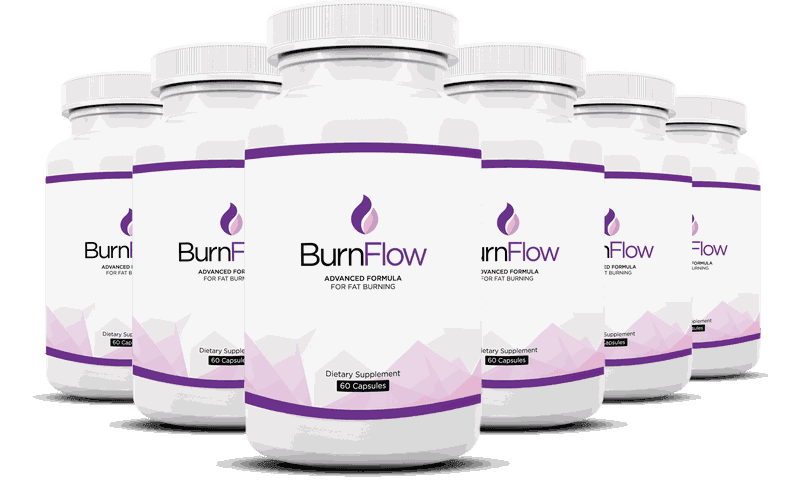
BurnFlow is an oral dietary supplement sold in capsule form, available exclusively through its direct-to-consumer sales page and not stocked at any retail pharmacy or major online marketplace. The product is positioned as a four-ingredient hormonal metabolism formula; its core claim being that it naturally stimulates the production of GLP-1 (glucagon-like peptide-1) and GIP (glucose-dependent insulinotropic polypeptide), the same gut hormones that pharmaceutical GLP-1 receptor agonists like Ozempic (semaglutide) and Mounjaro (tirzepatide) mimic synthetically. The supplement is manufactured in a US-based FDA-registered, GMP-certified facility, according to the VSL, with raw materials sourced through a partnership with Notori Labs, described as a Japanese pharmaceutical ingredient company.
The target user is defined with unusual specificity throughout the letter: women over 35 who have already tried conventional weight-loss methods, diets, calorie restriction, gym programs, other supplements, and found them ineffective. The pitch leans particularly hard into menopause-related weight gain, post-pregnancy body changes, PCOS, and metabolic slowdown as the conditions BurnFlow addresses. The product is presented not as an aid to weight loss but as a cure for its underlying hormonal cause, a distinction that carries significant regulatory and scientific weight, even if the marketing language carefully dances around explicit disease claims. The supplement market category it occupies is increasingly crowded: "natural GLP-1 support" products have proliferated rapidly since 2023 as consumer awareness of injectable GLP-1 drugs expanded and demand for affordable alternatives surged.
The format, capsules rather than the powdered gelatin recipe described in the VSL's opening narrative, is explained within the letter itself as a deliberate precision choice. The argument is that homemade gelatin preparations cannot guarantee the exact therapeutic ratios of glycine, alanine, and the three supporting ingredients needed to trigger a measurable hormonal response. Whether that argument is scientific or primarily commercial is a question the ingredients section addresses directly.
The Problem It Targets
The problem BurnFlow targets is not merely excess weight. It is the specific, increasingly medically recognized phenomenon of weight that resists conventional intervention, the type of fat accumulation that millions of Americans experience despite genuine efforts at diet and exercise. The VSL frames this as a hormonal crisis rather than a behavioral failure, and on that framing, the broad scientific literature offers some genuine support. GLP-1 and GIP are real gut hormones, studied extensively for their role in postprandial satiety signaling and insulin regulation. The discovery that synthetic GLP-1 receptor agonists produce dramatic weight loss in clinical populations has shifted how obesity medicine thinks about the condition, less as a willpower deficit and more as a neuroendocrine disorder. According to the CDC, more than 40% of American adults meet the clinical definition of obesity, and the WHO estimates that global obesity rates have roughly tripled since 1975.
The VSL draws on this epidemiological reality to construct its villain: the "hormonal deficiency" framework. The letter argues that obesity rates have risen not because of changes in diet or physical activity, but because ultra-processed foods containing additives and preservatives block the body's natural production of GLP-1 and GIP, and that this hormonal suppression explains why diets consistently fail. A study cited in the letter, described as appearing in Science Direct in March 2022, claims obesity rates have "nearly quintupled" since the 1970s. This figure aligns with real-world data trends, though the specific citation is difficult to verify from the VSL's description alone. The World Obesity Federation's projection that 1 billion people will be living with obesity by 2030 is a real and widely reported figure, lending the VSL's statistical scaffolding a veneer of accuracy.
What makes this problem framing commercially powerful is the way it simultaneously validates the audience's experience and exonerates their past failures. The repeated phrase "none of this is your fault" is not incidental. It is the emotional core of the pitch. Women who have tried every diet and workout program and watched the weight return are told that they were fighting the wrong battle. The real enemy was never caloric surplus; it was a gut-hormone system sabotaged by the modern food environment. That reframing transforms frustration into receptiveness, because if the cause is hormonal and external, then a hormonal and external solution. A capsule; becomes logical. The persuasive genius of this move is that it is partially grounded in real science while being extrapolated far beyond what that science actually demonstrates.
The letter also deliberately positions the BurnFlow audience against the pharmaceutical industry's answer to the same problem. Mounjaro costs up to $2,000 per month, carries real risks including nausea, hair loss, and a thyroid tumor warning listed on its label, and creates what the VSL calls "chemical dependency", meaning the weight returns when the drug stops. Each of these points has some grounding in documented clinical reality, even if the framing is selective. The side-effect list for tirzepatide is genuine. The rebound weight-gain phenomenon after stopping GLP-1 agonists is well documented in endocrinology literature. The cost barrier is real. By establishing the pharmaceutical option as dangerous, expensive, and temporary, the VSL creates a problem-shaped hole that only a natural, affordable, permanent alternative can fill.
Curious how other VSLs in this niche structure the pharmaceutical-villain narrative? The psychological triggers section maps every major persuasion mechanism deployed in this letter.
How BurnFlow Works
The claimed mechanism of BurnFlow rests on a specific and testable proposition: that two amino acids found in gelatin, glycine and alanine, can stimulate the body's own production of GLP-1 and GIP at clinically meaningful levels when combined with three supporting ingredients. The VSL traces this mechanism to a 2018 Stanford study describing a hospitalized patient who, while on a high-calorie gelatin-based diet for a gastric ulcer, unexpectedly lost significant weight and showed elevated GLP-1 and GIP levels. The letter claims that pharmaceutical companies referenced this same case study in the development of Mounjaro, implying a direct line from food-based amino acids to the most advanced weight-loss injection on the market.
It is worth separating what is established from what is extrapolated here. Glycine is genuinely a subject of active metabolic research. A 2009 study in the journal Regulatory Peptides (Gannon et al.) found that glycine stimulates GLP-1 secretion in healthy subjects. Research published in the American Journal of Physiology has explored alanine's role in gluconeogenesis and its relationship to incretin hormones. So the basic claim, that these amino acids interact with the gut's incretin-secreting cells, is not fabricated. The scientific question is one of magnitude: the VSL claims glycine can increase GLP-1 levels by up to 182% and alanine can increase GIP by up to 144%, figures that would place this formulation in the territory of pharmaceutical intervention. These specific percentage claims are not traceable to any named peer-reviewed study in the VSL, and no independent literature review known at the time of this writing corroborates increases of that magnitude from dietary gelatin amino acids alone.
The three supporting ingredients, green tea extract, hydrolyzed collagen with acerola-derived vitamin C, and turmeric with piperine, each carry their own body of research on metabolic and anti-inflammatory effects. The VSL's claim that green tea extract causes women to lose "twice as much belly fat" references an American Journal of Clinical Nutrition study that does correspond to real published research on EGCG (epigallocatechin gallate) and fat oxidation, though the original research context and effect sizes are typically more modest than the letter suggests. The 2,000% absorption increase for piperine in combination with curcumin is a frequently cited and well-supported pharmacokinetic finding, published in Planta Medica by Shoba et al. (1998). The collagen and vitamin C pairing for skin elasticity during weight loss is physiologically plausible and supported by dermatology literature, even if the claimed "six times" boost in collagen production is difficult to attribute to a specific, verifiable trial.
What the mechanism narrative does not address is dose. The critical variable in any pharmacological or nutraceutical effect is not merely the presence of a bioactive compound but its concentration and bioavailability at the target tissue. Gelatin-derived glycine at culinary doses is not equivalent to a pharmaceutical-grade GLP-1 agonist. The VSL acknowledges this indirectly by insisting that only "pharmaceutical-grade, bioactive, standardized versions in precise therapeutic ratios" will produce results. Which is precisely the rationale for purchasing BurnFlow rather than making gelatin at home. That argument is internally coherent as marketing logic, but it sidesteps the absence of clinical trial data for BurnFlow itself as a finished formulation.
Key Ingredients / Components
The BurnFlow formula, as described in the VSL, contains six active components organized into four functional groups. The letter's narrative framing positions each ingredient as essential rather than additive, arguing that removing any component collapses the hormonal response. Below is each component assessed against available independent research.
Glycine (from hydrolyzed gelatin): An amino acid and inhibitory neurotransmitter with documented interactions with gut L-cells, which secrete GLP-1. Research in Regulatory Peptides (Gannon et al., 2003) and subsequent studies have shown glycine stimulates incretin release in controlled settings. Dietary gelatin is a legitimate source of glycine, though the concentrations required for measurable GLP-1 elevation in clinical contexts are substantially higher than those found in typical culinary gelatin preparations. The VSL's claim of a 182% GLP-1 increase is not attributed to a specific, named published study.
Alanine (from hydrolyzed gelatin): A glucogenic amino acid that plays a role in gluconeogenesis and has been studied in the context of incretin hormone interaction. Alanine-stimulated GIP secretion is documented in metabolic literature, though again at doses and under conditions not directly replicated by standard gelatin consumption. The claimed 144% GIP increase carries the same sourcing caveat as the glycine figure.
Japanese green tea extract (EGCG): One of the most studied plant-derived metabolic compounds. Research published in the American Journal of Clinical Nutrition (Hursel et al., 2009, and subsequent meta-analyses) supports modest but real effects on fat oxidation and thermogenesis. A 2009 meta-analysis in Obesity Reviews found green tea catechins produced statistically significant but small reductions in body weight (mean approximately 1.3 kg versus placebo). The VSL's claim that women lost "twice as much belly fat" overstates the typical effect size found in the literature.
Type 1 hydrolyzed collagen with vitamin C (acerola cherry source): Hydrolyzed collagen peptides are bioavailable and have been studied for skin elasticity improvement in the Journal of Cosmetic Dermatology and Skin Pharmacology and Physiology. Vitamin C is a required cofactor for collagen synthesis. The combination is physiologically sound and relevant to the skin-integrity concern during rapid weight loss. The claimed "six times" improvement in collagen and elastin production during weight loss is not traceable to a specific named JAMA study in the VSL's description.
Turmeric (curcumin): Curcumin's anti-inflammatory properties are among the most extensively researched in nutraceutical science, with hundreds of peer-reviewed studies. Its principal limitation is poor oral bioavailability. Which the next ingredient directly addresses.
Piperine (black pepper extract): The Shoba et al. (1998) study in Planta Medica documented a 2,000% increase in curcumin bioavailability when co-administered with piperine, a finding widely replicated and considered established. This is one of the more scientifically credible claims in the entire letter. Whether turmeric with piperine specifically "prevents the yo-yo effect" by suppressing gut micro-inflammation and maintaining GLP-1 receptor sensitivity is a more speculative extension of that established finding.
Hooks and Ad Angles
The VSL opens with what is, structurally, a pattern interrupt (Cialdini, 2006) delivered through celebrity ventriloquism: a news-anchor framing presents Rebel Wilson's "gelatin trick" not as a product pitch but as a breaking celebrity story the viewer is overhearing. This is a classic Eugene Schwartz stage-5 market sophistication move; at the most saturated level of consumer awareness, where direct product pitches produce immediate skepticism, the only path to sustained attention is a radically new mechanism wrapped in a familiar cultural frame. Celebrity weight-loss gossip is among the highest-traffic content categories on social media, and the VSL exploits that pattern by beginning as celebrity news and only gradually revealing itself as a sales letter.
The hook "no gym, no crazy diets, and without giving up donuts, ice cream, or pizza" functions simultaneously as a permission structure and a curiosity gap. The permission structure removes the anticipated sacrifice from the reader's mental model, lowering resistance before any claim is made. The curiosity gap, how can weight loss happen while eating pizza?, creates the cognitive tension that motivates continued viewing. This specific hook structure echoes the "indulgence while still winning" frame that has been dominant in weight-loss marketing since at least the 1970s (the original Diet Pepsi campaigns used it) and has proven durable precisely because it addresses the most common stated barrier to starting a diet: the fear of deprivation.
Secondary hooks observed in the VSL:
- "The pharmaceutical industry tried to suppress this segment, and the journalist was fired"
- "A 42-year-old hospital patient lost 90 pounds accidentally from a stomach ulcer treatment"
- "67 times more weight loss by activating GLP-1 and GIP than diet and exercise alone" (JAMA claim)
- "This is 10 times more powerful than Mounjaro, without the needle"
- "Only 72 bottles left; 200,000 women on the waiting list"
Ad headline variations for Meta or YouTube testing:
- "She lost 77 lbs eating pizza, the morning habit behind Rebel Wilson's transformation"
- "Doctors won't talk about this: the gelatin amino acid that triggers Mounjaro's hormones naturally"
- "Why women over 35 can't lose weight (and the gut hormone that explains everything)"
- "The $49 capsule doing what a $2,000 injection does, without the side effects"
- "She reversed type 2 diabetes in 32 days. Her doctor was speechless. Here's what she took."
Psychological Triggers and Persuasion Tactics
The BurnFlow VSL's persuasive architecture is unusually sophisticated for a supplement sales letter because it does not rely on any single trigger in isolation. Instead, it employs what might be called a stacked compliance sequence: the letter first establishes emotional identification (Rebel Wilson's shame narrative mirrors the audience's own experience), then provides intellectual absolution ("none of this is your fault"), then builds authority (Dr. Lee's genuine credentials), then introduces a suppressed-truth conspiracy (pharmaceutical censorship), and only then presents the product. By the time BurnFlow is named, roughly two-thirds of the way through the letter. The viewer has already accepted the emotional and intellectual framework that makes the purchase feel rational. This sequencing is a textbook application of Cialdini's commitment-and-consistency principle: small psychological agreements accumulate until the final ask feels like a natural extension of positions already held.
The conspiracy subplot. In which the Today Show segment was allegedly pulled by pharmaceutical lawyers and the journalist subsequently fired; performs a specific function beyond mere entertainment. It preemptively inoculates the viewer against disconfirming information. If the mainstream medical establishment and media are corrupt, then any skeptical coverage of BurnFlow can be attributed to the same suppression mechanism. This is a closed epistemic loop, a structure Festinger would recognize as a textbook case of belief perseverance: evidence against the claim is reframed as evidence for it.
Celebrity social proof (Cialdini's social proof + authority): Rebel Wilson, Selena Gomez, Oprah, and Reese Witherspoon are named with specific weight-loss figures, functioning as both testimonials and aspirational identity anchors. The viewer is invited to imagine herself in the same transformation story.
Shame-to-vindication emotional arc (identity restoration framing): Wilson's disclosure about her virginity, her hiding behind the "Fat Amy" persona, and the producer's whispered insult are deployed to reach the deepest level of weight-related shame, sexual inadequacy and professional dismissal, then resolved by the product. This is not incidental narrative; it is calculated to trigger the precise emotional state most likely to produce urgent purchasing behavior.
Responsibility absolution (cognitive dissonance reduction): Repeating "none of this is your fault" removes the guilt that functions as a barrier to engagement. If the problem is external (food additives blocking hormones), the solution can also be external (a capsule), and the psychological cost of admitting failure is eliminated.
False enemy / conspiracy frame (Godin's tribal marketing): The pharmaceutical industry is cast as a villain with a financial motive to suppress natural cures. This creates an in-group (women who "know the truth") and an out-group (the industry and those who trust it), a tribal structure that makes product purchase feel like an act of resistance rather than consumption.
Loss aversion and artificial scarcity (Kahneman and Tversky's prospect theory): The 72-bottle countdown, the 200,000-person waitlist, and the "next batch not until mid-2026" claim create urgency by making inaction feel like a concrete loss, specifically, the loss of a scarce opportunity, rather than merely a delayed gain.
Anchor pricing and value stacking (Thaler's mental accounting): The $700 customer-testimonial offer, the $2,000/month Mounjaro comparison, and the $239,000 lifetime weight-loss spending figure all serve as high anchors against which the $49/bottle price appears not merely reasonable but dramatically underpriced.
Credential transfer via halo effect (Thorndike's halo effect): Dr. William Lee's real and impressive credentials, Harvard training, Massachusetts General Hospital residency, publications in the New England Journal of Medicine, a TED Talk with 11 million views, are genuine. The halo effect means that trust earned through legitimate scientific achievement is automatically extended to the commercial product he presents, even though no peer-reviewed trial of BurnFlow as a finished product is cited.
Want to see how these persuasion tactics compare across the broader natural-GLP-1 supplement category? That is exactly what Intel Services is built to document.
Scientific and Authority Signals
The most consequential, and most complex. Authority signal in this VSL is Dr. William W. Lee himself. He is a real person. His credentials are real. The Angiogenesis Foundation is a real Cambridge, Massachusetts nonprofit. His TED Talk, "Can We Eat to Starve Cancer?", has indeed been viewed by millions. His books, Eat to Beat Disease and Eat to Beat Your Diet, are genuine New York Times bestsellers. Publications bearing his name appear in Science, The New England Journal of Medicine, and The Lancet. In short, Dr. Lee is a legitimate scientific communicator with a documented career in angiogenesis research and food-as-medicine advocacy. This matters enormously for the VSL's effectiveness: the authority is not fabricated, which means it cannot be dismissed with a simple Google search.
The critical distinction, however, is between legitimate authority and borrowed authority deployed beyond its domain. Dr. Lee's documented expertise is in angiogenesis. The biology of blood vessel formation; and its relationship to cancer, cardiovascular disease, and metabolic health broadly conceived. His published work does not, as far as independent review can determine, include clinical trials of a gelatin-derived GLP-1 supplement formulation. The VSL takes real credentials and applies them to an unverified product, a move that is not technically fraudulent but is epistemically misleading. A viewer who trusts Dr. Lee's NEJM publications is being invited to transfer that trust to BurnFlow, but that transfer is not warranted by the evidence presented.
The supporting authority figures present a more mixed picture. Dr. Gabrielle Lyon is a real clinician and author who has published work on muscle-centric medicine and protein metabolism. Her area of documented expertise, however, is not primarily GLP-1 biochemistry or gelatin-based amino acid supplementation. The VSL describes her as having "almost by accident" discovered the glycine-alanine mechanism, a framing that is impossible to verify and that does not correspond to any published paper traceable by name. The celebrity testimonials (Wilson, Gomez, Witherspoon) are presented as direct endorsements with specific pound-loss figures, but none of these claims carries a disclosure or authentication mechanism. The Selena Gomez quote is presented as a personal message to Dr. Lee; the Reese Witherspoon reference is framed as an Instagram post. Neither is verifiable from the VSL itself, and both should be treated as unsubstantiated marketing claims rather than documented endorsements.
The JAMA citation, that activating GLP-1 and GIP produces 67 times more weight loss than diet and exercise alone, is presented without a study title, authors, or publication year. No peer-reviewed JAMA study matching that specific finding (67x weight loss) appears in publicly available literature at the time of this writing. The 2018 Stanford gastric-ulcer case study is presented as the foundational discovery and is claimed to have been referenced in Mounjaro's development, a claim that cannot be verified from the VSL's description, and that, if true, would likely have generated substantial academic discussion. These specific figures and citation claims represent the weakest part of the letter's scientific architecture: they are specific enough to sound authoritative but too vaguely sourced to be independently confirmed.
The Offer, Pricing, and Risk Reversal
The BurnFlow offer is structured around a classic decoy pricing model with three tiers: a single bottle at $89 (down from a stated $150), a three-bottle kit at $69 per bottle, and a six-bottle kit at $49 per bottle. The letter consistently steers toward the six-bottle option through a combination of rational arguments ("studies show continuous use makes it up to 93 times more effective") and psychological framing ("98% of customers choose the 3 or 6 bottle kit"). The price anchor is established through multiple reference points: the $700 a desperate customer allegedly offered, the $2,000 monthly cost of Mounjaro, and the $239,000 lifetime weight-loss expenditure statistic. Against these figures, $294 for six bottles is positioned as not merely affordable but almost irresponsible to decline.
The bonus stack deserves particular scrutiny as an offer mechanic. Six digital guides (the Victoria's Secret Method, the Mediterranean Cocktail Formula, the dark-spot guide, the metabolism guide, the blood sugar guide, and a sixth undisclosed guide), a private Zoom consultation with Dr. Lee (first ten buyers only), a $1,000 Bloomingdale's gift card (first ten buyers), a $1,000 Sephora gift card giveaway (all 3- or 6-bottle purchasers), and a dream vacation to Santorini and Mykonos for a 6-bottle kit buyer represent an offer stack whose stated value vastly exceeds the purchase price. This is a well-documented direct-response technique: by stacking bonuses until the total stated value becomes absurd, the pitch shifts the buyer's mental comparison from "is this capsule worth $49?" to "am I getting $3,000 of value for $294?" The Santorini vacation in particular functions as a status dream anchor, it is not about weight loss at all; it is about the life the weight loss enables.
The 60-day money-back guarantee is the offer's primary risk-reversal mechanism, and it is stated in unambiguous language: 100% refund, no questions asked, no hassle, for any reason. A genuine, honored money-back guarantee does shift real financial risk from buyer to seller, and its presence here is meaningful. However, the guarantee's credibility depends entirely on the seller's execution, whether the refund process is actually frictionless is something only customer experience data, not the sales letter, can confirm. The scarcity claims (72 bottles remaining, 37,942 concurrent viewers, next batch in mid-2026) are almost certainly dynamic or static figures rather than real-time inventory data. In direct-response marketing, these elements are standard urgency tools rather than literal stock counts.
Who This Is For (and Who It Isn't)
The ideal BurnFlow buyer, based on the VSL's targeting signals, is a woman between 35 and 65 who has a meaningful amount of weight to lose (20 pounds or more), has tried multiple conventional approaches without lasting success, is aware of GLP-1 drugs like Ozempic or Mounjaro but is deterred by their cost, side effects, or the need for a prescription, and is predisposed to distrust institutional medicine and the pharmaceutical industry. The pitch resonates most with women experiencing menopause-related metabolic changes, post-pregnancy weight retention, or conditions like PCOS that make standard caloric restriction less effective. The emotional profile is specific: someone who has internalized weight-related shame, who has been told repeatedly to "try harder," and who is looking for permission to believe that external, non-willpower factors explain their struggle. The conspiracy framing and the absolution narrative ("none of this is your fault") are calibrated precisely for this person.
For a buyer researching this product honestly, several categories warrant caution. Anyone expecting the specific weight-loss figures cited in the testimonials, 77 pounds in ten weeks, 29 pounds in fifteen days. To apply to their own experience should approach those claims with significant skepticism. The testimonial figures in this VSL are so uniformly extreme and so uniformly rapid that they function as aspirational anchors rather than representative results. The Federal Trade Commission's guidance on testimonial advertising requires that claims represent typical outcomes, and outcomes like these, if real, would be medically exceptional. Additionally, anyone currently taking prescription medications. Particularly those affecting blood glucose, blood pressure, or thyroid function; should consult their physician before adding any supplement that claims to modulate GLP-1 and GIP hormone levels, even a natural one. Women who are pregnant or breastfeeding should not use the product based on the absence of safety data for those populations.
The product is least likely to be appropriate for someone expecting a substitute for medical weight-loss treatment in cases of clinically severe obesity, or for anyone who needs verifiable, peer-reviewed clinical trial data for a finished formulation before purchasing. BurnFlow's efficacy as a specific product has not been established in published, independent clinical research, based on available information at the time of this analysis.
If you are actively comparing BurnFlow to other natural GLP-1 supplements on the market, the Intel Services library includes analyses of several competing VSLs in this category.
Frequently Asked Questions
Q: Is BurnFlow a scam, or does it really work?
A: BurnFlow contains ingredients, glycine, alanine, green tea extract, curcumin, piperine, and hydrolyzed collagen, that have individual bodies of research supporting metabolic and anti-inflammatory effects. However, BurnFlow as a finished formulation has not been evaluated in published, peer-reviewed clinical trials. The weight-loss results cited in the VSL (15-77 pounds in days to weeks) are dramatically beyond what independent nutritional research would predict for these ingredients at typical supplement doses. The 60-day money-back guarantee offers financial protection if the product does not meet expectations.
Q: Are there any side effects of BurnFlow?
A: The individual ingredients in BurnFlow are generally recognized as safe at dietary amounts. Green tea extract at high doses can cause liver stress in susceptible individuals; turmeric at elevated doses may affect blood clotting; piperine can interact with certain medications by altering their absorption. The VSL repeatedly states "zero side effects," which is a marketing claim rather than a pharmacological one, any bioactive compound can produce effects in sensitive individuals. Anyone with existing health conditions or taking prescription medications should consult a healthcare provider before starting.
Q: Did Rebel Wilson actually endorse BurnFlow?
A: The VSL presents an extensive narrative involving Rebel Wilson, including direct quotes and transformation photos. No verified, public, independently confirmable endorsement by Rebel Wilson of a product called BurnFlow has been identified at the time of this writing. Celebrity names and likenesses are frequently used in supplement marketing in ways that range from genuine paid partnerships to fabricated association, and the format of this VSL, including its use of AI-voiced celebrity dialogue, warrants skepticism about the literal authenticity of the endorsements presented.
Q: Can BurnFlow really mimic the effects of Mounjaro (tirzepatide) naturally?
A: Mounjaro is a synthetic dual GIP/GLP-1 receptor agonist that directly binds incretin receptors at pharmacologically engineered concentrations. Glycine and alanine from gelatin stimulate GLP-1 and GIP secretion through gut L-cells, but the mechanism and magnitude of effect are fundamentally different. The claim that a food-derived supplement is "10 times more powerful than Mounjaro" is not supported by any published comparative clinical data. The underlying biology is plausible; the scale of the claimed effect is not.
Q: Is BurnFlow FDA approved?
A: Dietary supplements are not approved by the FDA in the same way pharmaceutical drugs are. The VSL states BurnFlow is manufactured in an FDA-registered, GMP-certified facility, this refers to manufacturing standards compliance, not product efficacy or safety approval. An FDA-registered facility is not the same as an FDA-approved product. The VSL's claim that BurnFlow "was approved by the FDA for weight loss until the end of 2024" is not a standard regulatory designation and should be treated with caution.
Q: How long does BurnFlow take to show results?
A: The VSL claims some users notice results within 7-15 days and cites a 30-day minimum for meaningful fat loss. The letter also states that BurnFlow reaches its "full potential" with six months of continuous use, and that the most dramatic transformations occur around the sixth month. These two claims are in tension: the aggressive early results serve as purchase motivation while the six-month recommendation maximizes revenue per customer.
Q: What is the refund policy for BurnFlow?
A: The VSL states a 60-day, 100% money-back guarantee with no questions asked and no hassle required. Customers who wish to claim a refund should contact the BurnFlow support team by email or phone (details provided on the official order page). As with any direct-to-consumer supplement guarantee, the practical experience of the refund process may differ from the marketing description.
Q: Can BurnFlow help with PCOS, menopause, or type 2 diabetes?
A: The VSL cites testimonials from women with PCOS, post-menopausal weight gain, and type 2 diabetes reversal. GLP-1 and GIP hormones do play documented roles in insulin regulation, which connects to all three conditions mechanically. However, none of these are FDA-cleared indications for a dietary supplement, and anyone managing these conditions should work with their physician before adding or substituting any supplement for prescribed treatment.
Final Take
The BurnFlow VSL is among the most technically sophisticated supplement pitches currently circulating in the direct-response health marketing space. Its sophistication lies not in any single claim but in the layering of legitimate scientific vocabulary (GLP-1, GIP, angiogenesis, glycine, piperine bioavailability) over a commercial structure that makes extraordinary promises while placing all evidentiary weight on testimonials rather than clinical trials. The letter's use of a genuinely credentialed scientist, Dr. William Lee, is its most powerful and most problematic element. Powerful because the authority is real enough to survive a surface-level Google search. Problematic because it invites a transfer of trust that the evidence does not support: there is a significant gap between Dr. Lee's documented contributions to angiogenesis research and the claim that a capsule containing gelatin amino acids can produce 77-pound weight loss without diet or exercise.
The ingredients themselves occupy a space that is common in the supplement industry: individually plausible, collectively overstated. Glycine and alanine do interact with incretin-secreting cells. Green tea extract does modestly support fat oxidation. Curcumin with piperine is among the better-studied natural anti-inflammatory combinations. None of these facts, individually, is false. What is false. Or at minimum, unsupported. Is the claim that their combination in a specific capsule can replicate the effect of a pharmaceutical GLP-1 receptor agonist. That is the rhetorical sleight of hand at the center of the letter: real ingredients, real underlying biology, extrapolated to outcomes that the current scientific record does not support at dietary supplement doses.
The market context matters here. The explosion of consumer interest in GLP-1 drugs since 2021 has created a massive, underserved demand for affordable alternatives. Millions of Americans know what Ozempic and Mounjaro do, want their benefits, and cannot access them due to cost, prescription barriers, or side-effect concerns. The BurnFlow pitch is a direct answer to that demand, engineered to present as the natural, democratic version of a pharmaceutical breakthrough. That positioning is commercially brilliant. Whether it is medically honest is a different question; and one that only a buyer who has read this far is likely to be asking.
This breakdown is part of Intel Services, our ongoing library of VSL and ad-copy analyses. If you are researching similar products in the natural GLP-1 or weight-loss supplement category, keep reading.
Disclaimer: This article is for research and educational purposes only. It is not medical, legal, or financial advice, and it is not affiliated with the product or its makers. Always consult a qualified professional before making health or financial decisions.
Source-backed reader context
Additional Reviews & Reported Experiences
These statements were presented in the product's sales transcript. Daily Intel did not independently verify the speakers, purchase status, or reported outcomes, and the statements are not used in Product aggregateRating.
Rebel Wilson
Date not stated
77 pounds in 2 months and 22 days, no diet or gym
Reese Witherspoon
Date not stated
11 pounds in 12 days, belly disappeared
Lauren, 39
Date not stated
40 pounds in 32 days, reversed type 2 diabetes
Ashley
Date not stated
51 pounds in 40 days, husband 'fell back in love' with her
Anonymous menopausal woman, 45
Date not stated
70 pounds in 3 months after gaining 38 pounds during menopause
Anonymous
Date not stated
11 pounds in 10 days, belly vanished
Dr. Lee's wife (via Dwayne)
Date not stated
11 pounds in 7 days before their wedding
Comments(0)
No comments yet. Members, start the conversation below.
Related reads
- DISreviews
Zepjaro Caps Review and Ads Breakdown
This Zepjaro Caps review is based only on the provided sales presentation and ad transcript. That matters because the VSL does not read like a conventional supplement explanation. It does not open …
Read - DISreviews
Zawadafit Review and Ads Breakdown
This Zawadafit review is based only on the supplied video sales letter transcript. That matters because the presentation is not a standard supplement pitch with a label, capsule count, ingredient p…
Read - DISreviews
Wegovy Natural Review and Ads Breakdown
Wegovy Natural is built around one of the strongest weight-loss hooks in the current supplement and VSL market: what if you could get the effects people associate with Wegovy, Ozempic, and other GL…
Read