CelluCare Review and Ads Breakdown: A Research-First Look
Somewhere in the middle of the CelluCare video sales letter, the narrator describes waking up in a cold sweat, screaming about his leg being amputated. It is a vivid, specific detail, the kind tha…
8,226+
Videos & Ads
+50-100
Fresh Daily
$29.90
Per Month
Full Access
12.5 TB database · 72+ niches · 29 min read
Somewhere in the middle of the CelluCare video sales letter, the narrator describes waking up in a cold sweat, screaming about his leg being amputated. It is a vivid, specific detail, the kind that does not read as invented, and that is precisely why it is there. Whether the story is entirely true, partially composite, or thoroughly fictionalized, its function is identical: to place the viewer inside a body that is failing, so that a solution, any credible-sounding solution, feels not like a purchase but like a rescue. This is a remarkably sophisticated piece of long-form direct-response copy, and it deserves to be read as such rather than simply dismissed or reflexively believed.
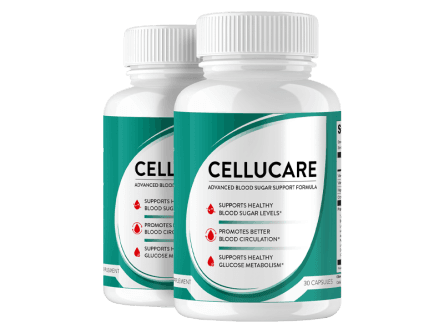
The product in question is CelluCare, a dietary supplement sold in capsule form and marketed as the only natural method that triggers the regrowth and repair of insulin-producing beta cells, thereby reversing type 2 diabetes at its cellular root. The VSL runs well over twenty minutes, delivered by a character named Thomas Wilson who identifies himself as a retired medical nutritionist and chemistry professor. The pitch draws on real institutional names, Weill Cornell Medicine, the Journal of Clinical Investigation, the Swiss Federal Institute of Technology, and builds an elaborate narrative around a secret Swiss doctor, a suppressed cure, and a pharmaceutical industry that profits from keeping patients chronically ill. It is, in the taxonomy of health marketing, a maximalist production: every persuasion lever pulled at once, every fear activated in sequence.
The question this analysis investigates is not simply whether CelluCare works. That is a clinical question requiring controlled trial data that is not publicly available for this specific product. The more answerable, and in some ways more important, question is: what does this VSL reveal about how a certain category of supplement marketing operates, what scientific claims it makes and whether those claims hold up to scrutiny, and what a careful consumer should understand before deciding to purchase? This piece works through the marketing architecture, the ingredient science, the authority signals, and the persuasion mechanics in sequence, so that a reader actively researching CelluCare leaves with something more useful than either a cheerleading testimonial or a reflexive debunking.
What Is CelluCare?
CelluCare is an oral dietary supplement sold primarily through direct-response video marketing. Each bottle contains capsules formulated from a blend of plant-based ingredients, taken once daily. The product is manufactured in the United States in what the VSL describes as an FDA-registered, GMP-compliant facility, and the seller claims independent third-party laboratory testing is used to verify label accuracy and the absence of toxic contaminants. It is positioned squarely in the blood sugar management category, a segment of the supplement market that has expanded considerably alongside the global rise in type 2 diabetes prevalence.
The market positioning of CelluCare is notably aggressive even within a competitive niche. Most blood sugar supplements are sold as "support" products. They claim to help maintain healthy glucose levels already within normal range, a formulation that keeps them safely outside the regulatory territory of disease claims. CelluCare, by contrast, makes explicit claims about reversing diagnosed type 2 diabetes, eliminating the need for insulin injections, and repairing damaged pancreatic tissue. These are therapeutic claims, and the distance between the product's stated benefits and what a dietary supplement is legally permitted to claim under FDA guidelines is significant. That tension is not incidental; it is, in fact, central to the VSL's rhetorical strategy, since the boldness of the claim is itself a hook.
The target user, as constructed by the VSL, is an adult between roughly 50 and 75 years old who has had type 2 diabetes for at least several years, has been prescribed metformin or insulin, is experiencing side effects or inadequate blood sugar control, carries excess weight, and has developed a deep distrust of the medical establishment. This is not a buyer casually interested in wellness optimization; this is someone in acute distress, motivated by fear of specific outcomes (amputation, dialysis, blindness) and primed by that fear to respond to a product that offers not incremental improvement but complete resolution.
The Problem It Targets
Type 2 diabetes is not a manufactured commercial problem. It is one of the most significant chronic disease burdens of the modern era. The International Diabetes Federation estimated in its 2021 atlas that approximately 537 million adults worldwide were living with diabetes, a figure the VSL rounds to "half a billion", with that number projected to reach 643 million by 2030. In the United States, the CDC's National Diabetes Statistics Report documents that roughly 37 million Americans have diabetes, with type 2 accounting for 90-95% of cases. The condition costs the U.S. health care system an estimated $327 billion annually in direct medical costs and lost productivity, according to the American Diabetes Association's 2017 economic analysis, numbers that have only grown since. These are not inflated figures from a sales pitch; they reflect a genuine and worsening public health situation.
What makes diabetes such fertile ground for direct-response supplement marketing is the gap between what conventional treatment delivers and what patients actually want. Metformin, the first-line pharmacological treatment, is effective at lowering blood glucose and has a well-established safety record, but it does not reverse the underlying pathophysiology of type 2 diabetes in most patients, and it carries side effects, gastrointestinal distress chief among them, that reduce adherence. More advanced treatments, including GLP-1 receptor agonists like semaglutide (Ozempic, Wegovy), have demonstrated remarkable results in clinical trials including genuine glycemic remission in some patients, but they are expensive, require injection, and are associated with their own side effect profiles. The honest reality, confirmed by studies published in journals including The Lancet and the New England Journal of Medicine, is that dietary intervention and significant weight loss can produce genuine type 2 diabetes remission in a meaningful subset of patients, but the behavioral requirements are demanding and maintenance is difficult.
The VSL captures this frustration with surgical accuracy. It acknowledges the patient's prior efforts, dieting, exercise, cutting carbs, trying various supplements. And reframes their failure not as a personal shortcoming but as a structural inevitability: they were trying to solve the wrong problem. The real cause, the pitch asserts, is not sugar intake but a missing protein called cyclin D3, and no amount of dietary discipline can replenish a protein the body has stopped producing. This reframe is rhetorically powerful because it is simultaneously exonerating (not your fault), specific (a named molecular target), and falsifiable-sounding (cites a real research institution). It is the kind of claim that cannot be immediately dismissed by someone without a biochemistry background, which is precisely the point.
The VSL also makes a sociological argument that resonates with a significant portion of its target audience: pharmaceutical companies have a financial incentive to manage diabetes chronically rather than cure it. This claim, stripped of its conspiratorial framing, contains a kernel of structural truth. Chronic disease management is more profitable than cure over long time horizons, and there is documented evidence of pharmaceutical marketing practices that influence prescribing behavior. The New York Times has reported extensively on physician-marketing relationships, and the figure cited in the VSL. $2.3 billion in physician marketing spend; is in the plausible range of documented industry figures, though the specific sourcing in the VSL is not verifiable. Using a legitimate critique of industry incentives as scaffolding for an implausible product claim is a classic rhetorical move: the true part makes the untrue part easier to believe.
Curious how other VSLs in this niche structure their pitch? Keep reading, the section below breaks down the psychology behind every claim in this letter.
How CelluCare Works
The mechanism the VSL proposes is built around a real piece of scientific research. In 2019, a team at Weill Cornell Medicine, led by researchers in the division of endocrinology, diabetes, and metabolism, published findings in the Journal of Clinical Investigation demonstrating that the protein cyclin D3 plays a role in regulating beta cell mass and insulin secretion in mice. The research used advanced imaging, including confocal laser scanning microscopy, which does provide the three-dimensional cellular imaging the VSL describes, and identified that pharmacological modulation of the cyclin D3 pathway could influence beta cell proliferation in rodent models. This research is real, it was published in a credible peer-reviewed journal, and it represents a legitimate area of diabetes biology inquiry.
The gap between that research and what CelluCare claims to deliver is, however, substantial. The Weill Cornell work was conducted in mouse models, not humans. The interventions tested were pharmacological, not plant-based compounds. The pathway described is one of many regulatory mechanisms governing beta cell biology, not a singular, universally accepted "root cause" of type 2 diabetes. The insulin resistance that characterizes type 2 diabetes involves a complex interplay of genetic predisposition, adipose tissue dysfunction, hepatic glucose dysregulation, and inflammatory signaling, none of which reduces neatly to a single protein deficiency. When the VSL states that "the lack of cyclin D3 is the root cause of type 2 diabetes," it is taking a speculative finding from animal model research and presenting it as settled mechanistic certainty, which it is not.
The product's proposed solution, that specific plant compounds can "replace" cyclin D3 at the cellular level and trigger beta cell regeneration, represents a further inferential leap that is not supported by the literature available at the time of writing. Several of CelluCare's ingredients do have genuine research supporting modest effects on blood glucose regulation through established mechanisms (insulin sensitization, inhibition of glucose absorption, antioxidant activity). But the claim that these compounds can repair or multiply pancreatic beta cells in human diabetics is not supported by human clinical trial data in the public domain. The distinction the VSL elides. Between plausible ingredient-level effects and the product-level claim of diabetes reversal. Is the most important one a prospective buyer should understand.
The claim of a 100% efficacy rate across 140,000 test subjects deserves particular scrutiny. No supplement or pharmaceutical intervention has ever demonstrated 100% efficacy in a large human trial. The internal 160-person study described in the VSL, if it occurred as described, would not meet the methodological standards for clinical evidence; it lacks a control group, blinding, independent verification of outcomes, or peer review. It is, at best, a preliminary observational report. The scale of 140,000 is presented as a customer count, not a clinical trial population, which is a meaningful distinction the narrative deliberately blurs.
Key Ingredients and Components
The formulation described in the VSL combines several plant-based compounds that appear in the blood sugar supplement literature. The VSL's framing, that these ingredients must be combined in exact proprietary ratios to produce the beta cell regeneration effect, is a common device used to distinguish the product from standalone ingredients available cheaply at retail, and to make the formula itself the irreplaceable asset. What follows is an honest assessment of each ingredient based on available published research.
Yarrow flowers (Achillea millefolium): Yarrow has a long history in traditional herbal medicine and contains flavonoids and alkaloids with documented antioxidant and anti-inflammatory properties. Limited animal studies have suggested potential hypoglycemic effects, but human clinical trial data specific to blood glucose management is sparse. The VSL's claim that it "nourishes cells and prepares the ground for differentiation" is extrapolation beyond what published evidence supports.
Bitter melon (Momordica charantia): Among the better-studied plant compounds in diabetes research. A 2011 randomized trial published in the Journal of Ethnopharmacology found modest reductions in fructosamine levels in type 2 diabetic patients, though effects were smaller than those of metformin. Multiple mechanisms have been proposed, including activation of AMP-activated protein kinase (AMPK). Genuinely plausible for glucose-lowering support; the reversal claim remains unsupported.
Juniper berries (Juniperus communis): Contain terpenoids and flavonoids with antioxidant activity. Some animal studies suggest blood glucose-lowering effects, but human data is limited and methodologically weak. Often included in "metabolic support" blends based on traditional use rather than robust clinical evidence.
Banaba leaf (Lagerstroemia speciosa): Contains corosolic acid, which has been studied for insulin-like effects on glucose transport. A small number of human trials have found modest glucose-lowering effects. A 2003 study in the Journal of Ethnopharmacology noted reductions in postprandial blood glucose. One of the more credible ingredients in the blend for the specific claim of glucose support.
Licorice root (Glycyrrhiza glabra): Contains glycyrrhizin and other bioactive compounds with anti-inflammatory and antioxidant properties. Some research suggests effects on insulin sensitivity and pancreatic beta cell protection in animal models. Long-term high-dose use of licorice root is associated with adverse effects including elevated blood pressure and hypokalemia, a consideration the VSL does not mention.
White mulberry (Morus alba): One of the most evidence-supported ingredients in the blend. The leaves contain 1-deoxynojirimycin (DNJ), a compound that inhibits intestinal alpha-glucosidase enzymes, slowing carbohydrate digestion and blunting postprandial glucose spikes, a mechanism similar to the pharmaceutical drug acarbose. A 2013 review in Evidence-Based Complementary and Alternative Medicine summarized multiple small human trials with positive glucose outcomes.
Hooks and Ad Angles
The VSL opens not with a product pitch but with a credentials statement and an institutional claim: a "brilliant team" spanning the Swiss Federal Institute, Cambridge, and Melbourne has "defied conventional wisdom" and demonstrated that diabetes "can be reversed in just days." In fewer than fifteen words of implied setup, the letter deploys three distinct rhetorical moves simultaneously, authority (elite institutions), contrarian positioning (defied conventional wisdom), and a compressed time promise (in just days). This is what Eugene Schwartz, in Breakthrough Advertising (1966), would identify as a Stage 5 market sophistication approach: the audience has heard every direct claim and every generic promise, so the only effective entry point is a genuinely new mechanism delivered through a credentialed frame. The cyclin D3 narrative functions as exactly that new mechanism, granting the pitch a scientific specificity that distinguishes it from the dozens of blood sugar supplements competing for the same audience.
The hook also operates as a pattern interrupt in the classic sense, it begins with a first-person identity statement ("Hi, I'm Thomas Wilson, a diabetes expert") that mimics a doctor's consultation before pivoting immediately to a claim so dramatic (diabetes reversed in days) that the viewer's skepticism is momentarily suspended while they attempt to reconcile the credentialed framing with the extraordinary claim. The VSL's writers understand that the most dangerous moment is the first five seconds, and they spend those seconds establishing enough legitimacy to buy the next four minutes of story.
Secondary hooks observed throughout the letter:
- "The real cause of type 2 diabetes is not eating sugar or carbs", a contrarian reframe designed to invalidate the viewer's prior understanding and create dependence on the narrator's alternative explanation.
- "Big Pharma spends $2.3 billion a year to get doctors to hype their meds", a conspiratorial authority-undermining hook that repositions the seller as the only honest actor in the ecosystem.
- "I was four days from having my foot amputated". A visceral stakes-setting hook that collapses the distance between worst-case fear and present reality.
- "140,000 people have already freed themselves from high blood sugar". A social proof hook that frames non-purchase as contrarian outlier behavior.
- "Only the elite have had access to the world's most skilled doctors who've tested this"; a status and exclusivity hook suggesting that watching the video grants access to insider information.
Testable ad headline variations for Meta or YouTube media buyers:
- "The Protein Your Doctor Never Told You About (Reverses Type 2 Diabetes)"
- "Diagnosed Type 2? Before Your Next Metformin Refill, Watch This"
- "57-Year-Old Reverses 7 Years of Diabetes Without Insulin, Here's How"
- "Cambridge Scientists Found the Real Cause of Diabetes. It's Not Sugar."
- "This Natural Formula Grows New Insulin Cells. 140,000 People Can't Be Wrong."
Psychological Triggers and Persuasion Tactics
The persuasion architecture of the CelluCare VSL is not a random collection of techniques, it is a carefully sequenced stack in which each layer conditions the viewer for the next. The letter begins by establishing authority and framing an extraordinary claim (conditioning the mind to accept a new paradigm), then narrows to a personal story (creating emotional identification), then introduces a villain (channeling frustration outward toward Big Pharma), then offers the solution (now experienced as rescue rather than purchase), and finally applies time and supply pressure (converting readiness into immediate action). This is a textbook Problem-Agitate-Solution structure with an unusually elaborate agitation phase, the extended personal narrative, and a scarcity close that is woven through the final third of the letter rather than appended as an afterthought.
What is particularly notable from a copywriting craft perspective is the letter's use of stacked authority: no single credential or institution is allowed to carry the full weight of trust-building. Instead, Weill Cornell, Cambridge, the Swiss Federal Institute, Melbourne, the Journal of Clinical Investigation, an FDA-registered facility, and independent third-party labs are layered on top of each other so that even if one element fails to convince a particular viewer, the cumulative weight of the pile remains persuasive. This is a technique associated with advanced direct-mail copywriting, where the writer knows the reader is skimming and therefore plants multiple independent authority signals throughout the text.
Specific tactics deployed:
Epiphany Bridge (Russell Brunson): The narrator's personal story follows the classic arc, ordinary life, inciting crisis (near-amputation), descent into the problem space (research into conventional medicine's failures), discovery of the hidden truth (cyclin D3 / Dr. Fry's formula), transformation, and the call to share the discovery. This structure creates parasocial identification: the viewer sees their own suffering in Wilson's story and, implicitly, their own potential rescue in his recovery.
Loss Aversion (Kahneman & Tversky, Prospect Theory, 1979): The two-choice close near the end of the VSL is a textbook application of loss framing. Option one is described in exhaustive, visceral terms, amputation, blindness, diabetic coma, Alzheimer's, thousands wasted on useless treatments, while option two is presented as costless ("risking nothing at all"). Losses are weighted approximately twice as heavily as equivalent gains in the human decision-making system, and the VSL exploits this asymmetry by making inaction feel catastrophically costly.
False Enemy / In-Group Bonding (Cialdini): Big Pharma serves as a shared villain, and the moment the viewer accepts the narrative of institutional corruption, they are implicitly positioned as a member of the in-group (the awakened, the self-rescuing) and CelluCare becomes the symbol of that group membership. Rejecting the product becomes, psychologically, a return to the out-group.
Borrowed Institutional Authority (Halo Effect, Thorndike, 1920): The VSL names Weill Cornell Medicine and the Journal of Clinical Investigation accurately. Both are real and credible. And allows the viewer's positive associations with those institutions to transfer to CelluCare without ever claiming that either institution endorses or has tested the product.
Artificial Scarcity (Cialdini's Scarcity Principle): The six-month production timeline, the threat of Big Pharma-induced website shutdown, and the "buy now buttons will deactivate" language are all designed to make the decision feel time-sensitive, compressing the window for rational deliberation and comparison shopping.
Reciprocity via Information Gift (Cialdini): By providing an elaborate, detailed explanation of cyclin D3, beta cell biology, and the failures of conventional medicine, the VSL creates a sense of value received before any purchase is requested, activating the reciprocity norm; the felt obligation to give back to someone who has given to you.
Price Anchoring (Ariely, Predictably Irrational, 2008): The stated "true value" of $380 per bottle functions as an anchor that makes the $69 price feel like a dramatic rescue from overpaying, even though the $380 figure has no verifiable basis in actual production economics or market comparables.
Want to see how these persuasion tactics compare across 50+ VSLs in the health supplement space? That is exactly the kind of pattern Intel Services is built to document.
Scientific and Authority Signals
The VSL's relationship with scientific authority is genuinely complex, and it deserves a careful accounting rather than a summary dismissal. The cyclin D3 / beta cell proliferation research attributed to Weill Cornell Medicine corresponds to real published science. A 2019 paper in the Journal of Clinical Investigation by researchers including Donald Scott and colleagues from Weill Cornell did investigate the role of cell cycle regulators, including cyclins, in beta cell proliferation. The VSL's description of confocal laser scanning microscopy providing 3D imaging of insulin cells is accurate as a general description of the technique. These details lend the narrative a veneer of verifiability that most supplement VSLs lack, and they suggest the copywriter had access to or reviewed real scientific literature.
However, the authority signals become significantly more problematic when examined closely. The claimed endorsement from the "Swiss Federal Institute and the University of Melbourne" declaring CelluCare "the only method that successfully promotes beta cell proliferation" has no verifiable public record. Neither institution appears in any public database as having issued such a statement. The "Journal of Clinical Investigation" study, while a real publication and a real journal, is cited in the VSL in ways that conflate its findings, rodent models, pharmacological interventions, with claims about a human-applicable plant-based supplement, a leap the study's authors did not make and almost certainly would not endorse.
The character of Dr. Marcus Frey, the Swiss doctor with a secret formula obtained after years of research in Germany, is presented as the product's scientific origin point, but no verifiable public record of this individual or his research exists in any searchable academic database, institutional directory, or professional registry at the time of this analysis. This does not conclusively prove the character is invented, researchers do exist outside public databases. But the absence of any verifiable trace, combined with the narrative function the character serves (a secret keeper whose secrecy is narratively justified by a signed contract), is a meaningful red flag. The same applies to Thomas Wilson himself: no chemistry or nutritional science professorship matching his description is publicly verifiable.
The manufacturing claims. FDA-registered facility, GMP compliance, third-party laboratory testing; are more credible as a category, since these are industry-standard certifications that contract manufacturers routinely maintain and that are verifiable through FDA registration databases. If CelluCare is produced in a legitimate U.S. contract manufacturing facility meeting these standards, the production quality claims may be accurate even if the therapeutic claims are not. These are, importantly, different types of claims, and conflating them is a common source of consumer confusion in supplement marketing.
The Offer, Pricing, and Risk Reversal
The CelluCare offer is structured as a tiered package system, a format that has become standard in supplement direct response because it simultaneously addresses different buyer risk tolerances and dramatically improves average order value. The single-bottle option at $69 functions as a low-barrier entry point; the three-bottle package sits in the middle; and the six-bottle package at $49 per bottle ($294 total) is the promoted "most popular" option. The VSL explicitly instructs the viewer that one bottle may stabilize blood sugar, three bottles may restore the body more substantially, and six bottles are required for complete cellular regeneration and long-term immunity from diabetes complications. This creates a logical argument for the most expensive package that is framed as clinical recommendation rather than upsell.
The price anchor of $380 per bottle, softened to "anywhere near $400", serves as an artificial reference point. There is no public evidence that CelluCare was ever sold or seriously planned to be sold at that price, and the figure appears to exist solely to make the $69 price feel dramatically discounted. This is what behavioral economist Dan Ariely documented as arbitrary coherence: once a number is presented as a reference point, subsequent prices are evaluated relative to it regardless of whether the anchor has any rational basis. A more honest comparison would benchmark CelluCare against other blood sugar supplements in the direct-response space, which typically retail between $39 and $79 per bottle, a range within which CelluCare's $69 single-bottle price is neither exceptional nor discounted.
The 60-day money-back guarantee is presented as an "ironclad" risk eliminator, and the mechanics described, full refund within 48 hours, no questions asked, via phone or email, are consistent with what reputable supplement sellers typically honor. The practical risk reversal is real: a buyer who is dissatisfied within 60 days has a contractual basis for a refund, assuming the company's customer service functions as described. What the guarantee does not address is the more significant risk, that a diabetic patient, believing the product will reverse their disease, may reduce or discontinue medically prescribed treatments during the trial period, which would be genuinely dangerous and is a risk the VSL never acknowledges.
Who This Is For (and Who It Isn't)
The CelluCare pitch is calibrated for a specific type of buyer, and understanding that profile is useful both for identifying the audience and for deciding whether you belong to it. The ideal CelluCare customer is a middle-aged or older adult, likely 50 to 75. Who has been managing type 2 diabetes for several years, experiences meaningful dissatisfaction with their current treatment regimen, carries excess weight, and has developed strong distrust of pharmaceutical companies and the conventional medical system. This person has tried multiple interventions and found them either ineffective or intolerable, and they are primed to receive a "hidden truth" narrative because the conventional narrative has, from their perspective, failed them. The conspiratorial framing of the VSL is not incidental to this audience; it is precisely calibrated for it. The product also reaches a secondary audience: people newly diagnosed or pre-diabetic, frightened by the implications of their diagnosis, and looking for an alternative before committing to pharmaceutical management.
For buyers in either of those categories, CelluCare may offer some modest benefit through the genuine bioactive properties of ingredients like white mulberry and bitter melon, which have documented (if modest) effects on postprandial glucose management. If used as an adjunct to, rather than a replacement for, medically supervised diabetes care, and if expectations are calibrated to "potentially helpful supplement" rather than "diabetes cure," the risk of harm is relatively contained. The 60-day refund window provides a meaningful practical safety net for buyers who see no response.
The people who should be most cautious are those who are already on insulin or complex medication regimens, those with advanced diabetic complications (kidney disease, severe neuropathy, retinopathy), and anyone who is considering reducing or stopping prescribed medications on the basis of this VSL's claims. Stopping or reducing insulin without medical supervision is genuinely dangerous and can produce life-threatening glycemic instability. The VSL's framing. That conventional medicine is a corrupt system keeping you sick; is specifically designed to erode trust in medical supervision, and this is the most significant potential harm embedded in the pitch. For these buyers, the appropriate first step is a conversation with a physician, not a supplement purchase.
This analysis is part of Intel Services' library of VSL and ad-copy breakdowns. If you're researching similar products in the blood sugar or metabolic health category, the patterns identified here recur across dozens of comparable pitches.
Frequently Asked Questions
Q: Is CelluCare a scam?
A: CelluCare is a real product sold by a real company with a stated refund policy, so it is not a scam in the sense of taking money and delivering nothing. However, several of its core marketing claims, including 100% efficacy, diabetes reversal in days, and endorsement by elite research institutions, are not supported by publicly verifiable evidence. Buyers should calibrate their expectations accordingly and treat it as a supplement with potential glucose-support benefits, not a diabetes cure.
Q: Does CelluCare really work to reverse type 2 diabetes?
A: The VSL's claim that CelluCare reverses type 2 diabetes at the cellular level by replicating the cyclin D3 protein is not supported by published human clinical trial data for this specific product. Some individual ingredients have modest evidence supporting blood glucose management effects. Whether the combined formula produces the dramatic outcomes described in the testimonials cannot be independently verified from available information.
Q: What are the main ingredients in CelluCare?
A: The VSL names yarrow flowers, bitter melon, juniper berries, banaba leaf, licorice root, and white mulberry as the key ingredients. Of these, white mulberry and bitter melon have the most peer-reviewed research supporting modest glucose-lowering effects in humans. Banaba leaf also has some supporting evidence. The others have limited or primarily animal-model data.
Q: Are there side effects from taking CelluCare?
A: The VSL presents CelluCare as entirely safe and side-effect-free, but several ingredients warrant attention. Licorice root in sustained doses can raise blood pressure and deplete potassium, which is particularly relevant for diabetics with hypertension or cardiac complications. Bitter melon may interact with diabetes medications including insulin and metformin, potentially causing hypoglycemia. Anyone on pharmaceutical diabetes management should consult a physician before adding any supplement.
Q: Is CelluCare safe to take alongside metformin or insulin?
A: This is an important question the VSL does not address. Several of CelluCare's ingredients have glucose-lowering properties that, combined with pharmaceutical agents, could produce additive effects including hypoglycemia. The answer depends on individual medical history, current dosing, and kidney and liver function. A prescribing physician or pharmacist should review the ingredient list before concurrent use.
Q: Is the cyclin D3 diabetes research cited in the VSL real?
A: Partly. Research investigating cyclin D3's role in beta cell biology has been published in the Journal of Clinical Investigation by researchers at Weill Cornell Medicine, and confocal laser scanning microscopy is a real imaging technique used in this field. However, the VSL extrapolates significantly beyond what that research demonstrated, it was conducted in mouse models using pharmacological interventions, not in humans using plant compounds, and presents its conclusions as settled human clinical fact, which they are not.
Q: How long does CelluCare take to show results?
A: The VSL claims blood sugar stabilization within three weeks and markers improving in under a month, with complete cellular regeneration requiring 180 days (six bottles). These timelines are marketing constructs rather than clinically validated benchmarks. Any supplement containing glucose-active ingredients like white mulberry or bitter melon might produce observable effects on postprandial glucose within weeks if taken consistently, but the scale and permanence of effects described in the VSL are not realistic expectations based on available evidence.
Q: What is the CelluCare refund policy?
A: The VSL describes a 60-day, 100% money-back guarantee with full refund processed within 48 hours, no questions asked, accessible via phone or email. This is the stated policy; actual customer service experience varies and is not independently verifiable here. Buyers should document their purchase date, retain order confirmation, and contact customer service promptly if seeking a refund within the guarantee window.
Final Take
The CelluCare VSL is, by the standards of its category, an exceptionally well-constructed piece of persuasive writing. It identifies a real and widespread condition, accurately characterizes the legitimate frustrations of a large patient population, borrows credibility from real scientific institutions without technically fabricating specific endorsements, and builds an emotional narrative powerful enough to make a $294 purchase feel like a medical necessity rather than a consumer decision. The copywriting is sophisticated, the stacked authority signals, the epiphany bridge structure, the two-path close, and whoever produced it clearly understood both the target audience's psychology and the conventions of long-form direct-response copy at a high level. These observations are not a compliment in the moral sense; they are an analytical assessment of craft applied in service of claims that outrun their evidence.
The product itself occupies the ambiguous middle ground that characterizes much of the premium supplement market: it likely contains real ingredients with some genuine bioactive properties, produced in a facility that probably meets basic manufacturing standards, at a price point that is not dramatically out of range for the category. The ingredients most likely to produce any observable glucose-related effect, white mulberry, bitter melon, banaba leaf. Have modest but real research bases. The gap between those modest effects and the VSL's claims of complete, permanent diabetes reversal is not a small one. It is the difference between "might help some people manage postprandial glucose modestly" and "Nobel Prize-validated cellular regeneration that eliminates the disease in days," and that gap is not bridged by any evidence currently in the public domain.
What this VSL reveals about its market is something worth sitting with. The extraordinary success of this category of marketing. And CelluCare's claimed 140,000 customers, if real, represents meaningful commercial success; is less a story about gullible consumers than about a healthcare system that has failed to deliver satisfying outcomes for a large patient population. When people with chronic disease feel unheard, undertreated, and locked into management regimens that carry significant side effects without producing the outcomes they were promised, they are rationally motivated to seek alternatives. The supplement industry, at its least scrupulous, exploits that motivation by offering the certainty and completeness that conventional medicine genuinely cannot always provide. Understanding that dynamic is more useful than simply labeling the buyers as naive.
If you are actively researching CelluCare before purchasing, the most useful frame is this: evaluate it as a glucose-support supplement with a modest ingredient evidence base, protected by a 60-day refund policy, sold at a price that is within the normal range for its category, not as a diabetes cure, not as a replacement for medical supervision, and not as a product with the institutional backing its marketing implies. This breakdown is part of Intel Services, our ongoing library of VSL and ad-copy analyses for health, wellness, and consumer product categories. If you are researching similar products, keep reading.
Disclaimer: This article is for research and educational purposes only. It is not medical, legal, or financial advice, and it is not affiliated with the product or its makers. Always consult a qualified professional before making health or financial decisions.
Source-backed reader context
Additional Reviews & Reported Experiences
These statements were presented in the product's sales transcript. Daily Intel did not independently verify the speakers, purchase status, or reported outcomes, and the statements are not used in Product aggregateRating.
Michael Thompson, 61
Date not stated
reversed type 2 in 2 weeks, was 285 lbs with severe fatigue and neuropathy
Tom Sanders, 62, Vancouver Canada
Date not stated
now diabetes-free; A1C, blood pressure, and cholesterol all normal
Yolanda H., 58, New York
Date not stated
blood sugar from 190 to 105 in 3 months; lost 29 pounds
Robert P., 63, California
Date not stated
reversed type 2 after trying diets, exercise, teas, medication, acupuncture, smoothies
Peter Davis, 62
Date not stated
journalist, volunteered in Dr. Fry's trials; blood sugar from 230 to 110; lost 32 pounds
Thomas Wilson himself
Date not stated
blood sugar stabilized at 94; lost 58 pounds; foot infection resolved in 5 months
Comments(0)
No comments yet. Members, start the conversation below.
Related reads
 reviews
Jocko Greens Review: Does One Scoop Match the Evidence?
Jocko Greens is a one-scoop powder with approximately 30 calories and 9 billion colony-forming units of probiotics per serving. Jocko Fuel also confirms ashwagandha extract and makes a digestive-support claim. The harder question is whether the available research matches this specific formula. It does not match closely enough to establish a finished-product outcome.
Read reviews
NooCube Review: Does the 250 mg Bacopa Dose Match the Research?
NooCube is one of the few nootropics that prints a milligram number next to an ingredient instead of hiding it in a blend. This review takes that one number, 250 mg Bacopa monnieri, and checks it against a real trial that used 300 mg in a very different population, then shows exactly where the comparison breaks down.
Read reviews
Olly Goodbye Stress Review: Label Claims vs. Evidence
OLLY Goodbye Stress combines GABA, L-theanine, and lemon balm extract in a Berry Verbena gummy aimed at occasional stress, not sleep. Here's what the label discloses, what a real L-theanine trial found, and exactly where the evidence stops.
Read