CurcuminExtract Review and Ads Breakdown
The video opens on a familiar frustration: acid reflux that won't quit, medications that offer only partial relief, and a lifestyle of pillows, dietary restrictions, and antacids that never quite s…
8,226+
Videos & Ads
+50-100
Fresh Daily
$29.90
Per Month
Full Access
12.5 TB database · 72+ niches · 28 min read
Introduction
The video opens on a familiar frustration: acid reflux that won't quit, medications that offer only partial relief, and a lifestyle of pillows, dietary restrictions, and antacids that never quite solve the problem. Then comes the pivot. A pharmacist named Lisa King looks into the camera and tells the viewer that a kitchen spice might do what a prescription drug cannot. It is a classically constructed opening, designed to interrupt the cognitive autopilot of someone who has already tried the standard remedies and arrived at this video in a state of skeptical desperation. The promise is large, the framing is specific, and the speaker carries institutional credentials. Within the first two minutes, the viewer is being asked to reconsider everything they thought they knew about acid reflux; not by a fringe voice, but by someone who identifies herself as a pharmacist with 37 years of experience and an Amazon bestselling book.
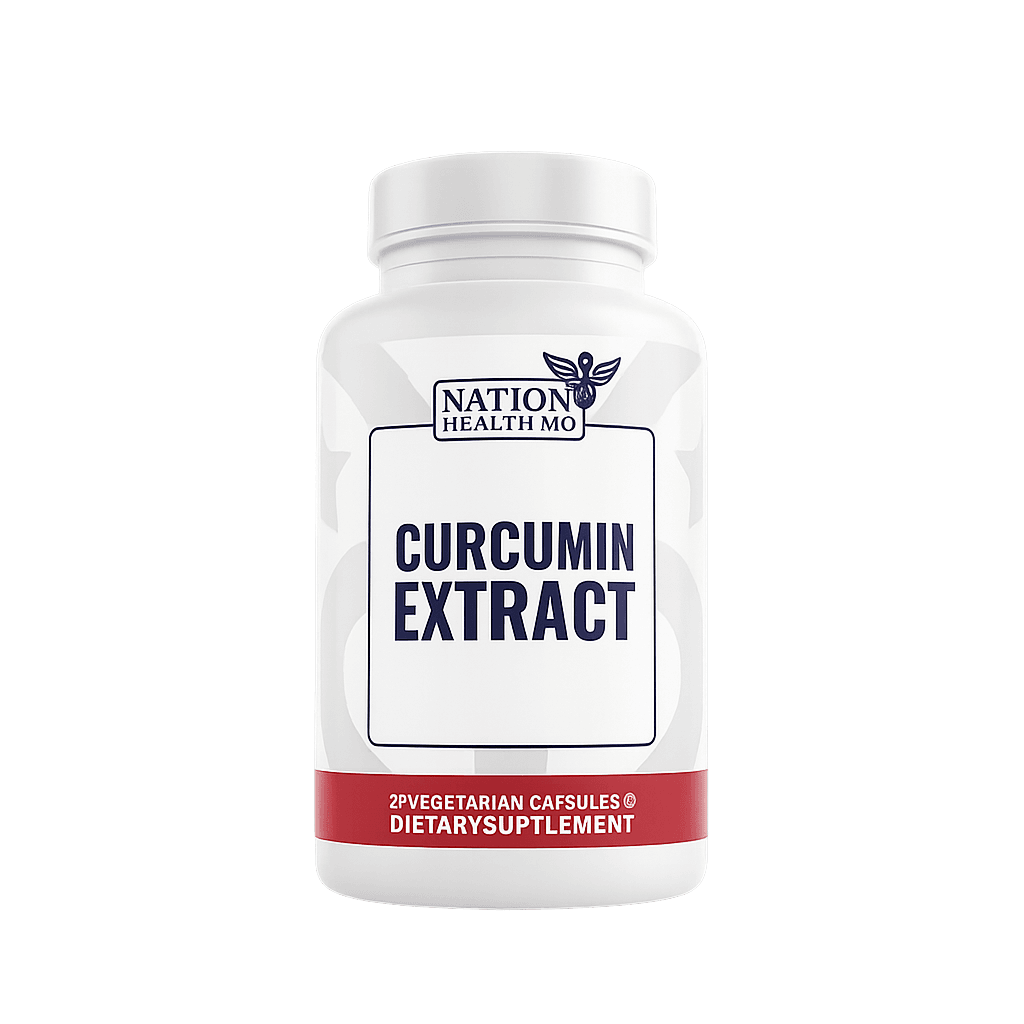
CurcuminExtract, produced by Nation Health MD, is the product at the center of this pitch. It is a daily oral capsule built around a proprietary turmeric extract called Curcugin, which the VSL claims delivers a more bioavailable and therapeutically potent form of turmeric than anything else on the market. The supplement is positioned not as a minor digestive aid but as a root-cause solution to acid reflux, one that works through a mechanism the VSL argues has been confirmed in peer-reviewed research published in JAMA and Nature. The boldness of those claims, the sophistication of the persuasion architecture, and the genuine complexity of the underlying science all make this VSL worth analyzing carefully, both for consumers considering the purchase and for observers of direct-response marketing.
What follows is not a product endorsement or a takedown. It is an attempt to read this sales presentation the way an analyst would read any high-stakes commercial text: with close attention to what the VSL says, what the underlying science actually supports, how the persuasion mechanics are constructed, and what the offer structure reveals about the seller's strategy. The VSL is, by any standard, a well-crafted piece of direct-response copy. Whether the product behind it justifies the weight of its claims is a separate and important question, and the one this piece is primarily investigating.
The central question this analysis addresses is whether CurcuminExtract's core commercial argument, that a patented turmeric extract targeting lower esophageal inflammation can deliver lasting relief from acid reflux where conventional medications fail, is grounded in legitimate science, in plausible extrapolation, or in rhetorical performance dressed in the language of research.
What Is CurcuminExtract?
CurcuminExtract is a dietary supplement manufactured by Nation Health MD, a U.S.-based nutritional research company. It is sold in capsule form, with the recommended dose being one capsule taken 20 to 30 minutes before a meal. The product's central active ingredient is Curcugin, which the company describes as a next-generation turmeric extract that uses patented polar resin technology to dramatically enhance the bioavailability of curcuminoid nutrients, the compounds responsible for turmeric's therapeutic reputation. The VSL positions CurcuminExtract within the premium natural supplement category, explicitly contrasting it against both pharmaceutical acid reflux medications (PPIs, H2 blockers) and the commodity turmeric supplements that crowd pharmacy shelves.
The product is marketed primarily to adults living with chronic acid reflux, gastroesophageal reflux disease (GERD) in clinical terms, who have found conventional treatments either insufficient or concerning in terms of side effects. Its market positioning is sophisticated: it does not claim to be an antacid or a stomach-acid reducer. Instead, it claims to address what the VSL calls the "true cause" of acid reflux. Chronic inflammation of the lower esophageal sphincter (LES) triggered by environmental toxins. This mechanistic framing is important to understand, because it is both the product's most distinguishing marketing claim and the claim most deserving of independent scrutiny.
The secondary positioning is equally ambitious. Beyond acid reflux, CurcuminExtract is presented as a broad anti-inflammatory and anti-aging supplement, with stated benefits ranging from blood sugar regulation and cardiovascular support to cognitive function, joint pain relief, fat metabolism, and immune health. This multi-benefit structure is common in the premium supplement space and serves a clear commercial function: it expands the perceived value of the single daily capsule and reduces the buyer's sense that they are purchasing a narrowly specialized product.
The Problem It Targets
Acid reflux, or GERD, is among the most prevalent chronic digestive conditions in the developed world. The American College of Gastroenterology estimates that approximately 20 percent of the U.S. population experiences GERD symptoms weekly, and the condition's economic burden. In lost productivity, medication costs, and healthcare utilization; runs into the billions annually. The VSL is therefore entering a market with a genuine, large, and demonstrably unmet need. Many patients do find that proton pump inhibitors (PPIs) and H2 receptor antagonists provide incomplete relief, and concerns about the long-term safety of PPIs have been documented in peer-reviewed literature, including studies published in the Journal of the American Medical Association linking long-term PPI use to increased risk of chronic kidney disease, bone fractures, and, controversially, dementia.
The VSL frames the problem through a specific mechanistic lens: the lower esophageal sphincter becomes inflamed, first by environmental toxins, then by the repeated impact of acid washing up from the stomach, and this inflammation prevents the valve from closing properly, perpetuating the reflux cycle. This is not a fabricated mechanism. The LES is indeed the anatomical structure whose dysfunction underlies acid reflux, and inflammation of the esophageal tissue is a well-documented consequence of chronic GERD. The more speculative element of the VSL's framing is the claim that environmental toxins, specifically, the 350,000 chemicals the VSL attributes to unnamed "latest research", are the primary initiating cause of this LES inflammation. The number is plausible in the context of chemical inventory databases (the EPA's Chemical Data Reporting program and REACH in Europe track tens of thousands of registered substances), but the causal chain from ambient chemical exposure to LES inflammation is a significant inferential leap, and the VSL presents it as established fact rather than hypothesis.
The fear element is deployed with precision. The VSL states that people with acid reflux are 43 times more likely to develop esophageal cancer, a figure that refers to Barrett's esophagus progression risk in specific high-risk populations, not to the general GERD population, and which the CDC and NIH would contextualize considerably more cautiously than the VSL does. The effect of stating this number without qualification is to make inaction feel acutely dangerous. This is a well-recognized technique in health marketing: transform a chronic inconvenience into an existential threat, and the buyer's psychological threshold for purchasing drops dramatically. The claim is not invented, but its presentation is stripped of the epidemiological nuance that would allow the viewer to assess their actual individual risk.
What the VSL gets genuinely right is the critique of acid suppression as a universal solution. Cleveland Clinic publications and gastroenterology literature do confirm that hypochlorhydria, abnormally low stomach acid, can itself cause symptoms that resemble acid reflux, including bloating, regurgitation, and discomfort. The VSL's point that PPIs reduce stomach acid and that this may be counterproductive for some patients is not fringe heterodoxy; it reflects a real debate in gastroenterology about the overprescription of acid suppressants and the importance of identifying the underlying cause of each patient's symptoms.
Curious how other VSLs in this niche structure their pitch? Keep reading. Section 7 breaks down the psychology behind every claim above.
How CurcuminExtract Works
The VSL's mechanistic argument runs through three distinct layers. The first is that chronic inflammation of the lower esophageal sphincter is the root cause of acid reflux. The second is that turmeric. Specifically its active metabolites; is a clinically proven anti-inflammatory agent capable of reducing this LES inflammation and even reversing cellular damage in the esophagus. The third is that conventional turmeric supplements fail to deliver this benefit because they lack tetrahydrocurcumin (Tetra) and use absorption-enhancing agents (piperine from black pepper) that the VSL claims are now known to cause liver damage.
The first layer has partial scientific support. LES dysfunction is the proximate cause of GERD, and inflammatory processes are involved in esophageal tissue damage. However, the claim that inflammation is the initiating cause of LES dysfunction, rather than one of its consequences, is a stronger causal claim than the gastroenterology literature uniformly supports. LES dysfunction has multifactorial origins, including anatomical factors, dietary triggers, obesity, and hiatal hernia, none of which the VSL acknowledges.
The second layer, that curcumin and its metabolites have meaningful anti-inflammatory properties, is well-supported in the scientific literature, though with important caveats about bioavailability. Curcumin is a polyphenol with documented activity against NF-κB and other inflammatory signaling pathways. Studies published in journals including Molecules and Foods have consistently shown anti-inflammatory effects in cell culture and animal models. Human clinical evidence is more mixed, largely because of the well-documented bioavailability problem: curcumin is poorly absorbed from the gut, rapidly metabolized, and quickly eliminated. This is precisely the problem Curcugin's polar resin technology claims to solve, and the claim of 39 times greater bioavailability within 24 hours, if the clinical trial supporting it is methodologically sound, would represent a genuinely significant advance.
The third layer, the danger of piperine-curcumin combinations. Is where the VSL makes its most aggressive competitive claim, and it deserves careful reading. There is legitimate research suggesting that piperine, by inhibiting certain liver enzymes (specifically CYP3A4 and P-glycoprotein), can alter drug metabolism in ways that may be problematic for people on certain medications. Some researchers have raised concerns about high-dose curcumin's effects on liver enzymes in susceptible individuals. However, the VSL's characterization that "scores of studies" now show this combination causes liver damage represents an overstatement of a more nuanced and contested body of evidence. For most healthy adults, turmeric with piperine is generally regarded as safe at supplement doses. The framing serves a clear commercial purpose: it disqualifies virtually every competitor product while positioning Curcugin's polar resin approach as the only safe alternative.
Key Ingredients and Components
CurcuminExtract's formulation, as described in the VSL, is built around a single proprietary system rather than a multi-ingredient stack. The ingredients the VSL identifies are as follows:
Curcugin (patented turmeric extract): The core proprietary ingredient. Curcugin is described as a "whole plant synergy" extract that preserves the full nutrient spectrum of the turmeric root, including curcuminoids beyond curcumin alone. The VSL claims it was developed by a group of scientists specifically to address the bioavailability failures of conventional turmeric supplements. No independent third-party analysis of Curcugin is cited in the VSL, and the clinical trial referenced (showing 39x bioavailability increase) is attributed to unnamed scientists without journal, authors, or date. Prospective buyers who want to verify this claim would need to request the full study from the manufacturer.
Tetrahydrocurcumin (Tetra): Described in the VSL as the primary therapeutic metabolite of curcumin. The compound the liver produces when it breaks down curcumin, and the one actually responsible for most of turmeric's biological effects in the body. Tetrahydrocurcumin is a real compound that has been studied for anti-inflammatory and antioxidant properties. Research published in Food and Chemical Toxicology and Phytomedicine has examined its activity in preclinical models. The VSL's claim that Tetra is "doing the majority of turmeric's magic" is a reasonable reading of some research, but direct delivery of Tetra (bypassing hepatic conversion of curcumin) as a superior strategy is still an area of active scientific investigation rather than settled consensus.
Polar resins from turmeric root: The VSL describes these as natural compounds within the turmeric plant that function as a bioavailability-enhancing delivery matrix; extracted and concentrated using patented technology, and serving as the mechanism by which Curcugin achieves its claimed 39x absorption advantage. Resins are a class of plant compounds, and turmeric does contain resinous constituents. However, the specific characterization of polar resins as a superior bioavailability vehicle, superior to both piperine and phospholipid-based delivery systems (like Meriva or Phytosome) that already have substantial clinical evidence, is a claim that would require independent verification to assess fairly.
Full-spectrum turmeric phytonutrients: The VSL emphasizes that CurcuminExtract delivers the whole plant matrix rather than isolated curcumin, arguing that the historical health benefits of turmeric were associated with the whole spice, not a single extracted compound. This argument has genuine scientific merit. Research in the field of phytochemistry has increasingly supported the idea that botanical compounds often work synergistically, and that isolating a single active molecule may miss important contributory compounds. This "whole plant synergy" argument is scientifically credible, even if the specific formulation's superiority over alternatives remains to be independently confirmed.
Hooks and Ad Angles
The VSL's opening hook, "the secret may be as simple as an ordinary kitchen spice", is a textbook curiosity gap construction, a technique identified in information-gap theory by behavioral economist George Loewenstein, in which partial disclosure creates a felt sense of incompleteness that compels continued attention. The phrase does several things at once: it signals accessibility ("ordinary," "kitchen"), implies discovery ("secret"), and withholds the key variable (which spice) just long enough to justify continued viewing. What makes this particular execution effective is that it immediately follows a relatable problem statement, so the viewer is already emotionally primed before the gap is introduced. The hook is paired within seconds with a contrarian frame, "sounds crazy, right?", which preempts the viewer's natural skepticism by acknowledging and absorbing it, a move that functions as a form of inoculation against the very resistance it might otherwise trigger.
Beyond the opening, the VSL operates within what Eugene Schwartz would recognize as a Stage 4 or Stage 5 market sophistication strategy. The acid reflux supplement market is saturated; buyers in this category have seen dozens of turmeric and digestive-health pitches. A straightforward "turmeric helps acid reflux" message would not register. Instead, the VSL introduces a new mechanism (LES inflammation from toxins), a new villain (environmental chemicals rather than dietary choices), and a new ingredient category (Tetra via Curcugin), essentially creating a new market category in which CurcuminExtract is the only resident. This is the new mechanism play, the most advanced form of product positioning in direct-response copywriting. And it is executed with considerable craft.
The identity of the spice is deliberately withheld until after the mechanistic explanation, the cited studies, and the fear-amplification around esophageal cancer have all been delivered. When "turmeric" is finally revealed, the viewer has been educated to see it not as a common supplement but as a specific biochemical intervention targeting a newly named root cause. This reframing of a familiar ingredient as a new solution is one of the VSL's most sophisticated moves.
Secondary hooks observed in the VSL:
- "People with acid reflux are a staggering 43 times more likely to get esophageal cancer"
- "The spice reversed the damage in esophageal cells that had already become abnormal"
- "Combining piperine with curcumin has now been found to be dangerous"
- "Your acid reflux medication could actually be making your acid reflux worse"
- "In just one day, curcuminoid nutrients soared, increasing by 39 times"
Ad headline variations for Meta or YouTube testing:
- "Your acid reflux pill may be the reason your acid reflux keeps coming back"
- "A 56-day study compared turmeric to the #1 acid reflux drug. The results were unexpected"
- "Why most turmeric supplements don't work (and what's missing from them)"
- "The inflammation link: what JAMA's latest research says about acid reflux"
- "CurcuminExtract: 39x more bioavailable turmeric; is the science real?"
Psychological Triggers and Persuasion Tactics
The VSL's persuasion architecture is built on a stacked sequence rather than parallel appeals, meaning the psychological levers are deployed in a deliberate order designed to move the viewer from curiosity to fear to understanding to hope to urgency, with each stage creating the emotional conditions the next stage needs. This is a structure Cialdini would recognize as sophisticated influence engineering and that Schwartz would identify as the hallmark of copy written for a skeptical, solution-fatigued audience. The authority establishment (Lisa King's credentials) comes before any product claim is made. The fear amplification (cancer risk, medication dangers) comes before the solution is introduced. The solution is introduced only after the buyer's existing mental model (acid = bad, reduce acid = good) has been systematically dismantled. This sequencing matters because it means each new piece of information lands in an audience that has been psychologically prepared to receive it.
The offer is not introduced until after the mechanism has been explained, the clinical studies have been cited, the alternative has been disqualified (piperine/black pepper as dangerous), and the product's uniqueness has been established. This delayed introduction of commercial intent is itself a persuasion technique, by the time the price appears, the viewer has already invested significant cognitive and emotional attention, which Festinger's cognitive dissonance theory predicts will incline them toward purchase to justify that investment. The extended pre-sell period also serves the Zeigarnik effect, keeping multiple open loops active simultaneously (what is the spice? what does the study say? what does it cost?) until they are closed in sequence, each closure providing a small satisfaction that maintains engagement.
Specific persuasion tactics identified:
Loss aversion via cancer framing (Kahneman & Tversky, prospect theory): The 43x esophageal cancer statistic is deployed not as neutral health information but as a threat cue designed to make the cost of inaction feel catastrophically higher than the cost of purchase. The asymmetry is deliberate, losses loom larger than equivalent gains, so the fear of cancer is motivationally more powerful than the hope of relief.
Authority transfer via borrowed institutional credibility (Cialdini, authority principle): Lisa King invokes the Cleveland Clinic by name and cites JAMA and Nature by journal title without providing specific study identifiers. The effect is that the viewer associates the product's claims with the prestige of those institutions, even though the institutions have not endorsed the product.
False enemy / villain substitution (Russell Brunson, Expert Secrets): Conventional acid-suppressing medications are recast from "imperfect solutions" to "actively harmful agents" that worsen the very condition they claim to treat. This move is rhetorically powerful because it creates urgency to abandon existing behavior (taking medications) and adopt the alternative (CurcuminExtract).
Price anchoring and trivializing the remaining cost (Kahneman, anchoring heuristic; Thaler, mental accounting): The $150 anchor is established with detailed justification before the $49 reveal. The subsequent comparison to "less than a pack of gum per day" ($1.63) reframes the expenditure from a supplement purchase to an inconsequential daily habit, a classic denominator effect in consumer psychology.
Reciprocity via pre-delivered value (Cialdini, reciprocity principle): Lisa King delivers a substantial education about LES anatomy, turmeric metabolism, and toxin science before asking for anything. This information transfer creates a felt obligation in the viewer, a sense that something has been given and that reciprocating by purchasing is fair.
Endowment effect via bonus gifting (Thaler, endowment effect): The two free e-books are framed as already belonging to the buyer, "these bonuses are yours to keep whatever you decide", creating a sense of ownership before the transaction is complete, which research shows increases the psychological cost of not purchasing.
Scarcity and urgency via supply framing (Cialdini, scarcity principle): "If you leave this page and come back later, I can't promise it will still be available" and "supplies are selling out fast" are classic direct-response scarcity triggers. Their legitimacy depends entirely on whether the supply constraints are real, which cannot be verified from the VSL alone.
Want to see how these tactics compare across 50+ VSLs? That's exactly what Intel Services is built to show you.
Scientific and Authority Signals
The VSL's authority infrastructure is multi-layered and deserves careful inventory. Lisa King is the primary authority figure. A pharmacist, author, and award recipient whose credentials are presented in the first three minutes and referenced throughout. The SingleCare "Most Influential Pharmacist of 2020" designation and the Amazon bestseller status are verifiable claims in principle, and the combination of professional licensure with media presence is well-chosen for this audience: pharmacists occupy a trusted position in health decision-making, particularly among older adults who have had meaningful pharmacist interactions. The credential is used to suggest that the product recommendation comes from professional expertise rather than commercial interest, though the speaker's financial relationship with Nation Health MD is not disclosed in the VSL transcript.
The institutional citations. Cleveland Clinic, JAMA, Nature; function as borrowed authority, a category in which real and prestigious institutions are invoked by name in ways that imply a level of endorsement the institutions did not actually provide. The VSL says "new research published in the prestigious journal JAMA has uncovered the culprit" without providing study authors, publication year, title, or DOI. The same is true of the Nature citation. A viewer who attempted to locate and read the underlying studies would face significant difficulty. This does not mean the studies don't exist, but the absence of identifying information prevents independent verification, which is a meaningful limitation for any buyer applying due diligence.
The clinical trial of 206 participants comparing the turmeric spice to a leading acid reflux medication over 56 days is the VSL's most specific evidentiary claim and its most interesting from a scientific standpoint. A trial of this design, if conducted with appropriate randomization, blinding, and endpoints, would be genuinely compelling evidence. However, the VSL provides no information that would allow a reader to locate and evaluate the full study, no journal name, no lead author, no institutional affiliation, no year. The Curcugin bioavailability trial (39x increase in 24 hours) is similarly unlocatable from the information given. A buyer seeking to evaluate these claims independently cannot do so from what the VSL provides, which is a significant transparency gap for a product making strong clinical efficacy claims.
What is scientifically legitimate in the VSL's authority framing: turmeric and curcumin's anti-inflammatory properties are extensively documented, and the bioavailability problem with standard curcumin supplements is real and well-acknowledged in the literature. The concept of tetrahydrocurcumin as an active metabolite is grounded in pharmacokinetic research. The concern about long-term PPI use is a genuine area of clinical discussion. These real scientific anchors give the VSL's more speculative claims a degree of plausible cover that a fully fabricated pitch would not have.
The Offer, Pricing, and Risk Reversal
The offer structure follows a well-established direct-response playbook with above-average execution. The price anchor of $150 is set with deliberate justification, research investment, exact dosing of the patented ingredient, life-changing potential, before the actual price of $49 is introduced. This $101 apparent discount is then further minimized by the per-day calculation ($1.63), and then compared to a pack of gum, a trivializing comparison designed to eliminate the "is this worth it" deliberation by making the expenditure feel beneath serious consideration. The six-month supply option at $1.40 per day serves both as upsell and as a commitment device: a six-month supply implies a six-month trial, which increases the likelihood of habitual use and reduces the probability of a refund request.
The two bonus e-books, "Flat Abs in Just 10 Minutes a Day" and "How to Save Big on Your New Skinny Wardrobe", are valued at $39.95 each for a stated total of $79.90 in free gifts. The books are tangentially related to the weight-loss benefits the VSL attributes to CurcuminExtract (fat burning, body transformation) and serve to reinforce those secondary benefit claims while inflating the perceived total value of the offer. The stated retail values of $39.95 per e-book are not independently verifiable, which is common in this category of digital bonus.
The 365-day money-back guarantee is the risk reversal's most powerful element. A full-year guarantee with no return requirement and no questions asked is unusually generous by industry standards and represents a genuine reduction in purchase risk for the buyer. It also functions as a confidence signal, if the product did not work for a substantial portion of buyers, a no-questions-asked annual refund policy would be financially untenable for the seller. The guarantee's existence does not validate the product's efficacy claims, but it does meaningfully lower the financial downside of trial. The scarcity framing that accompanies the offer ("limited supply," "brand new formula," "high demand") is difficult to verify and is deployed in ways consistent with urgency tactics common across the direct-response supplement category.
Who This Is For (and Who It Isn't)
The ideal buyer for CurcuminExtract, as constructed by the VSL's targeting logic, is an adult in their 50s or 60s. More likely female, given Lisa King as spokesperson. Who has lived with acid reflux long enough to have tried PPIs or antacids and found them insufficient or worrying. This person reads health information carefully, is open to natural alternatives, and has enough health anxiety to be moved by the cancer risk statistic but enough residual skepticism to be reassured by pharmacist credentials rather than simply a celebrity endorsement. They likely search Google and YouTube for health answers, have some familiarity with turmeric as a wellness ingredient, and are predisposed to distrust pharmaceutical companies while still wanting something that works. The price point of $49 positions the product for middle-income buyers; affluent enough to try a premium supplement, but price-sensitive enough that the pack-of-gum comparison is designed to overcome final hesitation.
There is a genuinely reasonable case for this buyer to try CurcuminExtract. Turmeric's anti-inflammatory properties are real, the bioavailability problem with conventional turmeric supplements is real, and if Curcugin's clinical data holds up to independent review, a more bioavailable formulation could offer meaningful benefit for inflammatory digestive conditions. The 365-day guarantee makes the trial low-risk financially. Anyone already taking turmeric supplements without results, or anyone frustrated with the side-effect profile of long-term PPI use, has logical grounds to explore this category.
There are also buyers for whom this product is probably not the right first step. Someone with newly diagnosed GERD, or whose symptoms are severe or worsening, should seek a gastroenterologist's evaluation before experimenting with any supplement, not because supplements are necessarily inferior, but because serious esophageal disease requires proper diagnosis. Anyone on medications that interact with turmeric or curcumin (particularly anticoagulants like warfarin, as curcumin has antiplatelet properties) should consult a physician before use. And anyone expecting the specific dramatic outcomes described in the VSL, reversal of existing esophageal damage, complete elimination of acid reflux within 56 days, should approach those claims with calibrated skepticism until independent clinical evidence for this specific formulation is published and peer-reviewed.
This breakdown is part of Intel Services, our ongoing library of VSL and ad-copy analyses. If you're researching similar products, keep reading.
Frequently Asked Questions
Q: Is CurcuminExtract a scam?
A: CurcuminExtract is a real product sold by Nation Health MD with a verifiable 365-day money-back guarantee. The core ingredient, Curcugin, appears to be a proprietary turmeric extract, and turmeric's anti-inflammatory properties are well-documented. However, some of the VSL's clinical citations lack the identifying details needed for independent verification, which means consumers should research the specific formulation's studies before purchasing.
Q: Does CurcuminExtract really work for acid reflux?
A: The anti-inflammatory mechanisms the product relies on are scientifically plausible, and turmeric has genuine evidence for reducing gastrointestinal inflammation. The 56-day trial cited in the VSL is compelling if methodologically sound, but no journal, author, or DOI is provided, making it impossible for a buyer to read the original data. The year-long guarantee does allow for a low-risk trial.
Q: What is Curcugin and how is it different from regular turmeric?
A: Curcugin is Nation Health MD's patented turmeric extract, designed to deliver tetrahydrocurcumin (the liver's active metabolite of curcumin) along with polar resins from the turmeric root that the company claims enhance bioavailability by 39 times. Standard turmeric supplements typically deliver curcumin alone, which has poor natural bioavailability. Whether Curcugin's specific approach is superior to other bioavailability solutions (such as phospholipid-based systems like Phytosome) requires independent comparative study.
Q: What is tetrahydrocurcumin and why does it matter?
A: Tetrahydrocurcumin (THC or Tetra) is a metabolite produced when the liver breaks down curcumin. Some research suggests it may be more stable and bioavailable than curcumin itself, with comparable or superior anti-inflammatory and antioxidant activity. Studies in Food and Chemical Toxicology and Phytomedicine have examined its properties in preclinical models. Its clinical performance in humans at the doses in CurcuminExtract has not been independently published in a peer-reviewed format available for public review.
Q: Are there side effects to taking CurcuminExtract?
A: Turmeric supplements are generally well-tolerated at standard doses. High doses of curcumin can cause gastrointestinal discomfort, and there are documented interactions with anticoagulant medications. The VSL claims Curcugin avoids the liver-damage risk it attributes to piperine-curcumin combinations, though that risk characterization is itself contested in the literature. Anyone with a liver condition, gallbladder disease, or who takes blood-thinning medications should consult a physician before use.
Q: Is it safe to take CurcuminExtract without black pepper or piperine?
A: Piperine is one of several bioavailability-enhancing strategies for curcumin supplements, and its absence in CurcuminExtract is a deliberate design choice based on the VSL's claim that piperine-curcumin combinations can be hepatotoxic in high doses. For most healthy adults at standard doses, piperine-containing turmeric supplements are considered safe. CurcuminExtract's use of polar resins instead is an alternative approach whose comparative safety and efficacy profile would benefit from published independent data.
Q: How long does it take for CurcuminExtract to work?
A: The VSL describes results as "subtle at first" and cites the clinical trial's 56-day timeline as the point at which study participants experienced full resolution of acid reflux symptoms. The 28-day mark showed symptom reduction comparable to the leading medication. Individual results will vary based on the severity and chronicity of the underlying condition, diet, and other lifestyle factors.
Q: What is the money-back guarantee for CurcuminExtract?
A: Nation Health MD offers a 365-day money-back guarantee. According to the VSL, buyers who are dissatisfied can email the company within a year of purchase for a full refund, with no need to return bottles and no questions asked. This is an unusually generous guarantee by supplement industry standards and substantially reduces the financial risk of trying the product.
Final Take
The CurcuminExtract VSL is a technically accomplished piece of direct-response marketing operating in one of the most competitive and legally scrutinized categories in consumer health: chronic digestive conditions. What distinguishes it from the median supplement pitch is the sophistication of its scientific scaffolding. The LES inflammation mechanism is grounded in real anatomy. Tetrahydrocurcumin is a real compound. The bioavailability problem with conventional curcumin is a genuine and documented limitation. The PPI side-effect concerns are legitimate clinical observations. This means the VSL is not a simple fabrication, it is a carefully constructed argument that builds from real scientific foundations toward marketing conclusions that are significantly more certain than the underlying evidence warrants. That gap between legitimate scientific foundation and overclaimed conclusion is the defining characteristic of the most persuasive health marketing, and it is considerably harder to detect and evaluate than straightforward pseudoscience.
The VSL's weakest point is its evidentiary opacity. The 206-participant clinical trial, the esophageal cell study, the Curcugin bioavailability trial, and the Nature rat-neuron study are all cited without the information necessary for independent verification. In an era of widespread preprint availability, DOI lookup, and PubMed access, a company with legitimate clinical data could simply provide it. The absence of that information does not prove the studies don't exist, but it does mean the buyer is being asked to make a purchasing decision based on unverifiable claims, and that is a meaningful asymmetry of information that favors the seller.
For the consumer who is actively researching CurcuminExtract before buying, the most useful analytical frames are these: the anti-inflammatory category it occupies is scientifically real; the specific formulation's superiority over alternatives is unverified by independent published research; the 365-day guarantee meaningfully reduces financial risk; and the VSL's persuasion structure is designed to close skeptical buyers through emotional sequencing rather than transparent data. None of those observations tell you definitively whether the product works. What they tell you is what kind of evidence you are working with and what questions to ask before proceeding.
The pitch is, in the end, a window into where the premium natural supplement market currently sits: sophisticated enough to invoke JAMA and tetrahydrocurcumin, commercially rational enough to withhold the data that would allow those invocations to be checked. This breakdown is part of Intel Services, our ongoing library of VSL and ad-copy analyses. If you're researching similar products in the digestive health or anti-inflammatory space, keep reading.
Disclaimer: This article is for research and educational purposes only. It is not medical, legal, or financial advice, and it is not affiliated with the product or its makers. Always consult a qualified professional before making health or financial decisions.
Source-backed reader context
Additional Reported Experience
These statements were presented in the product's sales transcript. Daily Intel did not independently verify the speakers, purchase status, or reported outcomes, and the statements are not used in Product aggregateRating.
VSL proof excerpt 1
Date not stated
No named individual testimonials; implied social proof through Lisa King's patient base ('many of my patients suffer from acid reflux... tried everything')
Comments(0)
No comments yet. Members, start the conversation below.
Related reads
 reviews
Jocko Greens Review: Does One Scoop Match the Evidence?
Jocko Greens is a one-scoop powder with approximately 30 calories and 9 billion colony-forming units of probiotics per serving. Jocko Fuel also confirms ashwagandha extract and makes a digestive-support claim. The harder question is whether the available research matches this specific formula. It does not match closely enough to establish a finished-product outcome.
Read reviews
NooCube Review: Does the 250 mg Bacopa Dose Match the Research?
NooCube is one of the few nootropics that prints a milligram number next to an ingredient instead of hiding it in a blend. This review takes that one number, 250 mg Bacopa monnieri, and checks it against a real trial that used 300 mg in a very different population, then shows exactly where the comparison breaks down.
Read reviews
Olly Goodbye Stress Review: Label Claims vs. Evidence
OLLY Goodbye Stress combines GABA, L-theanine, and lemon balm extract in a Berry Verbena gummy aimed at occasional stress, not sleep. Here's what the label discloses, what a real L-theanine trial found, and exactly where the evidence stops.
Read