Focus Factor VSL and Ads Analysis: What the Propolis Memory Pitch Really Says
The video opens with five words designed to stop a scroll dead: "Oh my god." Before a single product claim is made, before any ingredient is named, before any price is mentioned, the VSL for Focus Factor, a propolis-based cognitive supplement, has already achieved its most…
8,226+
Videos & Ads
+50-100
Fresh Daily
$29.90
Per Month
Full Access
12.5 TB database · 72+ niches · 25 min read
The video opens with five words designed to stop a scroll dead: "Oh my god." Before a single product claim is made, before any ingredient is named, before any price is mentioned, the VSL for Focus Factor, a propolis-based cognitive supplement, has already achieved its most important objective. It has made the viewer feel the weight of a specific, recognizable crisis: an elderly mother who no longer recognizes her own child, and the agonizing decision to surrender her care to a stranger's facility. That scene is not marketing in the conventional sense. It is, by any reasonable diagnostic, an act of narrative transportation, a storytelling technique studied extensively by psychologists Melanie Green and Timothy Brock, who found that readers absorbed into a vivid narrative suspend their evaluative judgment and experience the story's emotional content as direct personal experience. The VSL borrows that mechanism deliberately, and it borrows it well.
The product at the center of this pitch is Focus Factor, positioned here not as a traditional nootropic capsule but as a propolis-based liquid extract that can, the VSL claims, restore memory and cognitive clarity to people in the grip of advancing dementia. What is striking about this particular advertisement is how much persuasive architecture it packs into fewer than 250 words. In under ninety seconds, it deploys at least seven distinct psychological mechanisms, names a credible insider figure without making her verifiable, cites a social-proof number, invokes centuries of traditional use, and closes with a mortality-salience urgency trigger, all before explaining what the product actually is. That density warrants serious examination, both for what it reveals about the supplement's marketing strategy and for what it demands of a cautious consumer.
This piece is a research analysis of that VSL, its rhetorical structure, its scientific claims, its persuasion mechanics, and the questions a thoughtful buyer should be asking before taking the bait. It is not a press release, and it is not a take-down. The goal is to give anyone researching Focus Factor a clear-eyed picture of what the pitch is doing, what the underlying science supports, and where the gap between those two things lies.
What Is Focus Factor?
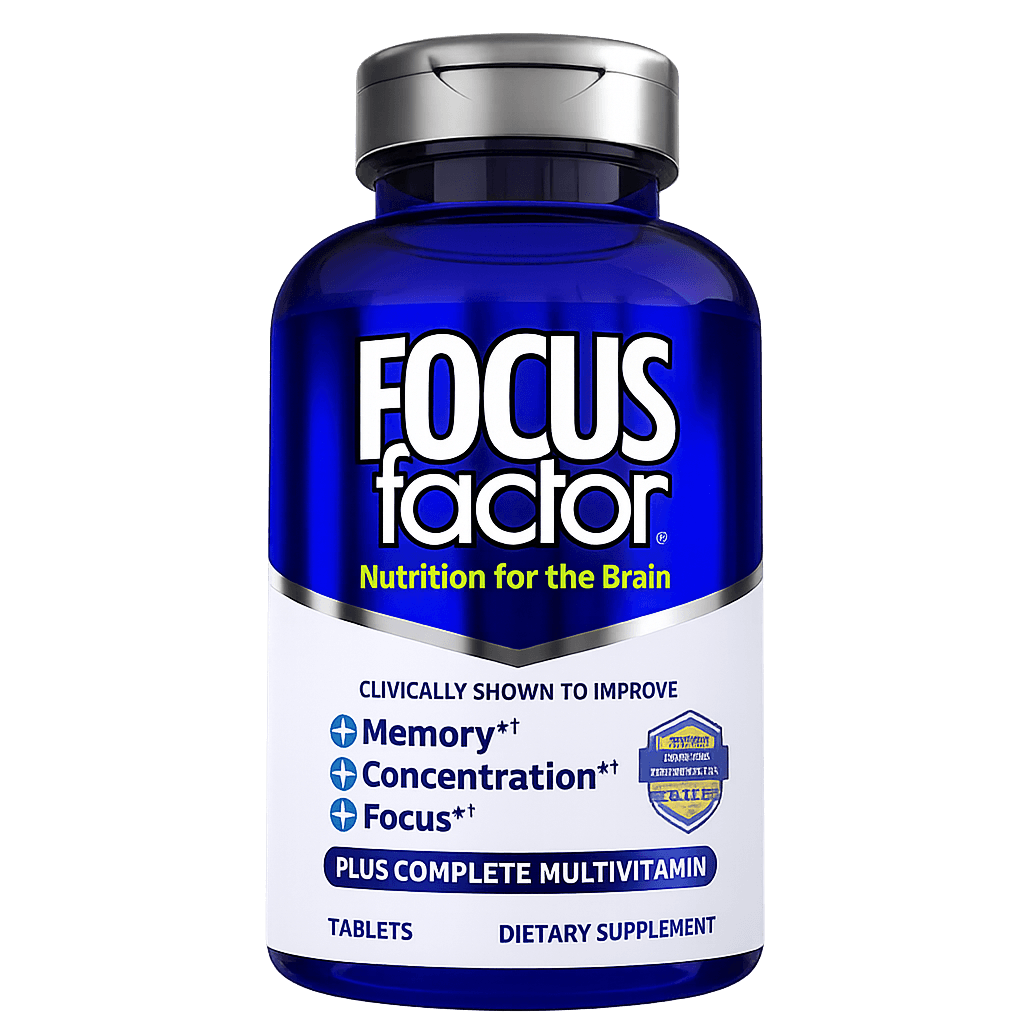
Focus Factor is a cognitive health brand with a relatively long history in the American supplement market. The brand name has been attached to multiple product formulations over the years, most of them multivitamin-style tablets marketed to adults seeking concentration and memory support. The VSL analyzed here, however, promotes a strikingly different presentation: a concentrated liquid propolis extract, described as a "homemade" recipe mixed into juice, a format that distinguishes it visually and conceptually from the pill-and-capsule category the brand is historically associated with. Whether this represents a new product line, a rebranding effort, or a separate advertiser using the Focus Factor name under license is not made explicit in the VSL itself, which is itself an observation worth noting.
The product occupies the nootropic and cognitive-support subcategory, a market that, according to data cited by Grand View Research, was valued at over $3.5 billion globally in 2022 and is projected to grow at a compound annual rate exceeding 12% through 2030. Within that crowded field, the propolis angle is a meaningful differentiator. Most nootropic marketing leans on synthetic racetams, well-studied botanicals like ginkgo biloba and bacopa monnieri, or branded amino-acid complexes. Positioning a bee-derived resin extract as the active mechanism is an unusual move, one that signals a deliberate attempt to carve out a category-entry point distinct from the mainstream supplement shelf.
The stated target user is clear from the opening frame: adults who are either personally experiencing cognitive decline or, more viscerally, watching a parent experience it. The pitch is calibrated for caregivers, most probably women in their forties and fifties, whose emotional exposure to dementia has already been intense and whose readiness to act on a credible-sounding natural solution is correspondingly high. That targeting decision shapes every element of the VSL's architecture, from its opening scenario to its closing urgency framing.
The Problem It Targets
Dementia is one of the defining public health challenges of aging populations globally. The World Health Organization estimates that more than 55 million people worldwide are currently living with dementia, with approximately 10 million new cases diagnosed each year. In the United States alone, the Alzheimer's Association reports that 1 in 9 people over the age of 65 has Alzheimer's disease, the most common form of dementia, and that number climbs steeply with age. More than six million Americans are currently living with the condition, and projections from the National Institute on Aging suggest that figure could reach 14 million by 2060. These are not niche statistics; they describe a generational trauma that tens of millions of American families are navigating in real time.
The commercial opportunity embedded in that epidemiological reality is enormous and, to be blunt, frequently exploited. Families watching a parent decline are in a state of prolonged grief compounded by helplessness, a psychological condition that makes them unusually vulnerable to any framing that offers agency. Mainstream medicine has relatively little to offer in the way of disease-modifying treatments for Alzheimer's: the cholinesterase inhibitors most commonly prescribed provide modest symptomatic relief for some patients and none for others. The FDA approval of lecanemab (Leqembi) in 2023 marked a genuine but limited step forward. Into that therapeutic vacuum, the supplement industry has historically rushed with aggressive claims and thin evidence, a pattern well-documented in Federal Trade Commission enforcement actions over the past two decades.
The VSL frames the problem not in clinical terms but in the language of relational loss, a daughter no longer recognized by her own mother. That framing is more emotionally precise than any epidemiological chart, and it is the frame most likely to resonate with the actual buyer: not the patient, but the caregiver. Caregivers of dementia patients experience clinically elevated rates of depression, anxiety, and what researchers term "anticipatory grief", the mourning of a person who is still alive. The VSL opens directly inside that experience, and its opening shock phrase ("Oh my god") mimics the emotional register of a real person processing real distress, not a marketer constructing a pitch. That mimicry is the first and most effective trick in the sequence.
It is also worth situating the problem as the VSL constructs it versus how it actually exists scientifically. The VSL implies a rapid, dramatic, near-complete reversal of dementia symptoms, a mother who "couldn't recognize anyone" naming every family member instantly after a few drops of propolis extract. Clinically, that trajectory is not consistent with anything currently known about dementia's neurobiological course, regardless of intervention. Memory impairment in dementia results from the progressive loss of neurons and synaptic connections in the hippocampus and related structures, a structural deterioration that no currently known natural supplement has been demonstrated to reverse in peer-reviewed, controlled human trials. The gap between the problem as the VSL frames it and the problem as medicine understands it is, therefore, substantial.
How Focus Factor Works
The mechanism the VSL proposes is deceptively simple: a "concentrated propolis extract" mixed as drops into juice. Propolis is a resinous compound that honey bees produce by combining plant exudates with wax and salivary enzymes. Its primary biological function in the hive is antimicrobial, it seals cracks, sterilizes surfaces, and protects the colony against pathogens. In human folk medicine, propolis has been used for centuries precisely as the VSL claims: as a topical wound treatment, an immune-support agent, and more recently, an orally consumed antioxidant supplement. That historical use is real, and it is the VSL's strongest card.
The scientific basis for propolis having any effect on human cognition, however, is considerably more tentative than the VSL implies. Propolis contains a rich mixture of bioactive polyphenols, most notably caffeic acid phenethyl ester (CAPE) and various flavonoids including quercetin, kaempferol, and pinocembrin. Several of these compounds have demonstrated neuroprotective properties in in vitro studies (studies in cell cultures) and in rodent models, primarily through mechanisms involving reduction of neuroinflammation, inhibition of beta-amyloid aggregation, and attenuation of oxidative stress in neural tissue. A 2021 review published in Biomedicine & Pharmacotherapy by Almeida and colleagues examined these preclinical findings with cautious optimism, noting that the evidence base, while promising, remains largely pre-clinical. Human clinical trials specifically evaluating propolis extract for dementia or meaningful cognitive improvement in affected populations are sparse and generally small.
The VSL's claim mechanism, that drops of propolis extract can produce rapid, dramatic cognitive restoration in a patient with advanced dementia, goes significantly beyond what the existing research supports. Preclinical neuroprotection is not equivalent to clinical reversal of established neurodegeneration. This distinction matters enormously, and responsible marketing of any cognitive supplement should make it explicit. The VSL does not make it explicit; it presents the anecdote of a single recovered memory episode as if it were clinical proof of category-wide efficacy. That is a meaningful overreach, regardless of whether propolis has genuine secondary benefits as an antioxidant or anti-inflammatory compound in generally healthy adults.
Curious how other VSLs in this cognitive-health niche build their scientific credibility? Keep reading, the Hooks and Ad Angles and Psychological Triggers sections break down the architecture in detail.
Key Ingredients / Components
The VSL identifies only a single active ingredient by name. The broader Focus Factor brand formulation (in its standard tablet form) is known to include a wider array of vitamins, minerals, and botanical extracts, but this VSL is entirely focused on the propolis mechanism. The ingredient analysis below covers what the VSL specifically claims:
Bee Propolis (concentrated liquid extract): A complex resinous substance produced by honeybees, containing more than 300 identified bioactive compounds including polyphenols, flavonoids, phenolic acids, and terpenoids. The VSL claims it restores memory and cognitive clarity. Independent research, including a 2020 review in Antioxidants by Pasupuleti et al., confirms propolis has antioxidant and anti-inflammatory properties in human studies, and some animal studies suggest neuroprotective effects. No peer-reviewed, randomized controlled trial in humans has demonstrated the kind of rapid, dramatic memory restoration the VSL describes in a dementia context. The liquid concentrate format is plausible from a bioavailability standpoint, as propolis polyphenols are reasonably well-absorbed orally, though the "homemade" framing leaves dosing completely unstandardized.
Caffeic Acid Phenethyl Ester (CAPE): Not explicitly named in the VSL but the primary polyphenol compound in propolis responsible for most of its documented bioactivity. Preclinical studies, including work published in Neurochemical Research, suggest CAPE may inhibit NF-kB inflammatory pathways in neural tissue and reduce amyloid-beta toxicity in cell models. These are mechanistically interesting findings that do not yet translate to demonstrated clinical outcomes in human dementia patients.
Propolis Flavonoids (quercetin, kaempferol, pinocembrin): The flavonoid fraction of propolis is the most studied subset in the context of brain health. Quercetin in particular has been examined in several human cognition studies, with a 2021 trial in Nutrients (Javid et al.) finding modest improvements in working memory in healthy older adults at consistent doses of 500 mg/day. Whether propolis provides flavonoids at pharmacologically relevant concentrations in a "drop" serving is not addressed by the VSL.
Hooks and Ad Angles
The VSL's opening hook, "Oh my god, this is a must-hear story for anyone struggling with memory loss", is a textbook pattern interrupt deployed at the precise moment of maximum scroll vulnerability. The phrase "Oh my god" is prosodically unusual for advertising copy: it is the language of shock and personal urgency, not brand communication, and its incongruity with expected ad-speak is the interrupt itself. What follows, "must-hear story", compounds the pattern interrupt with a curiosity gap, promising a narrative whose resolution is withheld until the viewer stays engaged. This opening sequence takes roughly three seconds and accomplishes what most VSLs spend thirty seconds attempting.
The hook belongs to what copywriting theorist Eugene Schwartz would classify as a Stage 4 market sophistication move. Schwartz's framework describes a market that has seen so many direct benefit claims ("improve your memory!") and mechanism claims ("this ingredient supports cognitive function!") that those approaches no longer trigger a response. Stage 4 marketing responds by abandoning benefit language entirely and leading with a new experience, in this case, a vicarious emotional event so specific and recognizable that it produces the sensation of a real memory rather than an advertisement. The caregiver audience for this VSL has almost certainly been saturated with memory-supplement ads; the "Oh my god" opener sidesteps that saturation completely.
The secondary hooks that follow develop a layered structure. The "simple trick" and "not a pill or a medication" framing constitutes a false enemy move, positioning the pharmaceutical category as the failed alternative and natural compounds as the heroic exception. The "used for centuries" anchor functions as an authority by antiquity signal, implying that centuries of use confer a validation that short-term clinical trials cannot. And the final "before it's too late" urgency trigger deploys what behavioral economists call loss aversion, the asymmetric pain of potential loss outweighing the equivalent potential gain, against a temporal deadline that is genuinely emotionally meaningful to this audience.
Secondary hooks observed in the VSL:
- "This simple trick wasn't a pill or a medication", false enemy framing against pharmaceuticals
- "Pure natural ingredient that has been used for centuries", authority by antiquity
- "What happened today completely shocked me", open-loop curiosity escalation
- "She even said she feels more clear-headed than she's ever felt in her life", peak outcome testimony
- "Listen now before it's too late", loss aversion urgency close
Ad headline variations for Meta/YouTube testing:
- "A nurse in my mother's memory care unit gave her one drop of this every morning"
- "My mom had advanced dementia, until a simple natural extract changed everything"
- "12,000 people with memory loss tried this propolis trick. Here's what happened."
- "Before you put your parent in a memory care facility, watch this first"
- "The centuries-old bee remedy that doctors don't talk about for memory loss"
Psychological Triggers and Persuasion Tactics
The VSL's persuasive architecture is unusual in one important respect: it is stacked sequentially rather than distributed in parallel. Most VSLs present authority, social proof, and urgency across separate sections of a longer letter. This VSL, at under 250 words, compresses those elements into a single narrative arc, each triggering the next in a chain where the emotional credibility of the opening story makes the social-proof number believable, the social-proof number makes the urgency trigger feel founded, and the urgency trigger converts before skepticism has time to reconstitute itself. The reader who pauses anywhere in that chain risks breaking the spell, which is why the entire piece is structured to prevent pausing.
The persuasive model most closely resembles what Russell Brunson calls the Epiphany Bridge, a story structured so that the protagonist's moment of discovery mirrors the emotional experience the VSL wants the viewer to have at the moment of purchase. The narrator's shock at her mother's recovery is the emotion the buyer is meant to feel vicariously, effectively pre-experiencing the product's promised outcome before committing to a click. This is a sophisticated structure and it is deployed here with professional precision.
Narrative Transportation (Green & Brock, 2000): The opening scenario, a daughter placing her mother in assisted living, the mother unable to recognize her own child, absorbs the viewer into a vivid personal narrative that temporarily suspends critical evaluation. The emotional specificity ("not even me, her only child") is calibrated to maximize identification.
False Enemy / Category Villain (Brunson's Epiphany Bridge framework): Conventional medicine and assisted-living care are the implicit villains, they failed the mother. The nurse's natural remedy is the hero. This frame pre-empts the obvious objection ("why hasn't my doctor mentioned this?") by positioning doctor silence as evidence of systemic failure rather than evidence of insufficient proof.
Authority Transfer via Insider Figure (Cialdini's authority principle, Influence, 1984): The unnamed nurse confers legitimacy through institutional association. A nurse in a licensed facility is a professional; her voluntary use of a natural remedy implies she has seen it work. The absence of a verifiable name is obscured by the specificity of the setting.
Social Proof via Specific Number (Cialdini's social proof): "Over 12,000 lives" is a precision-anchored social proof claim. The specificity of the number, not "thousands" but "12,000", makes it feel measured rather than estimated, a psychological effect documented in consumer research on numerical precision.
Loss Aversion + Mortality Salience (Kahneman & Tversky, 1979; Terror Management Theory, Greenberg et al., 1986): "Before it's too late" operates on two registers simultaneously, the irreversible loss of a parent's cognition and the risk that this information will be removed. Both threats activate loss-aversion responses significantly stronger than equivalent gain-framing would produce.
Appeal to Nature / Antiquity Bias (cognitive bias literature; Schwartz Stage 4 sophistication): "Used for centuries" and "pure natural" are deployed to outflank pharmaceutical skepticism. The argument is not that propolis is clinically proven; the argument is that it predates the clinical trial framework entirely, and therefore exists in a category of traditional wisdom that modern science is only now catching up to.
Open Loop / Information Gap (Loewenstein's Information Gap Theory, 1994): The VSL never fully explains the "propolis trick", what it is, how to make it, what dose to use. This withholding is structural: the resolution of the curiosity gap is available only on the other side of the click, making the click the only way to close the psychological discomfort the gap has opened.
Want to see how these persuasion mechanics compare across 50+ VSLs in the cognitive health and supplements space? That is exactly what Intel Services is built to show you.
Scientific and Authority Signals
The VSL's authority architecture is built almost entirely on a single, unnamed figure: the nurse at the assisted-living facility. In the grammar of direct-response copywriting, this is a well-understood construction, borrowed credibility, in which a real category of authority (medical professionals in institutional settings) is invoked without the accountability that a named, verifiable expert would require. The nurse is a real role, the facility is a plausible setting, and the act of giving a patient a natural supplement is entirely consistent with how many caregivers actually operate. The authority transfer functions because it is grounded in plausible reality, not because it is verifiable.
There are no named researchers, no cited clinical studies, and no institutional partnerships mentioned anywhere in this VSL. The claim that the product has changed "12,000 lives" is presented as social proof but is not sourced, it is neither attributed to a clinical registry, a company database, nor a third-party study. In the taxonomy of authority signals used in supplement marketing, this VSL sits in the "ambiguous" category: the authority it deploys is real in type but unverifiable in instance. It does not appear to fabricate credentialed experts outright, which is a distinction worth making, but it equally does not provide anything a skeptical reader could independently verify.
The underlying science on propolis and brain health, by contrast, is a legitimate area of research that the VSL has borrowed for rhetorical purposes without engaging honestly. The Biomedicine & Pharmacotherapy 2021 review mentioned in an earlier section represents real peer-reviewed science, as does the Antioxidants 2020 review by Pasupuleti and colleagues, both of which examine propolis bioactivity in meaningful detail. The problem is not that propolis is fictional as a health compound, it is not, but that the VSL cites none of this research and instead substitutes a personal anecdote for clinical evidence. That substitution is common in supplement VSLs, but it remains a meaningful gap between what is implied and what is established.
For readers applying Google's E-E-A-T (Experience, Expertise, Authoritativeness, Trustworthiness) framework to their sourcing decisions: this VSL would score low on expertise (no named credentialed authorities), low on authoritativeness (no institutional backing or published research cited), and low on trustworthiness (an unverified anecdote presented as category-level evidence). The Experience signal is strong, the narrator's story is emotionally vivid and specific, but experience without verifiability is not expertise.
The Offer, Pricing, and Risk Reversal
The VSL as transcribed contains no explicit price point, no listed bonus stack, and no formal guarantee language, a notable omission that suggests either the transcript represents a pre-sell advertisement designed to drive clicks to a longer sales page (a common funnel structure in this category), or that the pricing and guarantee are handled downstream. This is a standard two-step funnel construction: the thirty-to-ninety-second video ad handles emotional engagement and curiosity-gap creation; the full VSL or sales page handles the offer mechanics, objection resolution, and conversion. The brevity and emotional intensity of this piece are consistent with that structure.
The only offer mechanics present in the transcript are urgency and social proof: "before it's too late" functions as a time-pressure close, and "already changing over 12,000 lives" functions as a risk-reduction signal, if that many people have already tried it, the implied logic runs, the personal risk of trying is low. Neither of these is a formal risk-reversal mechanism in the technical sense (a money-back guarantee is the most common form of that), but both serve to lower the psychological barrier to clicking through, which is the VSL's actual conversion goal. The real offer, with pricing, bonuses, and guarantee language, almost certainly appears on the landing page this VSL drives traffic to, and that downstream architecture would need to be analyzed separately.
Who This Is For (and Who It Isn't)
The ideal buyer profile for this pitch is specific enough to name with confidence. The primary target is a woman between the ages of 45 and 65 who is actively managing or has recently managed the cognitive decline of a parent, most likely a mother, and who has arrived at a point of exhaustion with conventional medical options. She has probably attended at least one specialist appointment that ended without a treatment plan that felt adequate, has researched memory supplements before, and has been disappointed by previous purchases in this category. She is digitally active, probably consuming content about eldercare, dementia, or natural health, and she is emotionally primed for a narrative that gives her back a sense of agency. The opening three sentences of this VSL describe her life with uncomfortable precision, and that precision is not accidental.
A secondary audience exists among adults over sixty who are experiencing early-stage memory concerns themselves, misplacing keys, forgetting names, the anxiety of a cognitive slip that might be nothing or might be the beginning of something significant. For this audience, the VSL's promised outcome (feeling "more clear-headed than ever") is a direct aspiration, and the natural-remedy framing appeals to a demographic that tends to distrust pharmaceutical interventions and favor preventive, lifestyle-aligned solutions.
Who should approach with caution: anyone expecting a clinically validated dementia treatment will find that this product, as presented, does not meet that bar, and no supplement currently on the market does. Caregivers who are in acute crisis around a loved one's decline are among the most emotionally vulnerable consumers in any market, and the emotional targeting of this VSL should prompt an extra level of critical scrutiny before purchase. Individuals with bee allergies should also note that propolis is a bee-derived product and carries a real risk of allergic reaction in sensitive individuals, a fact the VSL does not mention.
If this analysis is useful, Intel Services covers dozens of VSLs across the supplements and health-product space with the same level of rigor. The full library is worth exploring before any purchase decision.
Frequently Asked Questions
Q: Does Focus Factor propolis extract really work for memory loss?
A: The VSL presents a single dramatic personal anecdote as evidence, but no peer-reviewed clinical trial has demonstrated that propolis extract reverses dementia or produces rapid memory restoration in affected patients. Propolis has genuine antioxidant and anti-inflammatory properties supported by preclinical research, and some human studies suggest modest cognitive benefits in healthy older adults, but those findings are a long way from the claims made in this VSL.
Q: Is the Focus Factor propolis trick a scam?
A: The VSL makes claims that go substantially beyond what the current evidence supports, which places it in the category of aggressive supplement marketing rather than evidence-based health communication. Whether the product itself delivers any benefit depends on the full formulation and dosing, neither of which is disclosed in this advertisement. Readers should verify all claims against independent sources before purchasing.
Q: What is bee propolis and can it help with dementia?
A: Bee propolis is a resinous compound made by honeybees from plant exudates and wax. It contains a range of bioactive polyphenols with documented antioxidant and anti-inflammatory effects in laboratory settings. Preclinical studies in rodent models suggest some neuroprotective potential, but human clinical trials specifically targeting dementia are scarce, small, and have not demonstrated the dramatic effects described in the VSL.
Q: Are there side effects to taking propolis extract?
A: Propolis is generally considered safe for most adults at typical supplemental doses, but it is not without risk. The most significant concern is allergic reaction, individuals with allergies to bee products, honey, or certain pollen types may experience skin reactions, respiratory symptoms, or more serious allergic responses. Oral propolis may also interact with blood-thinning medications. A healthcare provider should be consulted before starting propolis supplementation, particularly in elderly patients already on medication.
Q: Is it safe to give propolis to an elderly person with dementia?
A: Safety depends heavily on the individual's full medication list, existing health conditions, and allergy history. Elderly patients are generally more vulnerable to supplement-drug interactions, and any addition to a care regimen, including a natural supplement, should be reviewed by the patient's physician or pharmacist before being introduced.
Q: What does the research say about propolis and brain health?
A: The most honest summary is: promising in preclinical settings, insufficiently studied in humans. Reviews in Biomedicine & Pharmacotherapy (2021) and Antioxidants (2020) identify genuine bioactive mechanisms in propolis that are relevant to neuroinflammation and oxidative stress, both of which are implicated in cognitive aging. Clinical evidence for meaningful cognitive benefits in human patients remains limited.
Q: How is Focus Factor different from other memory supplements?
A: The brand differentiates itself in this VSL primarily through the liquid propolis mechanism, an unusual ingredient choice in a market dominated by ginkgo biloba, bacopa, and phosphatidylserine-based formulas. The "homemade" and "centuries-old" framing positions it against the pharmaceutical aesthetic of most supplement marketing. Whether those differences translate to superior clinical outcomes is not established.
Q: Who is the nurse in the Focus Factor VSL and is the story real?
A: The nurse is unnamed and unverifiable. The story may be based on a real experience, composite experiences, or a constructed narrative, the VSL provides no way to distinguish between these possibilities. This is a common feature of testimonial-based supplement advertising and is one of the reasons the FTC requires substantiation for specific health claims made in advertising.
Final Take
The Focus Factor propolis VSL is a technically accomplished piece of direct-response advertising that will work well on a specific audience and should prompt serious scrutiny from anyone outside that audience. Its compression of emotional narrative, borrowed authority, social proof, and urgency into under 250 words is genuinely impressive as craft, the opening hook alone is better designed than most two-minute VSLs manage to be in their entirety. It is precisely that sophistication that makes it worth examining carefully, because the persuasive intelligence of an advertisement is independent of the evidentiary quality of its claims. A well-built pitch for a poorly supported product is still a well-built pitch.
The strongest element of this VSL is the narrative frame. The caregiver scenario is emotionally accurate to the lives of millions of Americans, and the choice to open inside a daughter's grief rather than a product's benefits represents a genuine understanding of where the target audience is psychologically. That empathy, whether or not it is genuine, is the most powerful persuasive tool in the entire letter, and it is the element most likely to drive a click from someone in real emotional distress. That targeting of grief is also the element that demands the most critical scrutiny: a person in genuine crisis over a loved one's dementia is entitled to information that helps them, not marketing that exploits their vulnerability with claims that exceed the evidence.
The weakest element is the scientific gap. Propolis is not a fictional ingredient, it has real bioactive properties and a legitimate (if early-stage) research profile in the context of cognitive health. A more honest version of this VSL could make a defensible, evidence-aligned case for propolis as a supportive antioxidant supplement worth investigating, and it would still be a compelling pitch. Instead, this VSL asks a credible ingredient to carry a clinical claim it cannot currently support, the rapid, dramatic reversal of advanced dementia, and that overreach undermines the legitimate case that could be made for the product. For any buyer, that gap is the central fact to carry into a purchase decision.
For researchers and media buyers studying the cognitive health supplement category, this VSL is a useful case study in Stage 4 market sophistication: the market has heard every direct benefit claim, and the response is to abandon claims entirely and lead with vicarious experience. The category will keep moving in this direction, and the emotional targeting of caregiver audiences will remain one of its most effective and most ethically fraught strategies. This breakdown is part of Intel Services, our ongoing library of VSL and ad-copy analyses. If you are researching similar products in the cognitive health, nootropics, or dementia-support categories, the library is worth your time.
Disclaimer: This article is for research and educational purposes only. It is not medical, legal, or financial advice, and it is not affiliated with the product or its makers. Always consult a qualified professional before making health or financial decisions.
Source-backed reader context
Additional Reviews & Reported Experiences
These statements were presented in the product's sales transcript. Daily Intel did not independently verify the speakers, purchase status, or reported outcomes, and the statements are not used in Product aggregateRating.
The narrator's own mother
Date not stated
went from not recognizing any family member to naming each one instantly after using the propolis extract
Mother's self-reported subjective experience
Date not stated
'feels more clear-headed than she's ever felt in her life
Comments(0)
No comments yet. Members, start the conversation below.
Related reads
 reviews
Jocko Greens Review: Does One Scoop Match the Evidence?
Jocko Greens is a one-scoop powder with approximately 30 calories and 9 billion colony-forming units of probiotics per serving. Jocko Fuel also confirms ashwagandha extract and makes a digestive-support claim. The harder question is whether the available research matches this specific formula. It does not match closely enough to establish a finished-product outcome.
Read reviews
NooCube Review: Does the 250 mg Bacopa Dose Match the Research?
NooCube is one of the few nootropics that prints a milligram number next to an ingredient instead of hiding it in a blend. This review takes that one number, 250 mg Bacopa monnieri, and checks it against a real trial that used 300 mg in a very different population, then shows exactly where the comparison breaks down.
Read reviews
Olly Goodbye Stress Review: Label Claims vs. Evidence
OLLY Goodbye Stress combines GABA, L-theanine, and lemon balm extract in a Berry Verbena gummy aimed at occasional stress, not sleep. Here's what the label discloses, what a real L-theanine trial found, and exactly where the evidence stops.
Read