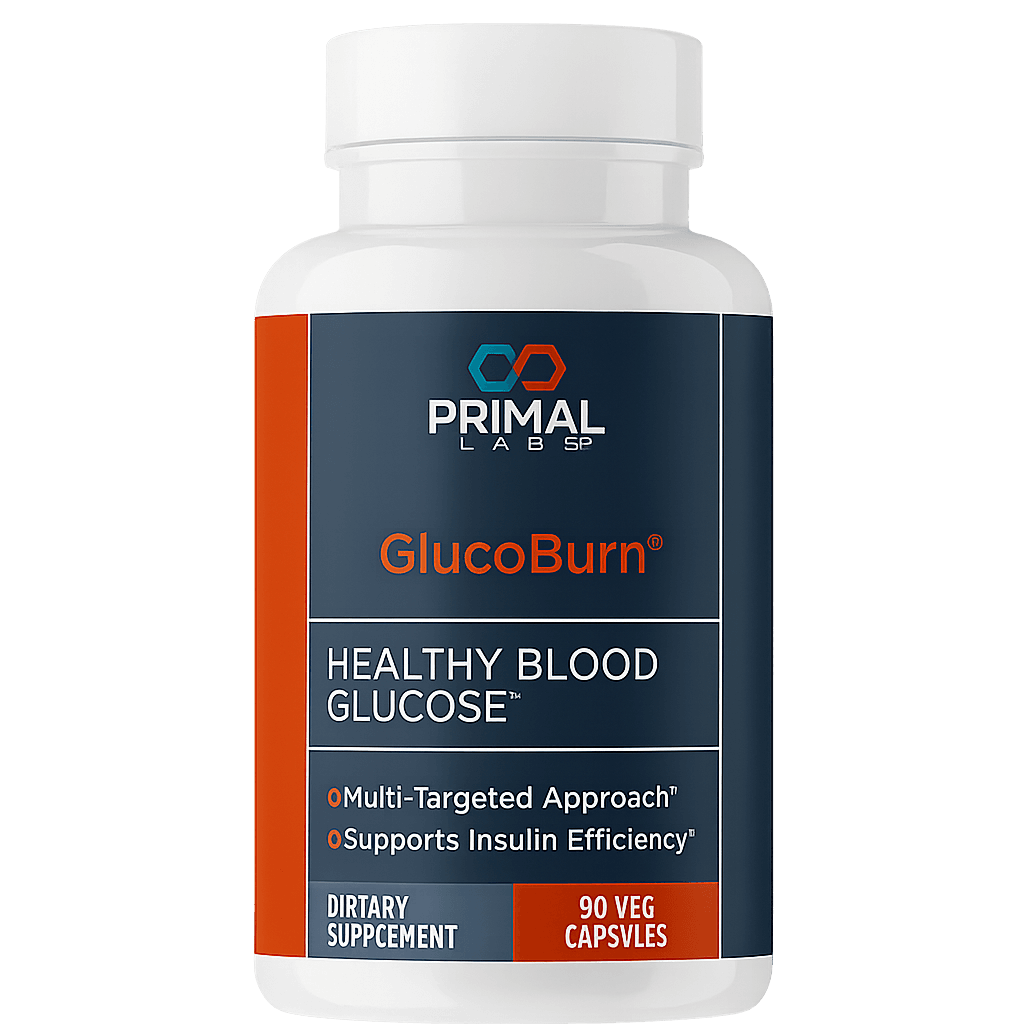
GlucoBurn VSL and Ads Analysis
The video opens not with a product claim or a statistic, but with a death of identity: a grandfather who was present one day and absent the next, staring at his own family as though they were stran…
8,226+
Videos & Ads
+50-100
Fresh Daily
$29.90
Per Month
Full Access
12.5 TB database · 72+ niches · 28 min read
Introduction
The video opens not with a product claim or a statistic, but with a death of identity: a grandfather who was present one day and absent the next, staring at his own family as though they were strangers. Before GlucoBurn has been named, before any ingredient has been mentioned, the viewer has already been placed inside a caregiver's worst nightmare. This is a deliberate and sophisticated opening move; one that reveals a great deal about how the marketers behind this VSL understand their audience, what that audience fears, and how far the pitch is willing to go to convert fear into a click. Analyzing this letter carefully means holding two things in view at once: the genuine emotional truth it activates, and the rhetorical machinery it uses to steer that emotion toward a purchase.
GlucoBurn is a blood sugar support product marketed primarily through a short-form video sales letter (VSL) built around a family caregiver's story. The product itself is presented as secondary, almost incidental, to the emotional narrative and the proprietary mechanism it introduces. What the VSL is really selling, at least in this opening funnel stage, is a free presentation by a named researcher, Dr. Marlene Merritt, who supposedly reveals the hidden biological cause of uncontrolled blood sugar and the natural method to stop it. The product name surfaces only through that broader brand ecosystem, and the VSL functions less as a product pitch than as a gateway into a longer conversion sequence.
The health supplement market for blood sugar management is enormous and intensely competitive. The CDC estimates that more than 37 million Americans have diabetes and an additional 96 million have prediabetes, the vast majority of the latter group undiagnosed. That pool of anxious, often under-served consumers represents exactly the audience this VSL is designed to reach: people who have either been told their numbers are 'a little high,' or who are watching a parent deteriorate and feel that the conventional medical system has failed them. Into that emotional gap, the VSL inserts a new villain (the liver's internal sugar production), a named hero (Dr. Merritt), and an implicit savior (the product waiting on the other side of the presentation).
The central question this analysis investigates is not whether GlucoBurn works, that requires clinical data that a short VSL cannot provide, but rather how the letter is built: what persuasive architecture it deploys, what scientific claims it makes and whether they hold up to scrutiny, who the authority figure invoked actually is, and what a prospective buyer should understand before deciding whether to watch the next presentation or walk away.
What Is GlucoBurn?
GlucoBurn is marketed as a dietary supplement targeting blood sugar regulation and metabolic health. Based on the VSL transcript, the product's precise formulation, its specific ingredients, dosage, and delivery format, is not disclosed at this funnel stage. The VSL functions as a pre-sell or bridge page, directing viewers toward a longer free presentation where those details are presumably revealed. This two-step funnel structure is common in the health supplement direct-response space: a short emotional hook draws the click, and the full product pitch and order form live downstream.
The product is positioned in the blood sugar support subcategory, a crowded market that includes brands like Berberine-based supplements, Glucofort, GlucoTrust, and dozens of similar offerings. What distinguishes GlucoBurn's positioning. At least in this VSL. Is its framing around a specific physiological mechanism: hepatic glucose overproduction, described colloquially as the 'internal sugar factory.' Rather than positioning the product as a general glucose-lowering agent, the marketing frames it as a precision intervention against a specific, largely ignored root cause. The stated target user is an adult managing blood sugar instability, or a caregiver for an aging parent dealing with diabetes-related cognitive decline; someone who has tried conventional approaches and feels they have not addressed the underlying problem.
The brand's primary named authority is Dr. Marlene Merritt, a figure with a public presence in the alternative and functional medicine media space. She is associated with the Smarter Nutrition brand and has produced numerous health presentations for the direct-response market. Her involvement gives the brand a named, credentialed face, a significant asset in a category where faceless supplement companies struggle to build trust with a skeptical buyer.
The Problem It Targets
The VSL builds its problem frame around two interlocking fears: the physical danger of uncontrolled blood sugar and the psychological terror of watching a loved one lose their cognitive identity. These are not constructed fears, they reflect a real and well-documented public health reality. The CDC's National Diabetes Statistics Report documents the connection between poorly managed type 2 diabetes and accelerated cognitive decline, including increased risk of Alzheimer's disease and vascular dementia. Research published in the journal Diabetologia has described bidirectional relationships between insulin resistance and neurodegeneration, meaning the emotional scenario the VSL depicts, blood sugar crisis cascading into dementia, is medically coherent, not fabricated.
What the VSL does with this real problem is amplify its speed and inevitability: 'zero to 100 before you even realize what's happening.' This framing serves a specific persuasive function. It collapses the reader's sense of available time, making the gap between current state and catastrophe feel vanishingly small. The grandfather's sudden hospitalization after a single banana smoothie functions as a concrete, vivid illustration of that collapse. Dietitians and endocrinologists would note that a single smoothie does not trigger acute cognitive failure in most diabetes patients, the episode likely reflects a pre-existing and severe condition, but the anecdote's emotional logic is tight enough that most viewers will not pause to interrogate the mechanism.
The second layer of the problem frame is the indictment of conventional medicine. 'Doctors acted like this was normal, like we should just accept watching him disappear.' This is a well-worn but effective move in alternative health marketing: it positions the medical establishment not as adversarial but as passive and inadequate, creating a vacuum that the alternative solution can fill. It speaks directly to a segment of the target audience that has experienced real frustration with the pace and personalization of conventional diabetes care, a frustration that surveys of diabetes patients consistently validate. The American Diabetes Association's own research has documented significant gaps in patient-reported satisfaction with chronic disease management, giving this claim an emotional anchor in lived experience even when it overstates the systemic indifference of individual clinicians.
The third and arguably most commercially important problem the VSL identifies is the hidden mechanism: the liver's autonomous glucose production. This is the pivot point of the entire pitch. By redefining the cause of blood sugar instability from 'too much dietary sugar' to 'an internal biological process you cannot control through diet alone,' the VSL simultaneously absolves the audience of blame and renders their existing tools. Dieting, carb restriction, standard medications. Inadequate. This is a textbook example of what direct-response copywriters call a new mechanism: a reframe of the root cause that makes existing solutions obsolete and creates demand for a novel intervention.
How GlucoBurn Works
The physiological claim at the center of the VSL; that the liver overproduces glucose internally, independent of diet, and that this process is the hidden driver of blood sugar instability, is not pseudoscience. It describes, in simplified form, a real metabolic phenomenon called hepatic glucose overproduction (HGO), or more precisely, dysregulated hepatic gluconeogenesis. In healthy metabolism, the liver produces glucose between meals to maintain blood sugar levels; in type 2 diabetes, this process becomes poorly regulated and continues even when blood glucose is already elevated. Research published in Diabetes Care and in foundational work by researchers like Gerald Shulman at Yale has documented this mechanism extensively. Metformin, the most commonly prescribed diabetes drug in the world, works partly by suppressing hepatic glucose output. So the underlying biology the VSL references is real.
Where the VSL departs from established science is in the framing of this mechanism as a 'hidden cause' that 'conventional medicine ignores.' Hepatic glucose overproduction is not hidden, it is a well-characterized feature of type 2 diabetes taught in every medical school and targeted by first-line pharmacotherapy. The rhetorical move is to present known science as suppressed knowledge, which simultaneously signals insider expertise and manufactures distrust of the establishment. This is a classic move in what Eugene Schwartz would call a Stage 4 or Stage 5 market: an audience so saturated with supplement pitches that a direct product claim no longer converts, requiring instead a new mechanism story that makes the audience feel they have discovered something others haven't.
The VSL claims the solution is a 'targeted approach that addresses what's really happening', natural, free of extreme restrictions, free of dangerous medications. At this funnel stage, the specific mechanism by which GlucoBurn claims to reduce hepatic glucose output is not disclosed. The free presentation, and presumably the product page, would contain those details. Based on the broader Dr. Marlene Merritt brand ecosystem and comparable products in this space, the formulation likely includes compounds with at least some evidence for glycemic benefit, berberine, chromium, cinnamon extract, bitter melon, or similar botanicals, but without reviewing the actual product label, that assessment is speculative. The gap between 'the biology is real' and 'this specific product addresses that biology' is precisely where skeptical scrutiny belongs.
The promise of a complete reversal, the grandfather returning 'fully,' sharp and present, implies more than blood sugar stabilization. It implies reversal of dementia, which is an extraordinary clinical claim. While some research has investigated whether improved metabolic control can slow cognitive decline in early-stage cases, no peer-reviewed evidence supports the claim that a dietary supplement can restore cognitive function in a patient who has lost the ability to recognize family members. That gap between the narrative outcome and what the science supports is the most significant credibility concern in this VSL.
Curious how other VSLs in this niche structure their pitch? Keep reading. The psychology section below breaks down the persuasion mechanics behind every claim above.
Key Ingredients / Components
Because this VSL functions as a pre-sell rather than a product page, specific ingredients are not named in the transcript. The following assessment is based on the product category, the named authority figure's publicly associated formulations, and standard compositions in the hepatic blood sugar support segment. Any buyer should verify the actual label before purchase.
Berberine. A plant alkaloid found in goldenseal and barberry, berberine has one of the strongest evidence bases among natural compounds for blood glucose management. Multiple meta-analyses, including one published in the Journal of Ethnopharmacology (Dong et al., 2012), have found berberine comparable to metformin in reducing fasting glucose and HbA1c in type 2 diabetic patients. Critically, one of berberine's primary mechanisms is suppression of hepatic gluconeogenesis; directly relevant to the VSL's central claim about the liver's internal sugar production.
Chromium Picolinate, An essential trace mineral that enhances insulin sensitivity by improving insulin receptor signaling. The VSL implies a mechanism of restoring cellular insulin responsiveness; chromium is among the most commonly included nutrients for this purpose. Evidence is moderate: a review in Diabetes Technology & Therapeutics (2006) found meaningful reductions in fasting glucose with chromium supplementation in insulin-resistant individuals, though effect sizes vary.
Cinnamon Extract (Cinnamomum cassia or verum), Standardized cinnamon extracts have shown modest glycemic benefits in clinical trials, with a frequently cited study in Diabetes Care (Khan et al., 2003) reporting significant reductions in fasting blood glucose among type 2 diabetics. The mechanism is thought to involve improved insulin receptor function and slowed gastric emptying. Effect sizes are real but modest, and results across studies are inconsistent.
Bitter Melon (Momordica charantia), A traditional botanical used across South Asian and Caribbean medicine for blood sugar management. Bitter melon contains compounds (charantin, polypeptide-p) that mimic insulin action. Clinical evidence remains mixed; while some trials show glycemic benefit, a Cochrane-style systematic review would find insufficient evidence for a definitive conclusion. The VSL's target audience, which likely skews toward users of alternative and traditional medicine, will recognize bitter melon favorably.
Alpha-Lipoic Acid (ALA), An antioxidant with evidence for reducing oxidative stress associated with diabetic neuropathy and improving insulin-mediated glucose uptake. Research published in Diabetes Care has supported its use in diabetic neuropathy specifically. The cognitive protection angle implicit in the VSL's narrative (reversing dementia alongside blood sugar damage) may be served by ALA's neuroprotective properties, though the clinical extrapolation remains significant.
Hooks and Ad Angles
The opening line of this VSL, 'One day my grandpa was fine. The next, he couldn't remember who we were', operates as a pattern interrupt: a sudden emotional displacement that halts the viewer's default cognitive scrolling behavior and demands full attention. What makes this hook unusually effective is its compression. In nineteen words, it establishes a character (the grandfather), a relationship (family narrator), a before-state (normalcy), and an after-state (cognitive erasure). There is no preamble, no credential, no product name. The emotional stakes are immediate and personal, bypassing the skeptical filter that most supplement advertising now triggers after decades of overcrowded market messaging.
The structure also deploys what copywriters call an open loop: the sudden rupture of the grandfather's identity creates an unresolved tension that the viewer's brain is compelled to close. How did this happen? What came next? Can it be reversed? The entire VSL is an answer to these three implicit questions, and the call to action, watch the free presentation. Is positioned as the final answer to the third. This is a textbook application of the Zeigarnik effect, the well-documented psychological phenomenon (Zeigarnik, 1927) whereby unfinished narratives are remembered and pursued more intensely than completed ones. The hook opens the loop; the CTA closes it, but only after a click.
The caregiver guilt insertion. 'I thought being kind would help. Instead, I nearly killed him'; represents a second major hook embedded mid-narrative. It targets a psychographic that the primary hook may not have fully captured: the family member who has been actively managing a loved one's condition and has made errors. This person carries a specific flavor of anxiety, not the general fear of the disease, but the specific shame of well-intentioned harm. The VSL converts that shame into urgency: the reason for the mistake was not the caregiver's fault, but their ignorance of the hidden mechanism. The product corrects the knowledge gap and, implicitly, absolves the guilt.
Secondary hooks observed in the VSL:
- 'It goes from zero to 100 before you even realize what's happening', speed and inevitability framing
- 'His liver was producing massive amounts of sugar internally', the hidden villain reveal
- 'Doctors acted like this was normal', anti-establishment credibility bridge
- 'He came back, fully. My grandpa is healthy again', proof-of-concept and hope anchor
- 'You might not get another chance', urgency and mortality frame
Ad headline variations for Meta or YouTube testing:
- 'Your liver may be making blood sugar right now, and your doctor hasn't told you'
- 'The banana smoothie that nearly killed my grandfather (and what we learned)'
- 'Doctors said to accept it. We found another way. And he came back fully'
- 'This hidden liver process may explain why blood sugar is so hard to control'
- 'One family's story: from ambulance call to fully recovered. What changed everything'
Psychological Triggers and Persuasion Tactics
The persuasive architecture of this VSL is built on a stacked sequence rather than a parallel deployment of triggers; each emotional layer compounds the previous one before introducing a new mechanism. The letter opens by depositing fear and grief (the grandfather's collapse), then amplifies personal responsibility and guilt (the banana smoothie incident), then converts both into righteous anger at an inadequate system (the doctors' dismissiveness), then delivers relief through discovery (the hidden mechanism found), then closes with hope and urgency (the free presentation, the time pressure). This is not a simple Problem-Agitate-Solution (PAS) structure, it is a more sophisticated arc that moves through five distinct emotional registers in approximately 280 words, a compression ratio that reflects professional-level direct-response craft.
The villain construction deserves particular attention. The VSL's false enemy is not the disease itself, not the patient's lifestyle, and not even the doctors, it is a hidden internal mechanism that no one has previously named for the audience. This move, which Russell Brunson describes in the context of his 'secret enemy' framework, performs multiple functions simultaneously: it removes blame from the viewer (or their loved one), it delegitimizes existing solutions, and it creates intellectual curiosity about the newly named villain. Naming the liver as the 'internal sugar factory' makes an abstract physiological process feel concrete, visible, and, crucially, stoppable.
Pattern interrupt via tragedy opening, Cialdini's contrast principle and Robert Collier's emotional entry point technique. The VSL opens mid-crisis, creating an immediate contrast between the viewer's calm scrolling state and the narrator's catastrophe. Intended effect: immediate emotional capture before the viewer's skeptical filter activates.
Loss aversion and identity erasure, Kahneman & Tversky's Prospect Theory (1979). The grandfather 'looking at his own family like strangers' frames the loss not as health but as personhood. Losses of identity register more acutely than equivalent gains, magnifying perceived stakes. Intended effect: raising the psychological cost of inaction beyond physical risk to existential loss.
Caregiver guilt and cognitive dissonance, Festinger's cognitive dissonance theory. The intended-kindness-turned-harm sequence ('I thought being kind would help. Instead, I nearly killed him') creates a painful gap between the narrator's self-image as a caring person and their actual impact. The product resolves the dissonance: if the real cause was hidden biology, not the banana smoothie, the caregiver is exonerated. Intended effect: emotional relief through product adoption.
Authority transfer via named expert. Cialdini's Authority principle. Dr. Marlene Merritt is introduced by name with implied credentials, lending scientific legitimacy to the mechanism claim. The viewer is not required to verify the credential. The name and title are sufficient to activate the authority heuristic. Intended effect: credibility bypass of the skeptical filter.
False enemy / new mechanism reframe; Brunson's 'Epiphany Bridge' framework and Schwartz's market sophistication levels. Repositioning the cause from diet to hepatic overproduction makes existing solutions obsolete and creates demand for the specific new intervention. Intended effect: desire creation through exclusivity of mechanism.
Scarcity through health urgency, Cialdini's Scarcity principle, applied not to supply but to time and health. 'You might not get another chance' and 'zero to 100' compress the decision window by attaching delay to deterioration, not to offer availability. Intended effect: immediate click rather than deferred consideration.
Miracle testimony as social proof, Thaler's Endowment Effect and Godin's tribal storytelling. The grandfather's complete recovery is presented as the proof of concept, and its miraculous quality ('We got a miracle') frames the outcome as extraordinary but real. The viewer's imagination bridges the gap between the grandfather's result and their own anticipated outcome. Intended effect: desire amplification through vicarious success.
Want to see how these persuasion tactics compare across 50+ VSLs in the health supplement space? That's exactly what Intel Services is built to show you.
Scientific and Authority Signals
The primary authority signal in this VSL is Dr. Marlene Merritt, who is described as having conducted 'research on this hidden cause that conventional medicine ignores.' Merritt is a real person with a public professional presence: she holds a Master of Science in Oriental Medicine and is a licensed acupuncturist and Doctor of Oriental Medicine (DOM), and she has been associated with the Smarter Nutrition brand and its suite of health-related video presentations. She is not an MD, endocrinologist, or PhD researcher in metabolic biochemistry, the credentials most viewers would likely imagine when they hear 'research on this hidden cause.' The VSL does not clarify her credential type, which allows the listener to project a more conventionally scientific authority onto her than she formally holds. This is what might be called borrowed authority: a real person with real credentials in an adjacent field, positioned in language that implies a specialty they do not formally hold.
The claim that hepatic glucose overproduction is a 'hidden cause that conventional medicine ignores' conflates legitimate alternative framing with a factual misrepresentation. As noted in the mechanism section above, hepatic gluconeogenesis dysregulation is a well-documented, actively treated aspect of type 2 diabetes in mainstream medicine. The framing as hidden or ignored is rhetorically useful but factually inaccurate, it implies suppression where the reality is simply that patient-facing communication about complex metabolic processes is often inadequate. There is a meaningful difference between 'doctors don't explain this to patients clearly' and 'doctors are unaware of and ignore this mechanism,' and the VSL leans on the second framing without justification.
No peer-reviewed studies are cited by name in this VSL. No institutions, hospitals, or universities are invoked. The only scientific anchor is the mechanism description itself, the liver producing sugar internally, which, as analyzed, maps onto real biology but is presented in a rhetorical context designed to make established science feel like suppressed discovery. For a consumer trying to assess scientific credibility, the absence of any named study is a meaningful signal. The research ecosystem around hepatic glucose overproduction is robust; the fact that the VSL does not cite any of it suggests the connection between named science and the specific product formulation has not been established at a level the marketers feel comfortable citing directly.
The claim that the grandfather's dementia was fully reversed represents the most scientifically extravagant assertion in the letter. While emerging research, including work published in Alzheimer's & Dementia. Continues to investigate the relationship between metabolic health and cognitive decline, no current evidence base supports the claim that a dietary supplement can fully restore cognitive function in a patient presenting with dementia-level symptoms. The narrative is emotionally real; the clinical extrapolation is not.
The Offer, Pricing, and Risk Reversal
At this funnel stage. The pre-sell VSL; no price, guarantee, or bonus structure is disclosed. The call to action is to watch a free presentation, which is a standard lead-generation mechanism in the direct-response supplement space. The cost of the initial conversion (the click) is zero, and the risk to the viewer at this stage is only attention, not money. This is a deliberate structural choice: by making the first step free and frictionless, the funnel removes the primary objection barrier, price, at the awareness stage, allowing the emotional and authority work to be done before any purchase decision is required.
The urgency framing in this VSL is purely health-based rather than offer-based, which is a more sophisticated variant of the scarcity tactic. Rather than claiming limited stock or a countdown timer, the letter says the disease itself is the countdown: 'zero to 100 before you realize what's happening' and 'you might not get another chance.' This approach is harder to debunk than inventory scarcity and activates a deeper fear register, the irreversibility of disease progression rather than the loss of a discount. It is also more durable: a timer resets, but a health fear does not expire. For a media buyer running paid traffic, this construction reduces the need for mechanical urgency devices and can sustain conversion rates across longer campaign windows without the viewer feeling manipulated by an obviously recycled countdown.
Pricing, bonuses, and guarantee terms visible on the full product page or order form cannot be analyzed from the VSL transcript alone. Buyers should expect a price anchor (comparing the product price to the cost of medications or doctor visits), a multi-bottle discount structure, and a money-back guarantee of 60 to 90 days, all standard in this category, but those elements are deployed downstream from this transcript.
Who This Is For (and Who It Isn't)
The ideal GlucoBurn buyer, as constructed by this VSL, is not simply someone with elevated blood sugar, it is someone in a state of emotional exhaustion around blood sugar. The letter's opening scenario targets the adult child or spouse managing a parent or partner's diabetes and cognitive decline, not just the patient themselves. This is a psychographically specific move: the caregiver in this position is simultaneously dealing with grief, guilt, helplessness, and institutional frustration, a compound emotional state that makes them highly responsive to a message offering both a new explanation and a restoration of agency. The pitch lands hardest on someone who has been in a waiting room, received a dismissive shrug from a clinician, and gone home to watch a loved one deteriorate despite doing 'everything right.'
The secondary audience is the individual managing their own pre-diabetes or early type 2 diagnosis who is frustrated that dietary changes have not produced the expected results. For this person, the 'hidden cause' mechanism is emotionally validating. It explains their perceived failure without blaming them. And the natural solution framing appeals to someone who is either medication-averse, uninsured, or both. Demographically, both audiences skew 45 and older, with higher representation among women (who disproportionately bear caregiving responsibilities) and communities with elevated rates of type 2 diabetes, including Hispanic, Black, and South Asian Americans.
This product is probably not the right research investment for someone whose blood sugar is well-controlled on existing medication and who is simply seeking general wellness support. It is also not appropriate for someone in acute glycemic crisis; the scenario depicted in the VSL, who needs immediate clinical intervention, not a supplement funnel. The VSL's emotional intensity can make vulnerable caregivers feel that watching a presentation is an urgent medical act, and it is important for those viewers to recognize that distinction. If someone you care for is showing signs of rapid cognitive decline or severe glycemic instability, the appropriate first step is a physician, not a video presentation.
Researching multiple blood sugar supplements and want a structured way to compare them? Intel Services maintains an ongoing library of VSL analyses exactly like this one, keep reading.
Frequently Asked Questions
Q: Is GlucoBurn a scam?
A: There is no definitive public record classifying GlucoBurn as fraudulent. The VSL makes some scientifically overstated claims, particularly regarding reversal of dementia, but the underlying biological mechanism it references (hepatic glucose overproduction) is real and well-documented. Buyers should verify the ingredient list, dosage transparency, and return policy before purchasing, and approach any supplement making dramatic reversal claims with calibrated skepticism.
Q: Does GlucoBurn really work for blood sugar control?
A: This depends heavily on the specific formulation. The VSL does not disclose ingredients, so independent assessment is not possible from the transcript alone. If the product contains evidence-backed compounds like berberine or chromium at clinically relevant doses, there is a plausible mechanism for modest glycemic benefit. No dietary supplement has demonstrated the dramatic cognitive recovery described in the VSL's narrative.
Q: What is the 'internal sugar factory' the GlucoBurn VSL talks about?
A: The term refers to hepatic glucose overproduction, a real metabolic phenomenon in which the liver continues releasing glucose into the bloodstream even when blood sugar is already elevated. This process is dysregulated in type 2 diabetes and is targeted by mainstream medications like metformin. It is not a hidden discovery; it is a well-studied feature of diabetic pathophysiology.
Q: Who is Dr. Marlene Merritt and is she credible?
A: Dr. Marlene Merritt holds a Master of Science in Oriental Medicine and a Doctor of Oriental Medicine (DOM) credential. She is a licensed acupuncturist and a prominent figure in the direct-response health media space, associated with the Smarter Nutrition brand. She is not an MD or a PhD researcher in endocrinology or metabolic disease. Her credentials are real but adjacent to the claims being made in the VSL; viewers should not assume she holds a conventional medical doctorate.
Q: Are there side effects to GlucoBurn?
A: Without a confirmed ingredient list, side effect assessment is speculative. Berberine, a likely component in this category, can cause gastrointestinal discomfort, particularly at higher doses, and may interact with metformin and other diabetes medications. Anyone currently on blood sugar medications should consult a physician before adding any supplement that claims to lower glucose, as combined effects can result in hypoglycemia.
Q: Is GlucoBurn safe for people with diabetes who are already on medication?
A: This is the most important safety question for the target audience. Combining glucose-lowering supplements with prescription medications, particularly insulin or sulfonylureas, carries a real risk of hypoglycemia. The VSL frames the product as safe and natural, but 'natural' does not mean 'without interaction.' A qualified physician or pharmacist should review any supplement against a current medication list before use.
Q: What is hepatic glucose overproduction and can a supplement actually stop it?
A: Hepatic glucose overproduction is the liver's continued release of glucose during periods of already-elevated blood sugar. A regulatory failure characteristic of type 2 diabetes. Berberine has demonstrated the ability to reduce hepatic glucose output in controlled trials, so it is plausible (not proven) that a well-formulated supplement could have a modest effect on this pathway. The claim that a supplement can 'shut down' this process entirely, however, overstates current evidence.
Q: How is GlucoBurn different from other blood sugar supplements?
A: The primary differentiator in GlucoBurn's marketing is its framing around the liver's internal glucose production as a root cause, rather than dietary sugar intake. This is a mechanism-level reframe rather than a formulation-level innovation. Whether the actual ingredients are meaningfully different from competing products cannot be assessed without label review. The named authority figure (Dr. Merritt) and the emotional narrative structure are the main marketing differentiators at the VSL stage.
Final Take
The GlucoBurn VSL is a technically proficient piece of direct-response copy operating in one of the most emotionally charged and commercially saturated niches in health marketing. Its strongest attribute is the emotional precision of its opening: by centering a caregiver's grief rather than a patient's symptoms, the letter reaches an audience that most blood sugar supplement ads miss entirely; the exhausted family member who has been managing someone else's crisis and who is hungry for an explanation that restores their sense of agency. That is a legitimate and underserved audience, and the letter reaches them effectively.
Its weakest attribute is the gap between the biological claims it makes and the outcomes it implies. The hepatic glucose overproduction mechanism is real science; the claim that a dietary supplement can reverse advanced dementia is not. Those two things are presented in the same narrative voice with the same emotional authority, which means viewers who do not have the scientific background to separate them may form expectations the product cannot meet. The absence of any named study, any disclosed ingredient, or any clinical caveat in a letter that depicts a family member being hospitalized is a significant transparency deficit, and it is the element most likely to generate buyer dissatisfaction and refund requests downstream.
For the media buyer or marketer studying this VSL, the most transferable insight is the caregiver guilt hook combined with the institutional betrayal frame. Together, they construct a specific emotional identity, 'I care deeply, I tried everything, the system failed us, and now I've found what actually works', that creates an almost frictionless path to the click. That construction is portable across multiple health niches (cognitive decline, cardiovascular health, weight management) and does not require product-specific claims to function. The mechanism story and the authority figure are the product-specific layers; the emotional architecture underneath is category-agnostic and reusable.
For the consumer researching GlucoBurn before buying, the appropriate posture is informed interest rather than either dismissal or uncritical acceptance. The underlying science is worth understanding. The named authority is worth verifying. The ingredient list, when you can find it, is worth comparing against the published evidence base for each compound. And the implicit promise of cognitive reversal should be held firmly at arm's length until clinical evidence, not a family narrative, supports it. This breakdown is part of Intel Services, our ongoing library of VSL and ad-copy analyses. If you're researching similar blood sugar supplements or exploring how health marketing is built, keep reading.
Disclaimer: This article is for research and educational purposes only. It is not medical, legal, or financial advice, and it is not affiliated with the product or its makers. Always consult a qualified professional before making health or financial decisions.
Source-backed reader context
Additional Reported Experience
These statements were presented in the product's sales transcript. Daily Intel did not independently verify the speakers, purchase status, or reported outcomes, and the statements are not used in Product aggregateRating.
Narrator's grandfather
Date not stated
went from hospital admission with dementia and inability to recognize family to being 'healthy again, sharp, present, living life' after the intervention
Comments(0)
No comments yet. Members, start the conversation below.
Related reads
 reviews
Jocko Greens Review: Does One Scoop Match the Evidence?
Jocko Greens is a one-scoop powder with approximately 30 calories and 9 billion colony-forming units of probiotics per serving. Jocko Fuel also confirms ashwagandha extract and makes a digestive-support claim. The harder question is whether the available research matches this specific formula. It does not match closely enough to establish a finished-product outcome.
Read reviews
NooCube Review: Does the 250 mg Bacopa Dose Match the Research?
NooCube is one of the few nootropics that prints a milligram number next to an ingredient instead of hiding it in a blend. This review takes that one number, 250 mg Bacopa monnieri, and checks it against a real trial that used 300 mg in a very different population, then shows exactly where the comparison breaks down.
Read reviews
Olly Goodbye Stress Review: Label Claims vs. Evidence
OLLY Goodbye Stress combines GABA, L-theanine, and lemon balm extract in a Berry Verbena gummy aimed at occasional stress, not sleep. Here's what the label discloses, what a real L-theanine trial found, and exactly where the evidence stops.
Read