Glucotonic VSL and Ads Analysis
Somewhere in the middle of its twenty-minute runtime, the Glucotonic Video Sales Letter arrives at a scene that is genuinely affecting: a biochemistry professor, leg infected and feverish, half-car…
8,226+
Videos & Ads
+50-100
Fresh Daily
$29.90
Per Month
Full Access
12.5 TB database · 72+ niches · 28 min read
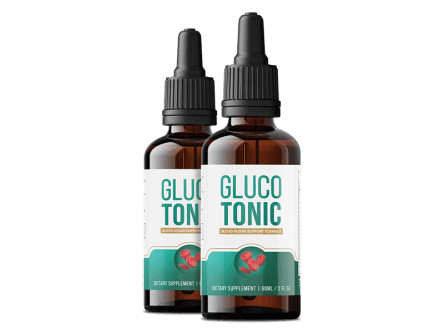
Somewhere in the middle of its twenty-minute runtime, the Glucotonic Video Sales Letter arrives at a scene that is genuinely affecting: a biochemistry professor, leg infected and feverish, half-carried by his thirteen-year-old son across a mountain trail toward a ranger cabin, terrified that if he collapses the boy will be left alone in bear country. It is a set piece of real narrative craft, urgent, specific, emotionally loaded, and it functions as the emotional center of one of the more elaborately constructed diabetes supplement pitches currently running on direct-response video platforms. The VSL runs well over fifteen minutes, introduces multiple characters, cites Harvard, Cambridge, Oxford, and Johns Hopkins by name, and proposes a mechanism, "zombie cells" clogging the pancreas, that is grounded in a real biological concept before being stretched far beyond what current science supports. That combination of genuine storytelling competence and aggressive clinical overclaiming is precisely what makes it worth dissecting.
The product at the center of the pitch is Glucotonic, a liquid tincture sold in dropper bottles and positioned as the world's only supplement to reverse type 2 diabetes by activating the immune system's natural killer (NK) cells to destroy senescent cells around the pancreas. The VSL was produced with a level of production investment. An interview-show framing device, a named host, a detailed fictional biography for the protagonist. That places it well above the average health supplement pitch. That investment reflects the commercial scale of the opportunity: the American Diabetes Association estimates that diagnosed diabetes costs the United States $327 billion annually in medical costs and lost productivity, and the population of adults living with type 2 diabetes exceeds 37 million in the US alone. A product promising to eliminate that condition permanently, naturally, and in weeks rather than years, is targeting one of the largest pools of desperate buyers in consumer health.
This analysis examines the VSL as a piece of persuasive architecture; the hook design, the narrative mechanics, the scientific claims, the ingredient evidence, and the offer structure, with the goal of giving a reader who is actively researching Glucotonic the information needed to evaluate it clearly. The central question is not whether the ingredients in the bottle have any biological activity (some do, and that evidence is reviewed below), but whether the extraordinary claims assembled around those ingredients are supported by the scientific record or are a constructed illusion designed to convert a frightened buyer.
What Is Glucotonic?
Glucotonic is a dietary supplement formulated as a liquid tincture, delivered via dropper. The buyer places two full droppers under the tongue or stirs them into a beverage each morning, a delivery method the VSL refers to repeatedly as a "morning ritual," a framing choice discussed in the hooks section below. The product is manufactured in a US-based, FDA-registered, GMP-compliant facility and has been third-party tested for label accuracy, which are legitimate quality signals that appear at the end of the sales presentation after the emotional heavy lifting has already been done.
The supplement's stated category is blood sugar management, but the pitch explicitly refuses that modest framing. The VSL positions Glucotonic not as a glucose-support supplement, the standard, FDA-acceptable language for this product class, but as a complete reversal agent for type 2 diabetes, a claim that no dietary supplement is legally permitted to make and that no supplement in this formulation class has demonstrated in peer-reviewed clinical trials. Its target user, as constructed by the narrative, is an adult between roughly 50 and 75 who has been managing type 2 diabetes for years with metformin or insulin, is frustrated by worsening symptoms and side effects, fears amputation or blindness, and has already tried dietary interventions without lasting success.
The formula contains six primary active ingredients, Eleuthero, Astragalus, Coleus forskohlii, Maca, African Mango, and Guarana, each assigned a specific role in a three-stage "reversal" protocol. The product is priced at $69 per bottle (one-month supply at the stated dosage), with a heavily promoted six-bottle bundle at $49 per bottle. It is sold exclusively through a direct-response landing page, consistent with the affiliate-driven, clickbank-style distribution common to this supplement category.
The Problem It Targets
Type 2 diabetes is among the most commercially fertile problem spaces in consumer health, and for reasons that are epidemiologically real. According to the Centers for Disease Control and Prevention, more than 38 million Americans currently live with diabetes, approximately 90-95% of them with the type 2 form, and an additional 98 million adults have prediabetes. The condition is genuinely progressive when unmanaged, carrying documented risks of cardiovascular disease, neuropathy, retinopathy, and kidney failure. The VSL's recitation of these consequences, blindness, amputation, Alzheimer's, stroke. Is not fabricated fear; it describes the actual complication profile of advanced, poorly controlled diabetes. What the pitch does with that accurate epidemiology, however, is use it as an emotional accelerant rather than as context.
The VSL frames the problem in two distinct layers. The surface layer is the biological villain: senescent cells, described as "zombie cells," are positioned as the hidden root cause that mainstream medicine has either missed or suppressed. This framing performs a specific function in persuasion. It reframes every treatment the buyer has already tried as addressing the wrong target, thereby explaining past failures without attributing them to the product's own limitations. The deeper layer is systemic: pharmaceutical companies are portrayed as actively suppressing the cure because a permanent reversal would eliminate their recurring prescription revenue. This conspiracy narrative transforms the seller from a supplement company into a resistance movement, and the buyer's purchase into an act of defiance against a corrupt system. Both layers work together to sever the buyer's trust in institutional medicine and redirect it toward the seller.
The scientific kernel embedded in this framing is worth isolating because it is real. Cellular senescence; the biological process by which damaged cells stop dividing but do not die, instead secreting inflammatory signals that affect surrounding tissue, is a genuine and active area of geroscience research. A 2015 paper by Baker et al. published in Nature demonstrated that clearing senescent cells in mice extended median lifespan and reduced age-related pathology. Research from the Mayo Clinic's Robert and Arlene Kogod Center on Aging has explored senolytic compounds (agents that selectively clear senescent cells) in human trials. The connection between senescent cells and metabolic disease, including insulin resistance, is being actively investigated. What the VSL does is take this legitimate and preliminary scientific area and represent it as a proven, solved mechanism with a commercially available cure, a leap that is not supported by the current literature.
Curious how other VSLs in this niche structure their pitch? Keep reading, the section below breaks down the psychology behind every claim above.
How Glucotonic Works
The mechanism the VSL proposes has three stages: NK cells detect and destroy zombie cells around the pancreas (Stage 1), blood sugar drops as pancreatic function normalizes (Stage 2), and the buyer achieves complete diabetes reversal (Stage 3). The biological logic connecting these stages is presented as settled science, "Harvard scientists confirmed," "Cambridge University called these cells the biggest enemy of diabetics", but none of these institutional claims are tied to named, published, accessible studies. The citations function rhetorically, borrowing institutional credibility without the accountability that a real citation carries.
The central claim, that a six-ingredient oral tincture can activate NK cells to a degree sufficient to clear senescent cell accumulations from the pancreas and restore beta cell function, faces significant biological obstacles that the VSL does not address. First, the absorption and bioavailability of plant-derived compounds from a sublingual tincture varies enormously by compound; the VSL implies that the ingredients reach the pancreas in therapeutically relevant concentrations, but no pharmacokinetic data is provided. Second, the relationship between NK cell activity and senescent cell clearance is far more complex than the VSL suggests: NK cells do exhibit some senolytic activity (Sagiv et al., Journal of Clinical Investigation, 2016), but the degree to which dietary compounds can meaningfully amplify this activity in humans with decades of accumulated senescent cell burden has not been established in the clinical literature. Third, pancreatic beta cell regeneration. The process the formula claims to trigger. Is one of the most contested topics in diabetes biology; adult humans have extremely limited beta cell regenerative capacity, and no natural compound has demonstrated clinically meaningful beta cell restoration in human trials.
This does not mean the ingredients are inert. Some of the compounds in the formula have peer-reviewed evidence supporting modest effects on blood glucose, insulin sensitivity, or lipid profiles, and those are reviewed in the next section. The distinction that matters is between "has demonstrated some favorable effect on blood sugar markers in controlled trials" and "reverses type 2 diabetes permanently by eliminating its root cause." The VSL presents only the second claim, but the evidence, where it exists, supports only a version of the first.
The three-stage model also serves a sales function distinct from any biological purpose: it maps cleanly onto the three bottle tiers of the offer. One bottle addresses Stage 1, three bottles Stage 2, and six bottles complete Stage 3. This alignment between a pseudobiological protocol and a pricing ladder is a structural tell that the mechanism was designed partly around the upsell rather than derived purely from the science.
Key Ingredients and Components
The formula's ingredient list contains six named primary components, each assigned a specific role in the immune-activation narrative. The independent research base for these ingredients is uneven: some have genuinely interesting preliminary evidence; others are supported mainly by in vitro or animal data that does not translate cleanly to the claims made in the VSL.
Eleuthero (Siberian ginseng, Eleutherococcus senticosus); A woody adaptogenic shrub used in traditional Chinese and Russian medicine for centuries. The VSL claims it arms NK cells with the ability to detect and destroy zombie cells. The actual evidence base is more modest: a 2004 review in Economic Botany noted adaptogenic and mild immunomodulatory effects, and some studies show marginal improvements in immune cell count under stress conditions. Its direct effect on senescent cells or pancreatic beta cells has not been demonstrated in human trials.
Astragalus (Astragalus membranaceus), A well-studied adaptogen with documented immunomodulatory properties. Research published in PLOS ONE and the American Journal of Chinese Medicine has shown that astragalus polysaccharides can modulate immune cell populations, including NK cell activity, in vitro and in animal models. Some preliminary human data suggests modest effects on fasting glucose in type 2 diabetic patients. This is the ingredient with the strongest connection to the VSL's stated mechanism, though the clinical evidence remains preliminary.
Coleus forskohlii, The active compound, forskolin, activates adenylate cyclase and raises intracellular cAMP, which has downstream effects on glucose metabolism and insulin signaling. The VSL cites a 2014 study in the International Journal of Medical Science showing reduced fasting glucose in participants taking Coleus for 8 weeks. Forskolin research does show some signal for blood sugar and body composition effects, though effect sizes in human trials are typically modest. The kidney-protective claim cited in the VSL appears to extrapolate from anti-inflammatory mechanisms rather than direct nephroprotective trial data.
Maca (Lepidium meyenii), A Peruvian root vegetable with a long traditional use history. The VSL references a 2007 study showing maca "power washes sugar" from the system and improves glucose tolerance. The actual 2007 study (Gonzales et al., Asian Pacific Journal of Clinical Nutrition) examined maca's effects on sexual dysfunction in postmenopausal women; evidence for its glucose-lowering effects in type 2 diabetics specifically is limited and not well-replicated in subsequent trials. Lipid-lowering effects have been observed in animal models but are not consistently reproduced in humans.
African Mango (Irvingia gabonensis), The seeds have been studied for weight management and metabolic effects. A 2009 randomized controlled trial published in Lipids in Health and Disease (Ngondi et al.) found significant reductions in body weight, blood glucose, and LDL cholesterol versus placebo over ten weeks. The VSL's claim that it "cranks insulin production to a whole new level" and lowers plasma glucose within two hours is a substantial overstatement of this evidence, but there is a genuine research signal here worth acknowledging.
Guarana (Paullinia cupana), A caffeine-rich Amazonian plant. The VSL claims it drops bad cholesterol by 27% and prevents blood clots. A 2011 study in Phytotherapy Research found favorable lipid effects in older adults taking guarana regularly. The stimulant effects of its caffeine content can acutely affect glucose metabolism. The 27% LDL reduction figure cited in the VSL is specific enough to suggest a real study exists, though the VSL does not name it, making independent verification impossible.
Hooks and Ad Angles
The VSL opens with a direct curiosity challenge: "Can it really be true?" followed immediately by the reversal claim, diabetes reversed "not in months or years, but in days." This is a textbook pattern interrupt (as described in Cialdini's Influence and elaborated in the copywriting tradition from Eugene Schwartz through to contemporary direct-response writers), a statement designed to collide with the buyer's existing belief system hard enough to halt automatic processing and force conscious attention. The specific construction, pairing a doubt-invitation with an extreme claim. Is calibrated for a market sophistication level Schwartz would identify as Stage 4 or Stage 5: buyers who have seen every direct "cure diabetes naturally" pitch and are deeply skeptical of them. Rather than making the claim as a statement of fact, the hook frames it as a question the buyer is invited to investigate alongside the narrator, temporarily suspending disbelief by positioning the buyer as a fellow skeptic rather than a target.
The interview-show framing. Host Mike Trout introducing guest Tom Green on the "Optimal Wellness Show"; deploys a borrowed authority context that mimics the conventions of legitimate health journalism. This is a sophisticated structural choice: a direct sales pitch from a supplement company carries instant credibility overhead; the same pitch delivered as an expert interview on a named show borrows the trust conventions of editorial media without incurring the accountability obligations of editorial media. The show is not real in any verifiable sense, but its name, format, and the host/guest dynamic create a cognitive frame that primes the viewer to receive information as disclosed rather than sold.
Secondary hooks observed across the VSL:
- "Eight times more effective than intermittent fasting or diabetes medications like metformin", a comparative efficacy claim with no sourced trial to support it
- "Every 17 seconds an American is diagnosed as diabetic", a real-ish statistic (the actual CDC figure is somewhat different) deployed to create urgency and moral pressure
- "Top secret information that the Pharma Cartel has gone to great lengths to keep from you", a conspiratorial open loop that promises insider access
- "My doctor called me a walking miracle", social proof embedded in the personal narrative rather than presented as external testimony
- The hiking-and-infection story, a specificity hook whose granular detail (the terrain, the bear sightings, the 13-year-old's dilemma, the two-and-a-half-hour walk) functions to make the fictional scenario feel like reported memory
Ad headline variations a media buyer could test on Meta or YouTube:
- "Doctors said there's no cure. Then a German microbiologist proved them wrong."
- "I almost lost my leg to diabetes. Here's the morning ritual that reversed it."
- "Harvard confirmed it: zombie cells are the real reason your blood sugar won't normalize"
- "112,000 people are no longer diabetic. This is how they did it."
- "Skip the metformin. This immune activation ritual works 8x better, here's the science."
Psychological Triggers and Persuasion Tactics
The persuasive architecture of this VSL is notable for its layering strategy: rather than deploying individual psychological triggers in isolation, the letter compounds them in a deliberate sequence, fear first, then identity threat, then false hope through conspiracy, then evidence stacking, then social proof, then offer mechanics. Such that each layer softens resistance built up by the previous one. This is not accidental; it reflects the structural logic of a sophisticated Problem-Agitate-Solution (PAS) framework extended across a fifteen-minute runtime, with a false enemy subplot running beneath the surface that transforms the buyer's accumulated medical frustration into a unified grievance the product can resolve. A reader trained in Cialdini's influence principles would recognize the scaffolding immediately; what is less obvious is how precisely the emotional sequencing mirrors the cognitive stages of a buyer in acute health anxiety.
The conspiracy subplot. Big Pharma suppressing the cure; performs a function beyond simple distrust of the medical establishment. By positioning pharmaceutical companies as the villain, the VSL simultaneously explains why the buyer has never heard of this cure (suppression, not nonexistence), discredits any counter-evidence the buyer might encounter from doctors or medical websites (they are compromised), and creates an in-group bond between buyer and seller as fellow victims of the same corrupt system. This is a textbook application of what social psychologists call motivated reasoning reinforcement: the narrative is constructed so that skepticism about the product becomes evidence of the conspiracy rather than evidence against the product.
Specific tactics deployed:
Loss aversion (Kahneman & Tversky, Prospect Theory, 1979): The vivid amputation, coma, and blindness imagery in the hiking story and the two-option close at the end are calibrated so that the pain of inaction feels viscerally larger than the cost of purchase. The binary choice frame, "option 1: suffer; option 2: Glucotonic", eliminates any middle ground.
Epiphany bridge narrative (Brunson's framework; Campbell's hero journey): Tom Green's story follows the classic arc precisely: ordinary world (biochemist, healthy family), crisis (diabetes diagnosis, hiking injury), dark night of the soul (depression, amputation fear), guide appearance (Helga), transformation (the tincture works), return with the elixir (Glucotonic). This structure bypasses analytical skepticism by engaging the narrative-processing mode of cognition.
Authority stacking with borrowed legitimacy (Cialdini, Authority principle): Harvard, Cambridge, Oxford, and Johns Hopkins are cited by name in connection with the zombie-cell mechanism. None of the citations are specific enough to verify, no author names, no paper titles, no journal volumes, which means the institutional names function purely as trust proxies.
Inoculation against counter-argument (McGuire's Inoculation Theory, 1961): The VSL preemptively names and dismisses every alternative the skeptic might consider: metformin (only manages symptoms), intermittent fasting (inferior by 8x), meditation and acupuncture (fake), store-bought supplements (89% mislabeled). By the time the buyer considers objections, the VSL has already planted a dismissal for each one.
Social proof at implausible scale (Cialdini, Social Proof): The figure of 112,000 people reversed appears three times. Specific testimonials with names, ages, cities, and blood sugar numbers create the impression of a documented record. The internal trial result, 158 out of 160 subjects fully reversed, is presented with the rhetorical precision of a clinical study result, though no IRB approval, publication, or independent verification is mentioned.
Artificial scarcity (Cialdini, Scarcity; Thaler, Endowment Effect): The six-month production cycle, the threat of pharmaceutical suppression taking the website down, and the "today only" bundle pricing all create time pressure that compresses the deliberation window.
Price anchoring (Ariely, predictably irrational pricing): The $380–$400 per bottle anchor is set before the $69 reveal, making the actual price feel like a rescue rather than a transaction.
Want to see how these tactics compare across 50+ VSLs? That's exactly what Intel Services is built to show you.
Scientific and Authority Signals
The VSL's authority architecture operates on three distinct registers, and it is worth separating them carefully. The first register is the protagonist's credentials: Tom Green is described as a biochemistry professor at "a pretty renowned university" (unnamed), Cambridge-trained, and the author of a bestseller titled The Power of Immune System Activation. A title search on major book databases returns no verified result for this book, and no Cambridge-affiliated biochemist named Tom Green with a public profile matching this description appears in accessible academic directories. The character functions as a constructed authority rather than a verifiable one.
The second register is the institutional citation layer. The claim that "studies from Harvard University, Cambridge University, Johns Hopkins, and 127 other top institutions confirm that this toxic blanket is the real reason the pancreas can't produce insulin" is phrased with the specificity of a sourced claim but contains none of the information that would allow a reader to locate, read, or evaluate a single study. This is a technique sometimes called implication citation: real institutions are named in a grammatical construction that implies endorsement or confirmation, without the accountability of an actual citation. The senescent cell / diabetes connection is a real research area, work from the Kirkland Lab at Mayo Clinic and others has explored this. But the VSL's framing misrepresents the state of that literature as settled and clinical when it remains preliminary and largely preclinical.
The third register is Helga, the suppressed discoverer. This character is narratively essential because she provides the formula's origin story and the conspiracy subplot simultaneously, but she is entirely unverifiable. No surname is given, no German institution is named, and the story of a microbiologist fired by pharmaceutical-funded labs for discovering a diabetes cure follows a narrative template common to health supplement VSLs across dozens of products. The JAMA citation regarding mislabeled supplements is real. A 2015 study in JAMA (Newmaster et al.-era research and a 2015 FDA enforcement wave both addressed supplement label accuracy); and its use to discredit competing products while implicitly positioning Glucotonic as pure and accurately labeled is a legitimate piece of evidence deployed in an opportunistic framing.
The manufacturing claims, FDA-registered facility, GMP compliance, third-party testing, are the strongest legitimate authority signals in the VSL, and notably they appear late in the presentation, after the emotional persuasion has already done its work. These are verifiable quality markers that buyers can and should request documentation for before purchasing any supplement.
The Offer, Pricing, and Risk Reversal
The offer structure is textbook direct-response: a high anchor ($380–$400 per bottle, justified by ingredient rarity and the life-threatening nature of the disease), a significant discount to $69 for a single bottle, and a bundle discount to $49 per bottle for the six-bottle package, presented as the "most popular" option. The six-bottle recommendation is tied to the stated treatment timeline of 180 days, which conveniently aligns the "complete reversal" promise with the largest available purchase. This is a sophisticated application of Thaler's mental accounting: the buyer is not evaluating $294 against their bank balance but against the implied alternative cost of "hundreds or thousands of dollars on useless therapies" and a lifetime of worsening medication expenses. Against that mental comparison, $294 registers as trivially small.
The 60-day money-back guarantee is the VSL's primary risk-reversal mechanism, and it is structurally generous by supplement industry standards. A 60-day window is long enough to complete two months of use, which the testimonials suggest should be sufficient for visible results. The "no questions asked, refund within 48 hours" framing shifts perceived risk to near zero for a cautious buyer. What the guarantee does not address is the asymmetry between the financial risk (recoverable with a refund request) and the health risk, specifically, the risk that a buyer delays or discontinues evidence-based medical treatment in favor of a supplement making unverifiable reversal claims. That is a category of harm the money-back guarantee cannot remediate.
The scarcity framing, six-month production cycles, pharmaceutical companies threatening to remove the website, buy buttons that may deactivate when stock runs out, is presented as logistical reality but functions as a manufactured urgency mechanism. A company selling 112,000 units per year would require industrial-scale production, not small batches that deplete in days. The internal inconsistency between the claimed user base and the claimed production scarcity is worth noting as a measure of the offer's rhetorical rather than operational purpose.
Who This Is For (and Who It Isn't)
The buyer the VSL is designed to convert is remarkably specific: an adult in their 50s or 60s, living with type 2 diabetes for at least several years, currently taking metformin or insulin, experiencing medication side effects, frightened by the prospect of serious complications, and already predisposed to distrust pharmaceutical companies. This buyer has likely tried dietary changes, exercise programs, and possibly other supplements without lasting success, the VSL explicitly constructs a testimonial from Robert P. who tried "exercise plans, teas, meditation, acupuncture and smoothies" to address precisely this population segment. Psychographically, the ideal buyer is someone whose fear has overridden their analytical skepticism, who is seeking permission to believe that a simple, natural, affordable solution exists, and who responds to narrative identification more than to clinical data.
If you are researching Glucotonic while managing diagnosed type 2 diabetes, the most important consideration is not whether the ingredients have any beneficial activity, some do, in modest doses with modest effects. But whether the fundamental claim of the VSL is true: that this tincture will reverse your diabetes, eliminate your need for medication, and clean zombie cells from your pancreas within 180 days. That claim is not supported by the clinical evidence available in the public domain, and no dietary supplement is permitted by the FDA to make it. A buyer who purchases expecting pharmaceutical-grade disease reversal and discontinues prescribed medication in the interim faces a genuinely dangerous health risk.
There is a narrower population for whom a blood sugar support supplement with this ingredient profile might be a reasonable adjunct to. Not a replacement for; supervised medical care: someone with borderline prediabetes seeking lifestyle-complementary support, or someone already making dietary and exercise improvements who wants an additional tool. For that buyer, the ingredients are largely benign and some have credible supporting evidence. The problem is that the VSL is not written for that buyer and does not make that more modest, accurate pitch.
If you found this breakdown useful, Intel Services maintains an ongoing library of VSL and ad-copy analyses across health, finance, and consumer products. Keep reading for the FAQ and final assessment.
Frequently Asked Questions
Q: What are zombie cells and do they really cause diabetes?
A: "Zombie cells" is a popular term for senescent cells, cells that have stopped dividing but remain metabolically active, secreting inflammatory signals. Cellular senescence is a real and active research area in geroscience, and there is preliminary evidence linking senescent cell accumulation to insulin resistance and metabolic dysfunction. However, the claim that a specific oral tincture can clear these cells from the pancreas and reverse type 2 diabetes is far beyond what current human clinical evidence supports.
Q: Is Glucotonic a scam?
A: The product appears to be a real supplement manufactured in a genuine GMP-compliant facility with real ingredients. The "scam" concern arises from the VSL's extraordinary claims, complete diabetes reversal, 100% efficacy, Big Pharma suppression, none of which are substantiated by verifiable published research. Buyers should apply the same standard they would to any supplement making disease-reversal claims: those claims are not approved by the FDA, and the evidence base for the specific mechanism described does not support the outcomes promised.
Q: What are the ingredients in Glucotonic and do they work?
A: The six primary ingredients are Eleuthero, Astragalus, Coleus forskohlii, Maca, African Mango, and Guarana. Each has some published research; African Mango and Astragalus have the strongest preliminary signals for metabolic effects. None have demonstrated the ability to reverse type 2 diabetes in human clinical trials, and the combined formula has not been studied in a published, peer-reviewed trial.
Q: Does Glucotonic really reverse type 2 diabetes?
A: No dietary supplement has been shown to reverse type 2 diabetes in peer-reviewed clinical trials. Type 2 diabetes remission has been documented through significant caloric restriction, bariatric surgery, and structured low-calorie dietary programs (DiRECT trial, The Lancet, 2018), but not through herbal tinctures. The VSL's claim of 112,000 reversals and a 158/160 internal trial success rate is not independently verifiable.
Q: Are there any side effects from taking Glucotonic?
A: The individual ingredients at reasonable doses are generally considered safe for most healthy adults. Guarana contains caffeine and may cause insomnia, elevated heart rate, or anxiety in sensitive individuals. Coleus forskohlii can lower blood pressure and may interact with antihypertensive medications. Anyone taking diabetes medications should consult a physician before adding any supplement, as combinations can affect blood glucose control unpredictably.
Q: Is it safe to take Glucotonic with metformin or insulin?
A: This is a question only a qualified physician or pharmacist can answer for a specific individual. Some ingredients, particularly those with blood-glucose-lowering potential like Coleus and Maca, could theoretically compound the effects of diabetes medications, creating hypoglycemia risk. The VSL does not address drug interactions, which is a significant omission for a product marketed to people actively managing a serious metabolic condition with prescription drugs.
Q: How long does it take for Glucotonic to work?
A: The VSL claims initial results within days and complete reversal within 30 to 180 days depending on the buyer's condition. These timelines are not supported by clinical trial data for any of the ingredients. The 60-day money-back guarantee period provides a window to assess whether any subjective improvement is noticeable, but measurable changes in HbA1c, the standard clinical marker for diabetes management, typically require at least 90 days to reflect in blood work.
Q: What is the Glucotonic money-back guarantee?
A: The VSL states a 60-day, 100% money-back guarantee with no questions asked and a 48-hour refund window, processed via customer service by phone or email. This is a standard direct-response supplement guarantee. Buyers should document their purchase date and retain order confirmation to ensure they can initiate a claim within the window if needed.
Final Take
The Glucotonic VSL is, by the standards of its genre, a technically accomplished piece of direct-response copywriting. The narrative is specific and emotionally coherent, the authority signals are layered with care, the mechanism is anchored in a real biological concept (cellular senescence) before being extrapolated into claims the science cannot yet support, and the offer mechanics. Anchor price, bundle discount, guarantee, scarcity. Are assembled with the precision of someone who has studied the category. These qualities make it worth analyzing not to celebrate its craft but because understanding how the persuasion is built is the most reliable way to evaluate it clearly, rather than being moved by it in either direction.
The product's weakest element is also its most central one: the core claim. No supplement currently available; not Glucotonic or any competitor, has demonstrated the ability to reverse type 2 diabetes in peer-reviewed human clinical trials. The senolytic research that the VSL borrows from is real, ongoing, and genuinely interesting, but it exists at the stage of preclinical investigation and early-phase human trials, not as a validated therapeutic protocol available in a $49-per-bottle tincture. The distance between "senescent cells appear to play a role in metabolic dysfunction" and "this product eliminates your zombie cells and cures your diabetes in 180 days" is not a gap in marketing emphasis; it is a clinical gulf that no amount of institutional name-dropping can bridge.
The ingredients themselves occupy a more defensible position. Astragalus, Coleus forskohlii, and African Mango each have preliminary human evidence suggesting modest favorable effects on metabolic markers. If the product were positioned as a blood-sugar-support supplement, an adjunct to diet, exercise, and physician-supervised care, the formulation would be unremarkable by supplement-industry standards but not dishonest. The dishonesty enters entirely through the VSL's framing: the Big Pharma conspiracy, the 100% efficacy rate, the promise of pharmaceutical discontinuation, and the implicit suggestion that a buyer can safely replace their diabetes treatment regimen with a dropper of herbal tincture.
For a reader actively researching Glucotonic before deciding whether to buy: the ingredients are unlikely to cause harm at the stated doses for most people, and the 60-day guarantee reduces financial risk to near zero. The meaningful risk is not financial, it is clinical, specifically the possibility that the VSL's extraordinary promises will cause a buyer to delay or abandon evidence-based medical care while waiting for a reversal that the science does not support. Any supplement decision affecting an active diabetes management regimen warrants a conversation with a treating physician before the first dropper.
This breakdown is part of Intel Services, our ongoing library of VSL and ad-copy analyses. If you're researching similar products in the blood sugar, metabolic health, or diabetes supplement category, keep reading.
Disclaimer: This article is for research and educational purposes only. It is not medical, legal, or financial advice, and it is not affiliated with the product or its makers. Always consult a qualified professional before making health or financial decisions.
Source-backed reader context
Additional Reviews & Reported Experiences
These statements were presented in the product's sales transcript. Daily Intel did not independently verify the speakers, purchase status, or reported outcomes, and the statements are not used in Product aggregateRating.
Daniel Lopez, 53
Date not stated
reversed type 2 diabetes in under two months after heart attack and failing kidneys/eyesight
Tanya Barley, 62, Birmingham England
Date not stated
diabetes-free after 7 weeks; all blood levels normal
Antoinetta Trout
Date not stated
calls it the only treatment that worked for her
Lena H., 58, New York
Date not stated
blood sugar from 190 to 105 over 3 months; lost 29 pounds
Robert P., 63, California
Date not stated
reversed type 2 diabetes after failing with multiple alternative methods
Anna Weber
Date not stated
blood sugar from 385 to 115 in 7 months; lost 50 pounds
David Mueller
Date not stated
cured in 11 days; still diabetes-free
Emily Johnson, 67
Date not stated
went from 3 insulin shots daily to completely diabetes-free
Comments(0)
No comments yet. Members, start the conversation below.
Related reads
 reviews
Olly Goodbye Stress Review: Label Claims vs. Evidence
OLLY Goodbye Stress combines GABA, L-theanine, and lemon balm extract in a Berry Verbena gummy aimed at occasional stress, not sleep. Here's what the label discloses, what a real L-theanine trial found, and exactly where the evidence stops.
Read reviews
Jocko Greens Review: Does One Scoop Match the Evidence?
Jocko Greens is a one-scoop powder with approximately 30 calories and 9 billion colony-forming units of probiotics per serving. Jocko Fuel also confirms ashwagandha extract and makes a digestive-support claim. The harder question is whether the available research matches this specific formula. It does not match closely enough to establish a finished-product outcome.
Read reviews
NooCube Review: Does the 250 mg Bacopa Dose Match the Research?
NooCube is one of the few nootropics that prints a milligram number next to an ingredient instead of hiding it in a blend. This review takes that one number, 250 mg Bacopa monnieri, and checks it against a real trial that used 300 mg in a very different population, then shows exactly where the comparison breaks down.
Read