Healthy Heart Support Plus Review and Ads Breakdown
The video opens with an instruction: clench your fists as hard as you can, hold for five seconds, then release and watch your hand. If your fingers return slowly from white to pink, the narrator te…
8,226+
Videos & Ads
+50-100
Fresh Daily
$29.90
Per Month
Full Access
12.5 TB database · 72+ niches · 27 min read
The video opens with an instruction: clench your fists as hard as you can, hold for five seconds, then release and watch your hand. If your fingers return slowly from white to pink, the narrator tells you, "you might have a 70% blockage already." It is a striking opening, part parlor trick, part medical warning, entirely designed to make you feel something physical before a single product claim has been made. The fist-clench test is not a validated clinical diagnostic; the "70% blockage" figure is not drawn from any cited study. But as a piece of persuasion architecture, it is nearly flawless: it converts a passive viewer into an active participant, raises immediate personal stakes, and creates a felt sense of risk that the next forty minutes of narration can then attach a solution to.
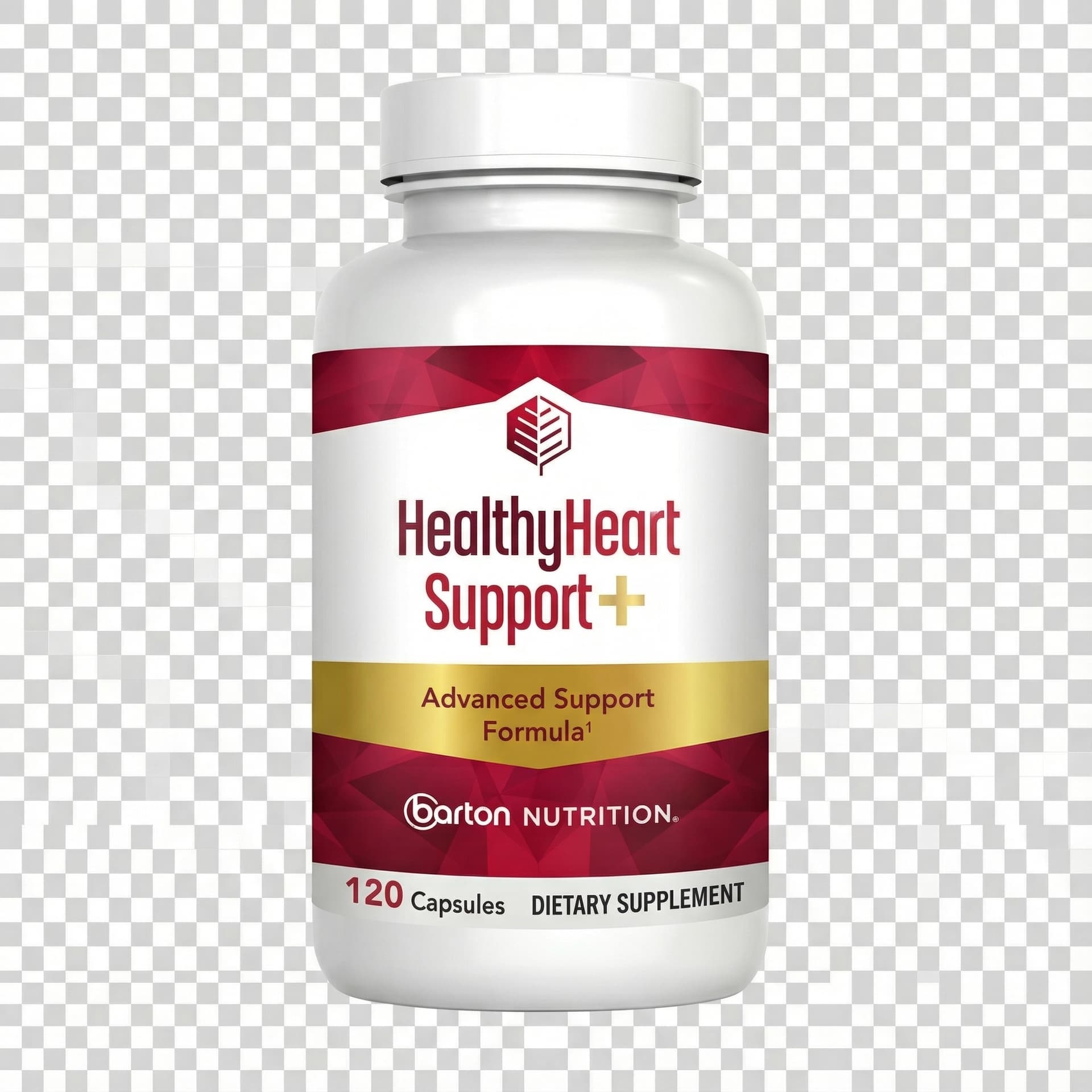
The product being sold is Healthy Heart Support Plus, a daily oral supplement formulated with six ingredients, ashwagandha, olive leaf extract, magnesium, L-carnitine, CoQ10, and beetroot, positioned as a cortisol-interrupting, heart-nourishing alternative to statin drugs and antihypertensive medications. The VSL (video sales letter) runs well over thirty minutes, features two named presenters, host Joe Barton and physician Dr. Scott Saunders, and advances one central thesis: that heart disease is not caused by diet, genetics, or cholesterol, but by chronic stress depleting the nutrients the heart needs to survive. This piece examines how that argument is built, what the science behind the ingredients actually shows, and what a prospective buyer should know before making a decision.
The analytical frame here is neither a consumer endorsement nor a debunking hit piece. The VSL for Healthy Heart Support Plus is a sophisticated piece of long-form direct-response copy that deploys at least seven distinct persuasion mechanisms, some of which are grounded in legitimate psychology and some of which stretch the evidence considerably. Understanding which is which is the central task of this analysis. And that distinction matters most to the reader who is actively researching this product right now.
The question this piece investigates is straightforward: does the cortisol-starving-heart mechanism hold up to scrutiny, do the six ingredients have independent research support at the dosages typically used, and is the marketing architecture honest about what the product can and cannot do?
What Is Healthy Heart Support Plus?
Healthy Heart Support Plus is a daily dietary supplement capsule marketed directly to consumers online, exclusively through its own website. It sits within the cardiovascular health supplement category. A crowded, high-value market estimated by Grand View Research to exceed $12 billion globally by the mid-2020s. The product is positioned not as a generic heart supplement but as the first formula to address what the VSL calls the "root cause" of heart disease: cortisol-mediated nutrient depletion. That positioning is its central commercial differentiator.
The supplement is co-created by Joe Barton, described as a natural health advocate who has "helped thousands of people" address blood pressure and chronic health issues, and Dr. Scott Saunders, identified as a UCLA-trained physician who is board-certified in family medicine and operates the Integrative Medicine Center of Santa Barbara. The product is manufactured in an FDA-inspected, GMP-certified facility, is third-party tested for purity, and is described as non-GMO, free from hormones and dangerous toxins, and non-habit-forming. The stated target user is broad; men and women aged 35 to 85 with existing cardiovascular concerns, particularly those who are already on prescription medications but are not satisfied with the results.
The format is a single daily serving of capsules, positioned as a "set it and forget it" routine requiring no significant dietary overhaul. The company sells it in one-, three-, and six-bottle bundles, with the six-bottle package marketed as the most economically and medically sensible choice. It is not available in retail stores, a decision framed as a consumer benefit (lower price by cutting out the middleman) but which also, practically, concentrates all purchasing through a single tracked digital funnel.
The Problem It Targets
Cardiovascular disease remains the leading cause of death globally. The World Health Organization estimates that roughly 17.9 million people die from cardiovascular diseases each year, accounting for 32% of all global deaths. In the United States alone, the CDC reports that someone dies from heart disease approximately every 33 seconds. These are not manufactured statistics; the scale of the problem is real, and it creates a correspondingly large population of anxious, motivated buyers who are actively searching for answers that conventional medicine has not fully provided them.
The VSL's framing of the problem, however, diverges from mainstream clinical consensus at several points, some of which are reasonable challenges to orthodoxy and some of which are overcorrections. The argument that inflammation, high blood pressure, and elevated cholesterol are symptoms rather than causes of cardiovascular disease has some support in contemporary research. The hypothesis that psychosocial stress is a major, underappreciated contributor to heart disease is well-documented: a landmark 2017 study published in The Lancet by Tawakol et al. demonstrated a direct neural pathway from amygdala stress activity to arterial inflammation and subsequent major adverse cardiovascular events. The "Stress Heart Study" referenced in the VSL, a Swedish cohort study linking high cortisol levels in the month preceding a heart attack, is consistent with a body of legitimate research connecting the hypothalamic-pituitary-adrenal (HPA) axis to cardiovascular risk.
Where the VSL moves beyond the evidence is in asserting that cortisol-driven nutrient depletion is "the" root cause of heart disease, a monocausal explanation for a condition that the broader literature treats as multifactorial. Atherosclerosis, for instance, involves a complex interplay of lipid metabolism, endothelial injury, immune response, and genetic predisposition that cannot be reduced to a single mechanism. The VSL's dismissal of diet, cholesterol, and family history as irrelevant is commercially useful, it allows the script to position every accepted risk factor as a distraction, but it is scientifically inaccurate. The more defensible claim, supported by the stress literature, is that chronic cortisol elevation is a significant and underappreciated contributor to cardiovascular risk, one that standard clinical management often fails to adequately address. That is a strong, evidence-grounded argument. The VSL inflates it into an exclusive explanation, which is where the persuasion architecture and the science begin to diverge.
Curious how the ingredient science holds up against those claims? The next two sections walk through each component of the formula with independent research context.
How Healthy Heart Support Plus Works
The mechanism the VSL advances runs as follows: chronic stress, whether emotional, environmental, or physiological. Causes the brain to signal the adrenal glands to release cortisol. Cortisol, in a sustained fight-or-flight state, diverts potassium into muscles and nerve cells, redirects HDL cholesterol away from vitamin D synthesis toward more cortisol production, and accelerates the metabolism of omega-3 fatty acids, leaving the heart depleted of all three nutrients. This "starving heart" then compensates by elevating blood pressure (the tantrum metaphor), generating palpitations, and ultimately becoming vulnerable to failure. The solution is to interrupt the cortisol signal first. Using adaptogenic herbs; and then replenish the depleted nutrients using co-factor supplementation.
The core biological logic here is plausible and partially supported. Cortisol does have documented effects on mineral excretion, including potassium and magnesium; chronic HPA axis activation is associated with reduced omega-3 availability; and there is peer-reviewed evidence that vitamin D deficiency is linked to higher cardiovascular risk and that stress impairs vitamin D metabolism indirectly. The National Institutes of Health (NIH) has published extensively on the relationship between chronic stress, HPA dysregulation, and cardiovascular outcomes. So the chain of logic, stress → cortisol → nutrient depletion → cardiac vulnerability, has a real scientific skeleton.
The leap the VSL makes is from "cortisol is a significant contributing factor" to "this is the root cause, and addressing it with these six ingredients will reverse your heart disease." That leap is not supported by the clinical evidence available for any individual ingredient at consumer supplement dosages, let alone a combined formula. Cardiovascular disease reversal, actual regression of atherosclerotic plaques, requires sustained, multi-modal intervention. The VSL briefly acknowledges that results take 90 days or more, which is medically honest, but simultaneously promises that blood pressure improvements will be "plain as day on your blood pressure monitor in record time," which is not a claim that the existing ashwagandha or beetroot literature supports with consistent specificity.
The dismissal of statin drugs is the most medically contentious element of the mechanism argument. Statins do deplete CoQ10, that is documented and not controversial. However, the claim that statins are globally ineffective and that heart disease has "skyrocketed" since their introduction omits a substantial body of evidence: randomized controlled trial data, including the landmark Heart Protection Study published in The Lancet (2002, Collins et al.), demonstrates significant reductions in major cardiovascular events from statin use in high-risk populations. The VSL's framing is not entirely wrong, statins are overprescribed in some populations and their CoQ10-depleting mechanism is real, but the binary presentation (statins starve your heart; this herb formula feeds it) is a rhetorical simplification that could lead some readers to make dangerous medication decisions.
Key Ingredients and Components
The formula contains six ingredients, each with a defined role in the cortisol-depletion-and-replenishment model. The quality of the independent research behind each varies considerably.
Ashwagandha (Withania somnifera): An Ayurvedic adaptogenic root with a growing body of modern clinical literature. The VSL cites a 60-day study showing a 27.9% reduction in cortisol in the ashwagandha group versus placebo. This figure is consistent with published data. A 2012 randomized, double-blind, placebo-controlled study by Chandrasekhar et al. in the Indian Journal of Psychological Medicine found significant improvements in stress scores and serum cortisol in adults taking 300 mg of ashwagandha root extract twice daily. A 2021 systematic review in Medicine (Pratte et al.) also supports its adaptogenic and anxiolytic properties. The cardiovascular-protective effects attributed in the VSL. Primarily through cortisol reduction rather than direct cardiac action; are scientifically reasonable, though overstated as a standalone heart disease intervention.
Olive Leaf Extract: Contains oleuropein, a polyphenol with documented antioxidant and anti-inflammatory properties. A 2011 study published in Phytomedicine (Perrinjaquet-Moccetti et al.) found that olive leaf extract at 500 mg/day produced comparable reductions in blood pressure to captopril in patients with stage 1 hypertension. Triglyceride-lowering effects are also reported in the literature. The VSL's claim that it acts as "natural pest control" against viruses and bacteria driving cortisol elevation is the weakest specific claim made about this ingredient, but its blood pressure and lipid-lowering potential are reasonably supported.
Magnesium: The VSL's description of magnesium as a "calcium bouncer" preventing arterial calcification is a serviceable metaphor for its role in calcium channel regulation. The claim that over 50% of people are magnesium-deficient is consistent with NHANES dietary survey data. Magnesium supplementation has documented modest blood pressure-lowering effects; a 2016 meta-analysis in Hypertension (Zhang et al.) found a significant but small reduction in systolic and diastolic blood pressure across 34 trials.
L-Carnitine: Plays a genuine role in transporting long-chain fatty acids into mitochondria for energy production, exactly as described in the VSL. The claim that cardiac cells have 5,000-8,000 mitochondria (versus 500-2,000 in most cells) is biologically accurate. However, the clinical evidence for L-carnitine supplementation improving cardiovascular outcomes in non-deficient populations is mixed. A 2013 meta-analysis in JAMA Internal Medicine (DiNicolantonio et al.) found reduced all-cause mortality and lower rates of ventricular arrhythmia in post-myocardial infarction patients, which is promising but specific to a clinical subpopulation.
CoQ10 (Coenzyme Q10): The best-documented ingredient in the formula for statin users specifically. Multiple peer-reviewed studies confirm that statins inhibit the mevalonate pathway, reducing endogenous CoQ10 synthesis. The New Orleans research team referenced in the VSL likely refers to work by Folkers and colleagues. A 2014 randomized trial in JACC: Heart Failure (Mortensen et al.), the Q-SYMBIO trial, found that CoQ10 supplementation reduced major adverse cardiovascular events in chronic heart failure patients. For non-statin users without existing heart failure, the evidence is less robust.
Beetroot: The nitric oxide connection is the most scientifically grounded claim in the entire VSL. Dietary nitrate from beetroot is converted to nitrite and then to nitric oxide in the body; nitric oxide's role in vascular dilation did indeed earn the 1998 Nobel Prize in Physiology or Medicine (awarded to Furchgott, Ignarro, and Murad). A 2013 study in Hypertension (Kapil et al.) demonstrated that dietary nitrate from beetroot juice produced significant reductions in blood pressure within hours. The VSL's characterization of beetroot as vascular-dilation-supporting is among its most defensible scientific claims.
Hooks and Ad Angles
The VSL's main opening hook, "an unusual five-second fist clench artery test that not only reveals if your blood flow might be blocked", is a textbook pattern interrupt, a disruption of the viewer's default cognitive state that increases stimulus salience and attention capture. What makes this particular implementation effective is that it is interactive: the viewer is not just watching but doing something with their body, which creates a felt sense of personal relevance before any product name is introduced. The hook also functions as a curiosity gap (Robert Cialdini, 2006), promising to reveal something in "just a moment" while immediately delivering a partial payoff (the test itself), which keeps the viewer committed to watching for the full explanation.
The second major hook, the nighttime phone habit that "silently drains nutrients from your heart", is a classic hidden enemy frame, a structure in which an ordinary, trusted behavior is revealed to be dangerous. This is a sophisticated move for an audience that has already been exposed to the standard heart health pitch (eat less salt, take your statins, exercise more). Eugene Schwartz, in his foundational work on copywriting, described what he called stage-four and stage-five market sophistication: buyers who have seen every direct pitch and who now respond only to a new mechanism or a secret the market has been hiding. This VSL is written explicitly for that audience, people who are already on medications, already watching their diet, and still not feeling well. Every hook is engineered to speak to their existing frustration with conventional solutions.
Secondary hooks observed in the VSL:
- "The second most prescribed drug in the world... actually drains nutrients away from your heart."
- "Your heart is like a screaming newborn baby. If you don't feed it, it will not stop crying."
- "Big Pharma... will no doubt try to shut [this video] down."
- "60,000 miles of arteries, veins, and capillaries. A clog anywhere cuts off your heart's food supply."
- "Studies show this exact starving heart issue has become the most common cause of heart disease."
Ad headline variations a media buyer could test on Meta or YouTube:
- "Doctor Reveals: The Real Reason Your Heart Meds Aren't Working (It's Not Your Diet)"
- "Try This 5-Second Hand Test; It Could Reveal a Dangerous Artery Blockage"
- "The Indian Herb That Cuts Cortisol by 27.9%, And What That Means for Your Heart"
- "Why Your Nighttime Phone Habit May Be Starving Your Heart of Nutrients"
- "UCLA-Trained Doctor Explains Why Statins Make the Real Problem Worse"
Psychological Triggers and Persuasion Tactics
The persuasion architecture of this VSL is not random. It follows a deliberately stacked sequence: fear (fist test, artery blockage imagery) → credibility installation (Dr. Saunders' credentials) → mechanism explanation (cortisol story) → reframe (vitamins alone won't work) → solution revelation (adaptogens first, then co-factors) → social validation (thousands of users) → offer with descending price anchors → scarcity close → guarantee removal of residual objection. This is the Problem-Agitate-Solution (PAS) framework extended into its most fully developed form, where each layer of agitation is answered by a corresponding layer of the solution, a structure Cialdini would recognize as reciprocity layering, giving the viewer something valuable (the cortisol explanation, the food-to-avoid list, the quiz) before asking for anything in return.
The most analytically interesting persuasion move is what the VSL does with the institutional villain frame. By positioning Big Pharma as not just wrong but knowingly corrupt, "the medical establishment knows statins have been a big flop and they're still pushing them", the script invokes Festinger's cognitive dissonance theory in reverse: it gives the viewer permission to abandon their existing belief in conventional medicine without experiencing the discomfort of admitting they were deceived by a trusted authority. The villain (Big Pharma) absorbs the cognitive cost of that belief revision, and the viewer emerges feeling informed rather than manipulated.
Specific tactics deployed:
- Pattern interrupt via embodied action (Cialdini's attention capture): The fist-clench test forces physical participation, anchoring the viewer's felt body-state to the subsequent fear content.
- Loss aversion via vivid negative scenario (Kahneman & Tversky's Prospect Theory): Descriptions of kidney failure, fluid retention in ankles and face, and "full-blown kidney failure" from ACE inhibitors make inaction feel catastrophically costly.
- Authority transfer (Cialdini's authority principle): Dr. Saunders' UCLA training and 30 years of clinical experience are stated before any product is named, so his later endorsement inherits pre-established institutional credibility.
- False enemy / tribal identity (Seth Godin's tribes framework): The Big Pharma villain creates an in-group of "people who know the truth" and an out-group of conventional medicine, purchasing the product is an act of tribal membership.
- Epiphany bridge / new mechanism (Russell Brunson; Schwartz stage-four market sophistication): The cortisol-depletion story gives the viewer a new explanatory framework that makes the product feel uniquely necessary, not interchangeable with other supplements.
- Price walk-down anchoring (Thaler & Sunstein's anchoring heuristic): The sequential descent from $200 to $159 to $129 to $99 to $59 makes the final price feel like a gift, even though no independent source validates the $200 anchor.
- Scarcity and FOMO (Cialdini's scarcity principle): Warnings about nine-month restock timelines and potential price increases frame the six-bottle purchase as defensive, protective behavior rather than a large financial commitment.
Want to see how these tactics compare across 50+ VSLs in the health supplement space? That's exactly what Intel Services is built to show you.
Scientific and Authority Signals
The primary authority in this VSL is Dr. Scott Saunders, and the credentialing is presented with specificity: UCLA Medical School graduate, board-certified in family medicine, founder of the Integrative Medicine Center of Santa Barbara. These details are verifiable in principle, the Integrative Medicine Center of Santa Barbara exists as an entity, and the general profile is consistent with a practicing integrative medicine physician. What the VSL does not provide is a direct institutional affiliation, a peer-reviewed publication record, or any third-party citation of Dr. Saunders as a recognized expert in cardiology or endocrinology. His authority is legitimate in the sense that his stated credentials are plausible and specific, but it is borrowed authority in the sense that "UCLA-trained" implies proximity to a research institution that has not itself endorsed the product or its claims.
The studies cited in the VSL occupy a spectrum from legitimate to loosely attributed. The ashwagandha cortisol research is real and traceable, the Chandrasekhar et al. (2012) study in the Indian Journal of Psychological Medicine and similar trials are in the published literature and broadly consistent with the 27.9% cortisol reduction figure cited. The Nobel Prize claim for nitric oxide (1998) is accurate and attributable to Furchgott, Ignarro, and Murad. The olive leaf extract blood pressure data aligns with published phytomedicine research. The Open Heart vegetable oils citation is consistent with a real commentary-style article in that BMJ Open Heart journal.
More ambiguous is the "Stress Heart Study" from Sweden. A Swedish cohort study linking cortisol and heart attack risk exists within the broader stress-cardiology literature, but the VSL provides no authors, journal name, or year. Making independent verification difficult. The claim that statins are "the second most prescribed drug in the world" and that they cause kidney damage through blood flow interference conflates the statin side-effect profile with ACE inhibitor side effects (kidney damage is more commonly associated with ACE inhibitors and ARBs than with statins). This is either an error in the script or a deliberate compression for narrative convenience. Either way, it should prompt a prospective buyer to verify their specific medication risks with their prescribing physician.
The erythritol claim. That it increases clotting and raises heart attack risk; references a 2023 study by Witkowski et al. published in Nature Medicine, which did find elevated erythritol levels associated with major adverse cardiovascular events. That study received significant mainstream media coverage and is a real, peer-reviewed finding, though it has also been critiqued for conflating circulating erythritol (produced endogenously during glucose metabolism) with dietary erythritol intake. The VSL presents the finding without that nuance.
The Offer, Pricing, and Risk Reversal
The pricing structure of Healthy Heart Support Plus follows the descending-anchor model standard in direct-response supplement marketing. The VSL establishes a "retail value" of "north of $200", a figure with no external benchmark, and walks the viewer through $159, $129, and $99 before landing at $59 for a single bottle. The multi-bottle bundles carry per-bottle discounts that incentivize the six-bottle purchase, which at that price point represents a $354 commitment before any bonuses are factored in. The price anchor of $200 is almost certainly a rhetorical construct rather than a reflection of genuine market comparables; a brief survey of comparable multi-ingredient cardiovascular supplements on Amazon and in health food retail channels shows prices typically ranging from $25 to $70 per month's supply, making the $59 price point competitive but not the dramatic saving the walk-down implies.
The bonus structure, a free digital copy of The Healthy Heart Solution Kit with three- and six-bottle orders, plus free shipping, follows the classic value stack technique in direct response: the bonus is presented with its own retail value implied ("Dr. Saunders' best-selling book") and is positioned as a companion product rather than a filler incentive. Notably, the VSL specifies that buyers keep the digital book even if they request a refund, a meaningful detail that reduces the perceived risk of the larger bundle purchase.
The 365-day money-back guarantee is the offer's most significant risk-reversal mechanism, and it is genuinely generous by industry standards. Most supplement guarantees run 30 to 90 days; a full year allows the buyer to complete the recommended 90-day course multiple times before the guarantee expires. The "even empty bottles" return policy removes the standard objection that a buyer might need to hoard unused product to qualify for a refund. Whether the guarantee is honored in practice cannot be assessed from the VSL alone, but its terms as stated represent a meaningful commitment, one that a buyer should confirm is documented on the purchase page before transacting.
Who This Is For (and Who It Isn't)
The ideal buyer for Healthy Heart Support Plus is a man or woman in their mid-50s to early 70s who has been managing cardiovascular risk factors, high blood pressure, elevated cholesterol, or a family history of heart disease. For at least several years and who is dissatisfied with the results of conventional treatment. This is someone who feels the side effects of their medications more acutely than they feel the benefits, who is experiencing fatigue, low stamina, or anxiety about the future, and who is motivated to take active steps toward health rather than simply following a prescription refill schedule. The VSL's emotional language around grandchildren, vacations, and "making plans for the future" targets specifically this psychographic: people for whom health is not an abstract goal but a prerequisite for the life they still intend to live.
The product may also appeal to younger adults. The VSL claims it works for ages 35 to 85; who are under significant occupational or financial stress and who recognize the stress-health connection as personally relevant. The quiz embedded in the VSL ("Do you feel overwhelmed? Do you have trouble sleeping? Do you wake up more than once through the night?") is designed to cast a wide net; virtually any adult under chronic stress will answer yes to several questions, broadening the identified "at-risk" population considerably.
Readers who should approach with caution include those who are currently on antihypertensive medications, statins, or blood thinners, because several of the ingredients, ashwagandha and beetroot in particular, have documented interactions with these drug classes. Ashwagandha may enhance the effects of sedatives and thyroid medications; beetroot's nitrate content can interact with phosphodiesterase inhibitors (such as sildenafil). Anyone managing active heart failure, a recent cardiac event, or a complex medication regimen should consult their cardiologist before adding any supplement. The VSL's framing of itself as a direct alternative to prescription drugs, rather than a complement to medical care, is its most medically irresponsible moment, and it should not be taken at face value by anyone in a high-risk cardiac category.
Researching other cardiovascular supplements or natural health products? Intel Services covers VSL breakdowns across the full health and wellness niche, keep reading for more.
Frequently Asked Questions
Q: Is Healthy Heart Support Plus a scam?
A: The product is a real supplement manufactured in a GMP-certified facility with ingredients that have legitimate peer-reviewed research behind them. The scam concern typically arises from the aggressive marketing claims, particularly the promise to "reverse heart disease", which exceed what the clinical evidence for any individual ingredient currently supports. The 365-day money-back guarantee, if honored as stated, provides meaningful financial protection for skeptical buyers.
Q: Does Healthy Heart Support Plus really work for high blood pressure?
A: Several of the ingredients. Particularly ashwagandha, olive leaf extract, beetroot, and magnesium. Have independent clinical evidence supporting modest blood pressure reductions. The results vary significantly by individual, baseline health status, and dosage. Expecting results "plain as day on your blood pressure monitor in record time," as the VSL promises, sets an unrealistic benchmark; the published literature supports gradual, moderate improvements rather than dramatic short-term changes.
Q: Are there side effects of Healthy Heart Support Plus?
A: The ingredients are generally well-tolerated at standard supplement dosages. Ashwagandha can cause GI upset in some users and is contraindicated in pregnancy and autoimmune conditions. Beetroot can turn urine and stool red (beeturia), which is harmless but alarming to unprepared users. Magnesium at higher doses can cause loose stools. CoQ10 and L-carnitine are considered very safe at typical supplement dosages. Anyone on prescription cardiovascular medications should consult their physician before starting.
Q: Is it safe to take Healthy Heart Support Plus with statins or other heart medications?
A: Potentially, but not without medical guidance. The CoQ10 in the formula may partially offset statin-induced CoQ10 depletion, which some cardiologists consider clinically reasonable. However, ashwagandha and beetroot can interact with certain antihypertensive drugs by enhancing blood pressure-lowering effects, potentially causing hypotension. Always disclose new supplements to your prescribing physician.
Q: Who is Dr. Scott Saunders and is he a real doctor?
A: Based on the details provided in the VSL, Dr. Scott Saunders appears to be a real physician; UCLA-trained, board-certified in family medicine, and affiliated with an integrative medicine practice in Santa Barbara. He is not, however, a board-certified cardiologist, and the VSL's framing of him as a "world-renowned" authority in heart disease exceeds what his stated credentials specifically demonstrate. His clinical perspective on integrative medicine and stress-related health is legitimate within that specialty framework.
Q: How long does it take to see results from Healthy Heart Support Plus?
A: The VSL states that some users notice a difference "within the first week" and recommends at least 90 days for full results. The published research on ashwagandha and beetroot suggests that meaningful physiological changes, reduced cortisol, lower blood pressure, improved nitric oxide production, can begin within two to four weeks of consistent use, but that the effects are cumulative and dose-dependent over a longer period.
Q: What is the refund policy for Healthy Heart Support Plus?
A: The VSL describes a 365-day, 100% money-back guarantee with no questions asked, including acceptance of empty bottles. Buyers should confirm this policy is documented on the actual purchase page, as VSL oral claims are not always reflected accurately in the written terms and conditions of the transaction.
Q: Can I use Healthy Heart Support Plus instead of my prescribed heart medication?
A: No supplement, including Healthy Heart Support Plus, should be used as a replacement for prescription medication without a physician's guidance. The VSL's suggestion that users may be able to "wean off" their medications is aspirational framing, not medical advice, and acting on it without medical supervision carries genuine risk. Use this product as a complement to, not a substitute for, your existing care plan.
Final Take
The VSL for Healthy Heart Support Plus is a well-engineered piece of long-form direct response marketing that succeeds on several levels simultaneously. Its central mechanism, chronic cortisol elevation depleting heart-critical nutrients, is grounded in real biology and reflects a genuine gap in how mainstream cardiovascular medicine addresses psychosocial stress. The six ingredients in the formula each have independent research support, and several (ashwagandha, beetroot, CoQ10) have the strongest evidence in their respective categories among commonly available supplements. The 365-day guarantee is genuinely generous. The manufacturing credentials, GMP certification, third-party testing, are industry-standard minimums, but meeting them does matter.
The weaknesses are also significant. The VSL consistently inflates plausible claims into absolute ones: a formula that may modestly support healthy blood pressure becomes a product that reverses heart disease; a contributing factor to cardiac risk (cortisol) becomes the exclusive root cause; a legitimate supplement becomes an alternative to medication. These inflations are characteristic of the direct-response health supplement genre broadly, but they are worth naming clearly for a reader who is trying to make a real health decision. The fist-clench test with which the VSL opens is not a validated medical diagnostic. The price anchor of $200 has no external validation. The framing of Dr. Saunders as a world-renowned cardiovascular expert attributes more specialty-specific authority than his stated credentials technically confer.
For the reader who is currently managing high blood pressure or cardiovascular risk factors through conventional medicine alone, the most honest take is this: the ingredients in Healthy Heart Support Plus are unlikely to harm you, several of them have legitimate supporting evidence, and the cortisol-heart connection the VSL emphasizes is a real phenomenon that deserves more attention in clinical practice than it typically receives. What the formula is unlikely to do is the full reversal arc the VSL describes, busting plaque, dramatically normalizing blood pressure in record time, eliminating the need for medication. Without the kind of sustained, supervised, multi-modal intervention that a supplement alone cannot replace.
The sophistication of this VSL reflects a market that has become deeply skeptical of both pharmaceutical promises and generic supplement pitches. It is written for people who have tried the standard interventions and remain unsatisfied. Which is a large, real, and underserved population. The product may offer meaningful support to members of that population. Whether it delivers everything the pitch promises is a different and more complicated question, and that distinction is what this analysis is designed to help you navigate.
This breakdown is part of Intel Services, our ongoing library of VSL and ad-copy analyses. If you're researching similar products in the cardiovascular supplement space, keep reading.
Disclaimer: This article is for research and educational purposes only. It is not medical, legal, or financial advice, and it is not affiliated with the product or its makers. Always consult a qualified professional before making health or financial decisions.
Source-backed reader context
Additional Reported Experience
These statements were presented in the product's sales transcript. Daily Intel did not independently verify the speakers, purchase status, or reported outcomes, and the statements are not used in Product aggregateRating.
General reference
Date not stated
'thousands of people around the world are enjoying better heart health with Healthy Heart Support Plus.
Comments(0)
No comments yet. Members, start the conversation below.
Related reads
 reviews
Jocko Greens Review: Does One Scoop Match the Evidence?
Jocko Greens is a one-scoop powder with approximately 30 calories and 9 billion colony-forming units of probiotics per serving. Jocko Fuel also confirms ashwagandha extract and makes a digestive-support claim. The harder question is whether the available research matches this specific formula. It does not match closely enough to establish a finished-product outcome.
Read reviews
NooCube Review: Does the 250 mg Bacopa Dose Match the Research?
NooCube is one of the few nootropics that prints a milligram number next to an ingredient instead of hiding it in a blend. This review takes that one number, 250 mg Bacopa monnieri, and checks it against a real trial that used 300 mg in a very different population, then shows exactly where the comparison breaks down.
Read reviews
Olly Goodbye Stress Review: Label Claims vs. Evidence
OLLY Goodbye Stress combines GABA, L-theanine, and lemon balm extract in a Berry Verbena gummy aimed at occasional stress, not sleep. Here's what the label discloses, what a real L-theanine trial found, and exactly where the evidence stops.
Read