Levinasilka Review and Ads Breakdown: A Research-First Look
The video opens with a close-up of severely swollen legs. An image calculated to stop the scroll. Followed immediately by a question that inverts everything the viewer thinks they know: "Can a co…
8,226+
Videos & Ads
+50-100
Fresh Daily
$29.90
Per Month
Full Access
12.5 TB database · 72+ niches · 27 min read
The video opens with a close-up of severely swollen legs, an image calculated to stop the scroll, followed immediately by a question that inverts everything the viewer thinks they know: "Can a common alcoholic beverage take swollen legs from this to this in just a few weeks?" It is a masterclass in the pattern interrupt, a rhetorical device that functions by violating the viewer's expectation so sharply that forward momentum stops and attention resets. For the roughly 6 million Americans currently living with chronic edema, according to estimates cited by the American Heart Association, the implied promise in that single question lands with genuine force. The premise is absurd enough to be dismissible yet specific enough, "a common alcoholic drink," "Ivy League research," "548%". To feel like it might be true. That tension is the engine the entire pitch runs on.
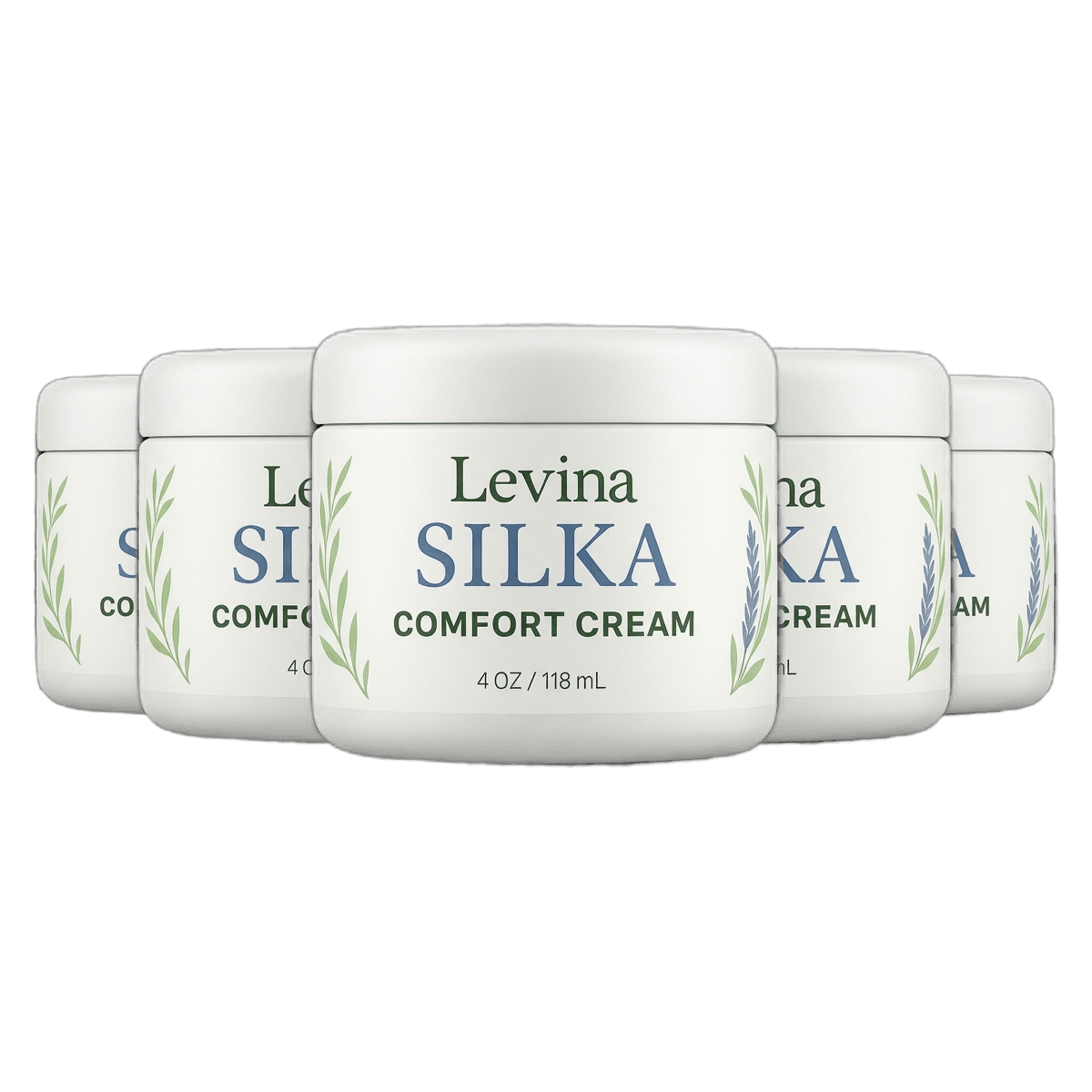
The product at the center of this presentation is Levinasilka, marketed under the brand name Lavena Silca, a topical cream formulated with eleven botanical extracts. The VSL. A long-form Video Sales Letter running well over thirty minutes; was produced with professional-grade emotional storytelling, a credentialed supporting character in the form of a retired foot specialist, and a cascade of clinical-sounding claims designed to bridge the gap between "this sounds too good to be true" and "I need to order six bottles right now." What follows is a close reading of that pitch: what it gets right, where it stretches or manufactures evidence, and what a prospective buyer actually needs to know before placing an order.
Edema, the abnormal accumulation of fluid in body tissues, most commonly in the lower extremities, is a condition that conventional medicine manages rather than cures. Compression garments, diuretics, dietary sodium restriction, and elevation are the standard toolkit, and their limitations are real and well-documented. The VSL exploits this therapeutic gap skillfully, positioning Levinasilka as the solution that works at the root cause while everything the medical establishment offers is merely a "band-aid." The question this piece investigates is whether the product's mechanism, ingredients, and clinical claims are grounded in genuine science, or whether they represent the kind of sophisticated-sounding extrapolation that has become the hallmark of direct-response health marketing in the 2020s.
What Is Levinasilka?
Levinasilka, sold as Lavena Silca, is a topical cream positioned in the edema and lymphatic-support category of the consumer health market. Its format, a skin-applied cream rather than an oral supplement, is itself a differentiator in a category dominated by capsules and pills, and the VSL leans heavily on this distinction, calling it "the first and only topical formula designed to flush out toxins and repair your lymph pumps from the outside in." The product is available exclusively through its own website, explicitly not through Amazon or eBay, a choice the narrator frames as a quality-control decision but which also has the practical effect of eliminating third-party reviews and price comparison.
The stated target user is adults, skewing heavily toward women, between roughly 45 and 80 years old who have been living with edema or lymphedema for months to years and who have already cycled through standard medical and over-the-counter interventions without lasting relief. The VSL is constructed almost entirely around this psychographic: the person who is not a first-time sufferer looking for general information, but a frustrated veteran who has been dismissed by doctors, burned money on compression stockings, and is now open to something outside the mainstream. In direct-response marketing terminology, this is a market sophistication Stage 4 or 5 buyer, someone who has been saturated with category promises and now only responds to a genuinely new mechanism claim.
The product's eleven ingredients are presented in two waves: an original five-compound formula developed by the fictional Dr. William Jarvis, followed by six additional compounds added in what the narrator calls "version 2.0." The cream is described as produced in an FDA-compliant U.S. facility, triple-tested by independent laboratories, and formulated with ingredients sourced across four continents. These are the standard credentialing signals of the direct-to-consumer supplement and topical health space, and their presence here is neither surprising nor, on its own, meaningful. Compliance with FDA manufacturing standards for a cosmetic or topical product is a baseline legal requirement, not a clinical endorsement.
The Problem It Targets
Edema is not a niche condition, and the VSL's commercial opportunity rests on a genuinely large and underserved population. The National Institutes of Health estimates that edema affects tens of millions of Americans, with lower-extremity swelling representing one of the most common presenting complaints in primary care and among adults over 65. Lymphedema specifically. The chronic form caused by lymphatic system dysfunction; affects an estimated 3 to 5 million Americans, according to the Lymphatic Education and Research Network. The condition is associated with obesity, cardiovascular disease, venous insufficiency, cancer treatment, and aging, meaning its prevalence is rising in parallel with rates of those underlying conditions.
What makes edema commercially interesting as a target is the therapeutic vacuum the VSL correctly identifies. Standard of care, diuretics, compression garments, manual lymphatic drainage, and lifestyle modification, is effective for symptom management but rarely produces the kind of dramatic, rapid reversal that patients hope for. Furosemide, the diuretic the VSL vilifies by name, does carry real side-effect risks including electrolyte imbalance and, in long-term use, renal stress, as documented in the prescribing literature. The VSL does not fabricate these limitations; it amplifies them and then uses them to discredit the entire conventional treatment framework, a rhetorical move that travels much further than the underlying facts support.
The VSL's framing of the problem's cause is where it begins to depart most significantly from the clinical literature. The narrator and Dr. Jarvis attribute edema to a "hidden culprit", environmental toxins in processed foods, air pollution, beauty products, and vegetable oils, that damage microscopic "lymph pumps," causing fluid to pool downward into the legs. While it is established that lymphatic contractile function does play a central role in lower-extremity edema, and while oxidative stress is a genuine area of lymphatic research, the claim that "over 70,000 edema swelling toxins in our modern world" are the primary driver of chronic edema has no grounding in peer-reviewed epidemiology. The scientific consensus attributes edema primarily to venous insufficiency, cardiac or renal dysfunction, medication side effects, and lymphatic structural damage, not a generalized toxin load.
This framing matters because it sets up the product's mechanism as the only logical solution. If toxins are the real cause and toxin scavenging is the only fix, then every conventional treatment is rendered irrelevant by design. It is a closed logical loop built into the problem definition itself, a rhetorical structure common in health VSLs that functions by replacing the actual complexity of a condition with a single, solvable villain.
Curious how other VSLs in this niche structure their pitch? Keep reading, the hooks and psychological tactics sections below break down exactly how this argument was engineered.
How Levinasilka Works
The product's core mechanism claim centers on lymphatic contractile vessels. The microscopic smooth-muscle segments of lymphatic capillaries that contract rhythmically to propel lymph fluid through the body. The VSL calls these "lymph pumps" or "lymph engines," and this is not a fabricated concept: the contractile function of lymphatic vessels is a well-established area of research. Studies published in journals including the Journal of Physiology and Microcirculation have examined how intrinsic lymphatic pumping can be impaired by inflammation, oxidative stress, and pathological conditions. The NIH's National Heart, Lung, and Blood Institute funds ongoing research in this area. The VSL appropriates this real science and then makes a large inferential leap: that a topically applied botanical cream can restore contractile function in damaged lymphatic vessels.
The transdermal delivery claim is where the mechanism faces its most significant scientific challenge. For a topically applied compound to influence lymphatic pumping, it would need to penetrate the stratum corneum, pass through the dermis, reach the subdermal lymphatic capillaries, and exert pharmacologically meaningful activity on smooth-muscle contractility. A pathway that requires documented transdermal bioavailability data for each ingredient at the concentrations used. The VSL makes no specific claims about absorption rates, ingredient concentrations, or pharmacokinetic data. It asserts that the cream "penetrates deeply into the skin and targets swollen tissues directly" without providing any clinical evidence that any of its eleven ingredients achieve meaningful transdermal absorption at the doses present in a cosmetic cream.
The 548% fluid drainage figure is attributed to a study in the Lancet Medical Journal involving Aesculus hippocastanum (horse chestnut seed extract). Horse chestnut extract is genuinely one of the better-studied botanical compounds for chronic venous insufficiency and associated edema. A Cochrane systematic review (Pittler & Ernst, 2012) found evidence supporting its efficacy in reducing leg pain, swelling, and itching compared to placebo, and it is thought to act via aescin, which strengthens capillary walls and reduces vascular permeability. However, the specific "548% reduction" figure and the Lancet citation as presented in the VSL cannot be verified against any known published study; the Cochrane review and other peer-reviewed literature do not report outcomes in those terms. The number appears to be either a dramatic reformulation of a smaller measured effect or an invented benchmark dressed in the language of a real journal.
The honest assessment, then, is this: the underlying concept, that botanical compounds with demonstrated vasoprotective and anti-inflammatory properties might support lymphatic health, is biologically plausible. The specific mechanism claim (topical delivery repairing lymph pump contractility) is unproven and faces significant pharmacological hurdles. The headline clinical figure (548%) cannot be verified from independent sources and should be treated with skepticism.
Key Ingredients and Components
The VSL describes eleven active ingredients across its "original formula" and "version 2.0" additions. The formulation combines compounds with genuinely documented research behind them and others for which evidence is thinner. The following is an ingredient-by-ingredient evaluation based on publicly available science.
Aesculus hippocastanum (horse chestnut seed extract): The most evidence-backed ingredient in the formula. The active constituent aescin has been studied in multiple randomized controlled trials for chronic venous insufficiency. A Cochrane review by Pittler & Ernst found it superior to placebo for leg volume reduction and symptom relief. Oral aescin is the studied delivery route; topical efficacy data is limited. The VSL's "548% from the Lancet" claim is not traceable to a verified published study.
Trifolium pratense (red clover): Contains isoflavones with antioxidant and anti-inflammatory properties. Some evidence supports its use in menopausal vascular symptoms. Described in the VSL as a "toxin scavenger", a colorful but pharmacologically imprecise characterization. A study in Biomed Research International on its antioxidant activity exists as a category, but the specific lymphatic application claimed is not documented in the peer-reviewed literature.
Centella asiatica extract: A well-regarded herb in wound healing and vascular research. Studies, including work published in Angiology, support its role in improving venous tone and reducing ankle swelling in chronic venous insufficiency. This is one of the more credibly positioned ingredients relative to the stated application.
Ilex paraguayensis (yerba mate): Demonstrated mild diuretic and antioxidant properties in several studies. Its traditional use by Guarani peoples is accurate. Clinical evidence for lymphedema-specific outcomes is absent; its contribution here would be general fluid metabolism support.
Galium aparine (cleavers): A traditional European lymphatic herb with a long ethnobotanical record. Limited modern clinical evidence exists; most support is from traditional use literature rather than controlled trials.
Burdock root (Arctium lappa): Used historically as a blood purifier. Contains antioxidants including quercetin and luteolin. Some in-vitro anti-inflammatory data exists. The VSL's claim that it appears in "the bitters of your favorite old fashioned" is the "alcoholic beverage" revelation telegraphed in the opening hook, an elegant callback that rewards attentive viewers.
Purple coneflower (Echinacea): Widely studied for immune modulation and infection resistance. Some evidence supports anti-inflammatory activity relevant to edema-related skin complications. The connection to cellulitis prevention is biologically plausible but not clinically established in edema populations specifically.
Ginger root and olive leaf extract: Both carry documented anti-inflammatory activity. Ginger's inhibition of COX-2 and prostaglandin synthesis is well-established. Olive leaf's oleuropein is a studied antioxidant. Their inclusion is defensible for general inflammatory support.
Red root powder (Ceanothus americanus) and Stillingia extract: Traditional lymphatic herbs from North American folk medicine. Contemporary clinical research is sparse. Their inclusion reads more as formulation completeness than evidence-based selection.
Hooks and Ad Angles
The VSL's opening hook, "Can a common alcoholic beverage take swollen legs from this to this in just a few weeks?", is an example of what copywriting theorists would recognize as a curiosity gap layered over a contrarian frame. The curiosity gap (Loewenstein, 1994) functions by withholding a piece of information the audience suddenly needs once the question is posed; the contrarian frame works by inverting received wisdom (alcohol worsens edema) so sharply that the pattern interrupt effect is maximized. Neither technique is new, but their combination here is well-executed: the hook validates the viewer's existing belief ("yes, doctors say alcohol is bad for swelling") before immediately suggesting that belief is incomplete, which is a much softer entry into skepticism than a pure contrarian claim would be.
The hook also deploys what copywriter Eugene Schwartz would categorize as a Stage 4 market sophistication approach. The edema sufferer who has tried compression socks, furosemide, and low-sodium diets has already been exposed to direct benefit claims and mechanism claims. A pitch that opens with "try this cream for swollen legs" would be immediately dismissed. The "alcoholic beverage" framing works precisely because it introduces an unexpected mechanism, something the viewer's guard is not raised against. Before the product is named at all. By the time Levinasilka is introduced, the viewer has already accepted the legitimacy of the underlying mechanism claim, making the product reveal feel like an answer rather than a pitch.
The VSL sustains its momentum through a series of secondary hooks deployed sequentially to prevent drop-off:
- "Ivy League researchers uncovered an ingredient in a popular alcoholic drink that flushes edema fluid by a whopping 548%". Numeric specificity as credibility signal
- "Something hidden in your home right now is destroying your lymph pumps"; ambient threat creating immediate personal relevance
- "Big Pharma stuffs over $1 billion in their pockets, that's why they'll never tell you this", conspiracy frame activating distrust of alternatives
- "Before you know it, her legs had ballooned to three times their normal size", escalating stakes through narrative consequence
- "It's not just water sitting in your legs, it's a buildup of toxins transforming into bacterial soup", visceral disgust appeal creating urgency
For media buyers considering the creative angles this VSL suggests, the following headline variations represent the highest-probability test opportunities on Meta or YouTube pre-roll:
- "Why Doctors Keep Getting Edema Wrong (And What Actually Drains Swollen Legs)"
- "She Collapsed at a Wedding. Then a Retired Foot Doctor Found This."
- "54,000 People Threw Away Their Compression Socks After Finding This"
- "The Ingredient in This Popular Drink That Flushes Leg Swelling by 548%"
- "If You Have Swollen Legs and Nothing Has Worked, Read This First"
Psychological Triggers and Persuasion Tactics
The persuasive architecture of this VSL is unusually sophisticated relative to the average health product pitch. Most direct-response health letters deploy authority, scarcity, and social proof in a roughly parallel structure, all claims are made at roughly equal weight throughout the letter. This script, by contrast, operates in a stacked sequence: emotional investment is built first through narrative transportation, scientific credibility is introduced mid-letter to ratify the emotional conclusion already reached, and urgency is reserved for the final third when the viewer's desire is already formed. This is a structure that behavioral economists like Daniel Kahneman would recognize as capitalizing on the affect heuristic, the tendency to let emotional state determine the evaluation of subsequent evidence.
The villain narrative deserves particular attention as a structural element. Big Pharma is not merely mentioned; it is woven into the explanation of why the product is unknown, why conventional treatments fail, why the price is lower than expected, and why stock might run out. This is Godin's tribal identity mechanism at full deployment: the viewer is invited to see themselves as part of a community of savvy, liberated patients who have broken free from a corrupt system, with Levinasilka as the artifact of that liberation. The emotional payoff of purchasing is not just physical relief but identity confirmation.
The following specific tactics are deployed at identifiable moments in the script:
- Narrative transportation (Green & Brock, 2000): The extended story of Bonnie's collapse at her niece's wedding suspends analytical processing. By the time the viewer hears "someone call 911," they are no longer evaluating a product. They are in a story.
- Loss aversion (Kahneman & Tversky): The future-pacing of untreated edema. Hardened lymph fluid, surgical removal, a life on the couch; is described in more visceral detail than the promised positive outcomes, consistent with the psychological finding that losses are weighted roughly twice as heavily as equivalent gains.
- Reciprocity (Cialdini): The narrator shares the formula mechanism, the names of the ingredients, and the backstory of Dr. Jarvis's research "for free" before asking for anything. This gifts information creates a psychological obligation to reciprocate.
- Social proof with specificity (Cialdini): Named individuals with ages, cities, and specific outcomes ("no longer uses compression stockings," "went dancing with friends last week") are far more persuasive than generic counts, because specificity reads as authenticity.
- The endowment effect and risk reversal (Thaler): The 180-day guarantee is positioned so that trying the product feels riskless. Once the viewer mentally "owns" the transformation Bonnie experienced, failing to order feels like giving something up, a loss, not a failure to gain.
- Scarcity and price anchoring (Cialdini; Ariely): The $1,500 production cost introduced early makes $49 feel like a rescue price. The Big Pharma takedown threat adds a sense of a closing window that has nothing to do with inventory reality.
- Divine authority framing: The narrator explicitly states he prayed to Jesus Christ and that the discovery was God's answer. This is a carefully targeted appeal to a conservative, faith-oriented demographic, the kind of buyer who trusts personal testimony and divine providence over institutional medicine.
Want to see how these tactics compare across 50+ VSLs? That's exactly what Intel Services is built to show you.
Scientific and Authority Signals
The VSL constructs its scientific authority through a layered strategy that combines real institutions, real compounds, and real journals with characters and specific claims that range from ambiguous to unverifiable. Stanford's lymphedema clinic is a real institution with genuine research output in lymphatic medicine. The University of Texas and University of South Florida are real universities. The Lancet is one of the world's most prestigious medical journals. Aesculus hippocastanum has a genuine Cochrane review behind it. Centella asiatica has peer-reviewed vascular research. The VSL is not built on pure fiction, it is built on selectively real foundations from which very large extrapolations are made.
The primary authority figure, Dr. William Jarvis, presents differently. He is described as a foot specialist from the narrator's church, who treated villagers in Peru with natural methods, then moved to a farm outside Houston and went off-grid for years before answering the phone one day. This is not the biography of an academic researcher or a licensed medical practitioner with a verifiable institutional affiliation. No publications, credentials, or identifying details beyond his first name and vague specialty are provided. Dr. Ying Yang at the University of South Florida is similarly uncredentialed in the script, a name attached to a dramatic claim ("lymph fluid hardens like arterial plaque") with no citation, no paper title, and no verifiable research record.
The specific claim that the Lancet published a study showing "548% reduction in leg swelling" from horse chestnut extract cannot be matched to a real published study in that journal. The Cochrane review by Pittler & Ernst (2012, Cochrane Database of Systematic Reviews) does find statistically significant reductions in leg volume and circumference from oral horse chestnut seed extract versus placebo, and is the most credible summary of the evidence. It does not report a 548% figure, and its conclusions are more modest than the VSL's characterization suggests. The "landmark European study" claiming "all edema symptoms disappeared completely" is presented without author, year, journal, or patient count verification.
The honest verdict on the authority layer: the VSL borrows real institutional and journal names to lend credibility to specific claims that those institutions and journals either did not make or made in much more qualified form. This is what the marketing literature calls borrowed legitimacy, real authority invoked without real endorsement, and it is the most ethically troubling element of this pitch.
The Offer, Pricing, and Risk Reversal
The offer is structured around a six-bottle flagship SKU at $49 per bottle, with smaller packages available at higher per-unit prices. The price anchor, a stated production cost of $1,500 per month. Is introduced well before the price is revealed, a classic application of Ariely's arbitrary coherence: once a high number occupies the buyer's mental price frame, any lower number feels like a bargain regardless of market comparables. The actual market price for comparable botanical topical creams ranges from roughly $20 to $80 per unit, meaning $49 is neither dramatically below nor above category norms, but it reads as deeply discounted against the $1,500 anchor.
Two digital bonus books are bundled with the three- and six-bottle packages, framed as having a combined value of $127 and delivered as immediate downloads. This is a standard value-stacking technique: the incremental cost of digital products is zero, so they function as pure perceived-value additions. The books themselves. One on celebrity leg and skin secrets, one on metabolism-boosting treats; are tangential to edema treatment but well-chosen for the demographic, offering aspirational content around appearance and weight that complements the physical transformation promise of the cream.
The 180-day money-back guarantee is the most generous offer element and functions as genuine risk mitigation if honored as described. A six-month trial window is long enough to allow real assessment of any topical product's effects, and the inclusion of a refund on unused bottles is an unusual and credible-seeming commitment. The caveat is that direct-to-consumer health products with similar guarantee structures sometimes impose friction in the refund process that the VSL language does not mention. Urgency messaging, stock running out in six to eight months, Big Pharma lawyers attempting a ban, prices rising due to inflation, is applied heavily in the final third of the script and follows standard scarcity-copy templates. None of these claims are independently verifiable.
Who This Is For (and Who It Isn't)
The buyer most likely to find genuine value in Levinasilka is an adult woman in her late 50s to mid-70s with mild to moderate lower-extremity edema related to venous insufficiency or early lymphedema, who has found compression garments uncomfortable and diuretics problematic, and who is open to botanical approaches as a complement to, not replacement for, conventional care. Some of the formulation's ingredients, particularly horse chestnut extract and Centella asiatica, have credible research behind them for vascular and lymphatic support in oral form. If the topical delivery is effective enough to produce meaningful ingredient concentration at the tissue level, there is a plausible pathway to symptom relief. The 180-day guarantee reduces financial risk substantially if it functions as described.
The buyer who should approach with significant caution includes anyone whose edema is secondary to congestive heart failure, renal disease, or deep vein thrombosis, conditions where fluid management is medically critical and where a delay in appropriate treatment carries serious risk. The VSL explicitly tells viewers to stop using compression socks, water pills, and other medically prescribed interventions and replace them with this cream. For the population whose edema is managed as part of a cardiovascular or renal protocol, this recommendation is potentially dangerous. The VSL also uses language that implies this cream has been clinically proven to eliminate edema permanently, a claim that is not supported by any publicly accessible, peer-reviewed trial of this specific formulation.
Readers researching this product on behalf of a parent or family member with complex, long-standing lymphedema should note that the VSL's testimonials, while emotionally compelling. Are not a substitute for clinical evidence. The product may offer comfort and some degree of symptomatic benefit, particularly given the anti-inflammatory and vasoprotective properties of several ingredients. But the categorical promise of permanent elimination of edema through a topical cream alone is not credible given the current state of lymphatic medicine.
Want to know how similar edema and lymphatic products compare when their ingredient lists and authority claims are examined side by side? Intel Services has you covered.
Frequently Asked Questions
Q: Does Levinasilka (Lavena Silca) really work for edema?
A: Some of the ingredients. Particularly horse chestnut extract and Centella asiatica; have peer-reviewed evidence supporting their role in reducing edema symptoms when taken orally. Whether transdermal delivery of these compounds achieves clinically meaningful tissue concentrations is not established by any publicly available study of this specific formulation. Results reported in the VSL are testimonials, not controlled clinical trial data.
Q: Is Lavena Silca a scam?
A: The product appears to be a real formulation sold with a genuine refund policy, which separates it from outright fraudulent offers. However, several of its core claims, the 548% reduction figure, the Lancet citation, and the characterization of Dr. William Jarvis's credentials, cannot be verified from independent sources. Buyers should not treat the marketing claims as established clinical fact.
Q: What are the main ingredients in Levinasilka?
A: The formula contains eleven botanical ingredients across two formula versions: horse chestnut seed extract, red clover, Centella asiatica, yerba mate, cleavers, burdock root, Echinacea (purple coneflower), ginger root, olive leaf extract, red root powder, and Stillingia extract. Of these, horse chestnut and Centella asiatica carry the most credible independent research for edema-adjacent applications.
Q: Are there side effects from using Lavena Silca?
A: Topical botanical creams carry lower systemic risk than oral medications, but individual ingredients can cause allergic contact dermatitis, particularly Echinacea and Centella asiatica in sensitive individuals. Anyone with known plant allergies, particularly to the Asteraceae family, should review the ingredient list carefully before use. The VSL does not discuss any contraindications or side effects.
Q: Is it safe to use Lavena Silca alongside my current medications?
A: The VSL frames the cream as a replacement for diuretics and other medications, which is potentially risky for anyone whose edema is part of a medically managed cardiovascular or renal condition. Patients on prescribed edema management should consult their physician before adding any topical product to their regimen, and should absolutely not discontinue prescribed medications without medical guidance.
Q: How long does it take to see results from Lavena Silca?
A: The VSL describes initial lightness within days, visible swelling reduction within one to two weeks, and significant transformation by three to six months. These timelines are drawn from testimonials. No independent clinical trial of this specific product has been published that would allow verification of these outcome windows.
Q: Is the 548% edema reduction claim scientifically valid?
A: This figure is attributed to a study in the Lancet on Aesculus hippocastanum. While horse chestnut extract has a legitimate Cochrane systematic review supporting its efficacy for chronic venous insufficiency, the 548% figure and the specific Lancet citation as presented in the VSL cannot be matched to a verifiable published study. The number should be treated as marketing language rather than a reproducible clinical finding.
Q: How does Lavena Silca compare to compression socks and furosemide?
A: Compression therapy and loop diuretics like furosemide both have substantial clinical evidence behind them for specific edema presentations and are recommended by major clinical guidelines. Levinasilka has no published head-to-head trial against either intervention. The VSL's characterization of these treatments as entirely ineffective is an overstatement; their limitations are real, but so is their documented efficacy for many patient populations.
Final Take
The Levinasilka VSL is a technically accomplished piece of direct-response marketing operating in one of the most emotionally rich niches in consumer health: a condition that is simultaneously common, undertreated by conventional medicine, and deeply tied to personal identity, self-image, and mobility. The scriptwriting is above average for the category, the Bonnie narrative is genuinely moving, the Dr. Jarvis character is memorable and specific, and the mechanism explanation (lymph pumps, toxin accumulation, fluid pooling) is plausible enough to survive casual scrutiny while being simple enough to not require any. The hook, an alcoholic beverage as edema cure, is clever and well-suited to the audience's sophistication level. On the craft level, this is a well-made VSL.
On the evidentiary level, the picture is more complicated. The product contains several ingredients with legitimate botanical science behind them, and the 180-day guarantee is more generous than most in the category. The transdermal delivery mechanism is scientifically unproven for this application, the headline efficacy figures cannot be traced to verifiable studies, the primary authority figure lacks verifiable credentials, and the recommendations to discontinue medically prescribed treatments are irresponsible for a meaningful subset of the target audience. The Big Pharma suppression narrative is a rhetorical convenience, a way to explain away the absence of institutional endorsement by reframing that absence as evidence of a conspiracy. It is effective copy. It is not honest science.
For the reader who is researching this product before deciding: the most useful frame is not "scam or miracle" but "what does the independent evidence say about the ingredients, and is the delivery mechanism plausible for my specific presentation?" Horse chestnut extract and Centella asiatica are worth your attention and have a genuine research record. Whether they work applied to the skin in the doses and concentrations present in this cream is a different and open question. The guarantee means the financial risk of trying is limited. The risk of substituting this cream for medically appropriate treatment is not.
What this VSL reveals about its market is that the edema sufferer in 2024 is a consumer who has already been failed by the standard toolkit and is sophisticated enough to need a mechanism story, not just a promise. The "lymph pumps" framework is the product's real innovation, not the cream itself, but the explanatory model that makes the cream feel like a logical necessity. That is where the copywriting craft lives, and it is worth studying regardless of your view on the product.
This breakdown is part of Intel Services, our ongoing library of VSL and ad-copy analyses. If you're researching similar products or studying how health marketing is constructed for high-sophistication buyers, keep reading.
Disclaimer: This article is for research and educational purposes only. It is not medical, legal, or financial advice, and it is not affiliated with the product or its makers. Always consult a qualified professional before making health or financial decisions.
Source-backed reader context
Additional Reviews & Reported Experiences
These statements were presented in the product's sales transcript. Daily Intel did not independently verify the speakers, purchase status, or reported outcomes, and the statements are not used in Product aggregateRating.
Deborah Johnson, 64, Tallahassee
Date not stated
significant swelling reduction in 1–2 days, no longer afraid to wear shorts
Margaret Bennett, 48, Charleston
Date not stated
swelling and skin redness cleared in 1–2 weeks, wearing heels again
Susan Davis, 72, San Antonio
Date not stated
no longer uses compression stockings, grocery shops without sitting, feels attractive
Sarah Mitchell, 72, retired nurse
Date not stated
after 20 years of swollen legs, wearing heels to granddaughter's wedding
Jim Sutton, 52, office manager
Date not stated
wears shorts, coaches little league, planning beach trips
Jessica Perez, 46
Date not stated
wore bikini and strappy sandals on anniversary cruise instead of compression socks
Elizabeth Roberts, 59, Miami
Date not stated
legs slimmer, feels lighter, more energetic and sexy
Carolyn Rivera, 65, Houston
Date not stated
heaviness and aching disappeared, wore short dress to granddaughter's party
Patricia Harrison, 71, Phoenix
Date not stated
ditched water pills and compression socks, went dancing
Sharon
Date not stated
legs felt lighter in 7 days, dramatic size difference in weeks, edema-free at 6 months
Comments(0)
No comments yet. Members, start the conversation below.
Related reads
 reviews
Jocko Greens Review: Does One Scoop Match the Evidence?
Jocko Greens is a one-scoop powder with approximately 30 calories and 9 billion colony-forming units of probiotics per serving. Jocko Fuel also confirms ashwagandha extract and makes a digestive-support claim. The harder question is whether the available research matches this specific formula. It does not match closely enough to establish a finished-product outcome.
Read reviews
NooCube Review: Does the 250 mg Bacopa Dose Match the Research?
NooCube is one of the few nootropics that prints a milligram number next to an ingredient instead of hiding it in a blend. This review takes that one number, 250 mg Bacopa monnieri, and checks it against a real trial that used 300 mg in a very different population, then shows exactly where the comparison breaks down.
Read reviews
Olly Goodbye Stress Review: Label Claims vs. Evidence
OLLY Goodbye Stress combines GABA, L-theanine, and lemon balm extract in a Berry Verbena gummy aimed at occasional stress, not sleep. Here's what the label discloses, what a real L-theanine trial found, and exactly where the evidence stops.
Read