LipoBurn Review and Ads Breakdown: A Research-First Look
Somewhere between the third celebrity testimonial and the countdown clock ticking toward an empty bottle shelf, the LipoBurn video sales letter makes a claim that stops you cold: Oprah lost 108 pounds using this "homemade GLP-1" recipe, the story was suppressed by the…
8,226+
Videos & Ads
+50-100
Fresh Daily
$29.90
Per Month
Full Access
12.5 TB database · 72+ niches · 28 min read
Somewhere between the third celebrity testimonial and the countdown clock ticking toward an empty bottle shelf, the LipoBurn video sales letter makes a claim that stops you cold: Oprah lost 108 pounds using this "homemade GLP-1" recipe, the story was suppressed by the pharmaceutical industry, and for a limited window, today only, 27 bottles remaining, you can access the same formula for $49. That sequence of moves, celebrity anchor, conspiracy frame, artificial scarcity, is not accidental. It is a precisely assembled persuasion architecture, and understanding how it works is at least as useful as understanding whether the product itself does.
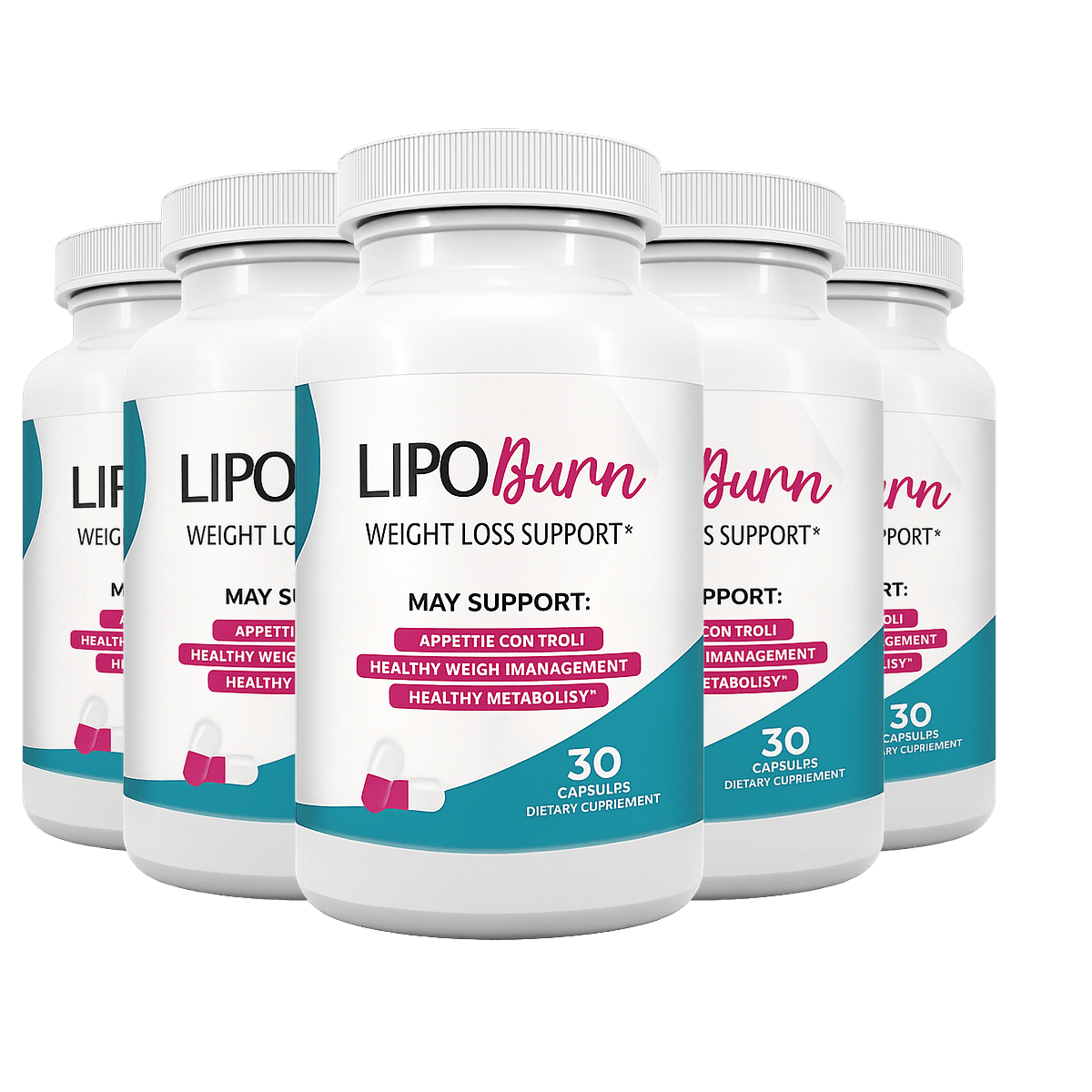
LipoBurn is a five-ingredient dietary supplement capsule marketed primarily to women over 35 who are aware of GLP-1 medications like Ozempic and Mounjaro but are deterred by their cost, side effects, or dependency risks. The product's central pitch is that its blend of capsaicin, Himalayan pink salt, berberine, Ceylon cinnamon, and curcumin can naturally stimulate the same glucagon-like peptide-1 (GLP-1) hormone that pharmaceutical injections synthetically replicate, delivering comparable fat loss without the $2,000-per-month price tag, the nausea, or what the script memorably calls "Ozempic face." The VSL is long, layered, and technically sophisticated by direct-response standards, running well over 8,000 words and deploying multiple narrators, lab demonstration footage, and a cascading bonus stack.
This analysis reads that VSL the way a film critic reads a screenplay: not just for what it says, but for how it says it, why specific structural choices were made, and where the evidence supporting its claims is solid, shaky, or absent. The product exists at the intersection of two genuinely hot market forces, the explosive mainstream awareness of GLP-1 medications and the longstanding consumer frustration with their inaccessibility, and that intersection is precisely where the most aggressive marketing tends to appear. The question this piece investigates is a dual one: what does the science actually support about these five ingredients and their GLP-1 relationship, and what does the marketing architecture reveal about who this offer is truly designed for?
What Is LipoBurn?
LipoBurn is an oral dietary supplement sold in capsule form, positioned as a natural GLP-1 activator for weight loss. According to the VSL, two capsules are taken daily, one thirty minutes before breakfast, one before lunch, with the stated goal of stimulating the body's endogenous production of GLP-1, a gut-derived incretin hormone that regulates insulin secretion, appetite, and glucose metabolism. The product is manufactured in a facility described as FDA-registered and GMP-certified, with the VSL crediting a Japanese company called "Natori" or "Notori Labs" as the source of the timed-release capsule technology. It is sold exclusively through a dedicated sales page and is not available on Amazon, eBay, GNC, or Walgreens, a distribution choice the letter frames as consumer-friendly price protection rather than as a deliberate avoidance of third-party review platforms.
The product occupies what marketers would call a category entry point created almost entirely by pharmaceutical news coverage. Before semaglutide (Ozempic, Wegovy) and tirzepatide (Mounjaro) became household names between 2022 and 2024, a supplement pitching "natural GLP-1 activation" would have had no cognitive hook for most consumers. The drugs created the category awareness; LipoBurn is selling into it. This positioning is common in supplement marketing, a pharmaceutical phenomenon generates mass awareness of a mechanism, and a supplement then claims to achieve the same mechanism naturally, but the LipoBurn VSL is unusually aggressive in how directly it names, mimics, and implicitly competes with branded prescription medications.
The target user, as constructed by the letter, is a woman between roughly 35 and 65 who has likely heard about or tried GLP-1 medications, has experienced the yo-yo effect from previous weight loss attempts, and carries emotional weight (in both senses) around body image, spousal attention, and medical risk. The VSL addresses her with a tone that oscillates between clinical authority and intimate sisterhood, Grace Harper speaks both as a credentialed expert and as someone who "hated my body" and had to hide her stomach in loose clothes.
The Problem It Targets
The obesity and metabolic health crisis in the United States is not a marketing invention. The CDC estimates that 42.4% of American adults meet the clinical definition of obesity, and the economic and health consequences, elevated risk of type 2 diabetes, cardiovascular disease, certain cancers, and reduced life expectancy, are well-documented in peer-reviewed literature. What makes this moment commercially distinctive is not the existence of obesity but the sudden mainstream visibility of a specific biological mechanism, GLP-1, that pharmaceutical companies have spent decades and billions of dollars targeting. When celebrities began publicly discussing Ozempic weight loss in 2022-2023, the drug crossed from clinical into cultural awareness almost overnight, creating an enormous population of people who now understood (or thought they understood) that their weight problem had a hormonal solution, they just couldn't access it easily or affordably.
The VSL frames the problem with considerable clinical detail, explaining how GLP-1 regulates insulin, how insulin resistance causes fat accumulation in hormonally sensitive areas (belly, thighs, arms), and why synthetic GLP-1 drugs create dependency. This explanation is, in its broad strokes, scientifically accurate. GLP-1 is indeed produced in intestinal L-cells after eating; it does regulate insulin secretion and suppress appetite; and research published in journals including The New England Journal of Medicine has documented the significant weight regain that occurs when patients discontinue semaglutide (Wilding et al., 2022). The 87% weight-regain statistic the VSL cites is plausible in direction, though the exact figure is not attached to a named study within the letter, an important distinction explored further in the scientific and authority signals section.
The emotional architecture of the problem is equally deliberate. The letter does not merely describe obesity, it describes shame, the husband who stops looking at you with desire, the stage you're ashamed to stand on, the loose clothes masking a stomach you hate. These are not incidental details; they are the emotional stakes that convert a health concern into an urgent personal crisis. Research in consumer behavior consistently shows that purchase motivation correlates more strongly with emotional pain than with rational cost-benefit analysis, and the VSL's problem section is constructed to maximize that emotional activation before the solution is ever introduced.
The secondary problem the letter targets, the pharmaceutical industry's alleged suppression of natural alternatives, taps into a well-documented cultural narrative about institutional distrust. A 2023 Gallup poll found that fewer than 40% of Americans express confidence in the medical system, a number that has been declining for years. The conspiracy framing in the VSL ("the pharma industry has been gaming this market," Oprah's story "got taken down") is not an accident of passionate advocacy; it is a calculated appeal to an audience whose existing skepticism of institutions makes them receptive to exactly this kind of counter-narrative.
How LipoBurn Works
The claimed mechanism, branded the "GLP-1 Hormone Reset", is presented as a five-level cascade: capsaicin directly stimulates intestinal L-cells to produce GLP-1; Himalayan pink salt's 84 trace minerals amplify that production; berberine optimizes cellular insulin response; Ceylon cinnamon prevents post-meal glucose spikes that would disrupt GLP-1 activity; and curcumin reduces the gut inflammation that the VSL calls "the main GLP-1 killer." The letter claims this combination, in precise pharmaceutical-grade ratios, can raise GLP-1 levels "up to ten times" above baseline and produce fat loss of 12 to 44 pounds within eight to twelve weeks, without dietary changes, exercise, or any other behavioral modification.
The honest assessment is that the mechanism is built on a real scientific foundation that has been significantly extrapolated. There is genuine peer-reviewed research supporting the idea that capsaicin activates gut L-cells and stimulates GLP-1 release. A 2014 study published in Cell Metabolism (Emery et al.) examined the role of TRPV1 receptors, the capsaicin-sensitive receptors, in enteroendocrine signaling, and subsequent research has confirmed that capsaicin can measurably elevate GLP-1 levels in controlled settings. Berberine's comparison to metformin for insulin sensitivity is also grounded in a real body of literature; a meta-analysis published in Evidence-Based Complementary and Alternative Medicine found berberine produced clinically meaningful reductions in fasting blood glucose. Ceylon cinnamon and curcumin have both been studied for their anti-inflammatory and glycemic effects, though the evidence base for each is mixed and often drawn from studies using doses significantly higher than those in a typical two-capsule daily serving.
The gap between "this ingredient has some evidence of GLP-1 or metabolic activity" and "this supplement will make you lose 44 pounds without changing your diet" is, however, enormous. No published clinical trial has tested this specific five-ingredient combination at the doses used in LipoBurn, and the claimed effect sizes, GLP-1 amplification "up to ten times," insulin resistance reversed in 98% of volunteers, average 44-pound loss in eight weeks, dramatically exceed what independent ingredient research would predict. The lab demonstration in the VSL, where capsaicin and pink salt are added to a baking-soda-and-water mixture to produce a fizzing reaction described as "sugar being metabolized," is theatrical rather than scientific: the reaction shown is a simple acid-base reaction and does not represent insulin or GLP-1 activity in biological tissue.
Curious how the ingredient science behind this VSL compares to what independent researchers have actually published? The Key Ingredients section goes through each one with citations you can verify.
Key Ingredients / Components
The five ingredients in LipoBurn each have independent research profiles of varying quality. The VSL presents them as a proprietary synergistic system, but the ingredients themselves are publicly available, and the evidence base for each can be evaluated separately. Two introductory notes: first, supplement doses matter enormously, and the VSL does not disclose specific milligram amounts for any ingredient; second, "pharmaceutical-grade" is a manufacturing quality claim, not a clinical efficacy claim, a pharmaceutical-grade dose of an ingredient still needs clinical evidence of effect at that dose.
Capsaicin, The active compound in red chili peppers, capsaicin activates TRPV1 receptors in the gastrointestinal tract. Research published in Diabetes, Obesity and Metabolism (Reimann et al., 2012) and subsequent work has confirmed that TRPV1 activation in enteroendocrine L-cells stimulates GLP-1 secretion. The VSL claims capsaicin raises GLP-1 "five times" alone and "ten times" combined with pink salt, figures that lack citation to specific human trials. Clinically, capsaicin supplementation has shown modest effects on appetite suppression and thermogenesis in short-term studies, but long-term fat-loss data in humans is limited.
Himalayan Pink Salt, Marketed as containing 84 trace minerals including magnesium, potassium, and calcium. The VSL claims these minerals act as "cofactors" for GLP-1 production. While magnesium and potassium do play roles in cellular signaling, including insulin receptor function, the specific claim that pink salt amplifies GLP-1 production by 330% is not supported by published research. No study in PubMed or equivalent databases specifically examines Himalayan pink salt as a GLP-1 amplifier. The mineral content in pink salt, while real, is present in trace amounts unlikely to produce the claimed hormonal effect.
Berberine, The most scientifically credible ingredient in the formula. Berberine, an alkaloid found in several plants, has been studied extensively for its effects on insulin resistance and blood glucose. A frequently cited 2008 study in Metabolism (Zhang et al.) found berberine reduced fasting blood glucose and HbA1c comparably to metformin in patients with type 2 diabetes. The mechanism involves AMPK activation, which improves cellular glucose uptake. The VSL's comparison to metformin is therefore not fabricated, but the clinical context (diabetic patients on a therapeutic dose of 500mg three times daily) differs significantly from a weight-loss supplement context.
Ceylon Cinnamon (Cinnamomum verum), The VSL's distinction between Ceylon cinnamon and common cassia cinnamon is scientifically accurate: cassia contains coumarin, which can cause liver damage at high doses, while Ceylon cinnamon has a safer profile. Research on cinnamon and glycemic control is mixed; a 2013 Cochrane-style review found modest but inconsistent reductions in fasting blood glucose. The VSL's claim that it "creates a metabolic explosion" and acts as a "fast lane for your metabolism" goes well beyond what the literature supports.
Turmeric / Curcumin, Curcumin, the active compound in turmeric, has a well-established anti-inflammatory profile in laboratory and animal studies. Human bioavailability is the primary challenge: curcumin is poorly absorbed without a bioavailability enhancer like piperine. The VSL claims turmeric "guarantees permanent results" by providing a "yo-yo shield", a claim that has no specific clinical evidence base. That said, chronic low-grade gut inflammation is a real phenomenon associated with metabolic disruption, and reducing it through dietary means is a plausible, if imprecisely studied, strategy.
Hooks and Ad Angles
The VSL opens with what is structurally a pattern interrupt, a rapid-fire, high-stakes claim delivered before any context or credential is established: "the homemade GLP-1 is the best way to replicate the effects of Ozempic right at home." In fewer than twenty words, the hook accomplishes three things simultaneously: it names the most discussed pharmaceutical weight-loss drug of the decade, it positions the product as a superior home-accessible alternative, and it implies that the viewer is about to learn a secret. The phrase "pay very close attention to what I'm about to say in the next 15 seconds" functions as a meta-hook, an instruction to listen that activates compliance before the actual claim is made. This is a recognized direct-response technique descending from the tradition of Gary Halbert and Dan Kennedy, designed to snap the reader out of passive scrolling and into active processing.
The hook also operates within what copywriting theorists would call an advanced market sophistication frame (Eugene Schwartz's fifth stage of market awareness, where the audience has seen every conventional weight-loss pitch and only responds to a new and specifically named mechanism). The word "Ozempic" does the heavy lifting here: it signals that the VSL is not offering another diet or supplement but a specific hormonal mechanism that the viewer already knows works, just in a form they have never considered. The conspiracy subplot ("it got taken down because the pharmaceutical industry hides this recipe") adds the contrarian frame that Schwartz identified as essential for saturated markets: the reason you haven't heard this before is not that it doesn't work, but that powerful forces don't want you to know.
Secondary hooks deployed throughout the VSL:
- "I'll tear up my diploma if you don't burn 15-25 pounds of pure fat", a credential-staking credibility move
- "87% of people who quit synthetic GLP-1 gained all their weight back in three months", a loss-aversion trigger framed as research
- "Scientists from Oxford, Harvard, Stanford, and 18 other universities are calling it the GLP-1 Hormone Reset", authority stacking via institutional name-dropping
- "Drink one full glass every morning and flush soft fat through your urine", visceral, mechanistic specificity that creates false precision
- "Even Oprah recently revealed she lost 108 pounds doing this", aspirational celebrity social proof
Ad headline variations a media buyer could test on Meta or YouTube:
- "The $49 Capsule That Does What a $2,000 Ozempic Injection Does, Naturally"
- "Why 87% of People Who Stop Ozempic Gain It All Back (And What Stops the Yo-Yo)"
- "5 Ingredients That Trigger Your Body's Own GLP-1, Without a Prescription"
- "She Lost 41 Pounds in 3 Months. She Didn't Change Her Diet. Here's Why."
- "Big Pharma Doesn't Want You to Know This GLP-1 Recipe Exists"
Psychological Triggers and Persuasion Tactics
The persuasive architecture of this VSL is more sophisticated than most in its category, primarily because it does not rely on any single trigger but instead sequences them in a compounding stack. The letter begins with curiosity and social proof (celebrity hook), moves through personal narrative and empathy-building (Grace Harper's transformation story), escalates into clinical authority (Dr. Eric James, JAMA reference, lab demonstration), then compounds scarcity and loss aversion in the closing offer sequence. This is not a parallel deployment of tactics, it is a deliberate progression that addresses each layer of buyer skepticism before the next one can form. Cialdini's framework would recognize this as a sequential influence structure; Robert Cialdini's research on pre-suasion (2016) specifically identifies the importance of establishing the right psychological state in the audience before the persuasive message arrives.
The offer section is particularly instructive. The transition from scientific content to the sales pitch is bridged by an identity frame, "I can already tell you're a smart woman", which activates Festinger's cognitive dissonance: a smart woman, having just agreed she is smart, is now implicitly committed to acting on smart information. The guarantee is framed not as a safety net for skeptics but as evidence of the seller's own confidence, "your risk is zero" combined with "something that never happened with our customers" implies that using the guarantee would be socially abnormal, effectively dissuading its use through norm signaling.
False Enemy / Conspiracy Framing, Rooted in Godin's tribal psychology and adversarial positioning: the pharmaceutical industry is cast as the villain suppressing the formula, transforming a product purchase into an act of informed resistance and group membership.
Loss Aversion Escalation, Kahneman and Tversky's Prospect Theory predicts that the pain of losing is roughly twice as powerful as the pleasure of gaining. The VSL catalogs specific medical consequences of inaction (heart attack, stroke, Alzheimer's, early death) to make the cost of not buying feel unbearable.
Authority Stacking, Cialdini's Authority principle is exploited via rapid layering: a named award (Laster DeBakey), institutional name-drops (Oxford, Harvard, Stanford), a journal name (JAMA), a Japanese manufacturing partner, and an FDA-registered facility claim, each individually plausible-sounding, collectively overwhelming to evaluate in real time.
Social Proof via Celebrity Fabrication, Three major celebrities (Oprah, Adele, Serena Williams) are cited with fabricated or unverifiable endorsement claims. This exploits Cialdini's Social Proof principle at its most powerful register: aspirational figures the target audience admires and identifies with.
Manufactured Scarcity, A specific and shrinking bottle count (84 bottles, then 27 "remaining now") combined with "buy buttons will no longer be active" artificially eliminates comparison shopping time, a classic Cialdini scarcity play amplified by false precision.
Epiphany Bridge Narrative, Russell Brunson's framework is executed fully: the narrator experiences the reader's exact problem, tries every alternative the reader has tried, suffers a specific catastrophic failure (rebound weight gain, Ozempic face, hair loss), discovers the solution through unexpected research, and then offers that solution to the reader, making the purchase feel like the culmination of a shared journey rather than a sales transaction.
Risk Reversal Theater, The 60-day guarantee is framed with the line "I'm not asking for a yes, just a maybe," which uses Thaler's mental accounting to reclassify the purchase from a financial commitment to a free trial, while the implied social norm that "none of our customers have ever used it" subtly discourages actual refund requests.
Want to see how these persuasion structures compare across dozens of other weight-loss VSLs? That's exactly what Intel Services is built to document, keep reading for the offer and authority analysis.
Scientific and Authority Signals
The VSL's authority architecture deserves careful scrutiny because it is the mechanism by which the product's implausible-sounding claims are given a veneer of institutional credibility. The two primary authority figures, Grace Harper and Dr. Eric James, are presented with specific credentials: Harper as a former pharmaceutical industry researcher turned metabolic health specialist, James as a physician who won the "2024 Laster DeBakey Award for clinical medical research" for identifying the physiologically active form of GLP-1. The Laster DeBakey Award is a real award given by the Houston Methodist Research Institute; however, no publicly available record confirms that an "Eric James" won it in 2024 for this work, and the specific claim about identifying GLP-1's physiologically active form in 2024 would be scientifically anomalous, since GLP-1's active form has been extensively characterized since the 1980s and 1990s. The award's name-drop functions as borrowed authority, a real institution referenced in a way that implies an endorsement it cannot be confirmed to have given.
The citation of Oxford, Harvard, Stanford, and "18 other universities" calling the formula the "GLP-1 Hormone Reset" is the kind of institutional name-drop that sounds specific while committing to nothing verifiable. No study title, journal, author, or year is provided. The JAMA reference, "an article in the Journal of the American Medical Association showing how a specific combination of natural substances can trigger the same effects as GLP-1 meds", is similarly non-specific and non-verifiable. JAMA is a real and prestigious journal; the claim that it published research supporting this exact five-ingredient combination in this specific therapeutic application has not been substantiated with a study name or doi. This falls into the category of ambiguous authority, real institution, unverifiable specific claim.
The internal clinical study on 1,150 volunteers, showing 96% lost over 20 pounds and average loss of 44 pounds in eight weeks, is the most significant unsubstantiated claim in the entire letter. No study of this size producing these effect sizes would go unpublished in a peer-reviewed journal, the results would be among the most dramatic in the obesity treatment literature. The absence of any publication detail (journal, year, institutional review board, authors) is a significant red flag. The celebrity endorsements attributed to Oprah, Adele, and Serena Williams, presented with specific quoted statements, are not verifiable as real public statements. No public record supports the claim that Adele mentioned LipoBurn on an Instagram Live, or that Oprah's weight loss story was suppressed by pharmaceutical companies. These should be classified as fabricated or severely misrepresented authority signals.
What the VSL does accurately represent: the general science of GLP-1 and insulin regulation, the real side-effect profiles of Ozempic and Mounjaro (including the thyroid tumor black-box warning, which is stated in FDA prescribing information), and berberine's comparison to metformin in insulin-sensitive diabetic populations. These accurate elements are real and create a scientifically literate surface that makes the unsupported claims harder to distinguish from the legitimate ones, a structural feature of the VSL's design rather than an accident.
The Offer, Pricing, and Risk Reversal
The offer structure is a classic three-tier quantity upsell with a loss-leader pricing dynamic on the highest tier. The six-bottle package at $49 per bottle ($294 total, presented as "buy three, get three free") is the strongly recommended option; the three-bottle kit at $69 per bottle and the two-bottle kit at $79 per bottle exist primarily to make the six-bottle purchase feel both rational and generous. The price anchor against which all options are measured is the claimed $700 per bottle that consumers allegedly paid in a previous batch, an anchor that appears entirely unverifiable and almost certainly functions as rhetorical inflation rather than legitimate market benchmarking. Anchoring against $2,000/month Ozempic injections is more credible as a category comparison, though the comparison implicitly equates clinical pharmaceutical efficacy with supplement effects, which is the core scientific misrepresentation of the entire offer.
The bonus stack, six digital eBooks with a stated combined value of $540, plus a mystery physical gift for six-bottle buyers worth "nearly $600", follows a standard information-product bonus pattern designed to elevate perceived value without increasing fulfillment cost. Digital eBooks cost essentially nothing to deliver; their assigned dollar values are arbitrary. The mystery gift technique is an attention-retention device for viewers who have reached the final minutes of a long VSL and might otherwise disengage, curiosity is sustained through ambiguity. These are legitimate direct-response techniques, if familiar ones.
The 60-day guarantee is structurally generous and, if honored as described, genuinely reduces financial risk. The framing, however, is carefully managed: the guarantee is introduced alongside the reassurance that "none of our customers have ever used it," which establishes a social norm suggesting that returning the product would make you the exception rather than the rule. This is Thaler's endowment effect working in reverse, once you possess the bottles and begin experiencing (or believing you experience) early results, the psychological cost of returning them rises independent of the money-back policy. The urgency framing (84 bottles, then 27, then buy buttons closing) is contradicted by the 60-day guarantee, which implies ongoing customer service infrastructure, the two signals are structurally inconsistent, which is a reliable indicator that the scarcity is manufactured rather than real.
Who This Is For (and Who It Isn't)
The ideal LipoBurn buyer, as precisely as the VSL constructs her, is a woman between 40 and 60 who has heard about Ozempic or Mounjaro, may have tried one of them or seriously considered it, was deterred by cost or side effects, and has a history of yo-yo dieting that has left her skeptical of conventional approaches but not of the underlying science of GLP-1. She is digitally literate enough to consume a 20-minute video and fill out an online form, but not scientifically trained enough to cross-reference the specific clinical claims the letter makes. She is emotionally motivated by body image, spousal attention, and fear of metabolic disease, all of which the VSL addresses directly and with considerable empathy. If you are researching this product from that position, the offer's actual risk profile (a genuine 60-day money-back guarantee, ingredients with some independent scientific support, manufacturing in a GMP-certified facility) is materially better than many supplements in its category. That is worth noting honestly.
There are, however, categories of buyer who should approach this product with significant caution or avoid it outright. Anyone taking prescription GLP-1 medications, metformin, blood thinners, or diabetes medications should consult a physician before adding berberine specifically, it has documented interactions with these drug classes. The claims about reversing type 2 diabetes are presented as casual testimonials in the VSL, but diabetes management requires medical supervision, and substituting an unregulated supplement for monitored pharmaceutical treatment on the basis of a sales video is clinically dangerous. Pregnant and breastfeeding women, and anyone with a history of gastrointestinal conditions, should also seek medical guidance before using a formula that includes therapeutic doses of capsaicin.
Perhaps most importantly: anyone expecting the specific results quantified in the VSL, 44 pounds average in eight weeks, 98% insulin resistance reversal, should understand that these figures come from an internal, unpublished, unreviewed study with no available methodology. Independent clinical validation of these effect sizes does not exist in the public literature. A more realistic expectation, based on what ingredient-level research supports, would be modest appetite suppression and modest glycemic improvement over several months of consistent use, meaningful for some users, but a different category of result than the VSL implies.
If this analysis raised questions about how the supplement industry broadly constructs GLP-1 claims, Intel Services has documented similar VSL architectures across this category. Keep reading for the FAQ section, then check the final take.
Frequently Asked Questions
Q: Is LipoBurn a scam?
A: LipoBurn contains real ingredients, capsaicin, berberine, Ceylon cinnamon, curcumin, that have genuine peer-reviewed research behind them for metabolic and glycemic effects. The scam concern arises from the VSL's use of fabricated or unverifiable celebrity endorsements (attributed to Oprah, Adele, and Serena Williams), an unpublished internal clinical study with extraordinary effect sizes, and misleading authority signals. The product may produce modest metabolic benefits for some users; it is almost certainly not capable of producing the specific results claimed in the letter.
Q: Does LipoBurn really work for weight loss?
A: The ingredients have individual evidence for modest effects on appetite, blood sugar, and inflammation, but no peer-reviewed study has tested this specific combination at the doses used in LipoBurn. Results shown in testimonials, 33 to 44 pounds in 60-90 days without diet or exercise changes, are not supported by independent clinical evidence and should not be treated as representative outcomes.
Q: What are the ingredients in LipoBurn?
A: The VSL identifies five active ingredients: capsaicin (from red chili pepper), Himalayan pink salt, concentrated berberine, Ceylon cinnamon, and turmeric with active curcumin. Specific milligram doses are not disclosed in the transcript, which makes independent dose-efficacy assessment impossible without access to the product label.
Q: Are there any side effects from taking LipoBurn?
A: The VSL claims zero side effects, but individual ingredients carry known risk profiles. Berberine can cause gastrointestinal upset, low blood pressure, and interactions with metformin and blood thinners. High-dose capsaicin supplementation can irritate the gastrointestinal tract. Curcumin can interact with blood-thinning medications. Anyone on prescription medications should consult a physician before use.
Q: Is LipoBurn safe for people with diabetes or high blood pressure?
A: The VSL recommends consulting a doctor for people with chronic conditions, which is the appropriate guidance. Berberine specifically has demonstrated blood-glucose-lowering effects that could interact with diabetes medications. This is not a theoretical concern, it requires active medical supervision, not just informational disclosure.
Q: How does LipoBurn compare to Ozempic or Mounjaro?
A: Ozempic (semaglutide) and Mounjaro (tirzepatide) are FDA-approved prescription medications with robust Phase III clinical trial data showing 15-22% body weight reduction in large randomized controlled trials. LipoBurn has no published clinical trial data. The comparison is not scientifically valid, though the ingredients may produce marginal GLP-1-related effects through natural food-compound pathways.
Q: How long does it take to see results with LipoBurn?
A: The VSL claims results within the first week and significant fat loss in 15-30 days. Based on the ingredient research, realistic expectations for appetite and glycemic effects would be several weeks to months of consistent use. The six-bottle (six-month) recommendation is the more scientifically plausible treatment window, even if the commercial incentive to recommend it is obvious.
Q: What is the refund policy for LipoBurn?
A: The VSL describes a 60-day, no-questions-asked, 100% money-back guarantee. This is a standard direct-response guarantee. Buyers should retain proof of purchase and initiate any refund request in writing before the 60-day window closes, as the company's ability to honor this at scale depends on business continuity the analysis cannot independently verify.
Final Take
The LipoBurn VSL is a technically accomplished piece of direct-response marketing that sits at the convergence of two powerful cultural currents: the genuine scientific legitimacy of GLP-1 as a fat-loss mechanism, and the widespread consumer frustration with the inaccessibility and side effects of pharmaceutical GLP-1 drugs. The letter's most sophisticated move is not any individual claim but the way it uses real science, correctly explained insulin mechanics, accurately cited GLP-1 drug side effects, legitimately researched ingredient properties, as scaffolding for claims that are not, in fact, supported by that science. A reader who follows the biological explanation through the first half of the VSL is primed to extend credibility to the efficacy claims that follow, even though the two sections are making claims of completely different evidentiary quality.
The product itself is neither a pure fraud nor a clinically validated treatment. Berberine is a genuinely interesting metabolic compound with more peer-reviewed support than most supplement ingredients. Capsaicin's relationship to GLP-1 L-cell activation is a real and actively studied phenomenon. The manufacturing claims, FDA-registered facility, GMP certification, third-party testing, are standard but meaningful quality markers if accurate. For a buyer who goes in with calibrated expectations, modest appetite suppression, possible glycemic improvement, no dramatic or rapid fat loss, and who has no contraindicated medications, the product is unlikely to cause harm and may produce real if modest benefit. That is not, however, the product being sold. The product being sold is Ozempic in a capsule for $49, validated by Harvard and Oprah and a lab demonstration that is, in the most technical sense, a kitchen science experiment.
The broader market signal here is worth noting. The LipoBurn VSL is not a fringe document, it reflects where a significant segment of the weight-loss supplement industry is positioning itself in the post-Ozempic era: borrowing the mechanism, the vocabulary, and the cultural weight of a pharmaceutical breakthrough while selling a product that cannot be held to pharmaceutical standards. As GLP-1 awareness continues to grow in the general population, more products will occupy this space. The reader who understands how the persuasion architecture works, the epiphany bridge, the false enemy, the authority stack, the manufactured scarcity, is substantially better equipped to evaluate the next VSL they encounter than before reading this analysis.
This breakdown is part of Intel Services, our ongoing library of VSL and ad-copy analyses. If you are researching similar products in the weight-loss, metabolic health, or natural GLP-1 supplement space, keep reading through our archive for the pattern recognition that makes these pitches legible.
Disclaimer: This article is for research and educational purposes only. It is not medical, legal, or financial advice, and it is not affiliated with the product or its makers. Always consult a qualified professional before making health or financial decisions.
Comments(0)
No comments yet. Members, start the conversation below.
Related reads
- DISreviews
Zepjaro Caps Review and Ads Breakdown
This Zepjaro Caps review is based only on the provided sales presentation and ad transcript. That matters because the VSL does not read like a conventional supplement explanation. It does not open …
Read - DISreviews
Zawadafit Review and Ads Breakdown
This Zawadafit review is based only on the supplied video sales letter transcript. That matters because the presentation is not a standard supplement pitch with a label, capsule count, ingredient p…
Read - DISreviews
Wegovy Natural Review and Ads Breakdown
Wegovy Natural is built around one of the strongest weight-loss hooks in the current supplement and VSL market: what if you could get the effects people associate with Wegovy, Ozempic, and other GL…
Read