Lung Vita Drops Review and Ads Breakdown
The video opens with a sound that stops scrollers cold: the CNN breaking news chime. For the first three seconds, a viewer has no reason to believe they are watching a product advertisement. That i…
8,226+
Videos & Ads
+50-100
Fresh Daily
$29.90
Per Month
Full Access
12.5 TB database · 72+ niches · 28 min read
Introduction
The video opens with a sound that stops scrollers cold: the CNN breaking news chime. For the first three seconds, a viewer has no reason to believe they are watching a product advertisement. That is, of course, entirely by design. The opening gambit of the Lung Vita Drops Video Sales Letter is a pattern interrupt. A technique drawn from behavioral psychology in which an unexpected stimulus disrupts the brain's habitual filtering, forcing genuine attention at a moment when the audience would otherwise be indifferent. Within thirty seconds, the pitch has claimed that Stanford University and Johns Hopkins Hospital doctors are calling a two-ingredient Japanese tea "the greatest lung health advancement of the 21st century," that Morgan Freeman has personally used and endorsed it, and that 19,000 Americans have already abandoned their inhalers as a result. The speed and density of that credential-stacking is not accidental. It is a calculated move to anchor the viewer's sense of reality before any critical faculties have time to engage.
What follows over the course of the VSL is an elaborate, layered piece of direct-response marketing that deserves close reading; not because it is subtle, but because it is structurally sophisticated in ways that are not immediately obvious. Lung Vita Drops is a sublingual liquid supplement marketed to adults suffering from chronic respiratory conditions: COPD, asthma, bronchitis, emphysema, and the general respiratory decline associated with decades of smoking or urban pollution exposure. Its central claim is that a proprietary combination of Himalayan black honey and a rare Japanese root extract called Kuro-Sen can dissolve what the narrator calls "lung glue", a viscous, cement-like accumulation of toxins said to be the true, suppressed root cause of most chronic lung disease. The piece that follows examines what the VSL actually says, what the science actually supports, and what the marketing machinery underneath the emotional storytelling is designed to accomplish.
This analysis is written for the reader who has watched the video, felt moved by it, and now wants a clearer picture before making a purchasing decision. It takes the product and the pitch seriously enough to examine both on their own terms. The question it investigates is not whether the VSL is persuasive, it obviously is, but whether the product and its underlying claims hold up under scrutiny, and what the architecture of the persuasion reveals about how this category of supplement marketing operates.
What Is Lung Vita Drops?
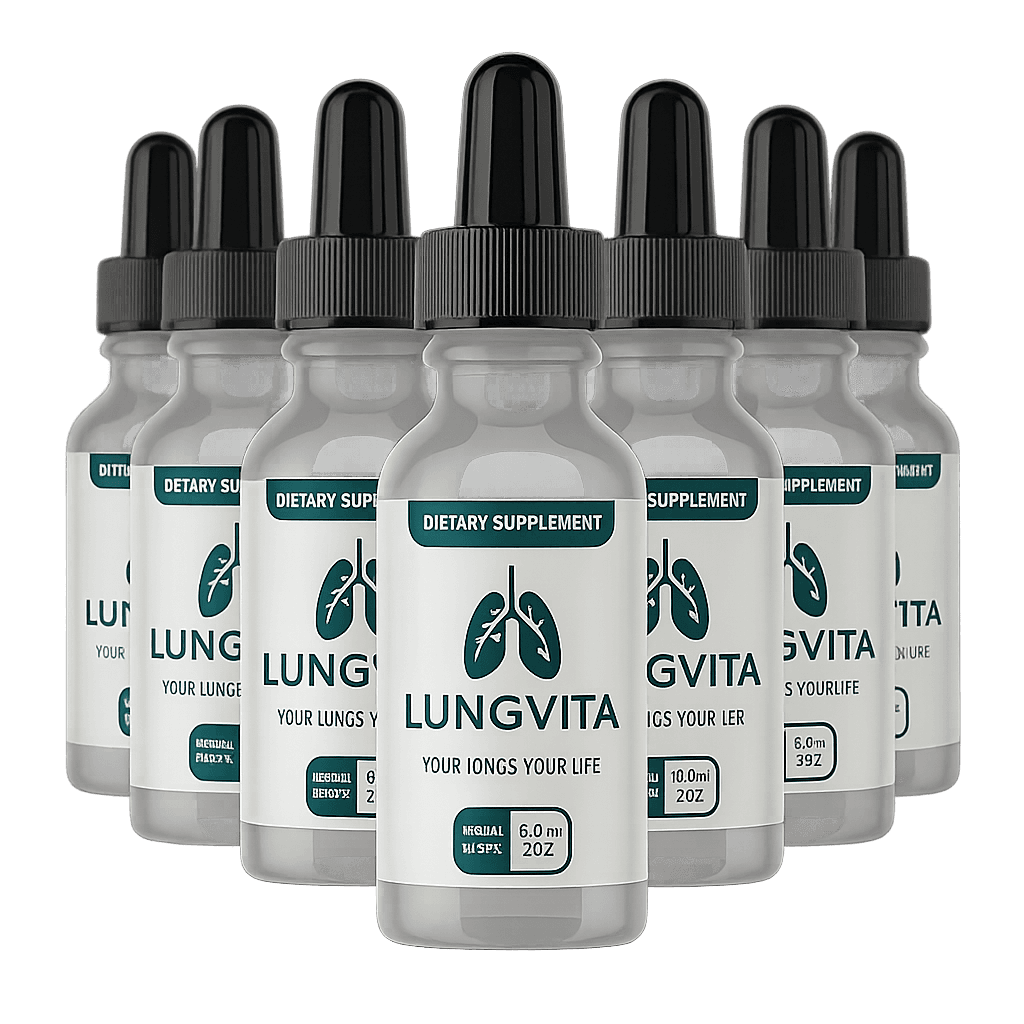
Lung Vita Drops is a direct-to-consumer sublingual liquid supplement positioned as a natural respiratory health intervention. It is sold exclusively through its own sales page, the VSL explicitly states it is unavailable on Amazon, eBay, or in pharmacies, a distribution model common in the high-margin, direct-response supplement space, where eliminating retail intermediaries allows both higher perceived exclusivity and greater control over the narrative surrounding the product. The formula is presented as containing two primary active ingredients: a rare root extract the VSL alternately calls Akane root and Kuro-Sen extract, and a variety of black honey sourced from high-altitude Himalayan beekeepers. Organic vegetable glycerin is included as a sublingual carrier, and Labelia extract grown in Indian mineral soil is briefly mentioned in the ingredient description during the production segment.
The sublingual delivery mechanism is central to the product's technical identity. The VSL argues that delivering the formula under the tongue, rather than in capsule or powder form, allows active compounds to enter the bloodstream up to five times faster by bypassing the digestive system, where many natural compounds are said to lose potency. This claim has a basis in pharmacological principle: sublingual administration does demonstrably accelerate the absorption of certain compounds (nitroglycerin, for example, is delivered sublingually for exactly this reason), though whether it produces a five-fold improvement in bioavailability for plant-derived mucolytic compounds specifically is a more complex question. The product is manufactured in what the VSL describes as a GMP and ISO certified U.S. facility in small batches every six months, a production cadence the marketing team uses simultaneously as a quality signal and a scarcity mechanism.
In terms of market positioning, Lung Vita Drops occupies the growing category of "natural respiratory detox" supplements. A niche that has expanded substantially in the post-pandemic period as awareness of lung health has risen among aging populations and former smokers. It is priced at a premium relative to mainstream wellness supplements, with a per-unit price of $79 for a two-bottle starter pack, and it competes on the axis of natural authenticity versus pharmaceutical skepticism rather than clinical trial data or regulatory approval.
The Problem It Targets
The respiratory burden Lung Vita Drops is built around is real, large, and emotionally loaded. And that combination makes it a commercially attractive target. Chronic Obstructive Pulmonary Disease alone affects an estimated 16 million Americans who have been formally diagnosed, with the CDC estimating that millions more remain undiagnosed. Globally, the WHO ranks COPD as the third leading cause of death. Chronic bronchitis, asthma, and the diffuse category of post-smoking respiratory decline collectively represent one of the largest pools of undertreated, chronically symptomatic adults in the developed world; people who are suffering, who feel failed by conventional medicine's emphasis on symptom management rather than reversal, and who are emotionally receptive to the idea that a natural solution exists. The VSL identifies this receptivity precisely and builds its entire narrative around it.
The mechanism the VSL introduces to explain this suffering is a concept it calls "lung glue", described as a combination of tar residue, chemical particles, and toxins that accumulates in the lungs over years of exposure to cigarettes, pollution, cooking fumes, and cleaning products, forming a sticky cement that traps mucus in the alveoli and prevents the lungs' natural self-cleaning function. The underlying biology the concept gestures toward is real: long-term smoking and pollution exposure do cause structural changes in lung tissue, impair mucociliary clearance (the system by which the lungs expel mucus and debris), and produce chronic inflammation. The American Lung Association and the National Institutes of Health have extensively documented these mechanisms. The VSL's innovation is to brand this complex, multifactorial process with a viscerally simple metaphor, "glue", that makes the problem feel concrete, locatable, and therefore solvable.
Where the VSL's framing departs from the scientific literature is in its suggestion that this accumulation constitutes a single, discrete substance with a specific chemical identity that can be dissolved by a targeted natural compound in a matter of weeks. Pulmonary medicine does not support that simplification. The damage caused by chronic smoke exposure includes structural remodeling of airways, destruction of alveolar walls in emphysema, and systemic inflammation, processes that are not analogous to glue dissolving under a solvent. The concept of "lung glue" is a rhetorical construction designed to make complex pathology feel tractable, not a recognized clinical entity. That distinction matters for evaluating what the product can plausibly deliver.
For the target audience, adults in the 45-to-85 age range who have watched their breathing capacity decline and have felt dismissed by physicians offering only palliative management, the framing of "lung glue" as the hidden root cause is profoundly validating. It explains their suffering, exonerates them from blame, identifies a previously unknown enemy, and promises that the enemy is defeatable. That is not a small thing psychologically, and it is one of the most skillfully executed elements of the VSL's emotional architecture.
How Lung Vita Drops Works
The claimed mechanism of action for Lung Vita Drops rests on two sequential processes: mucolysis (the breaking down of hardened mucus) and tissue regeneration. The Kuro-Sen root extract, described as rich in saponins and natural mucolytic agents. Is said to dissolve the bonds holding thickened mucus to the alveolar walls, allowing the lungs to expel what has been accumulating for years. The Himalayan black honey is assigned an anti-inflammatory and regenerative role, its antioxidant compounds described as calming bronchial inflammation and facilitating cellular repair of damaged lung tissue. Together, the VSL claims, these two ingredients attack both the symptom (trapped mucus) and the structural consequence (inflamed, damaged airways).
The pharmacological plausibility here is partial but not zero. Saponins are a class of plant-derived compounds with documented surfactant properties. They reduce surface tension in aqueous solutions; and some research has examined their potential mucolytic effects. Certain honeys, particularly Manuka honey from New Zealand, have demonstrated genuine anti-inflammatory and antimicrobial properties in peer-reviewed studies, including research published in the Asian Pacific Journal of Tropical Biomedicine and explored in NIH-adjacent literature. The general principle that certain plant compounds can modulate mucus viscosity and reduce airway inflammation is established enough to be plausible as a starting premise. The leap the VSL makes, from "plant compounds with mucolytic properties exist" to "these specific compounds, in this formulation, dissolve years of respiratory damage in 21 days", is where scientific caution must be applied.
The sublingual delivery claim is the most technically credible element of the product's design rationale. Sublingual absorption, bypassing first-pass hepatic metabolism, does meaningfully improve bioavailability for certain compounds. The specific claim of five-times-faster absorption is a precise enough number to sound studied, though no study is named to support it in the context of these particular extracts. The extraction and sourcing narrative, altitude-harvested honey, cold-processed root extract, micro-batch production to prevent oxidation, reflects genuine knowledge of phytochemical stability challenges, even if the specific constraints described (honey losing properties outside Himalayan altitude, Kuro-Sen oxidizing rapidly after processing) are asserted rather than documented.
What is most scientifically problematic in the mechanism claims is the assertion that Lung Vita Drops can reverse COPD, emphysema, and advanced bronchitis, conditions involving permanent structural changes to lung tissue, through mucolysis and anti-inflammation alone. Emphysema, for instance, involves the physical destruction of alveolar walls, a process that current medicine has no reversal protocol for, natural or pharmaceutical. The VSL testimonials include a woman removed from a lung transplant waiting list after using the drops, a claim that, if literal, would represent a clinical event so extraordinary it would have been published in every major pulmonology journal in the world. The responsible reading of these testimonials is that they may reflect genuine subjective improvement in breathing comfort, which mucolytic and anti-inflammatory agents can produce. Rather than verified reversal of end-stage lung disease.
Curious how other VSLs in this niche structure their pitch? Keep reading. The next sections break down the psychology behind every claim above.
Key Ingredients and Components
The VSL's ingredient narrative is built around two heroes and one supporting player. Understanding each on its own terms helps separate legitimate botanical interest from marketing amplification.
Kuro-Sen extract (Akane root): Described in the VSL as a traditional Japanese herb used for centuries in mountain villages to "unstick the lungs." The name "Kuro-Sen" is not a standard Western pharmacological identifier, which makes independent verification difficult; it may correspond to a Japanese folk-medicine plant known under a local name not indexed in English-language databases. The saponins attributed to it are a legitimate and well-studied phytochemical class; some saponins (such as those in licorice root and ivy leaf extract) do have documented expectorant and mucolytic effects. Ivy leaf extract (Hedera helix) in particular has been studied in European clinical trials published in Arzneimittelforschung as a bronchitis treatment. Whether Kuro-Sen root contains comparable saponin profiles would require independent laboratory analysis of the actual product.
Himalayan black honey (Himalayan Citrine Honey): The VSL describes this as harvested above 3,000 meters by nomadic beekeepers from rare pine flower pollen. High-altitude wild honeys, particularly Himalayan mad honey (Rhododendron-derived), are a real category with documented bioactive properties, though they also carry genuine toxicity risks at high doses. Honey's general anti-inflammatory properties are supported by research, a 2017 review in Oxidative Medicine and Cellular Longevity examined honey's antioxidant mechanisms, but the specific "Himalayan Citrine Honey" designation appears to be a proprietary branding term without an independent scientific literature to assess.
Labelia extract: Mentioned briefly in the production segment, Lobelia (likely Lobelia inflata) has a long history in herbal respiratory medicine and does contain the alkaloid lobeline, which has been studied for its effects on respiration and its structural similarity to nicotine. However, Lobelia is also known to have a narrow therapeutic window, meaning the difference between a therapeutic and a toxic dose is small, and it is not FDA-approved for any respiratory indication. Its inclusion without dosage transparency is a point a prospective buyer should investigate before purchasing.
Organic Vegetable Glycerin: A standard and genuinely functional sublingual carrier. Vegetable glycerin is well-established as a safe, non-toxic base for sublingual and oral formulations, and its inclusion is one of the product's more straightforwardly credible components.
Hooks and Ad Angles
The VSL's opening sequence is one of the more technically accomplished hook constructions in the direct-response supplement space. The simulated CNN news chime followed by the phrase "in people who have smoked for decades" constitutes a false authority frame combined with an open loop, the viewer's brain recognizes institutional credibility (CNN) and registers an incomplete statement that demands resolution. Before the viewer processes that no CNN program is actually airing, the next line pivots to the surprising inversion: "the key to everything isn't inhalers, antibiotics, or expensive surgeries." This is a classic contrarian frame, a structure Eugene Schwartz described in Breakthrough Advertising as essential for a market at Stage 4 or 5 sophistication, audiences who have seen every direct benefit claim and now respond only to a mechanism or enemy they have not encountered before. The viewer who has tried multiple inhalers and still struggles to breathe is not impressed by "breathe better"; they are arrested by "everything you've been given is wrong, and here's why."
The Morgan Freeman testimonial, placed within the first three minutes, is a social proof anchor of unusual power. Freeman's voice is among the most recognized in American culture, and his persona carries associations of wisdom, credibility, and calm authority, precisely the character traits a health product wants by association. Whether the testimonial is genuine is a question this analysis cannot resolve, but its placement and content are strategically precise: it addresses a sophisticated skeptic ("I thought it was just another internet hoax"), describes a specific and believable mechanism of improvement ("after the second week"), and closes with an aspirational outcome tied to professional identity ("I'm back to narrating"). The VSL also names the number 19,000 within the first two minutes. A specific figure chosen because it is large enough to convey social proof but small enough to seem like a real tracking metric rather than a round-number invention.
Secondary hooks observed in the VSL:
- "They offered me $30 million to stay silent. I refused."
- "Even those who have never smoked are accumulating this invisible cement without realizing it."
- "91% of participants reported significant improvement after just 4 weeks."
- "My mother was on the lung transplant waiting list. The doctors suspended her hospitalization."
- "This video could be taken down at any moment due to pressure from pharmaceutical giants."
Ad headline variations a media buyer could test on Meta or YouTube:
- "She Was on the Lung Transplant List. Then She Tried This 2-Ingredient Tea."
- "Doctor Refused $30M to Keep This Lung Formula Secret. Here's Why"
- "What Stanford Doctors Are Calling the Biggest Lung Breakthrough in 100 Years"
- "Ex-Smoker? This Japanese Root Dissolves the Toxic Mucus Your Inhaler Can't Reach"
- "19,000 Americans Quit Their Inhalers. This Is What They Used Instead."
Psychological Triggers and Persuasion Tactics
The persuasive architecture of the Lung Vita Drops VSL is best understood not as a list of independent tactics but as a compounded sequence, where each mechanism sets up the next. The letter opens with authority (CNN, Stanford, Johns Hopkins), transitions to emotional narrative (father's decline, Alex's helplessness), then pivots to a new enemy (Big Pharma suppression), then to social proof (19,000 Americans, Morgan Freeman), then to scarcity (79 bottles, 6-month production cycles), and finally to risk reversal (full money-back guarantee, zero risk framing). This is not a parallel arrangement of persuasion tools; it is a stacked funnel in which each element resolves one objection and opens the next psychological door. A viewer who arrives skeptical is offered authority; a viewer who accepts authority but wonders why doctors haven't mentioned this is offered the conspiracy frame; a viewer who is intrigued but uncertain is offered social proof; a viewer who wants to act but hesitates on price is offered scarcity. The sequence is designed to have no stable exit ramp.
Specific tactics deployed and their theoretical grounding:
False Authority (Cialdini, 1984): Unnamed Stanford and Johns Hopkins doctors endorse the approach, and Alex Morgan presents detailed academic credentials including a University of California degree and 15 years of research, none of which can be verified by the viewer in the moment of watching. Authority borrowed from unverifiable sources functions identically to legitimate authority in the short decision window of a VSL.
Epiphany Bridge Storytelling (Brunson, Expert Secrets): Alex's father's respiratory collapse is the emotional fulcrum of the entire letter. The scene, father on oxygen, every breath a battle, the son's helplessness despite his medical training, is rendered with cinematic specificity designed to mirror the emotional reality of the target audience, most of whom have watched someone they love struggle to breathe.
False Enemy / Conspiracy Frame (Godin, Tribes): The pharmaceutical industry is cast as an active suppressor of the cure, having offered Alex $30 million in silence money. This frame does three things simultaneously: it explains why the viewer has never heard of this before (it was hidden), it elevates Alex to heroic status (he refused the money), and it makes any external skepticism about the product feel like evidence of pharmaceutical conditioning rather than legitimate doubt.
Loss Aversion (Kahneman & Tversky, Prospect Theory, 1979): "With every passing minute, your lungs continue to be attacked by toxins" converts delay from a neutral choice into an active harm. The emotional weight of losing something one has (breathing capacity) is consistently framed as greater than the cost of purchasing the product, a direct application of loss aversion.
Artificial Scarcity and Urgency (Cialdini, Scarcity principle; Thaler, Endowment Effect): The bottle count dropping from 79 to 27 within the same video, the six-month restock cycle, and the threat that closing the tab releases reserved bottles are stacked scarcity signals that compress the decision timeline to eliminate the buyer's opportunity for considered reflection.
Inoculation Against Skepticism (McGuire, 1961): "I completely understand if you're still skeptical, Big Pharma has been lying to you for decades" is a textbook inoculation move, attributing the viewer's doubt to external manipulation rather than rational evaluation of the product's claims. This pre-emptively invalidates the most dangerous response to a VSL: a viewer deciding to research the product before buying.
Social Proof Stacking (Cialdini, Social Proof; Festinger, Social Comparison Theory): The VSL deploys at least seven distinct testimonials across its runtime, each addressing a different persona within the target audience, the long-term smoker, the never-smoker, the COPD patient, the family member watching a loved one decline. The breadth of personas covered reduces the probability that any viewer will feel the social proof doesn't apply to them.
Want to see how these tactics compare across 50+ VSLs? That's exactly what Intel Services is built to show you.
Scientific and Authority Signals
The VSL's authority infrastructure is elaborate but, on close examination, largely unverifiable or borrowed. The institutional anchors, Stanford University and Johns Hopkins Hospital. Are among the most credible names in American medicine, yet no named doctor, no study title, no publication date, and no journal name is provided to substantiate the claim that their researchers have evaluated this formula. This is a pattern the marketing literature calls borrowed institutional authority: the prestige of a recognizable institution is imported by association without any actual endorsement being claimed in falsifiable terms. A physician at Stanford who said anything remotely positive about natural respiratory interventions could, technically, be invoked this way. The viewer has no mechanism to check.
Alex Morgan's own credentials. A University of California graduate with a specialization in respiratory physiology and publications in something called "The American Lung Journal"; present similar challenges. The American Lung Association publishes a journal, but "The American Lung Journal" as named in the VSL does not appear to correspond to a standard indexed publication. The University of California system is real and large; the specific campus, department, year of graduation, and faculty supervision are never provided. These omissions may be deliberate, since specificity creates verifiability, and verifiability creates risk for claims that cannot withstand scrutiny.
The clinical trial data presented, 91% breathing improvement, 87% inhaler abandonment, is described in the language of peer-reviewed research without any of the infrastructure of peer review: no IRB approval is mentioned, no control group is described, no statistical methodology is presented, no journal publication is cited. The trials are described as "expanded" with volunteers aged 28 and older, conducted with researchers in the United States, Japan, and the United Kingdom, a description that would constitute a multinational clinical trial of extraordinary scale and cost, the results of which would have been published and widely covered in medical media. No such publication is referenced because none, to this analyst's knowledge, exists. The statistic that $179 million per year is invested specifically to suppress discoveries like this is similarly asserted without citation and functions rhetorically rather than factually.
Barbara O'Neill, cited as co-author of a bonus e-book, is a real figure in the naturopathic and alternative health space, though she is not a licensed medical doctor and has been the subject of regulatory action by the Australian Health Practitioner Regulation Agency regarding her health advice. Her inclusion as a credibility marker reflects the VSL's target audience's trust in naturopathic authority over conventional medicine, a trust the letter has been carefully building throughout its runtime.
The Offer, Pricing, and Risk Reversal
The offer structure of Lung Vita Drops is a sophisticated application of price anchoring layered over an emotional spend-versus-save argument. The VSL anchors the product's value first at $5,000 per bottle (what desperate buyers allegedly offered during a relaunch), then at $1,000, then at $500, then at $200, before landing at the actual retail price, approximately $79 per bottle for a two-unit starter pack. This descending anchor sequence is a textbook price ladder technique: each anchor establishes a reference point that makes the next lower price feel like a relief, so that by the time the actual price arrives, it is processed as a bargain rather than a cost. The comparison to inhalers, antibiotics, hospitalizations, and oxygen tanks as ongoing expenses that Lung Vita will eliminate is a cost-of-inaction frame, implying that not buying the product is the financially reckless choice.
The bonus stack, two e-books valued at $158, a private Zoom consultation valued at $3,000 for the first ten buyers, a $3,000 cruise gift card, and an all-expenses-paid Tuscany trip giveaway. Follows a formula common in direct-response health marketing where the nominal value of bonuses substantially exceeds the product price, making the transaction feel asymmetrically favorable to the buyer. Whether a private Zoom consultation with the VSL's narrator is genuinely worth $3,000, or whether the Tuscany giveaway has meaningful expected value for any individual buyer, are questions the offer structure is designed to prevent the viewer from calculating calmly.
The guarantee. A full refund at any point within a trial period ranging from one week to six full months; is genuinely consumer-protective in its stated terms and is one of the offer's most credible elements. A six-month money-back guarantee does shift meaningful financial risk away from the buyer, assuming the company honors it. For a product whose claims are as extraordinary as Lung Vita's, the existence of a real refund mechanism is the most important piece of information a cautious buyer should verify independently before purchasing.
Who This Is For (and Who It Isn't)
The Lung Vita Drops pitch is calibrated with precision for a specific buyer: an adult, most likely between 55 and 75, who has either smoked for significant portions of their adult life or been chronically exposed to environmental pollutants, who is currently experiencing measurable respiratory decline, who has tried at least one conventional treatment that has failed to satisfy them, and who has, crucially, developed a degree of institutional distrust toward the pharmaceutical industry. This buyer is not naive; they are, in many cases, someone who has done genuine research, has genuine symptoms, and has genuinely been told by doctors that management rather than reversal is the best available outcome. The VSL meets them precisely at the point of that frustration and offers them an alternative narrative that validates their distrust and promises the reversal they were denied.
For this buyer, the product may offer some genuine value, not necessarily from the mechanisms the VSL claims, but from whatever mucolytic and anti-inflammatory properties the actual formulation contains. Expectorant herbs and anti-inflammatory plant compounds can meaningfully improve subjective breathing comfort, reduce the frequency of acute coughing episodes, and improve sleep quality for people with chronic mucus accumulation. If that is the actual clinical effect on offer, it is a real benefit, even if it falls far short of "reversing COPD" or removing someone from a transplant waiting list.
The product is likely not appropriate for several categories of buyer. People with advanced COPD or emphysema who are making healthcare decisions based on VSL testimonials rather than pulmonologist guidance are at genuine risk of delaying interventions that could make a meaningful clinical difference. Anyone with Lobelia sensitivity, or who is managing heart conditions (some honey varieties at high doses can affect cardiac rhythm), should verify the formulation with a physician before use. And anyone who has been told their condition is chronic and progressive should treat a supplement's promise of full reversal with proportionate skepticism, regardless of how many testimonials accompany it.
This kind of analysis, mapping the offer against the real buyer profile, is the core of what Intel Services provides across dozens of product categories.
Frequently Asked Questions
Q: Is Lung Vita Drops a scam?
A: The product contains real botanical ingredients with some scientific plausibility as mucolytic and anti-inflammatory agents. However, many of the VSL's specific claims, including reversal of COPD, removal from transplant waiting lists, and endorsements from named celebrities, cannot be independently verified and exhibit patterns common to deceptive direct-response marketing. Whether the product delivers meaningful benefit depends on the actual formulation quality and individual physiology; the marketing architecture clearly overstates what is scientifically supportable.
Q: What are the ingredients in Lung Vita Drops?
A: The VSL identifies four components: Kuro-Sen root extract (also called Akane root, described as rich in saponins and mucolytic agents), Himalayan black honey (branded as Himalayan Citrine Honey), organic vegetable glycerin as a sublingual carrier, and Labelia extract grown in Indian mineral soil. The VSL does not provide specific dosages for any ingredient.
Q: Does Lung Vita Drops really work for COPD?
A: No supplement is FDA-approved to treat COPD, and no peer-reviewed study validating the specific Lung Vita Drops formula appears in publicly accessible medical databases. Plant-derived saponins and certain honeys have demonstrated mucolytic and anti-inflammatory properties in research contexts, which could support improvement in subjective breathing comfort. Claims of reversing structural COPD damage go well beyond what the current evidence supports.
Q: Are there any side effects of Lung Vita Drops?
A: The VSL states the product is 100% natural with no side effects or contraindications. However, Lobelia extract. A likely component based on the VSL's reference to Labelia. Has a known narrow therapeutic window and can cause nausea, vomiting, and in high doses, more serious effects. Individuals on anticoagulants, cardiac medications, or with bee product allergies should consult a physician before use.
Q: Is Lung Vita Drops safe for older adults?
A: The target demographic of the VSL is specifically adults aged 45 to 85. The stated all-natural, non-addictive formulation suggests a reasonable safety profile for most adults. However, older adults managing multiple medications or serious cardiac or respiratory conditions should consult a pulmonologist before adding any new supplement, particularly one containing active alkaloids like those found in Lobelia.
Q: What is lung glue and does it really exist?
A: "Lung glue" is a marketing term coined by the VSL, not a clinical diagnosis or recognized medical entity. It functions as a simplified metaphor for the real phenomenon of impaired mucociliary clearance; the progressive inability of smoke- or pollution-damaged lungs to expel mucus efficiently. The underlying biology is real; the specific branding is a rhetorical construction designed to make complex pathology feel actionable.
Q: How long does it take for Lung Vita Drops to work?
A: The VSL claims noticeable improvements within "a few weeks," with the full lung-clearing protocol described as taking up to 21 days. Testimonials in the VSL describe the first signs of improvement appearing in the second week, with significant changes reported over four to six weeks. These timelines are not validated by published clinical data.
Q: Where can I buy Lung Vita Drops, and is it available on Amazon?
A: According to the VSL, Lung Vita Drops is sold exclusively through its official website and is deliberately not available on Amazon, eBay, pharmacies, or supplement retailers. The stated reason is to eliminate intermediaries and maintain the lowest possible direct price. Buyers should be aware that purchasing exclusively from a proprietary site removes the consumer protections (review systems, third-party verification) that marketplace platforms provide.
Final Take
The Lung Vita Drops VSL is a technically accomplished piece of direct-response marketing that operates at what Schwartz would call a late-stage, mechanism-aware market, an audience that has been exposed to so many respiratory supplement pitches that only a genuinely novel mechanism ("lung glue"), a genuinely dramatic personal narrative (the researcher-son and his dying father), and a genuinely satisfying enemy (Big Pharma suppression) can break through the fatigue. On those terms, the letter succeeds. Its hook is arresting, its emotional architecture is coherent, its villain is relatable, its social proof is broad, and its offer is structured to make inaction feel more dangerous than purchase. For anyone studying direct-response health marketing, it is a useful specimen of what the genre looks like at a high level of craft.
The product itself presents a more complicated picture. The core botanical ingredients, saponin-rich plant extracts and honey with anti-inflammatory properties, exist within a plausible pharmacological tradition. Expectorant and mucolytic plant compounds are a legitimate area of phytomedicine research, and sublingual delivery is a credible enhancement of bioavailability for certain molecules. A buyer who purchases Lung Vita Drops and experiences improved breathing comfort over four to six weeks may well be experiencing a real, if modest, benefit from these mechanisms. What that buyer should not expect is the VSL's more extraordinary promises: reversal of structural COPD damage, removal from transplant waiting lists, or clinical outcomes equivalent to those produced by FDA-validated therapies.
The authority signals in the VSL, the Stanford and Hopkins name-drops, the unnamed clinical trials, the specific percentages, the $179 million suppression claim, are the letter's weakest elements on an evidential basis and its strongest elements on a persuasive one. They function not as verifiable facts but as emotional permission structures: they give the viewer a reason to believe without providing the means to verify. A prospective buyer who wants to evaluate the product seriously should focus not on these signals but on the refund guarantee (is it honored in practice?), the actual ingredient list and dosages (are they disclosed on the label?), and the advice of a pulmonologist who has seen their specific imaging and test results.
This breakdown is part of Intel Services, our ongoing library of VSL and ad-copy analyses. If you are researching similar products in the respiratory health or natural supplement categories, the patterns documented here, borrowed authority, false enemy framing, compounded scarcity, and mechanism-first positioning, appear consistently across the category and are worth recognizing before a purchasing decision is made. Keep reading.
Disclaimer: This article is for research and educational purposes only. It is not medical, legal, or financial advice, and it is not affiliated with the product or its makers. Always consult a qualified professional before making health or financial decisions.
Source-backed reader context
Additional Reviews & Reported Experiences
These statements were presented in the product's sales transcript. Daily Intel did not independently verify the speakers, purchase status, or reported outcomes, and the statements are not used in Product aggregateRating.
Morgan Freeman (celebrity)
Date not stated
cough resolved after 2 weeks, resumed narrating career
Anonymous woman
Date not stated
lungs felt lighter in first week, sleeps through the night, no longer carries inhaler
Anonymous man
Date not stated
advanced chronic bronchitis, now climbs stairs, off oxygen, dancing with wife
Anonymous daughter
Date not stated
mother removed from lung transplant waiting list, now walks to supermarket and takes strolls
Anonymous 74-year-old
Date not stated
runs with grandchildren, walks 2.5 miles, volunteers at community center
Anonymous user
Date not stated
wakes up energized, breathes lightly, feels more alive than ever
Anonymous user
Date not stated
chest opened up, wheezing disappeared, cough dried up, doctor discontinued inhaler, 'breathes like I did when I was 25
Comments(0)
No comments yet. Members, start the conversation below.
Related reads
 reviews
Jocko Greens Review: Does One Scoop Match the Evidence?
Jocko Greens is a one-scoop powder with approximately 30 calories and 9 billion colony-forming units of probiotics per serving. Jocko Fuel also confirms ashwagandha extract and makes a digestive-support claim. The harder question is whether the available research matches this specific formula. It does not match closely enough to establish a finished-product outcome.
Read reviews
NooCube Review: Does the 250 mg Bacopa Dose Match the Research?
NooCube is one of the few nootropics that prints a milligram number next to an ingredient instead of hiding it in a blend. This review takes that one number, 250 mg Bacopa monnieri, and checks it against a real trial that used 300 mg in a very different population, then shows exactly where the comparison breaks down.
Read reviews
Olly Goodbye Stress Review: Label Claims vs. Evidence
OLLY Goodbye Stress combines GABA, L-theanine, and lemon balm extract in a Berry Verbena gummy aimed at occasional stress, not sleep. Here's what the label discloses, what a real L-theanine trial found, and exactly where the evidence stops.
Read