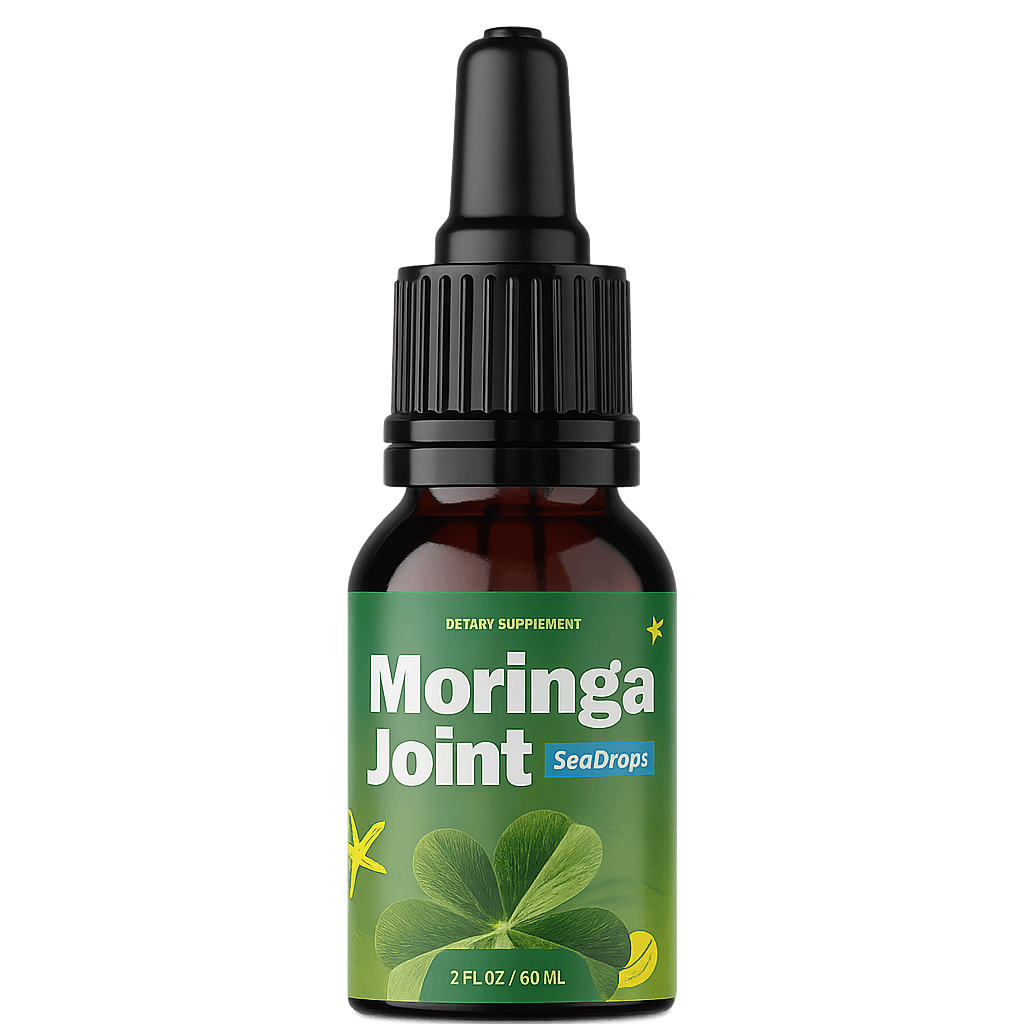
Moringajoint Review and Ads Breakdown: A Research-First Look
The video opens with a promise that is deliberately disarming: no surgery, no prescriptions, no supplements, just a leaf and a spoon of honey. Within the first thirty seconds, the narrator of the …
8,226+
Videos & Ads
+50-100
Fresh Daily
$29.90
Per Month
Full Access
12.5 TB database · 72+ niches · 23 min read
Introduction
The video opens with a promise that is deliberately disarming: no surgery, no prescriptions, no supplements; just a leaf and a spoon of honey. Within the first thirty seconds, the narrator of the Moringajoint sales video has already done something strategically sophisticated: she has disqualified every solution the viewer has probably already tried, cleared the psychological slate, and offered something that sounds almost too modest to be a sales pitch. That modesty is the pitch. It is a move borrowed from a long tradition of direct-response copywriting in which the softest entry point, "I'm not selling you anything, I'm just sharing what worked for me", generates the highest click-through rates because it meets a fatigued, skeptical audience exactly where they are.
Chronic joint pain is not a niche problem. According to the CDC, an estimated 58.5 million adults in the United States have been diagnosed with arthritis, and that figure does not capture the broader population living with undiagnosed joint inflammation, age-related stiffness, or osteoarthritis that has not yet met the clinical threshold for formal diagnosis. For that population, overwhelmingly older women, largely exhausted by pharmaceutical side effects and the cost of ongoing treatment, a two-ingredient morning ritual described by a woman who sounds exactly like them is not just persuasive. It is emotionally irresistible. The question this piece investigates is whether the product behind that story, Moringajoint, can sustain the claims being made on its behalf, and what the structure of the pitch itself reveals about the market it is targeting.
This analysis reads the Moringajoint VSL (video sales letter) the way a literary critic reads a text: attending to structure, word choice, rhetorical moves, and the gap between what is said and what is implied. It is not a verdict on whether the product works, that would require clinical data the VSL does not provide, but a rigorous account of what the video claims, how it builds persuasion, and what a careful buyer should weigh before clicking.
What Is Moringajoint?
Moringajoint is positioned as a natural morning ritual rather than a conventional supplement or pharmaceutical product. The core formula, as described in the VSL, consists of two ingredients: moringa leaf (Moringa oleifera) and honey, mixed together in a brief daily preparation the narrator calls "her personal ritual." The product's market category is natural joint pain relief, a segment that sits at the intersection of the broader herbal supplement industry and the growing consumer preference for food-based, pharmaceutical-alternative wellness practices. Its format. A self-prepared ritual using ingredients framed as already available at home. Is itself a marketing choice, designed to reduce the friction and skepticism associated with buying an unfamiliar bottled supplement.
The stated target user is older women experiencing chronic joint pain and stiffness; specifically those who have tried conventional approaches without lasting relief and are seeking something simpler, cheaper, and free of side effects. The VSL's narrator speaks directly from this identity: she references her grandkids, her garden, her stairs, the rail she no longer needs to hold. These are not incidental details; they are carefully selected anchors that signal to a specific demographic that this message was made for them. The product's positioning is not "best joint supplement on the market", it is "the thing the market doesn't want you to know about," a frame that carries its own persuasive architecture entirely separate from the ingredient science.
The Problem It Targets
The problem Moringajoint addresses is chronic joint pain and inflammation, a condition that, from a market perspective, represents one of the most commercially durable pain points in consumer health. Arthritis alone affects roughly one in four American adults, according to the CDC's National Center for Health Statistics, and osteoarthritis, the degenerative joint disease most common in older populations, has no pharmaceutical cure, only symptom management. This structural reality (a massive, permanent patient population with no definitive treatment) makes joint pain one of the most competitive and lucrative niches in both pharmaceutical marketing and the alternative health space.
The VSL frames the problem in a way that is subtly but importantly different from how most medical literature describes it. Rather than positioning joint pain as structural damage to cartilage, bone, or connective tissue, the narrator introduces a mechanism the video attributes to an unnamed doctor: pain persists, this doctor reportedly explains, not because of physical damage but because the body has "lost the signal to turn inflammation off." This framing is a deliberate rhetorical move. It shifts the problem from something permanent and anatomical (worn cartilage cannot be restored with honey) to something functional and reversible (a signaling failure that a natural compound might correct). The implication, that the problem is more fixable than conventional medicine suggests, is central to the entire pitch.
There is a partial scientific basis for this framing worth acknowledging honestly. Chronic low-grade inflammation does play a documented role in the persistence of joint pain beyond acute injury, and research published in journals including Arthritis & Rheumatology has explored the relationship between inflammatory cytokine activity and pain chronification. However, the VSL's claim that the body simply needs a "missing signal" from moringa and honey to resolve this process is a significant extrapolation from that research, one that compresses complex immunology into a single-ingredient solution. The underlying biology is real; the implied simplicity of the fix is not established by current evidence.
What the VSL identifies correctly, from a market standpoint, is the emotional texture of the problem. Chronic pain does not just hurt. It strips identity. The narrator names this precisely when she says the ritual gave her back not just movement but herself. The NIH's National Institute of Arthritis and Musculoskeletal and Skin Diseases has documented the psychological burden of chronic joint conditions, including elevated rates of depression and anxiety among long-term pain patients. A pitch that addresses the identity dimension of chronic pain. Not just the physical symptom; is operating at a more sophisticated emotional level than most supplements in this category.
How Moringajoint Works
The mechanism the VSL proposes centers on what it calls the body's "missing signal" to stop producing inflammation. In plain language, the claim is this: moringa leaf, combined with honey, contains compounds that interact with the body's inflammatory pathways in a way that helps downregulate the production of pro-inflammatory molecules, essentially helping the immune system remember how to turn itself off after a threat has passed. This is the VSL's core scientific proposition, and it is presented through the authority of an unnamed doctor in a video that the narrator reports has been repeatedly removed from the internet.
The actual pharmacology of moringa is more nuanced and more interesting than the VSL allows room to explain. Moringa oleifera leaves contain several bioactive compounds, including isothiocyanates, quercetin, and chlorogenic acid, that have demonstrated anti-inflammatory properties in preclinical (cell and animal) studies. Research published in Phytomedicine and summarized in reviews on PubMed has found that moringa leaf extracts can inhibit the activity of NF-κB, a protein complex that plays a central role in regulating the immune response and inflammation. Inhibiting NF-κB activity is, in fact, a mechanism used by several approved anti-inflammatory pharmaceuticals. On this narrow point, the VSL's directional claim is not without scientific grounding.
The honest caveat is equally important. The jump from "moringa extracts show anti-inflammatory activity in cell cultures and animal models" to "mixing moringa powder with honey each morning will reduce your chronic joint pain" is substantial, and the human clinical trial evidence for moringa as a joint pain intervention is thin. A small number of human studies have examined moringa's effect on inflammatory biomarkers in diabetic patients, with modestly positive results, but robust randomized controlled trials specifically targeting arthritis or joint pain in older adults are not yet in the literature at scale. Honey adds its own relevant chemistry, particularly Manuka honey's methylglyoxal content, which has documented antimicrobial and mild anti-inflammatory properties, but again, the evidence for honey as a meaningful joint pain intervention in humans is preliminary at best.
The VSL does not distinguish between these levels of evidence. It treats directionally promising preclinical findings as established outcomes, which is a common pattern in the alternative health marketing space and one that careful buyers should recognize. The mechanism is biologically plausible, not clinically proven.
Curious how other VSLs in this niche structure their pitch? Keep reading, Section 7 breaks down the psychology behind every claim above.
Key Ingredients and Components
The Moringajoint ritual is built around two ingredients, both of which have genuine scientific profiles worth examining independently of the marketing claims made on their behalf.
Moringa leaf (Moringa oleifera): Derived from a fast-growing tree native to South Asia and now cultivated across tropical and subtropical regions, moringa leaf is one of the most nutritionally dense plant foods documented in ethnobotanical literature. The VSL claims it contains compounds that help the body "turn inflammation off," and the underlying mechanism, inhibition of pro-inflammatory pathways including NF-κB and COX-2. Has been studied in laboratory settings. A 2014 review in Asian Pacific Journal of Cancer Prevention examined moringa's anti-inflammatory and antioxidant properties, noting significant bioactive compound density. Human trial data for joint pain specifically remains limited; most published research involves metabolic and glycemic outcomes rather than musculoskeletal inflammation.
Honey: Raw honey, particularly darker, minimally processed varieties, contains flavonoids, phenolic acids, and hydrogen peroxide-generating enzymes that contribute to its well-documented antimicrobial and antioxidant activity. Some research has explored honey's anti-inflammatory properties in wound care and gastrointestinal contexts, with genuinely positive findings. Its role as a joint pain intervention is speculative. But as a delivery vehicle that improves palatability and adds minor bioactive benefit to a moringa preparation, it is a reasonable pairing. The VSL does not distinguish between raw, processed, and Manuka honey, which have meaningfully different bioactive profiles.
Hooks and Ad Angles
The VSL's opening line; "No side effects, no surgery, just a natural ritual", functions as a pattern interrupt in the technical sense that Cialdini described: a disruption of the viewer's expected cognitive pattern that forces renewed attention. The average viewer in the target demographic has likely encountered dozens of joint pain pitches, supplements with scientific-sounding names, celebrity endorsements, before-and-after testimonials. This opening refuses all of those conventions, which is precisely what makes it work. By saying "not a supplement, not a prescription, not a miracle," the narrator is not just describing the product, she is clearing away the buyer's objection stack before a single objection has been raised. This is a Stage 4 market sophistication move, in Schwartz's framework: the audience has heard every direct claim and is now only reachable through a new mechanism delivered by someone who sounds like them.
The conspiracy layer, "Big Pharma doesn't like people solving pain with leaves and honey", adds an identity dimension that transforms a product pitch into a tribal signal. Following Godin's tribes model, the buyer who clicks is not just seeking relief; she is affiliating with a group of people who know something the establishment doesn't want them to know. This is a powerful motivator precisely because it converts the purchase decision from a transaction into a statement about who the buyer is. The urgency framing ("the video keeps getting taken down") layers artificial scarcity onto an already emotionally charged message, a technique that, while effective in the short term, trades on misinformation and should be read critically.
Secondary hooks observed in the VSL:
- "Pain doesn't always mean damage, sometimes your body is just missing the signal to turn inflammation off"
- "I tried it for just seven days" (compressed timeline reduces skepticism about delayed results)
- "You already have the ingredients at home" (eliminates cost and effort objections simultaneously)
- "That's why the video keeps getting taken down" (manufactured censorship urgency)
- "It's not just about moving without pain. It's about feeling like yourself again" (identity-level close)
Ad headline variations for Meta or YouTube testing:
- "The 2-ingredient morning ritual older women are calling their 'body back' moment"
- "A doctor explained why your joint pain doesn't mean damage. And what to do about it"
- "This video keeps getting removed. Watch it before it's gone."
- "She climbed stairs without holding the rail for the first time in years. Here's what changed."
- "Your joints aren't broken. They're missing a signal. Here's the natural fix."
Psychological Triggers and Persuasion Tactics
The persuasive architecture of the Moringajoint VSL is not a parallel stack of independent claims; it is a sequenced compression of authority, identity threat, and manufactured urgency that compounds in a specific order. The video establishes personal credibility first (a woman sharing her own story, not a company making claims), introduces scientific legitimacy second (a doctor, a mechanism), amplifies the stakes through identity loss and recovery, and then closes with urgency rooted in conspiracy. Each layer is designed to make the next more potent: by the time the viewer reaches the censorship framing, she has already emotionally invested in the narrator's transformation and accepted the basic mechanism, so the threat that this knowledge could disappear triggers genuine anxiety rather than skepticism.
This sequencing reflects what behavioral economists would recognize as a commitment and consistency trap: once the viewer has nodded along to the personal story and the mechanism, she has made small internal commitments that make contradiction ("this might be exaggerated") psychologically costly. Cialdini documented this dynamic extensively, and it is visible here in the VSL's careful ordering of narrative before science before urgency.
Pattern interrupt opening (Cialdini, Influence, 2006): Disqualifying all expected product categories in the first sentence resets the viewer's cognitive stance, eliminating the "I've seen this before" dismissal that kills most health pitches at the first frame.
Epiphany bridge / hero's journey (Russell Brunson, Expert Secrets, 2017): The narrator's seven-day transformation arc follows a classic epiphany structure, struggle, discovery, skepticism, result, that allows the viewer to experience the transformation vicariously before being asked to act.
Loss aversion and identity threat (Kahneman & Tversky, Prospect Theory, 1979): Framing pain as the loss of self, not just mobility but identity, raises the emotional stakes beyond physical symptom relief, activating the more powerful loss-avoidance motivation.
False enemy / tribal in-group (Cialdini's in-group favoritism; Godin's Tribes, 2008; Brunson's 'false enemy' framework): Big Pharma is constructed as a monolithic villain whose suppression of the video constitutes proof of its value. The buyer who watches and acts is implicitly cast as someone savvy enough to see through the deception.
Manufactured scarcity (Cialdini's scarcity principle; FOMO research, Przybylski et al., 2013): The repeated suggestion that the video is being taken down creates urgency with no verifiable basis, a dark-pattern technique that exploits fear of missing out to compress the decision timeline.
Effort removal / nudge (Thaler & Sunstein, Nudge, 2008): Stating twice that the ingredients are already in the buyer's home removes cost, sourcing, and effort as objections, making the only remaining barrier psychological rather than practical.
In-group social proof (Festinger's social comparison theory, 1954): Testimonials framed as "women like us" activate identification rather than mere admiration, the viewer is not looking up at an aspirational figure but sideways at a peer, which research consistently shows is more persuasive for health decisions.
Want to see how these tactics compare across 50+ VSLs? That's exactly what Intel Services is built to show you.
Scientific and Authority Signals
The Moringajoint VSL deploys what can be accurately classified as ambiguous authority. A real category of persuasion in which scientific legitimacy is implied rather than demonstrated. The sole named authority figure is a doctor who remains entirely unnamed, unaffiliated with any institution, and accessible only through a video that the narrator says keeps getting removed. This structure is deliberately resistant to verification: the viewer cannot look up the doctor, cannot find the study, cannot locate the video through normal channels. And the VSL explains this absence as evidence of the knowledge's power rather than its absence of credibility.
The invocation of science without specific evidence is a recurring pattern in the alternative health marketing space, and it is worth reading carefully. The VSL says explicitly that "it's science" and that "the doctor explains why it works," but neither the scientific mechanism nor the doctor's identity is ever named in the transcript. This is borrowed authority: the cultural legitimacy of medicine and research is appropriated without any actual credentials being offered for inspection. A viewer who accepts the framing has extended trust to an invisible source; which is the point. Invisible sources cannot be contradicted.
The underlying science of moringa is, as noted in the how Moringajoint works section, genuinely active and modestly promising. Reviews of Moringa oleifera research have appeared in credible journals including Phytomedicine, Food and Chemical Toxicology, and the Journal of Ethnopharmacology. These reviews confirm real bioactive compound activity. What they do not confirm is the specific clinical outcome the VSL implies, reliable joint pain relief in older humans through a daily moringa-and-honey preparation. The gap between "bioactive compounds exist" and "this ritual works for your pain" is where the marketing lives, and it is a substantial gap.
From an E-E-A-T (Experience, Expertise, Authoritativeness, Trustworthiness) standpoint, the VSL is thin. There are no named researchers, no institution affiliations, no clinical trial citations, and no independent third-party reviews. The authority structure is entirely internal, a narrator vouching for a doctor who vouches for a mechanism, with no external validation point the viewer can independently confirm.
The Offer, Pricing, and Risk Reversal
The Moringajoint VSL, notably, does not state a price. The call to action is not "buy now for $X" but "click and watch the video", a soft-funnel structure common in advertorial and pre-sell VSL formats, where the initial video functions as a lead-generation asset rather than a direct sales page. This is a deliberate architecture: the emotional and persuasive work is done in the VSL, and the viewer is handed to a secondary page (the doctor's video or a product landing page) where pricing, purchase options, and formal offer mechanics presumably appear. Analyzing the offer structure is therefore limited by what the VSL reveals, which is almost nothing in transactional terms.
What the VSL does deploy, in lieu of a formal price anchor, is a perceived-value frame built on accessibility: the ingredients are already at home, the ritual takes only seconds, and there is no cost comparison to pharmaceutical alternatives explicitly stated, but the implication is clear. The real anchor is not a dollar figure but a lifestyle and cost comparison: this versus a lifetime of prescriptions, co-pays, and surgery consultations. This is a legitimate persuasion strategy (benchmarking to a real and painful alternative), and it functions without ever stating a number. The urgency mechanism, the video being taken down, substitutes for a formal scarcity offer, creating time pressure in the absence of a countdown timer or limited-stock claim. Whether any formal guarantee exists is unknown from this transcript alone.
Who This Is For (and Who It Isn't)
The ideal buyer for Moringajoint, as constructed by the VSL, is a woman in her late fifties to early seventies experiencing chronic joint stiffness or pain, most likely knee, hip, or lower-back related. Who has tried one or more pharmaceutical interventions without satisfactory results, who has a cultural preference for natural or food-based solutions, and who responds to peer-voiced testimony rather than clinical authority. She is not necessarily anti-medicine in principle; she is exhausted by a medical system that has not solved her problem and is actively looking for something she can do herself, at home, that doesn't require another doctor's appointment. The video's repeated visual anchors. Grandchildren, stairs, gardens; signal a grandmother demographic, likely in a suburban or rural context, for whom physical independence is closely tied to self-worth and family participation.
The pitch is considerably less well-suited to buyers who are in acute pain from a recent injury or post-surgical recovery, who are currently managing inflammatory conditions with immunosuppressant medications (where interactions with any new supplement should always be reviewed by a physician), or who expect clinically validated, peer-reviewed evidence before trying any new health intervention. It is also a poor fit for buyers who are skeptical of conspiracy framing, the manufactured censorship narrative will, for a meaningful segment of the population, immediately signal "this is not trustworthy" rather than "this is hidden knowledge." If you are researching this product because the suppression story felt like a red flag rather than a reason to click, that instinct deserves weight.
If you found this breakdown useful, Intel Services publishes analyses like this regularly across health, finance, and wellness VSLs. Keep reading to find the right product for your situation.
Frequently Asked Questions
Q: What is Moringajoint and how does it work?
A: Moringajoint is a natural joint pain ritual centered on mixing moringa leaf (Moringa oleifera) with honey each morning. The VSL claims this combination helps the body restore its ability to regulate inflammation. Moringa contains documented anti-inflammatory compounds, including isothiocyanates and quercetin, though robust human clinical trials specifically for joint pain are still limited.
Q: Is the Moringajoint ritual a scam?
A: The VSL relies on an unnamed doctor and manufactured censorship urgency, which are legitimate red flags in direct-response marketing. Whether the product itself delivers results depends on individual response to moringa's bioactive compounds. The underlying ingredient science is real; the clinical proof of efficacy for joint pain specifically is thin. Caution and independent research before purchase are warranted.
Q: Does moringa really reduce joint pain and inflammation?
A: Preclinical research, largely in cell cultures and animal models, has found that moringa extracts can inhibit NF-κB and COX-2, two pathways involved in inflammatory responses. Some small human studies have shown reductions in inflammatory biomarkers. However, randomized controlled trials targeting joint pain specifically are not yet well-established in the literature, and individual results will vary.
Q: What are the ingredients in the Moringajoint ritual?
A: The VSL describes two ingredients: moringa leaf powder and honey. No additional compounds, dosages, or proprietary extracts are specified in the transcript analyzed here.
Q: Are there any side effects from taking moringa and honey daily?
A: Moringa is generally considered safe at moderate food-grade doses for most healthy adults, though high doses may have laxative effects or interact with blood-thinning medications. Honey is safe for most adults but should be avoided by infants and monitored by those managing blood sugar. Anyone taking prescription medications should consult a physician before adding any new herbal preparation to their routine.
Q: Is Moringajoint safe for seniors?
A: Moringa and honey are both food-grade substances with long histories of use, but seniors managing multiple prescriptions, particularly anticoagulants, antidiabetic drugs, or immunosuppressants, should review any new supplement addition with their prescribing physician. The VSL makes no mention of contraindications or drug interactions.
Q: Why does the Moringajoint video keep getting taken down?
A: The VSL claims Big Pharma is responsible for suppressing the video. A classic "false enemy" persuasion frame designed to create urgency and tribal identity. There is no verifiable evidence that any coordinated removal campaign exists. The claim functions as a marketing mechanism, not a documented fact, and should be evaluated as such.
Q: How long does it take to see results from the moringa honey ritual?
A: The VSL's narrator reports noticing a difference within seven days. Individual results with any anti-inflammatory dietary intervention vary considerably depending on baseline inflammation levels, diet, activity, and the severity of the underlying joint condition. No controlled timeline data is referenced in the transcript.
Final Take
The Moringajoint VSL is a technically accomplished piece of direct-response copywriting operating in one of the most competitive and emotionally resonant niches in consumer health. Its core strength is the precision with which it matches voice, story, and mechanism to a specific buyer's psychology. An older woman in pain who has run out of patience with conventional medicine and is ready to try something simple and personal. The narrator's voice is warm, specific, and credible in the way that only genuine-sounding peer testimony can be, and the mechanism claim (the "missing signal" to stop inflammation) is just scientifically plausible enough to pass the initial skepticism filter for a viewer who is not a biochemist. The VSL does not oversell; it undersells deliberately, which is itself the most sophisticated form of persuasion available to a marketer working with a fatigued audience.
Its weakest elements are structural and ethical. The unnamed doctor, the unverifiable censorship claim, and the complete absence of any cited research or clinical data are not incidental oversights; they are deliberate choices that insulate the pitch from scrutiny while borrowing the cultural authority of medicine. A buyer who clicks because "the video keeps getting taken down" is responding to manufactured urgency, not evidence. The absence of pricing, guarantee terms, and dosage information in the VSL itself, all deferred to a secondary funnel step, is a common structure in pre-sell advertorials, but it means the viewer is making an emotionally primed decision with very little transactional information available at the point of highest motivation.
The ingredient science is the genuinely interesting part of this product category. Moringa oleifera is a nutritionally and pharmacologically active plant with real research behind its anti-inflammatory properties, and the combination with honey as a delivery vehicle is not unreasonable. If the product were marketed with honest calibration of what the evidence shows, "promising preliminary research, food-grade safety profile, worth trying if you want a low-risk natural addition to your routine", it would be a defensible offer. Instead, the VSL pitches it as suppressed knowledge capable of restoring years of lost mobility in a week, which sets expectations the ingredient science cannot reliably meet.
For the reader actively researching Moringajoint: the ingredient is real, the mechanism is biologically directional if not clinically proven, and the marketing is sophisticated enough to warrant careful evaluation before purchase. This breakdown is part of Intel Services, our ongoing library of VSL and ad-copy analyses. If you're researching similar products in the natural health and joint pain space, keep reading, the patterns across these pitches are as instructive as any single product.
Disclaimer: This article is for research and educational purposes only. It is not medical, legal, or financial advice, and it is not affiliated with the product or its makers. Always consult a qualified professional before making health or financial decisions.
Source-backed reader context
Additional Reported Experience
These statements were presented in the product's sales transcript. Daily Intel did not independently verify the speakers, purchase status, or reported outcomes, and the statements are not used in Product aggregateRating.
Narrator's own transformation
Date not stated
walking without limping, climbing stairs without holding the rail, cooking, cleaning, gardening, and playing with grandkids pain-free
Comments(0)
No comments yet. Members, start the conversation below.
Related reads
 reviews
Jocko Greens Review: Does One Scoop Match the Evidence?
Jocko Greens is a one-scoop powder with approximately 30 calories and 9 billion colony-forming units of probiotics per serving. Jocko Fuel also confirms ashwagandha extract and makes a digestive-support claim. The harder question is whether the available research matches this specific formula. It does not match closely enough to establish a finished-product outcome.
Read reviews
NooCube Review: Does the 250 mg Bacopa Dose Match the Research?
NooCube is one of the few nootropics that prints a milligram number next to an ingredient instead of hiding it in a blend. This review takes that one number, 250 mg Bacopa monnieri, and checks it against a real trial that used 300 mg in a very different population, then shows exactly where the comparison breaks down.
Read reviews
Olly Goodbye Stress Review: Label Claims vs. Evidence
OLLY Goodbye Stress combines GABA, L-theanine, and lemon balm extract in a Berry Verbena gummy aimed at occasional stress, not sleep. Here's what the label discloses, what a real L-theanine trial found, and exactly where the evidence stops.
Read