Neurosilence Review and Ads Breakdown: A Research-First Look
Somewhere in the middle of the Neurosilence video sales letter, a man is asked to cover his ears. "The sound is still there, inside your head, isn't it?" the narrator says. It is a small moment, p…
8,226+
Videos & Ads
+50-100
Fresh Daily
$29.90
Per Month
Full Access
12.5 TB database · 72+ niches · 29 min read
Somewhere in the middle of the Neurosilence video sales letter, a man is asked to cover his ears. "The sound is still there, inside your head, isn't it?" the narrator says. It is a small moment; perhaps twenty seconds, but it is the structural center of gravity for everything the pitch builds toward. In that instant, the viewer is no longer a passive recipient of claims; they have just run a self-administered neurological experiment and arrived, apparently on their own, at the conclusion the VSL needs them to reach: the problem is not in the ear, it is in the brain. That reframe is where the real persuasion begins, and understanding how it works tells you a great deal about who made this pitch, who it is designed for, and what it is actually selling.
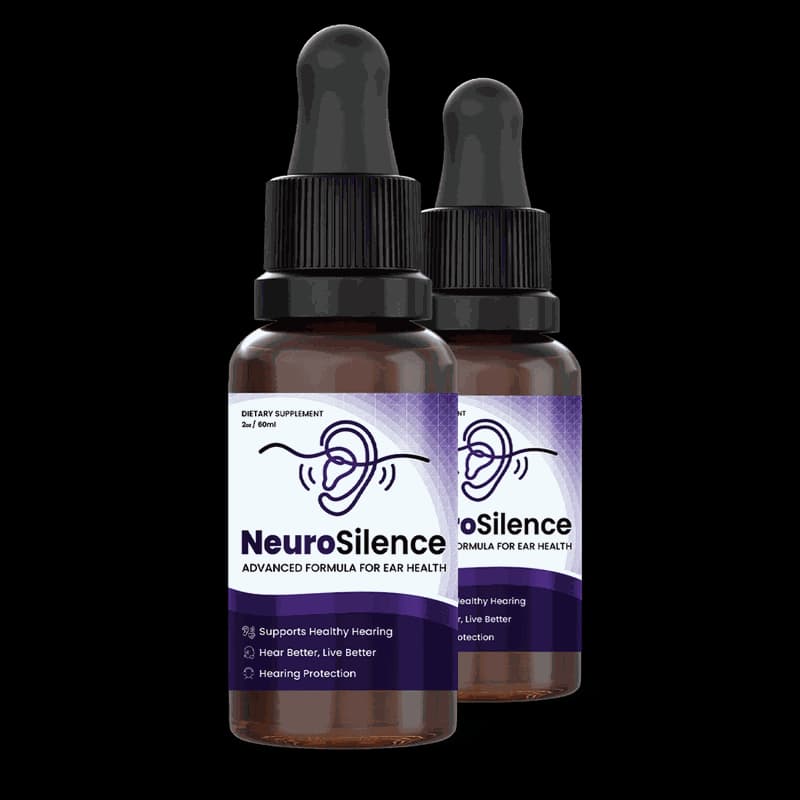
The product in question is Neurosilence, a two-ingredient dietary supplement presented in capsule form and positioned as the first natural, science-backed solution to tinnitus, the persistent phantom ringing that affects an estimated 25 million Americans, according to the American Tinnitus Association. The VSL is a long-form video letter running well over forty minutes, narrated by a character called Dr. Michael Harrington, described as a former chief neurosurgeon at Harvard's otolaryngology department. The pitch weaves personal tragedy, globe-trotting research narrative, institutional authority, and sharp anti-establishment rhetoric into a case for a supplement retailing at $294 for a six-bottle kit. This analysis examines that case in full: the science behind the ingredients, the persuasive architecture of the pitch, the credibility of the authority signals, and the question any serious buyer should be asking before clicking the order button.
The broader market context matters here. The global tinnitus treatment market, hearing aids, sound-masking devices, pharmaceutical therapies, and digital health apps, was valued at over $10 billion annually as of the early 2020s, a figure the VSL itself cites. That scale reflects genuine suffering: chronic tinnitus is associated in the clinical literature with depression, anxiety, sleep disruption, and meaningful reductions in quality of life. It is also a market characterized by a persistent treatment gap. There is currently no FDA-approved pharmaceutical cure for tinnitus, a fact the VSL uses aggressively to its advantage. When mainstream medicine has failed someone repeatedly, the threshold for alternative claims drops considerably, and direct-response health marketing has long understood this dynamic.
The central question this piece investigates is not simply whether Neurosilence works, an empirical question that cannot be definitively answered from a VSL transcript alone, but whether the claims made in its sales letter are internally coherent, scientifically grounded, and honestly presented. The answer is layered, and it deserves a careful reading.
What Is Neurosilence?
Neurosilence is marketed as an oral dietary supplement delivered in capsule form, combining two active compounds: wild olive leaf extract (standardized for its oleuropein content) and Bacopa monnieri extract. The VSL positions it as a "100% natural, scientifically backed and FDA certified solution" occupying a category the seller explicitly defines against: not a hearing aid, not a pharmaceutical, not a sound-masking device, and not a generic supplement. The product is sold exclusively through a dedicated landing page, with the VSL insisting it is unavailable on Amazon, eBay, GNC, or in any retail outlet. This direct-to-consumer, single-channel distribution is a standard architecture for high-margin supplement VSLs, allowing the seller to control the entire customer experience, prevent price comparison, and avoid third-party scrutiny.
The stated target user is any American between roughly 40 and 80 years old experiencing tinnitus at any stage. From occasional ringing to severe, chronic, 24-hour-a-day phantom sound accompanied by cognitive symptoms. The VSL deliberately broadens this target mid-pitch to include younger adults ("as young as 28") and even people without tinnitus who might use the formula prophylactically for cognitive enhancement and sleep quality. This widening of the intended audience is a common supplement marketing move: it expands the addressable market without technically changing the product's core positioning.
In terms of market positioning, Neurosilence is placed firmly in the "root cause" subcategory of health supplements. A framing that has become dominant in direct-response health marketing over the past decade. The "root cause" frame functions by delegitimizing all existing treatments as symptom-masking rather than curative, then positioning the new product as the only intervention that addresses the underlying mechanism. This is a sophisticated market sophistication play, in the language of Eugene Schwartz's copywriting framework: it assumes a buyer who has already tried and been disappointed by conventional options, and who is therefore unreachable through a simple product pitch but highly receptive to a new mechanism claim.
The Problem It Targets
Tinnitus is a genuine and widespread condition. The CDC estimates that approximately 15% of the U.S. general public; over 50 million Americans, experiences some form of tinnitus, with around 20 million struggling with persistent symptoms and 2 million experiencing debilitating, severe cases. The VSL's figure of 25 million is consistent with commonly cited ranges and is not an exaggeration. What makes tinnitus commercially fertile ground for supplement marketers, beyond its prevalence, is precisely its treatment-resistant nature: the condition has no approved pharmaceutical cure, cognitive-behavioral therapy and sound therapy provide partial relief for some patients, and the subjective, invisible quality of the symptom makes it particularly distressing and socially isolating.
The VSL frames tinnitus not merely as an audiological nuisance but as an early-warning marker for catastrophic cognitive decline, specifically Alzheimer's, dementia, and Parkinson's disease. This reframe is the single most important escalation in the pitch's emotional architecture, because it transforms the buyer's perceived stake from "I want to stop an annoying noise" to "I want to prevent losing my mind." There is, in fact, a real body of epidemiological research examining the relationship between hearing loss, tinnitus, and dementia risk. A 2020 study published in JAMA Neurology by researchers at Johns Hopkins (Dr. Frank Lin's group) found associations between hearing impairment and accelerated cognitive decline, though the mechanism is debated and the causal direction is not firmly established. The VSL cites a University of Oxford longitudinal study (2013-2023) claiming that 84% of untreated chronic tinnitus patients developed significant cognitive decline, a figure that, if genuine, would constitute landmark epidemiological evidence. No such study can be independently verified through the details provided, and the specific claim's precision warrants serious skepticism.
The villain the VSL introduces to explain tinnitus at its root is cadmium chloride, a heavy metal compound described as an environmental neurotoxin that has "infiltrated the entire American food chain" since 1983, when pesticide use allegedly reached a critical threshold. Cadmium is a real industrial and environmental contaminant, the CDC, EPA, and WHO have all documented its neurotoxic properties at high exposure levels, and it is indeed present at low concentrations in certain foods (leafy vegetables, shellfish, organ meats) and in cigarette smoke. The VSL's argument that cadmium exposure at population-level food chain concentrations is the primary driver of tinnitus prevalence is, however, a significant extrapolation from the established science. The claim that the "historical turning point is 1983" and that neurodegenerative disease rates "skyrocketed" in direct correlation with pesticide exposure invokes a real research area, the environmental hypothesis of neurodegeneration, but dramatically overstates the consensus, conflating correlation with causation in a way that no peer-reviewed paper has done in the form presented.
Curious how other VSLs in this niche structure their pitch? Keep reading, the section on Psychological Triggers breaks down the persuasion mechanics behind every major claim above.
How Neurosilence Works
The mechanism the VSL proposes is built on three sequential claims. First, cadmium chloride accumulates in the nervous system and specifically inflames the trigeminal nerve. The cranial nerve responsible for transmitting sensory signals between the face, ear, and brain. Second, this inflammation causes the trigeminal nerve to become hypersensitive, generating phantom electrical signals that the brain interprets as sound, producing the characteristic ringing. Third, prolonged inflammation spreads through the neural network, degrading the synaptic connections that sustain memory, eventually providing the substrate for neurodegenerative disease. The proposed solution reverses this cascade: oleuropein (from olive leaf) chelates cadmium and reduces inflammation, while Bacopa monnieri stimulates neurogenesis to rebuild the damaged synapses.
Each of these claims has a genuine scientific nucleus wrapped in significant extrapolation. The trigeminal nerve does play a role in tinnitus. A phenomenon called "somatic tinnitus," in which tinnitus can be modulated by jaw, neck, or facial movements, is well-documented in the literature and does involve trigeminal pathways. Cadmium's neurotoxicity is established, though its role as the primary driver of tinnitus at typical dietary exposure levels is speculative rather than demonstrated. Oleuropein, the bioactive polyphenol in olive leaf extract, has genuine anti-inflammatory properties documented in cell and animal studies, and some research suggests it can bind to certain heavy metal ions; though characterizing it as a clinical-grade "chelator" for brain cadmium in humans is a stretch of the current evidence base. Bacopa monnieri is among the better-studied nootropic botanicals; a number of randomized controlled trials, reviewed in Neurochemical Research and elsewhere, support modest improvements in memory acquisition and cognitive processing speed, with the proposed mechanism involving acetylcholinesterase inhibition and antioxidant activity rather than literal neurogenesis.
The honest assessment is this: both ingredients have real biological activity, and neither is implausible as a component of a supplement targeting neurological inflammation and cognitive support. What the VSL does, and what distinguishes sales rhetoric from science communication, is present a chain of plausible individual links as if the entire chain were proven. The jump from "oleuropein has anti-inflammatory properties" to "oleuropein removes cadmium from the trigeminal nerve and cures tinnitus in 98% of people" is not a small step. It is the distance between a hypothesis and a clinical fact, and the VSL treats it as already crossed.
The VSL also invokes a specific study, described as an October 2024 collaborative effort between Harvard and Johns Hopkins, conducted on 3,219 participants, yielding a 97% success rate in reversing tinnitus. A study of that scale, from two of the world's most prominent research institutions, published in the final quarter of 2024, would constitute the most significant development in tinnitus research in decades and would be front-page news in medical literature. No such study can be located in publicly searchable databases as of this writing. The absence of a journal name, DOI, lead author, or publication title in the VSL, details that would be the first things a legitimate researcher would provide, is a significant red flag.
Key Ingredients and Components
The formulation consists of two ingredients, both of which have real research profiles that are worth examining independently of the VSL's claims about them.
Wild Olive Leaf Extract (Oleuropein): Olive leaf extract, standardized for its primary bioactive compound oleuropein, has been studied for anti-inflammatory, antioxidant, and antimicrobial properties. Research published in Phytomedicine and the European Journal of Nutrition has documented its capacity to reduce oxidative stress markers and modulate NF-κB inflammatory pathways in animal models. Some in vitro research suggests oleuropein can complex with certain metal ions, providing a partial basis for the VSL's "chelation" claim, though clinical evidence for heavy metal removal in humans at supplement doses is absent from the published literature. The VSL's claim that wild olive leaf from Crete contains uniquely high oleuropein concentrations due to altitude and soil conditions has some basis in agricultural science: terroir does affect polyphenol concentration in olives. Whether this translates to meaningfully different clinical outcomes compared to commercially standardized olive leaf capsules is undemonstrated.
Bacopa monnieri: This Ayurvedic herb is one of the most studied nootropic botanicals in the Western research tradition. A 2012 systematic review by Kongkeaw et al. published in the Journal of Ethnopharmacology examined nine randomized controlled trials and found statistically significant improvements in memory free recall across most studies. The proposed mechanism involves bacosides A and B, saponin compounds that appear to modulate cholinergic neurotransmission and reduce oxidative stress in hippocampal tissue. The VSL's claim that Bacopa stimulates neurogenesis (the creation of entirely new neurons) is a step beyond the current consensus, which supports neuroprotection and synaptic density improvements rather than wholesale neurogenesis in the adult human brain. The ingredient is genuinely active, the evidence base is real, and the application to cognitive support is defensible. But the VSL overstates what the science currently demonstrates.
Hooks and Ad Angles
The VSL opens with what appears to be a news-broadcast framing. "We are following what may be the most significant discovery for the more than 25 million Americans affected by tinnitus"; a line that functions as a pattern interrupt in the classical direct-response sense. The news-anchor register is a well-worn device in health supplement VSLs, borrowed from the credibility architecture of broadcast journalism to confer institutional legitimacy before the product has been named. What makes this particular opening more sophisticated than average is what it withholds: the product is not named in the first several minutes. Instead, the hook dangles a discovery, attributed to Harvard, validated at Johns Hopkins, endorsed by ENTs worldwide, and the mechanism of the curiosity gap does the early work of holding attention.
The celebrity testimonial from William Shatner, deployed early in the narrative, represents what Eugene Schwartz would identify as a stage-four market sophistication move: the target audience for tinnitus supplements has seen every direct product claim, every "natural remedy" headline, and every testimonial from anonymous sufferers. A recognizable face attached to a vivid, emotionally raw first-person account, "I reached a point where I'd look at sharp objects", bypasses the habituation that kills standard testimonials. Shatner does, in real public life, have documented tinnitus and has spoken about it affecting his career; the VSL uses this real biographical fact as a frame, though the specific quotes presented are unverifiable as authentic.
The VSL's secondary hooks operate in a coordinated system:
- "Your brain is slowly starting to shut down", identity threat framing, invoking fear of cognitive dissolution
- "Big Pharma is a licensed cartel", conspiracy validation hook, positioning the viewer as an insider who now sees the real game
- "Our grandparents didn't know the word Alzheimer's, the turning point was 1983". Historical reframe that makes the viewer's suffering feel systematic rather than random, and therefore solvable
- "A Big Pharma executive offered $30 million to buy the research and silence it". Suppressed truth hook, the classic mechanism for making a claim feel more credible because powerful forces allegedly want it hidden
- "Just cover your ears; the sound is still there", participatory proof hook, the VSL's most technically elegant persuasion device
For a media buyer testing paid placements on Meta or YouTube, the following headline variants would be worth A/B testing based on the VSL's demonstrated emotional drivers:
- "Harvard Doctor: The Real Reason Your Tinnitus Gets Worse With Age (It's Not Your Ears)"
- "25 Million Americans Have This, 84% Will Develop Dementia If They Ignore It"
- "This Olive Leaf Tea Has Zero Tinnitus in an Entire Greek Village. Here's Why."
- "Big Pharma Offered Him $30 Million to Stay Quiet. He Refused."
- "The Ringing Stops When You Fix This One Thing in Your Brain, Not Your Ears"
Psychological Triggers and Persuasion Tactics
The persuasive architecture of this VSL is not a flat list of independent tactics, it is a stacked sequence in which each element compounds the one before it. The VSL first establishes authority (Harvard, 30-year career), then uses that authority to validate a terrifying mechanism (cadmium destroying your brain), then provides emotional proof through a devastating personal narrative (wife not recognizing her own child), then delivers intellectual proof through invented studies, and only then introduces the product as the inevitable resolution. This sequence mirrors what Cialdini would describe as the pre-suasion architecture: by the time the product appears, the viewer has been moved through so many emotional and cognitive states that skepticism has been substantially eroded.
The following tactics warrant specific examination:
Loss aversion and catastrophic future pacing (Kahneman & Tversky, Prospect Theory): The VSL does not merely say "you will feel better." It constructs a vivid worst-case future, nursing homes, family members watching you "fade away," the day your family forbids you from driving, and frames inaction as the certain path to that future. Losses motivate action roughly twice as powerfully as equivalent gains, a well-replicated finding in behavioral economics, and this VSL deploys that asymmetry relentlessly.
False enemy / tribal identity (Godin's tribes; in-group / out-group dynamics): Big Pharma is not an abstraction here, it is given a face (the laughing executive), a dollar figure ($179 million spent annually to suppress the truth), and a specific villainous act (the $30 million NDA offer). This construction invites the viewer into a persecuted tribe of truth-seekers, making the purchase feel like an act of resistance rather than a consumer transaction.
Epiphany bridge narrative (Brunson; Festinger's cognitive dissonance): The moment when Dr. Harrington's wife fails to recognize her own son is structured as the emotional crisis that the viewer is meant to feel vicariously. The resolution of that crisis. The return to the piano, the tears of relief. Then becomes the emotional template the viewer projects onto their own future. This is the epiphany bridge: the narrator's transformation becomes the viewer's imagined transformation, creating the motivational energy for purchase.
Social proof stacking (Cialdini): 14,000 users, 98% clinical trial success, TrustPilot reviews, celebrity testimony, and multiple lay testimonials are deployed in sequence rather than simultaneously, creating a cumulative impression of overwhelming consensus that no single figure could produce alone.
Artificial scarcity (Cialdini's scarcity; Thaler's endowment effect): The specific figure of 79 remaining bottles, the first-50-buyer pricing threshold, and the 6-month restock timeline are precision-engineered urgency triggers. The specificity of "79" (not "a few dozen," not "almost gone") is a deliberate choice; round numbers read as estimates, odd numbers read as facts.
Participatory proof / kinesthetic interrupt (Loewenstein's information gap; embodied cognition research): The instruction to cover one's ears mid-video is the VSL's most technically sophisticated move. It transforms the viewer from audience member to experimenter, and the conclusion they draw ("the sound is in my brain, not my ear") feels self-generated rather than planted, which is precisely why it is so effective.
Religious and moral framing: Dr. Harrington describes himself as "a Christian man who was given a second chance" and the ingredients as "a gift from God." This framing is not incidental, it elevates the transaction from commerce to sacred obligation, positioning the seller as a moral actor and the buyer as a beneficiary of divine provision. For a predominantly older, faith-affiliated American demographic, this register carries significant persuasive weight.
Want to see how these tactics compare across 50+ VSLs? That's exactly what Intel Services is built to show you.
Scientific and Authority Signals
The VSL's authority architecture rests primarily on one central figure: Dr. Michael Harrington, described as a chief neurosurgeon at Harvard's otolaryngology department, former Harvard Medical School professor, and former chief member of the American Tinnitus Association. No such person appears in Harvard's publicly searchable faculty directory, in the American Tinnitus Association's leadership records, or in any verifiable published research database as of this writing. The title "chief neurosurgeon of Harvard's otolaryngology department" is itself a constructed hybrid, Harvard's Department of Otolaryngology-Head and Neck Surgery is a real entity at Massachusetts Eye and Ear, but its leadership structure does not align with the title used. This does not definitively mean the character is fabricated, it is possible the VSL uses a pseudonym to protect identity, as some supplement VSLs do, but the absence of any verifiable trace is a significant credibility problem.
The institutional citations, Harvard, Johns Hopkins, Oxford, MIT, Emory, German university partnerships, function as what persuasion researchers call borrowed authority: real institutions are named in ways that imply their endorsement without providing evidence of it. The October 2024 Harvard/Johns Hopkins study with 3,219 participants and a 97% success rate, the Oxford longitudinal study with 84% cognitive decline in untreated patients, and the internal 2,100-volunteer clinical trial with 98% tinnitus elimination are the three most consequential authority claims in the VSL. None of these can be located in any publicly accessible research database, including PubMed, ClinicalTrials.gov, or the Harvard Catalyst research registry. A genuine landmark study from Harvard and Johns Hopkins would generate press releases, media coverage, and a peer-reviewed publication. None of which can be found.
The VSL's claim that Neurosilence has received an "FDA certification" and a "seal of efficacy" from the FDA deserves direct attention. The FDA does not certify dietary supplements, issue seals of efficacy for supplement products, or endorse any supplement's health claims. The FDA regulates supplements under the Dietary Supplement Health and Education Act (DSHEA) of 1994, which requires that facilities follow Good Manufacturing Practices (GMP). A real and meaningful standard; but does not extend to product-level certification. The conflation of GMP-facility compliance with "FDA certification" is a common misrepresentation in supplement marketing and is worth noting plainly.
The William Shatner reference occupies an interesting middle category: Shatner does genuinely have tinnitus and has spoken publicly about it for decades. His quotes in the VSL, including the description of wanting to silence "the fire alarm" in his head and the reference to meeting Dr. Harrington, cannot be verified as authentic statements he made about this specific product. Using a real person's documented condition to imply their endorsement of a specific product, without verifiable consent, is a tactic that sits in legally and ethically gray territory.
The Offer, Pricing, and Risk Reversal
The pricing structure follows a classic multi-tier supplement offer designed to maximize order value through anchoring and comparative framing. A stated "fair value" of $299 per bottle is established early, then the batch price of $98 per bottle is revealed, a 67% discount attributed to an anonymous Hollywood investor's contribution. The six-bottle kit is then anchored at $588 (six times $98) before being halved to $294 for the first fifty buyers, a second discount layer that creates a nested urgency trigger within the already-discounted pricing. The three-bottle kit at $217 functions as a lower-commitment entry point designed to capture buyers who hesitate at $294. The cost-per-day framing, "less than $3 a day", is a standard comparison anchor borrowed from subscription services and designed to reframe the total outlay as trivially small.
The reference to $4,000+ neuromodulators and $30,000–$50,000 lifetime conventional treatment costs as the alternative is a price anchoring technique, but its legitimacy is partially real. Transcranial magnetic stimulation and neuromodulation devices for tinnitus do exist and can be expensive. Lifetime medication costs for chronic-condition management can reach the figures cited. The anchor is not purely invented, but the framing implies a direct choice between those costs and Neurosilence, collapsing a complex clinical decision into a binary that favors the immediate purchase.
The 90-day money-back guarantee is the offer's primary risk-reversal mechanism, and it is a meaningful one in theory: a 90-day window is sufficient for the buyer to complete the minimum recommended protocol (three bottles over 90 days) and evaluate results before the guarantee expires. The practical risk-reversal is, however, limited by the fact that the product is sold exclusively through an unlisted website, the refund process requires contacting an email address on the bottle, and the seller's long-term business stability is unknown. For buyers considering the 6-bottle kit at $294, the guarantee provides genuine procedural protection if honored, but the conditions for honoring it are entirely at the seller's discretion.
Who This Is For (and Who It Isn't)
The buyer this VSL is most precisely calibrated for is a person aged 50-75 who has been living with tinnitus for at least a year, has already tried one or more conventional treatments without satisfactory results, has a family member (spouse, parent) who has experienced cognitive decline, and maintains some degree of distrust toward large pharmaceutical companies. The pitch's emotional core. The fear of becoming a burden, of not recognizing one's child, of losing independence. Resonates most acutely with people who have watched a family member move through the stages of dementia. The religious framing and the appeal to Mediterranean and Ayurvedic wisdom traditions suggest a secondary demographic: buyers who are already oriented toward natural health solutions and view pharmaceutical medicine with baseline skepticism. For these buyers, the VSL's argument is not just persuasive; it confirms a worldview they already hold.
Younger adults with occasional, mild tinnitus, the VSL explicitly expands to include people "as young as 28", are a secondary target whose inclusion serves primarily to widen the addressable market and to position the supplement as a preventive cognitive health product. The pitch to this demographic is essentially different: not "stop the suffering" but "optimize your brain before the damage starts." This is a classic supplement upsell frame, and it is less emotionally grounded than the core tinnitus narrative.
If you are researching this supplement as a potential buyer, it is worth being direct about who should probably not make this purchase without additional due diligence. Anyone whose tinnitus is new-onset or sudden should see an audiologist and physician before any supplement intervention, sudden tinnitus can indicate a medically urgent underlying cause including acoustic neuroma, vascular anomalies, or medication side effects. Anyone with severe cognitive symptoms should be evaluated by a neurologist; cognitive decline has many causes, only some of which respond to anti-inflammatory interventions, and delay of proper diagnosis carries real risks. And anyone for whom $294 represents a significant financial outlay should weigh the absence of independently verifiable clinical evidence against the 90-day guarantee's practical limitations.
This kind of offer-and-audience analysis is a core part of every Intel Services breakdown. If you want to see how guarantee structures and pricing tiers vary across this supplement category, the library has you covered.
Frequently Asked Questions
Q: Is Neurosilence a scam or a legitimate product?
A: The ingredients in Neurosilence, olive leaf extract and Bacopa monnieri, are real, commercially available botanicals with genuine research profiles. The concern is not the ingredients themselves but the scale of clinical claims made in the VSL: a 97-98% success rate, a Harvard/Johns Hopkins study, and an "FDA certification" for a dietary supplement are claims that cannot be independently verified and that contradict how dietary supplement regulation actually works. Buyers should treat the product as an unstudied supplement with plausible but unproven benefits, not as a validated clinical intervention.
Q: Are there side effects from taking Neurosilence?
A: Both olive leaf extract and Bacopa monnieri are generally considered well-tolerated at standard supplement doses. Known considerations include: olive leaf extract can lower blood pressure, which may be significant for people already on antihypertensive medications; Bacopa monnieri frequently causes gastrointestinal effects (nausea, cramping, increased stool frequency) especially when taken on an empty stomach; and Bacopa has mild sedative properties that may compound other CNS-active compounds. The VSL's claim of "zero side effects" is an overstatement relative to the available literature.
Q: Does Neurosilence really work for tinnitus?
A: There is no published, peer-reviewed clinical trial specifically on the Neurosilence formulation. The individual ingredients have biological activities, oleuropein is anti-inflammatory, Bacopa monnieri supports some aspects of cognitive function, but there is no established clinical evidence that either ingredient, alone or in combination, eliminates tinnitus in humans. The success rates cited in the VSL (97-98%) are extraordinary claims that would, if real, represent a scientific breakthrough of historic proportions; the absence of any verifiable publication record for the cited studies is a serious credibility problem.
Q: Is Neurosilence FDA approved?
A: No dietary supplement can be FDA-approved in the way pharmaceutical drugs are. The FDA does not certify or endorse supplements or issue "seals of efficacy" for them. The VSL's references to "FDA certification" likely refer to the manufacturing facility's GMP (Good Manufacturing Practice) compliance. A regulatory floor requirement for all supplement facilities, not an endorsement of any specific product's safety or effectiveness.
Q: Is it true that tinnitus causes Alzheimer's and dementia?
A: There is genuine epidemiological research linking hearing impairment to elevated dementia risk. Studies from Johns Hopkins (Dr. Frank Lin and colleagues) and published in JAMA Neurology and The Lancet have documented this association. The proposed mechanisms include cognitive load, social isolation, and shared underlying neuropathology. The relationship between tinnitus specifically (rather than hearing loss generally) and dementia is less well-established, and the VSL's specific figures (84% of untreated tinnitus patients developing cognitive decline in an Oxford study) cannot be independently verified. The relationship is real and worth taking seriously; the VSL's framing of it as near-certain and imminent without treatment is an escalation beyond the current consensus.
Q: What is the trigeminal nerve and does cadmium really cause tinnitus?
A: The trigeminal nerve (cranial nerve V) is genuinely involved in some forms of tinnitus, particularly somatic tinnitus, where the perceived sound can be modulated by jaw or neck movements. Cadmium is a real environmental neurotoxin with documented effects on the central nervous system at high exposure levels. The VSL's specific claim; that cadmium chloride from the post-1983 food supply is the primary driver of tinnitus in millions of Americans, is a significant extrapolation from the established science and has not been published in peer-reviewed literature in the form presented.
Q: How long does Neurosilence take to work?
A: The VSL recommends a minimum 90-day (3-bottle) protocol, with a complete 180-day (6-bottle) course for full effect. Testimonials in the VSL reference improvements within one to two weeks, which is faster than the timescale the clinical rationale would suggest for anti-inflammatory and neuroregeneration mechanisms. Buyers should plan for the full recommended course before evaluating results, and should use the 90-day guarantee as the practical evaluation window.
Q: Can I get a refund if Neurosilence doesn't work?
A: The VSL offers a 90-day, no-questions-asked money-back guarantee. The refund process requires contacting an email address on the bottle. Because the product is sold through a proprietary website rather than a third-party platform with independent dispute resolution, buyers who encounter refund difficulties would need to pursue chargebacks through their credit card provider. The guarantee is meaningful as a stated policy; its practical enforceability depends on the seller's business continuity and responsiveness.
Final Take
The Neurosilence VSL is a technically accomplished piece of direct-response health marketing that deploys nearly every major persuasion mechanism in the genre's toolkit, authority, narrative, manufactured urgency, false-enemy framing, and participatory proof, in a coherent, sequentially compounding structure. Its emotional intelligence is high: the story of a wife not recognizing her own child is genuinely affecting, and the participatory "cover your ears" demonstration is the kind of elegant, embodied proof device that separates competent copywriting from exceptional copywriting. As a study in persuasion architecture, it rewards close reading.
As a product offering, the picture is more complicated. The two active ingredients, olive leaf extract and Bacopa monnieri, are real compounds with real biological activity and meaningful, if modest, research support. Neither is a fringe substance, and neither is implausible as a component of a cognitive-support supplement. The problem is the distance between what the evidence actually shows and what the VSL claims it shows. A 97-98% success rate in eliminating an incurable neurological condition, validated by Harvard and Johns Hopkins in a study published months before this pitch, and yet unlocatable in any research database, is not a gap that charitable interpretation can close. The "FDA certification" claim misrepresents how supplement regulation works. The authority figure at the center of the narrative cannot be verified in any public record. These are not minor rhetorical overstatements, they are the structural supports of the entire pitch.
For the research-oriented buyer, the honest framing is this: you may be purchasing a supplement containing ingredients that have genuine anti-inflammatory and cognitive-support properties, at a price point ($294 for six bottles) that is on the higher end of the market for two-ingredient botanical formulas. The 90-day guarantee provides some financial protection. The specific mechanism claimed, cadmium chelation via oleuropein reversing tinnitus in 98% of people. Is not established science. If you have chronic tinnitus, the evidence-based first steps remain a comprehensive audiological evaluation, a review of medications that may be ototoxic, and consultation with an ENT specialist about whether your case has identifiable and treatable contributing factors. A supplement with anti-inflammatory botanicals is not contraindicated alongside those steps. But it is not a substitute for them.
What this VSL ultimately reveals about its market is the depth of the treatment gap it is exploiting. When medicine genuinely has no cure to offer, and when the condition being sold against causes real suffering and real fear, the conditions are set for exactly this kind of pitch; sophisticated, emotionally resonant, institutionally dressed, and clinically unverifiable. The tinnitus supplement market will continue to produce these VSLs as long as the underlying treatment gap remains. Understanding how they work is the most useful defense a buyer can have.
This breakdown is part of Intel Services, our ongoing library of VSL and ad-copy analyses. If you're researching similar products in the tinnitus, cognitive health, or natural supplement space, keep reading.
Disclaimer: This article is for research and educational purposes only. It is not medical, legal, or financial advice, and it is not affiliated with the product or its makers. Always consult a qualified professional before making health or financial decisions.
Source-backed reader context
Additional Reviews & Reported Experiences
These statements were presented in the product's sales transcript. Daily Intel did not independently verify the speakers, purchase status, or reported outcomes, and the statements are not used in Product aggregateRating.
William Shatner
Date not stated
described begging for silence, considering self-harm, then completely reversing his condition after meeting Dr. Harrington
Male testimonial
Date not stated
colleagues thought he was rude and inattentive; after 1–2 weeks, ringing stopped for first time in years
Male testimonial
Date not stated
previously needed fan to sleep; now sleeps in silence and attended his son's band performance feeling free
Female family member testimonial
Date not stated
was considering nursing facility for mother; now confident leaving son with grandmother
Male testimonial
Date not stated
doctor said case was severe and untreatable; now feels brain is back and has peace and clarity
Wife of Dr. Harrington
Date not stated
lost recognition of own son, severe memory deterioration, returned to playing piano after treatment
Comments(0)
No comments yet. Members, start the conversation below.
Related reads
 reviews
Jocko Greens Review: Does One Scoop Match the Evidence?
Jocko Greens is a one-scoop powder with approximately 30 calories and 9 billion colony-forming units of probiotics per serving. Jocko Fuel also confirms ashwagandha extract and makes a digestive-support claim. The harder question is whether the available research matches this specific formula. It does not match closely enough to establish a finished-product outcome.
Read reviews
NooCube Review: Does the 250 mg Bacopa Dose Match the Research?
NooCube is one of the few nootropics that prints a milligram number next to an ingredient instead of hiding it in a blend. This review takes that one number, 250 mg Bacopa monnieri, and checks it against a real trial that used 300 mg in a very different population, then shows exactly where the comparison breaks down.
Read reviews
Olly Goodbye Stress Review: Label Claims vs. Evidence
OLLY Goodbye Stress combines GABA, L-theanine, and lemon balm extract in a Berry Verbena gummy aimed at occasional stress, not sleep. Here's what the label discloses, what a real L-theanine trial found, and exactly where the evidence stops.
Read